The Situation
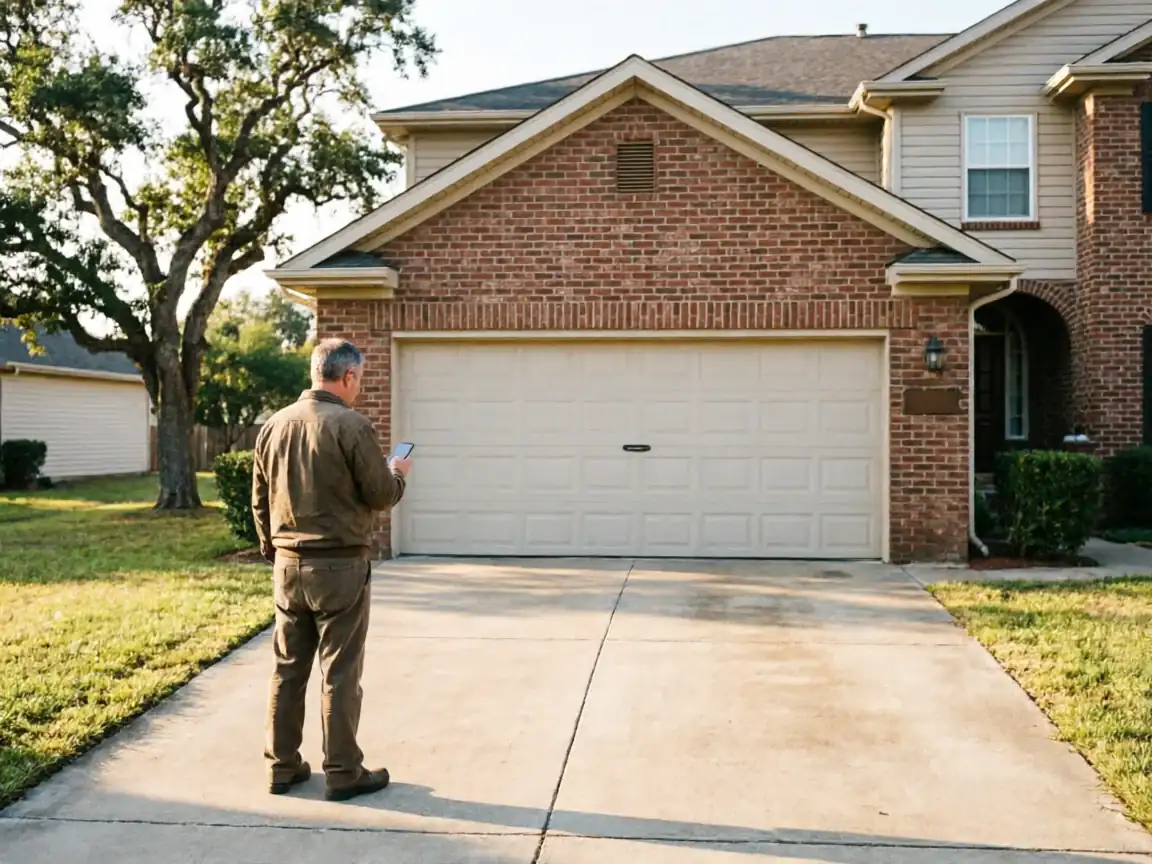
Norman's housing stock runs mostly 1964 to 2004, with the median build year landing at 1987
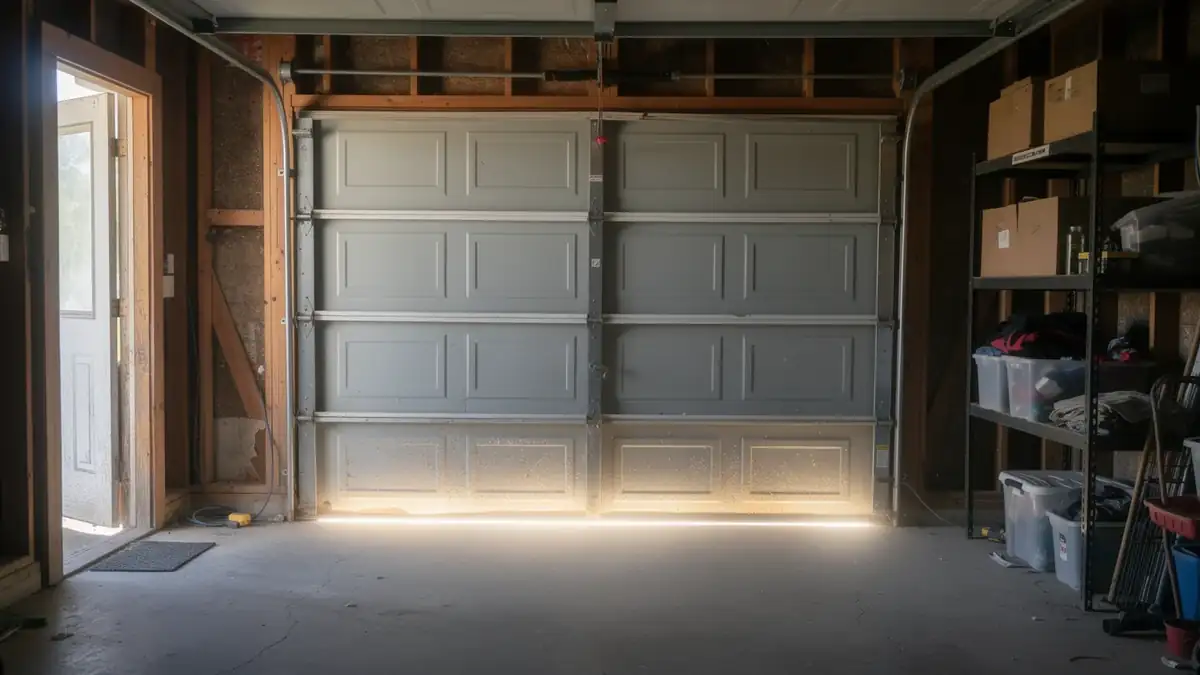
That's a long stretch, but it has one thing in common across almost all of it: it predates the point where insulated garage doors became the default rather than the upgrade. A single layer of steel, no foam core, no thermal break - that's what came on the house, and in a lot of neighborhoods it's still what's hanging there now.
Across the 17 named areas that make up this service territory, the pattern repeats
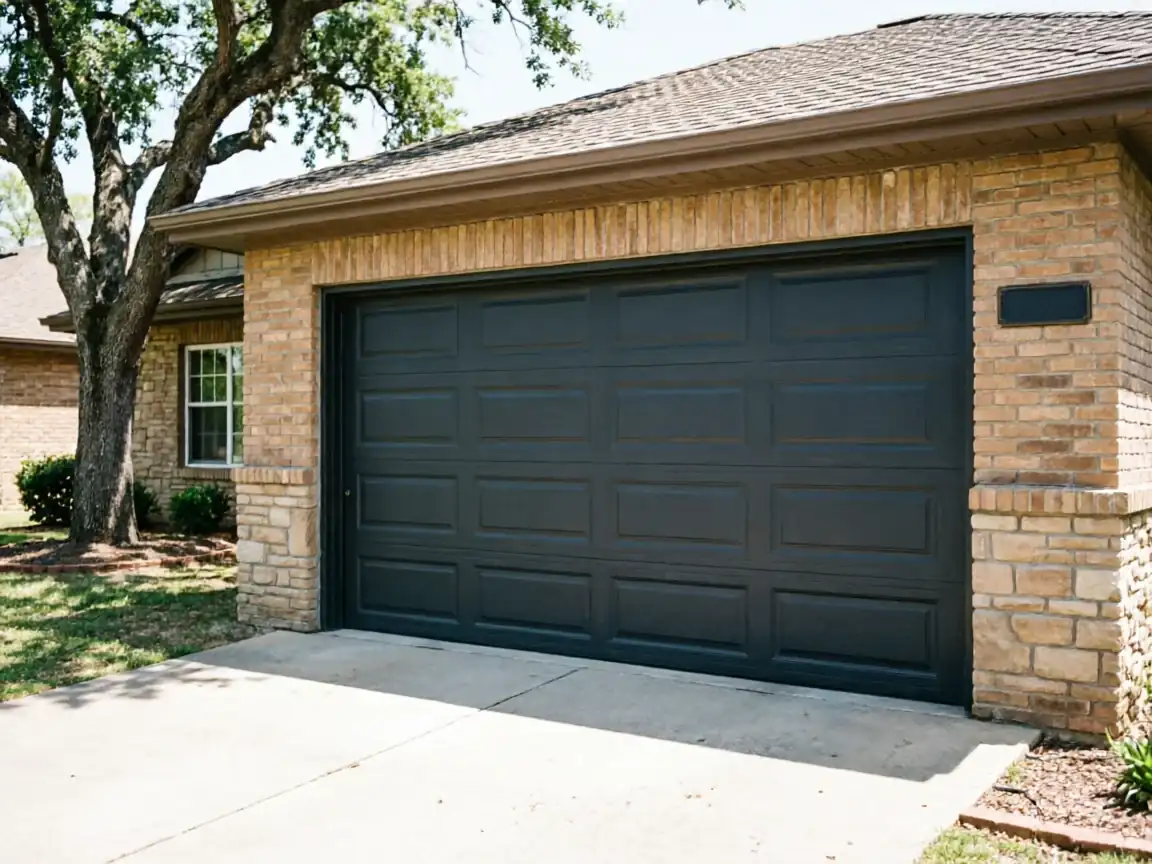
The stock skews 1980s and 90s, which means the same basic door shows up block after block - same gauge, same hardware, same lack of a vapor seal on the bottom panel. It's not a defect. It's just what builders put in before anyone was pricing insulation into a garage door spec.
The practical effect
The garage is thermally closer to the outside than most owners assume, and anything stored against that shared wall - or any room built over the garage - feels it first.
Where People Go Wrong
The common mistake is treating an uninsulated door like a cosmetic problem and fixing the symptom instead of the door. Owners weatherstrip the bottom, seal the sides, maybe add a threshold kit, and wonder why the garage still runs cold. None of that touches the panel itself. A single steel skin moves heat the same whether the gaps around it are sealed or not.
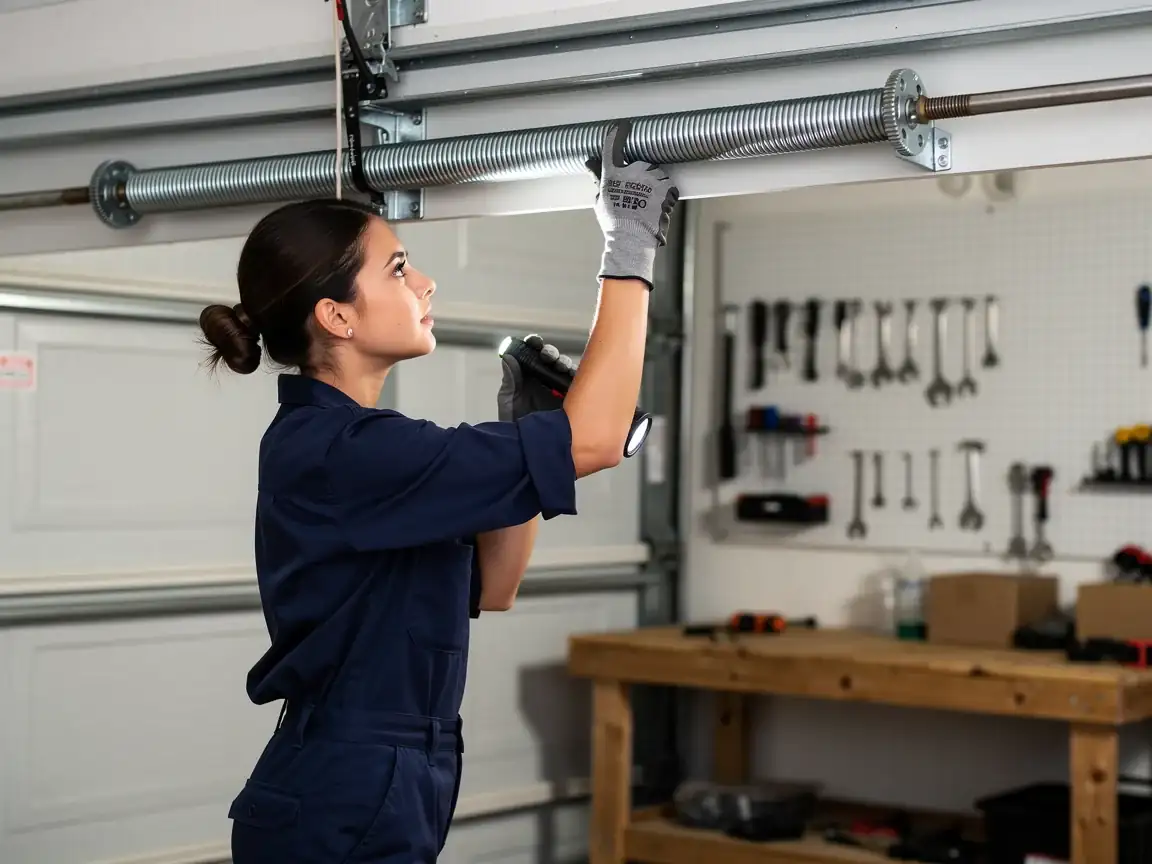
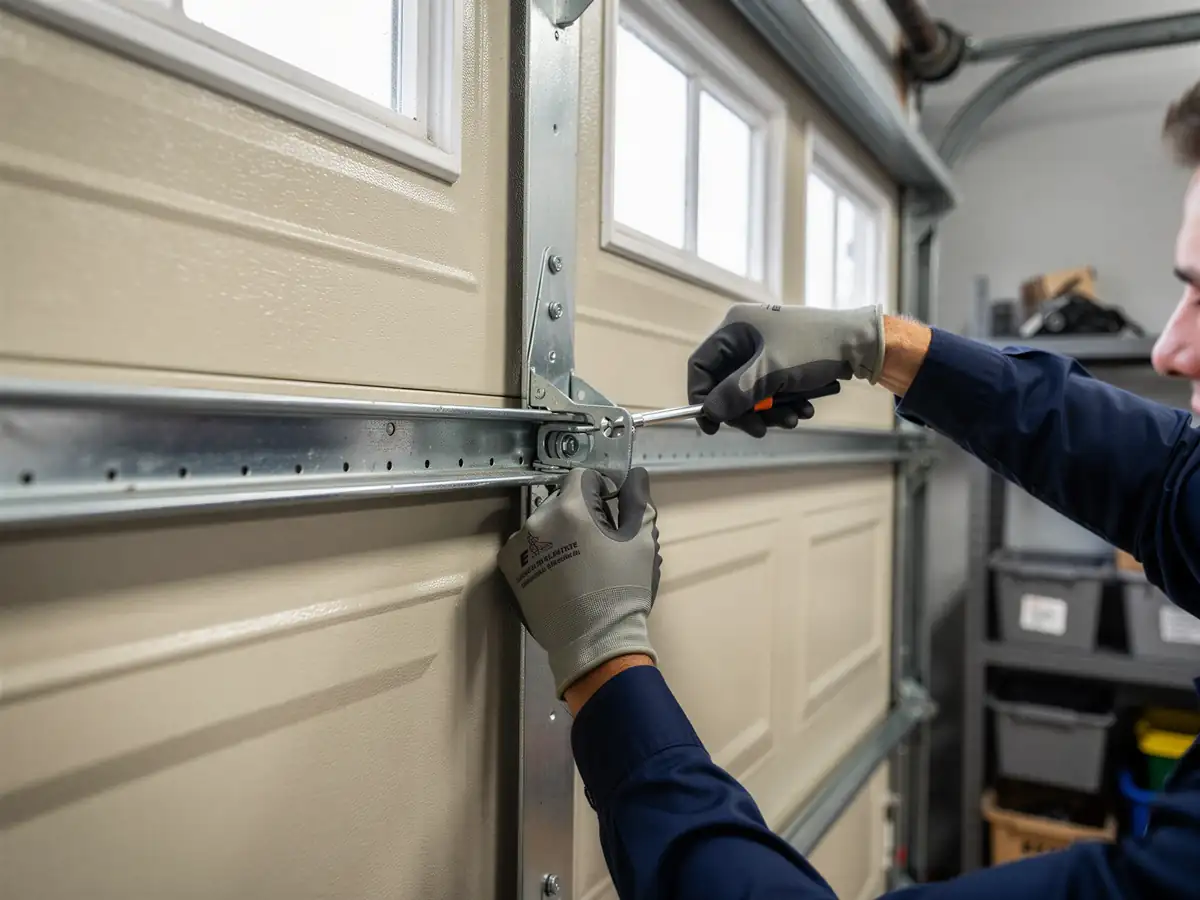
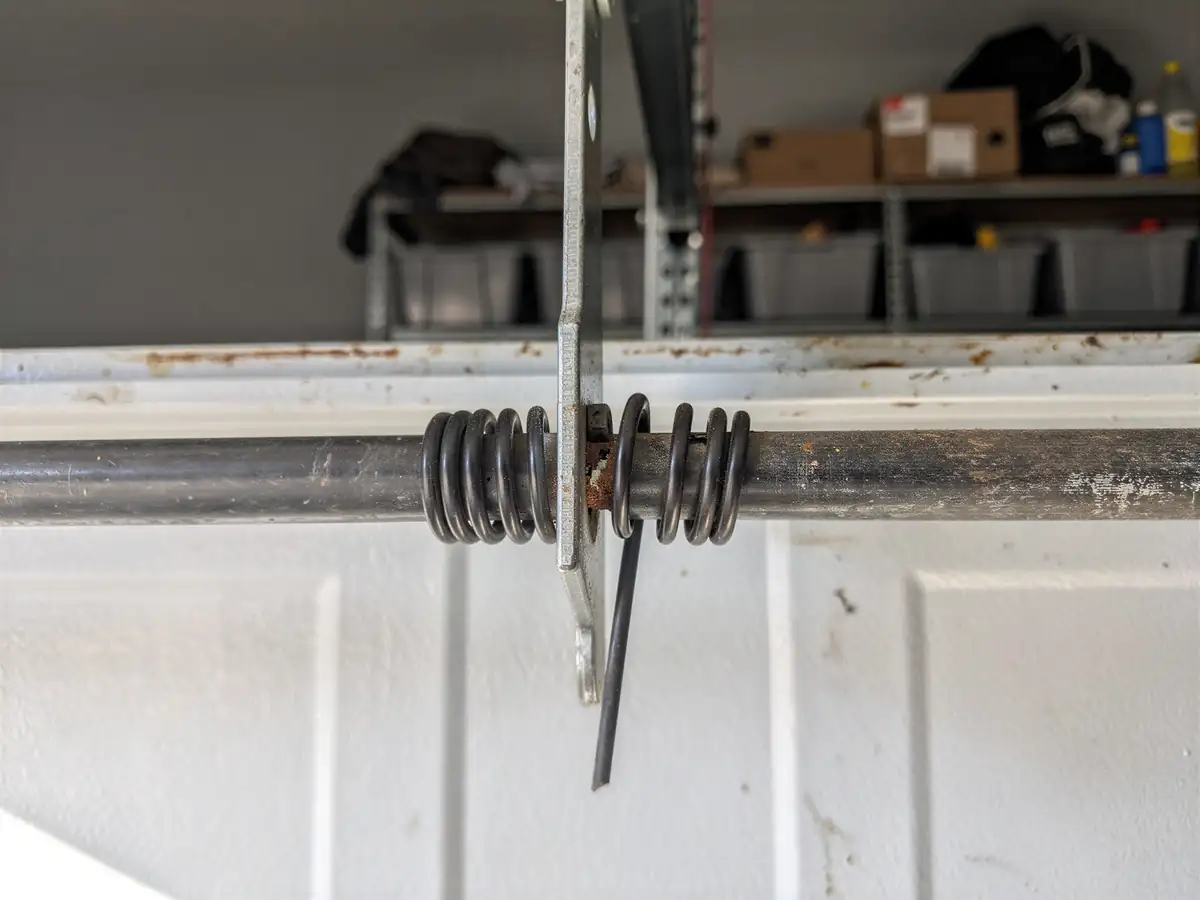
The second mistake is assuming the hardware aged along with the door the same way. A torsion spring sized for a non-insulated 1980s steel door is lighter than one sized for a two-layer insulated replacement, because the insulated panel weighs more. Swap only the door and keep the old spring and you get a door that won't hold position, an opener straining on every cycle, or a spring that's simply wrong for the new weight. This is a case-by-case call, not a universal rule - some original hardware is fine with a lighter replacement door, some isn't. The point is you can't assume either way without checking.
When Waiting Is Fine
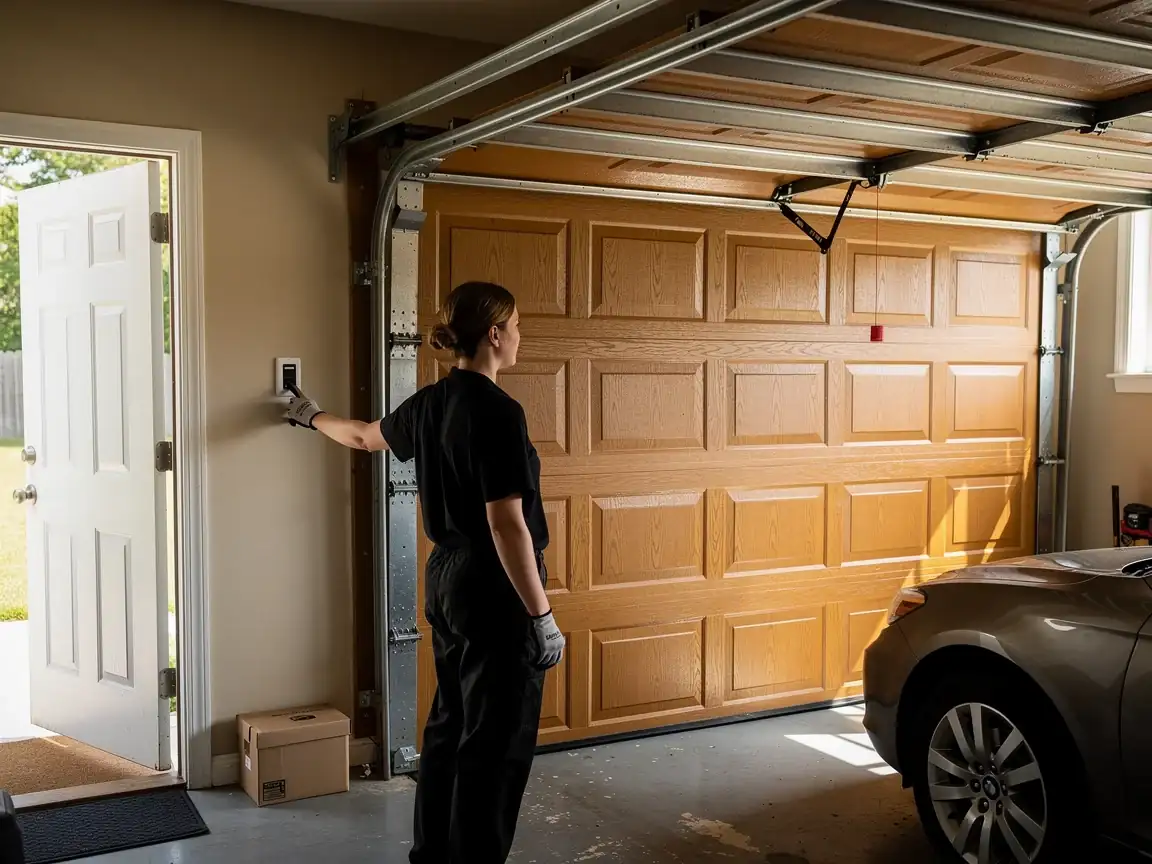
Not every uninsulated door needs to come out this year. If the panel is straight, the seams aren't rusted through, and the door still cycles smooth on its rollers, there's no mechanical reason to replace it just because it lacks a foam core. Insulation is a comfort and energy question, not a safety one, and Norman's climate band is cold-moderate - real winter swings, but not the kind of extreme cold load where an uninsulated garage becomes a structural liability.
If the garage isn't heated, isn't over a living space, and isn't storing anything sensitive to temperature, you can leave a sound 1980s or 90s steel door alone and spend the money somewhere else. Where it stops being fine is when the door is also showing its age mechanically - bent track, pitted rollers, a spring that's clearly original. At that point you're not deciding between insulated and not; you're deciding whether to keep running a door that's due for replacement regardless, and an insulated panel is a reasonable thing to pick while you're already buying one.
What Local Conditions Do
Cold-moderate winters mean the garage goes through real temperature swings across a season
Not a hard freeze that sits for weeks. That cycling matters more for an uninsulated steel door than steady cold would, because the panel expands and contracts repeatedly rather than settling into one state. Over years, that's wear on seams and on any seal that was added after the fact.
Given that most of the service area's 36,448 owner-occupied houses sit inside that 1964-2004 build window
This isn't an edge case - it's the typical house. The door you're looking at in the garage is very likely either original steel from that era or a direct like-for-like steel replacement installed without anyone revisiting the spring sizing or insulation question. Median household income here runs around $75,000, which is worth mentioning only because it puts a full insulated replacement within reach for most owners weighing it against years of a cold garage - it's a real option, not a stretch purchase, when the door's actual condition justifies it.
- 36,448 owner-occupied