What We Do Not Do
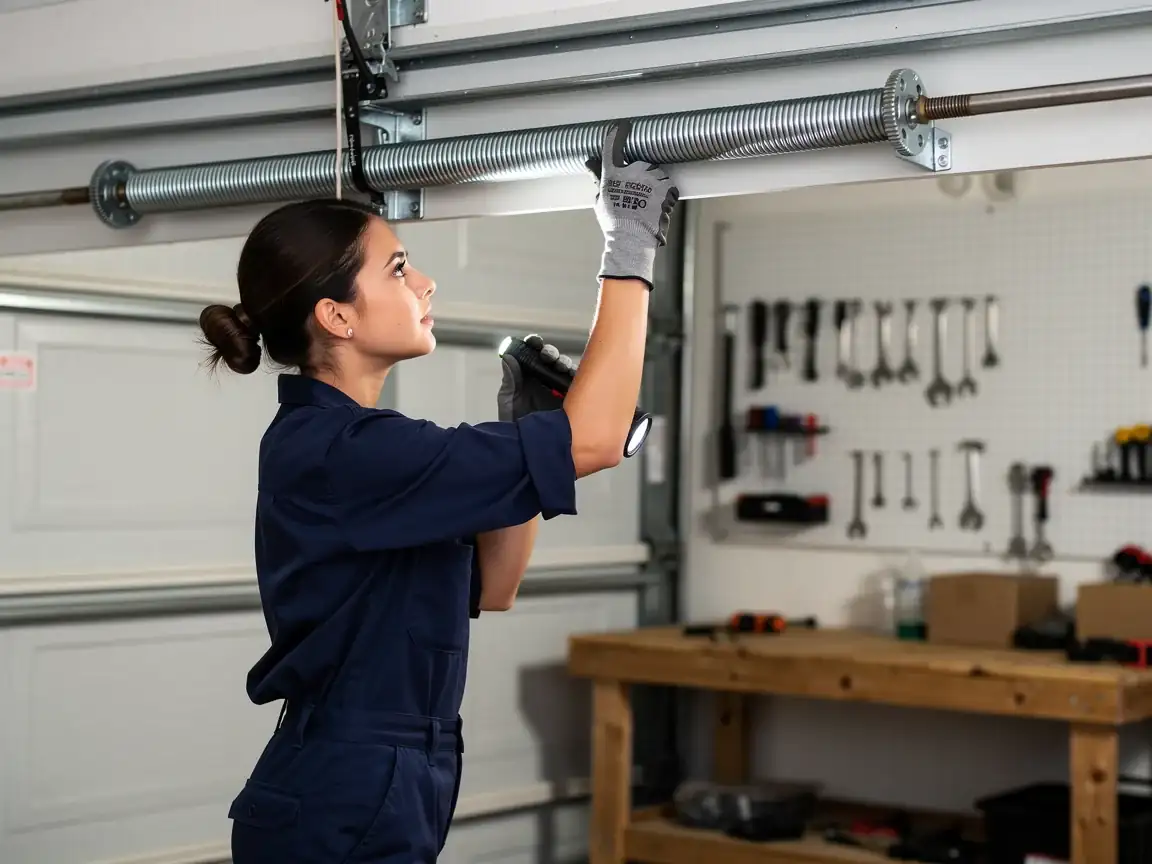
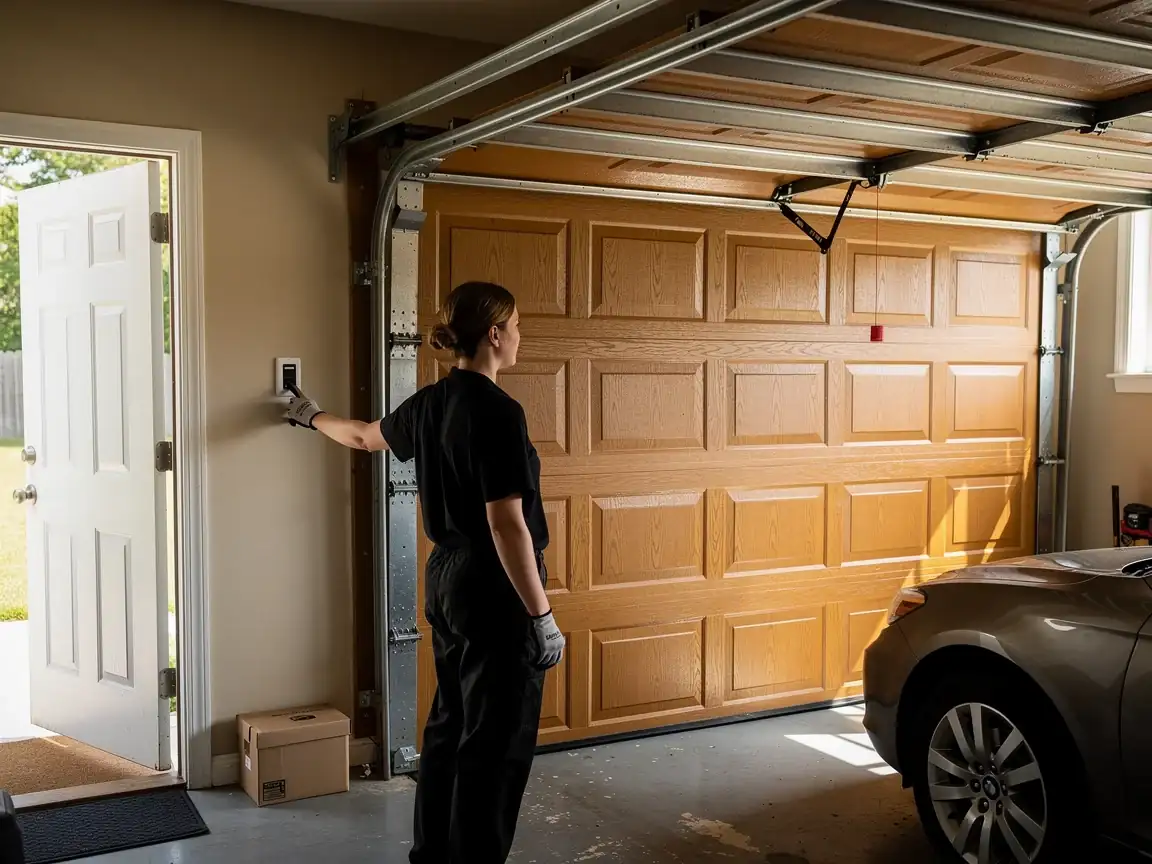
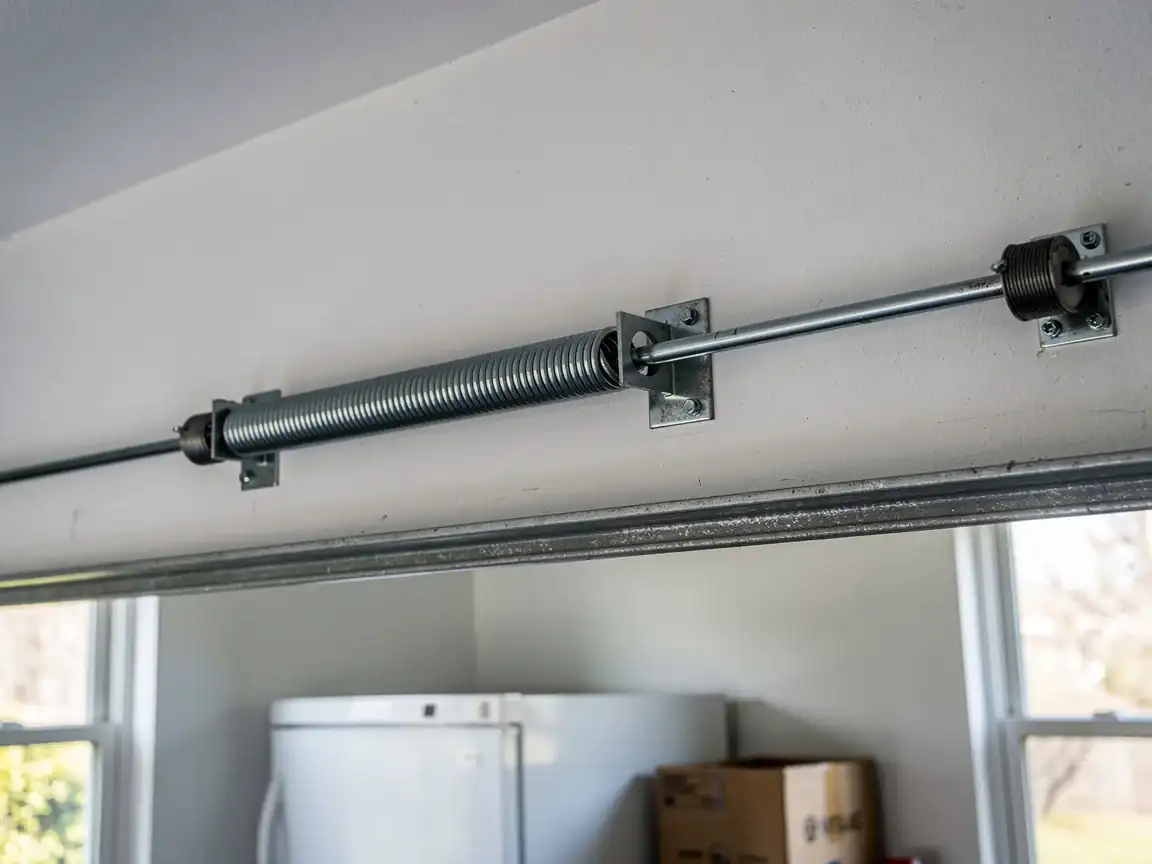
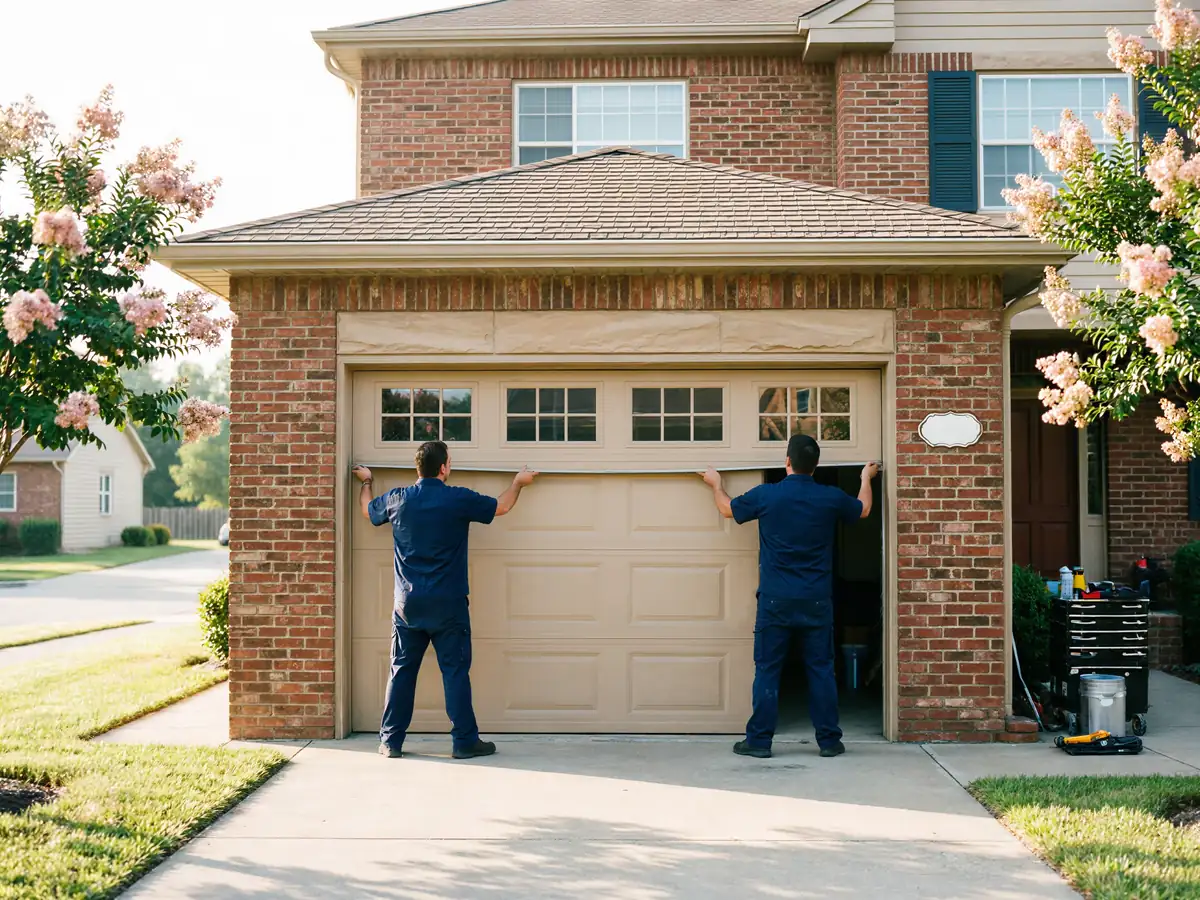
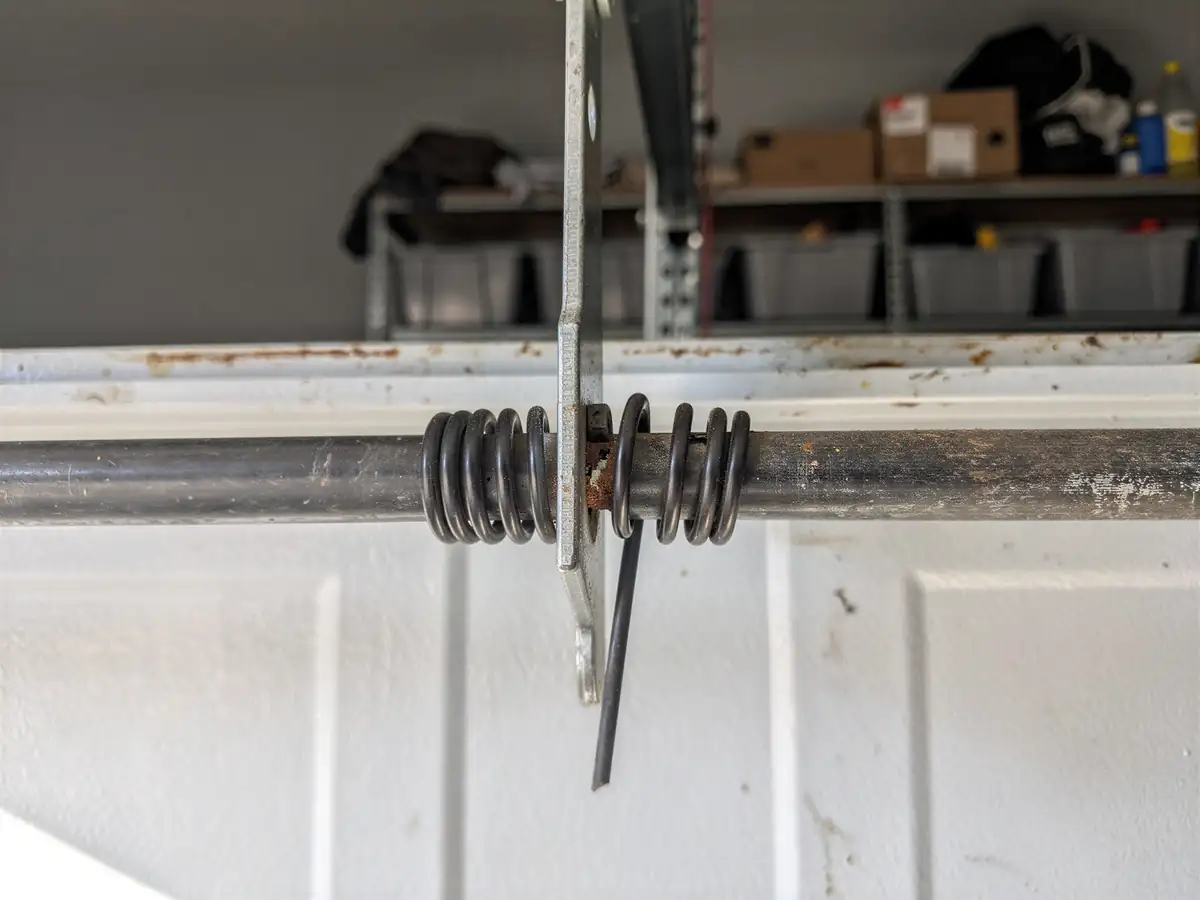
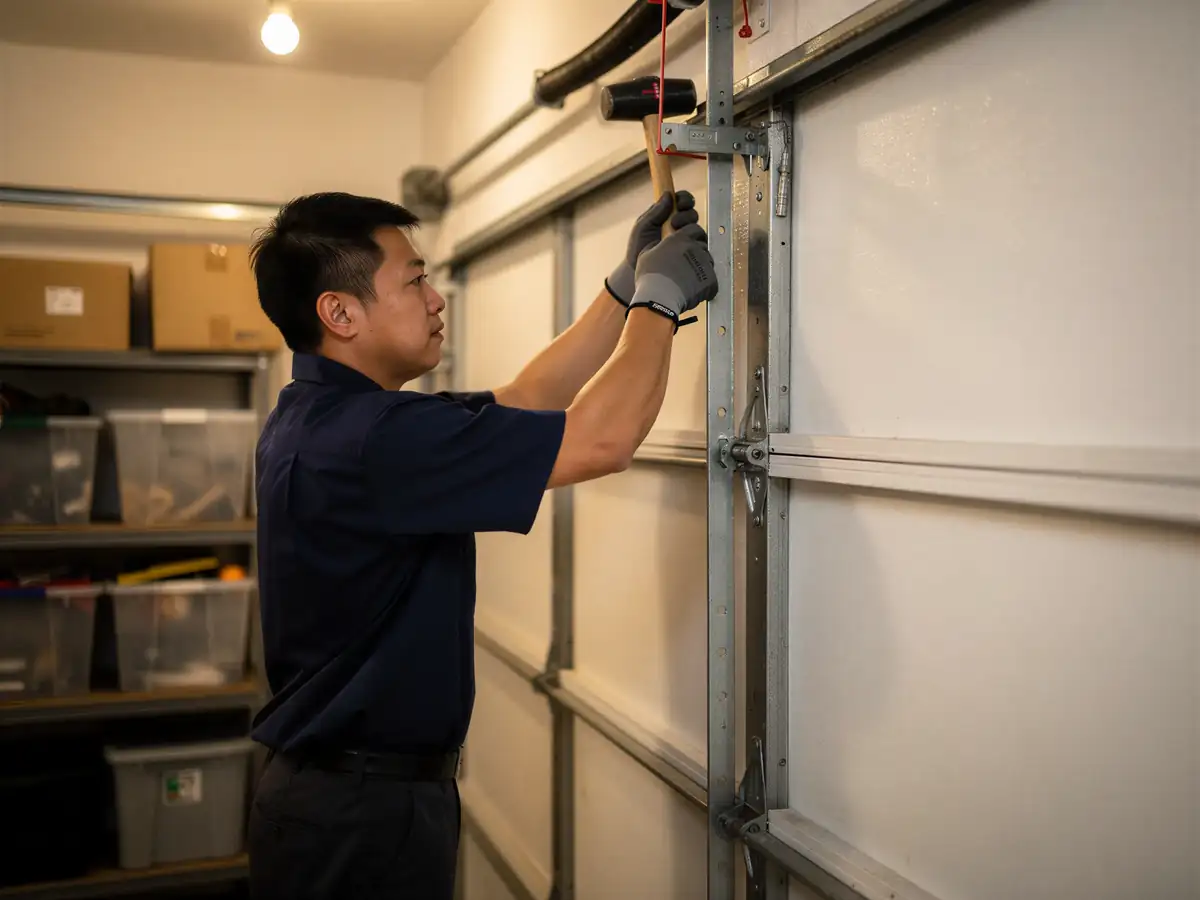
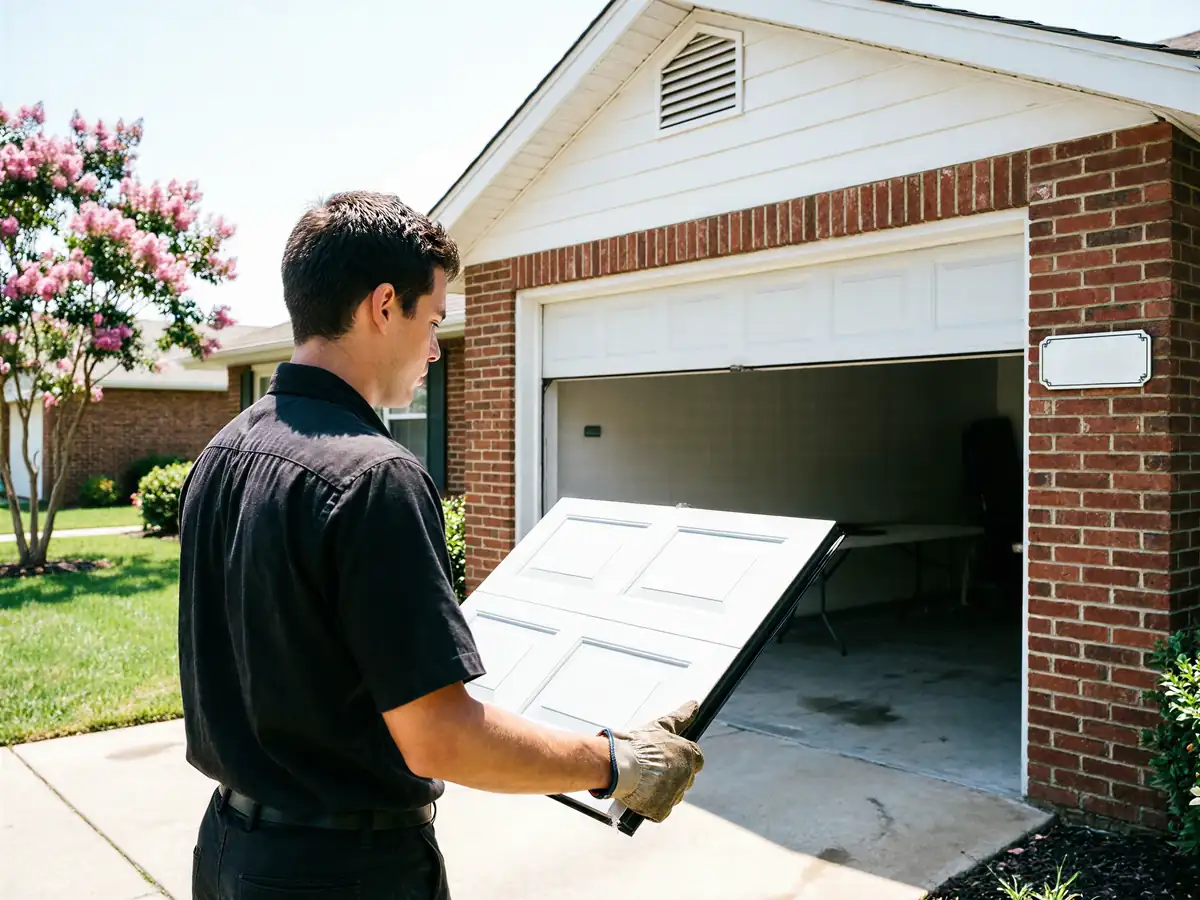
We don't stock every opener model on the truck for a town this small, and we're not going to pretend a part is in the van when it isn't - if your opener needs a board that's not common, we order it and come back rather than improvise. We also don't do cosmetic panel matching on doors old enough that the original run is long discontinued; if one section is dented and the rest show thirty-plus years of sun, we'll tell you straight that a full replacement looks better and often costs less than hunting a matching panel. And we don't push replacement on a working torsion spring just because the door is old - if the spring's sound and the drums aren't pitted, we leave it alone.
How That Shows Up in the Door
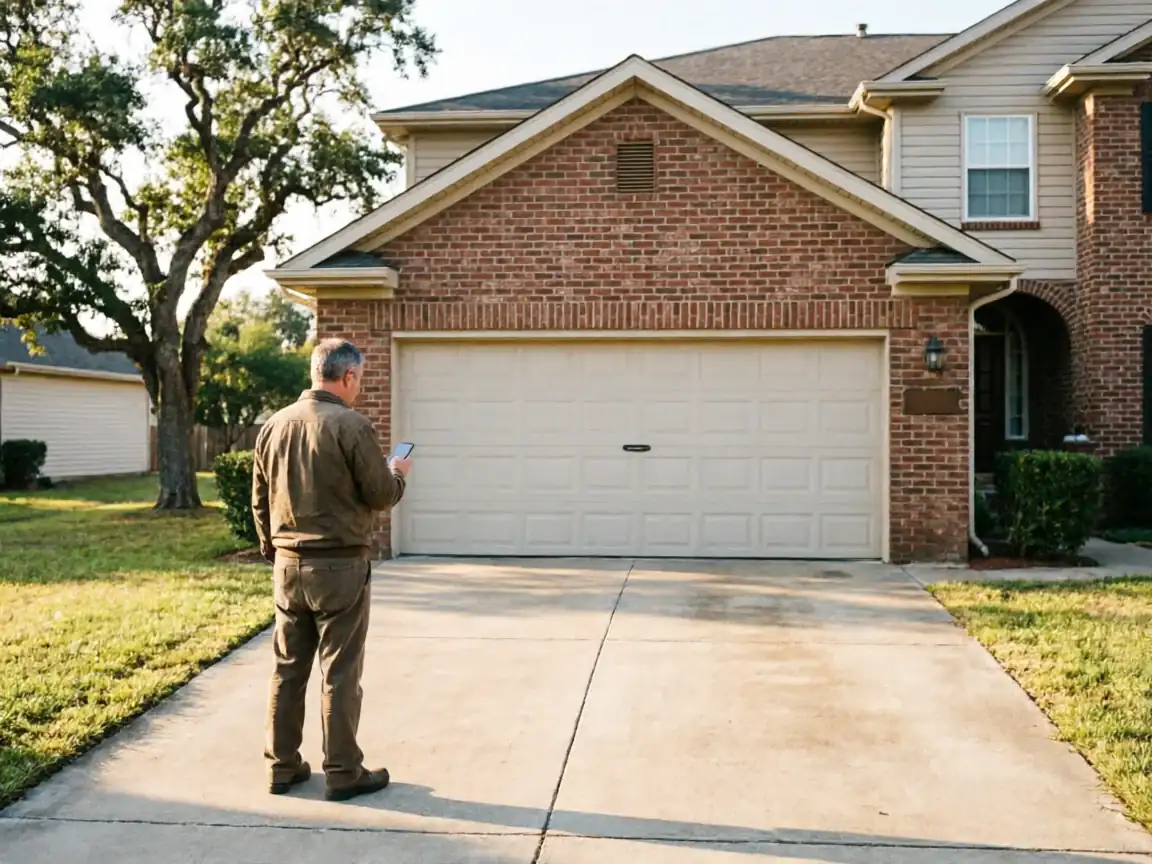
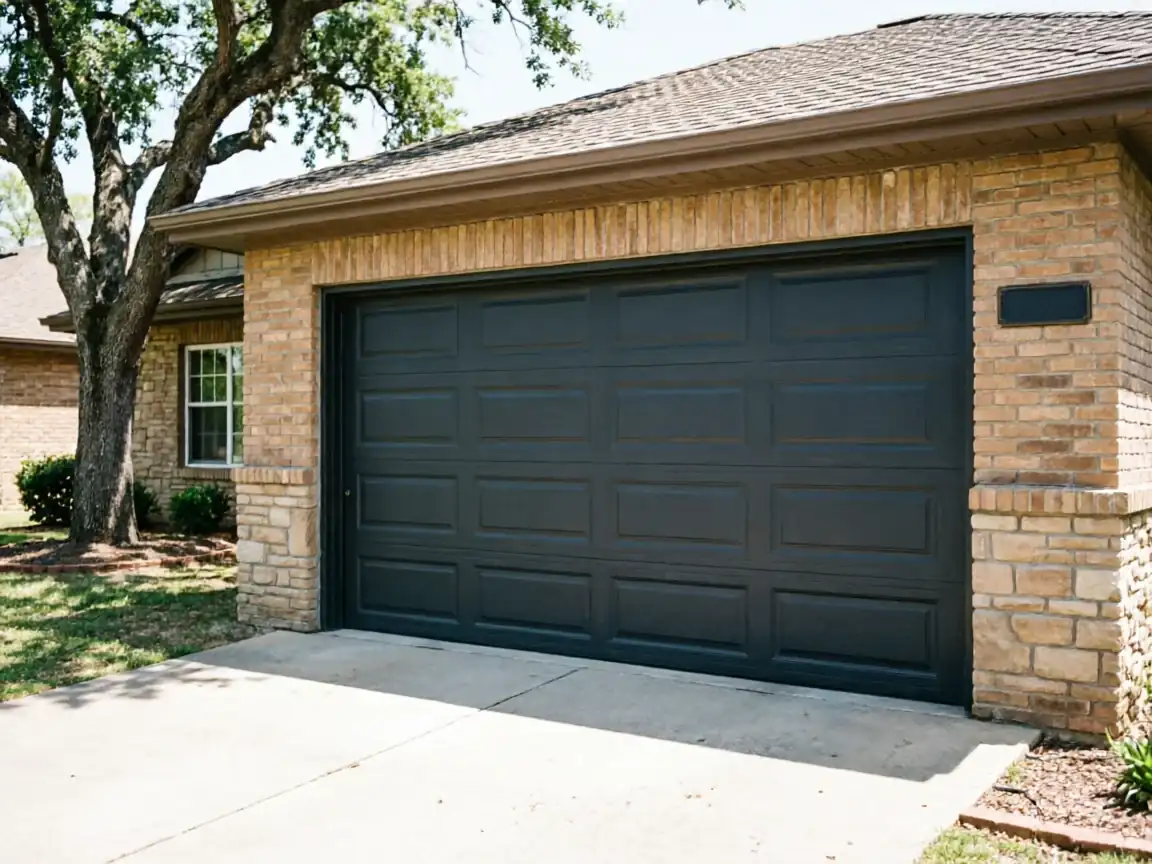
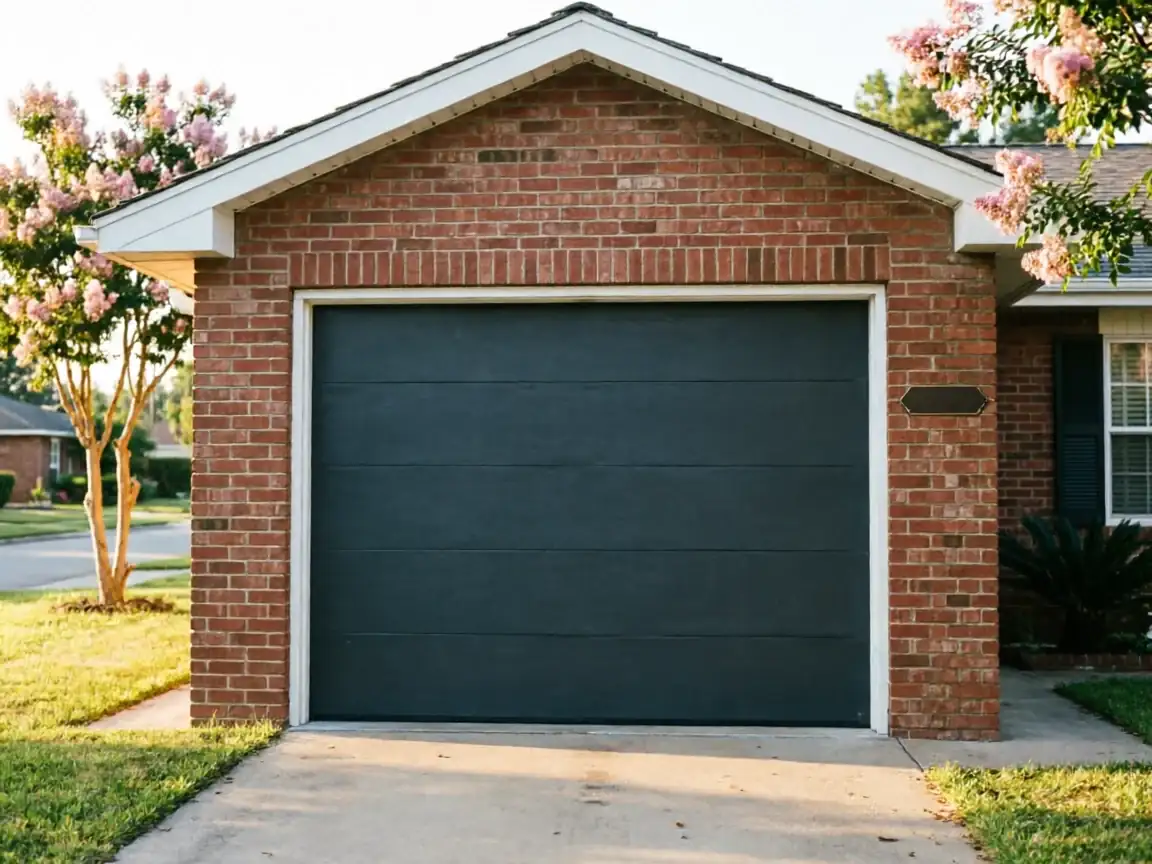
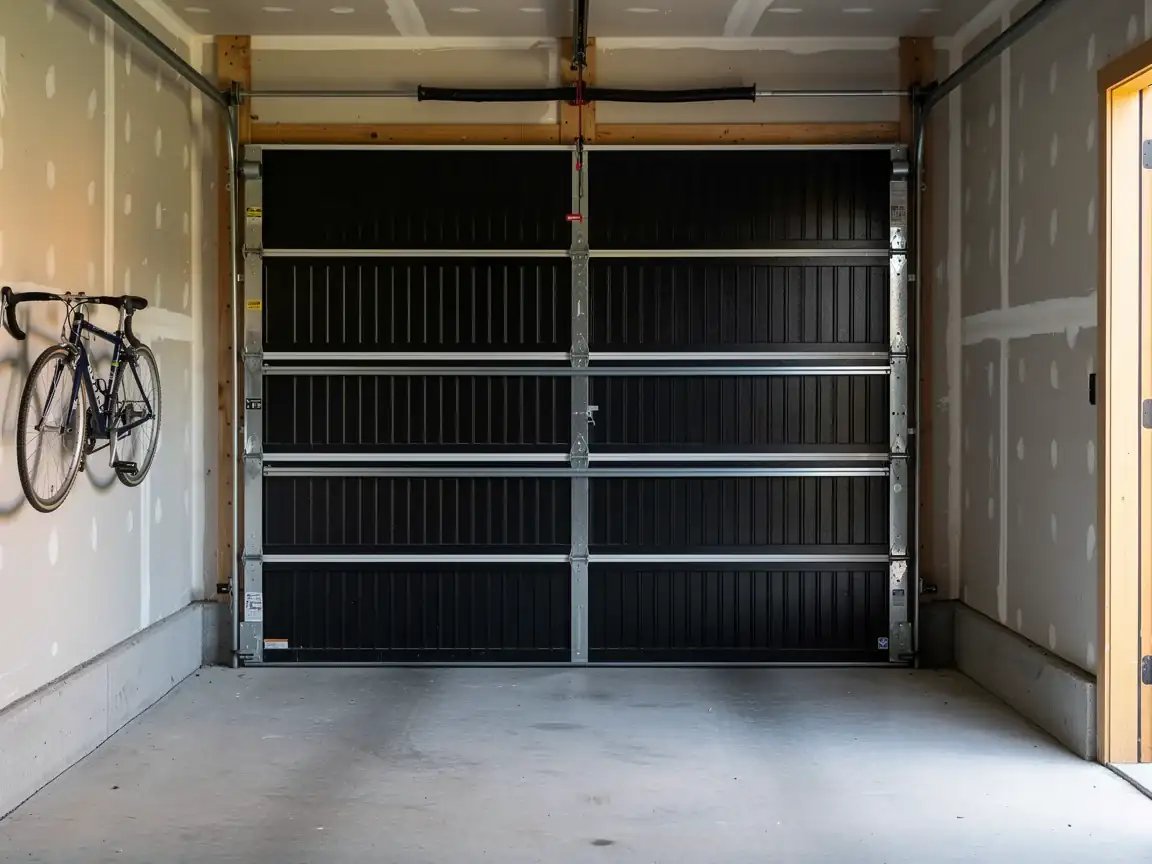
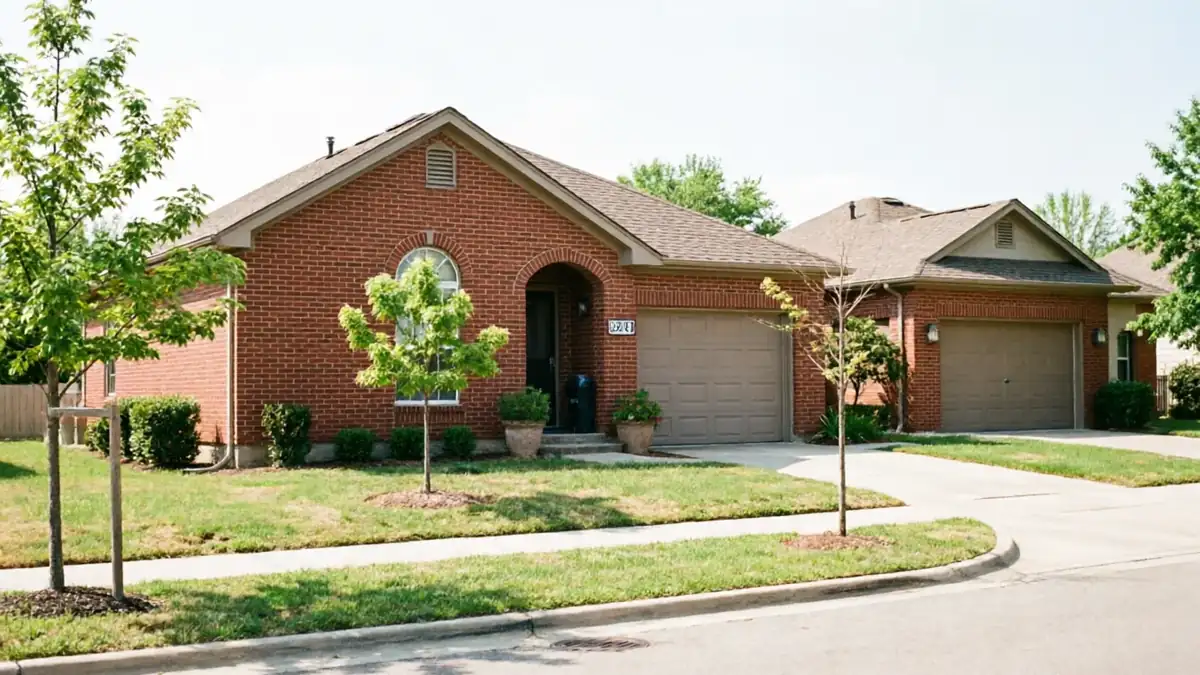
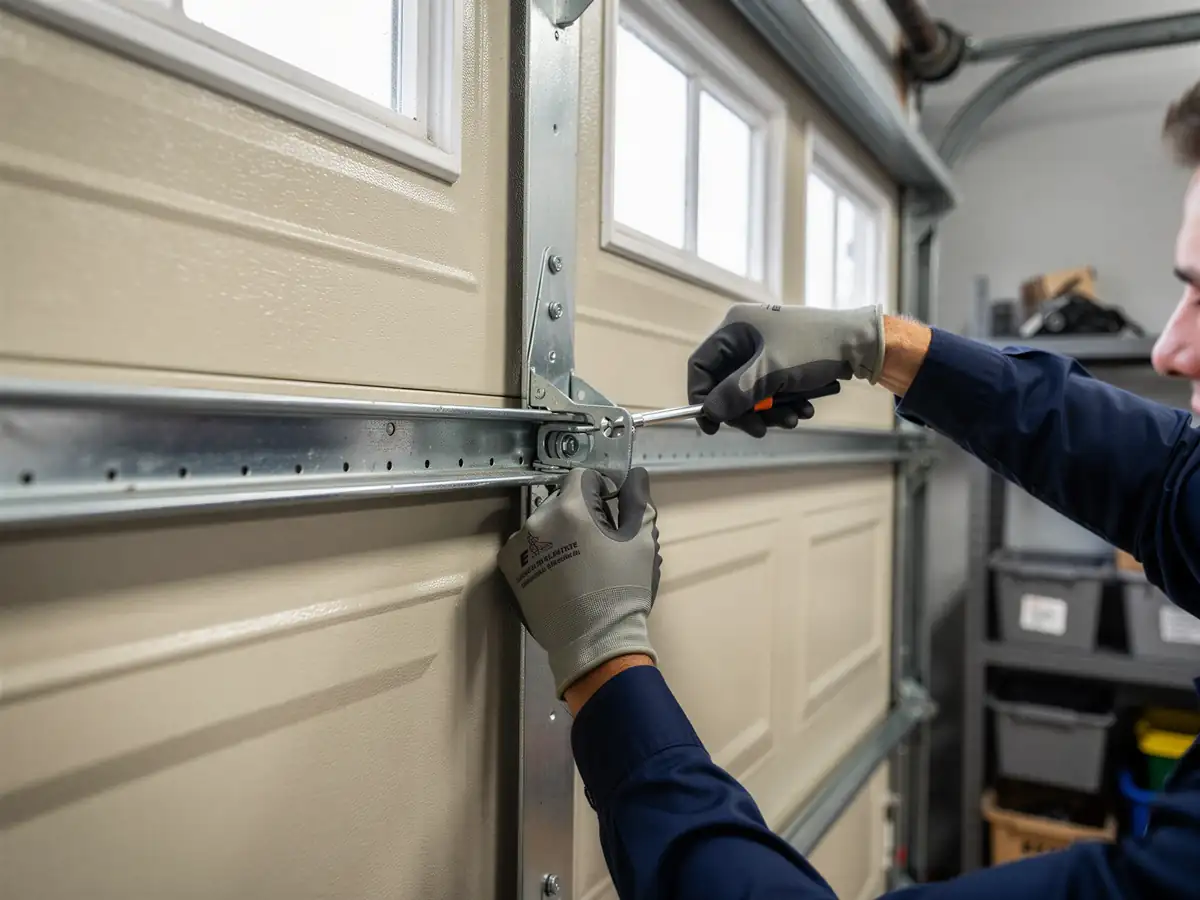
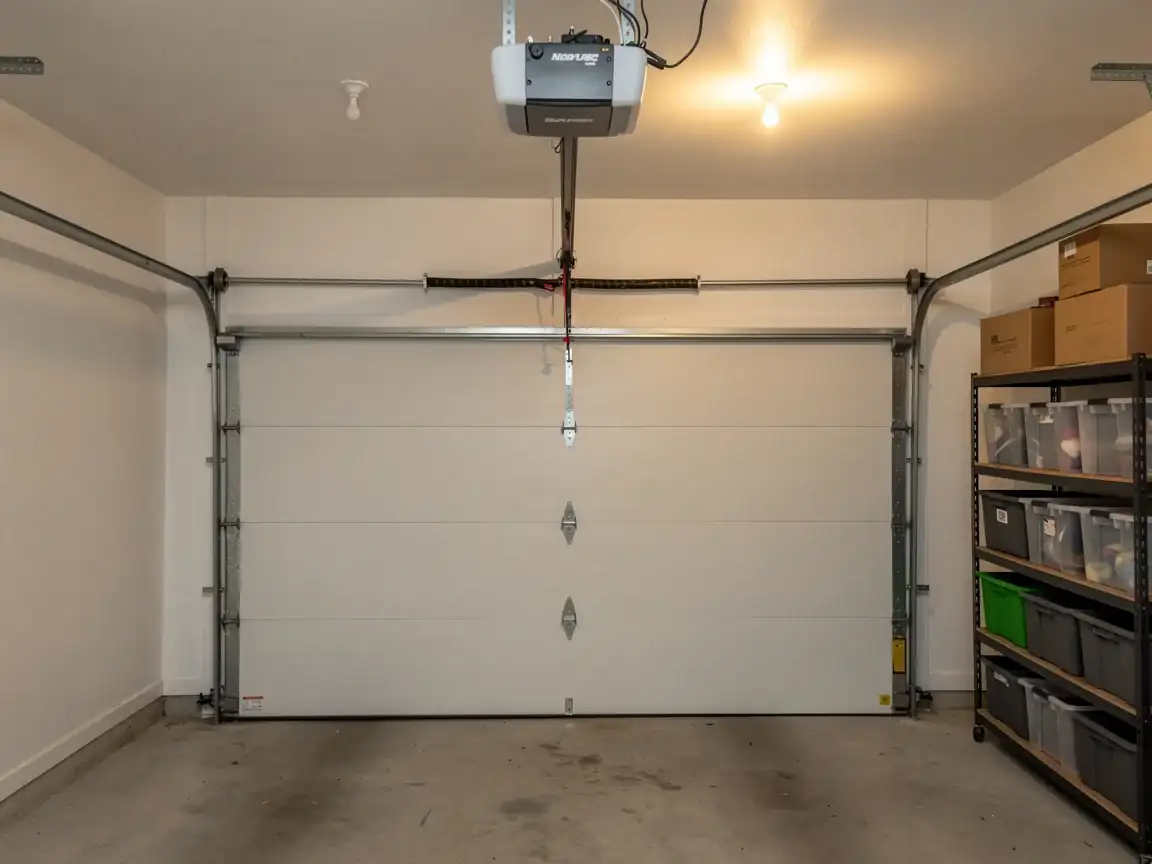
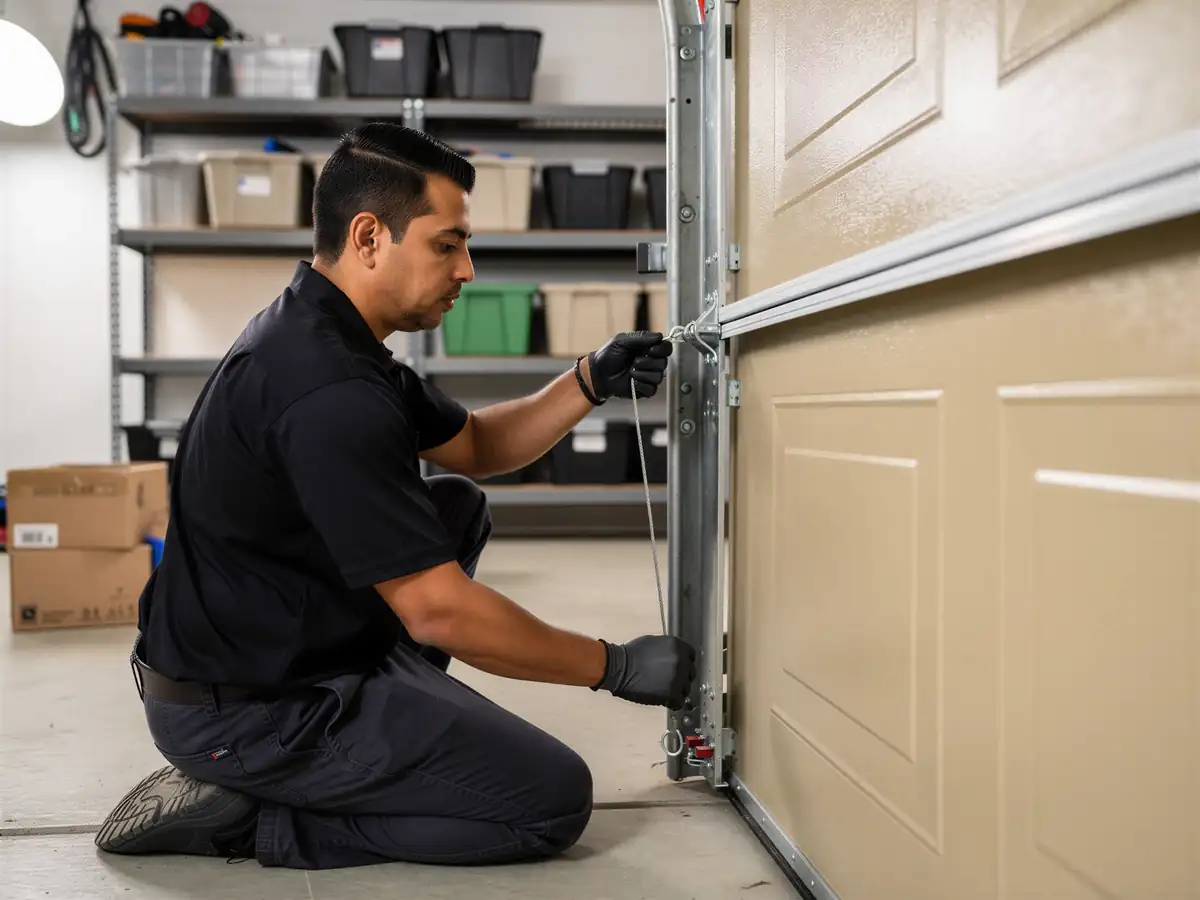
Most of the service area's housing runs 1964 to 2004 with a median around 1987, but Lexington itself centers closer to 1982, which puts a meaningful share of its garage doors into their fifth decade. A door of that age usually means a single torsion spring on steel track, a chain-drive opener that's been swapped once already, and galvanized cable that's starting to fray at the drum end even if nothing looks wrong yet. The region sits in a cold-moderate climate band, so winter is hard on old lift cables and on weatherstripping that was never rated for repeated freeze-thaw - on a house this age, that stripping has usually been replaced at least once, badly. We see more broken springs than broken openers on 1980s-built doors here, because the springs are original and nobody budgets for a part that doesn't make noise until the day it snaps.