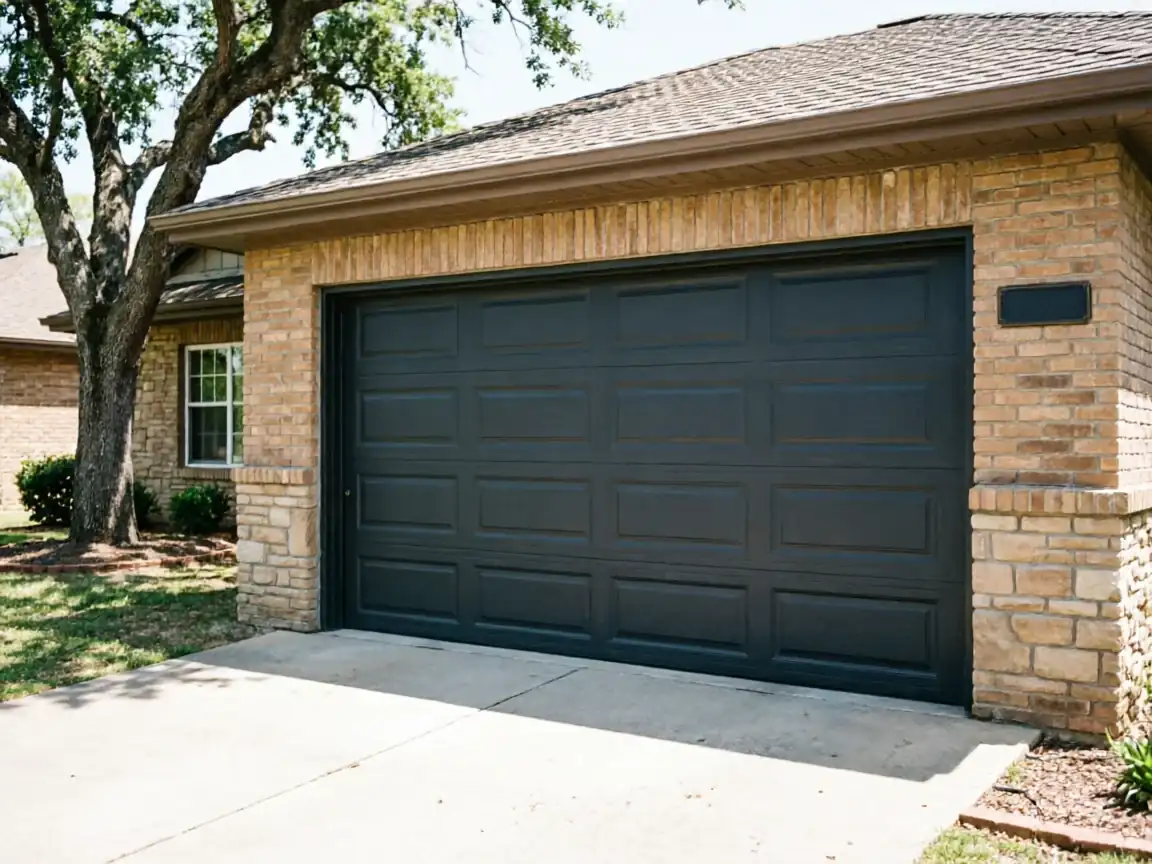
Most houses around Norman went up between 1964 and 2004, with the bulk of that stock built through the 1980s and 90s. That matters because a door installed when the house was built is now anywhere from 20 to 60 years old, and the hardware era tells you a lot before you even open the panel. Doors from the 1980s often ran on lighter-gauge track and smaller torsion springs than what gets installed today, and openers from that stretch rarely have the safety reversal sensors required on anything sold now. When a homeowner calls about a door that's been sticking or groaning, the first question we ask isn't the brand - it's roughly when the house was built, because that narrows down what we're dealing with before we even load the truck. A door built in 1987 and a door built in 2001 can need completely different parts, even on the same street. Across the 17 areas we work in, that spread of build years is the single biggest factor in whether a repair makes sense or whether you're chasing a door that's reached the end of what parts can fix.
Where People Go Wrong
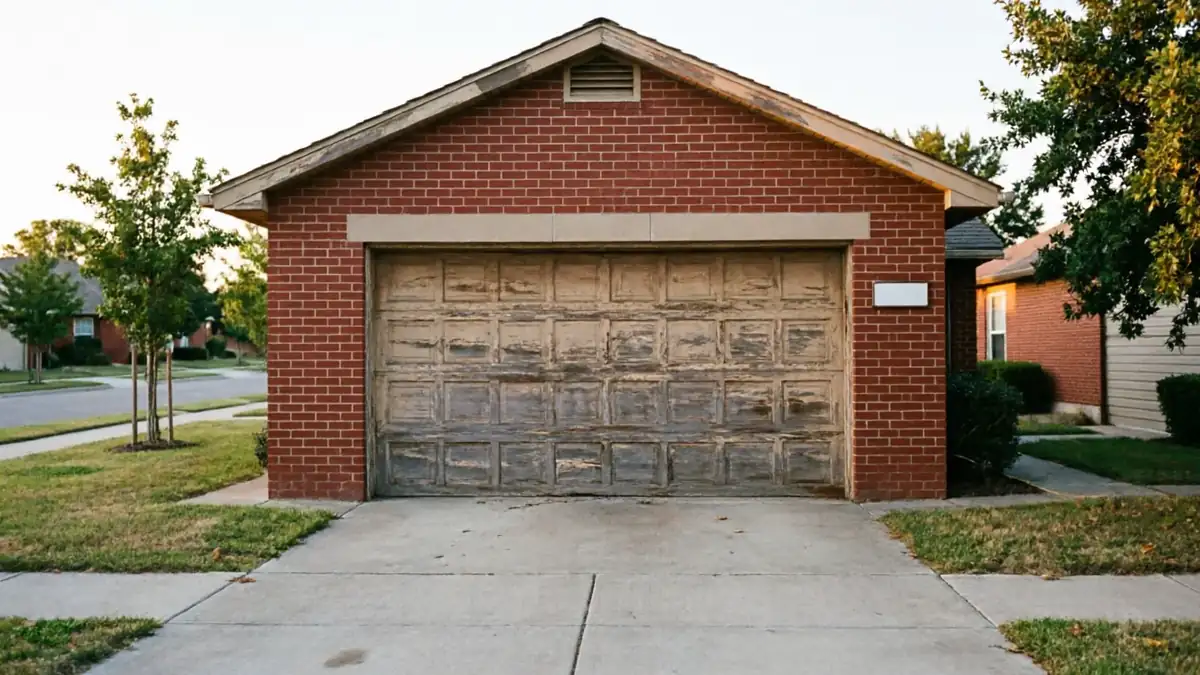
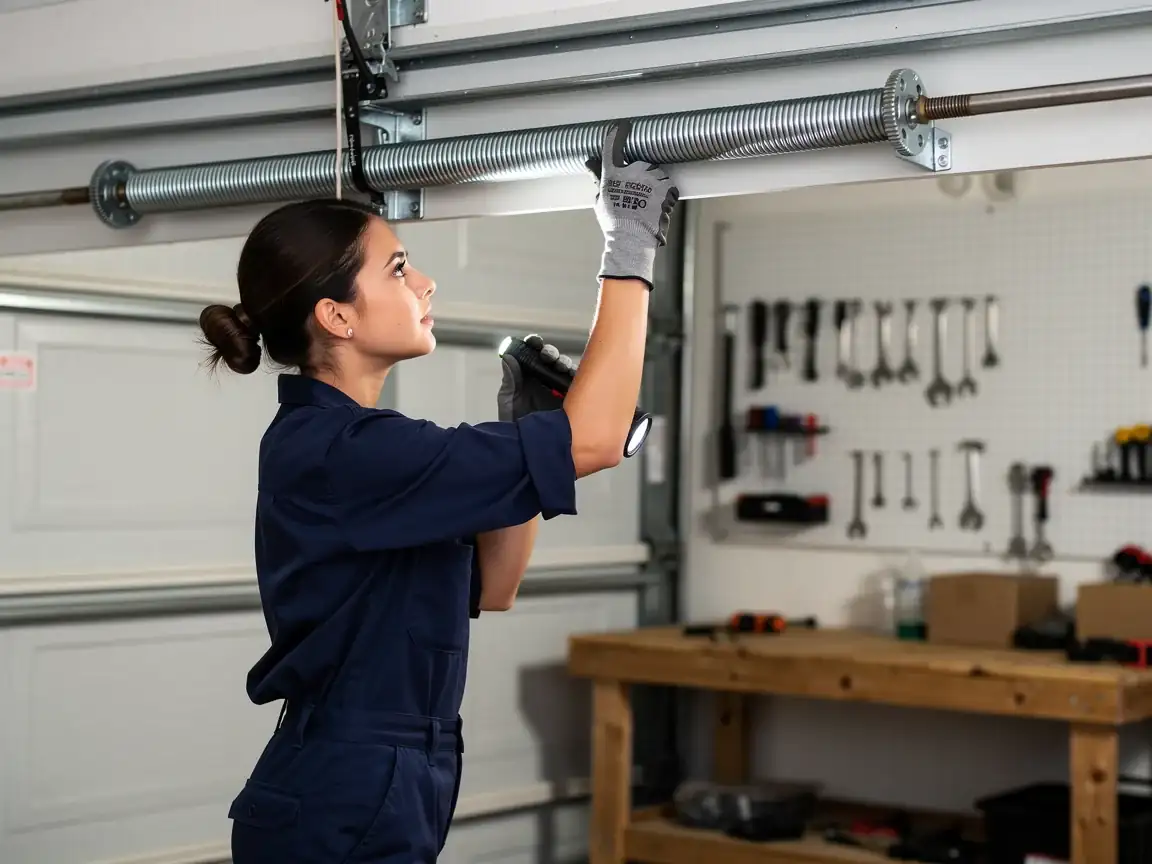
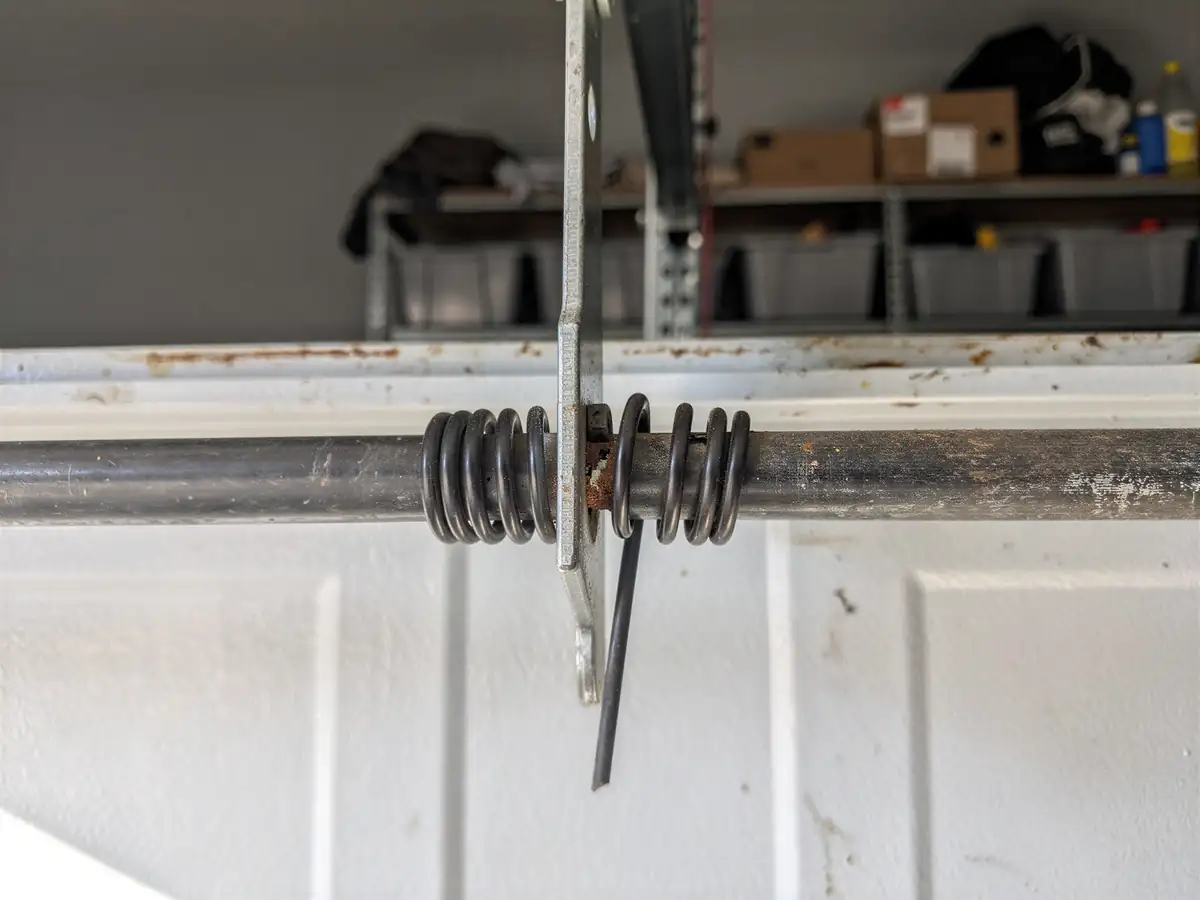
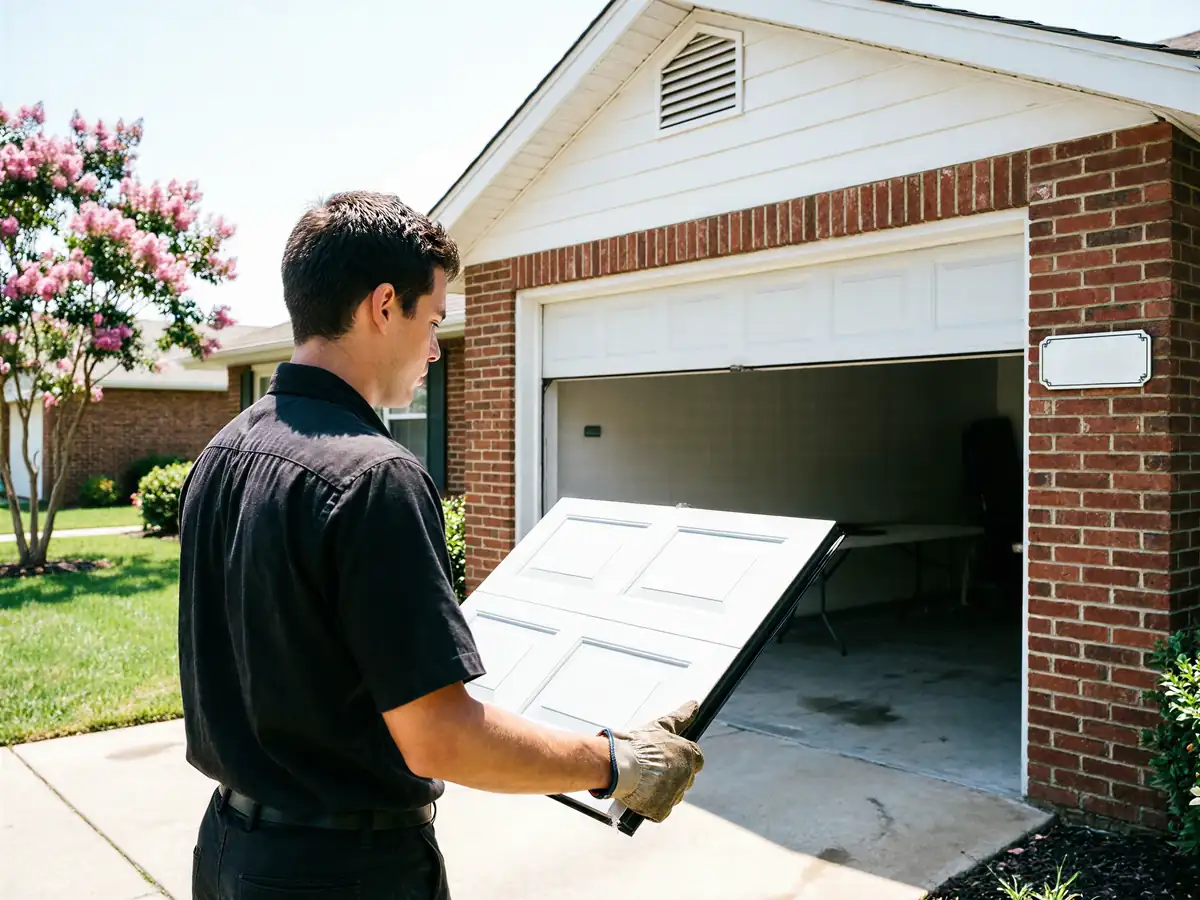
The common mistake is treating every noisy or slow door the same way, when the right call depends heavily on age and what's actually failed. We see people replace an opener motor on a door whose track is bent and rollers are shot - the new motor just labors against bad hardware and burns out faster. We also see the opposite: someone wants to replace an entire door because the opener is dying, when the door itself, especially one of the heavier wood or steel doors common in the 1980s-90s builds here, still has a lot of life left once it's rebalanced. A broken torsion spring on a double door from that era is usually a straightforward fix. A warped panel on a door that age, paired with a motor that's already failed once, is a different conversation - at some point the labor to keep patching an old unit costs more over a few years than replacing it once. We'll tell you flat out when a repair isn't worth doing, even if it costs us the job that day.
When Waiting Is Fine
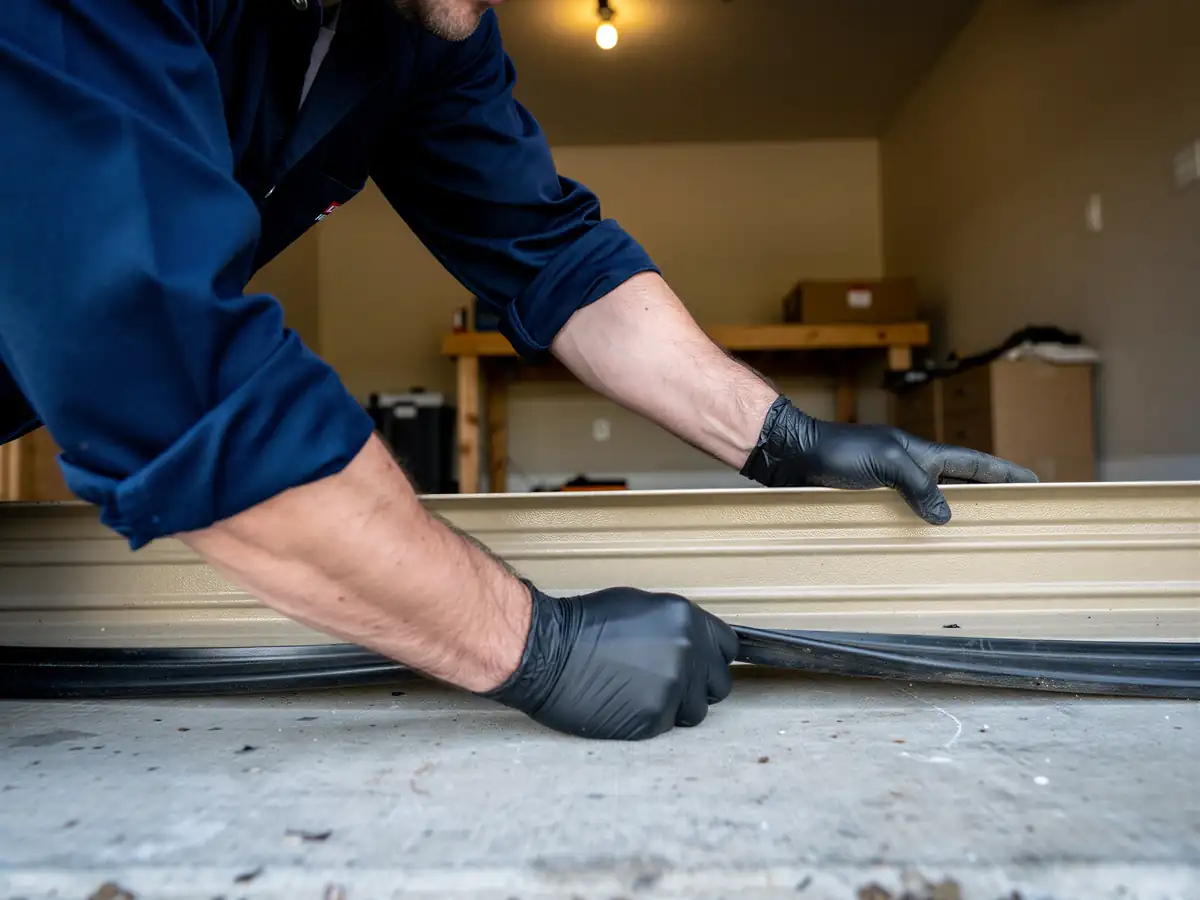
Not every squeak or slow close needs a same-day call. If your door is from the 1987-era median build and it's just noisy on the way down but still seals, still balances, and the opener still reverses when it hits resistance, you can usually wait and schedule it rather than treat it as an emergency. Cosmetic rust on hardware, a dry hinge, a slightly crooked bottom seal - these are maintenance items, not failures. Given the median household income of $75,000 across the area we serve, most homeowners are weighing a repair against other spending, and it's fair to ask whether something can hold until next month. The one thing we won't tell you to wait on is a spring under tension that's already cracked or a cable that's frayed - those don't get safer with time, they get more likely to snap under load, and a door that size coming down uncontrolled is a different kind of problem than a squeaky roller.
What Local Conditions Do
Norman sits in a cold-moderate climate band, which means winter temperature swings put real stress on steel panels, weatherstripping, and the lubricant in older springs and hinges. A door built in the 1980s or 90s wasn't engineered with the insulation standards common in newer doors, so on colder mornings you'll often hear it before you see anything wrong - a stiff, slow lift as cold grease thickens in an original opener chain drive. That stiffness isn't damage by itself, but it accelerates wear on anything already marginal, which is why an older door that's been fine for years can suddenly need attention after a hard cold stretch. We see this pattern repeat every winter across the service area, from Noble to Choctaw to regardless of exact age - it's the swing itself, not just the calendar year, that wears a door down.
How it works
From “it’s stuck” to “it’s fixed”
1
Tell us what’s wrong
Describe the symptom - won’t open, loud bang, opener runs but the door won’t move.
2
On-site diagnosis
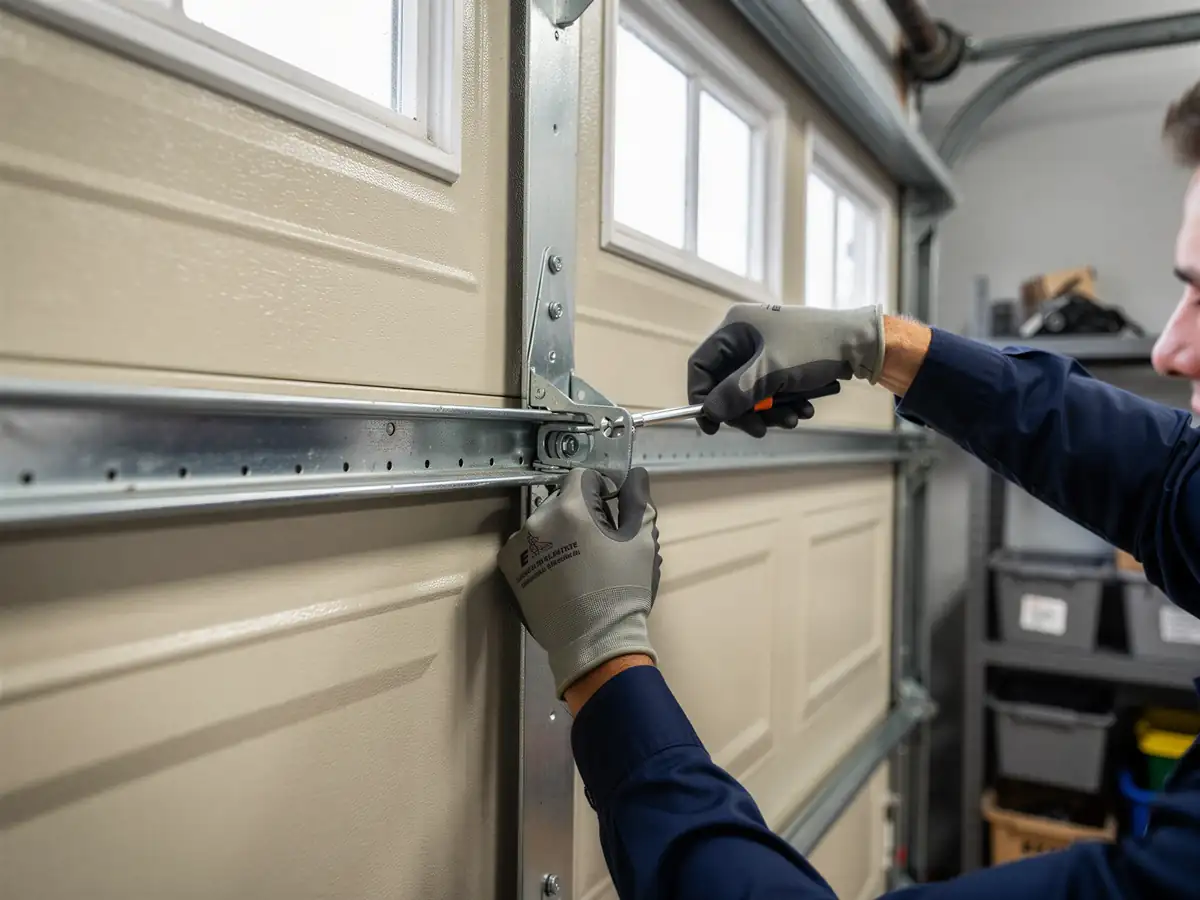
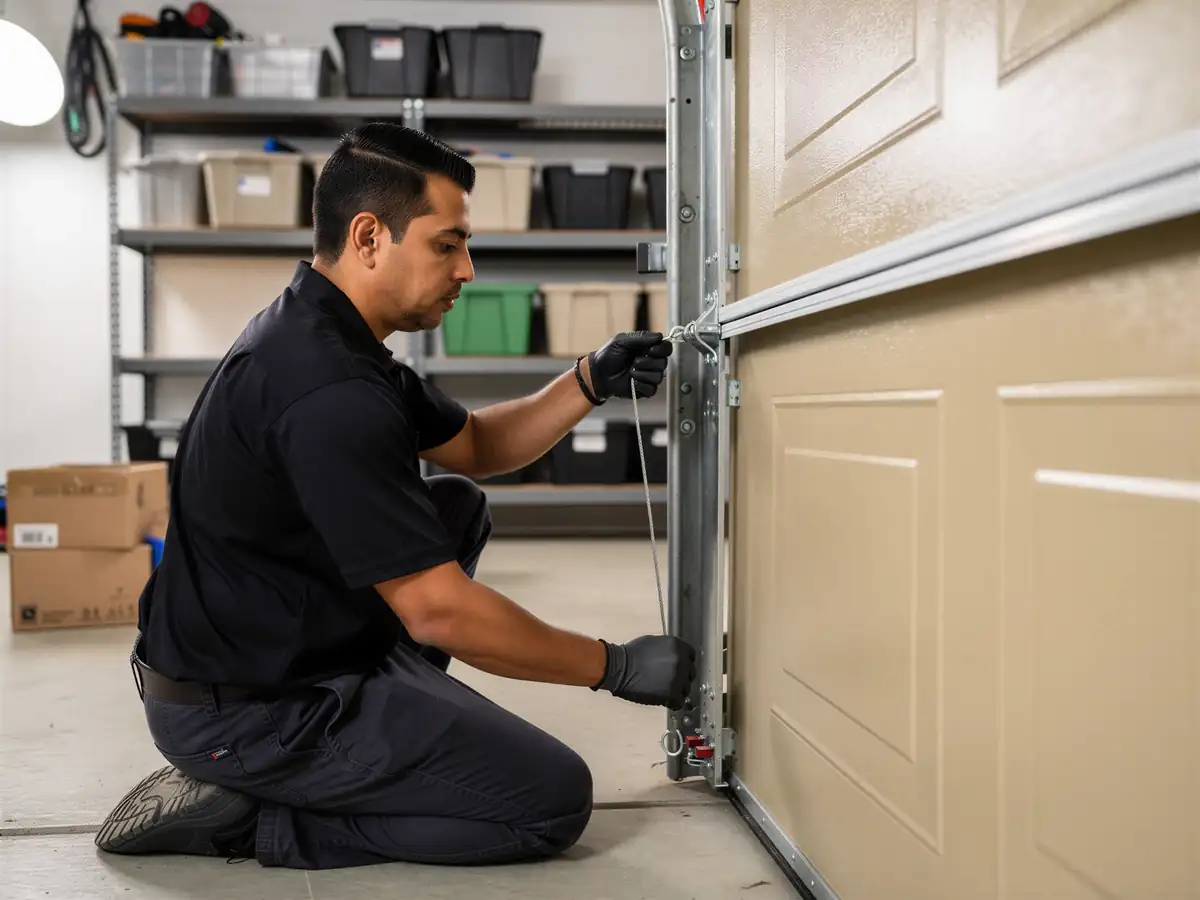
A technician tests the door under power and by hand and finds what actually failed.
3
Clear, up-front plan
You get the fix that’s needed and what drives the cost - before any work starts.
4
Repaired & tested
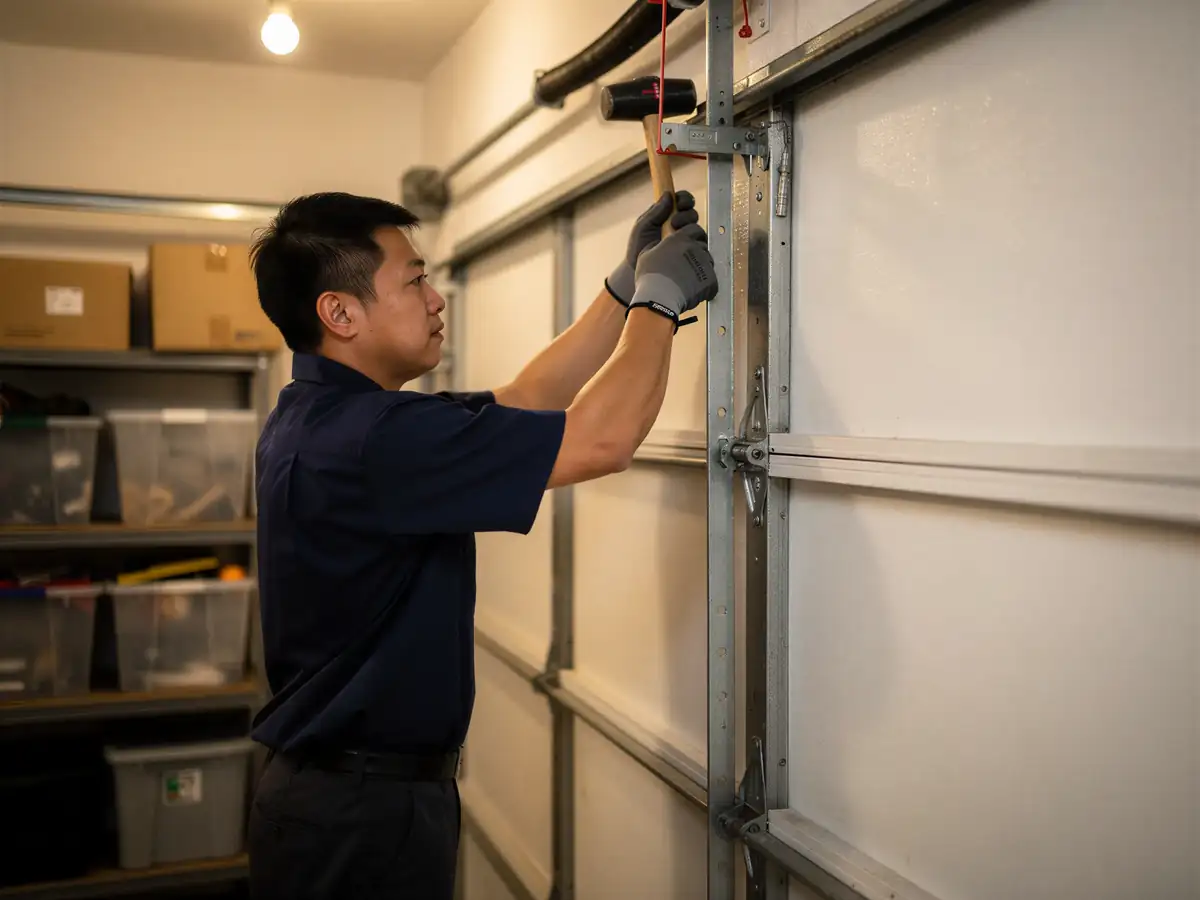
The repair is done, the door is set true and tested, and the work area left clean.
Not sure which repair your door needs in Norman, OK? Describe what it’s doing - every job starts with a diagnosis.
My house was built in the late 1980s - is the original door worth repairing?
Often yes. A door from that era, especially steel or solid wood, usually has good bones even if the opener or spring has failed. We check panel condition, track alignment, and balance before recommending anything - if the door still hangs straight and seals, a spring or roller job is usually cheaper than replacement.
How do I know if my opener is too old to keep repairing?
If it predates the safety reversal sensors required on current units, or you've already replaced the motor or circuit board once, a second failure usually isn't worth chasing. At that point the parts cost and labor start approaching what a new opener runs.
Does cold weather actually damage garage door hardware here?
Cold doesn't damage hardware outright, but it stiffens lubricant and makes any existing wear - a worn roller, a slightly bent track - show up faster. It's common for a door that was fine in fall to start sticking once overnight temperatures drop.
Is it ever cheaper to replace than repair an older door?
Yes, once you're stacking a new motor, new springs, and panel repair on the same visit. Past a certain point the labor and parts on a 30-plus-year-old door add up to more than a new door and opener installed once.
Ready to get your garage door sorted?
Tell us what it’s doing and where you are in Norman - we’ll take it from there.