How It Shows Up
A cable problem almost never looks the same twice
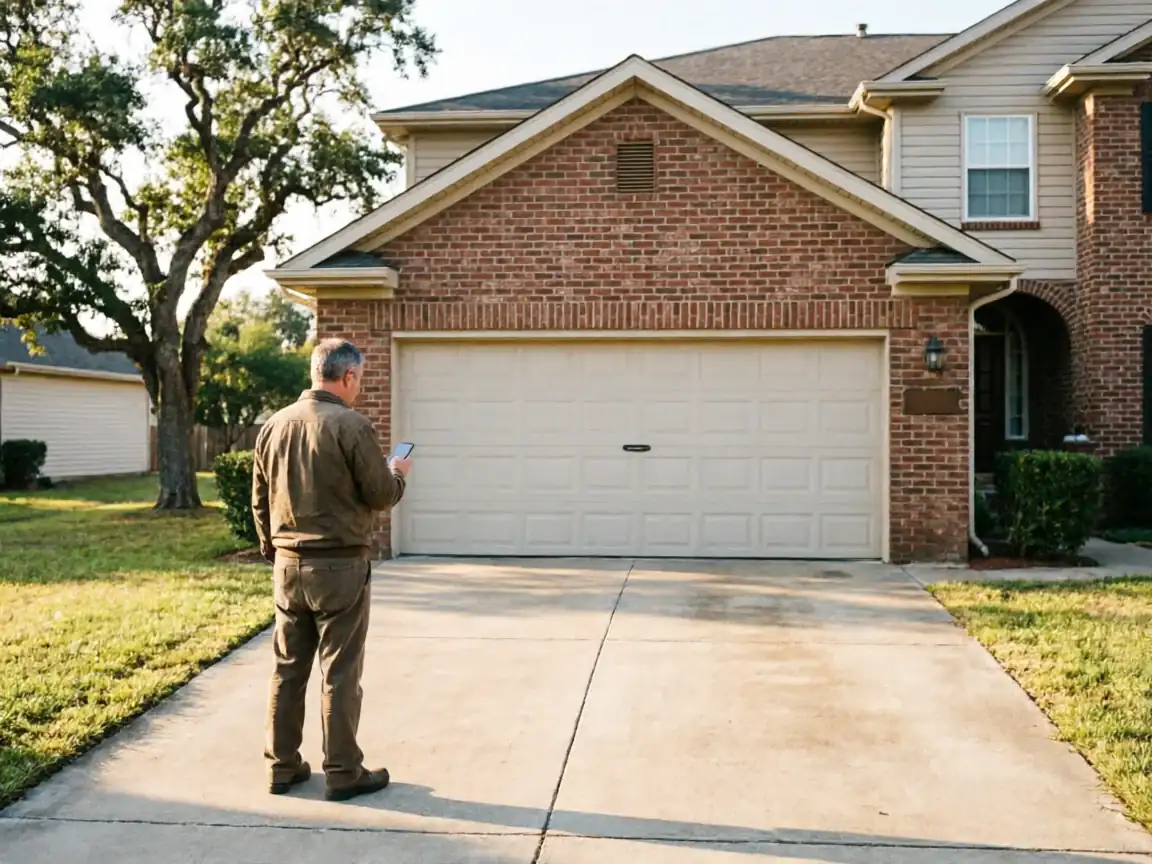
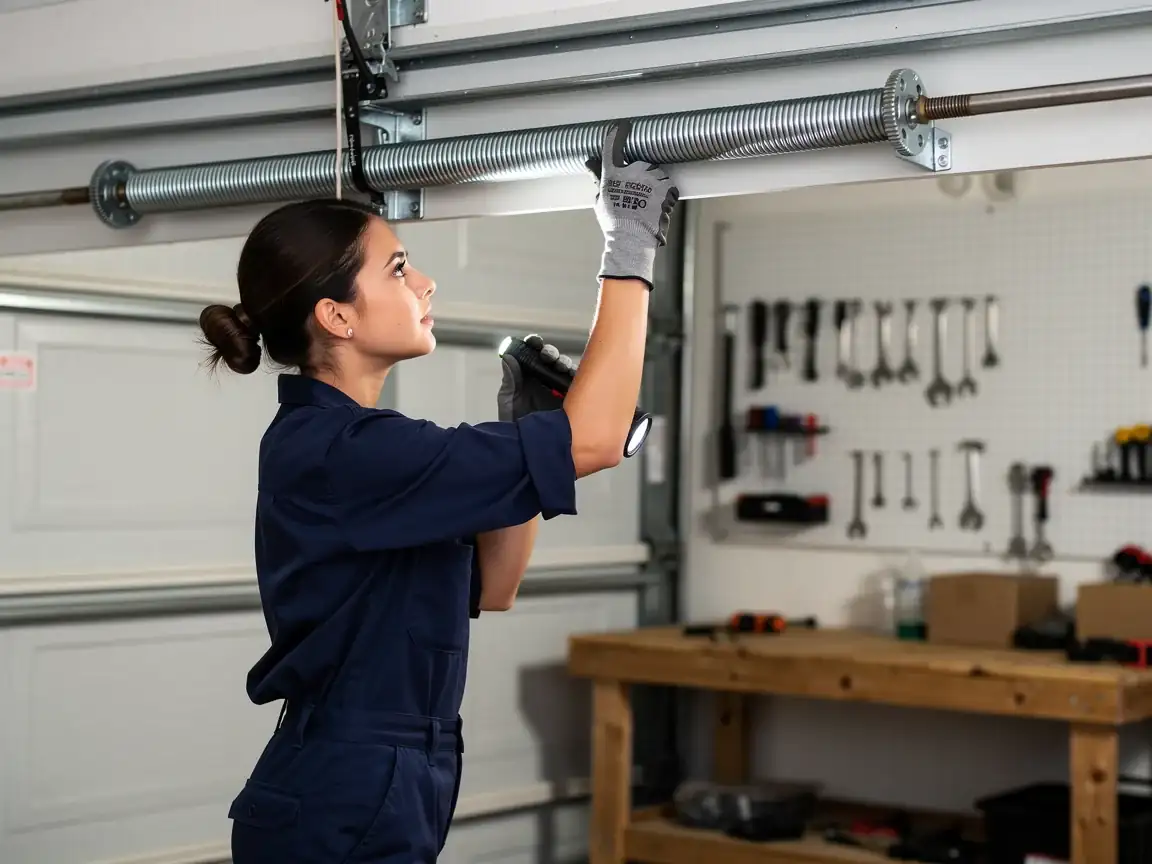
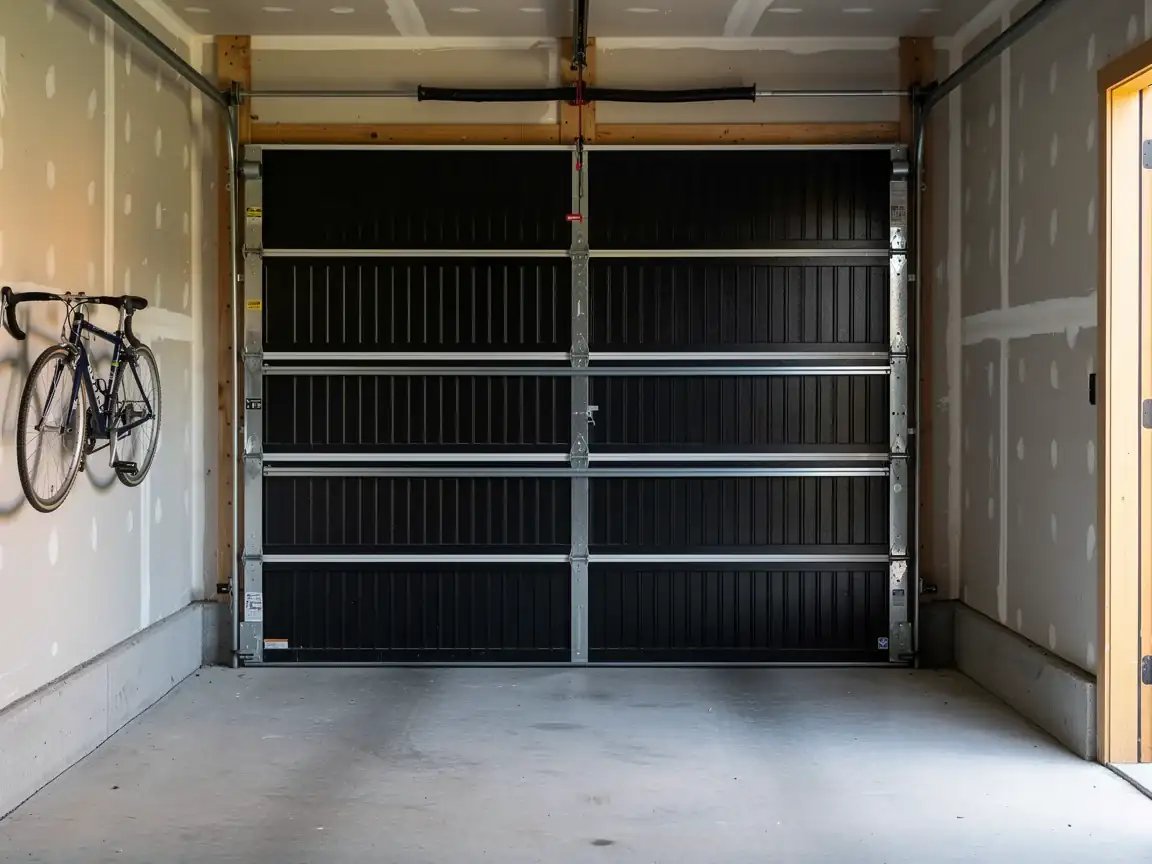
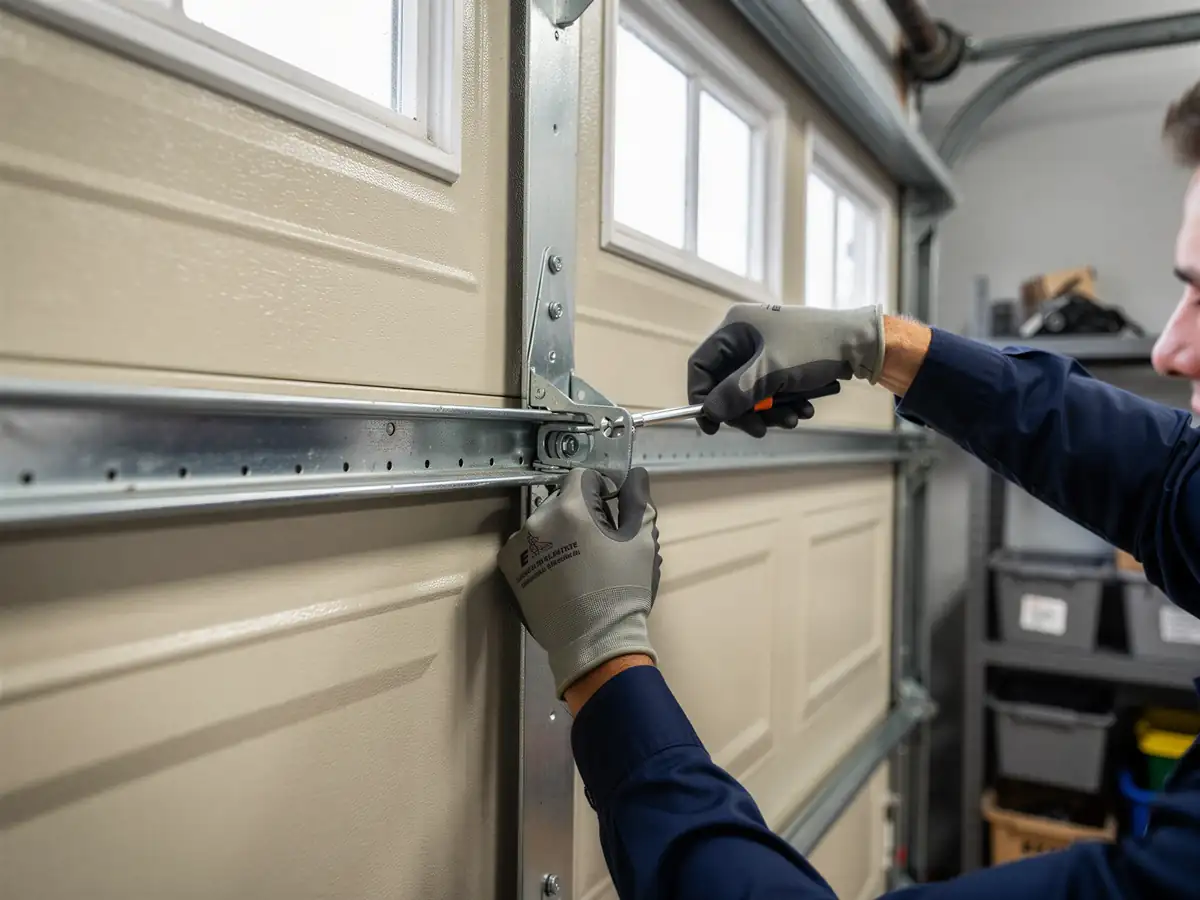
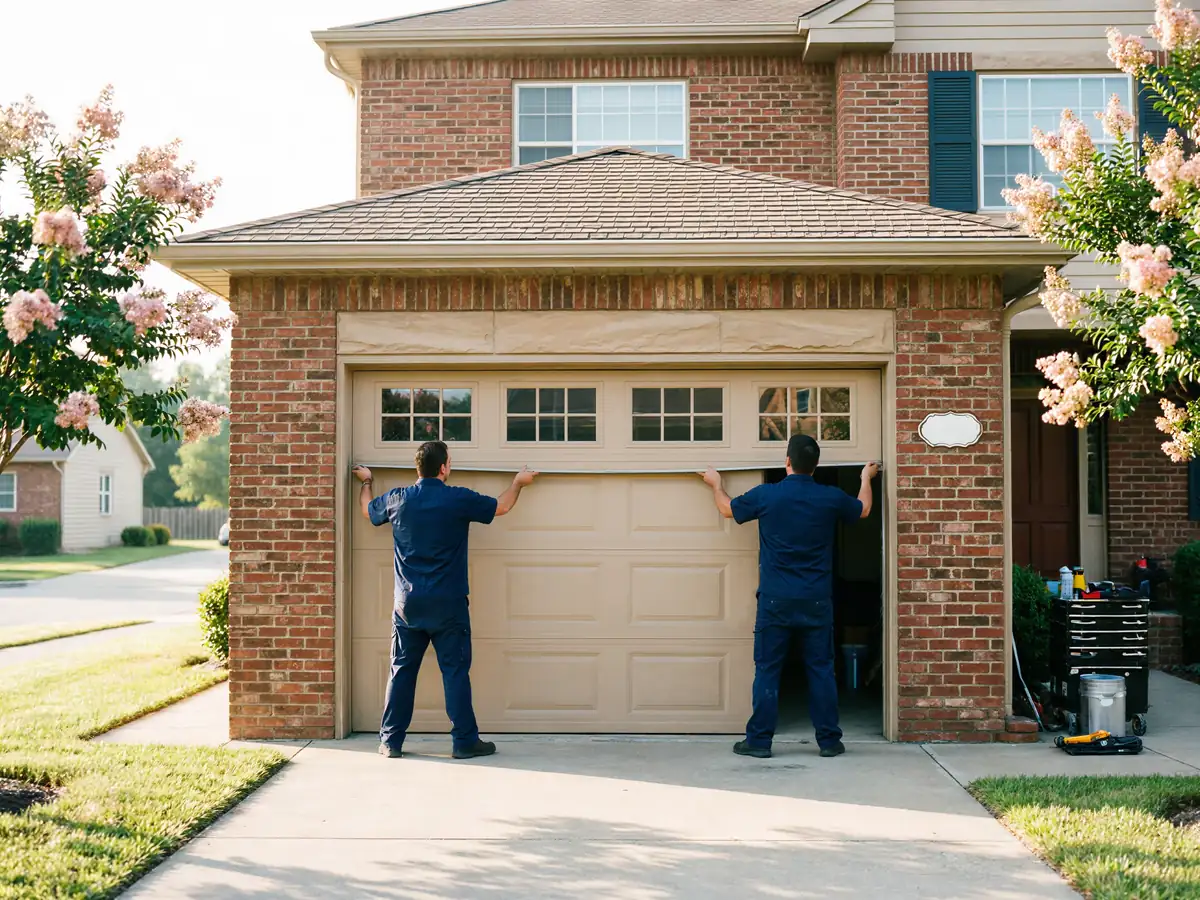
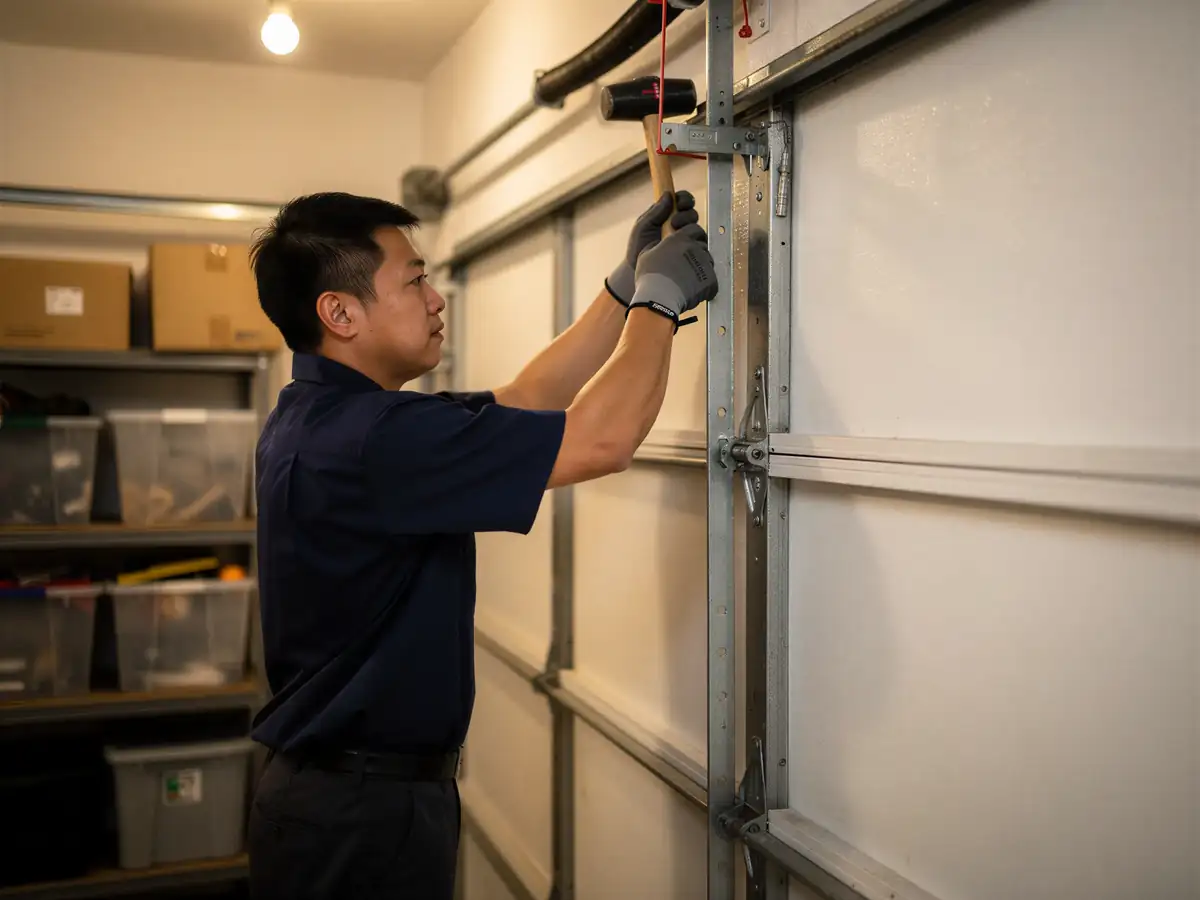
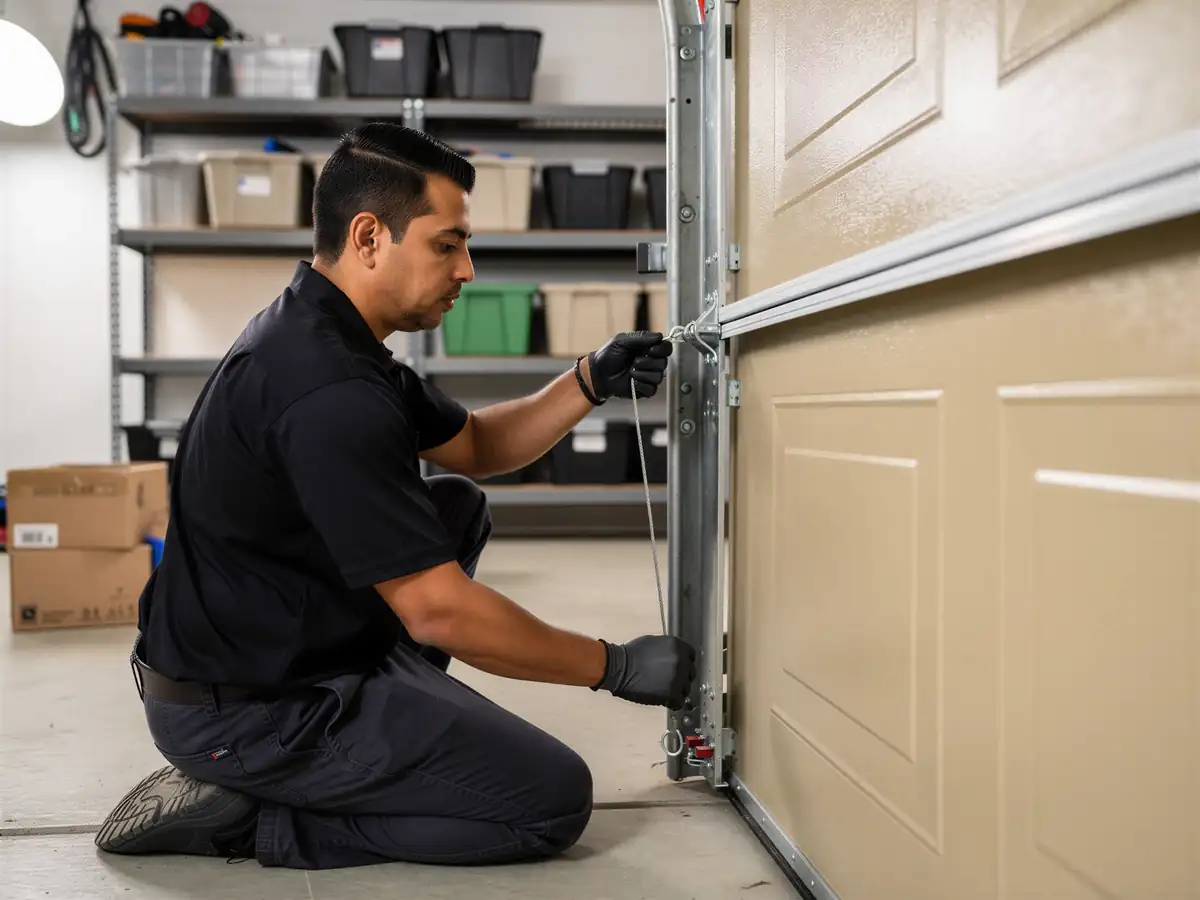
Sometimes the door hangs crooked in the opening, one side low, because a cable slipped off the drum or frayed through on one strand while the other side holds. Sometimes you hear a bang and the door drops hard, which usually means the cable snapped clean while under full spring tension. Other times it's quieter: the door opens fine for weeks with a few visible strands popping loose at the bottom bracket, until the day it doesn't.
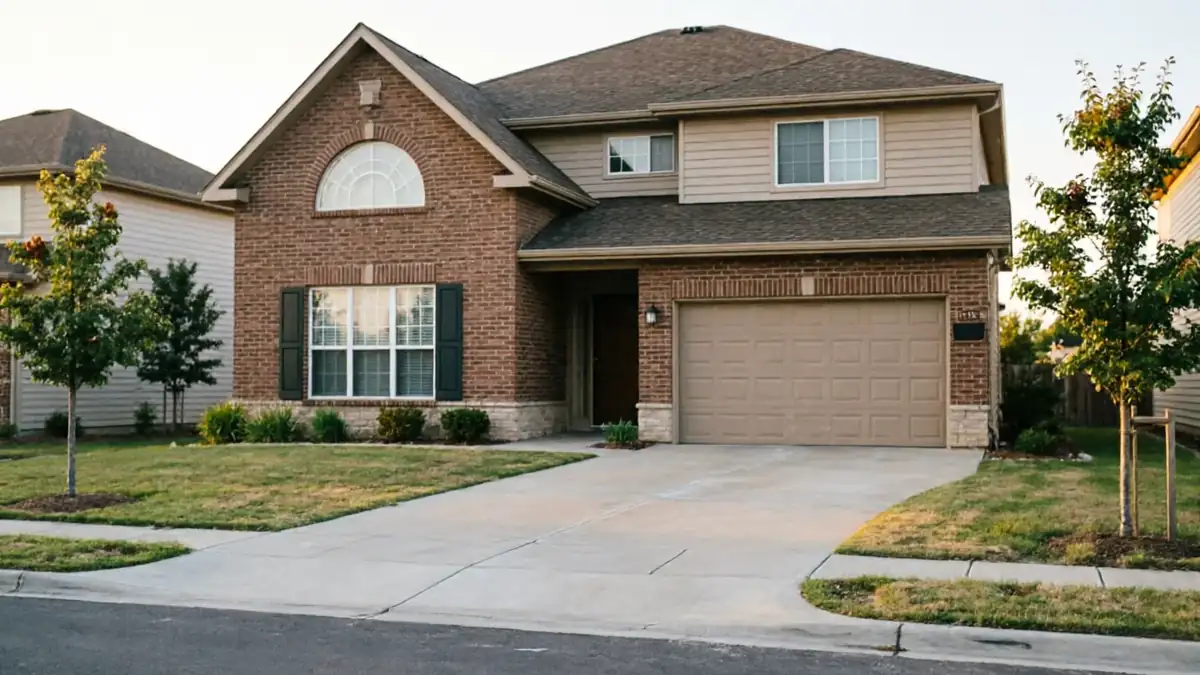
Most of Norman's housing went up between 1964 and 2004
With the heaviest concentration from the 1980s and 90s, so a lot of garage doors in this area are carrying original or first-replacement cable that's now 20 to 50 years old. That's past the design life on most lift cables regardless of brand. Add a cold-moderate winter climate into the mix and you get galvanized steel that loses flexibility in the cold snaps, contracts, and fatigues faster at the fittings than it would in a milder climate. If your door is newer and still shows a frayed cable, that usually points to a drum that's out of adjustment or a roller binding in the track rather than a cable that just wore out.
- 50 years
How to Book
Start on our homepage and tell us what the door is doing: crooked, dropped, stuck halfway, or cable visibly loose or snapped. That detail matters because a cable job on a single door with a torsion spring is different work than a double door with two drums, and we'd rather send the right parts on the truck the first time than make a second trip.
We don't give a phone-quote price before seeing the door, because cable length, drum size, and spring condition vary enough between installs that a guess isn't worth much to you. What we can tell you up front is whether it's safe to keep opening the door in the meantime or whether you should leave it alone until we get there - a door with one cable off the drum can come down unevenly if it's forced.
If you're not sure whether what you're looking at is a cable issue or something else - a bent track, a bad opener gear - describe it anyway. A lot of the calls that come in as "the cable snapped" turn out to be a different failure once we're standing in front of the door.
Why This Fails Locally
The service area runs across 17 named communities with a lot of shared housing history: construction concentrated between 1964 and 2004, mostly 1980s and 90s builds, sitting in a cold-moderate climate band rather than a mild one. That combination is what drives cable failures here more than anywhere with a milder winter or newer housing stock. Steel lift cables work by flexing around a drum thousands of times a year, and cold temperatures make that steel less forgiving right at the swage fitting where the cable loops around itself - that's the point that fails first.
Across the roughly 63,331 households and 36,448 owner-occupied houses in this area, a large share of garage doors are old enough that the original cable has never been replaced. With median household income around $75,000, most owners we talk to choose to replace a snapped cable outright rather than patch or re-use it, which is the right call - a cable that's already shed one strand will shed another.
Distance plays a role too. Noble sits about 7 miles out, Goldsby and Slaughterville around 11, Purcell and Lexington closer to 15 - towns spread wide enough that cable failures on any given week come from across the whole radius, not one neighborhood.
Doing It Yourself
Here's the honest limit
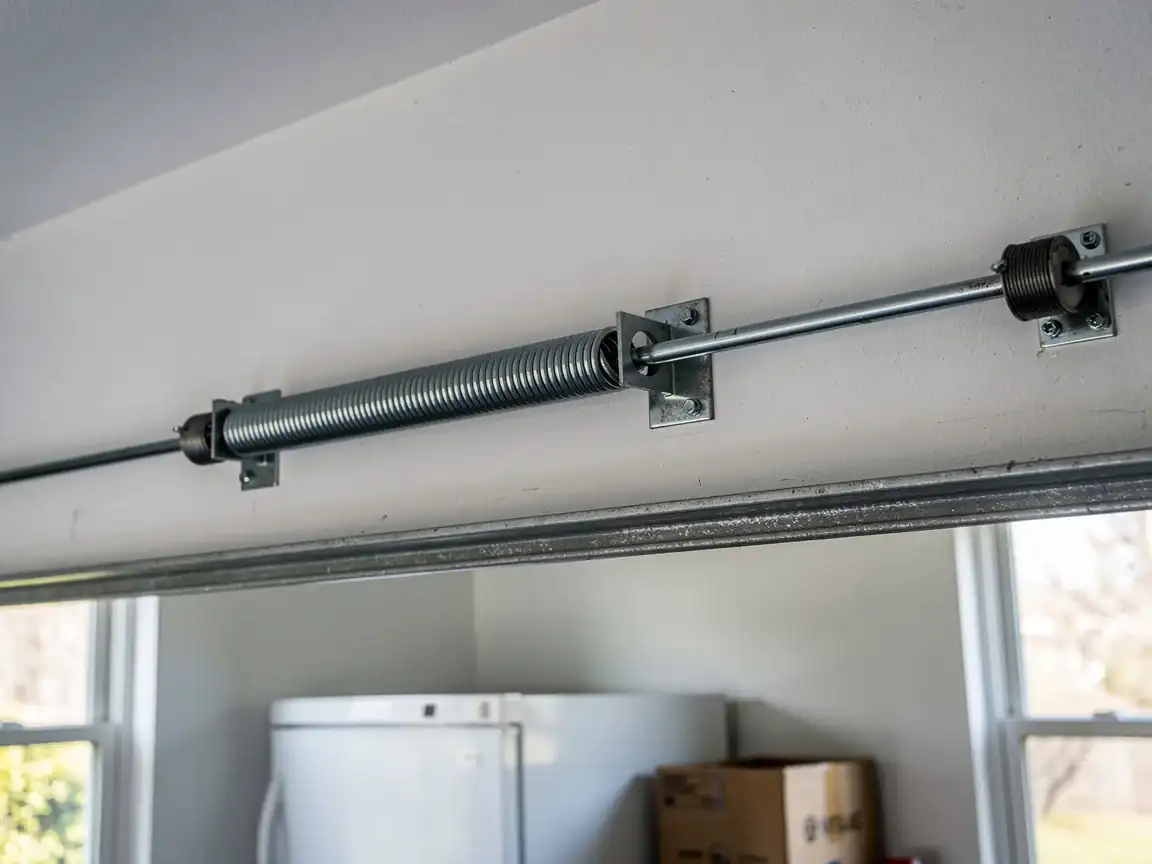
A garage door cable is attached to a spring under serious tension, and a door with one cable off the drum is not a safe DIY repair. People get hurt on this one specifically because the door looks stable sitting there, right up until you unbolt something and the spring releases the cable's slack all at once. We're not saying this to drum up work - it's just a different category of fix than tightening a hinge.
What you can safely do yourself
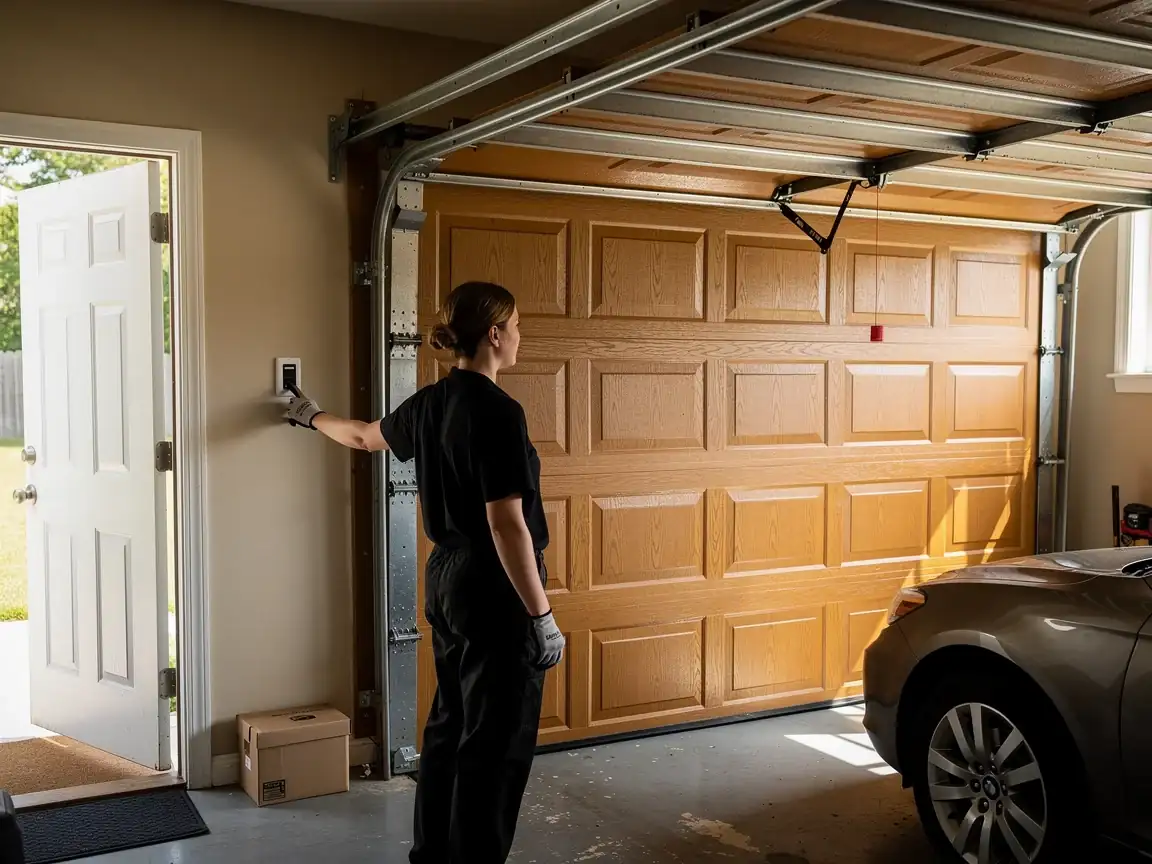
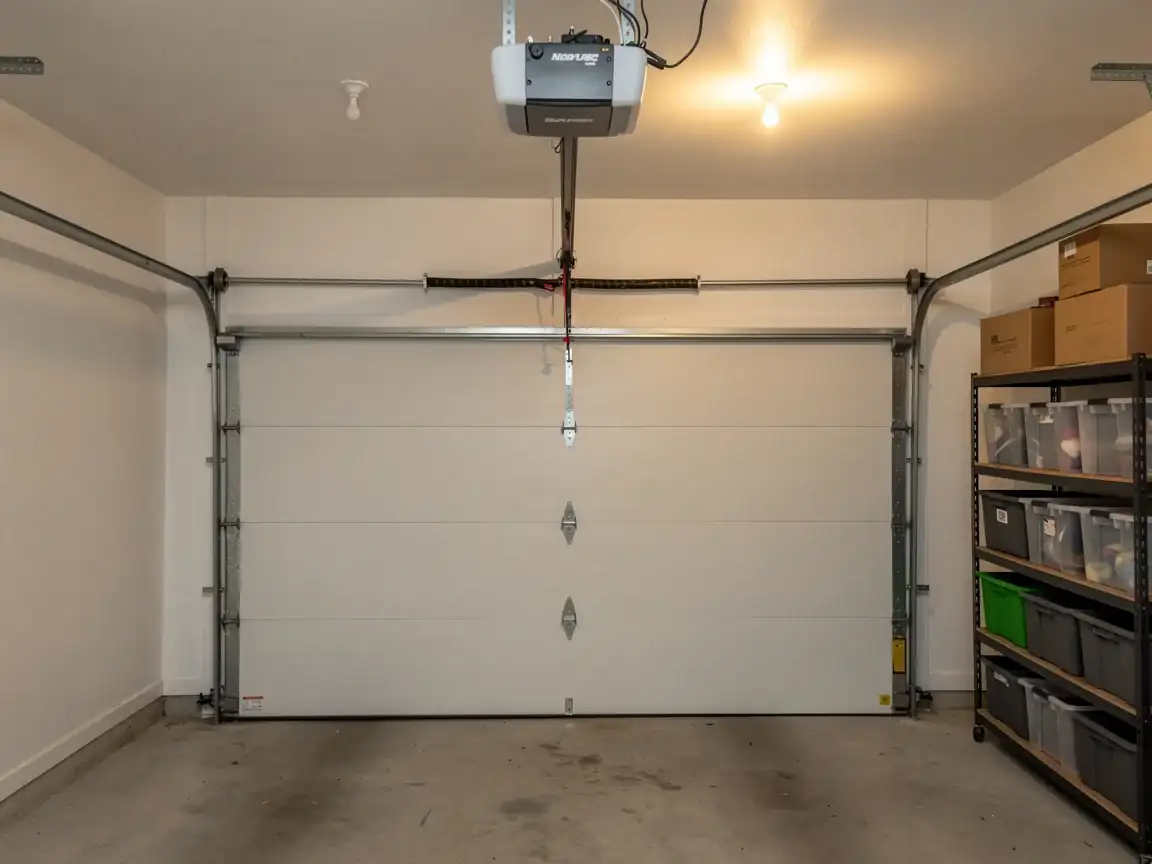
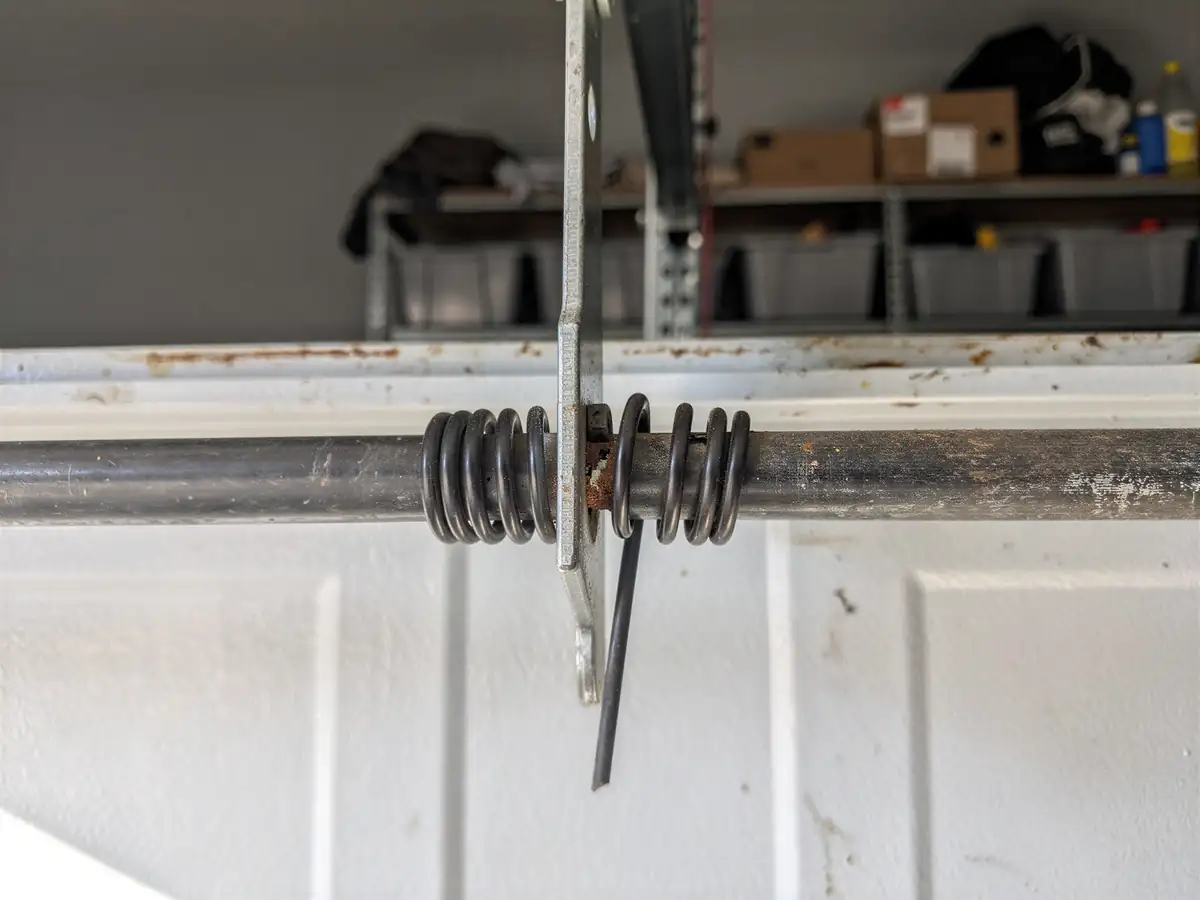
Unplug the opener, prop the door with a clamp or locking pliers on the track above the rollers so it can't travel, and leave it there. Take a photo of the drum and the cable routing before you call, since that helps us bring the right length and gauge. Don't try to rehook a cable onto a drum by hand, and don't cut a hanging strand to "tidy it up."
One limitation on our end
If the cable failure has already let the door drop onto the opener's safety sensors or bent the bottom bracket, that's a bracket or track repair on top of the cable, and we'll tell you that before we start rather than after.