Where People Go Wrong
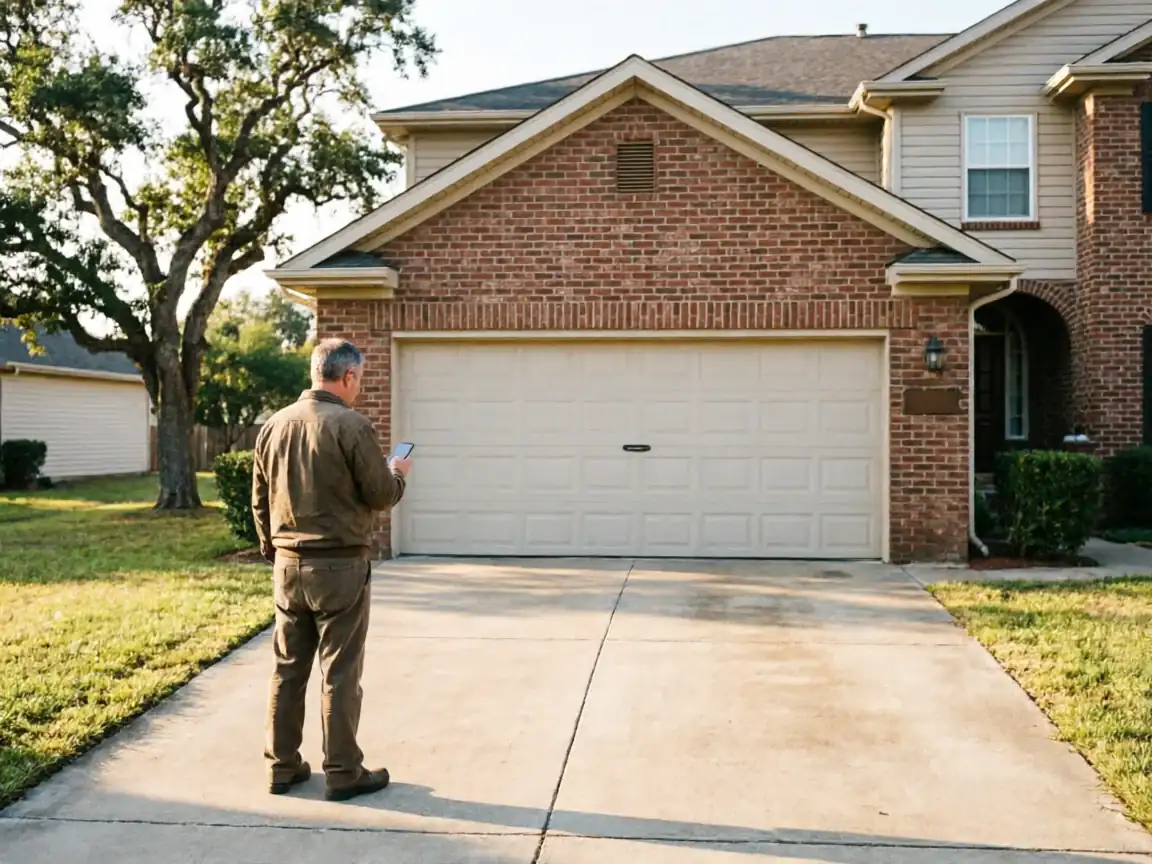
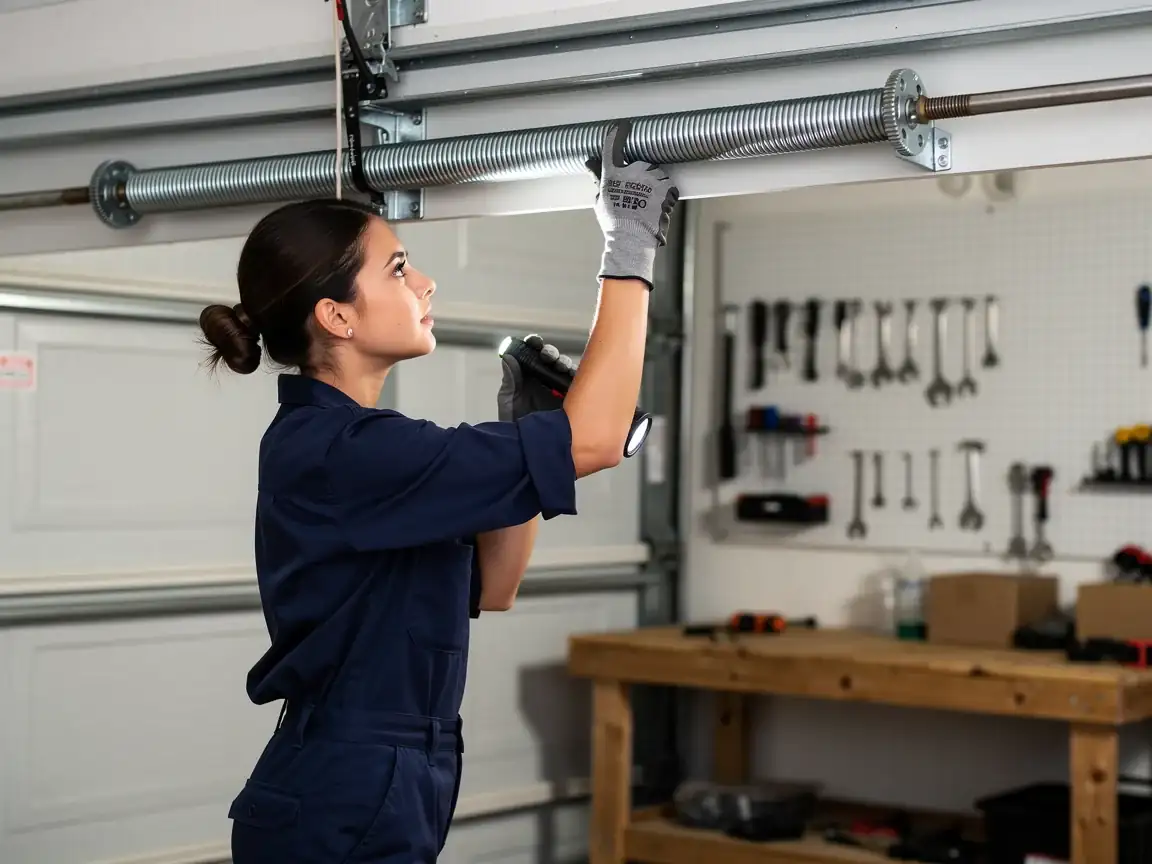
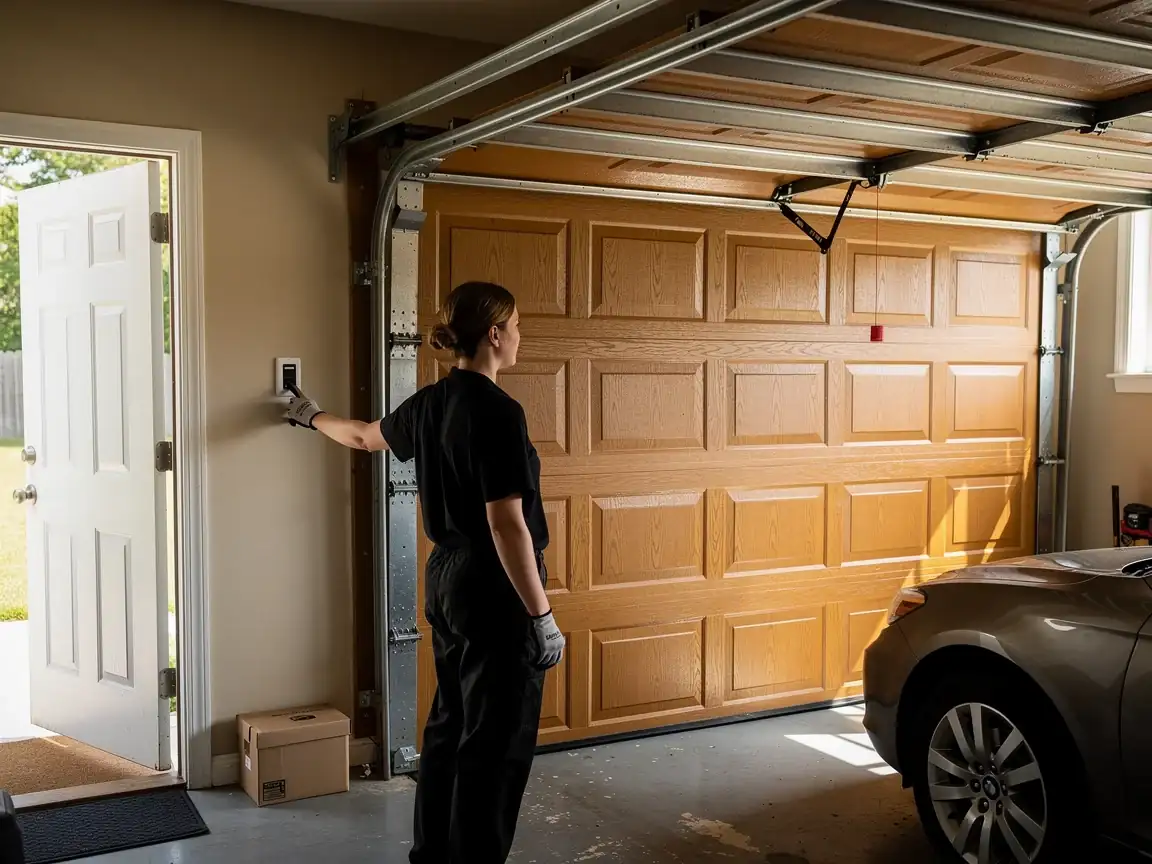
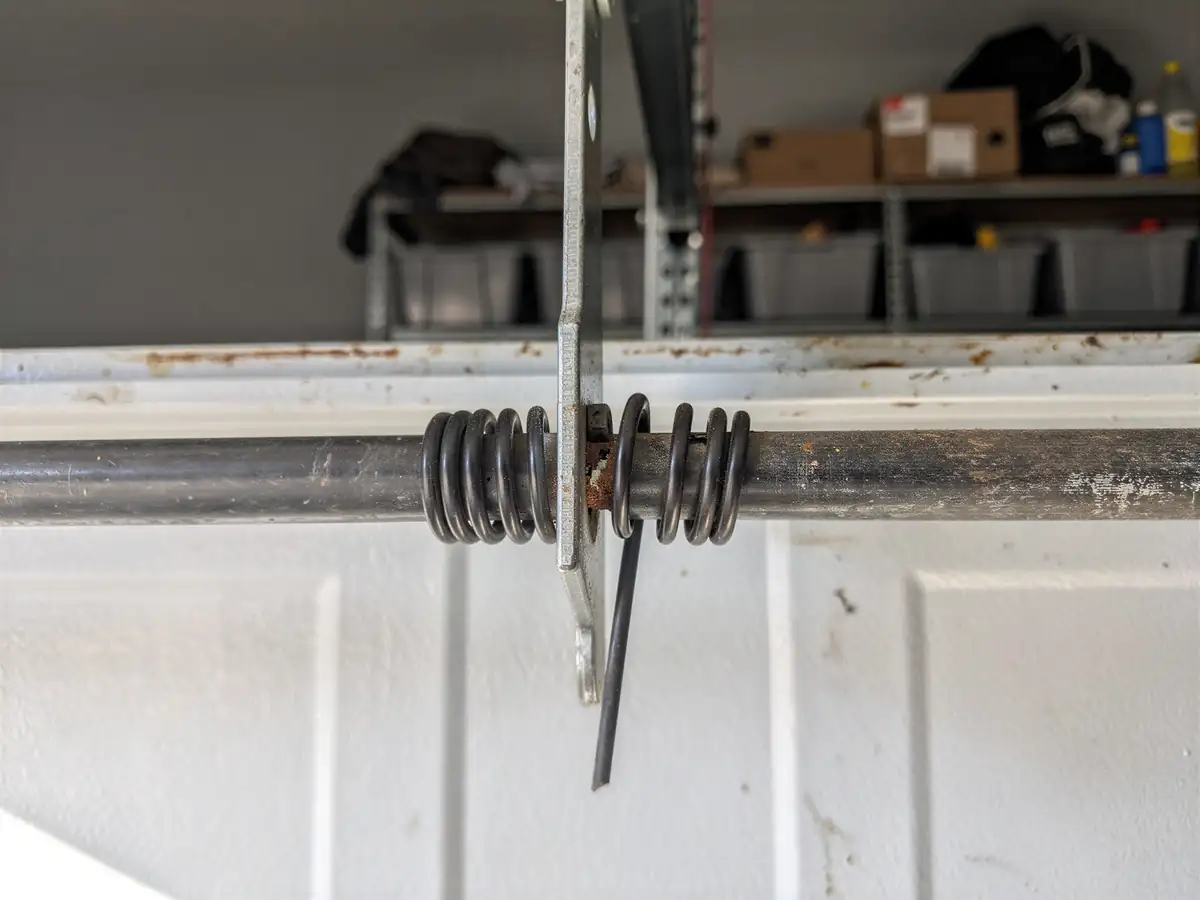
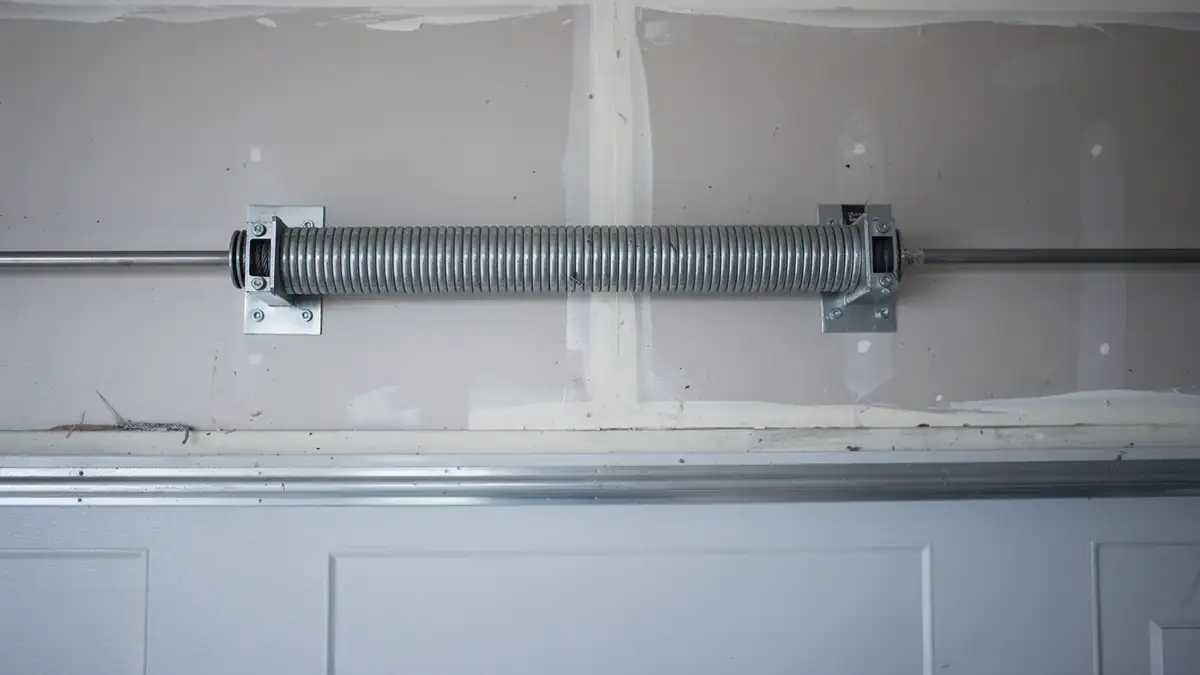
The most common mistake is trying to force the door open or closed manually once a spring snaps, especially with the opener still engaged. On a double door, a broken spring means the full weight of the panel is now sitting on the opener's drive gear and the remaining hardware, and running the opener anyway is how a track gets bent or a cable jumps the drum. The second mistake is assuming cold weather caused the break on its own. In this climate band - cold but moderate, not the deep-freeze extremes some regions get - a spring that's still within its cycle life rarely fails just from temperature. It's almost always a spring that was already fatigued from age or heavy daily use, and the cold is what finished it. Treating the symptom (replace the one spring) without checking the opposite spring on a two-spring setup is another common shortcut, since springs installed at the same time usually wear down close together.
When Waiting Is Fine
Not every cold-weather spring concern needs a same-day call. If your door is moving slower than usual, or the opener strains a bit more on the first cold mornings but the door still opens and closes fully, that's worth watching rather than panicking over. A spring that's weakening but hasn't broken will usually give you some warning - a louder clunk, a slight sag at the top of the door, a opener that works harder - before it actually lets go. If you catch that early, you can plan the repair instead of dealing with it as an emergency with the car trapped inside. We don't recommend lubricating a spring yourself to