What We Do Not Do
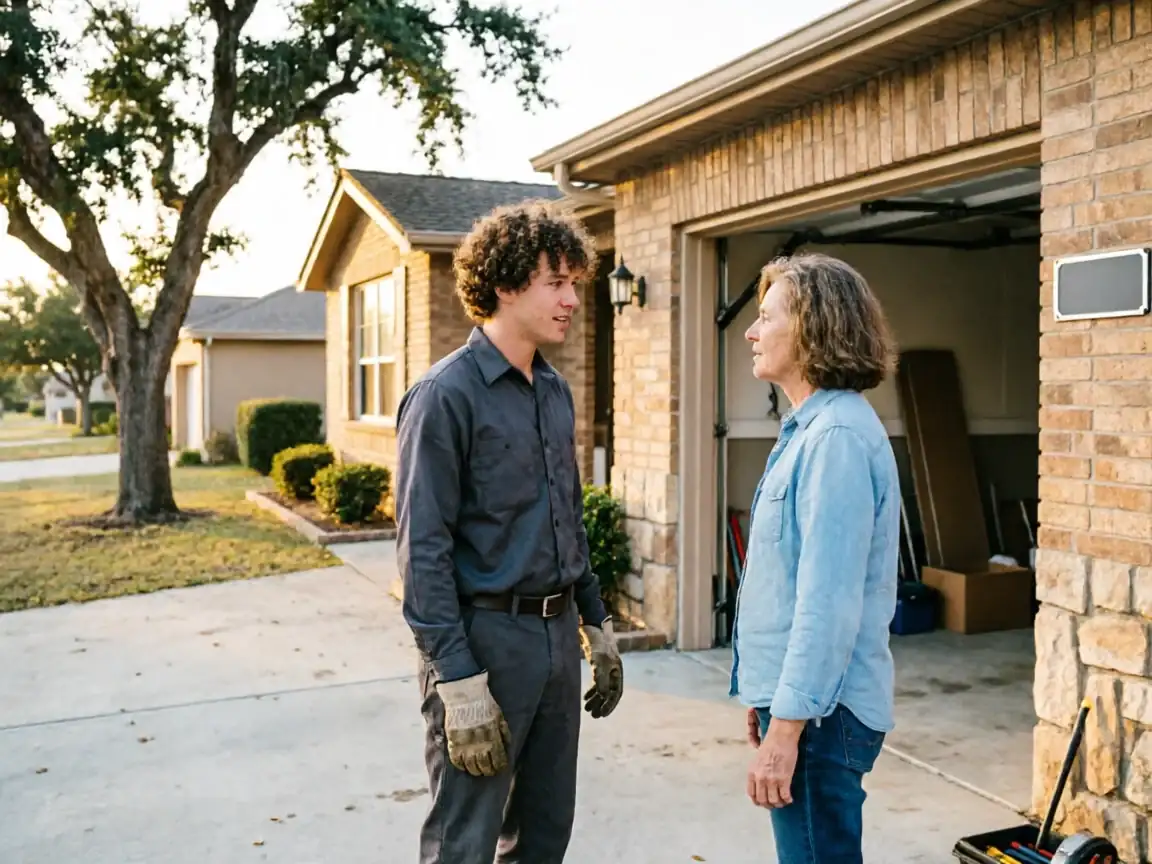
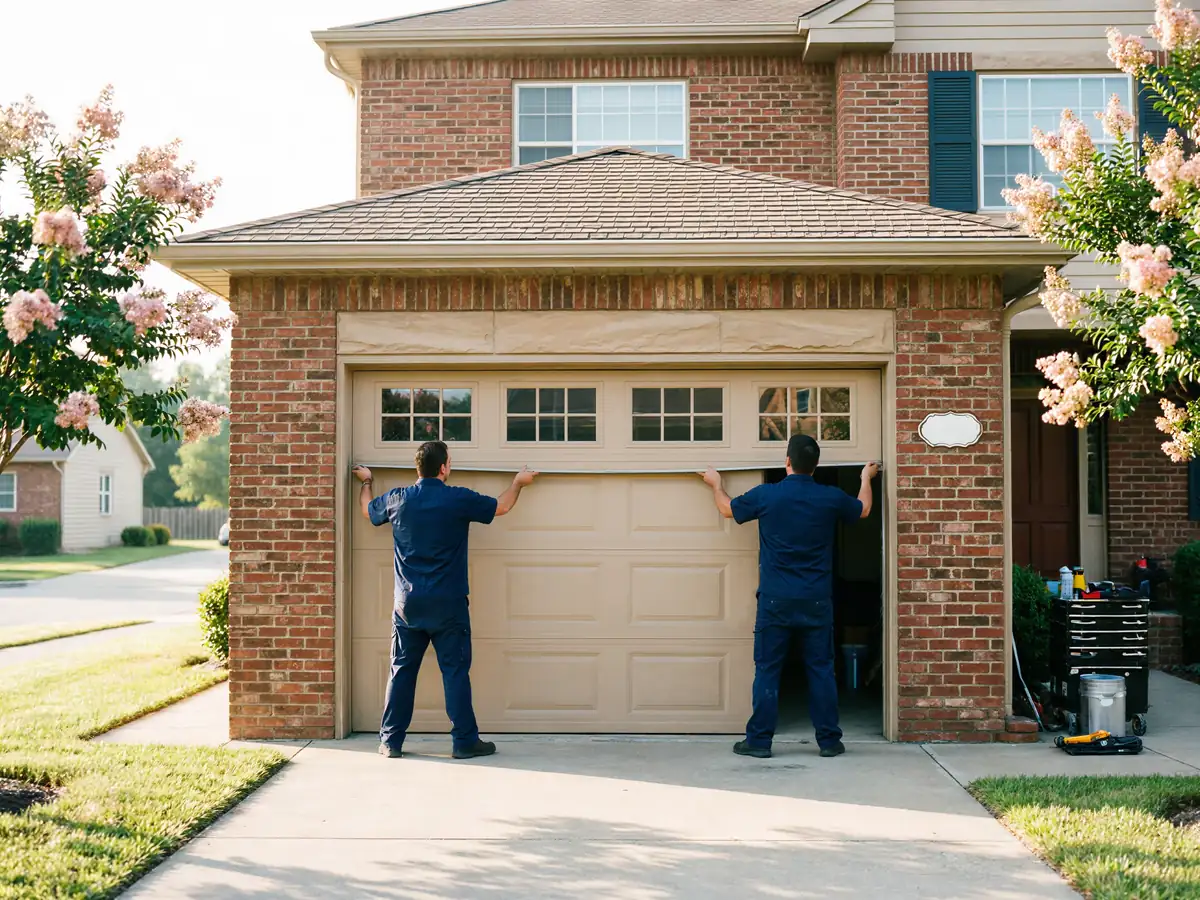
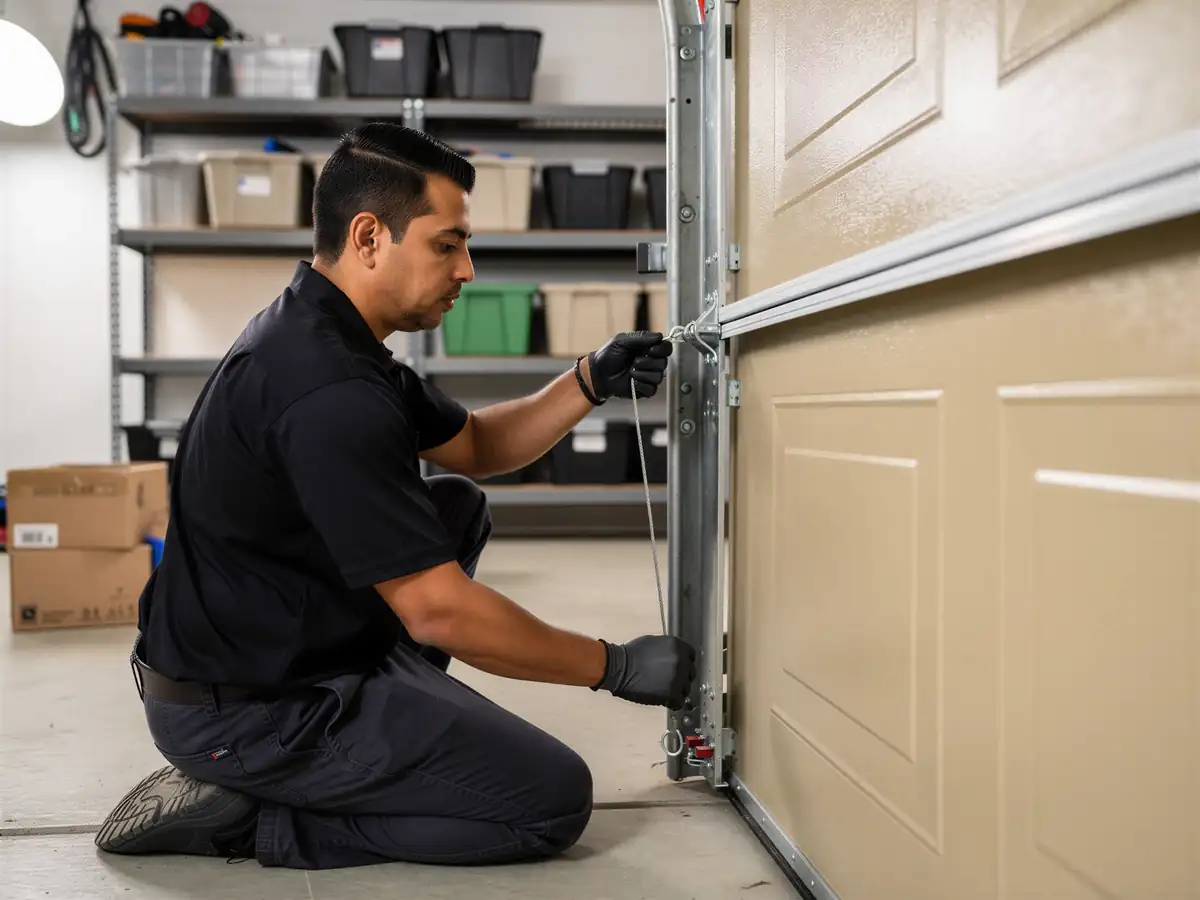
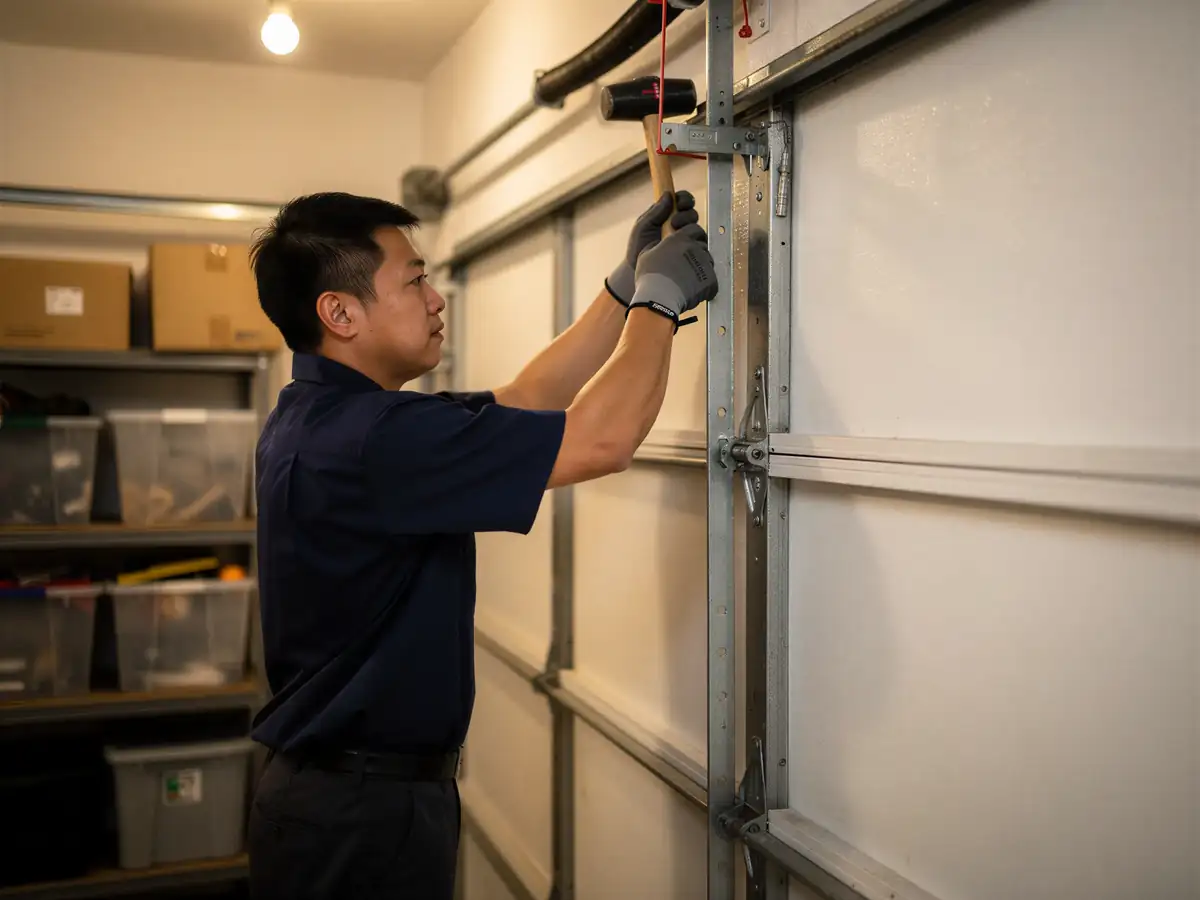
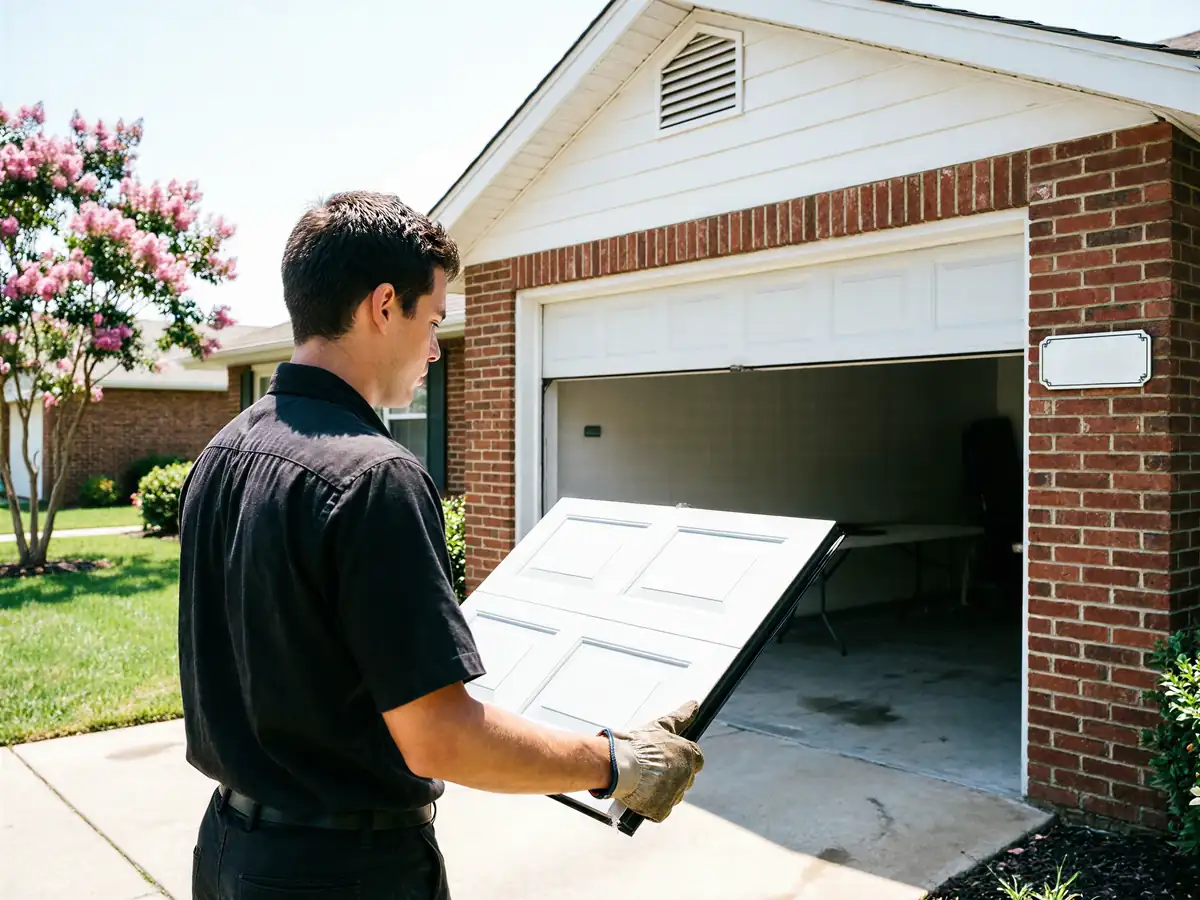
We don't build garages from the ground up, and we don't do framing or concrete work - if your opening needs structural changes before a door goes in, that's outside what we handle. We also don't carry every spring size and track bracket on the truck for every house; Slaughterville's housing is a mix of ages and widths, and some older hardware takes a day to source. We won't tell you a worn opener is fine just to avoid a bigger ticket, and we won't push a full door replacement when a spring and a set of rollers will get you another decade. If a job is bigger than a door call - a sagging header, a rotted jamb - we'll say so and point you to what actually needs fixing first.
How That Shows Up in the Door
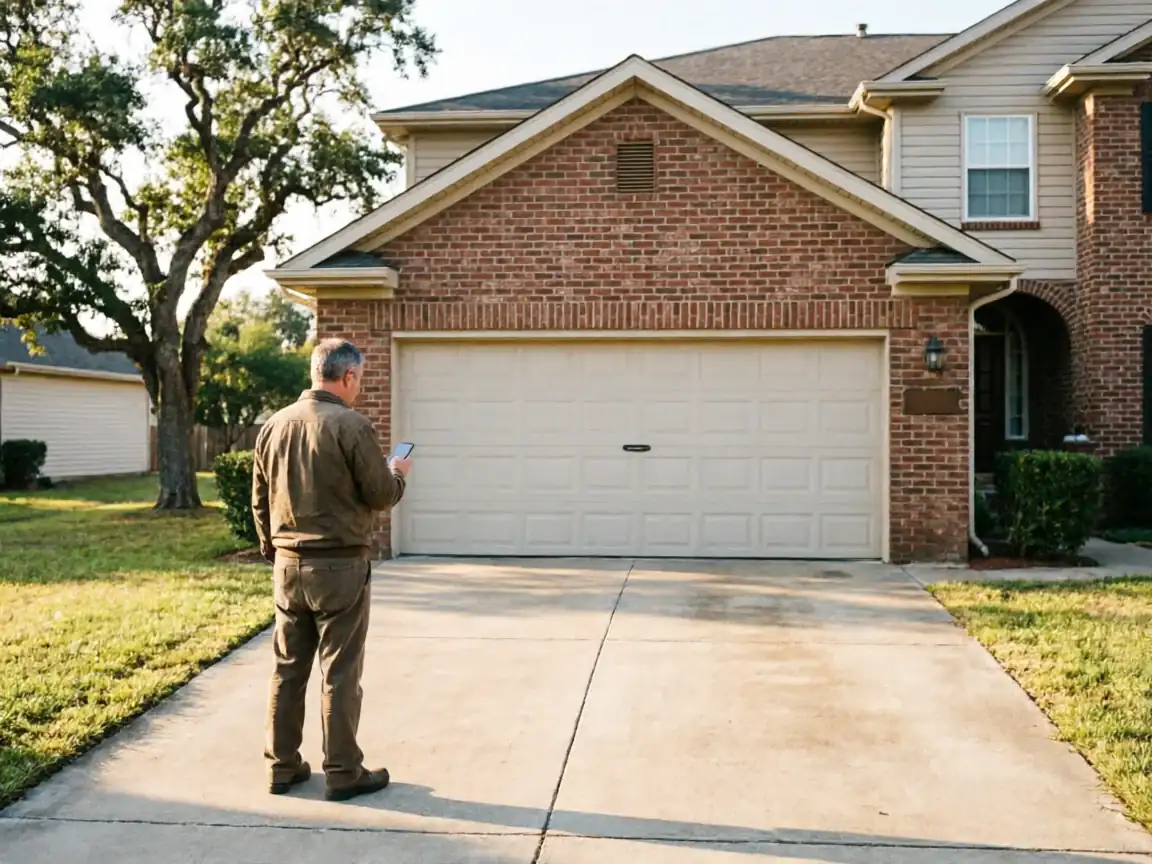
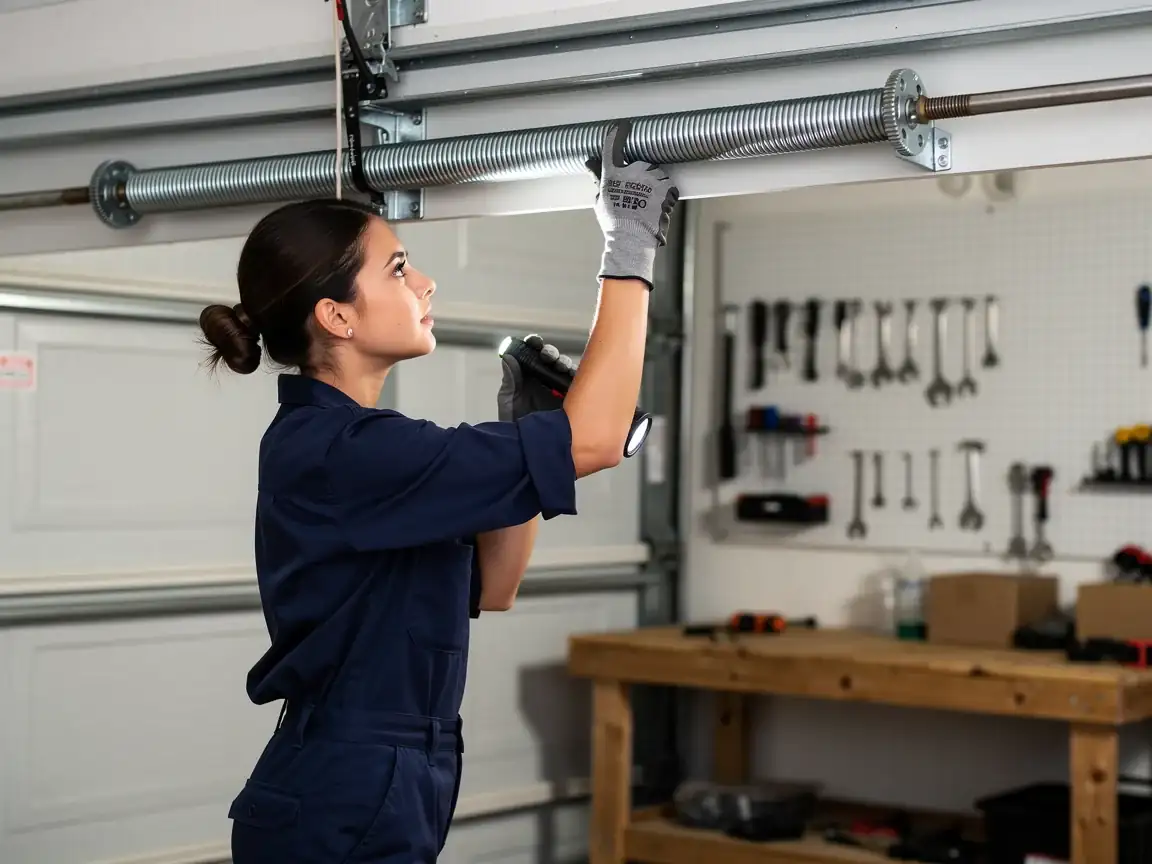
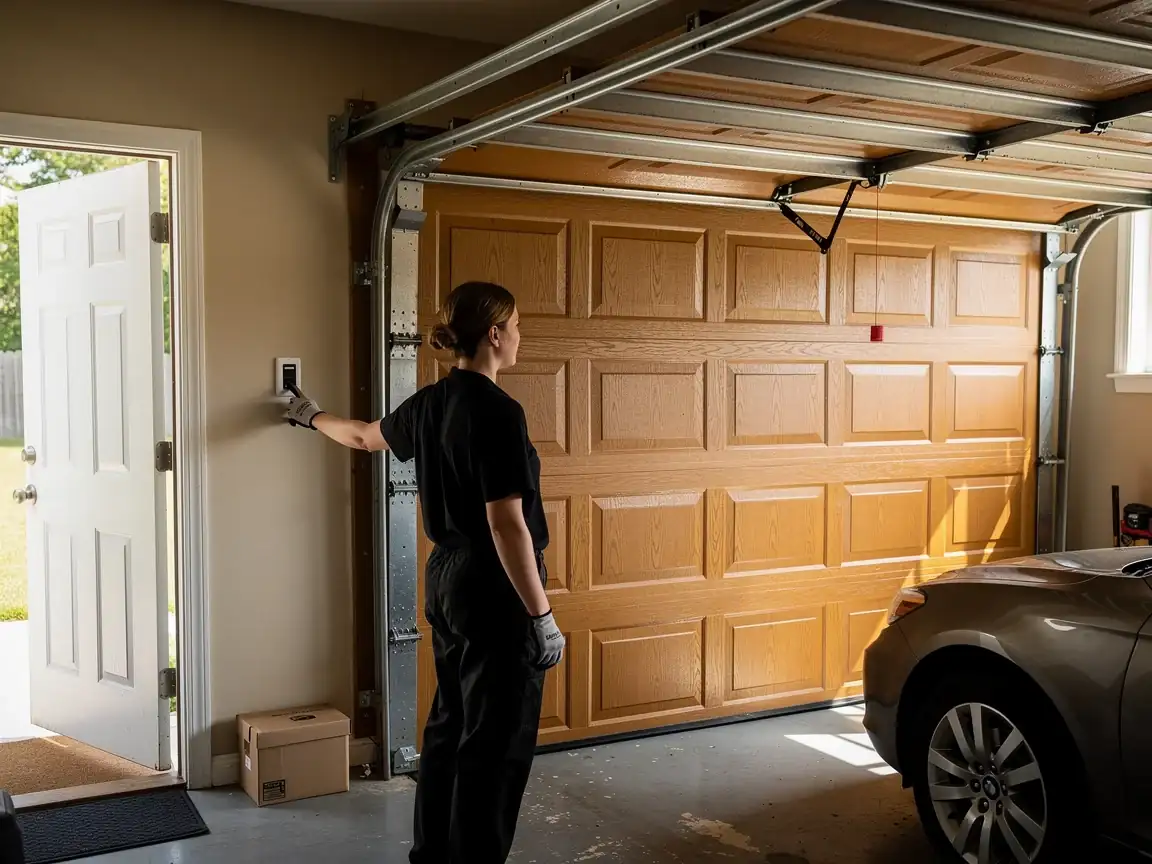
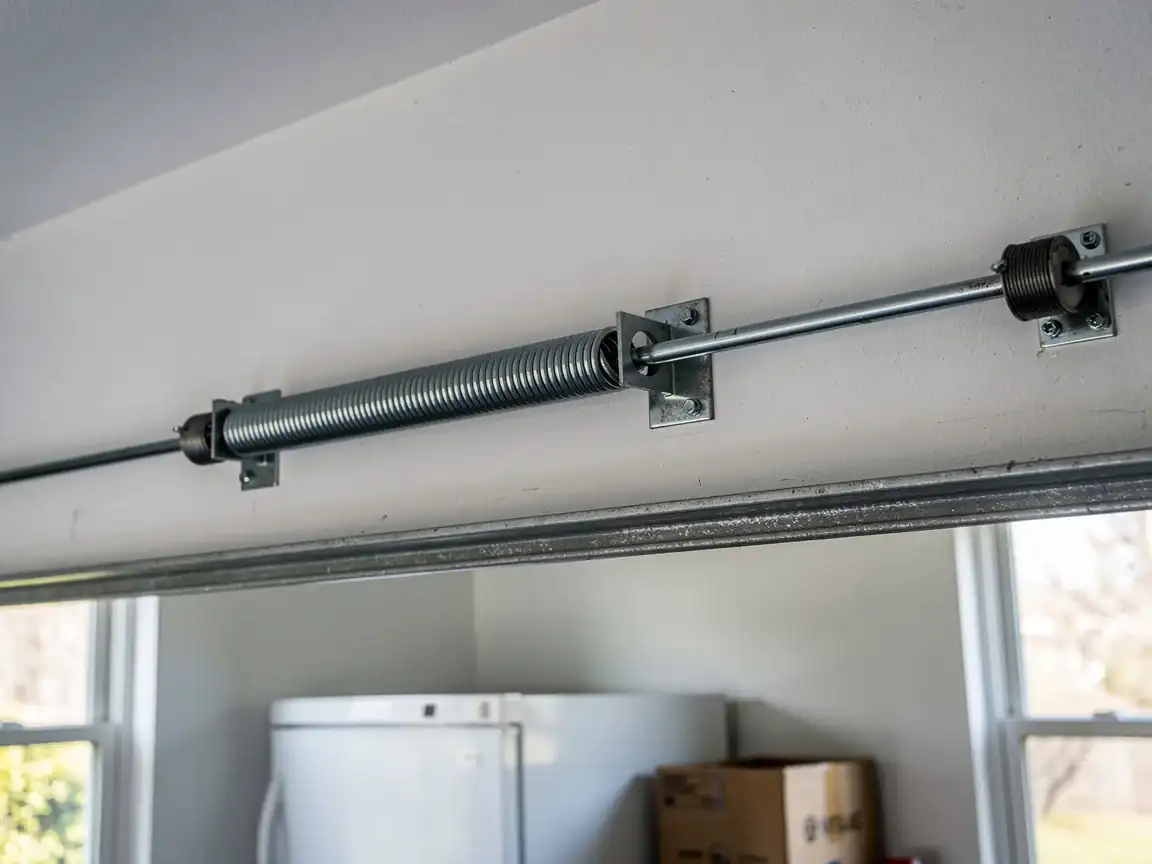
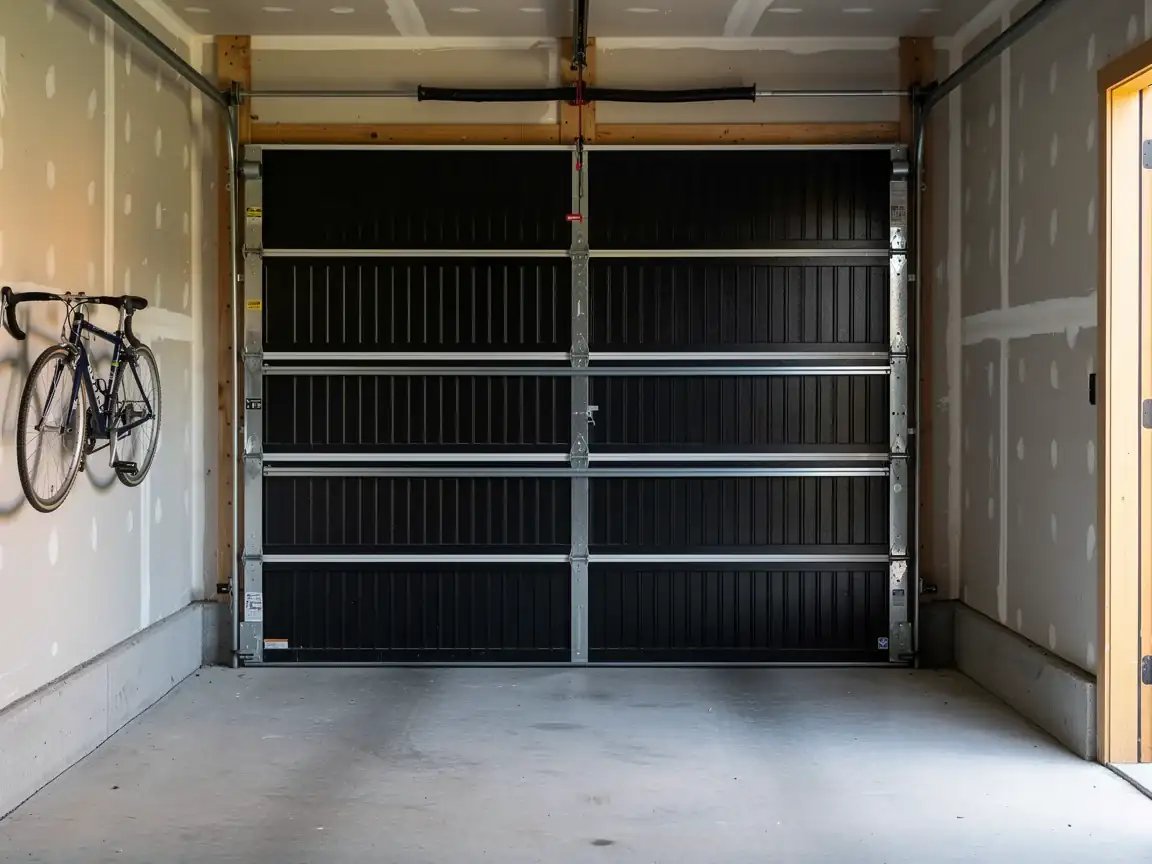
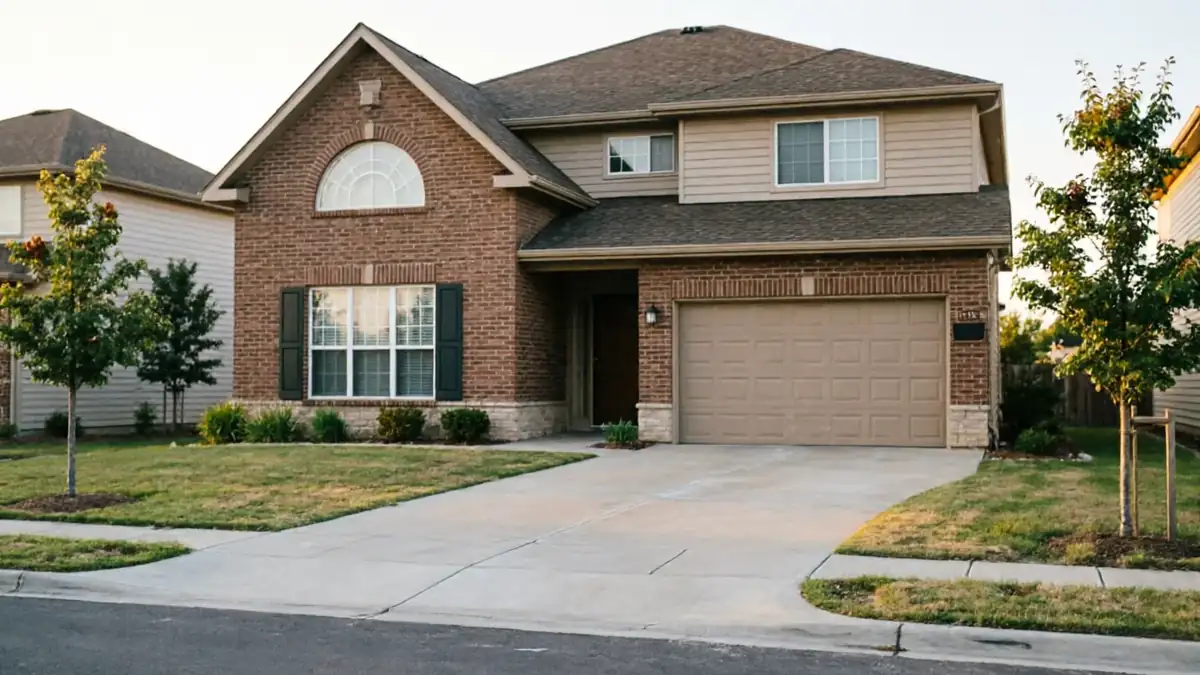
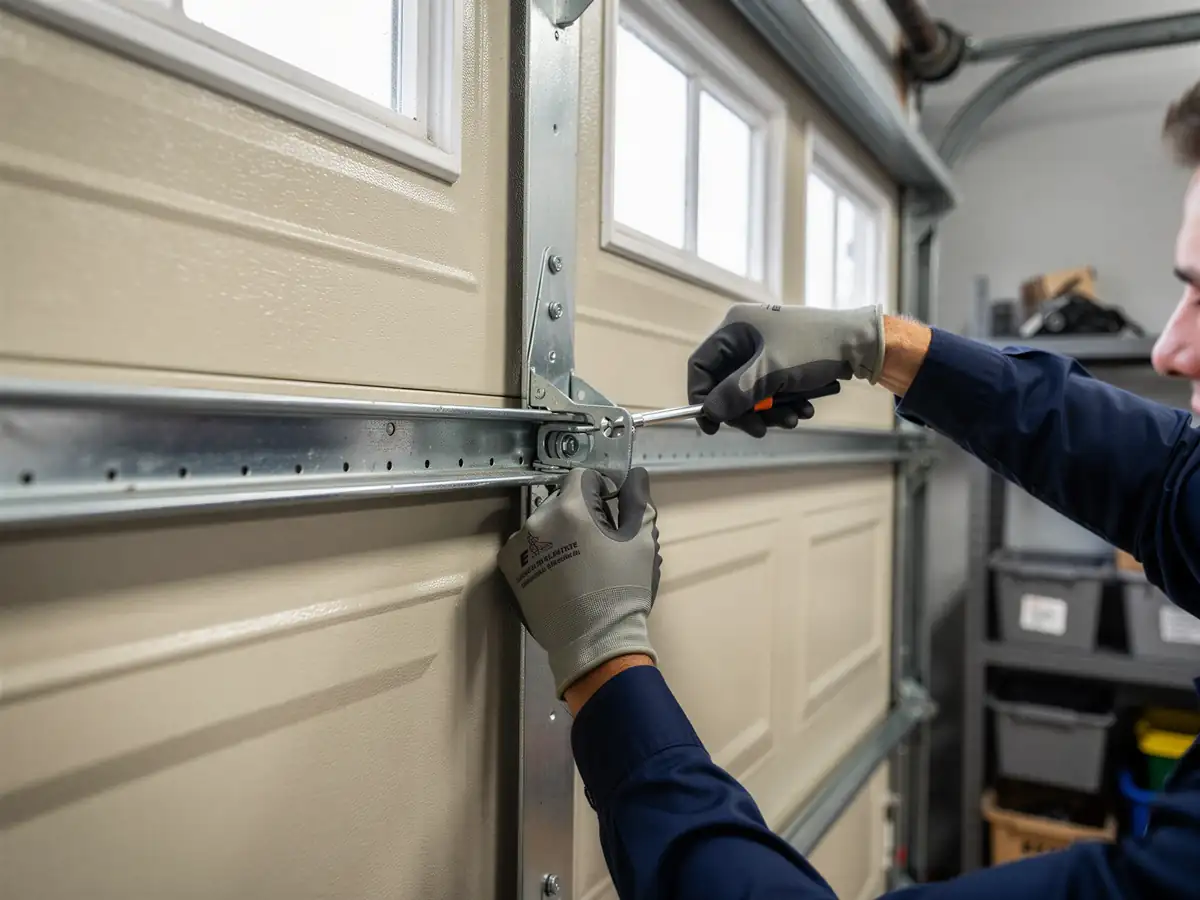
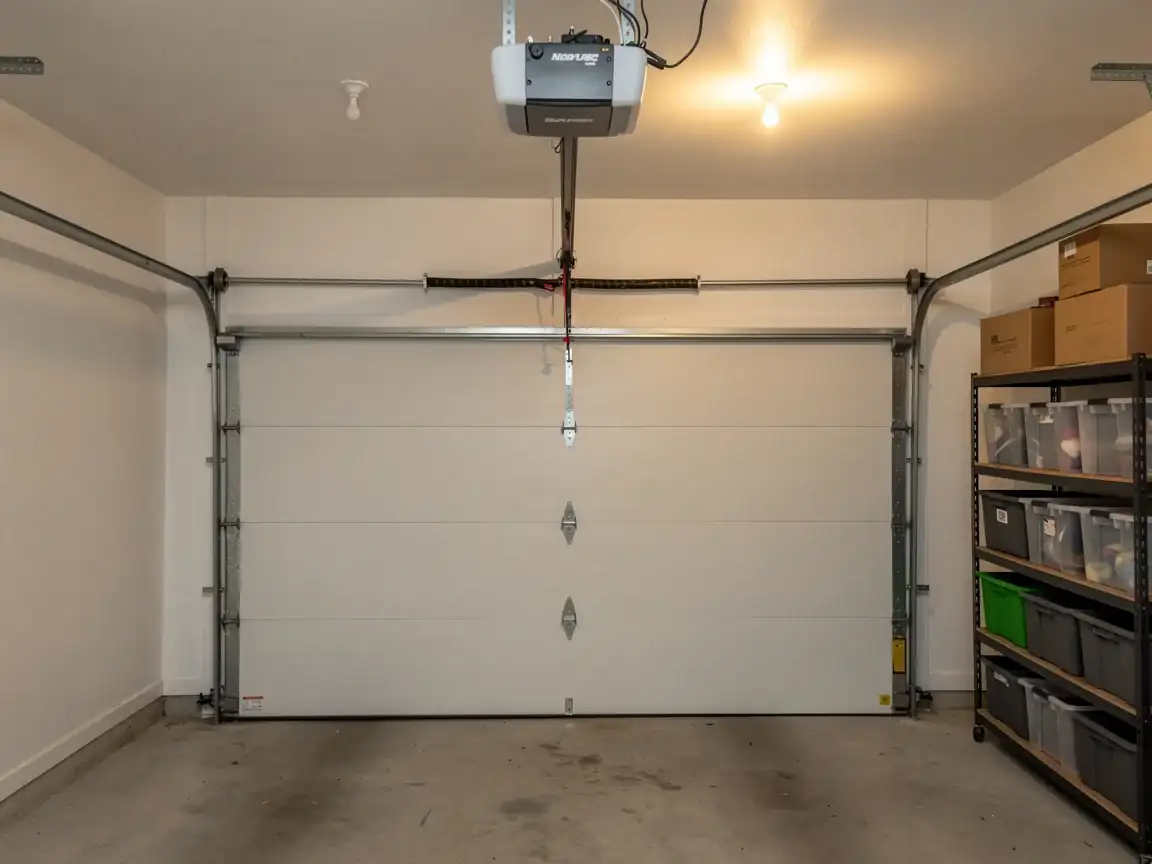
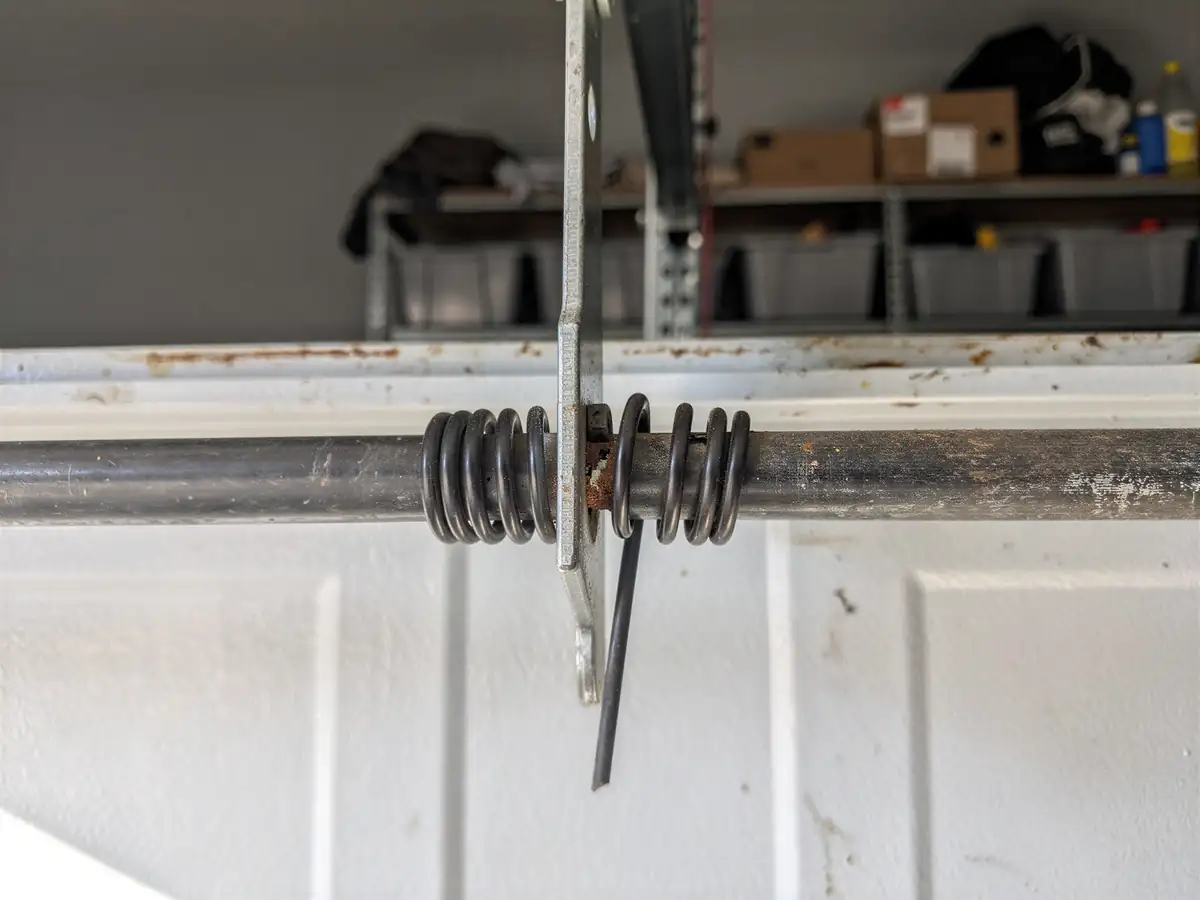
Median year built here runs around 1991, a bit newer than the 1964-2004 spread you'll see across the wider service area, which centers closer to 1987. That seven-year difference matters more than it sounds like. Doors from the early '90s in this area are mostly steel sectional panels on torsion spring systems rather than the older extension-spring setups you'd find on a house from the '70s. The springs on those original installs are now pushing close to thirty years of winter cycling, which is right where galvanized torsion springs start to fatigue and snap without much warning. Rollers from that era are often the original nylon, worn enough to bind in the track on a cold morning. We see fewer of the ancient extension-spring-over-the-track jobs out here than you'd find in older pockets of the service area, and more doors that are structurally fine but running on original hardware that's simply aged out.