What the Repair Takes
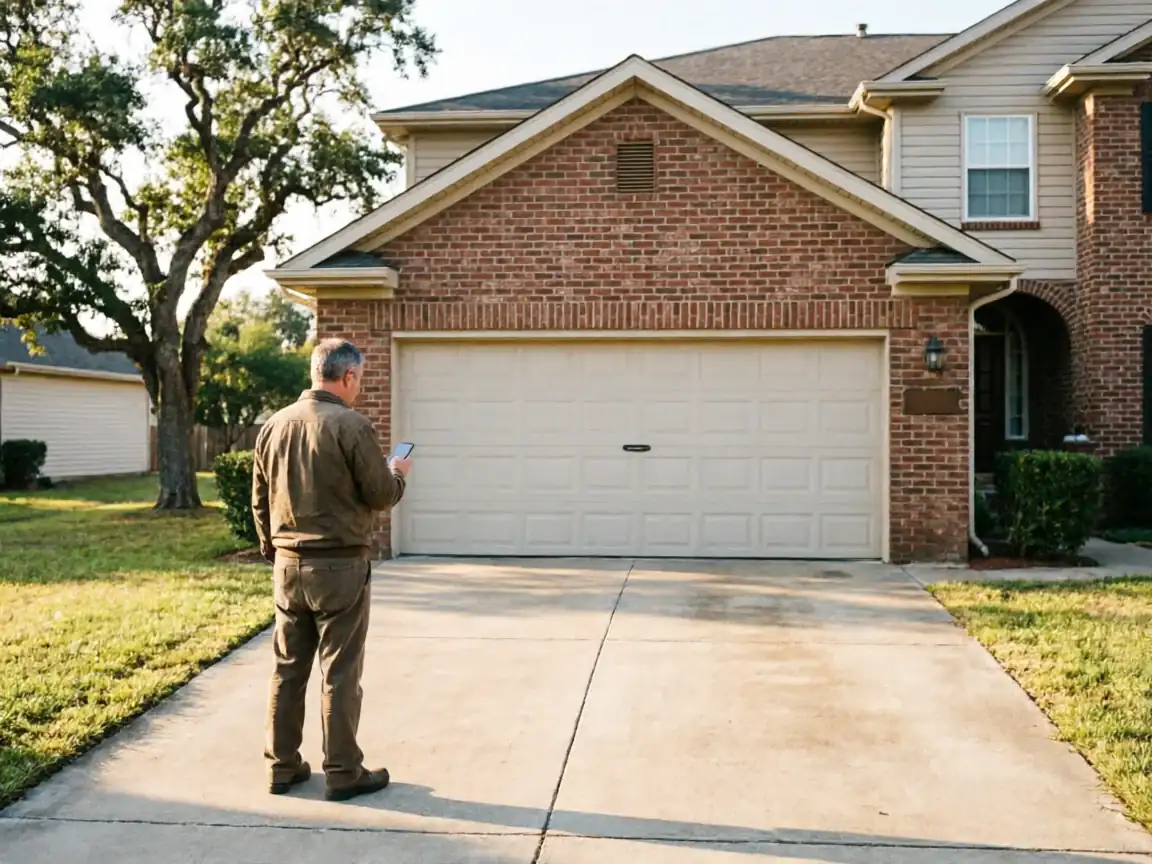
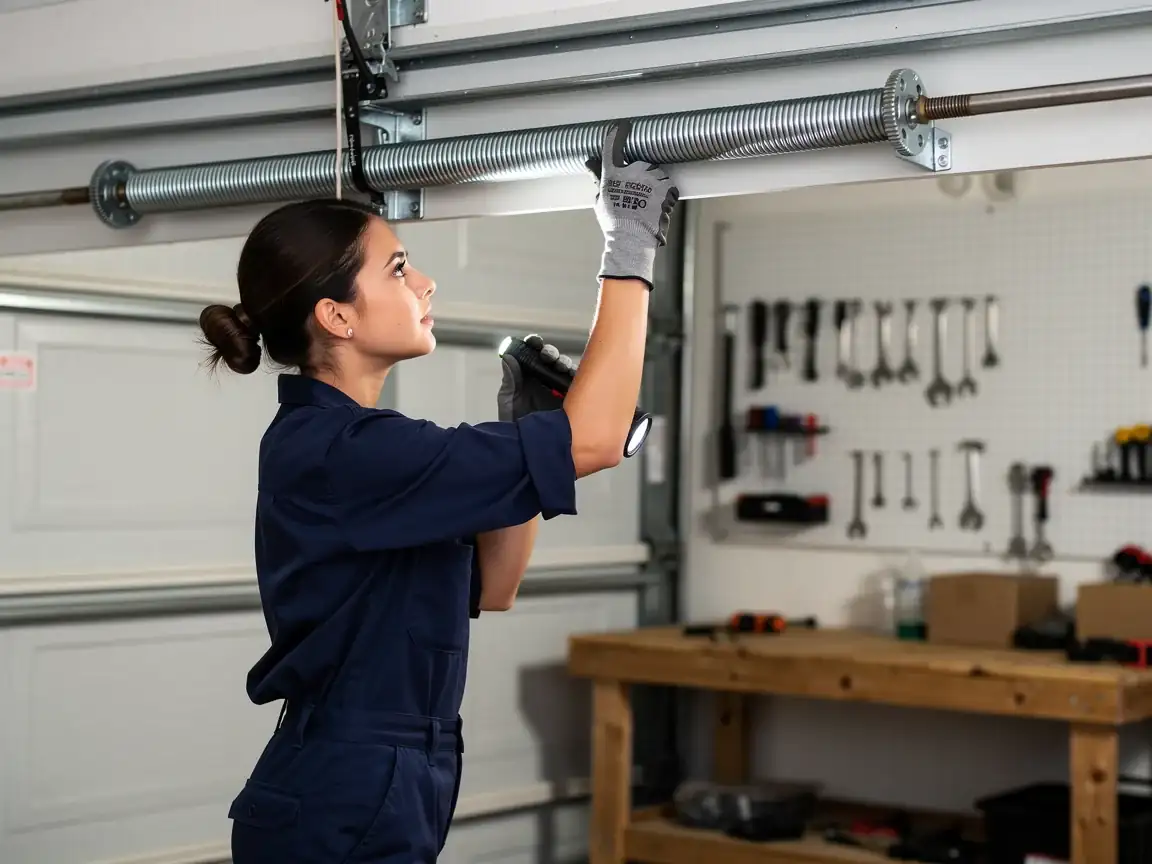
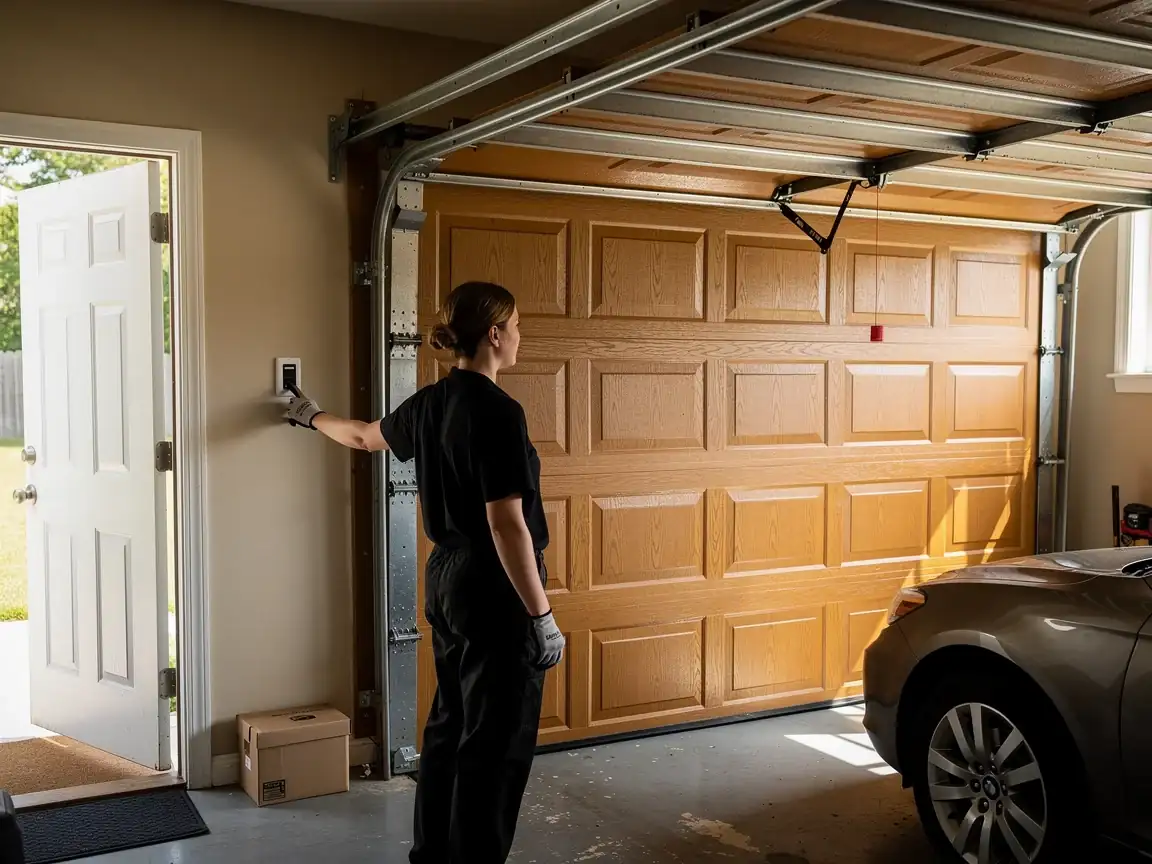
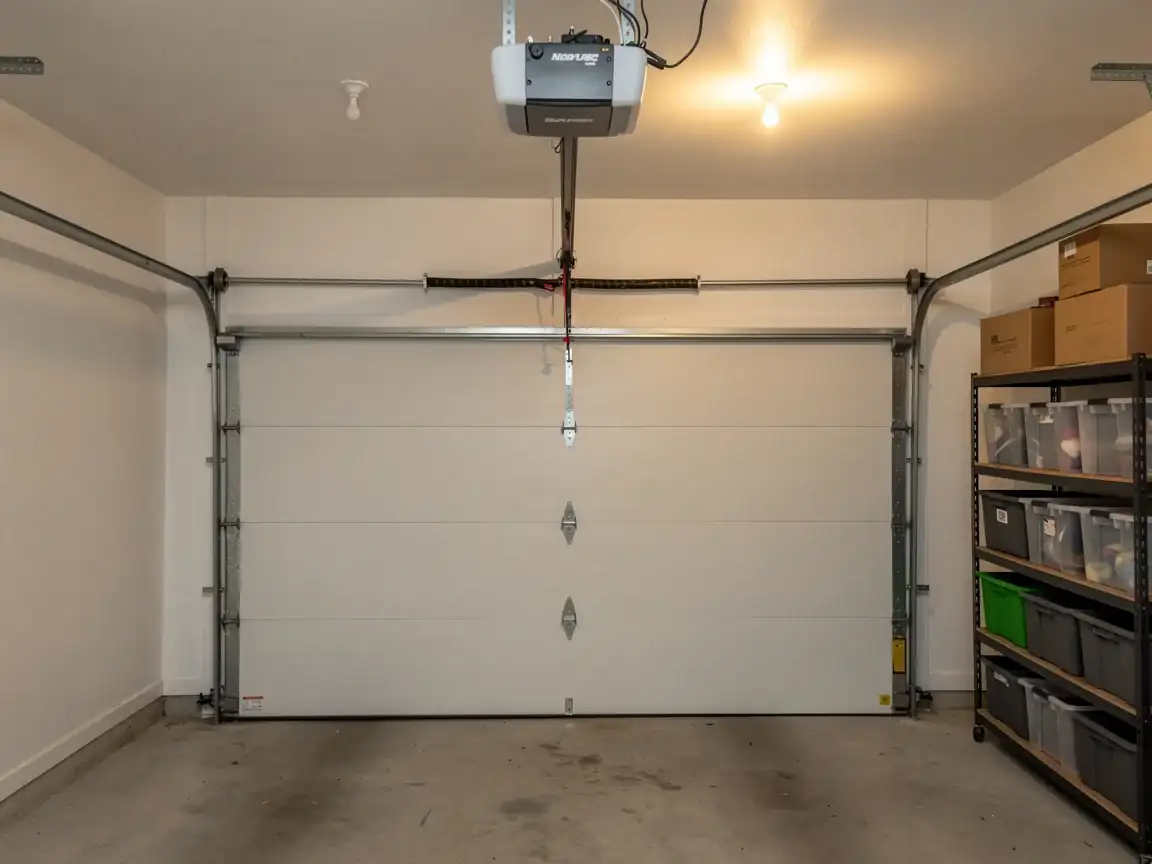
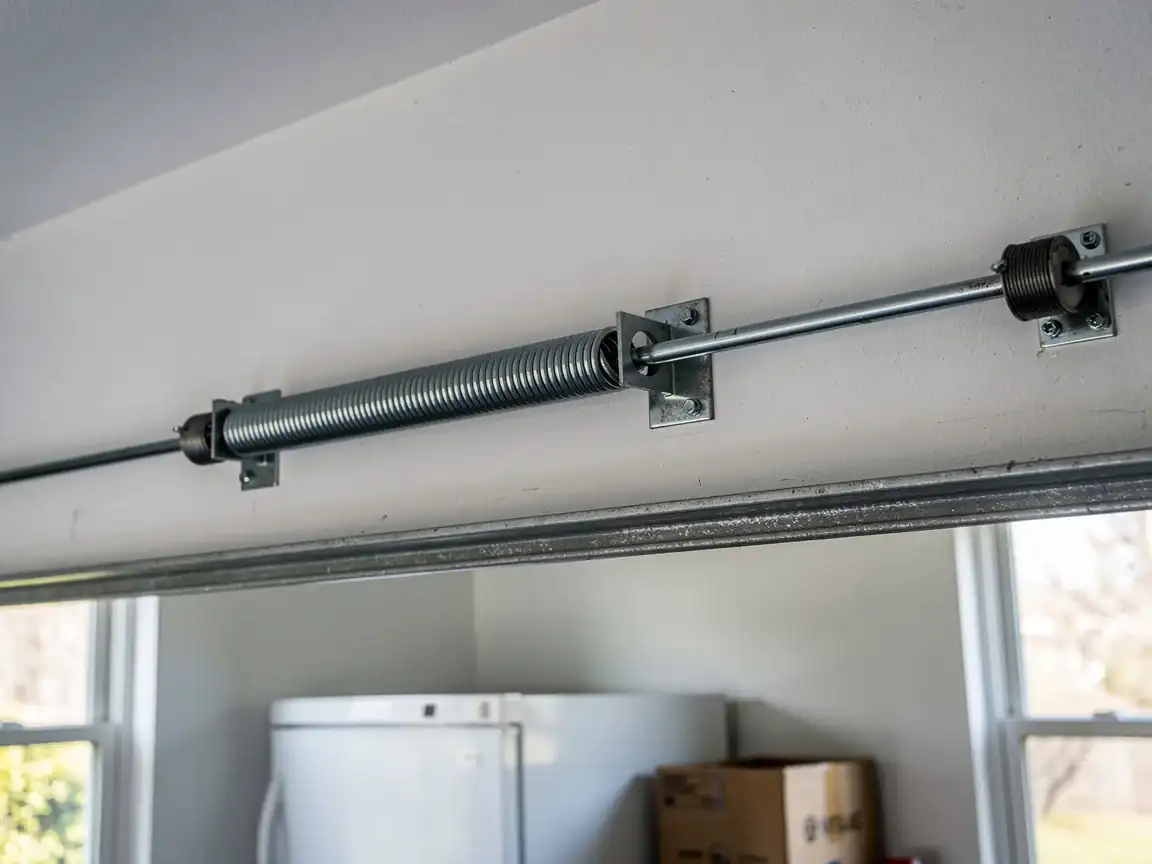
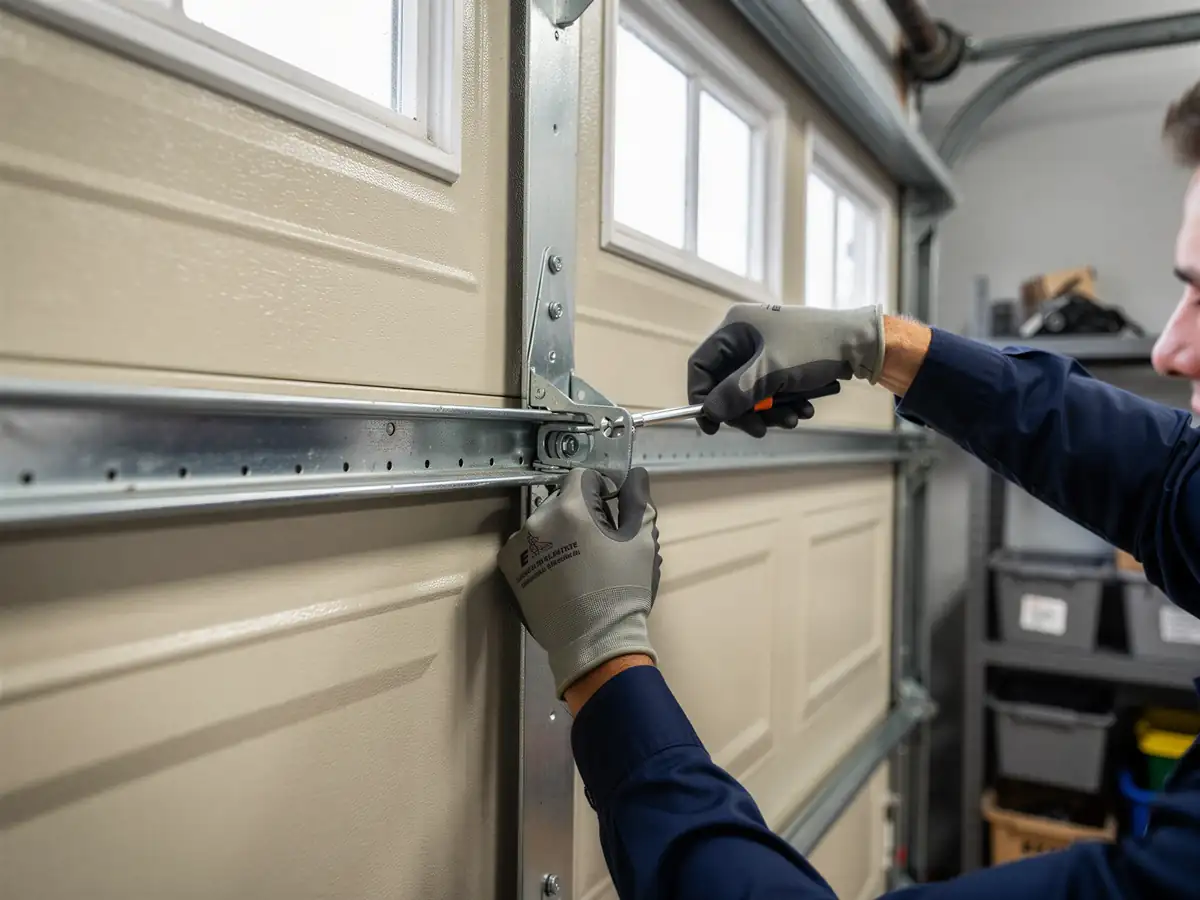
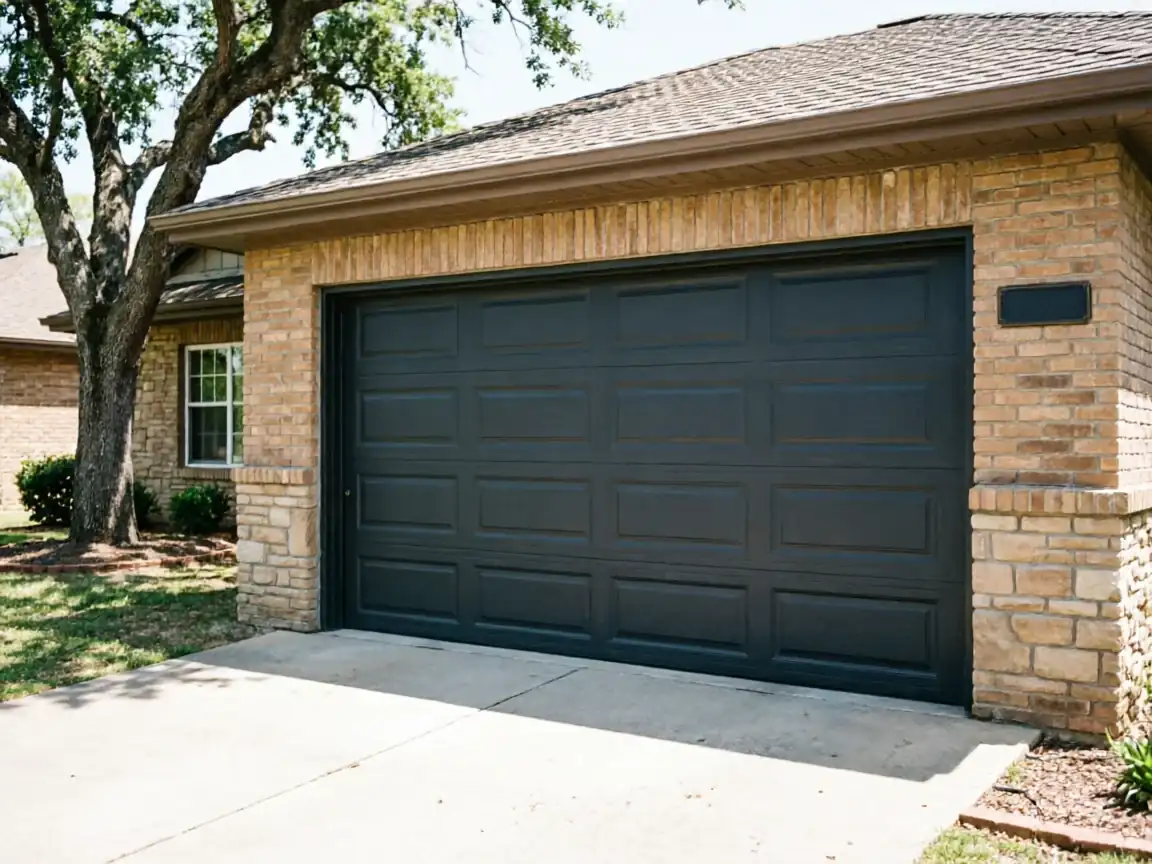
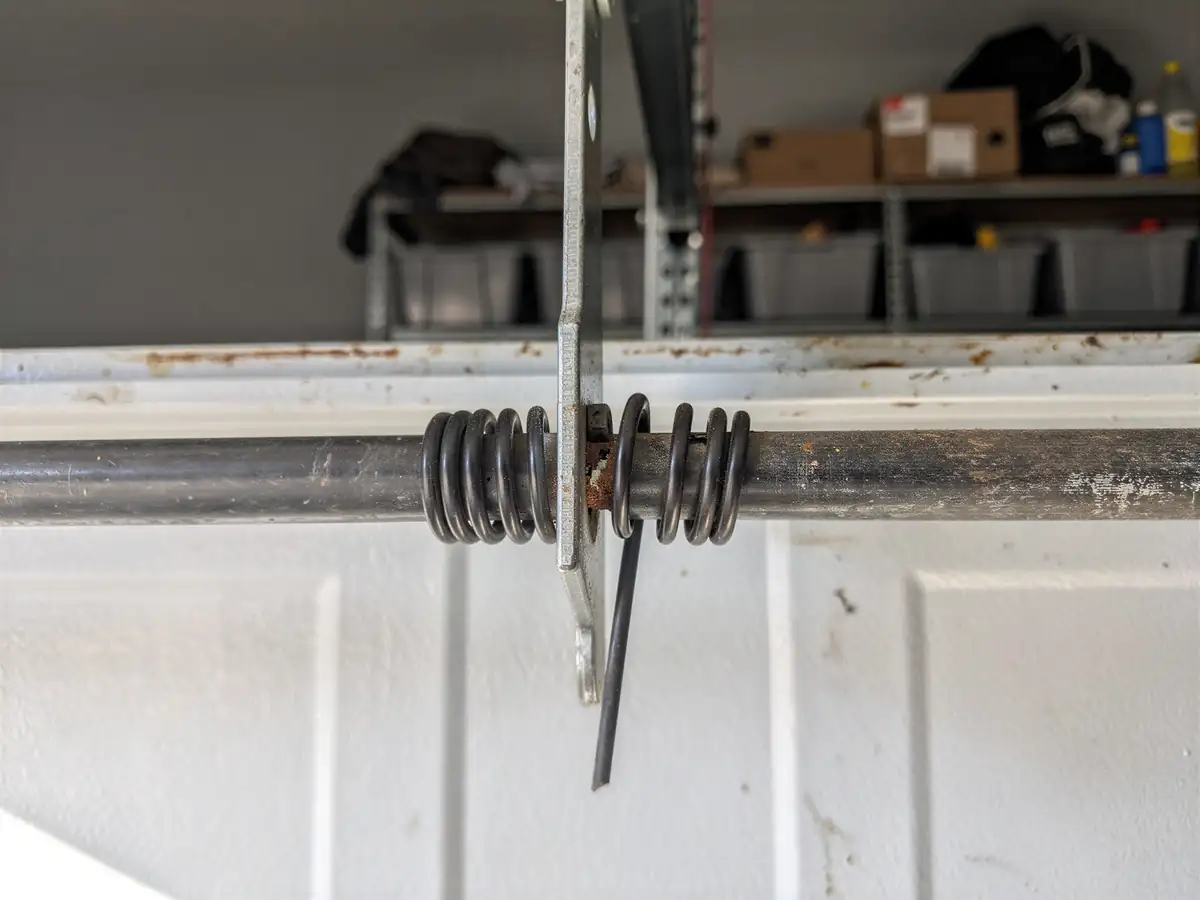
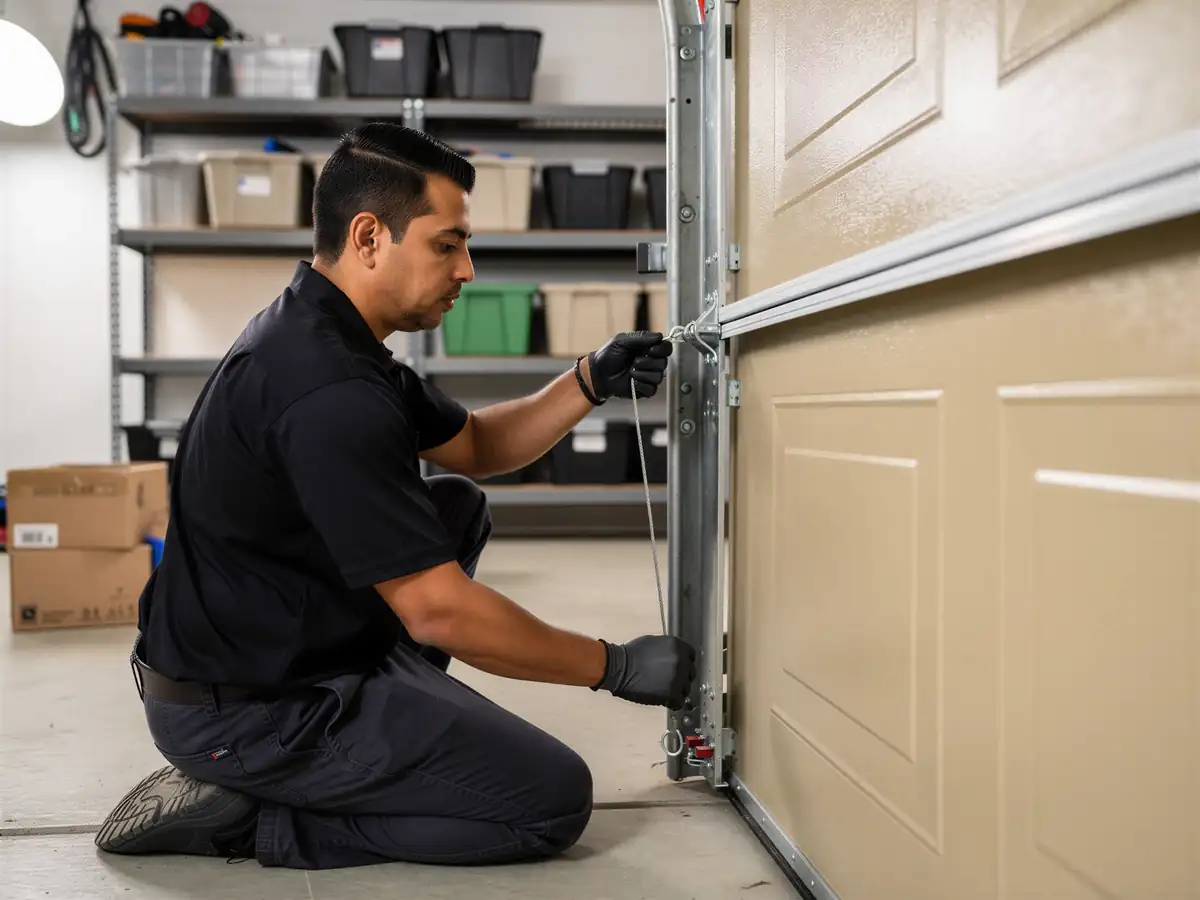
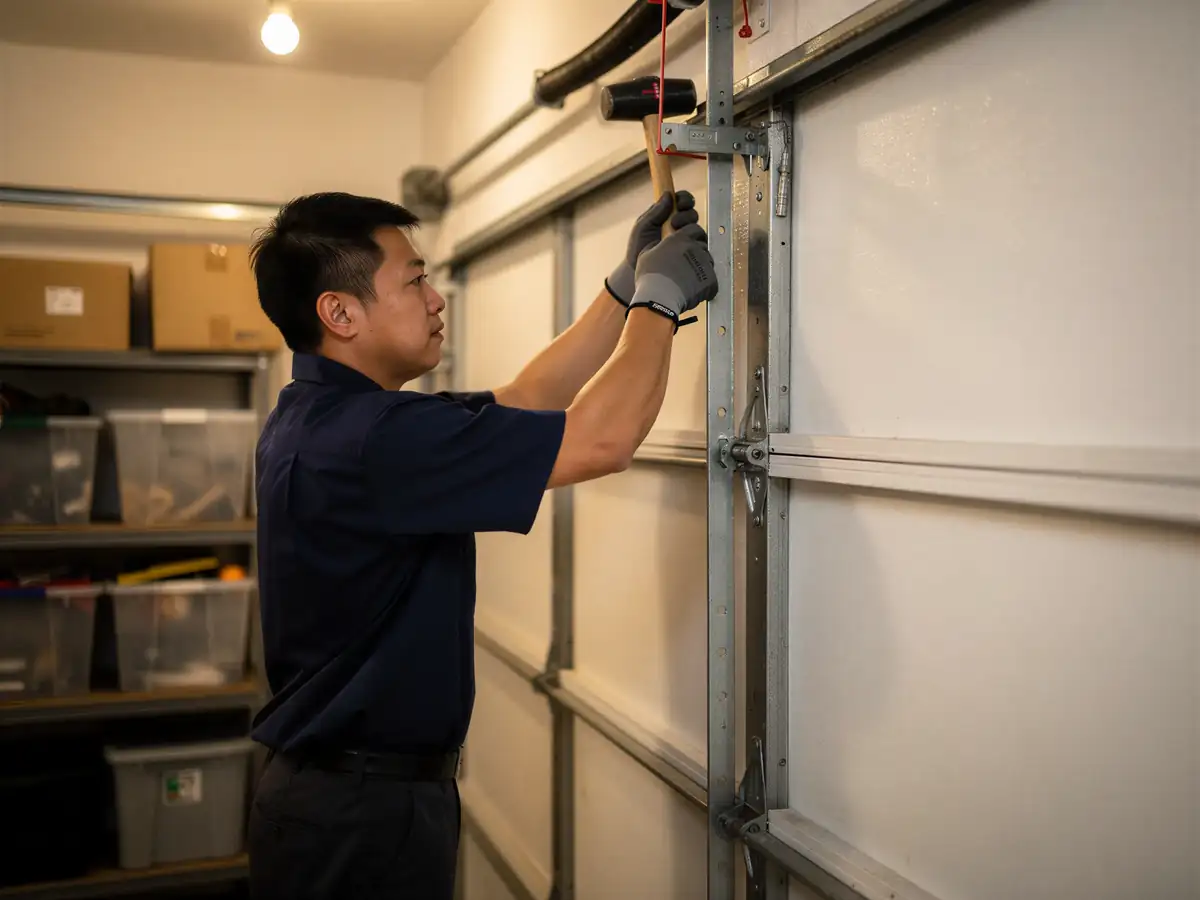
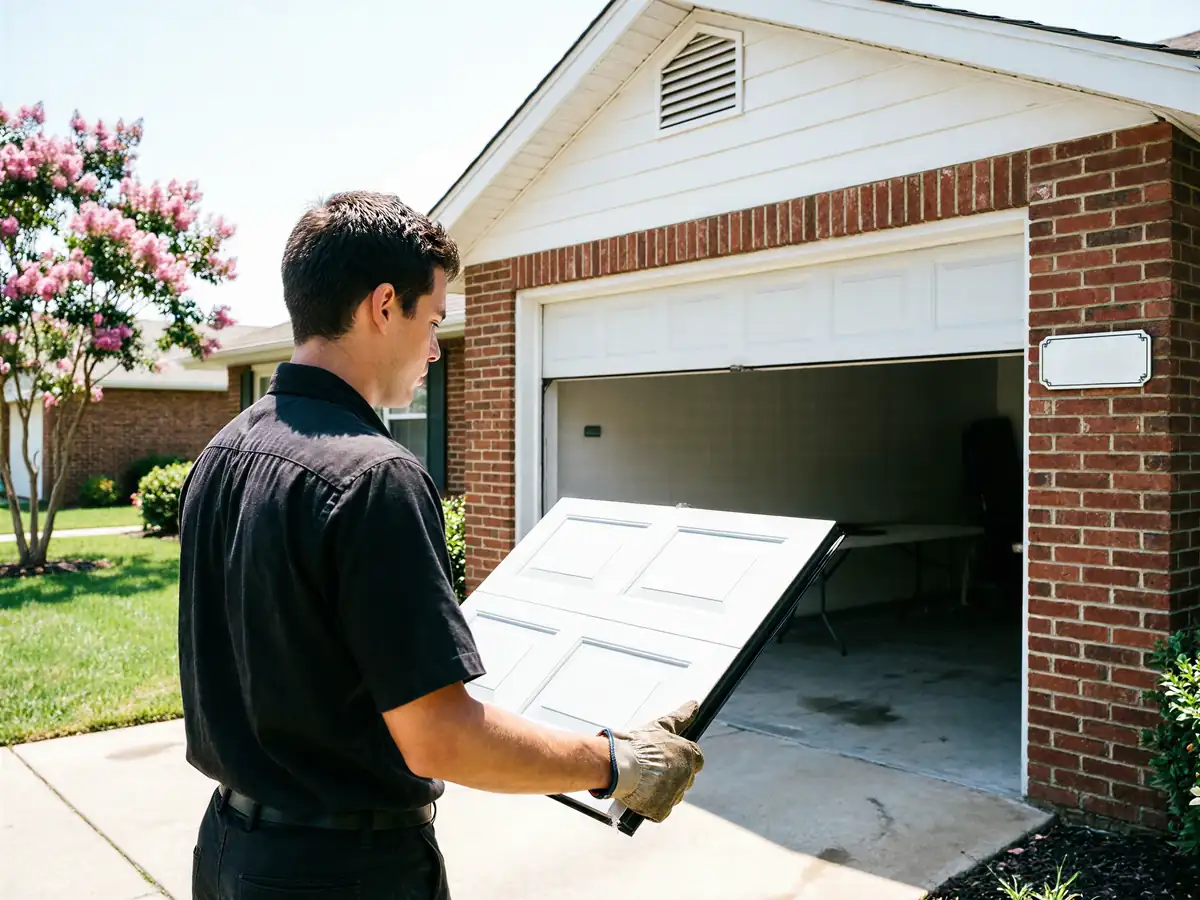
Most houses in this part of the county were built around 1991, which puts the openings in a fairly standard range - not the narrow, oddly-framed openings you see on houses from the 1960s, but also not the wider modern openings on new construction. That matters for installation because it means we're usually working with a known rough opening width and a standard track path, rather than custom-fitting a frame. The job still means pulling the old door and tracks, checking the jambs are square, setting new vertical and horizontal tracks, hanging the panels, and installing springs sized to the door's actual weight - not a generic size off a shelf. Then the opener gets reconnected, travel limits reset, and the safety reversal tested before we call it done. None of that changes because the address is 11 miles out. What changes is that we show up with the door already matched to the opening, because we measured it on the first visit instead of guessing.
What Can Go Wrong
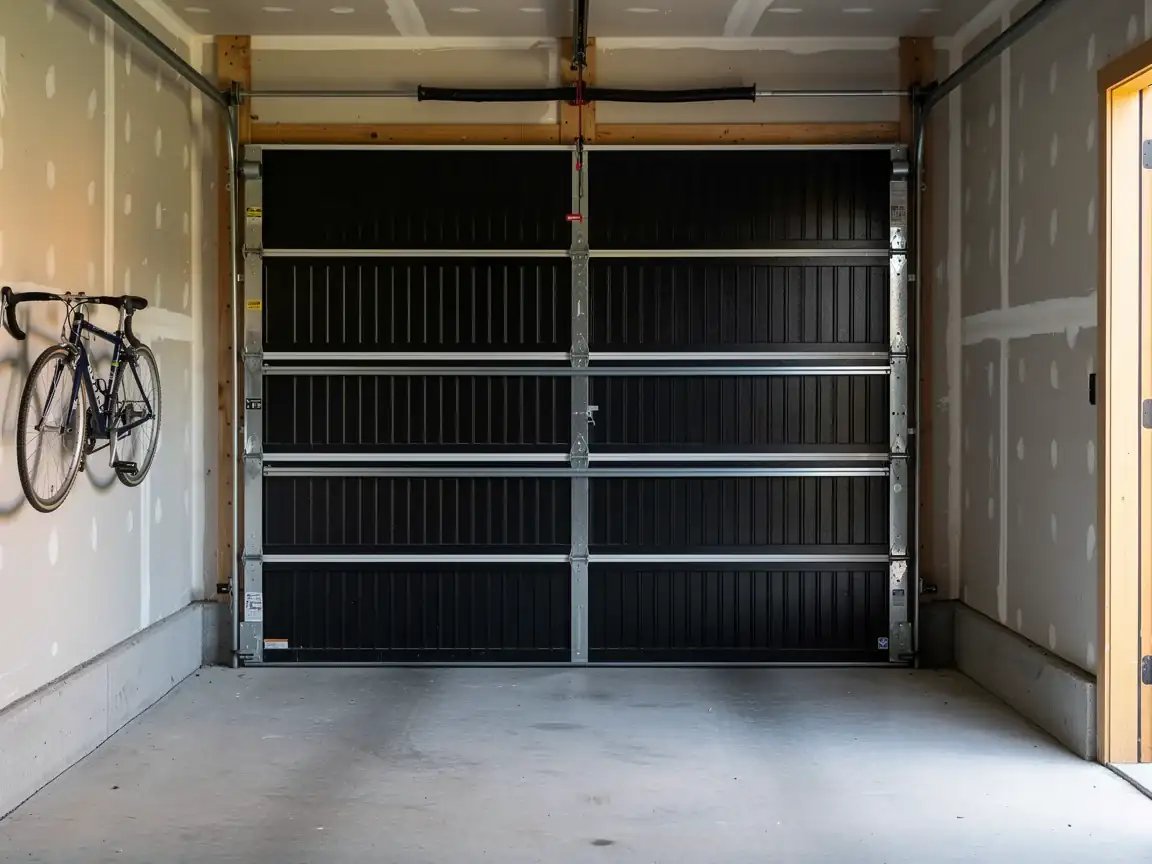
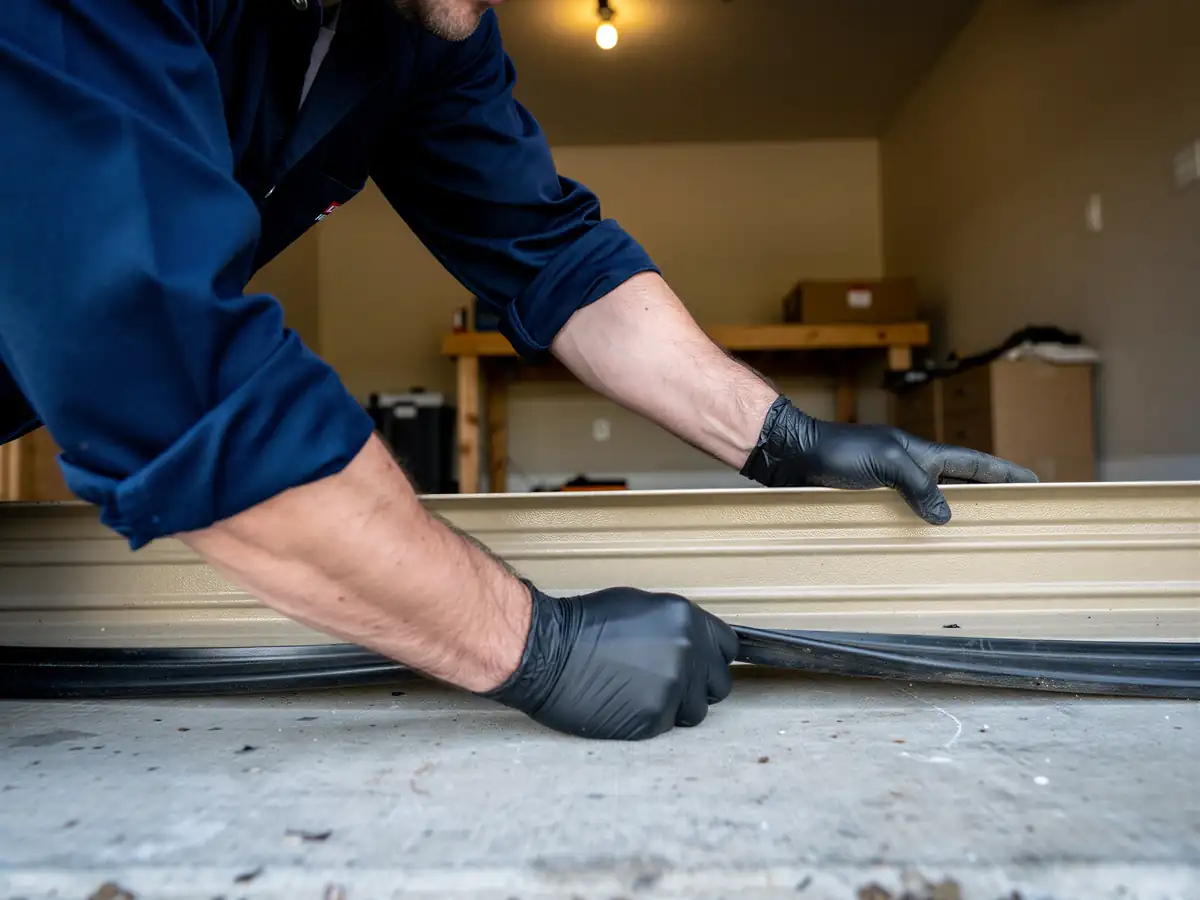
This area sits in a cold, moderate climate band, and that affects a new install more than people expect. A door that isn't properly weatherstripped and sealed at installation will let cold air track across the slab in winter, and on an unheated garage that can mean a stiff, sluggish opener motor on the coldest mornings. We set the bottom seal and side stops tight on every new install for that reason, not as an upsell. The other failure point we see is a new door hung on old, mismatched hardware - rollers or hinges left over from the prior door that weren't sized for the new panel weight. New door, new hardware, matched to the actual door - that's not negotiable on our end, even if it adds a little to the job.
Why This Fails Locally
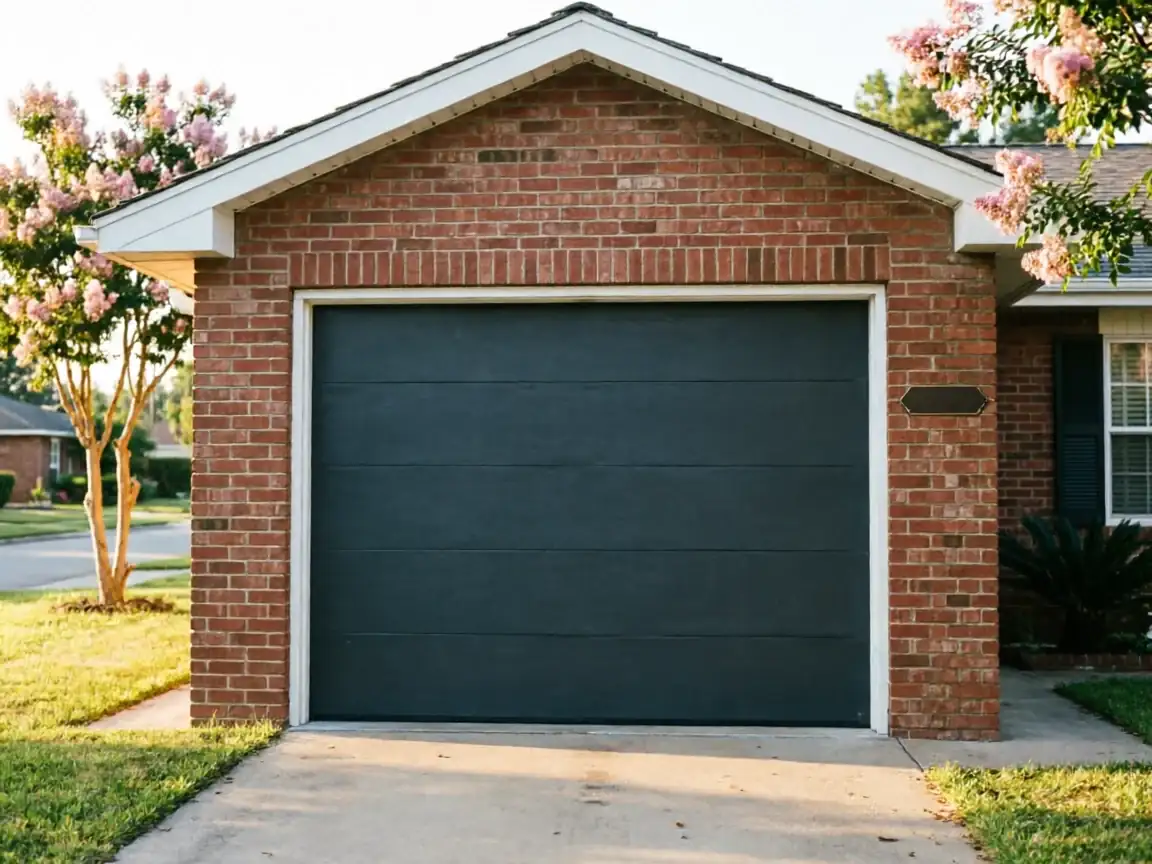
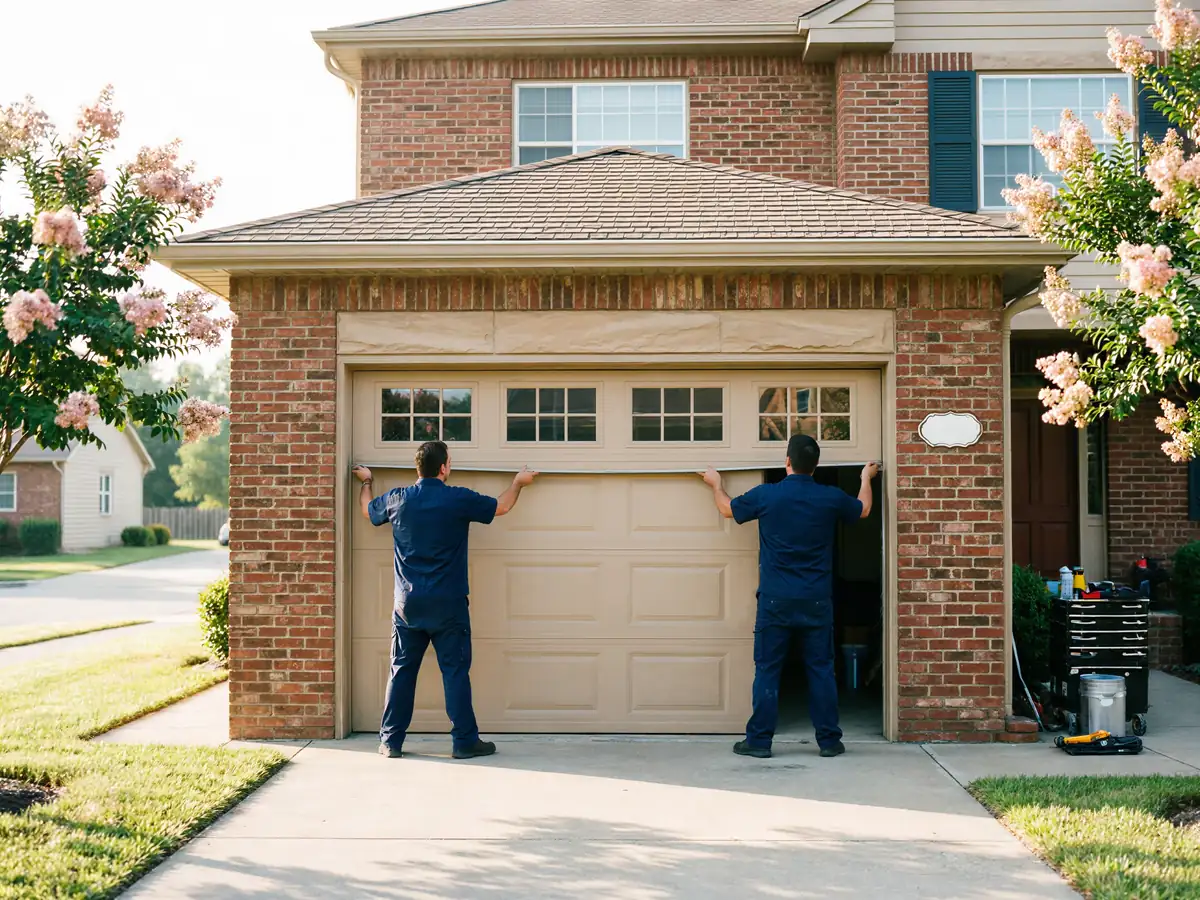
The failure we see most in this area isn't a bad door - it's a door that was never matched to the house in the first place. With most homes here built around 1991, in a stretch of construction where openings and framing were fairly standardized, a lot of installers default to a generic stock door without checking if the track clearance or headroom actually matches what that era of house was built with. On a smaller community like this - roughly 1,548 households total - there isn't a steady flow of installers cycling through who've learned the local housing stock's quirks, so corners get cut on fit rather than on materials. A door that looks right in the showroom but doesn't match the actual opening ends up loose in the track or binding in cold weather within a year.