The Situation
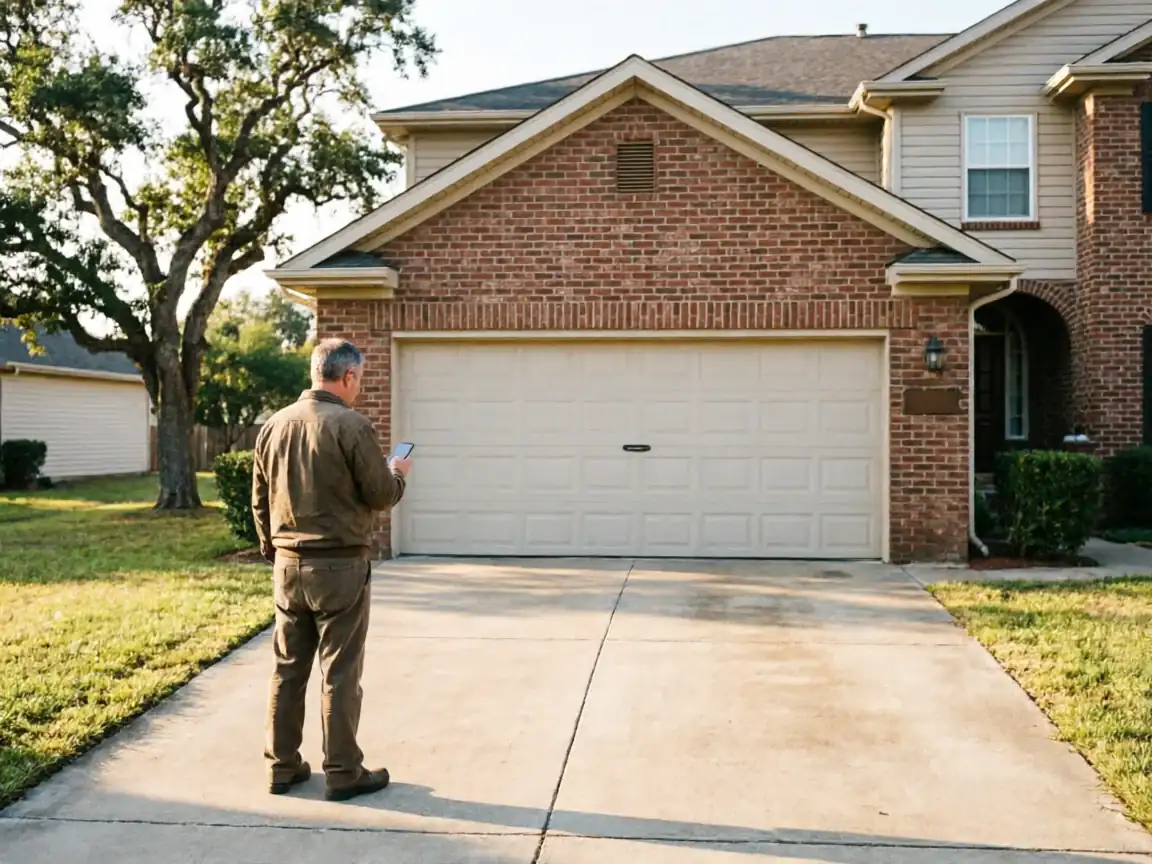
Most houses across Norman went up between 1964 and 2004
With the median build year landing around 1987. That spread covers seventeen named areas in the service district, and across most of them the opener in the garage is either the original chain-drive unit from the late 80s or 90s, or a first-generation replacement put in when the house changed hands sometime after. Those units weren't built with a battery backup. They were wired straight into a wall outlet, no surge protection, no capacitor to keep the motor running if the grid drops mid-cycle.
Norman's roughly 36,448 owner-occupied houses sit inside a service area of 63,331 households
Most wired with openers no newer than the 2004 build wave. When the power cuts out on one of these units, the door doesn't finish its cycle gracefully. It stops wherever it was - half up, half down - and stays there until either the power comes back or someone pulls the manual release and lifts it by hand. That's the reality for a lot of the housing stock here, not a hypothetical.
- 36,448 owner-occupied
- 63,331 households
Where People Go Wrong
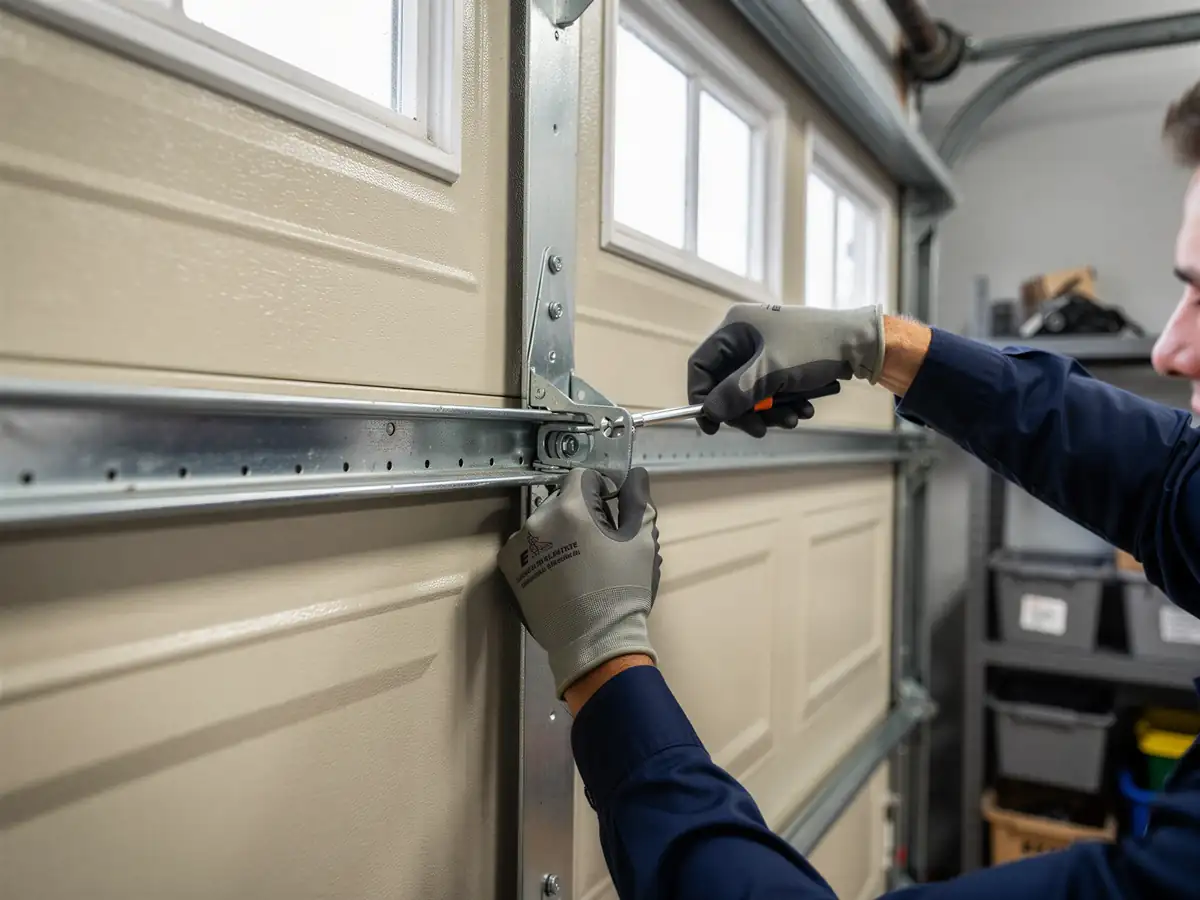
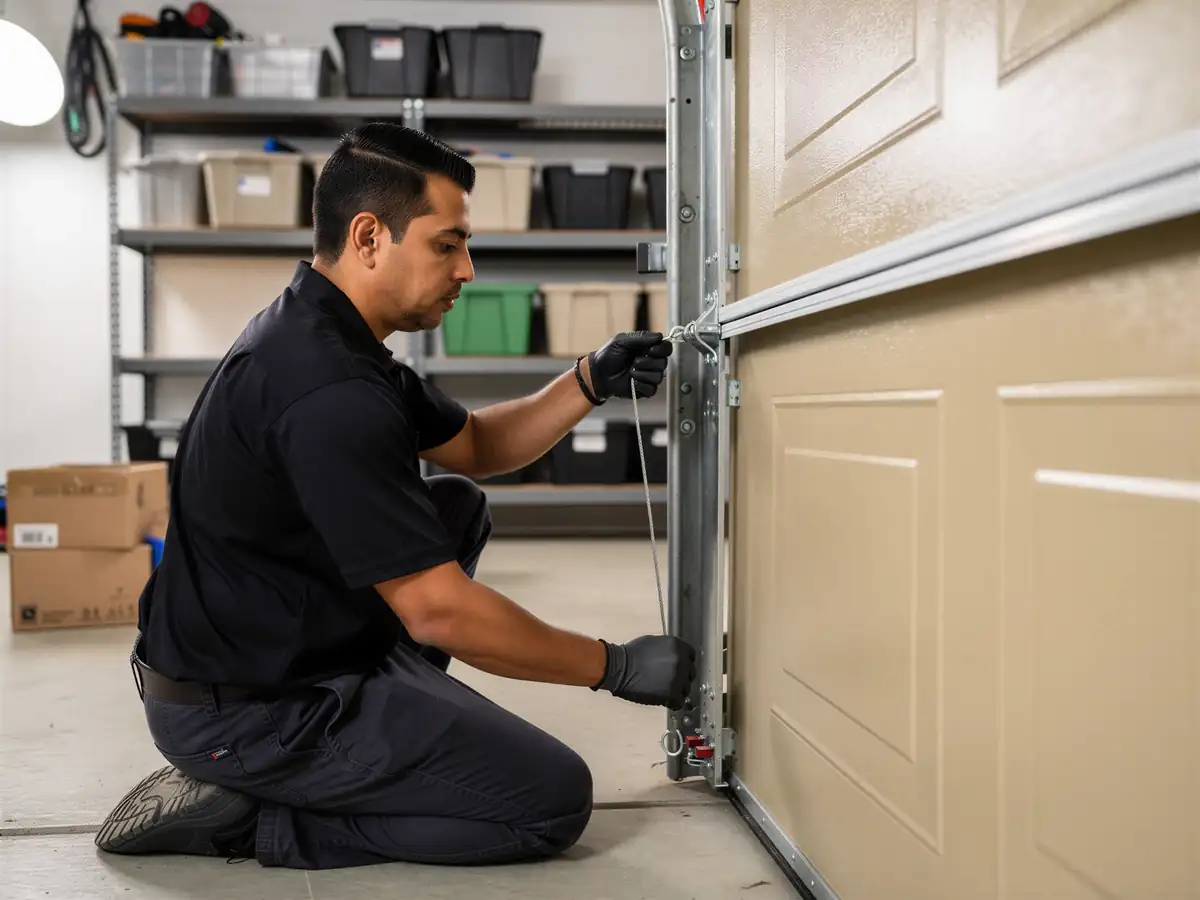
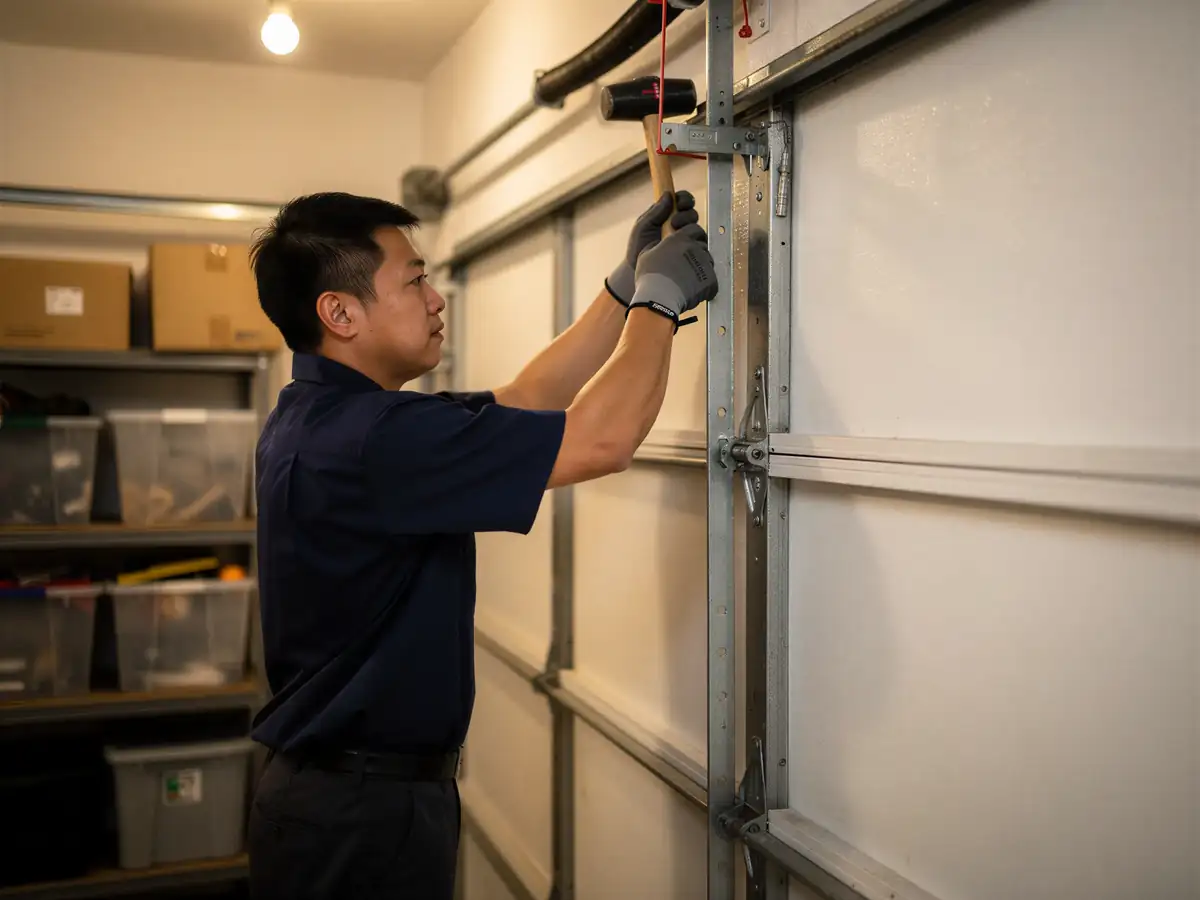
The most common mistake is assuming every opener has a battery backup, because newer units sold today almost all do. A homeowner in a house built in 1987 or 1992 often doesn't know their unit doesn't have one until the power goes out and the door won't move. The second mistake is forcing it. People lean on the door, try to muscle it up the track by hand without pulling the release cord first, and that's how rollers get bent or a track comes loose from the wall bracket.
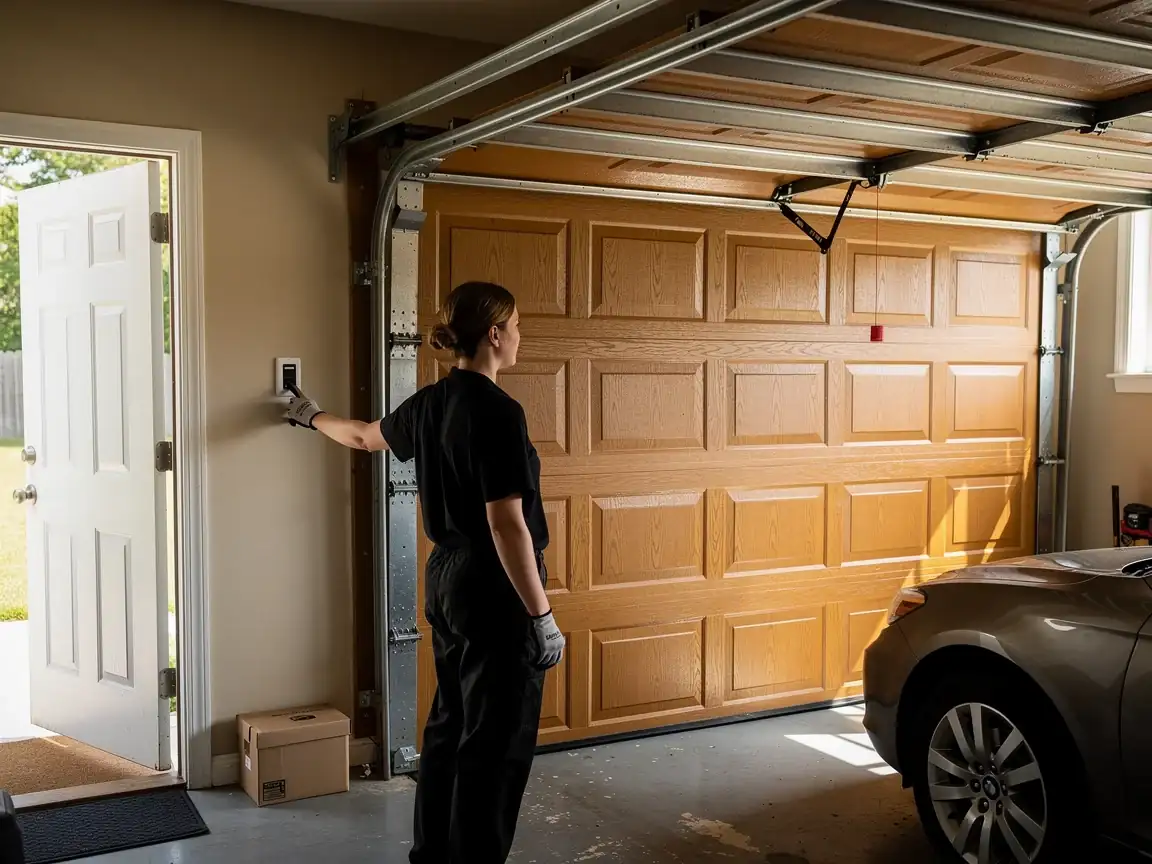
The third mistake is calling an opener "broken" after a power cut when it isn't. Once power is restored, most of these older units need a manual reset at the wall button or remote - holding it down, letting the motor re-home the door - before they'll run a normal cycle again. People skip that step, assume the logic board died, and book a replacement they didn't need. We'll always check the simple reset first before we talk about swapping the unit.
When Waiting Is Fine
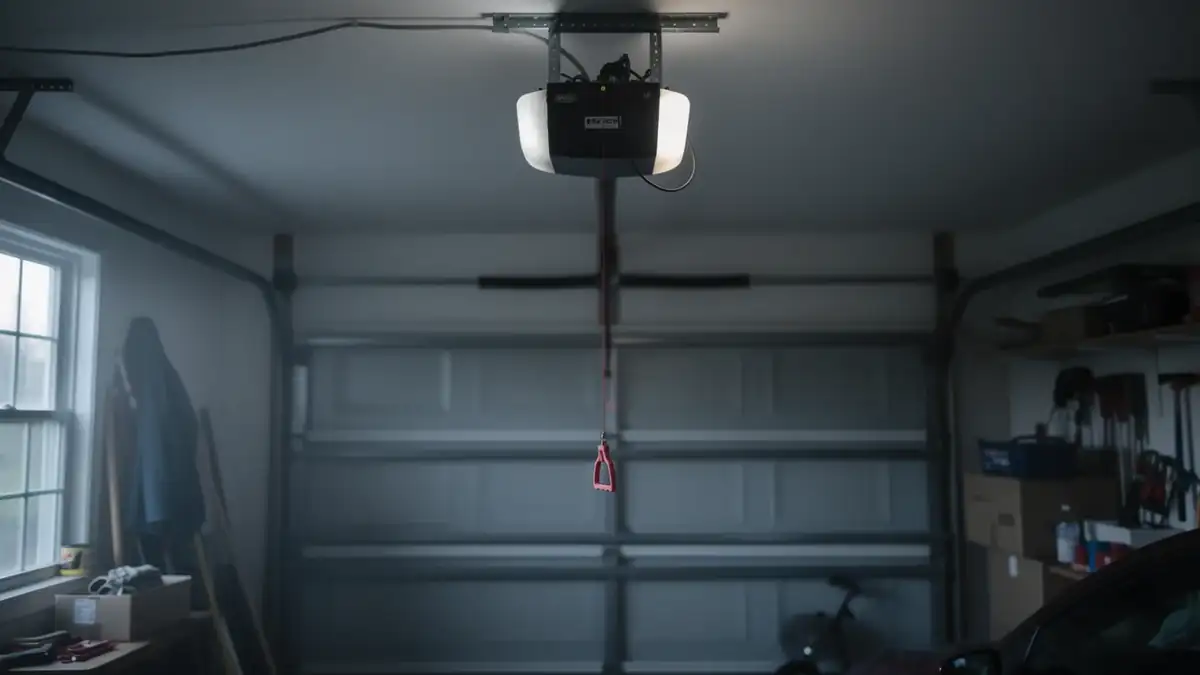
If the power comes back within the hour and the door isn't physically stuck on the track, there's no reason to call anyone that night. Pull the manual release, close the door by hand if you need the garage secure, and wait for power. Once it's back, try the reset sequence before assuming anything is wrong with the opener itself.
Here's the honest limitation: we don't recommend replacing a working opener just because it lacks battery backup, unless outages are hitting your house often enough to matter. A unit from the 1990s that still runs fine the other 364 days of the year doesn't need to be swapped out over one cold-front power cut. Battery backup is worth adding if you're already replacing the opener for another reason - a stripped gear, a dying motor - or if outages in your part of the service area are frequent enough that losing garage access actually costs you something. For a once-a-winter inconvenience, the manual release and a flashlight do the job.
What Local Conditions Do
In Norman's cold-moderate climate, winter power cuts are more common in January and February than any other stretch of the year
And that's exactly when older opener motors are already working harder against stiff, cold grease in the rail and a chain that hasn't been lubricated since fall. Cold makes the motor draw more current to move the same door, so a marginal circuit or a loose outlet connection is more likely to trip during a cold snap than in July.
Homeowners out past Noble or Goldsby, both pulling power from the same rural lines
See outages hit their openers just as hard as in-town Norman blocks. Distance from the substation doesn't change what an outage does to a chain-drive motor from 1991. With a median household income of $75,000, Norman homeowners can usually afford a battery-backup opener, but most of the 1980s-90s stock never got upgraded, so the manual release cord is still the tool that matters most on a cold, dark night when the grid drops.
- $75,000 median household income