What's Actually Included in a Norman Garage Door Service Call
A Norman service call covers the spring, track, opener, and hardware check on houses built mostly between 1964 and 2004, with cold-climate adjustments.
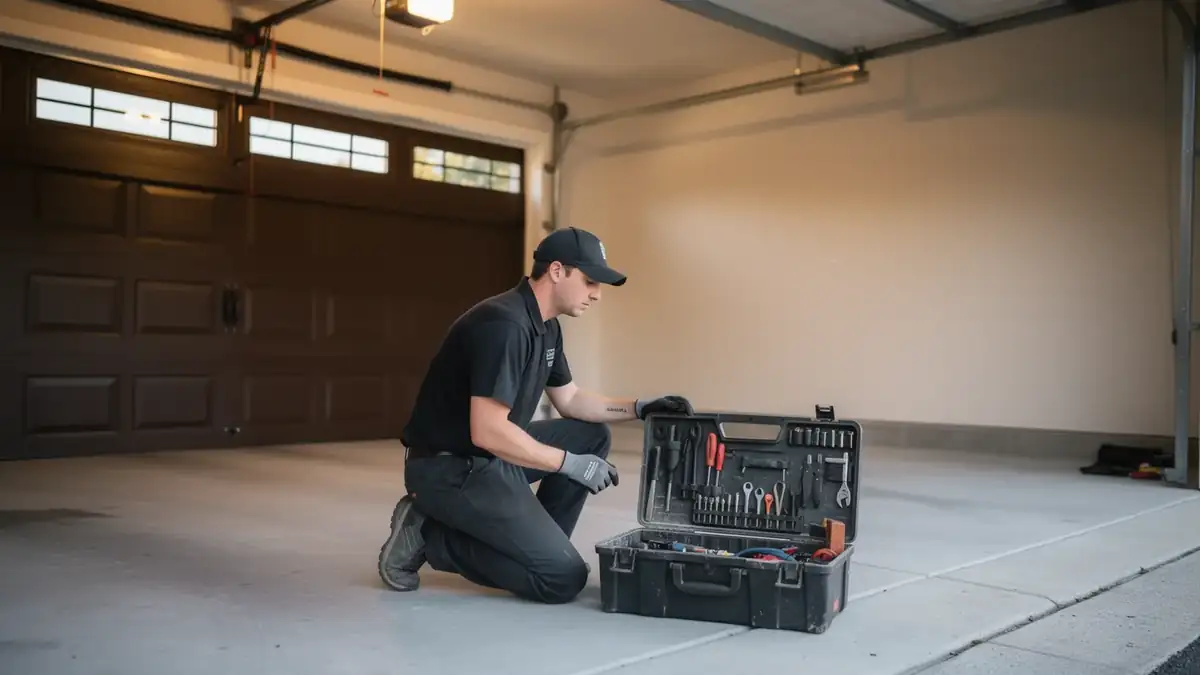
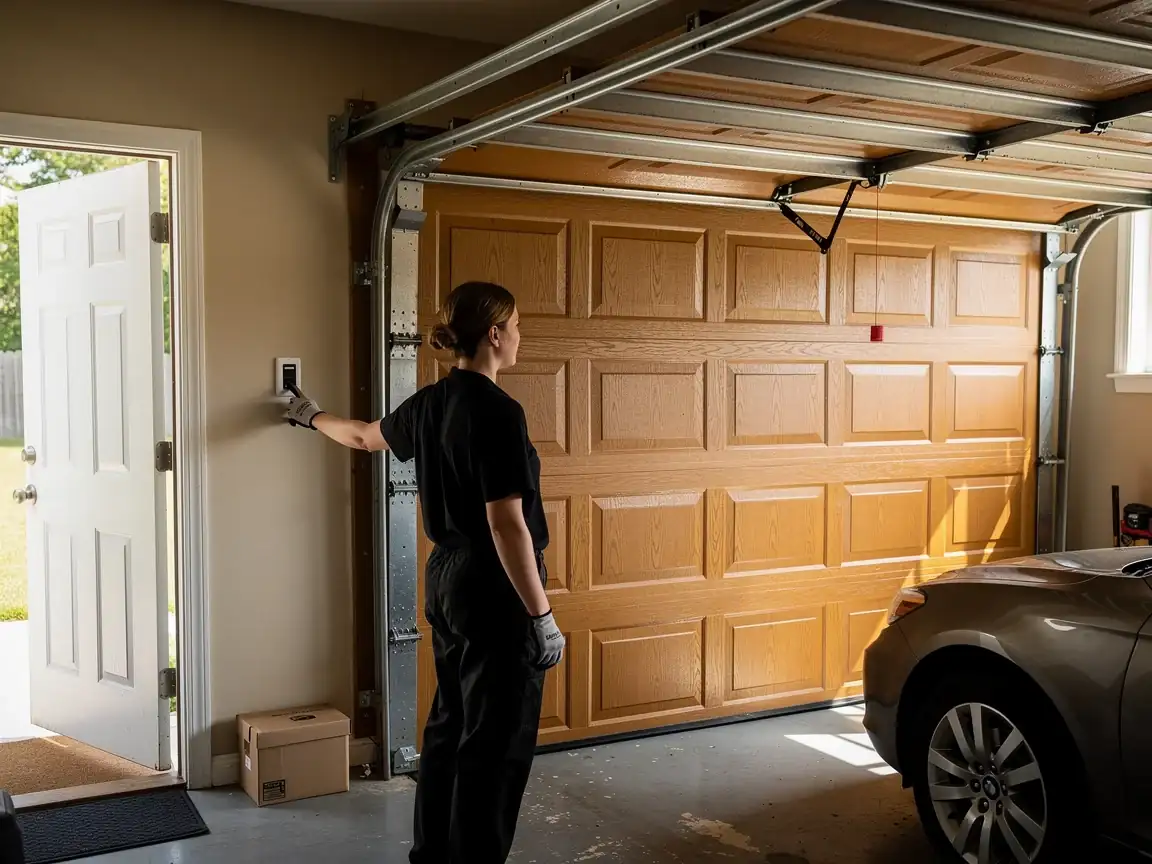
Most of the houses we get called to here went up between 1964 and 2004, with the heaviest concentration from the 1980s and 90s building boom, spread across the area's seventeen named neighborhoods. That matters because a service call on a house built in 1991 is a different job than one on a house built last year. The torsion spring, the rollers, the opener's drive gear - all of it has had thirty-plus years to wear in whatever way that particular setup wears. When you call, we're not walking in blind. A tech shows up, opens the door by hand first to feel the balance, then runs it electrically to watch the travel, listen to the opener, and check the cable drums. That's the baseline on every call, whether the complaint is a loud grind or a door that won't close. With 63,331 households in the service area and 36,448 of those owner-occupied houses, we see the same handful of failure patterns over and over - which is useful, because it means the diagnosis is usually fast even when the fix isn't cheap.
Where People Go Wrong
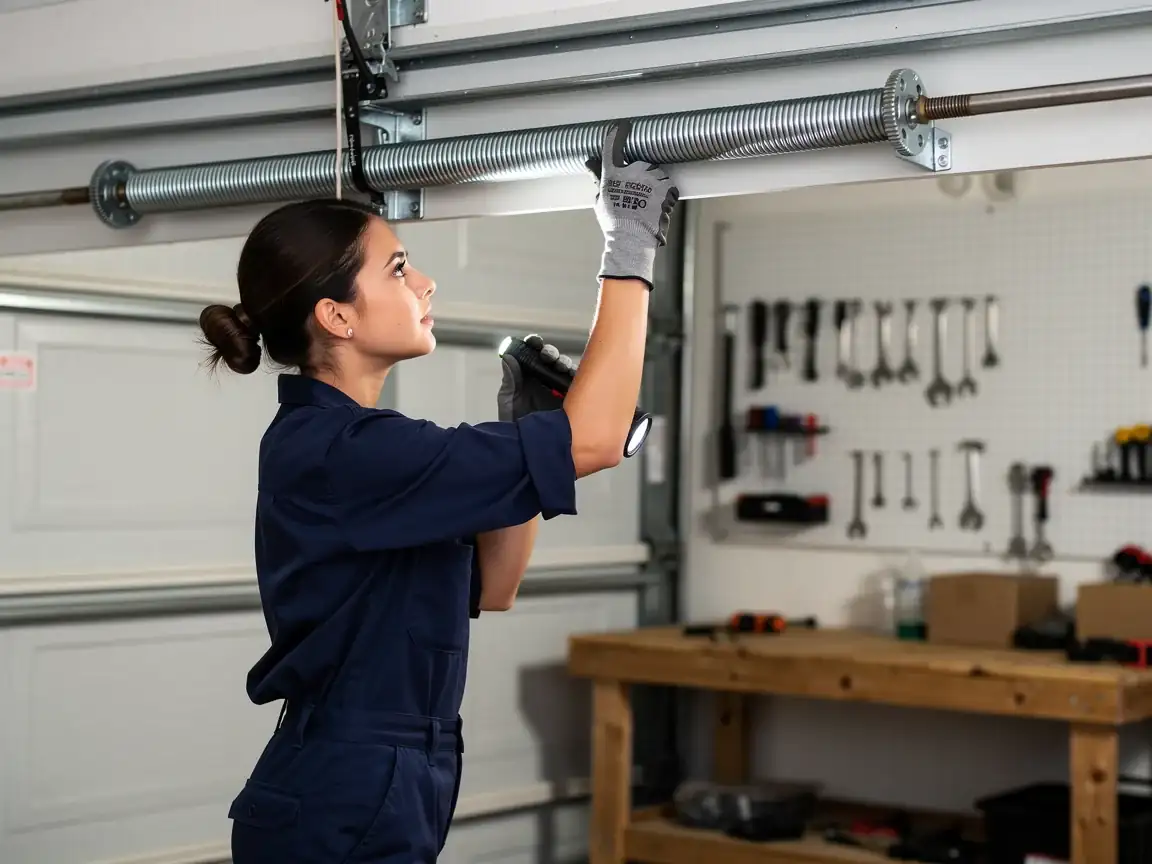
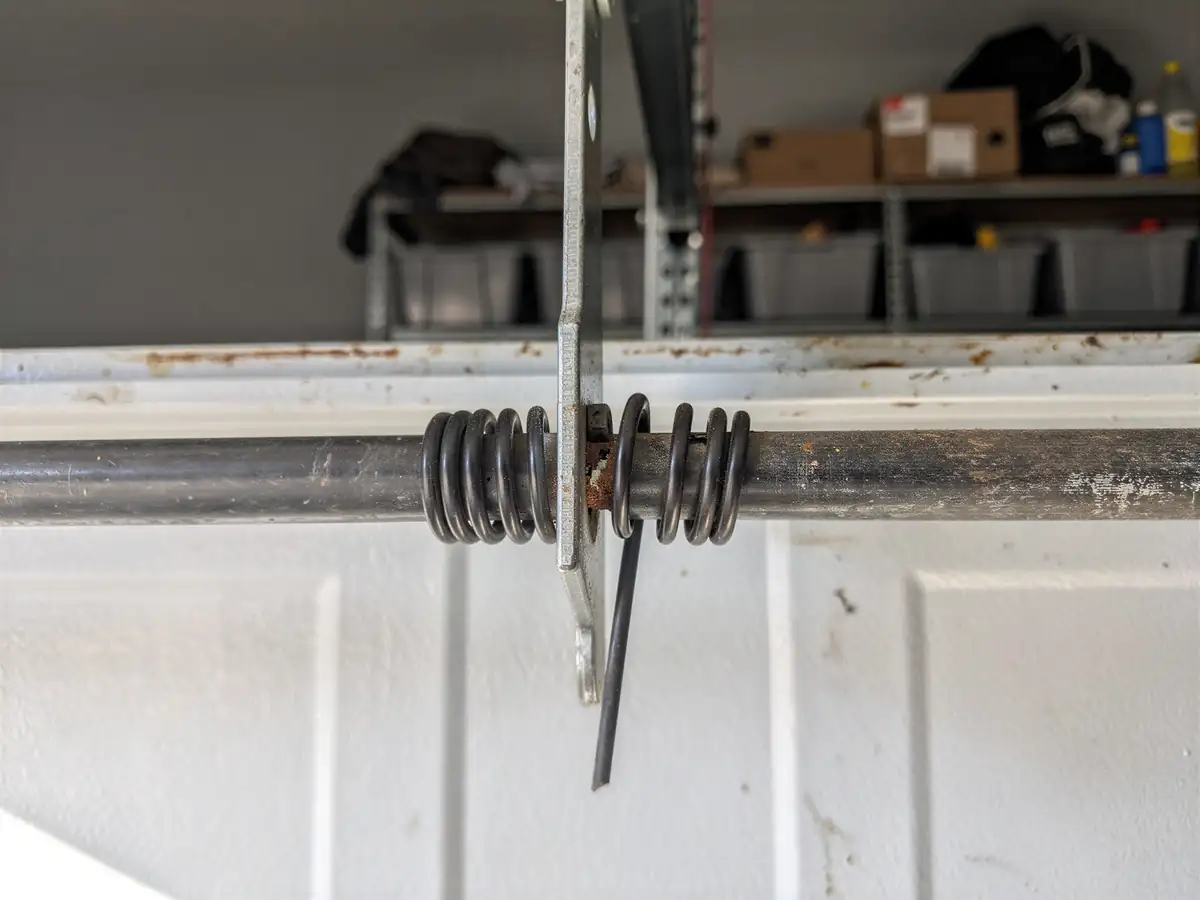
The most common mistake is treating a noisy door like a lubrication problem when it's actually a wear problem. Spraying oil on a spring that's lost its temper doesn't fix anything - it just quiets the symptom for a week. The second mistake is specific to this part of the state: Norman sits in a cold-moderate climate band, and a lot of owners don't realize that a steel torsion spring tightens and loosens slightly with temperature swings, which changes how it sounds and how it lifts. A spring that seems fine in August can bind in January. We see this most on houses from the 1964-2004 build window, where the original hardware is still in place and has never been adjusted for the cycle count it's actually seen. The other error is waiting until the cable snaps or the spring breaks before calling anyone - at that point the door is a two-person safety hazard, not a maintenance item, and the job costs more in time and parts than it would have as a scheduled adjustment.
When Waiting Is Fine
Not everything needs a truck. A dented panel that still opens and closes cleanly is cosmetic - it can wait as long as you want it to, unless the dent is deep enough to bind against the track. A squeak that only shows up once in a while, especially right after a cold snap, is often just the hardware reacting to temperature and isn't worth a service call on its own; keep an eye on it and mention it next time something else comes up. We'll say this plainly: we'd rather tell you to wait and save the call than run a truck out for something that doesn't need one. Where we draw the line is balance and safety - if the door feels heavy when you lift it by hand, or it drifts open or shut on its own, that's not a wait-and-see item regardless of how old the house is. On the older end of the 1964-2004 stock, a spring that's original to the house is living on borrowed time no matter how quiet it sounds right now.
What Local Conditions Do
Cold-moderate winters do two things to a garage door here: they stiffen the lift springs temporarily, and they make any existing wear in the rollers or hinges more noticeable, because metal contracts slightly and tolerances tighten. On a house built during the 1980s-90s run that makes up most of this area's stock, that's often the first sign something's going before it actually fails. We run service calls across the Norman area and out to the surrounding towns - Noble, about seven miles out, roughly nine miles northeast, along with Goldsby and Slaughterville around eleven miles, and farther out to Purcell, Blanchard, Lexington, and the rest of the communities in that ring. The housing age shifts a bit town to town, but the climate exposure is the same across all of it, which is why we check the same cold-weather points - spring tension, track alignment, weatherstrip seal - on every call regardless of where the house sits in that radius.
How it works
From “it’s stuck” to “it’s fixed”
1
Tell us what’s wrong
Describe the symptom - won’t open, loud bang, opener runs but the door won’t move.
2
On-site diagnosis
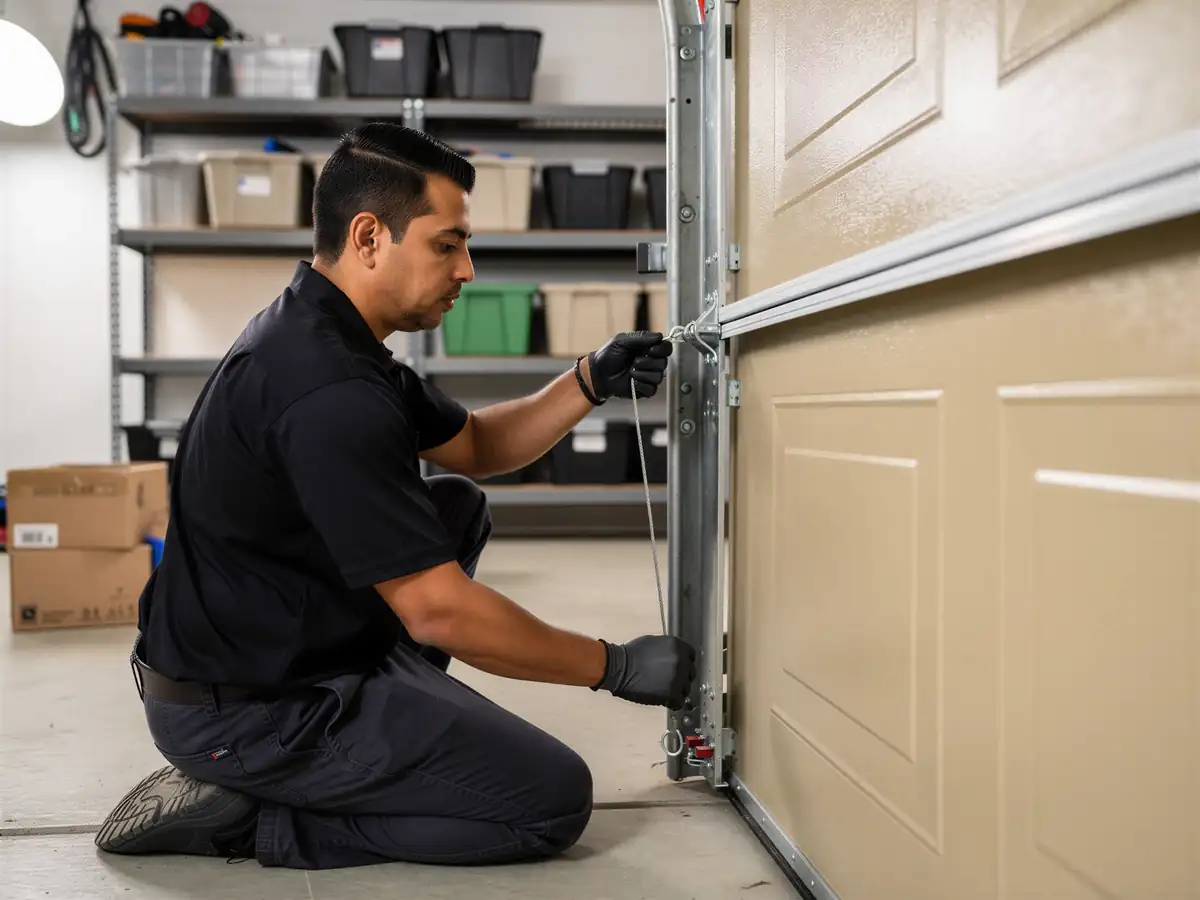
A technician tests the door under power and by hand and finds what actually failed.
3
Clear, up-front plan
You get the fix that’s needed and what drives the cost - before any work starts.
4
Repaired & tested
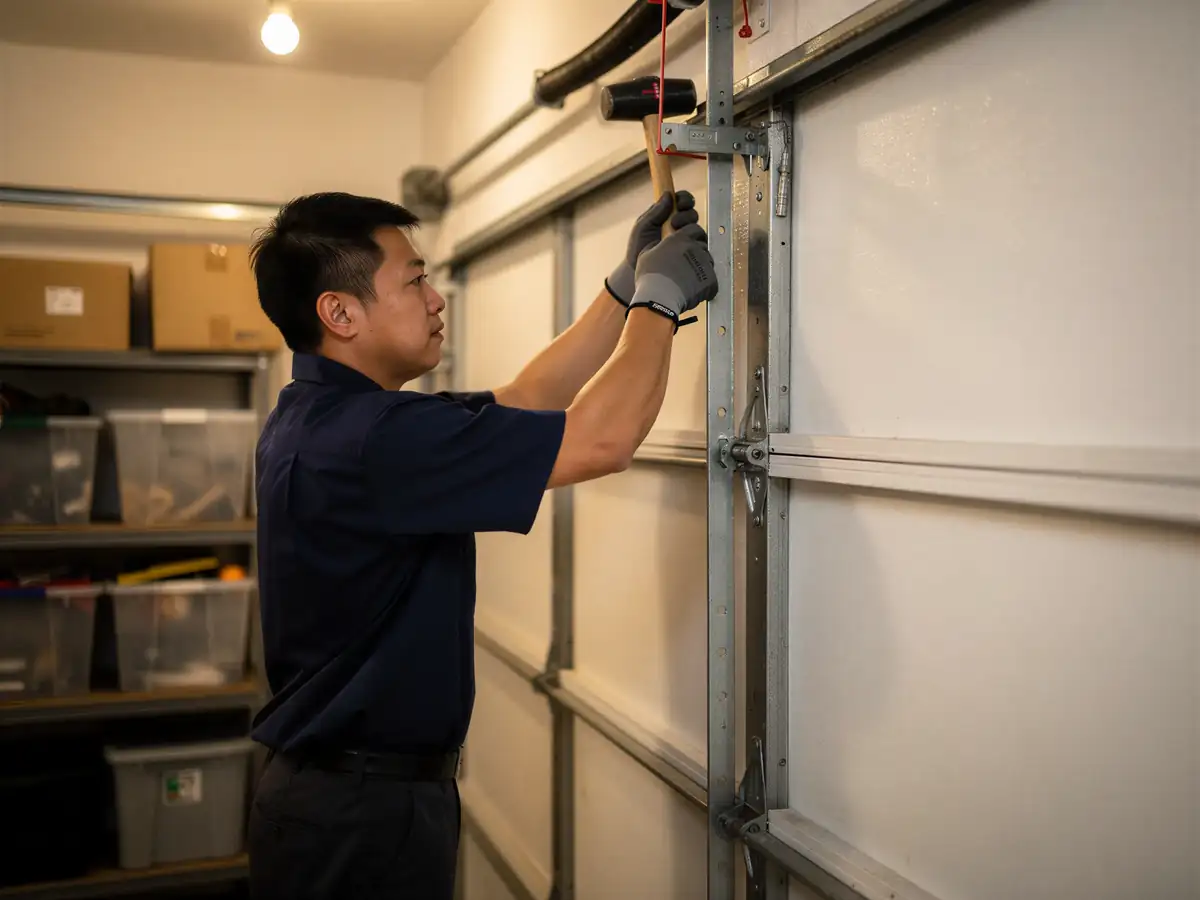
The repair is done, the door is set true and tested, and the work area left clean.
Not sure which repair your door needs in Norman, OK? Describe what it’s doing - every job starts with a diagnosis.
We don't have a fixed number to quote you here, but a standard diagnostic and adjustment call is usually a single visit. If a part needs ordering - a specific opener gear or a spring size that isn't on the truck - that adds time, and we'll tell you that up front rather than guess.
Do you check anything that isn't the obvious complaint?
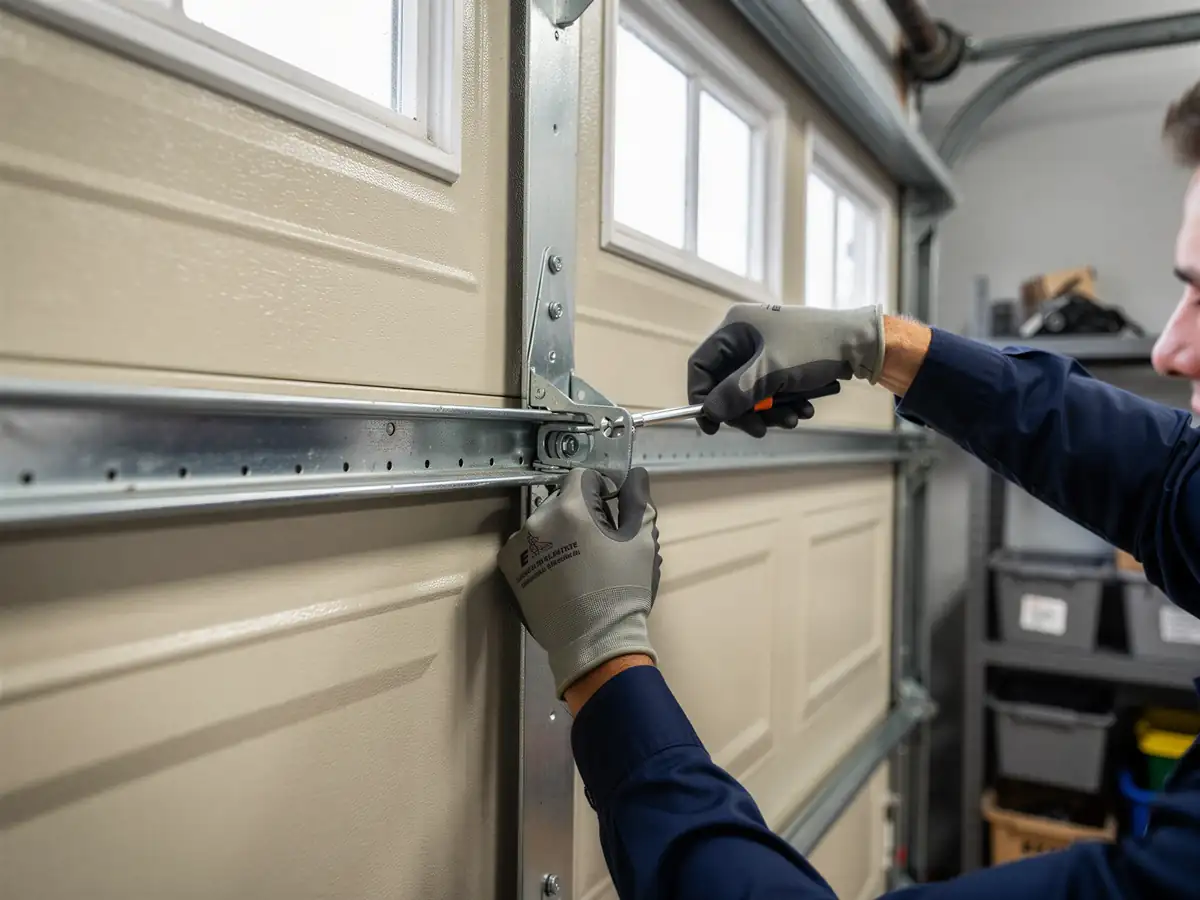
Yes. On a house built in the 1964-2004 window, a tech checks the spring balance, cable condition, and roller wear even if you only called about the opener, because those parts age together and catching a second issue early is cheaper than a second truck roll.
Is it normal for the door to sound different in winter?
In a cold-moderate climate like Norman's, yes - steel hardware tightens slightly with temperature drops, which changes the sound of the lift. It's only a problem if the door also feels harder to lift by hand or doesn't stay in position partway open.
Do you serve areas outside Norman itself?
We run calls out to Noble, Goldsby, Slaughterville, and the other communities within about a 15 to 19 mile radius. Distance from Norman affects scheduling, not the scope of what a service call covers.
Ready to get your garage door sorted?
Tell us what it’s doing and where you are in Norman - we’ll take it from there.