What We Do Not Do
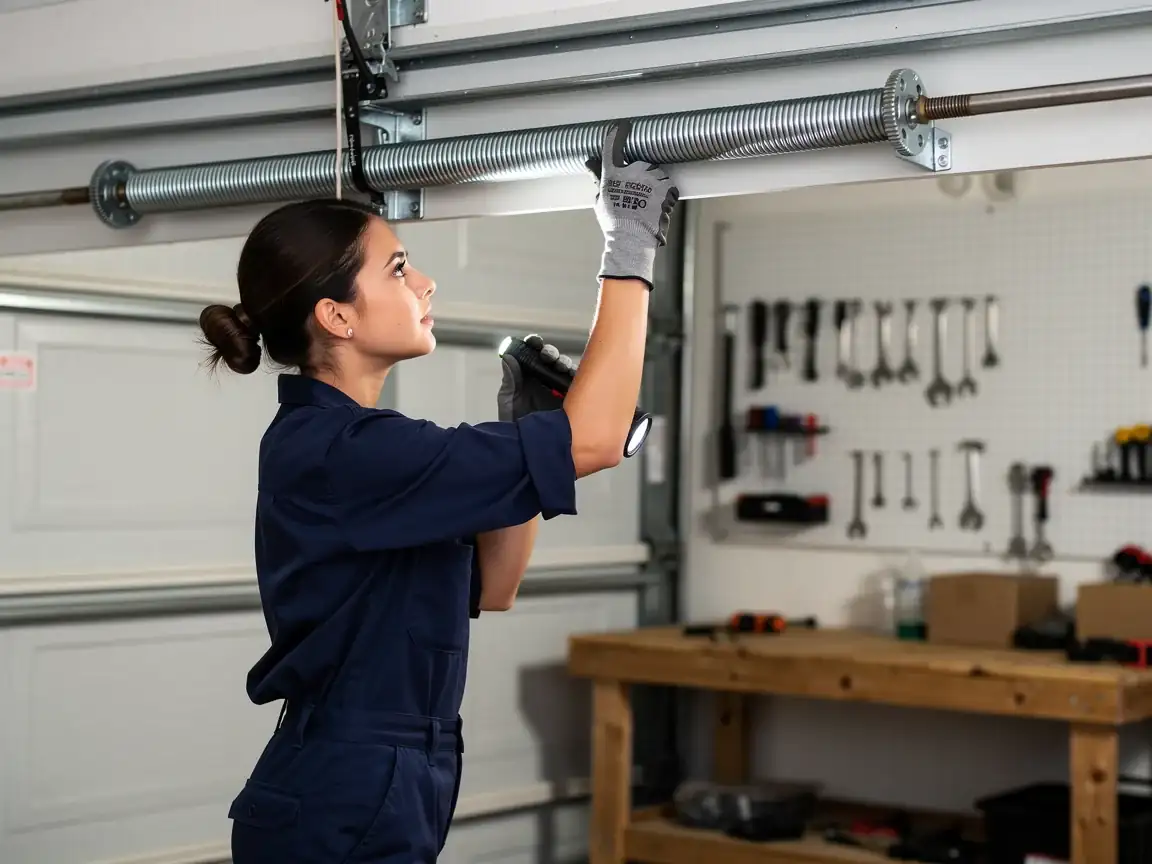
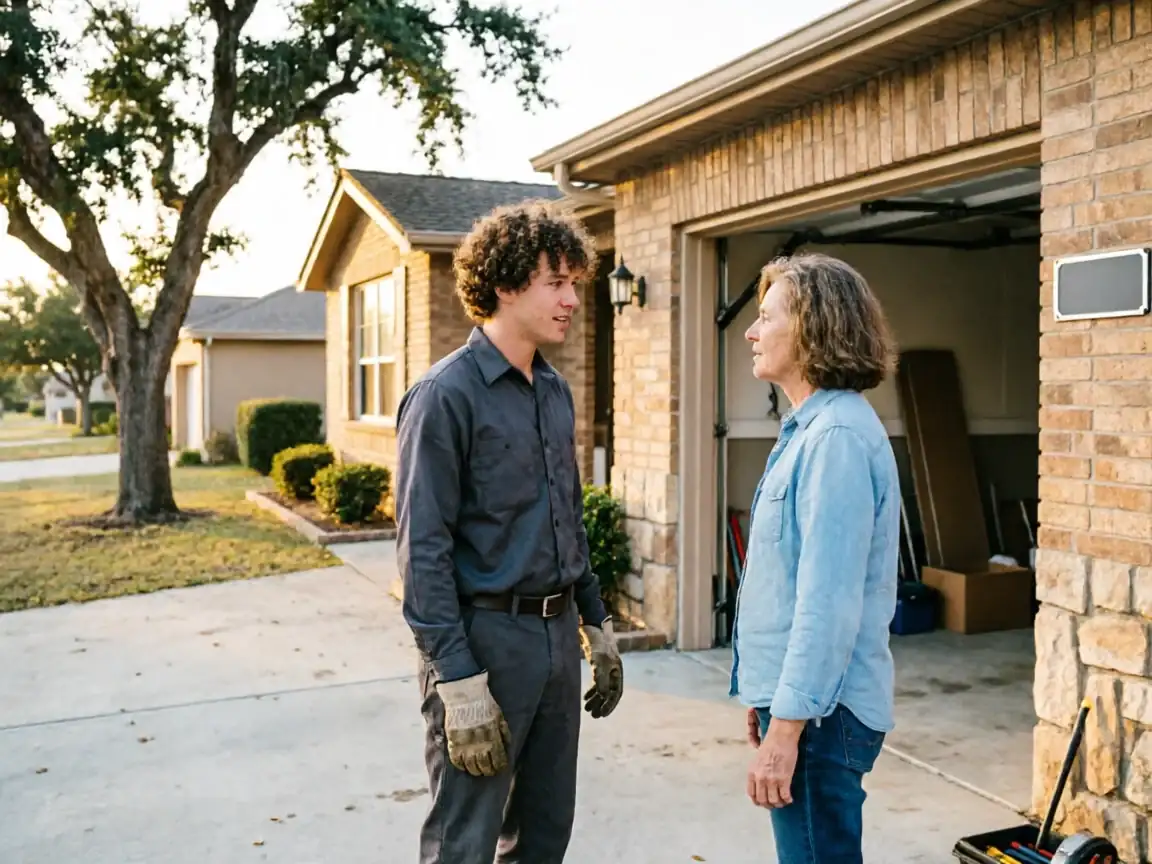
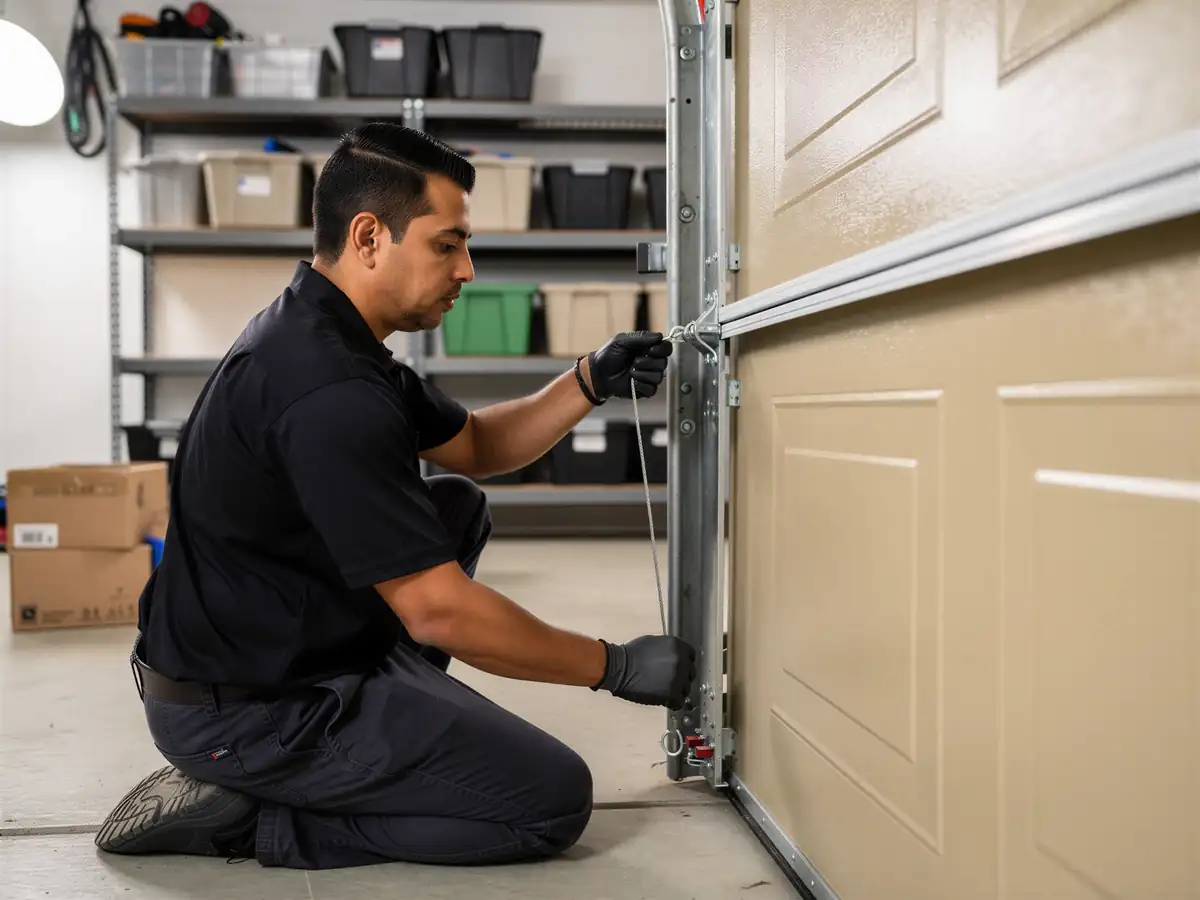
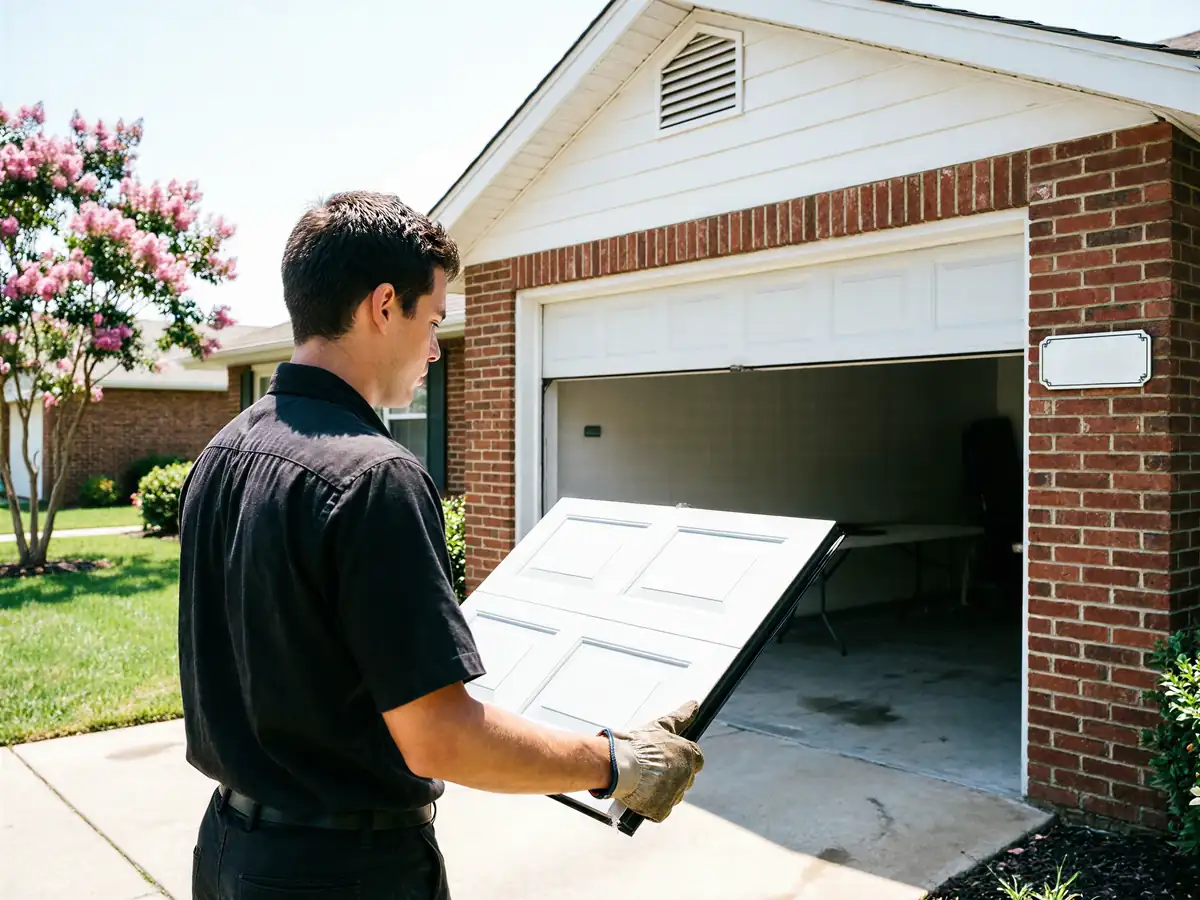
We don't stock every opener logic board or every spring wire gauge on the truck, so a rare part can mean a return trip rather than a same-visit fix - that's the tradeoff of covering a wide area from one shop in Norman instead of running a depot in every town. We also won't tell you a door is worth repairing when it isn't. If a torsion spring has gone on a door that's also got a cracked bottom panel and a bent track, patching the spring and leaving the rest is a short-term answer we'd rather not sell you. And we don't do cosmetic work - painting, trim, drywall around the opening - that's outside the trade. If your call is about something structural to the house rather than the door and its hardware, we'll say that plainly rather than take the job anyway.
How That Shows Up in the Door
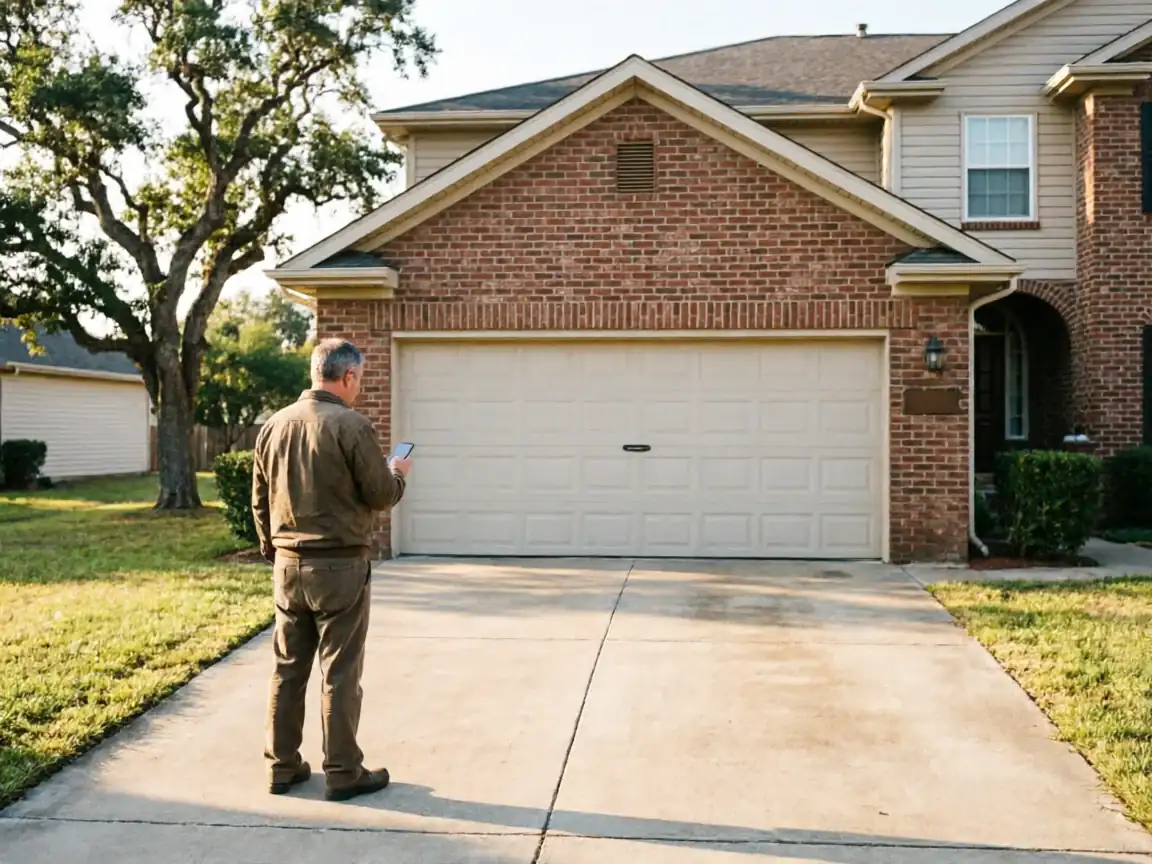
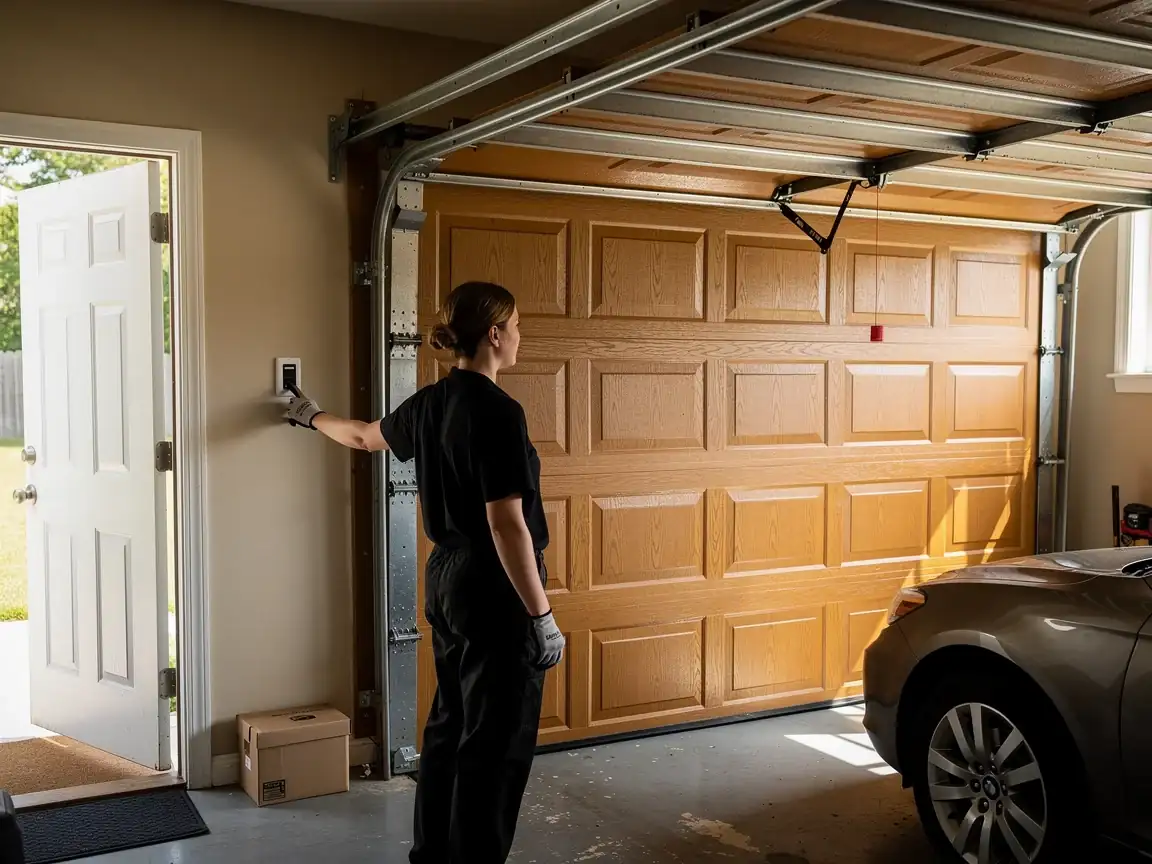
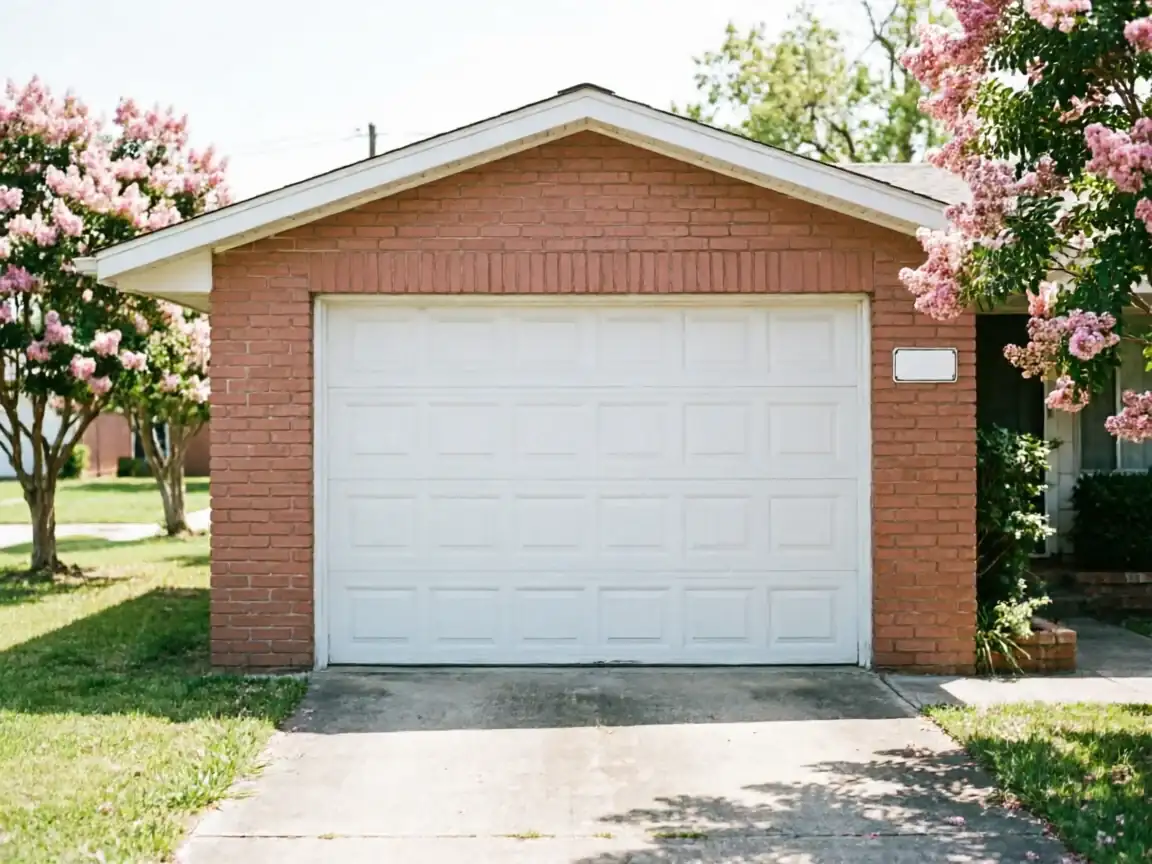
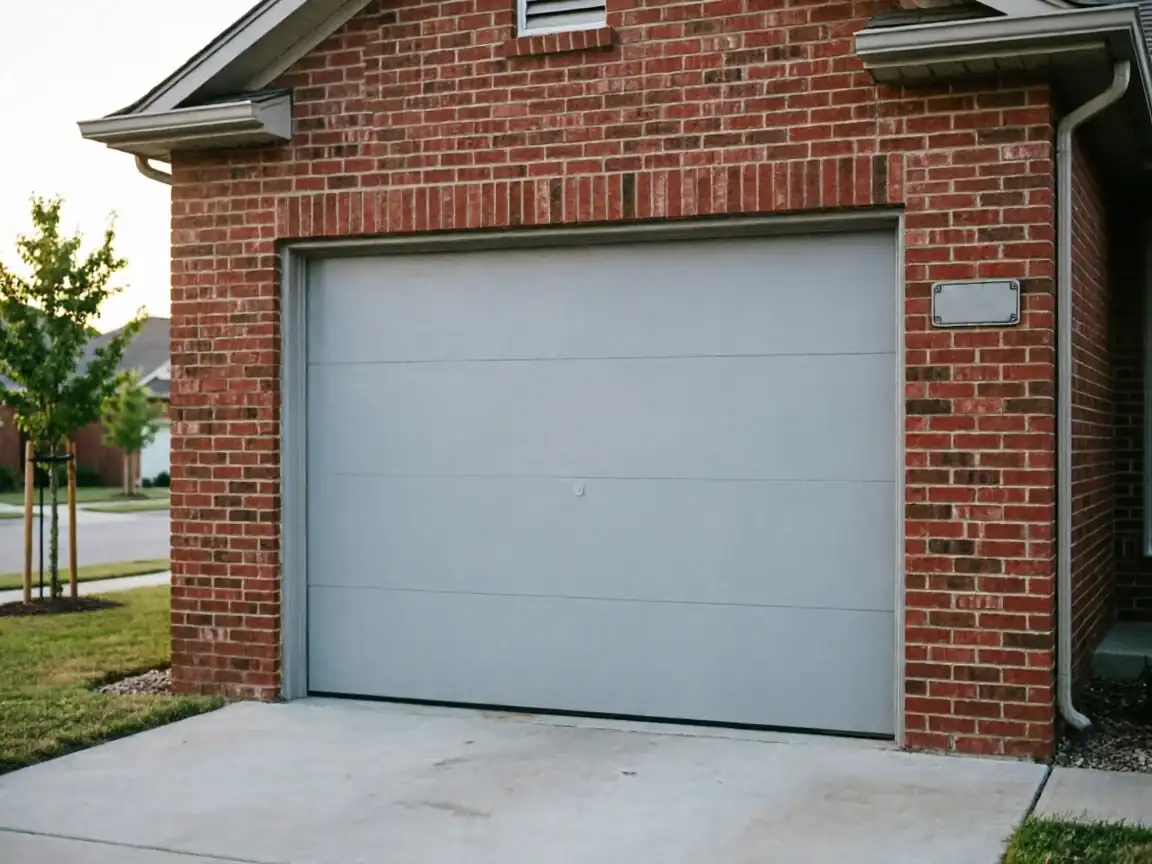
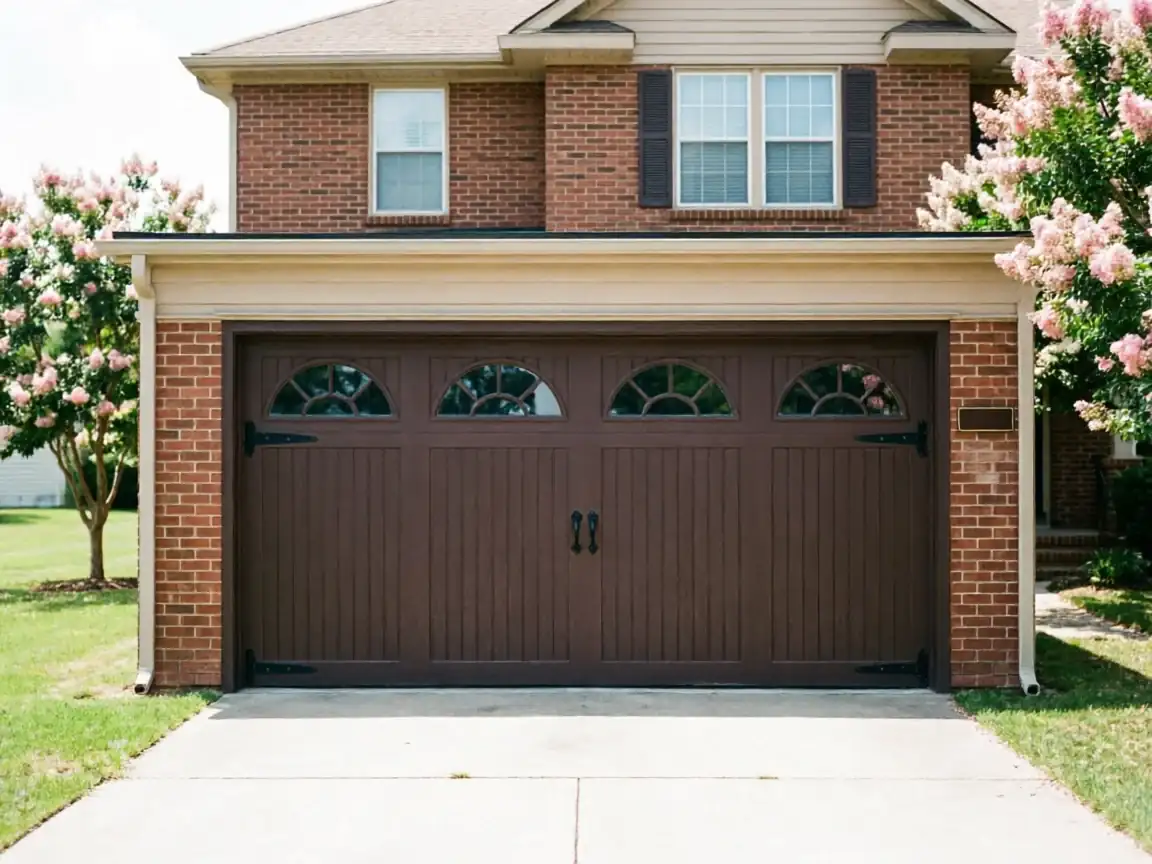
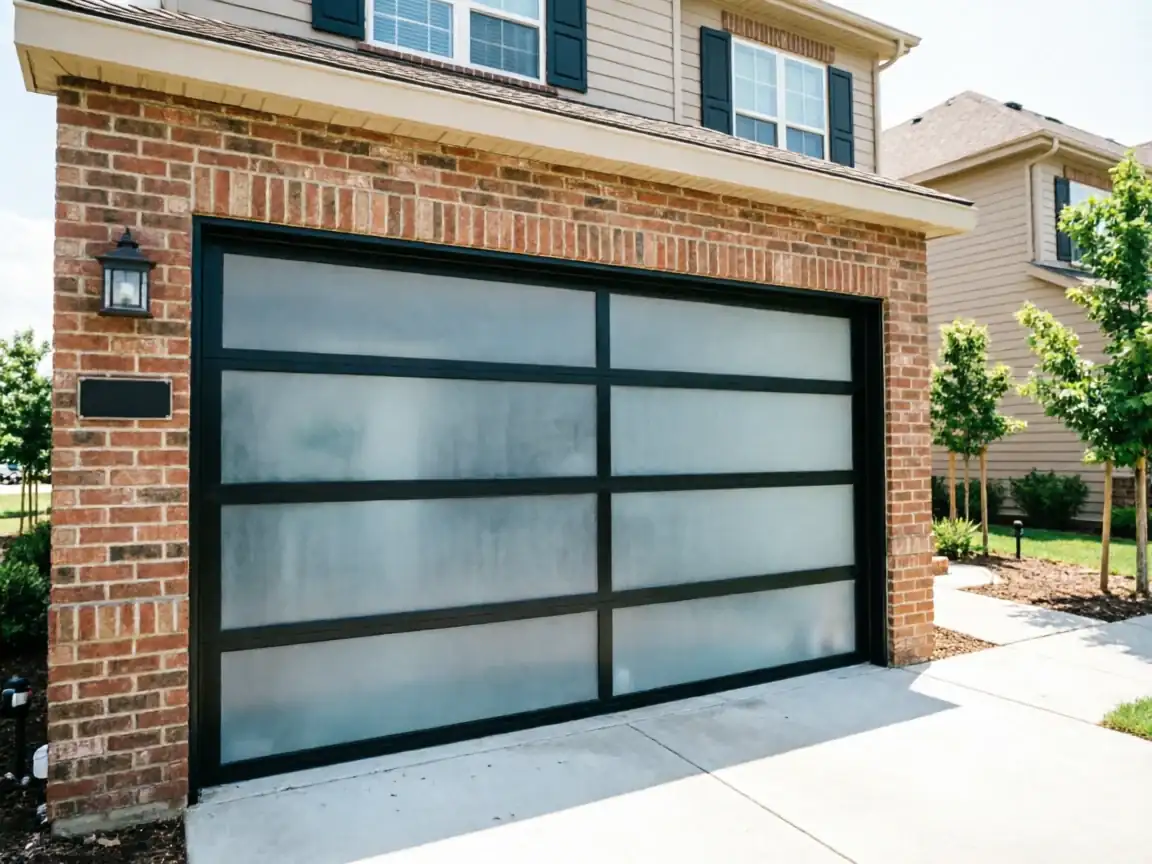
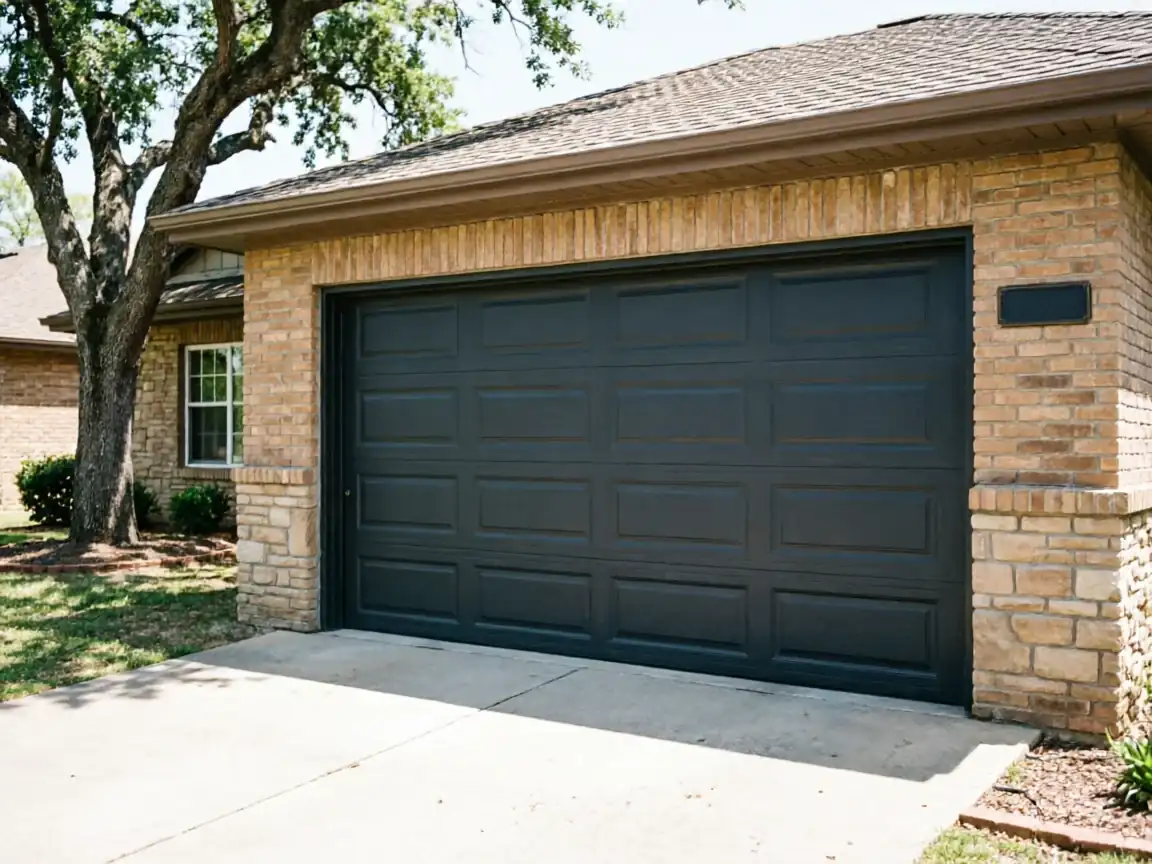
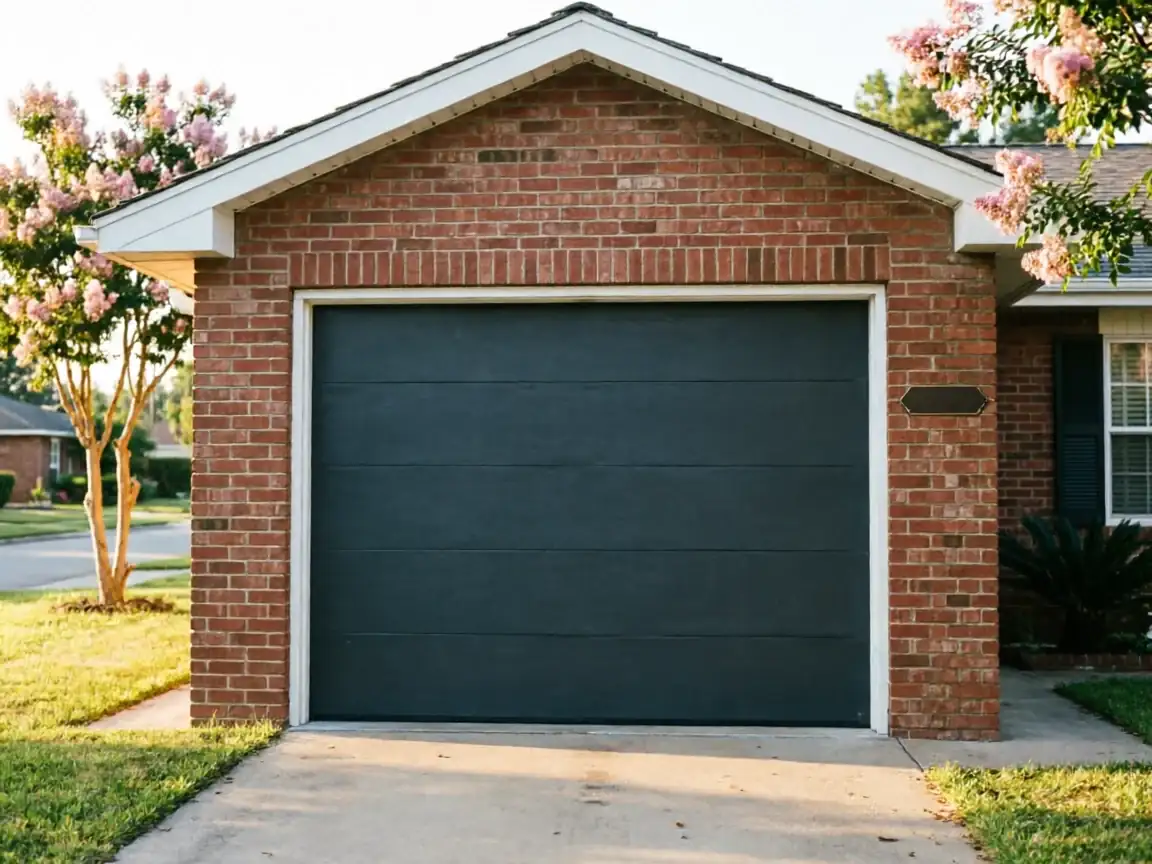
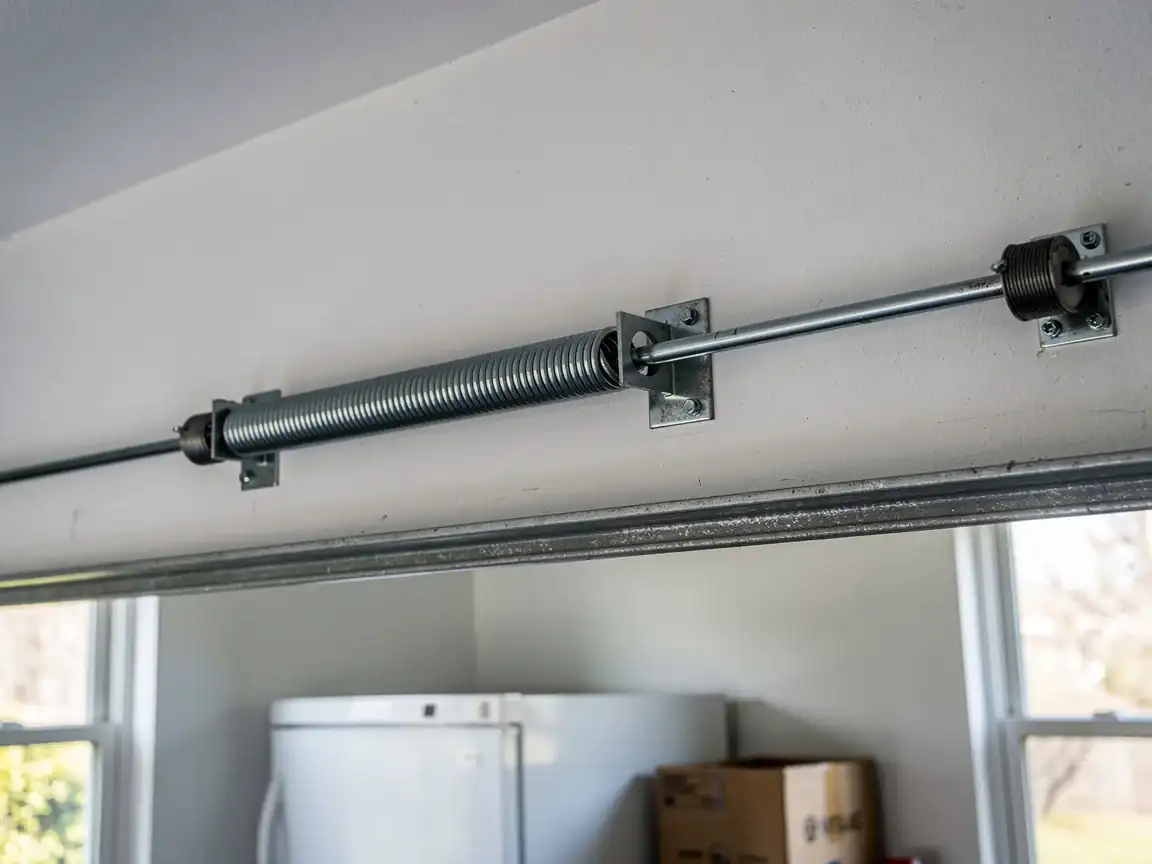
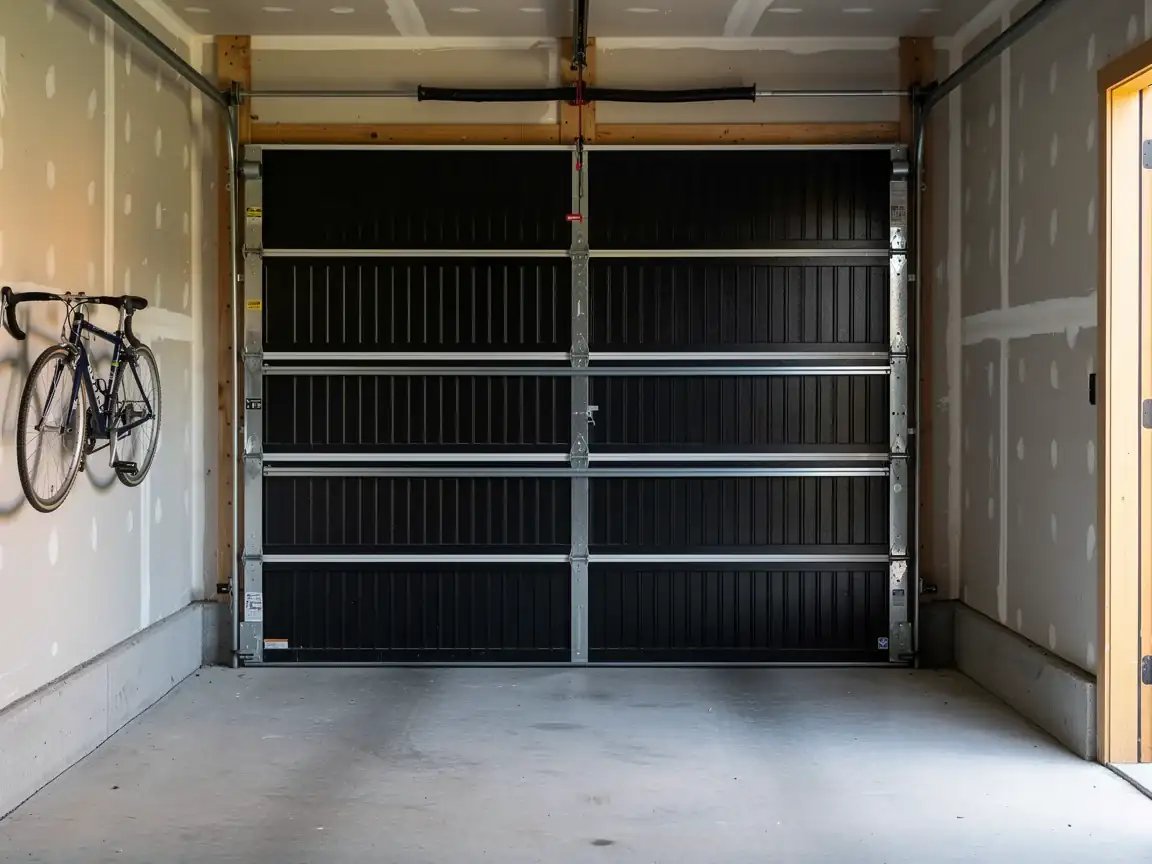
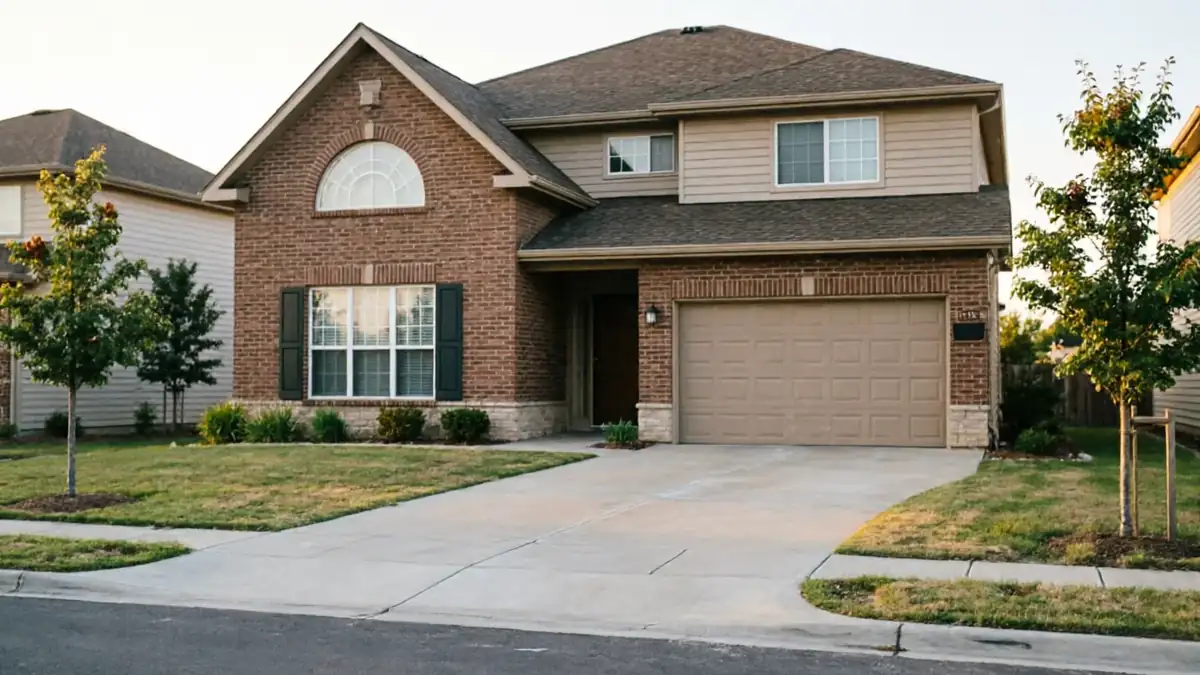
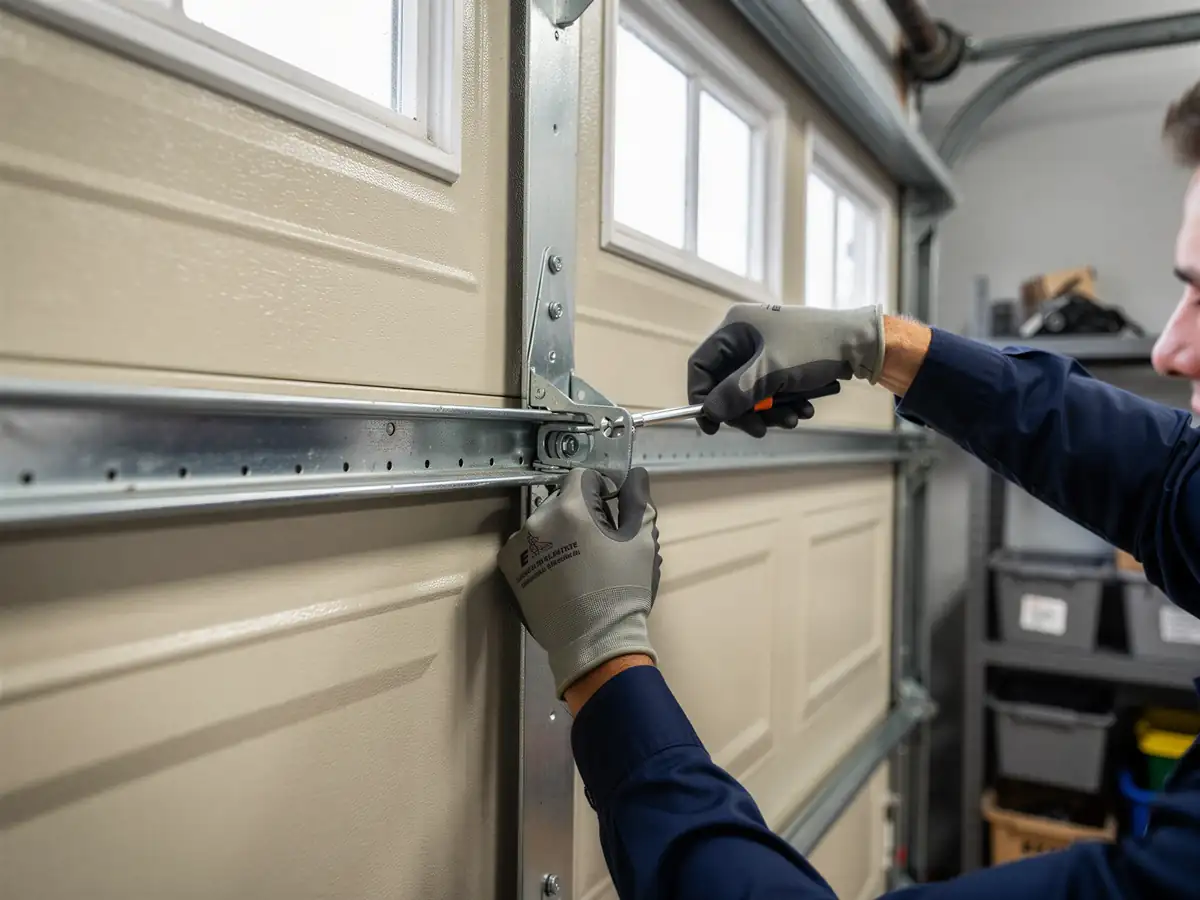
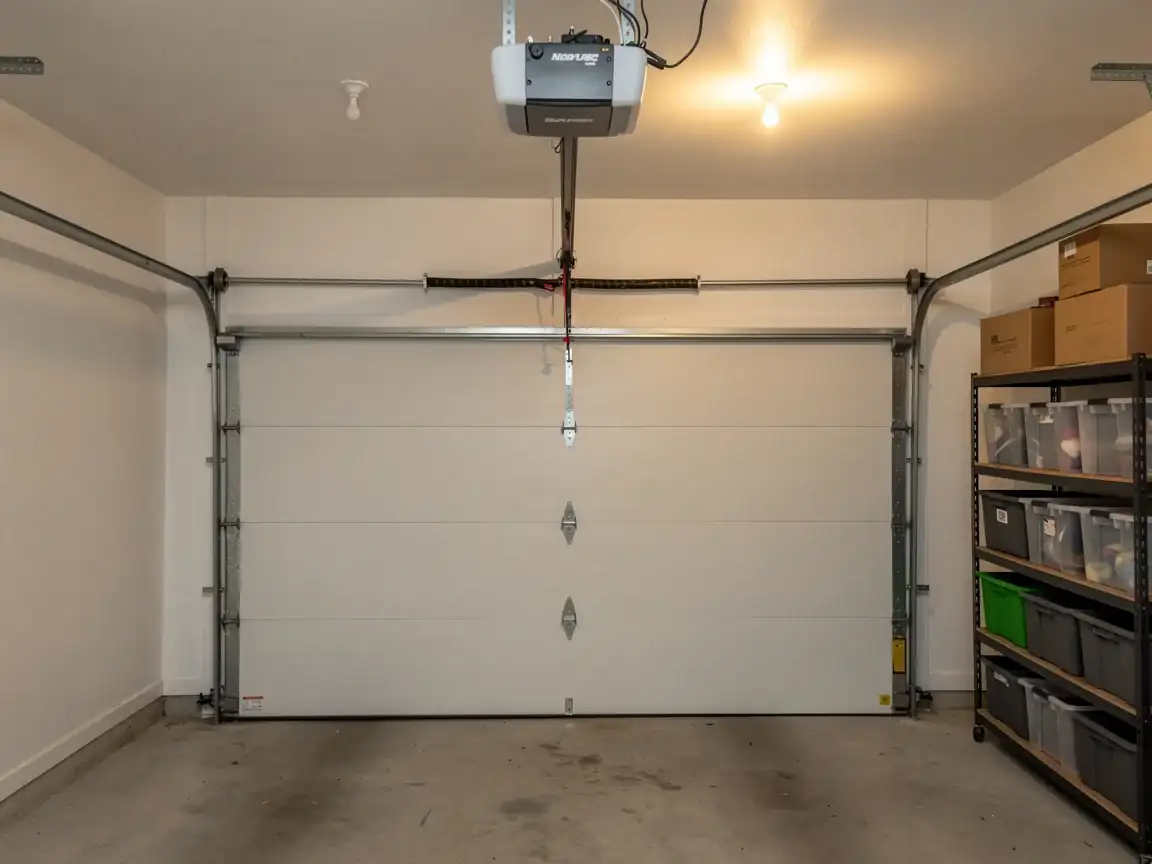
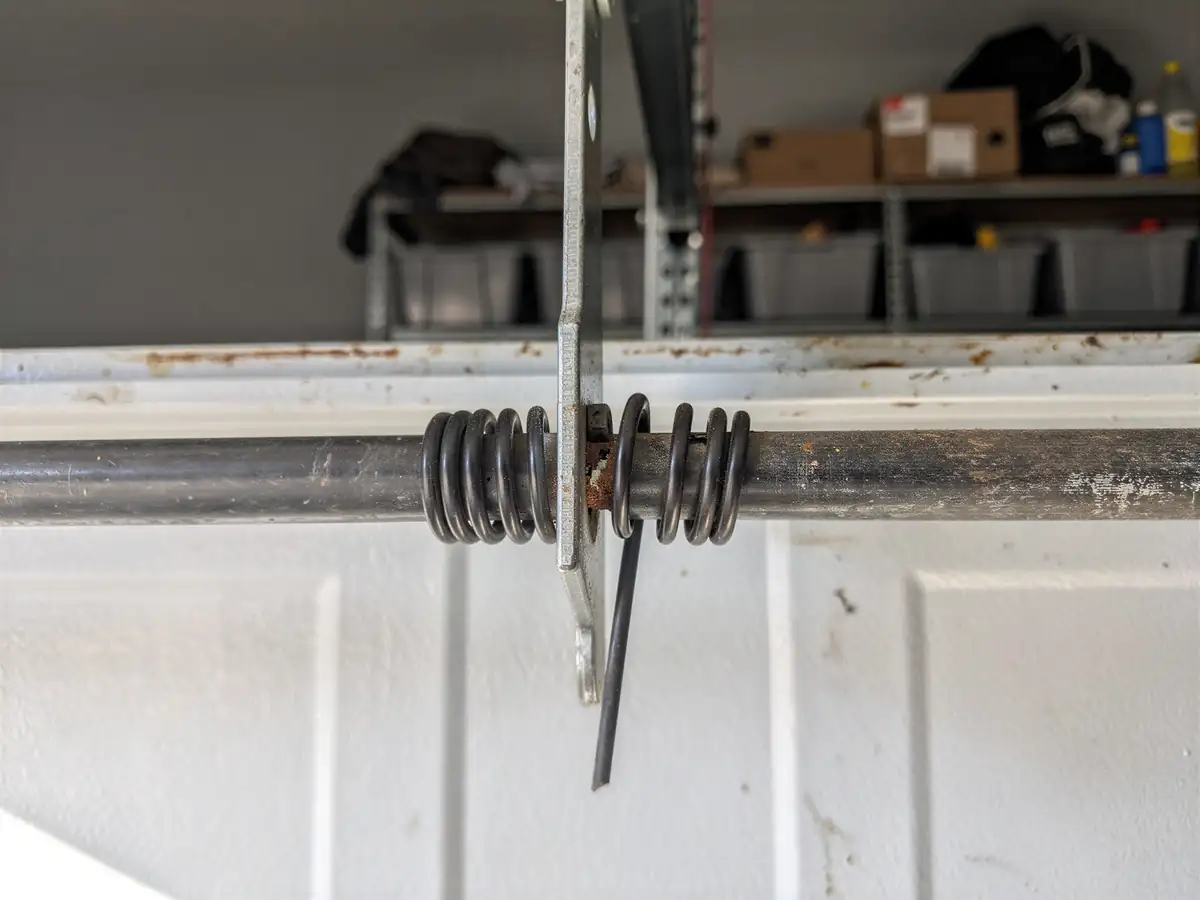
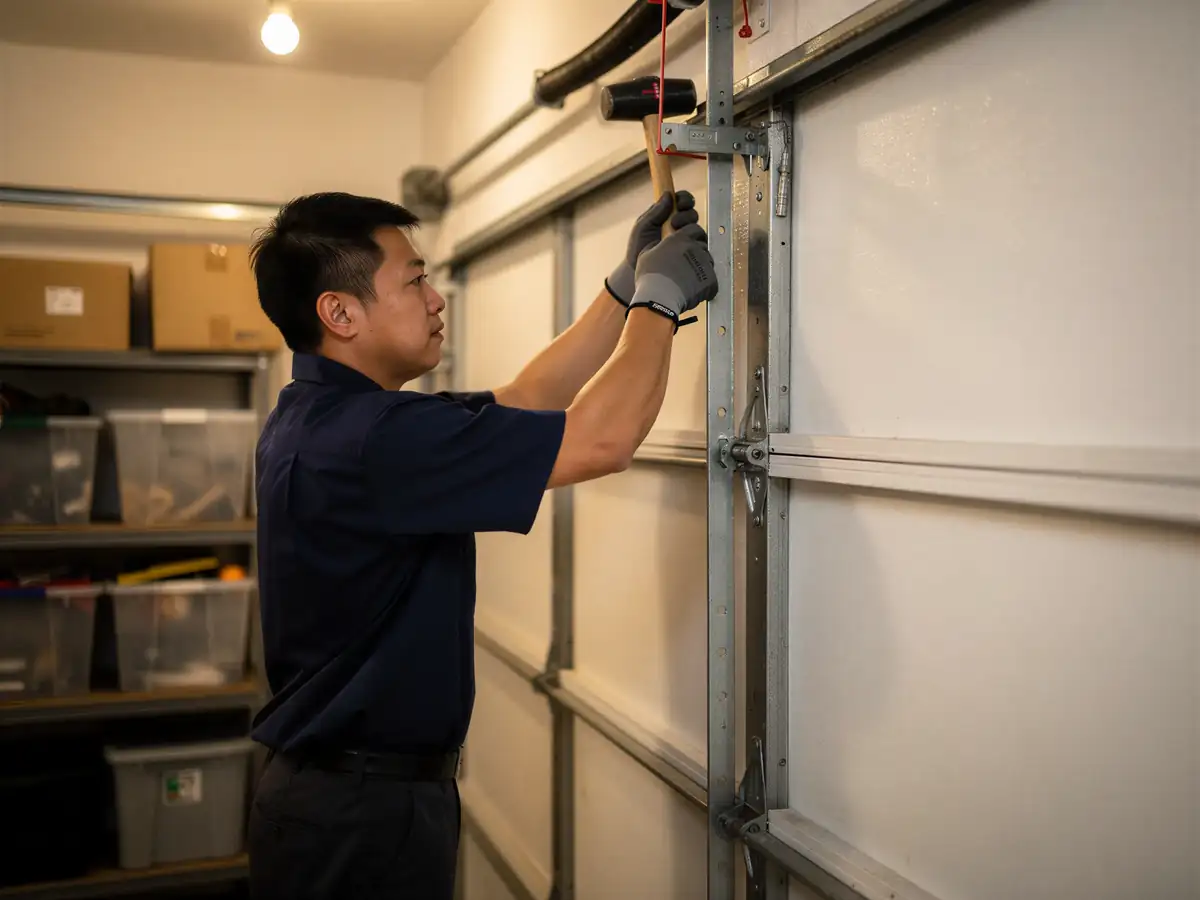
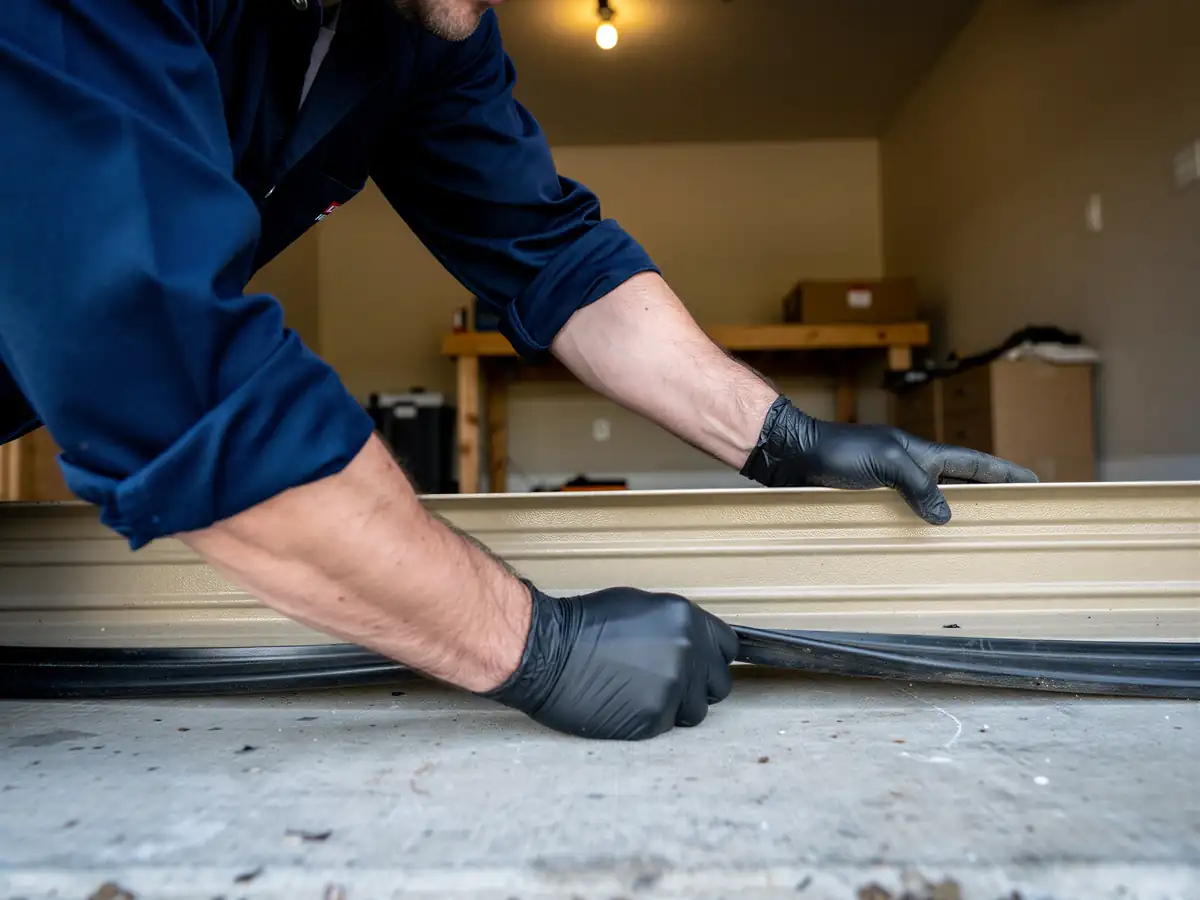
Blanchard's housing stock centers on a median build year of 2001, noticeably newer than the 1987 median across the wider Norman service area. That gap matters more than it sounds. A door and opener installed around 2001 is typically on a steel torsion spring system with a chain or belt-drive opener from that era, not the older extension-spring, side-mounted setups still common on older stock elsewhere in the area. The common failures we see on these newer-build doors are different too: worn nylon rollers, opener logic boards aging out after two decades of use, and weatherstrip that's finally given up in a climate that runs cold and sees real swings through the year (per the region's cold-moderate climate band). We're less likely to find the brittle, original one-piece doors that turn up on pre-1970s stock, and more likely to be replacing a tired opener or swapping worn rollers than re-engineering old hardware from scratch.