How It Shows Up
Blanchard sits 19 miles out from our shop in Norman
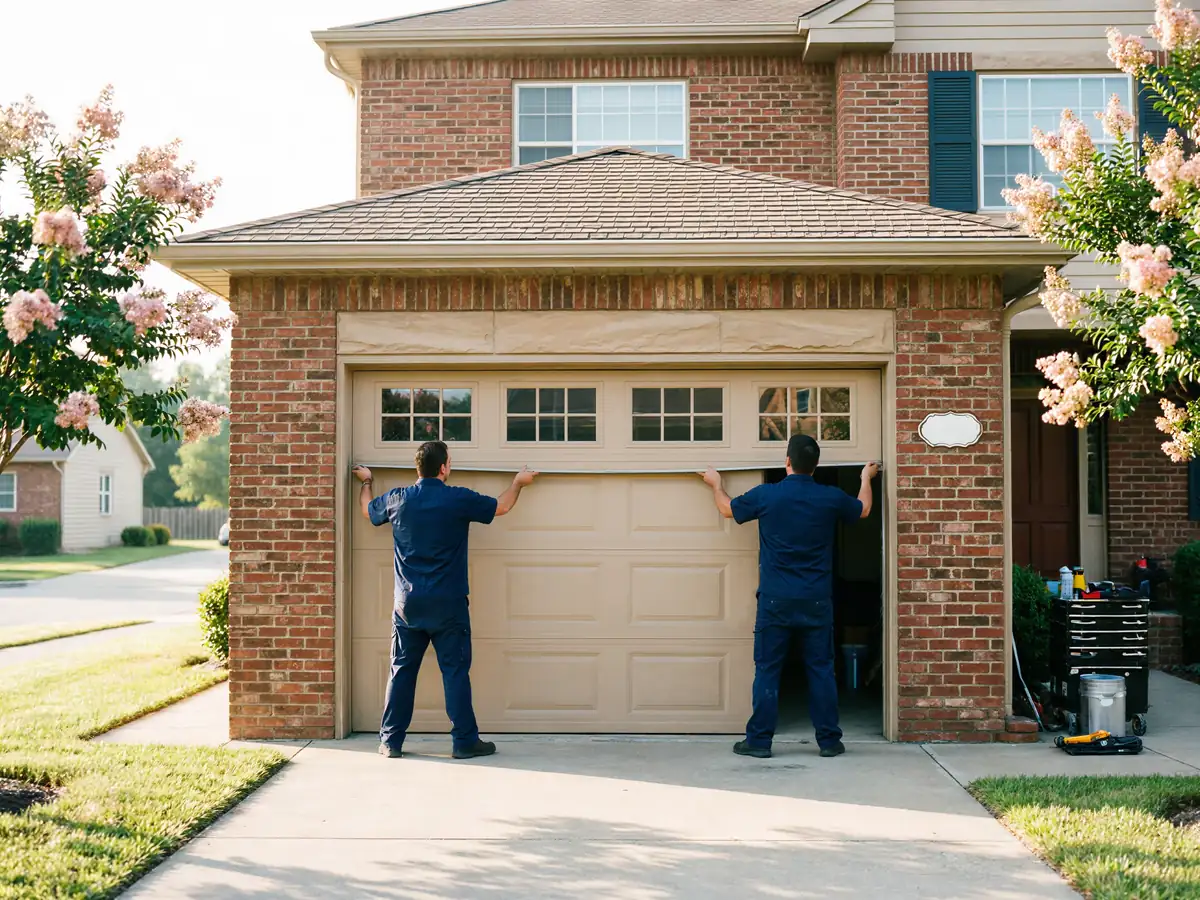
Which changes how a panel call runs here compared to closer stops. We're not driving past your house on the way to somewhere else, so when a panel job gets booked, we plan the trip and bring what the door is likely to need based on what we already know about the house stock out here.
- 19 miles
And what we know is that Blanchard's homes are newer than a lot of what we see elsewhere in the service area
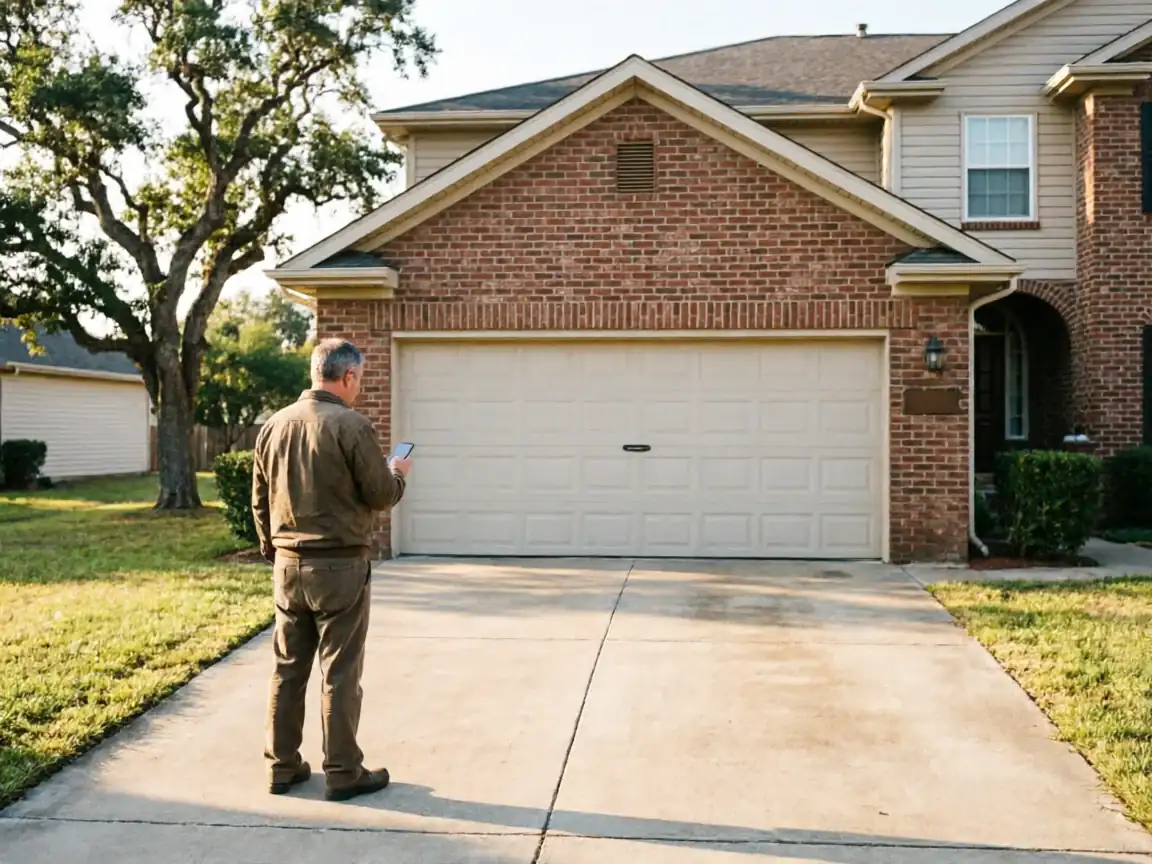
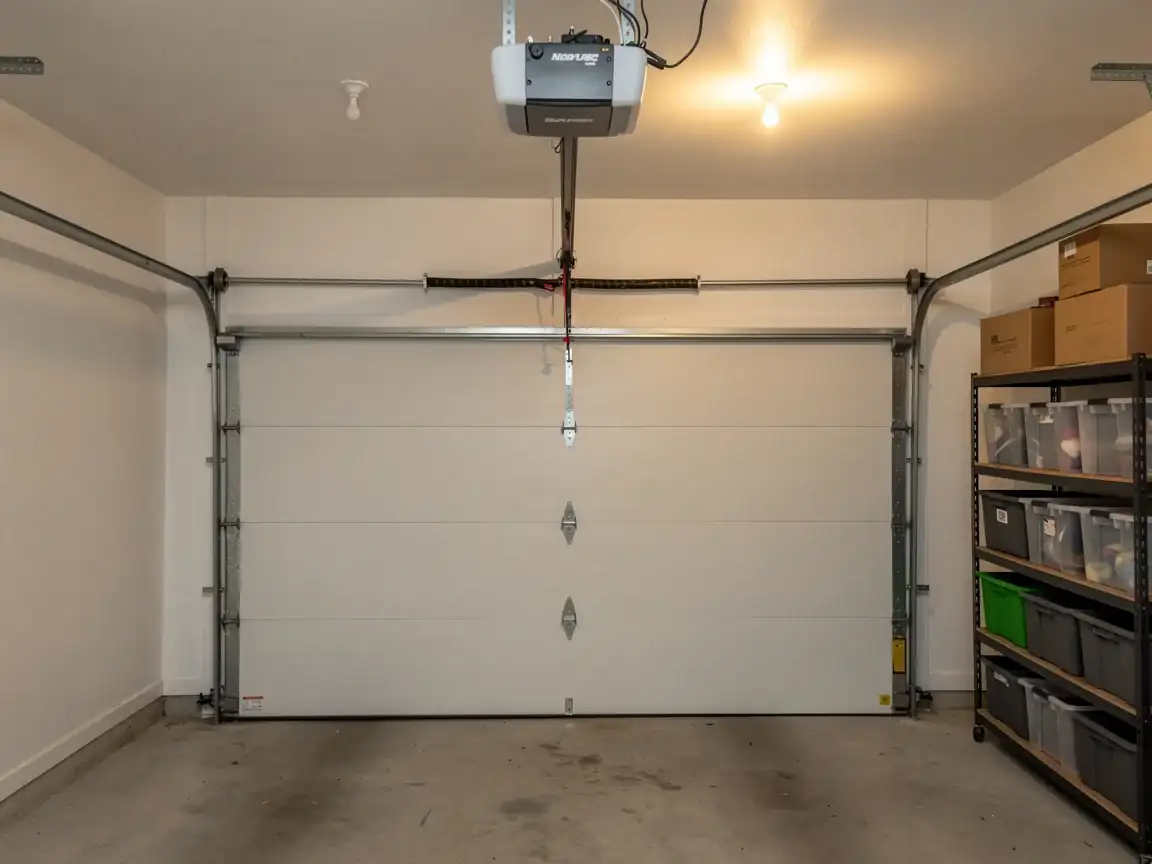
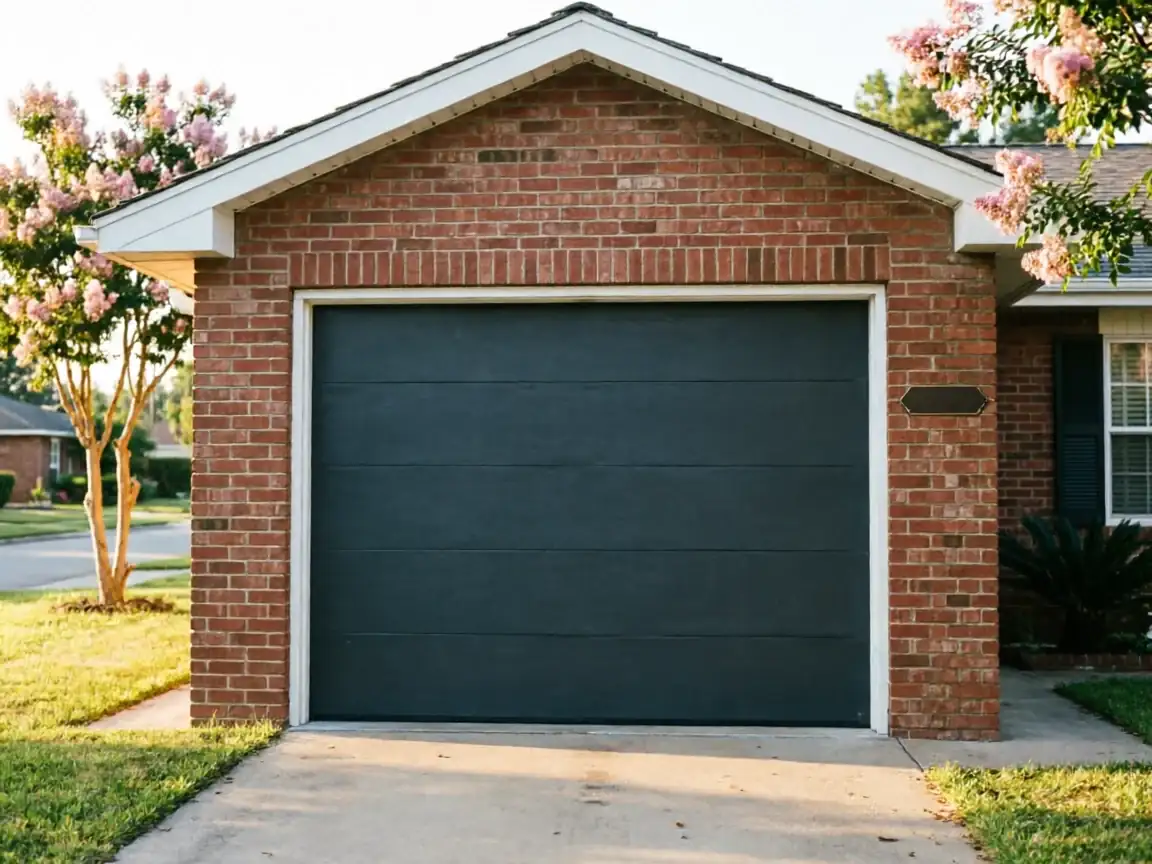
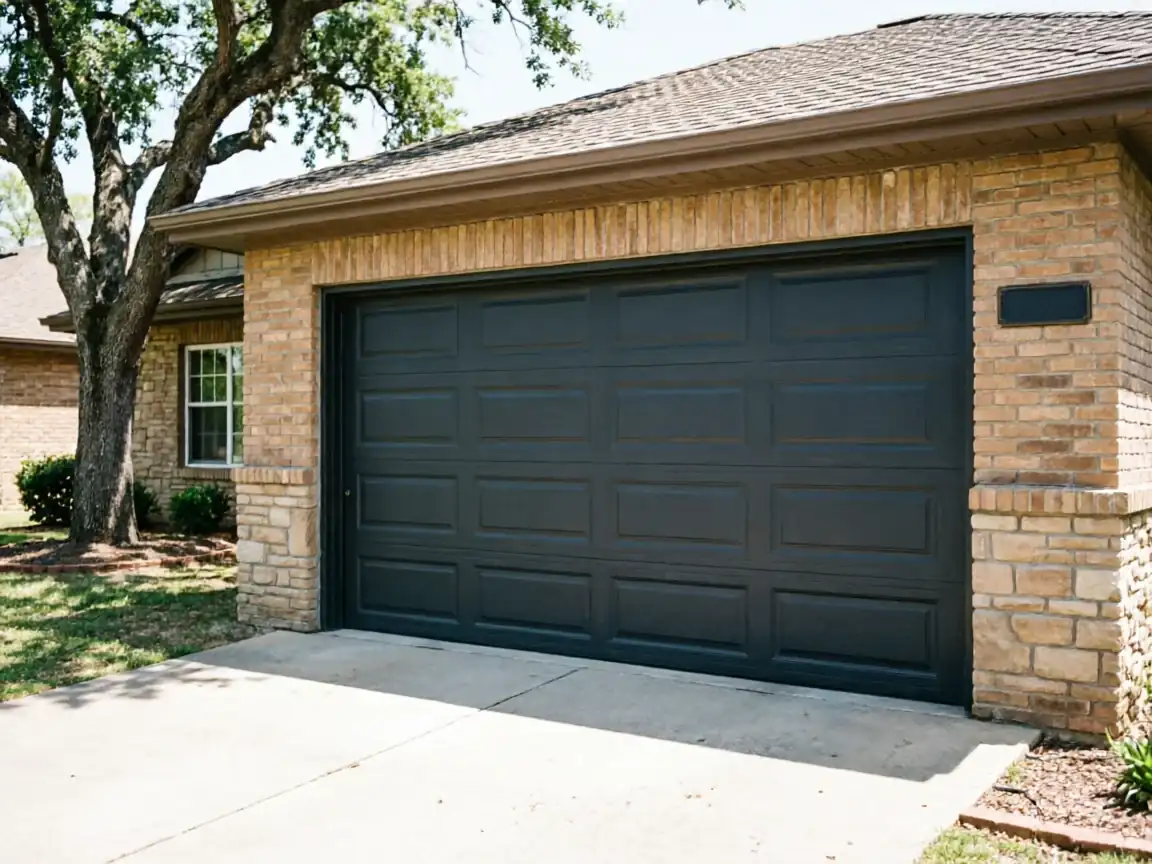
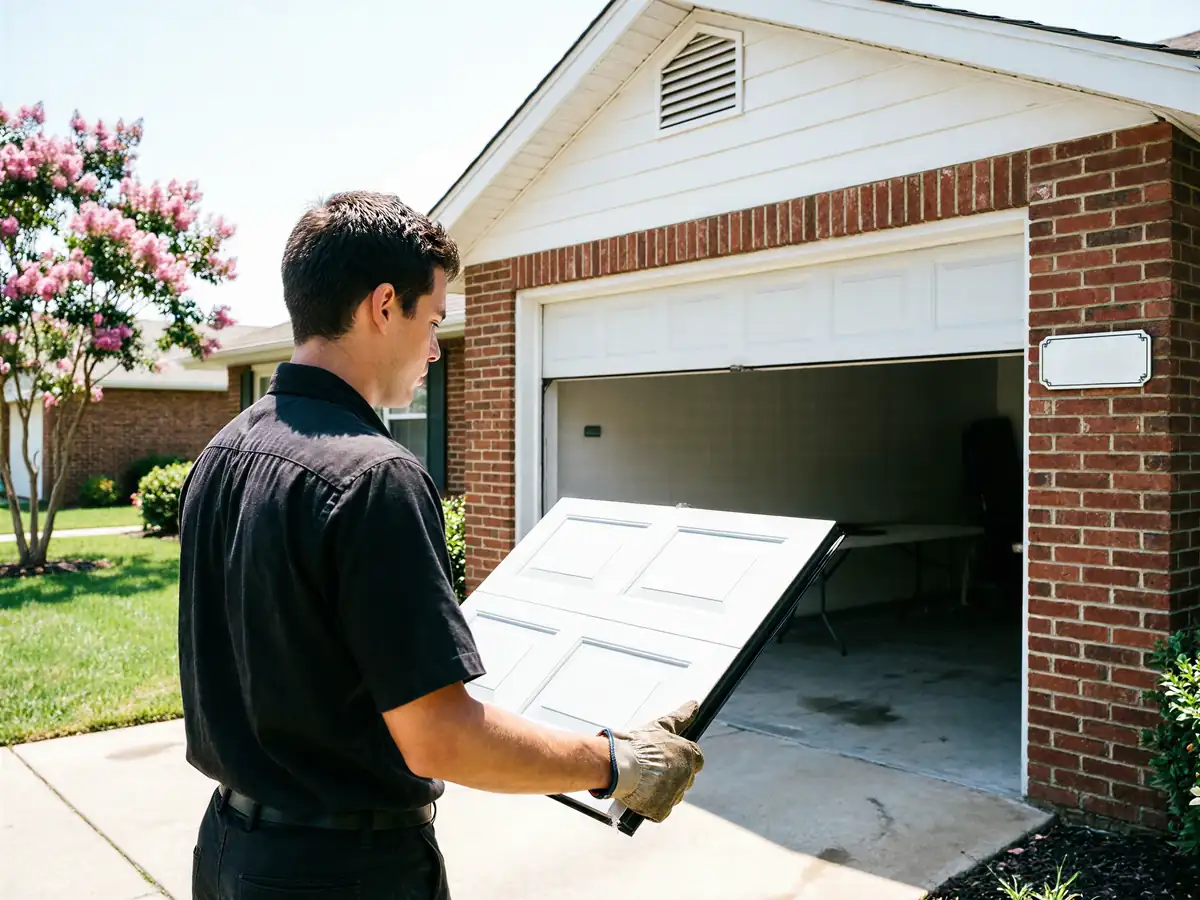
The median year built here is 2001, well past the 1987 median across the wider territory. That means most garage doors we're pulling panels on in Blanchard are factory steel sectional doors from the late 1990s through the 2000s, not the older wood or fiberglass panel sets from 1960s-80s construction. A cracked or dented panel here is usually one section of a steel door, not a full-panel wood replacement.
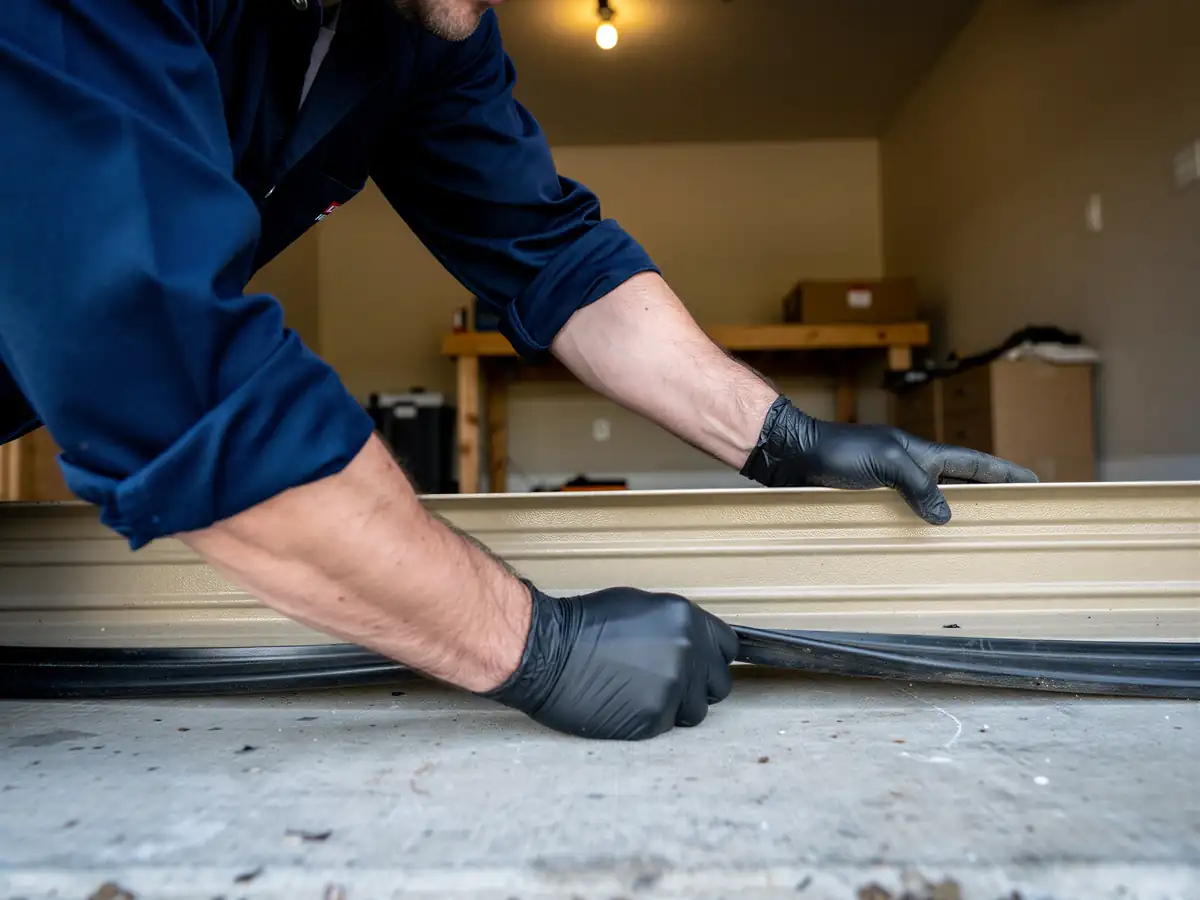
Damage shows up as a dented bottom panel from a mower or trailer hitch
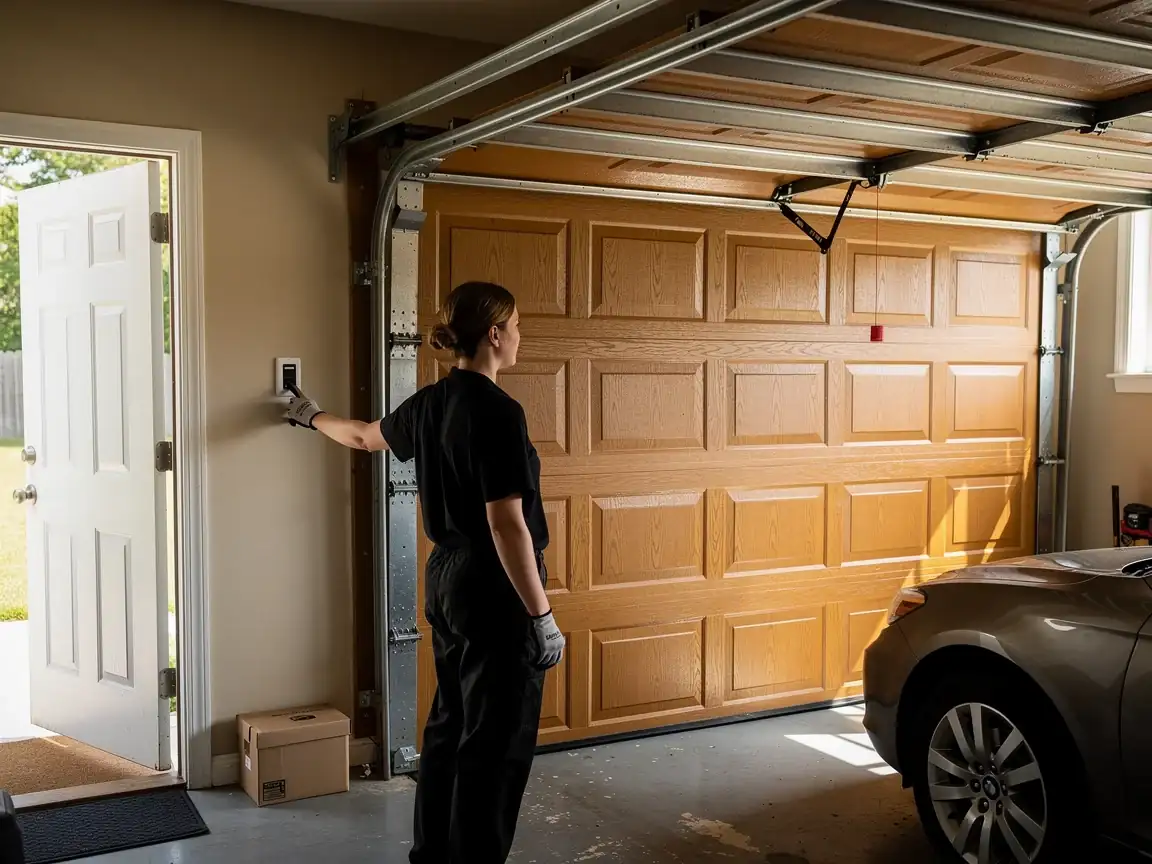
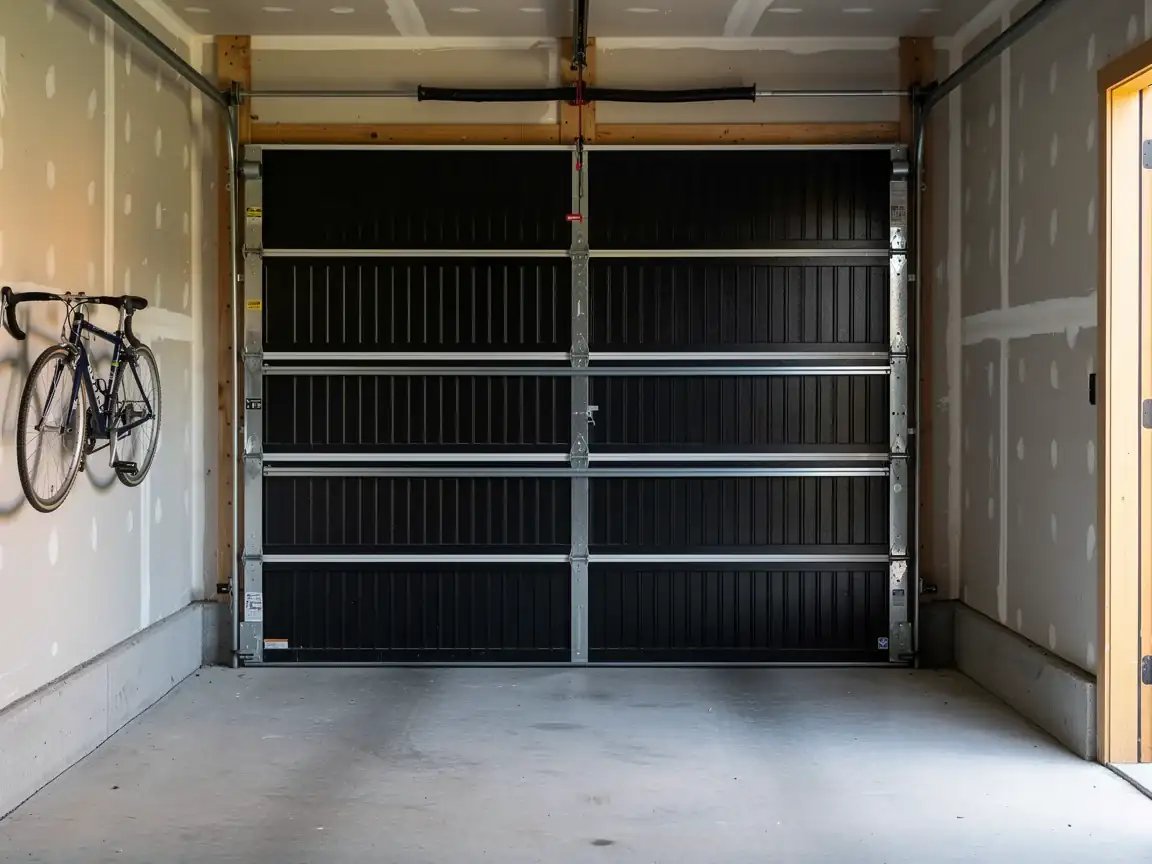
A cracked section where a spring or cable let go and slammed the door, or a panel that's bowed from an opener fighting a bent track. On a 2001-era steel door, the fix is almost always one section swapped, not the whole door.
Doing It Yourself
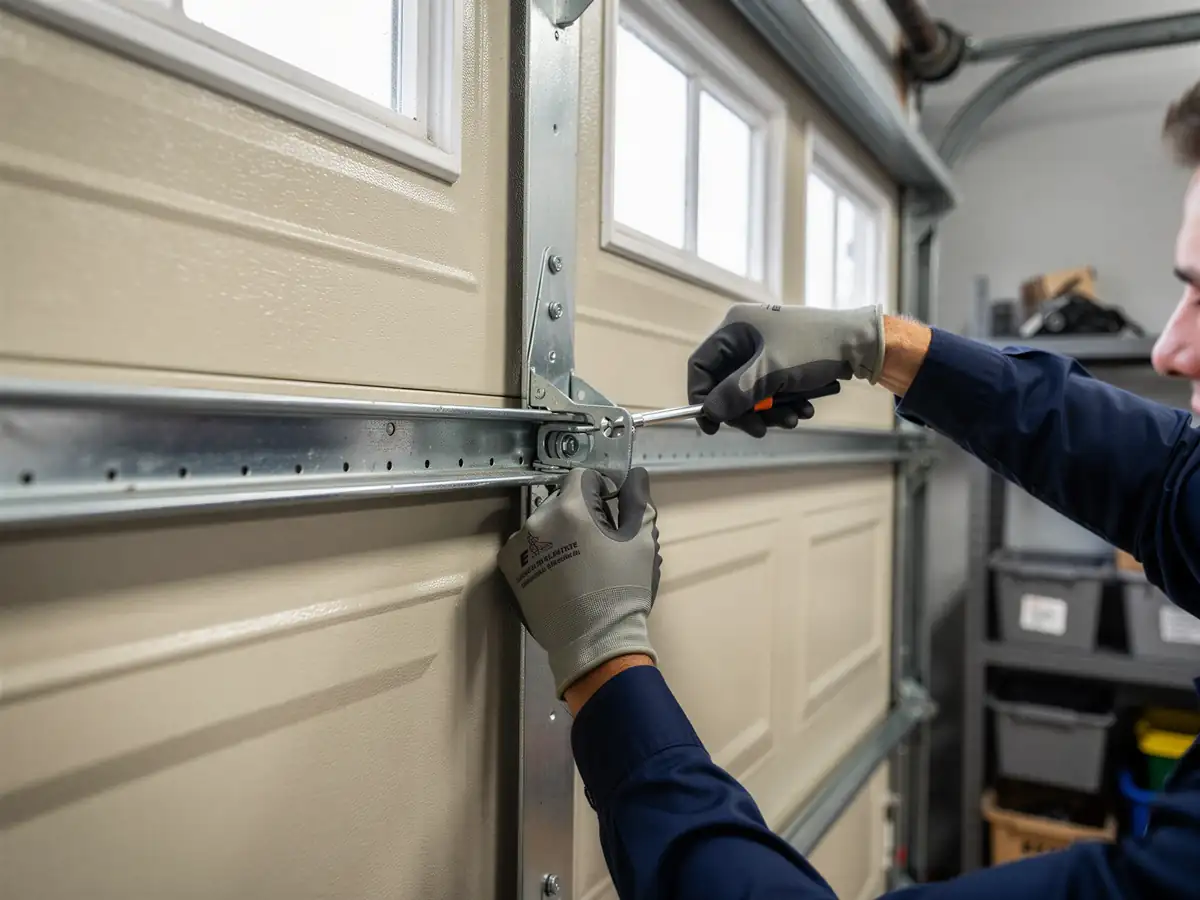
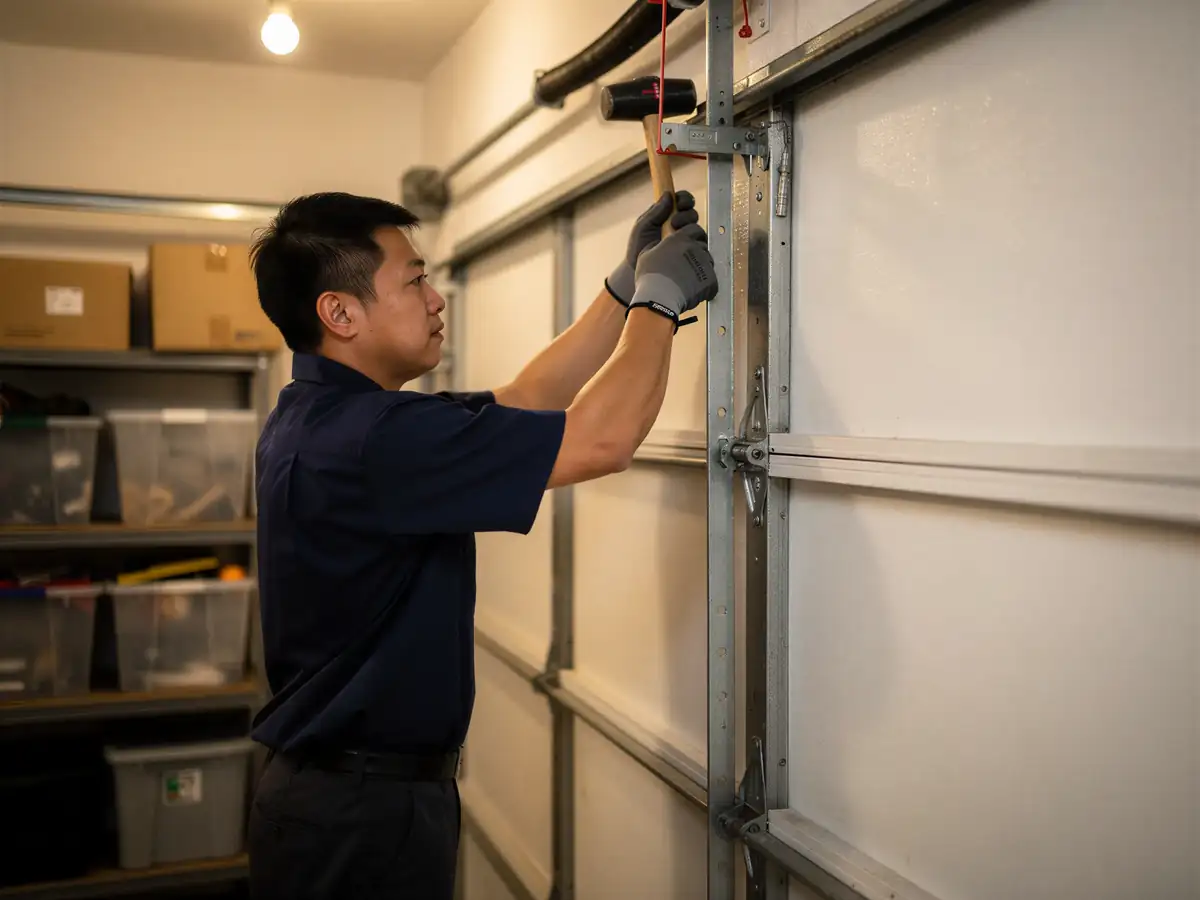
A single steel panel section on a door this age bolts in rather than requiring the whole frame to come apart, and that tempts people into ordering a panel online and swapping it themselves on a weekend. It can be done. What trips people up is color match and hinge alignment - factory steel panels from the late 90s and 2000s came in runs that don't always match current stock exactly, and a panel that's a shade off sits there every day you pull into the driveway.
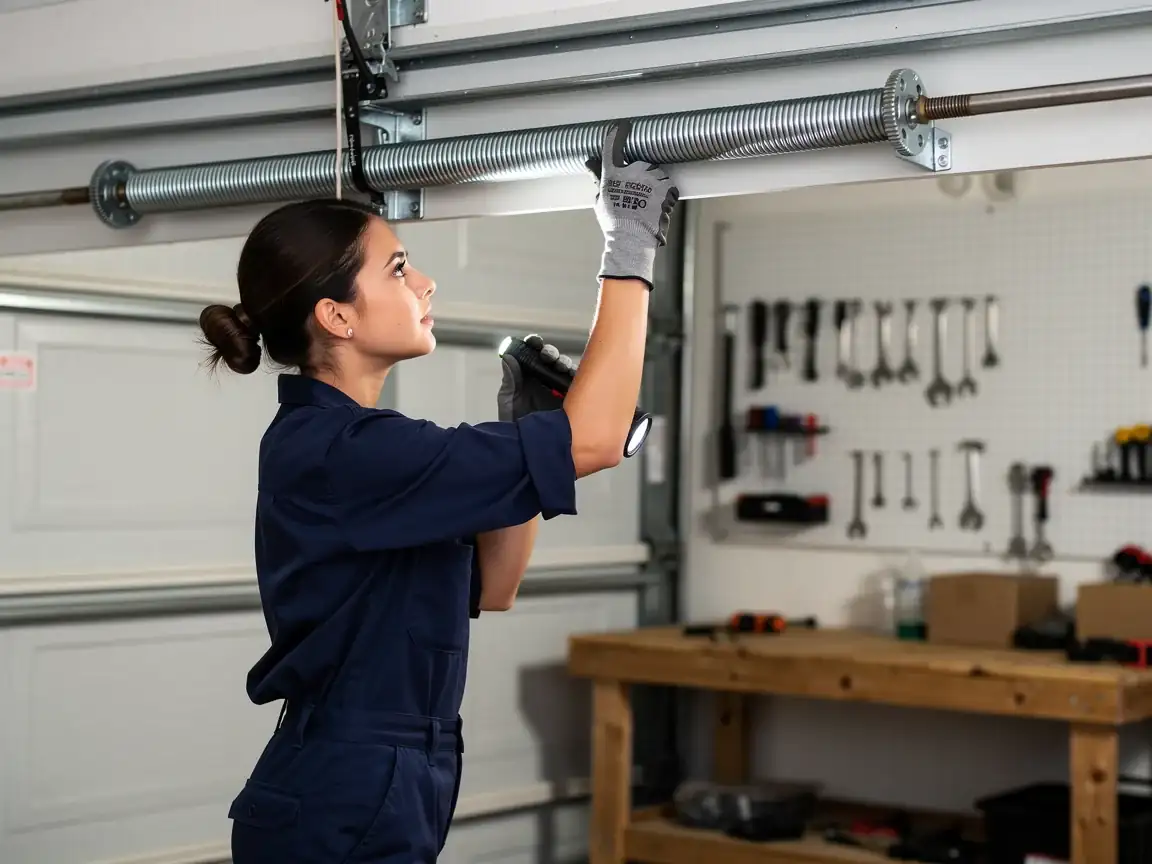
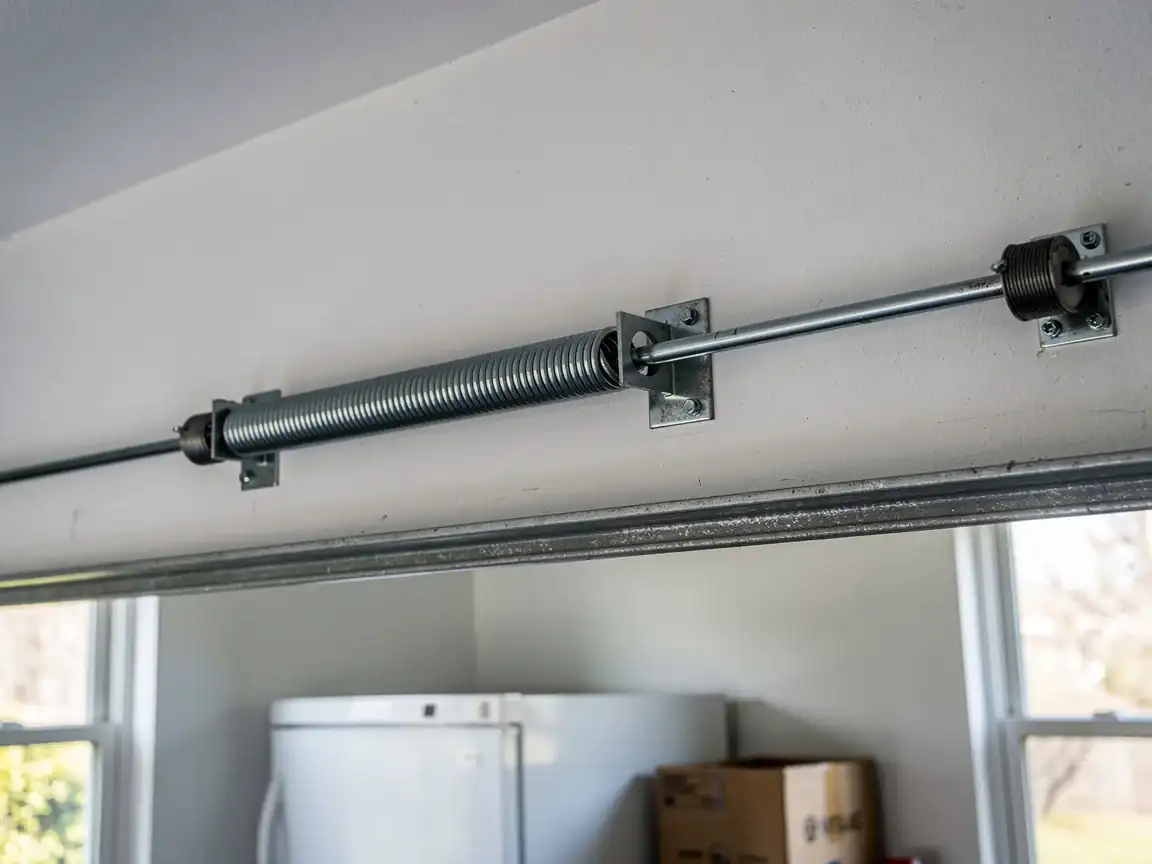
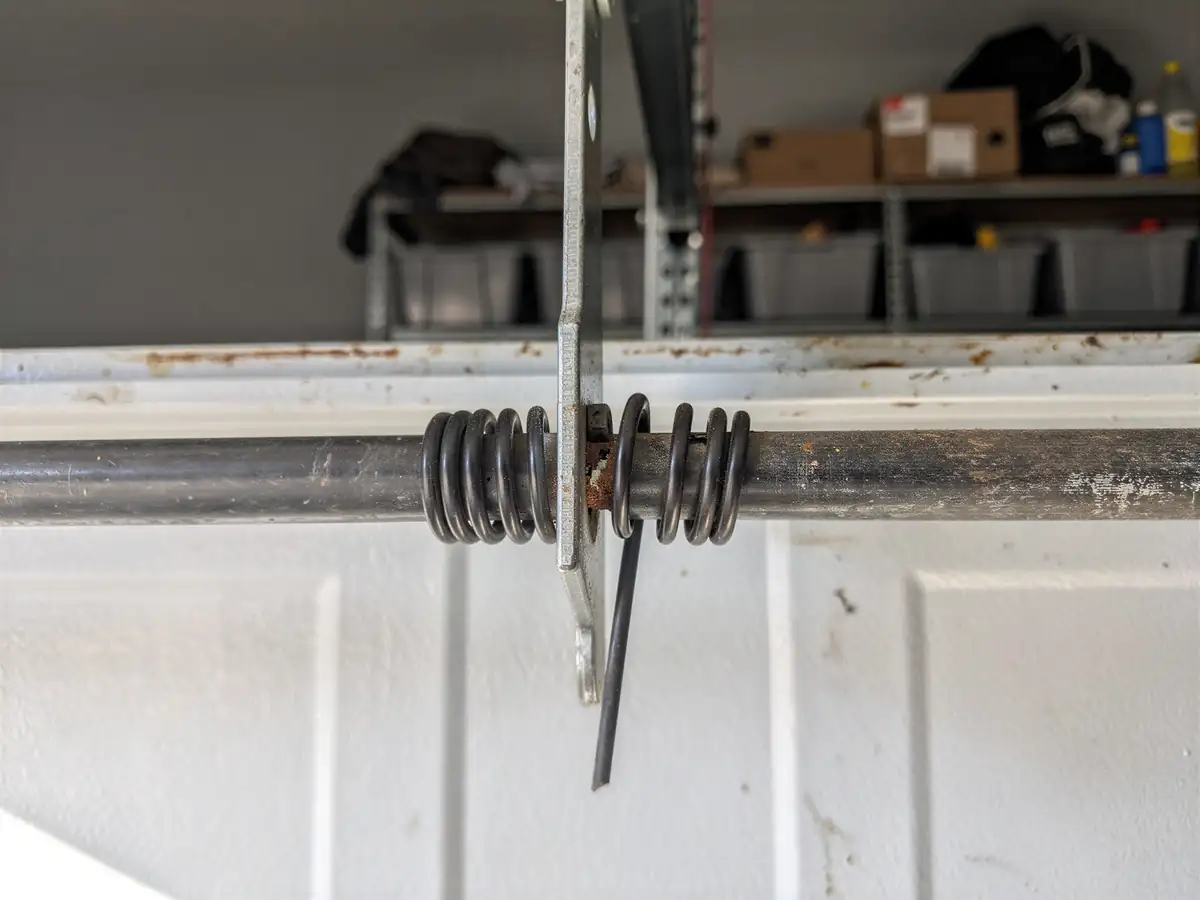
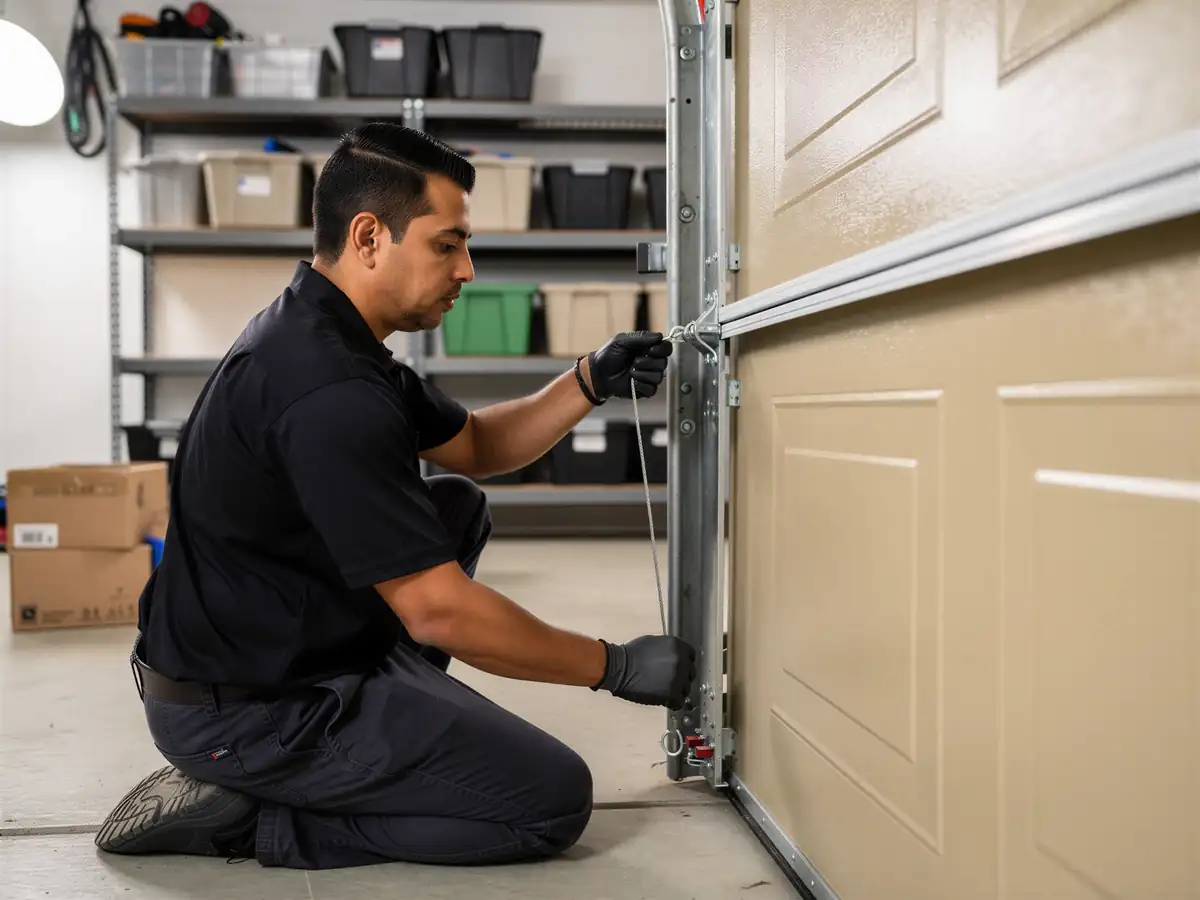
The other issue is torsion spring tension. If the damaged panel is near the bottom and the door's been sagging or binding, the spring is often carrying uneven load and letting it go while you're unbolting a panel is how people get hurt. We're not going to tell you it's impossible to DIY - it's a bolted section, not a structural rebuild - but if the door's out of square or the spring looks stretched, that's past a Saturday project.
Time on the Job
Because we're coming from Norman, a panel job in Blanchard gets scheduled as a full visit, not a drop-in between two closer calls. Once we're on site, swapping a single steel section on a 2001-era sectional door typically runs under two hours if the replacement panel matches the existing track and hinge spacing. Add time if we need to true up a bent track or re-tension a spring that's been compensating for the damaged section - that's common when a dent has been left for a while and the door's been working harder than it should.
We don't stock every finish and panel profile on the truck for every trip, so if your door's an older run that's been discontinued by the manufacturer, we may need to order the section before we come back out. We'll tell you that on the first visit rather than guessing at it over the phone.
Parts We Carry
Given the 2001 median build year in Blanchard
Most of what we carry for this town is sized for steel sectional doors - standard panel sections in common widths, matching hinges, and end caps for the roller tracks that era of door typically uses. We carry the hardware that fails alongside a damaged panel too: rollers, hinges, and cable clips, since a panel rarely goes bad in isolation.
What we don't carry on the truck is a full match for every discontinued finish
If your door is from a builder run that's since been dropped by the manufacturer, color and texture match on a single section can be close but not identical, and we'll tell you that up front rather than promising a seamless match we can't deliver.
Why This Fails Locally
Blanchard's household income runs higher than the broader service area - median $89,472 against $75,000 regionwide - and the housing here skews newer, built mostly after 2001 rather than the 1987 median across the territory. That combination means most of the doors we're replacing panels on are original steel sectional units that have simply taken a hit, not aging wood doors failing from decades of weather.
The climate here is cold-moderate, meaning winter freeze-thaw cycles stress steel panels at the seams and around hardware mounts more than the panel surface itself. A dent that looked cosmetic in October can crack along a seam by February once moisture gets into the bend and freezes. That's the local failure pattern worth knowing before you decide a ding is purely cosmetic.
What Can Go Wrong
The most common mistake we see on panel jobs out this way is ordering a replacement section without checking whether the track and hinge spacing still matches - a door that's been adjusted or had hardware swapped over 20-plus years of use doesn't always match the original factory spec, even on a house built as recently as 2001. Fit a mismatched panel and you get binding at the rollers within weeks.
The other risk is skipping the spring check. A door with 3,406 households' worth of neighbors around it in similar-aged homes means we see the same failure pattern repeat: a dented panel near the bottom throws the door out of balance, the opener strains to compensate, and the spring wears faster than it should. Replace the panel without rebalancing the spring and you've fixed the visible problem while leaving the one that'll strand the door shut next.