Doing It Yourself
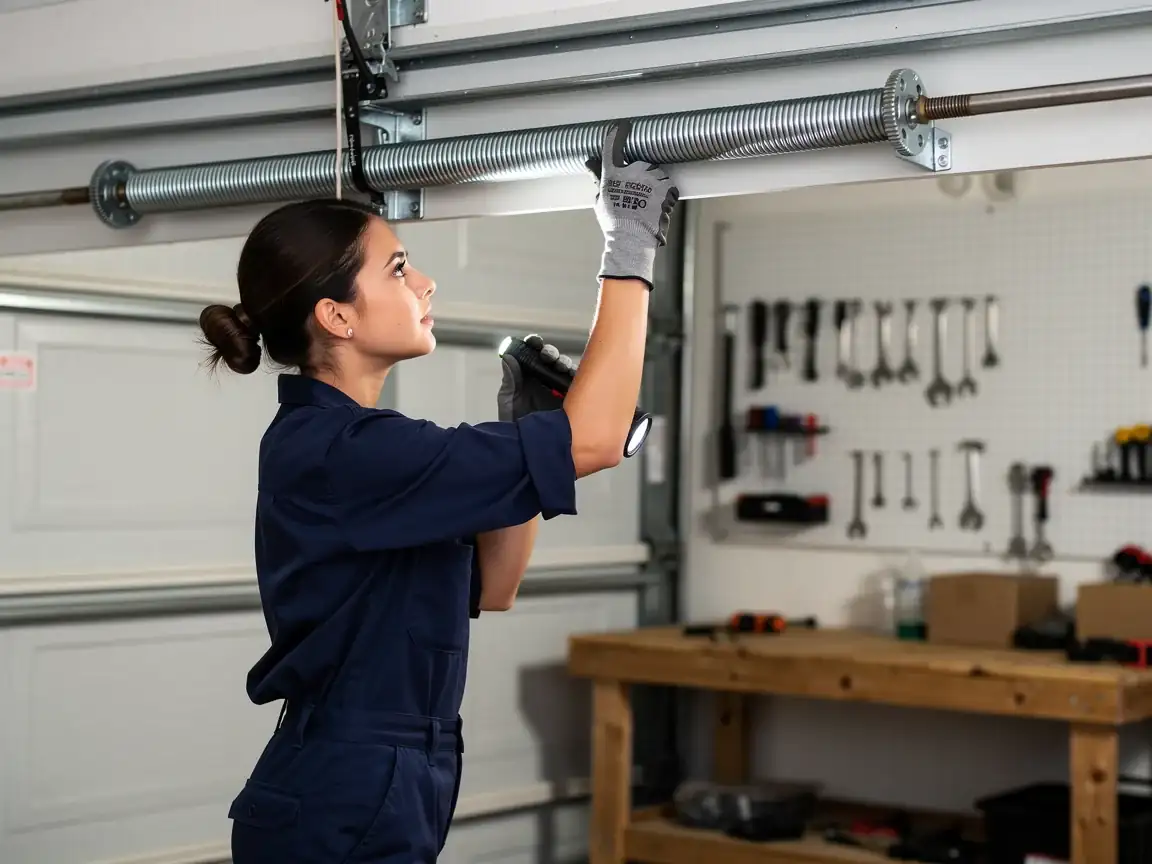
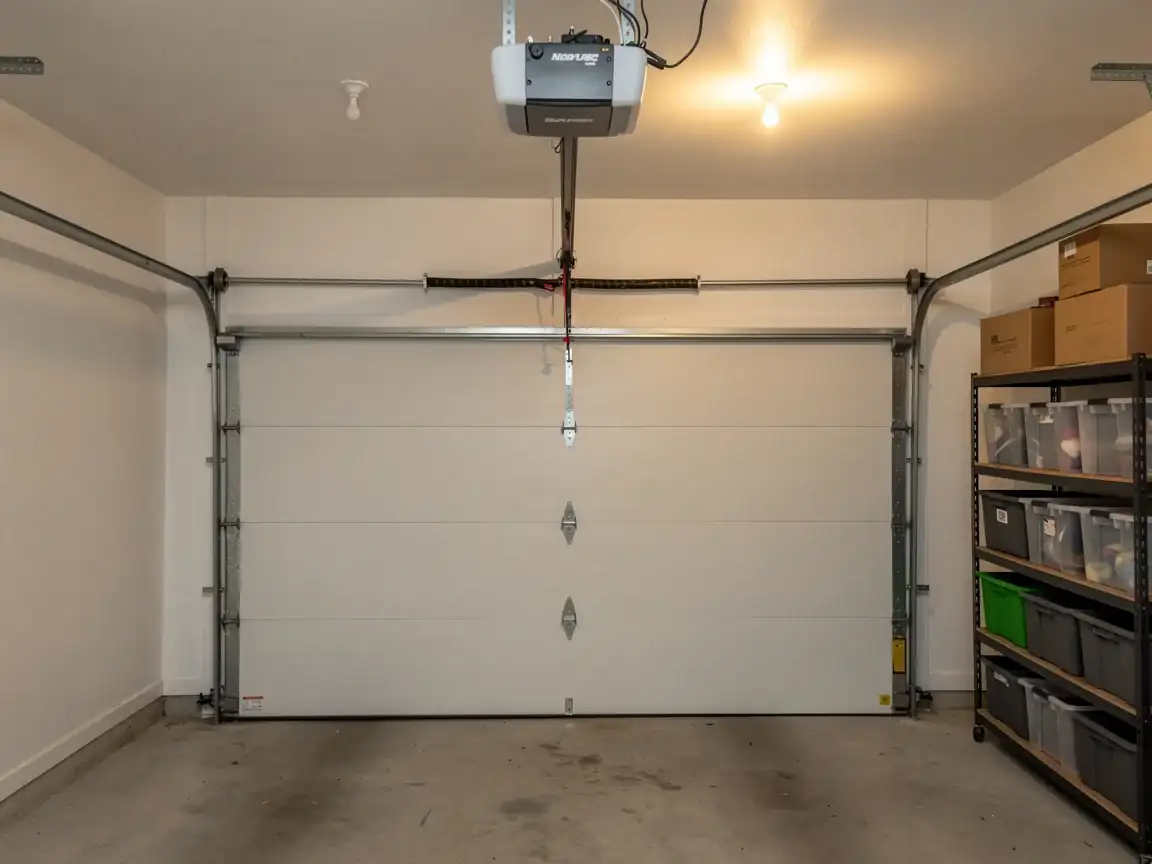
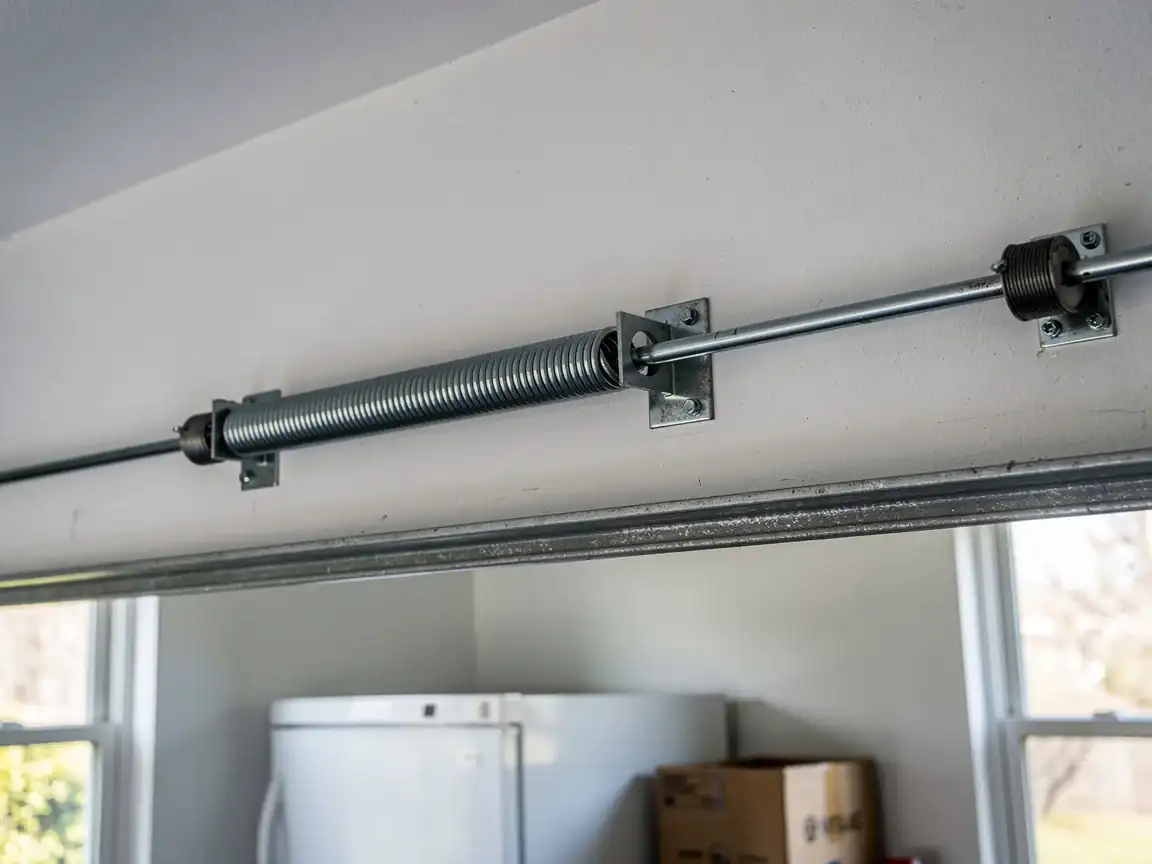
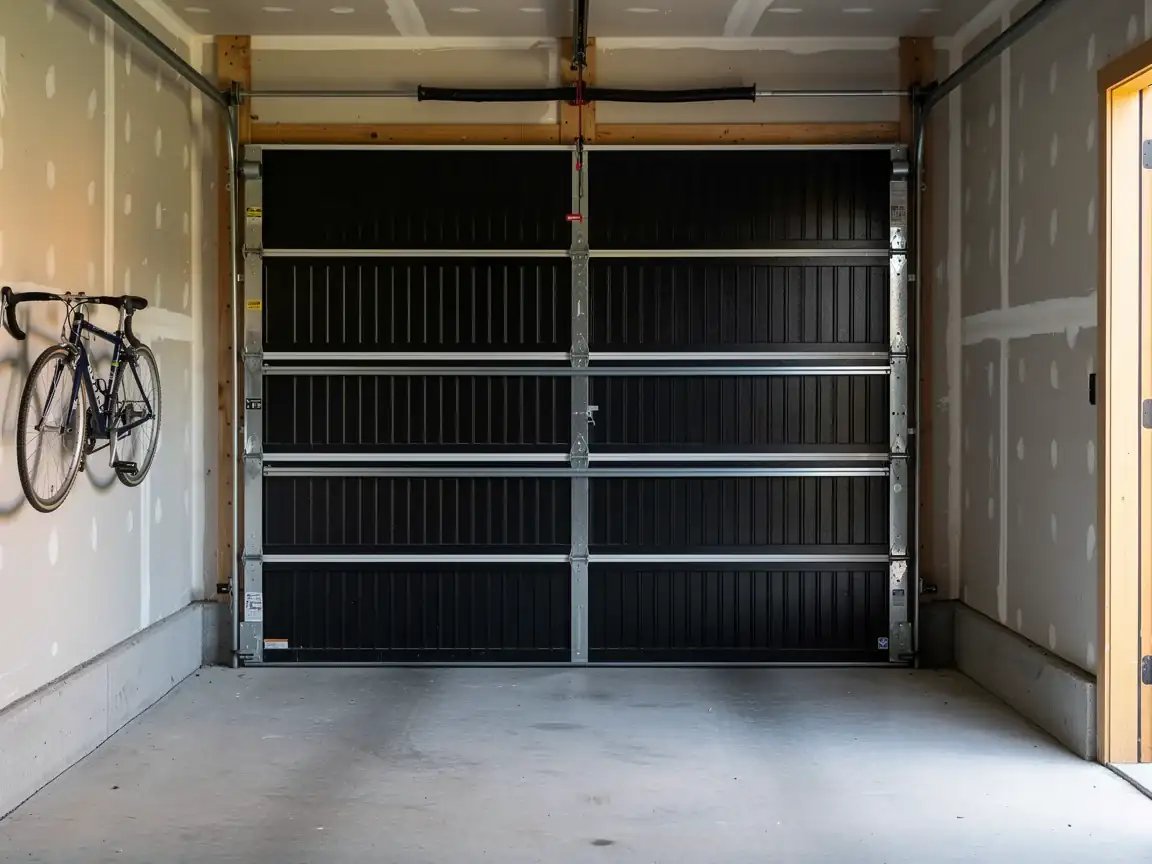
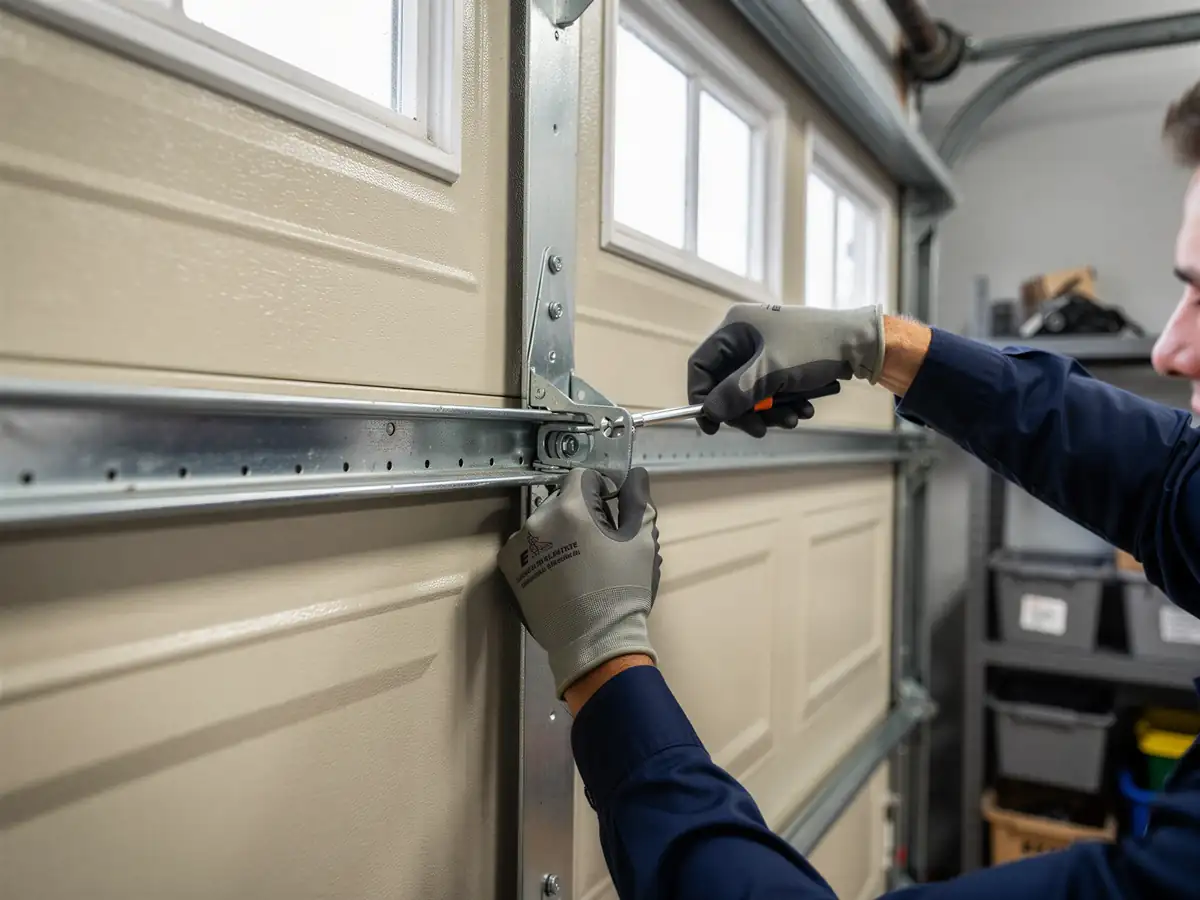
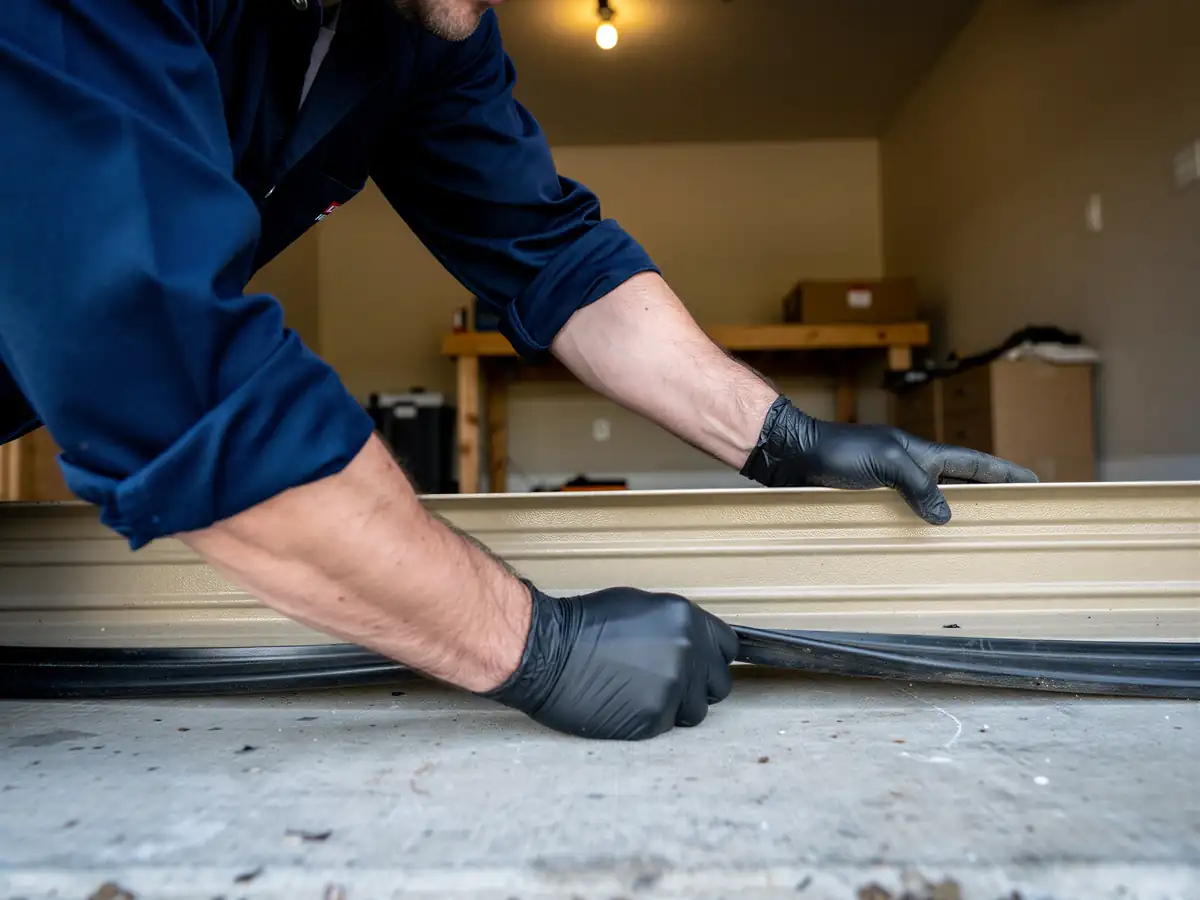
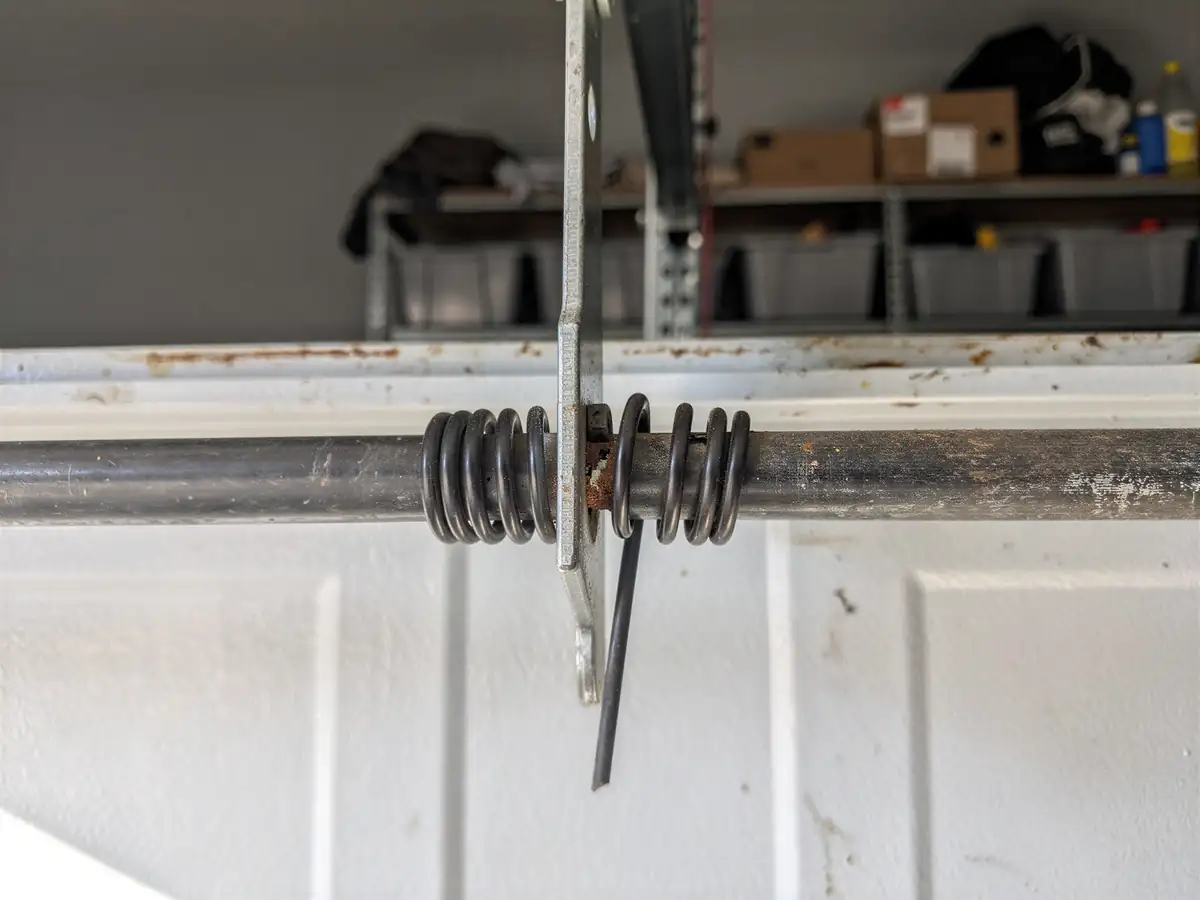
A torsion spring on a double door is wound under several hundred pounds of tension, and that doesn't change because the house is newer. The spring itself is cheap. The winding bars, the vise grips to hold the shaft steady, and the time to get the tension right are where people get hurt, and we've seen fingers and worse lost on jobs that looked simple. If your door is a single torsion spring over a double door - common in houses built around 2001 - that spring is carrying the full load of a panel that can weigh well over a hundred pounds, and it's not forgiving of guesswork. Lubricating hinges, tightening loose hardware, checking the track for alignment - that's reasonable homeowner work. Winding or unwinding a torsion spring is not, and we won't talk anyone through it over the phone. If you're set on DIY, replace the opener's safety sensors or the weatherstripping. Leave the spring to a call.
Time on the Job
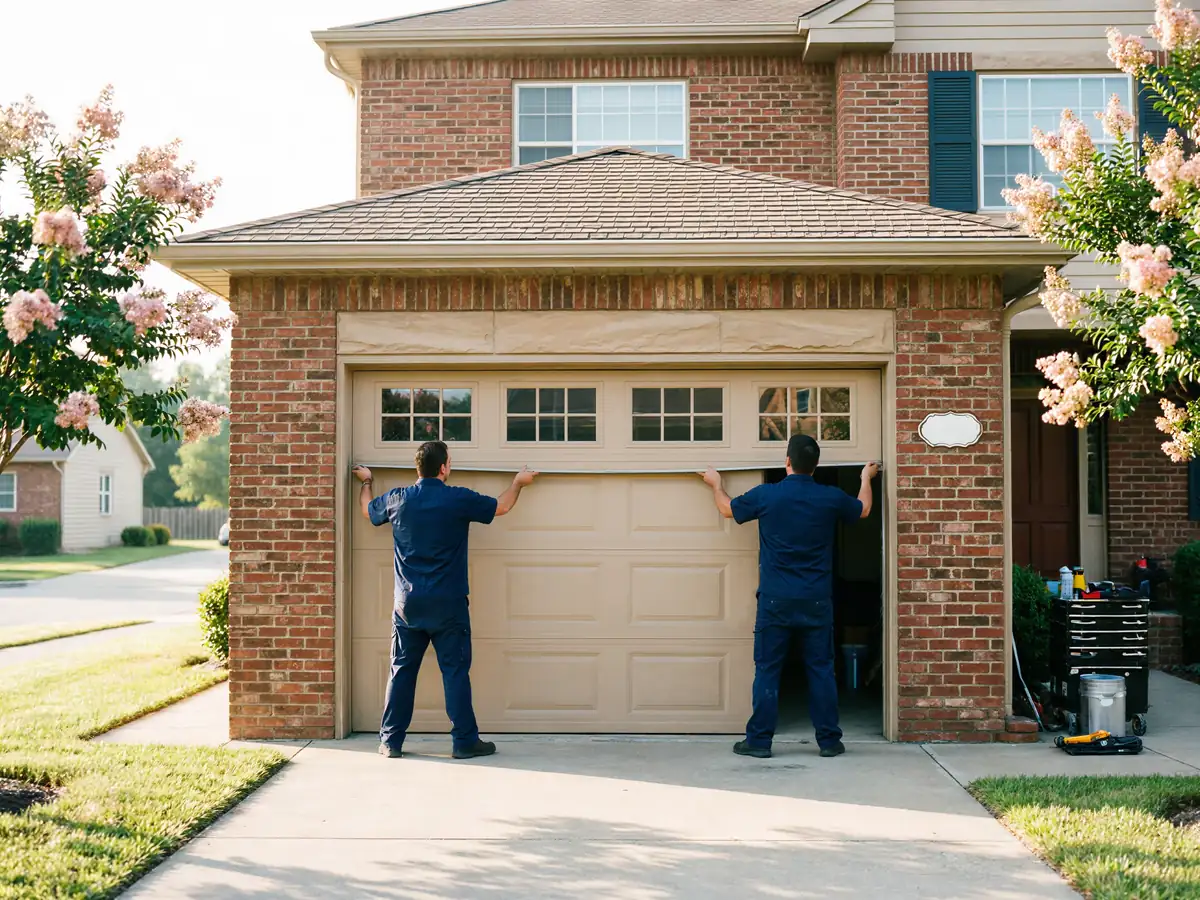
Blanchard sits about 19 miles out from Norman, which means a spring job here starts with a drive, not a walk from the next street over. We don't keep a branch or a truck staged in town, so the work gets scheduled as a trip out, same as any call from this end of the service area. Once the truck is on-site, a standard torsion spring replacement on a double door usually runs under two hours - pull the old springs, size and install new ones matched to the door's weight and the drum size on the shaft, then balance and test the door through a full cycle. Houses from the early 2000s tend to have consistent hardware, which actually speeds this part up compared to older stock where the shaft size or drum type can vary house to house. The variable isn't the repair itself - it's getting a truck out to Blanchard on a day with multiple other calls already on the board.
Why This Fails Locally
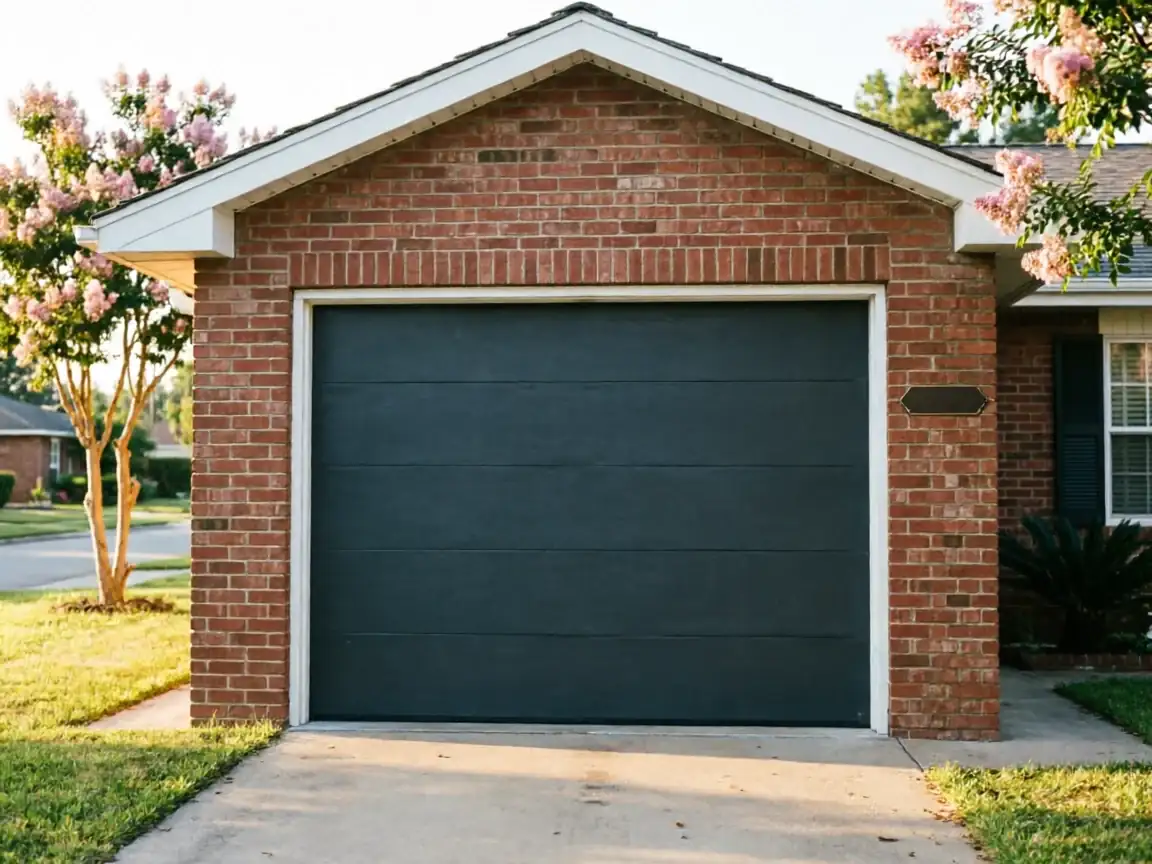
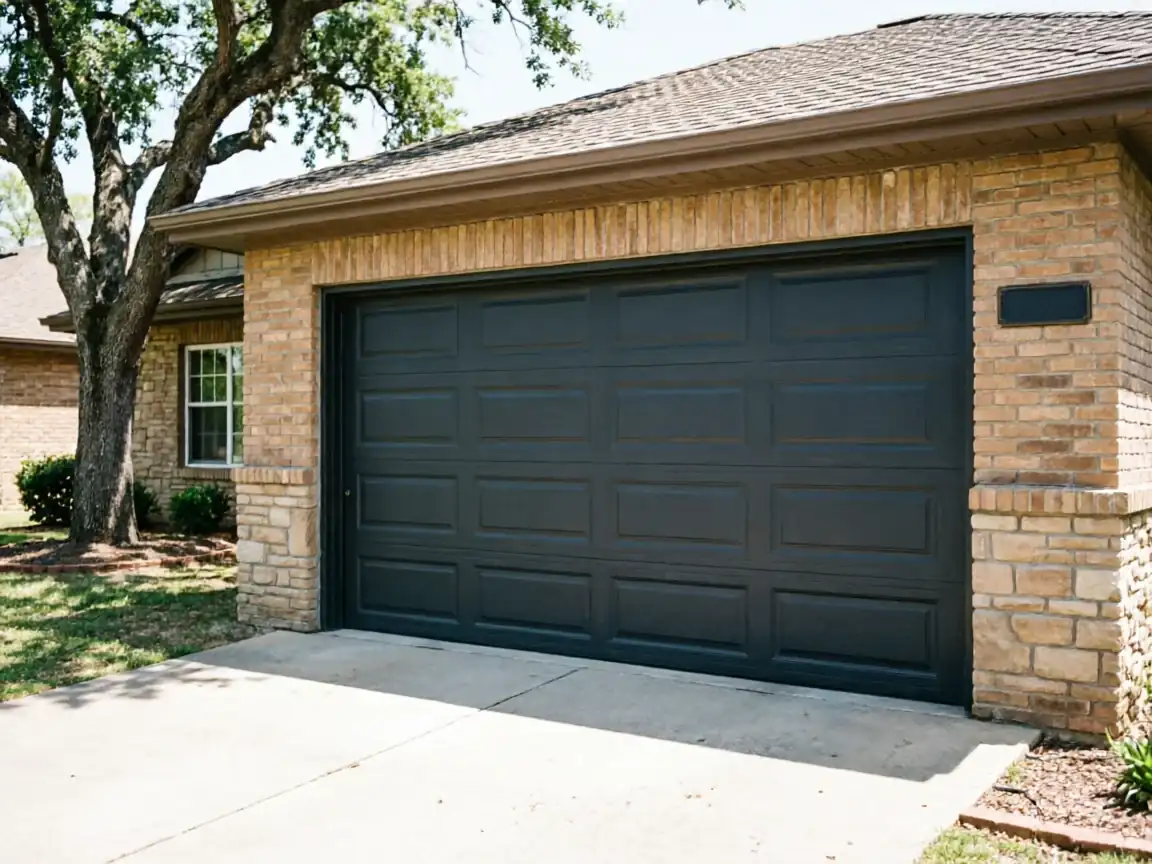
This area sits in a cold, moderately severe climate zone, and a torsion spring's life is measured in open-close cycles, with temperature swings adding stress to the steel each time it flexes. A house built around 2001 in Blanchard, with a median household income of $89,472, is statistically more likely to carry an insulated double door - heavier than an older single uninsulated panel - which means the spring is working harder on every cycle even before winter cold stiffens the metal and adds load. Put those two things together - a heavier door type common to this build era, and a climate that runs real cold swings through the shaft and coil - and you get springs that are rated for a certain number of cycles but hit that number sooner than the same spring would in a milder climate on a lighter door. That's the local failure pattern: not age from decades of use, but a shorter path to the same wear because of what the door weighs and what the winters do to it. It's a different mechanism than the older, under-built hardware failures we see on the oldest end of the service area's housing stock.
What Can Go Wrong
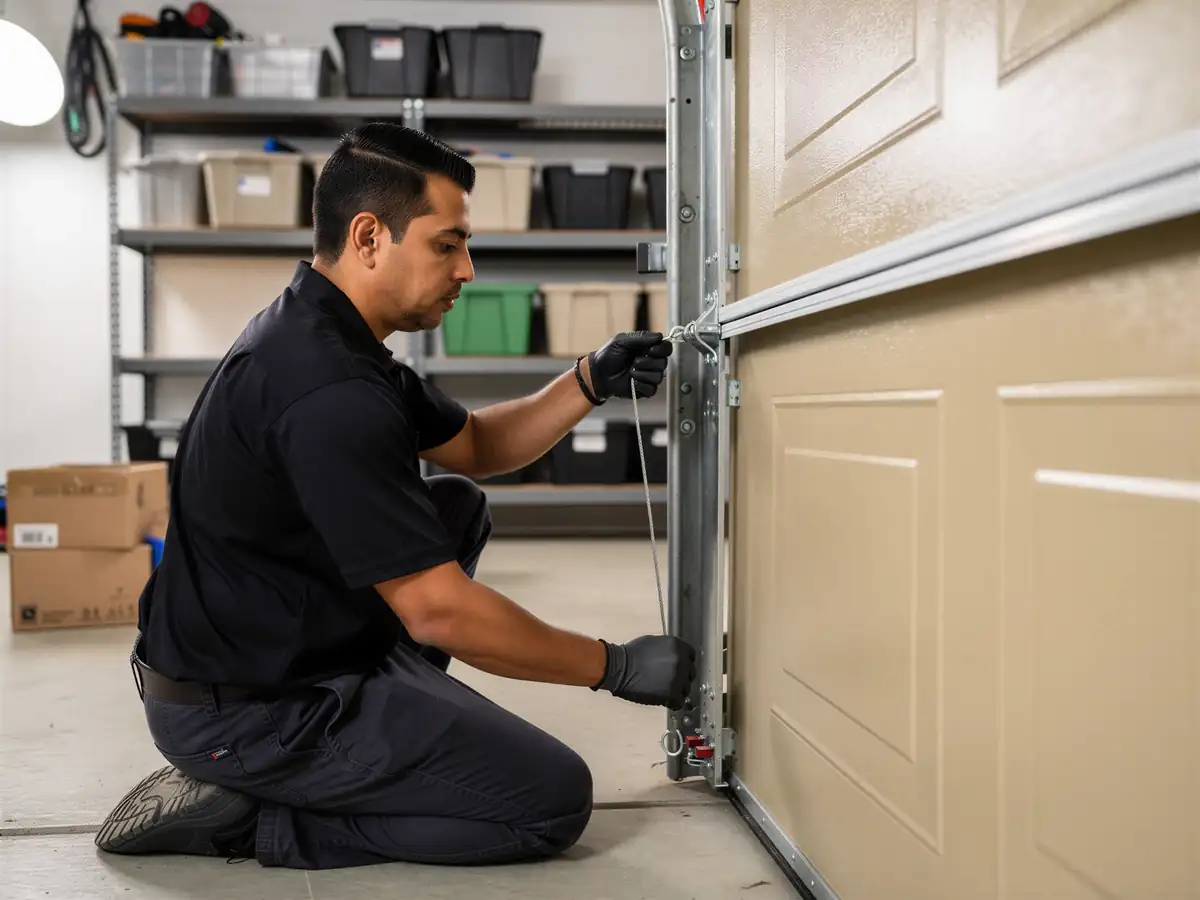
The most common call is a broken torsion spring on a double door, which throws the door off balance and can bind the opener's drive gear if someone keeps hitting the button. Left alone, that strain moves to the opener itself, and what started as a $200-and-change spring job turns into an opener replacement too. A frayed or snapped cable usually follows a spring failure rather than causing one - once the spring stops supporting the door's weight, the cable takes a load it wasn't built to carry alone and can jump the drum or fray at the bottom bracket. On double doors with two springs, a single broken spring sometimes gets ignored because the door still opens, just unevenly - that uneven pull wears the rollers and track faster on one side. None of this is specific to Blanchard's age of construction by coincidence; it's the direct result of a heavier door type running on hardware that's a couple decades newer than much of the rest of the territory.