How It Shows Up
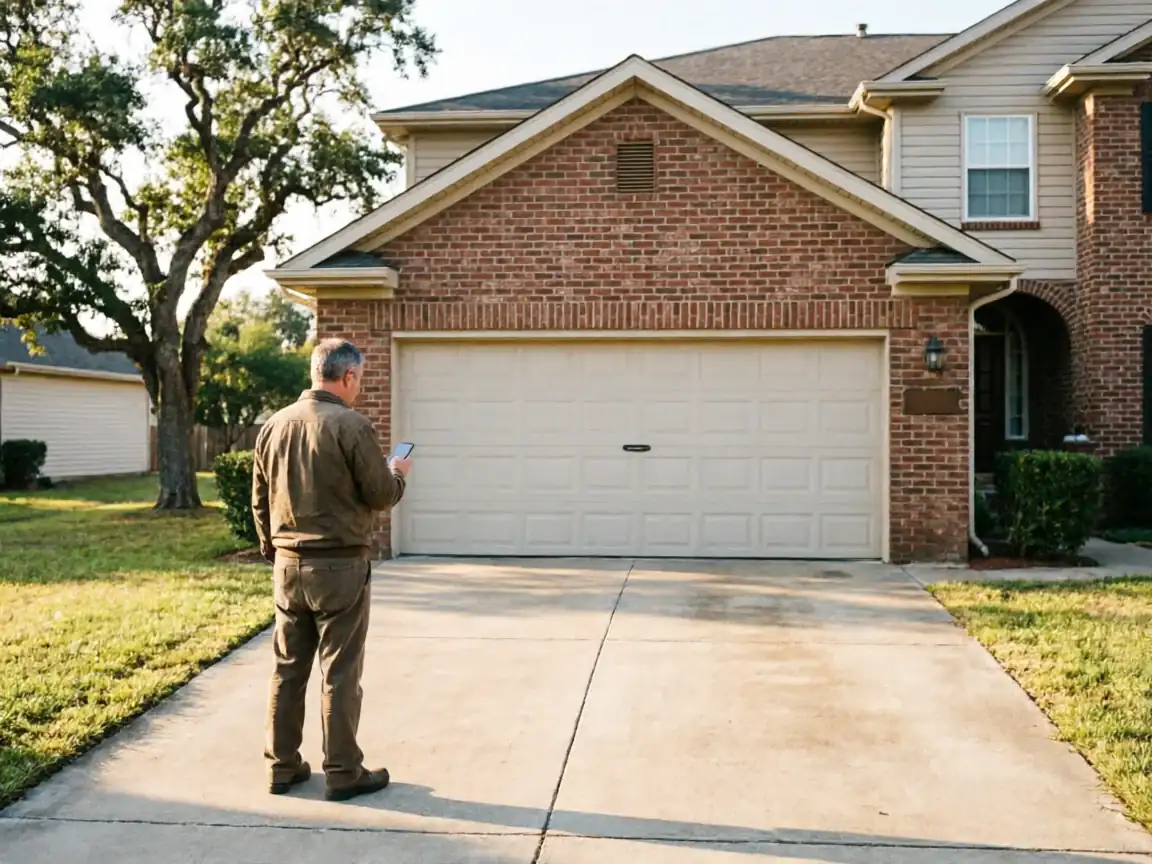
Blanchard's housing stock is newer than most of the towns Norman Garage Door Pros covers
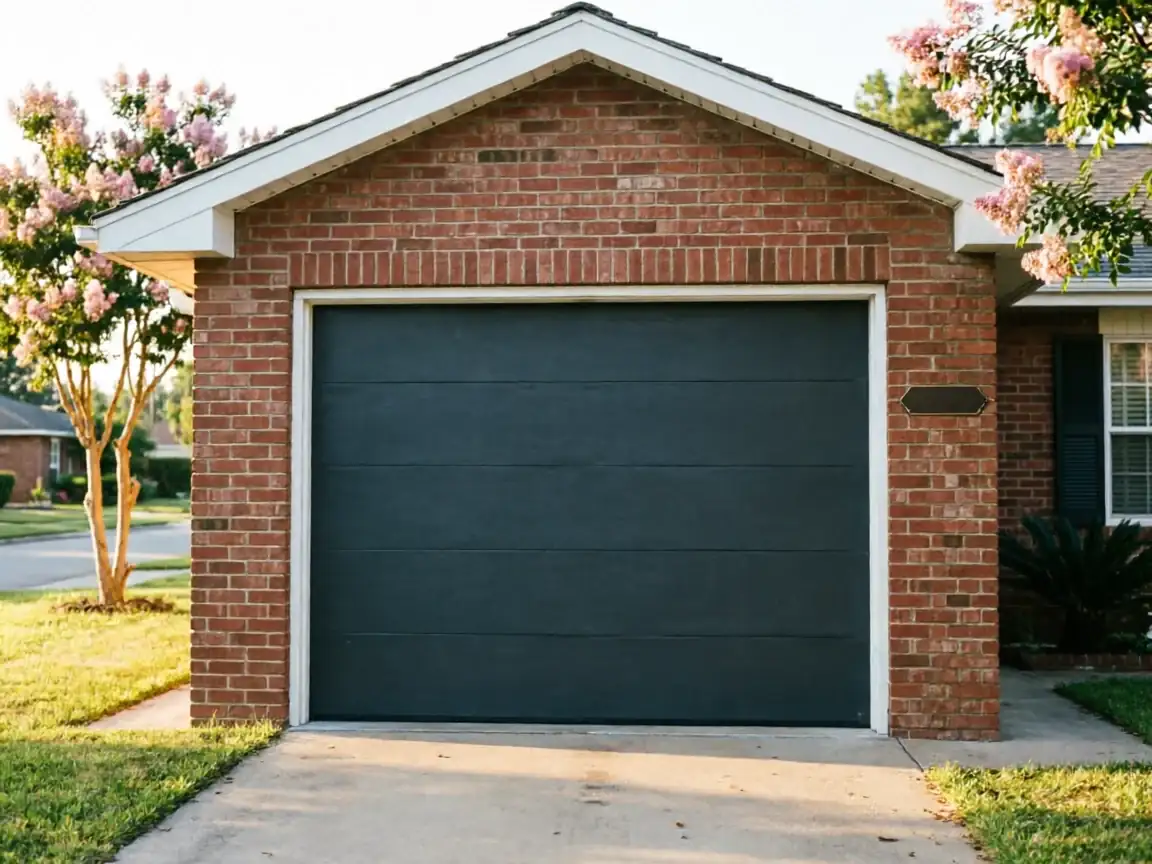
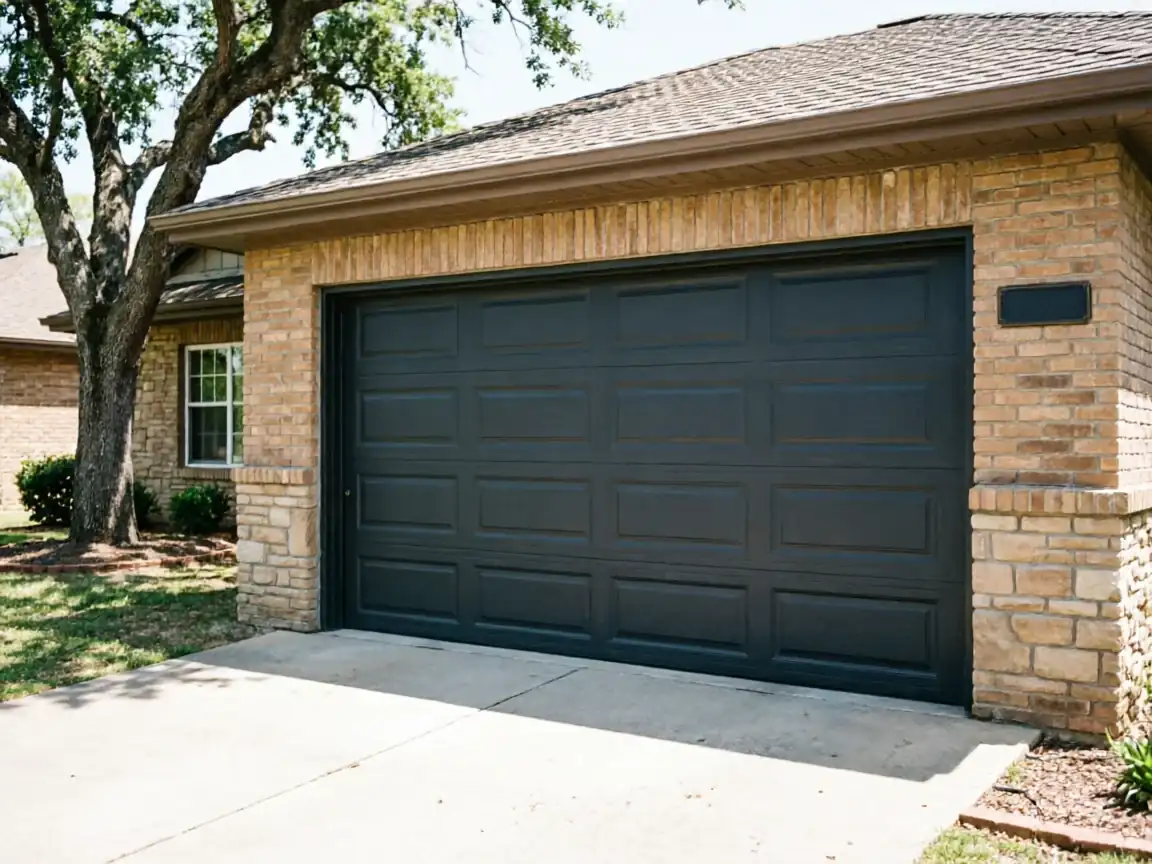
The median home here went up around 2001, a good decade past the 1964-2004 range that describes the wider service area. That later build date matters because it set the hardware standard: heavier insulated steel sections, factory nylon rollers, and track gauges built for those heavier doors rather than the lighter single-layer panels common on older stock nearby.
Off-track on a door like this usually starts small
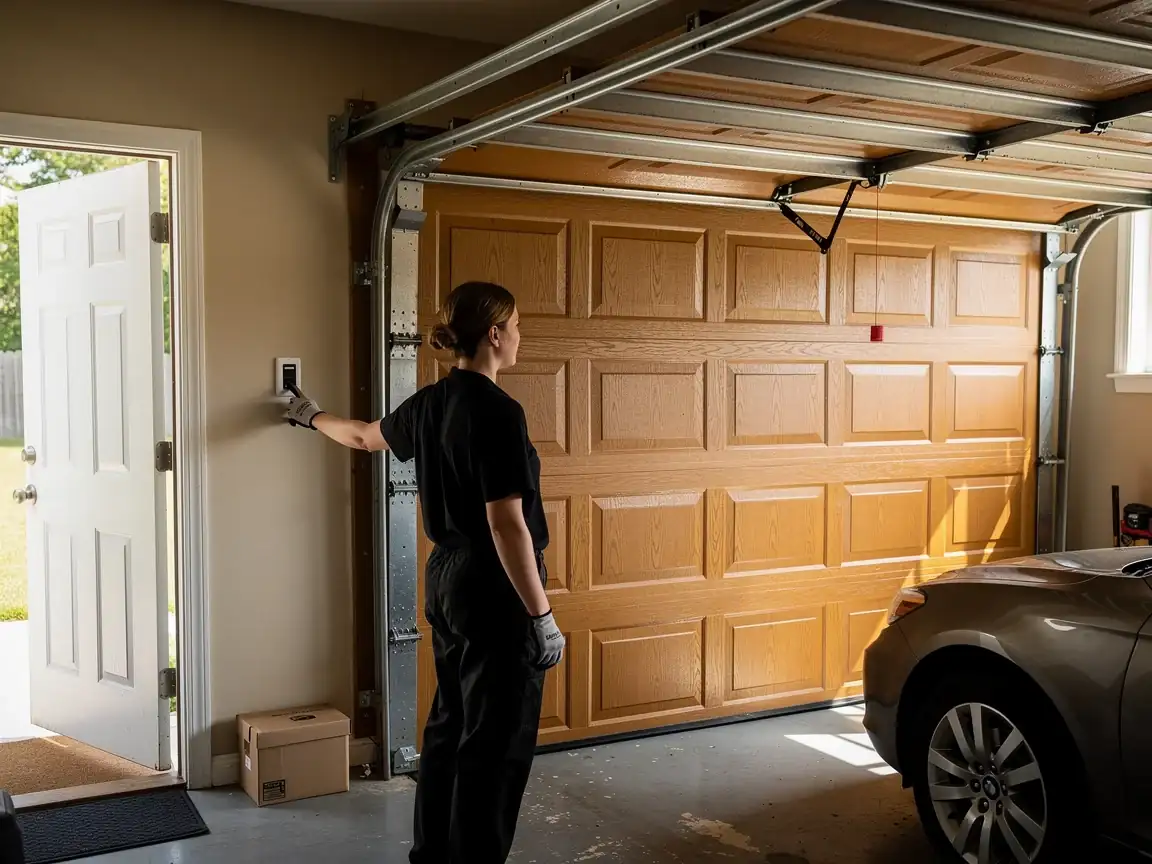
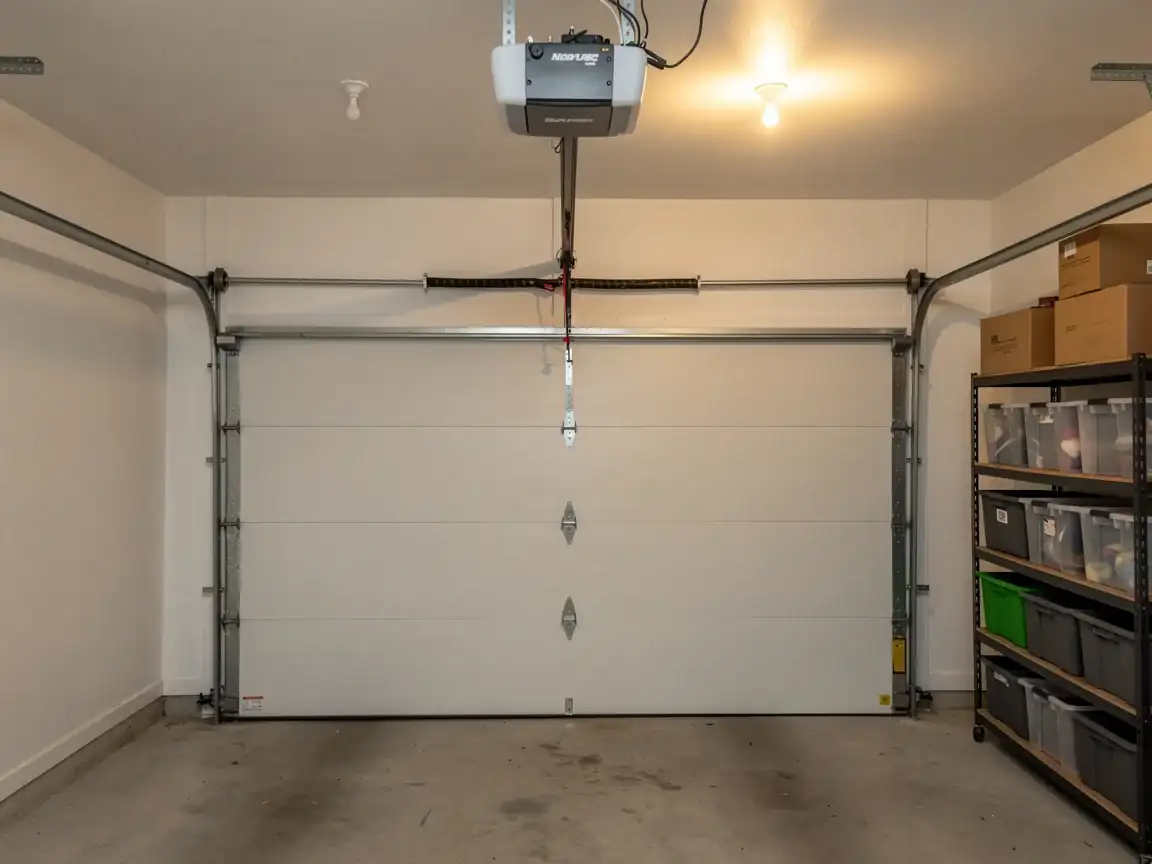
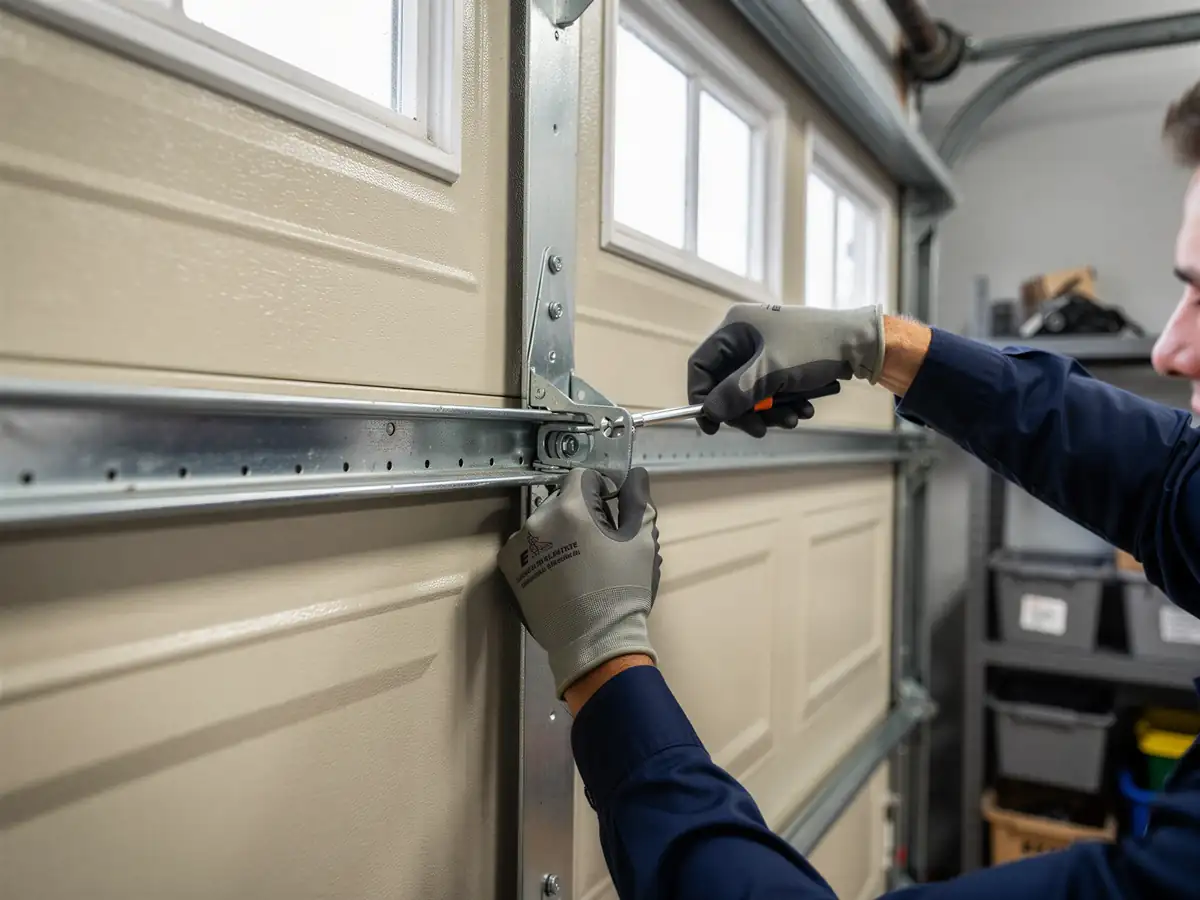
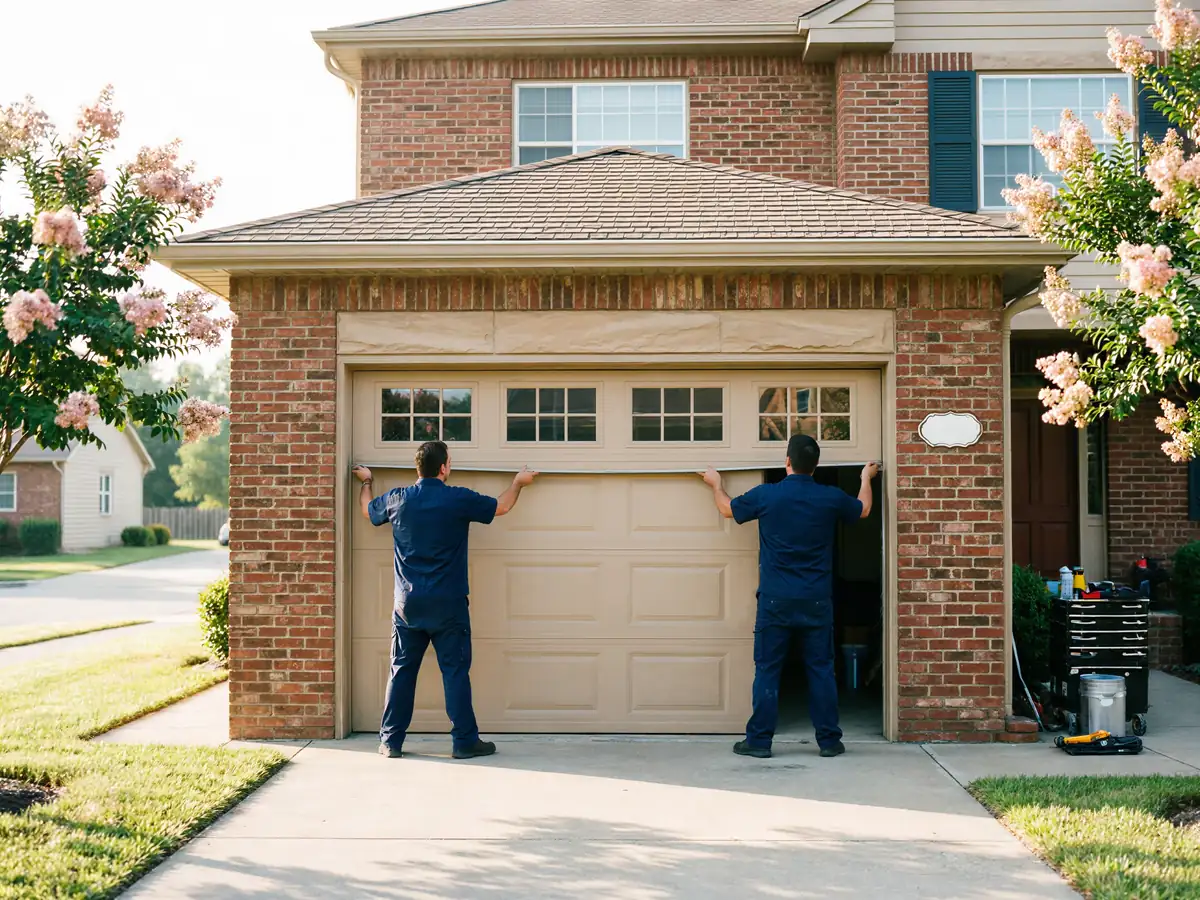
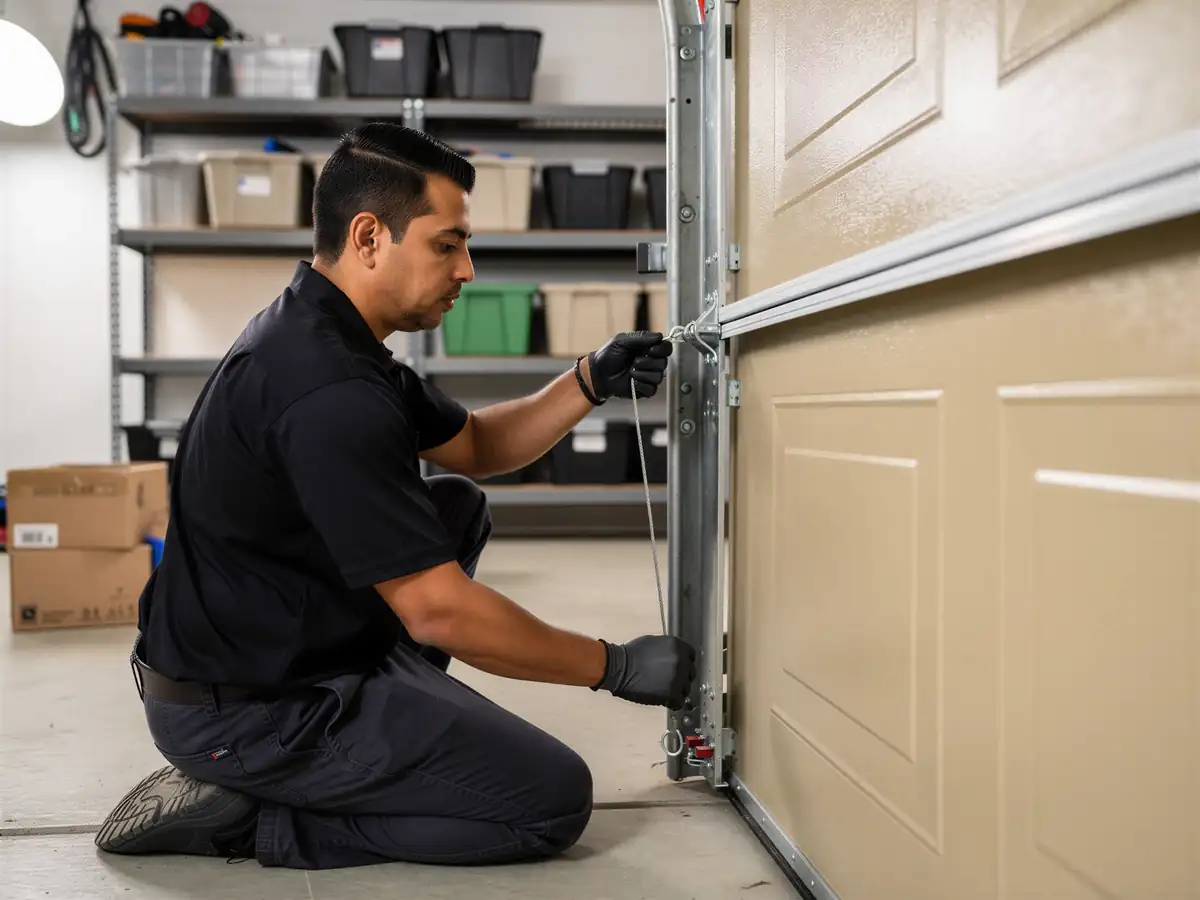
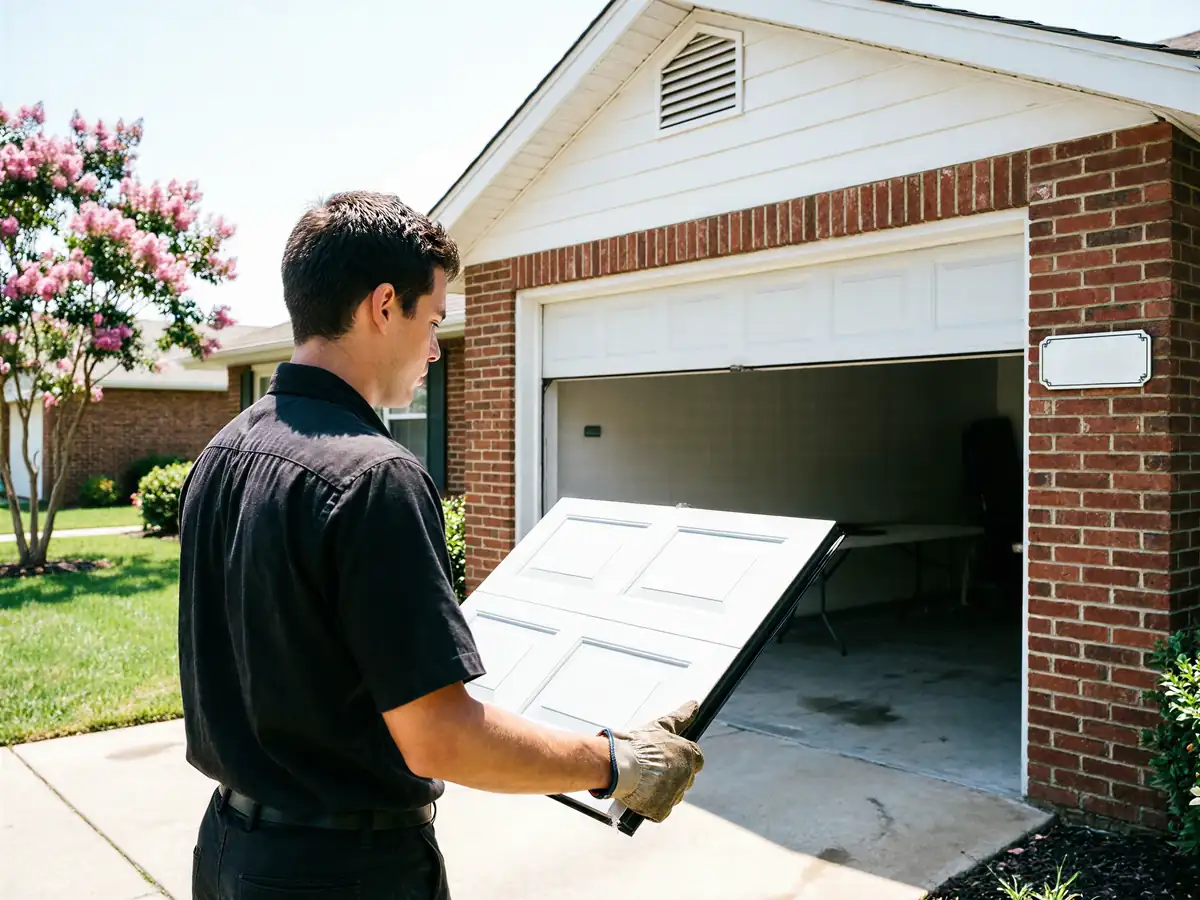
One side of the panel rides low while the other stays put, so the door racks sideways in the opening instead of lifting square. You'll hear it before you see it - a grinding or popping noise as a roller catches the edge of the track instead of running inside it. Keep running the opener past that point and the roller can pop clean out, or the track itself can bow where the bracket mounts to the jamb. Once a section is visibly cocked in the opening, the door is off-track, not just out of adjustment, and it needs hands on it before another cycle.
Doing It Yourself
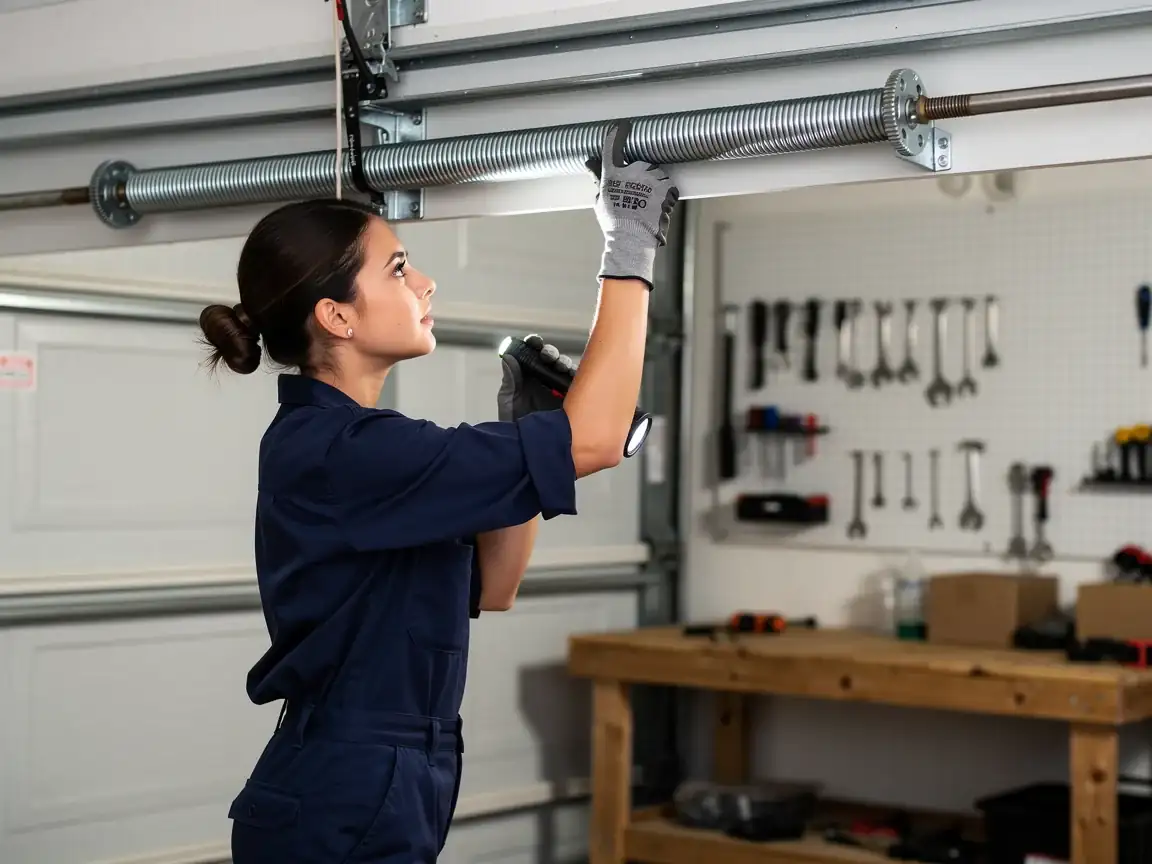
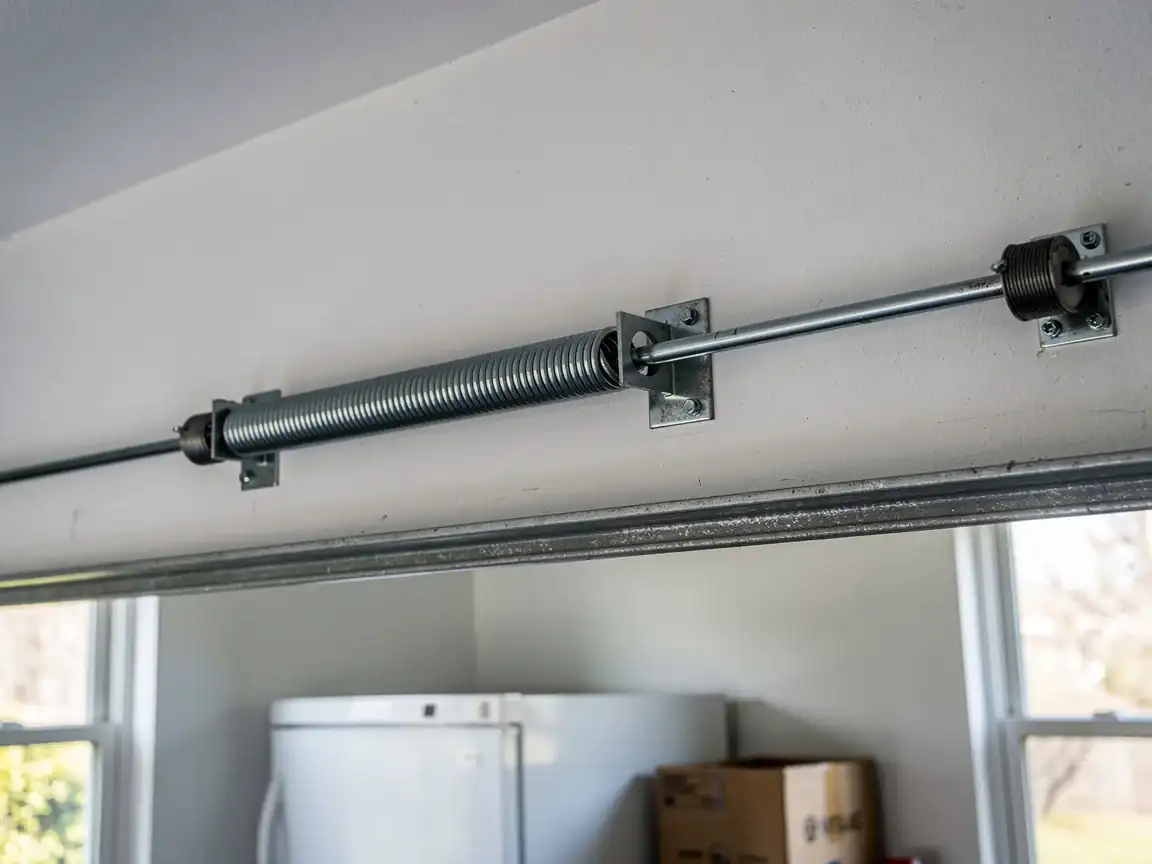
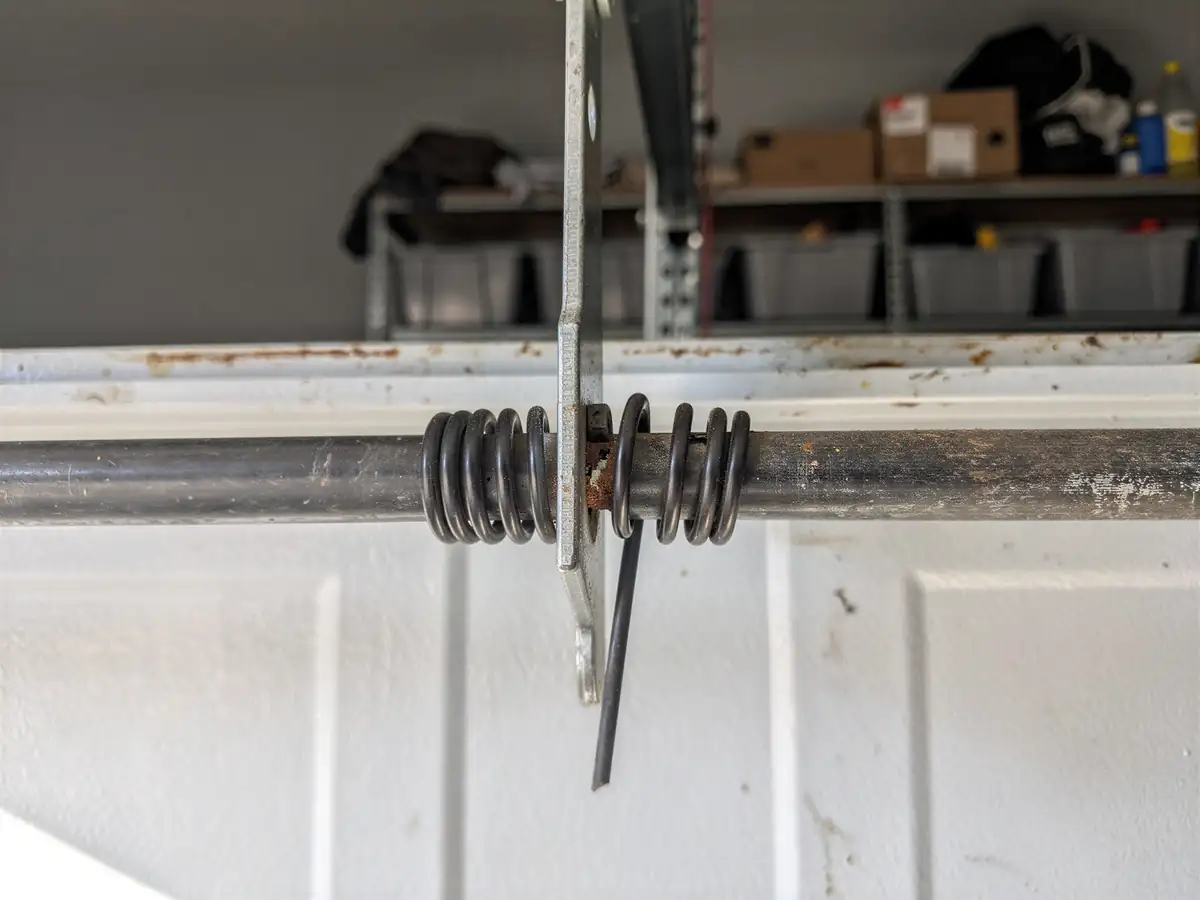
You can look. You should not pull on anything. A door this size, on torsion or extension springs under full tension, is not a weekend fix - the spring is storing enough force to break a wrist or worse if it lets go while you're working near it.
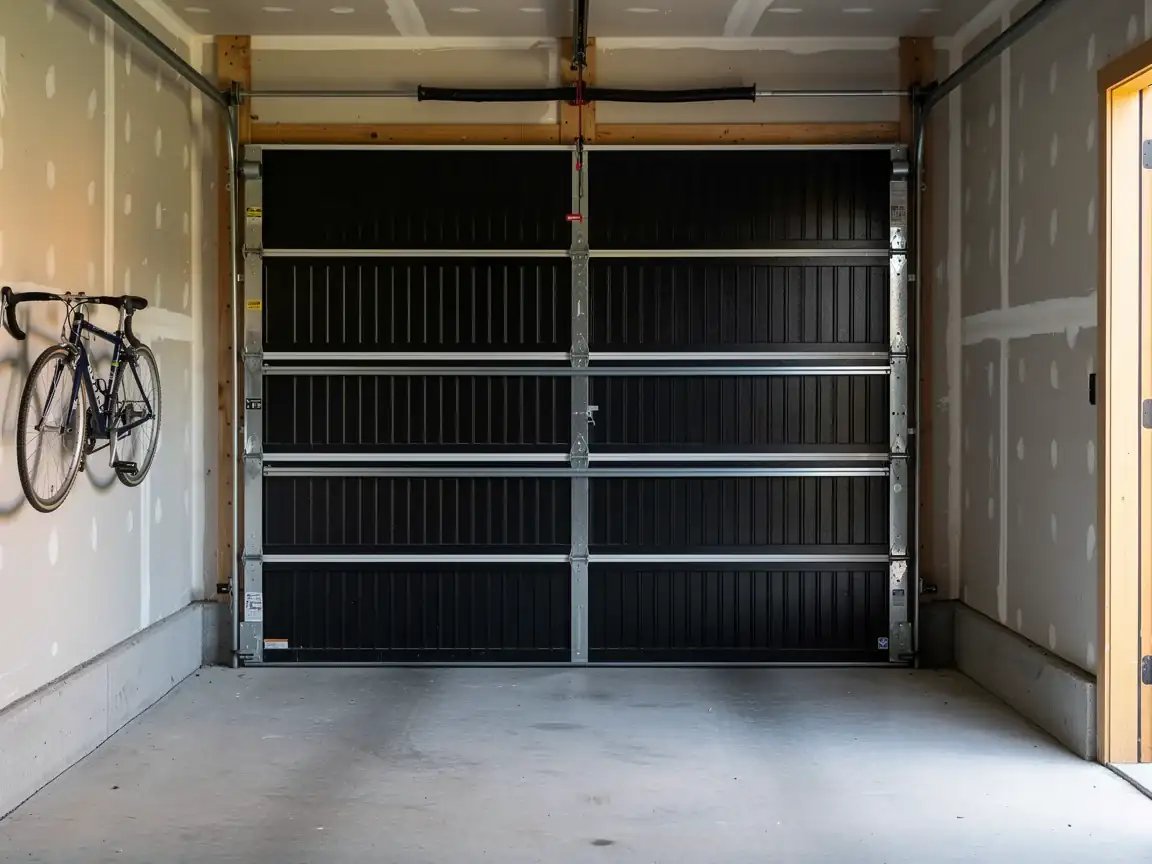
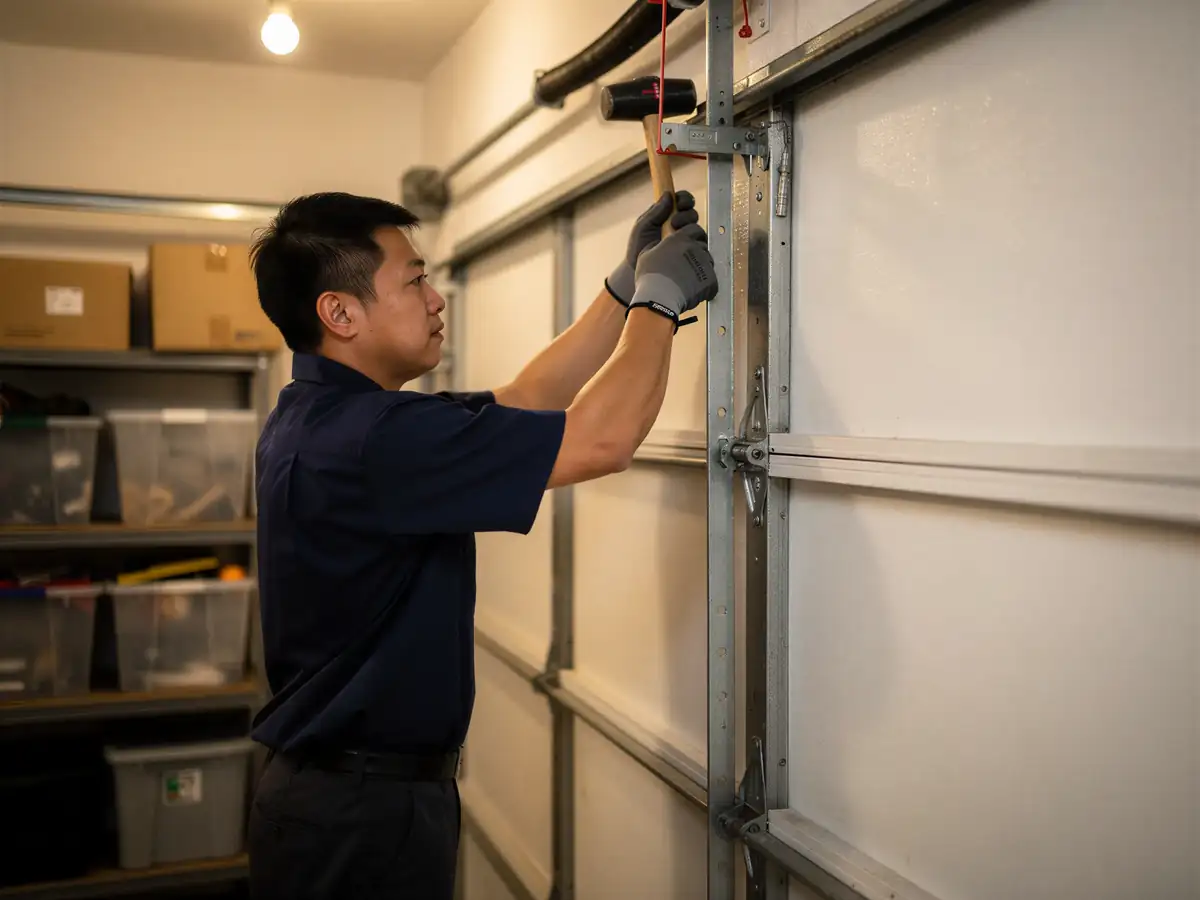
What you can safely check: whether the track bolts at the wall are loose, whether there's a visible dent or bend in the rail, and whether the door was struck by a car bumper or a basketball hoop pole bracket. If the track is straight and the rollers are just out of their channel, that's sometimes a short fix. If the track is bent, it has to be replaced, not hammered back into shape - a straightened track never runs true again and will throw the door off a second time within weeks.
The honest limit here: if you can't tell whether the issue is a loose bracket or a bent rail, don't guess. Running the opener against resistance to "see what happens" is how a $150 roller job turns into a cracked panel.
Time on the Job
Blanchard sits about 19 miles out from Norman, farther than most of the towns on the route, so the crew builds that drive into how the day gets scheduled rather than promising a fixed arrival window. Once on-site, the work itself is the same regardless of the trip out - realign the track, reseat or replace the rollers, check the cable and spring tension before the door cycles again.
Because the door is newer than a lot of what we see on 1980s-era houses closer to Norman, the repair is often simpler: factory rollers and brackets on a 2001-or-later install haven't usually been swapped out or bent from decades of use, so the fix is more likely to be a track alignment than a full hardware replacement.
Parts We Carry
For doors from this era, the usual off-track fix calls for nylon rollers (quieter and longer-lived than the steel rollers found on older stock), galvanized track sections
And roller brackets sized for heavier insulated panels rather than the lighter doors common on pre-1990s builds elsewhere in the service area.
We stock the roller and track sizes that match what went up in Blanchard and the newer pockets of the service area
What we don't keep on the truck is a wood-panel or custom-width door - if a track bends badly enough to need a non-standard rail, that part gets ordered, and the job runs over two visits instead of one.
Why This Fails Locally
The climate band here is cold-moderate, which means the garage sees real temperature swings across the year - not extreme, but enough that steel track contracts in winter and expands in summer. On a door this age, that cycling works at the screws holding the track brackets to the frame, and a bracket that's crept loose over a few winters is the single most common reason a newer door jumps track here.
It's not a build defect. It's what happens to any insulated steel door on nylon rollers after enough freeze-thaw cycles, and it shows up earlier on houses that get direct morning sun on the garage wall, since the metal heats and cools faster there than on a shaded elevation.
What Can Go Wrong
Left alone, an off-track door usually gets worse in one of two ways. Either the roller finally pulls free of the track and the panel drops on one corner, putting sudden uneven load on the cable and spring, or the bent section of rail starts chewing into the roller itself until it seizes solid in the channel.
Either way, once a cable is under uneven tension it can fray or snap, and a door that drops unevenly on a snapped cable is a hazard, not an inconvenience. If the track is only bent in one short run, straightening or replacing that section is usually the right call. If the bend runs the length of the rail, or the bracket pulled loose from the framing, replacing the whole track is cheaper in the long run than patching it twice.