Doing It Yourself
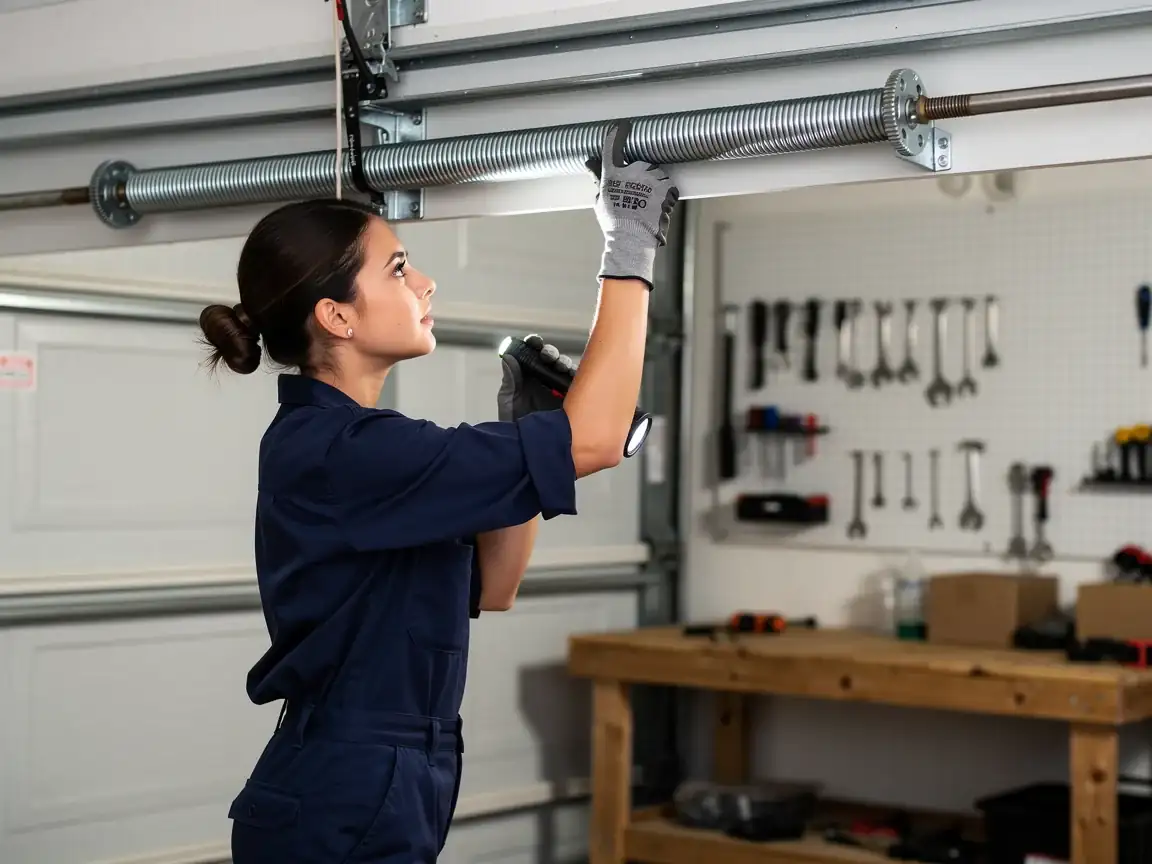
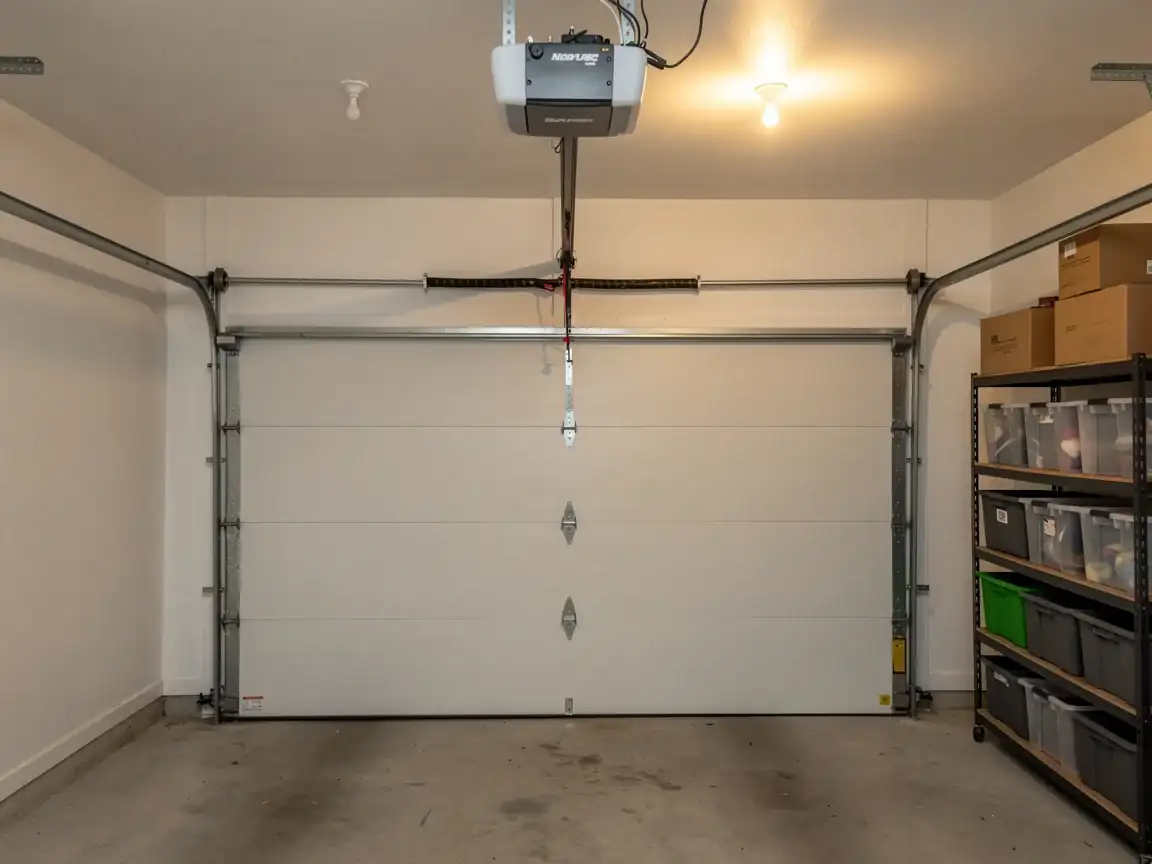
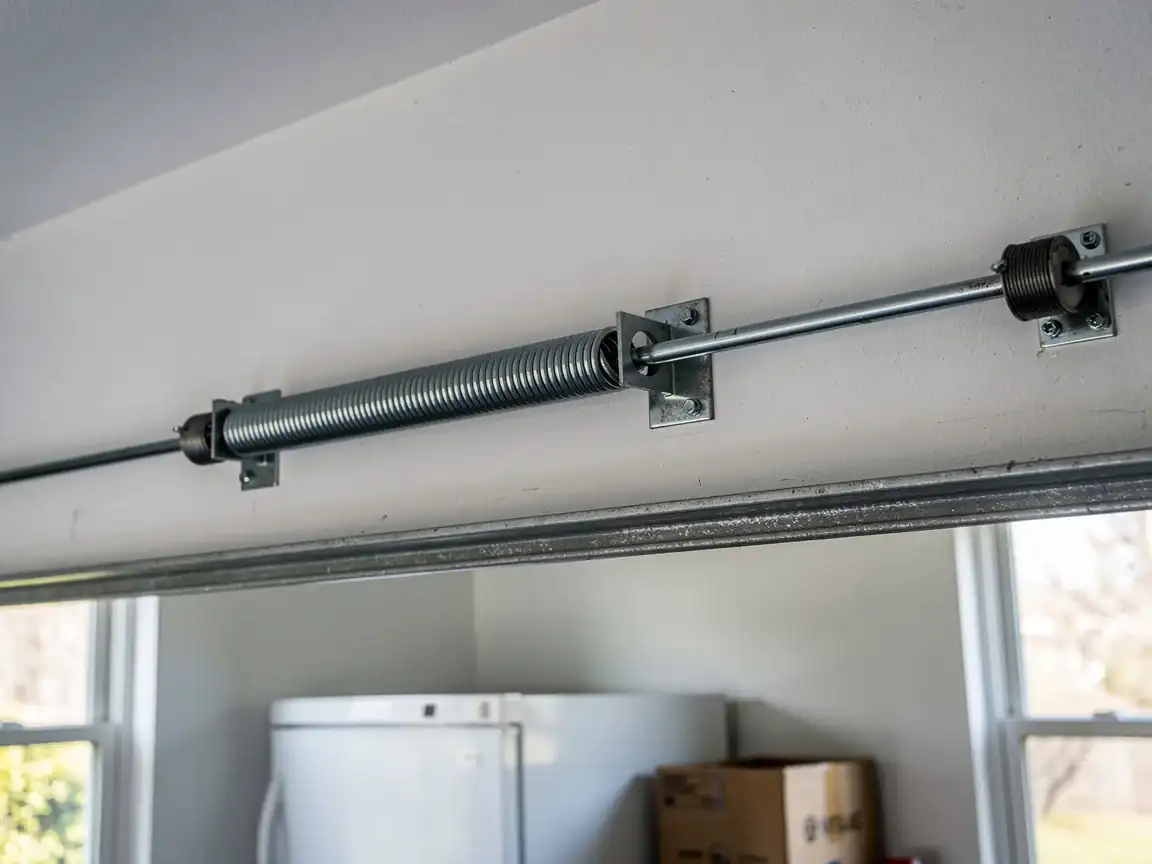
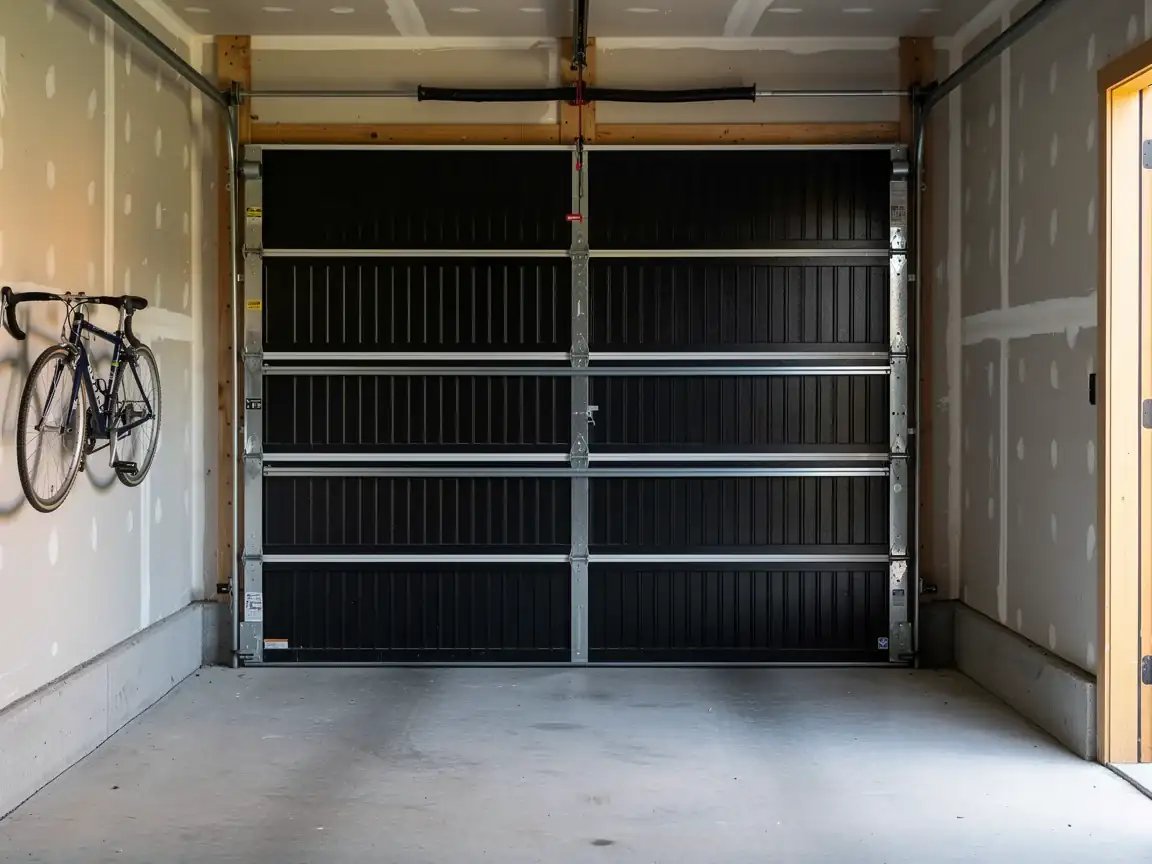
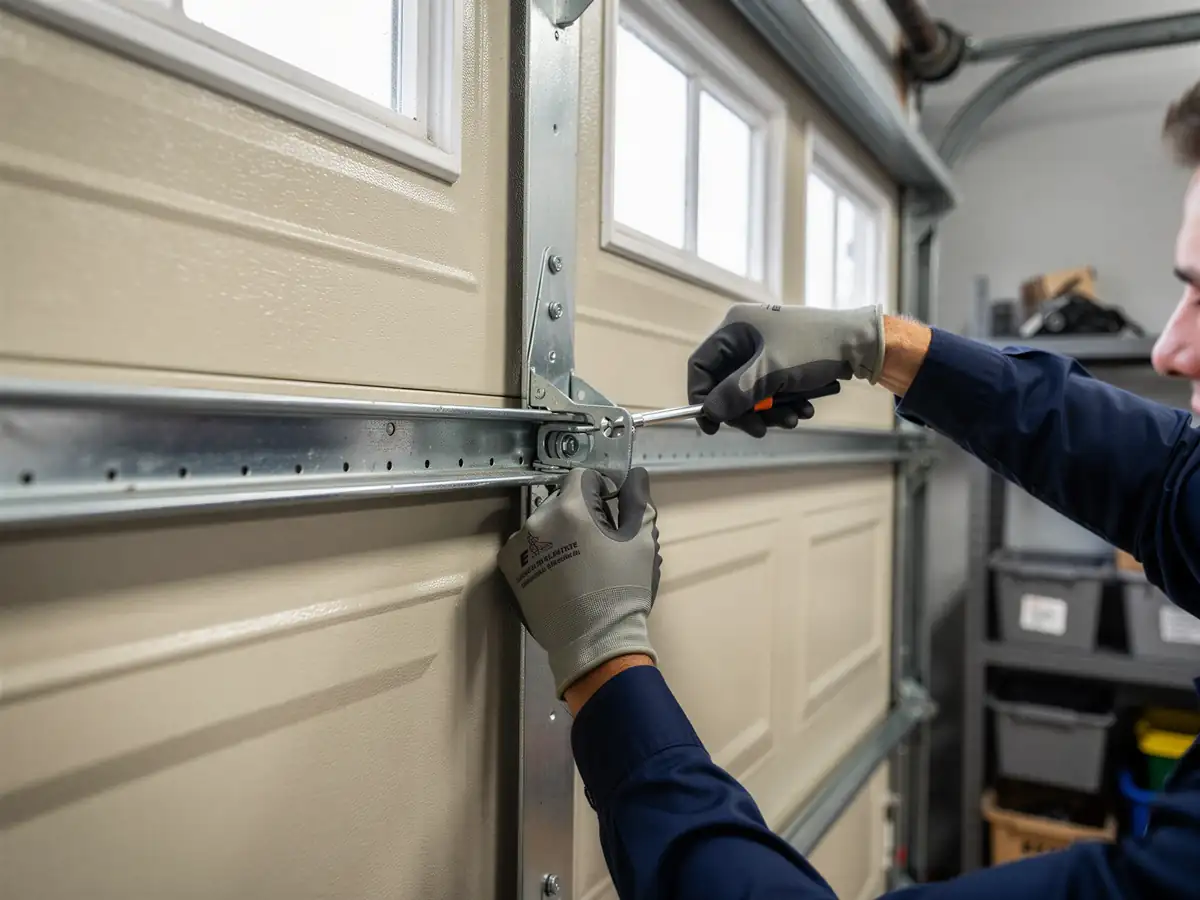
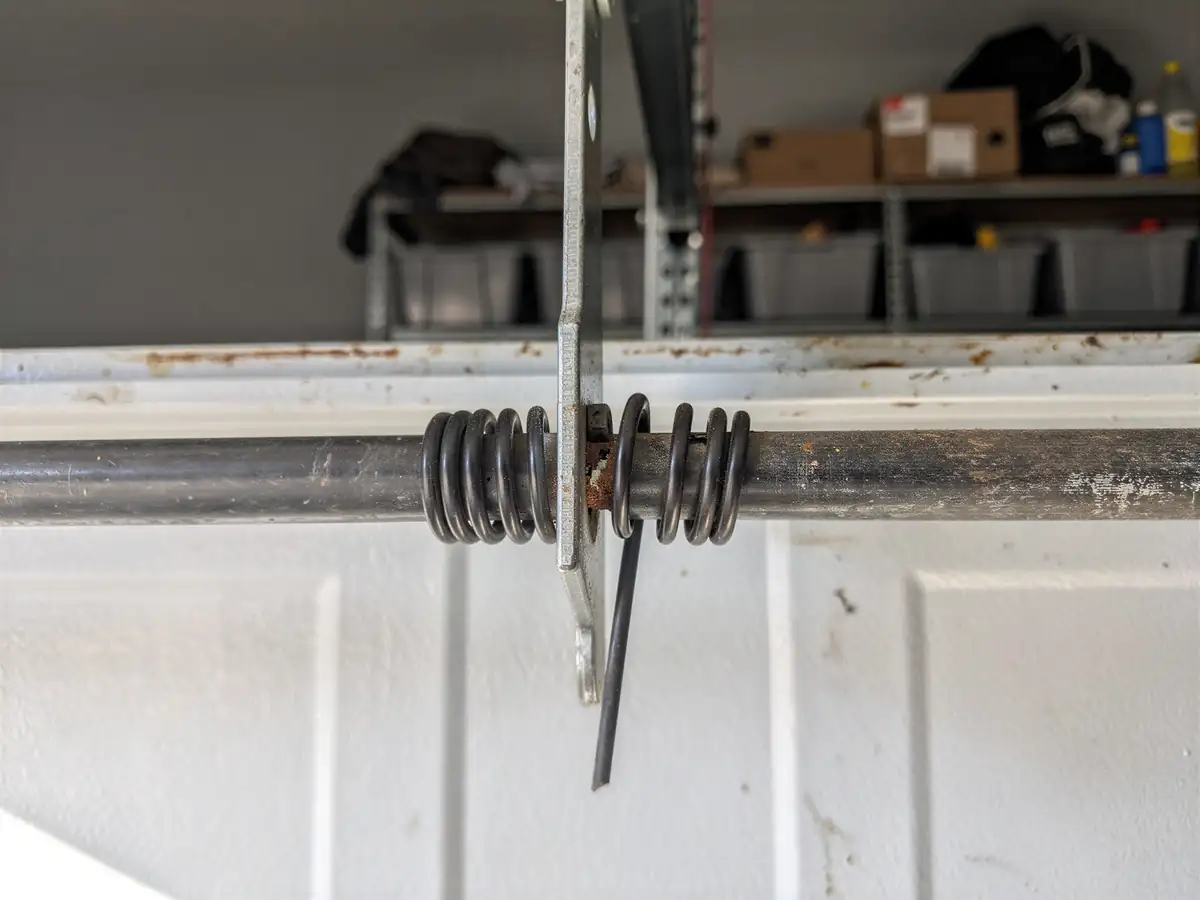
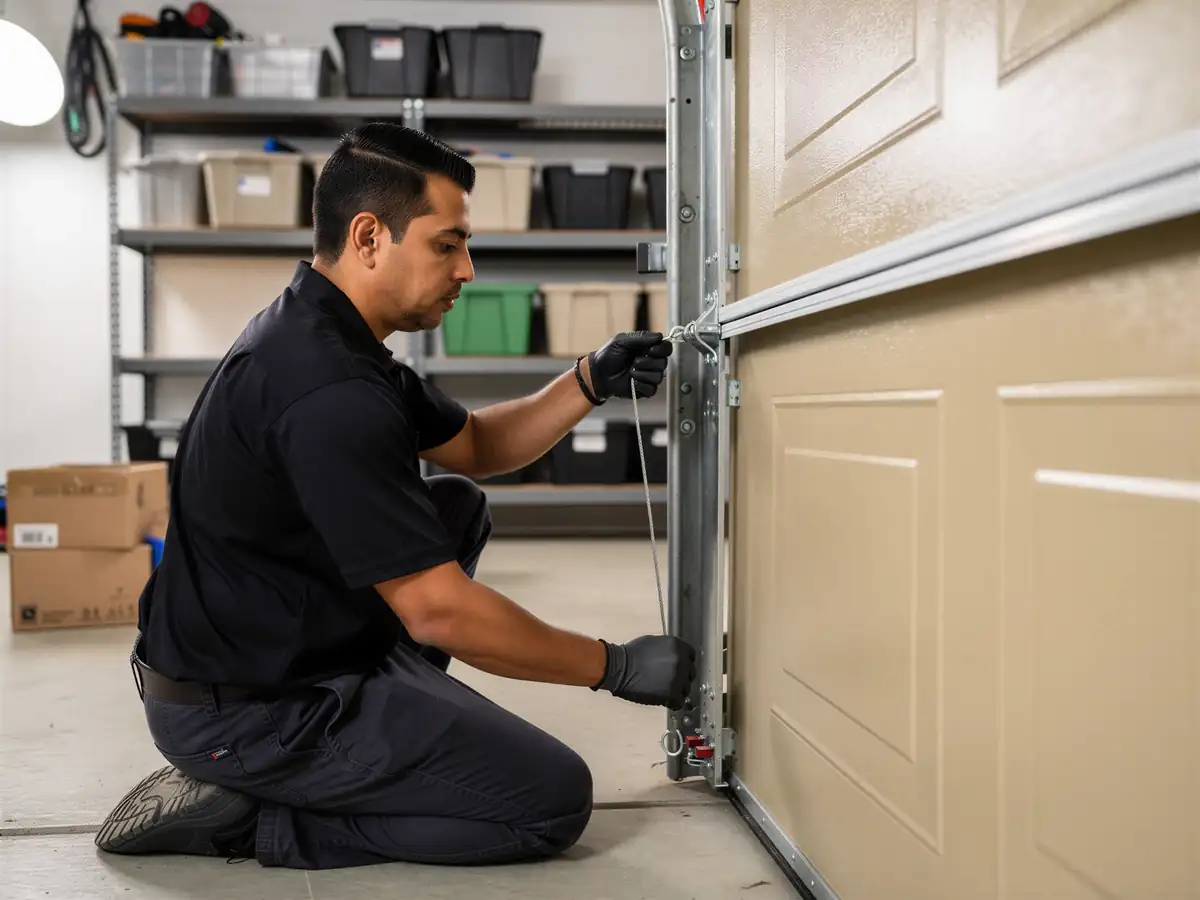
You can do some of this. Vacuum the tracks, wipe down the rollers, check that the photo-eye sensors near the floor aren't knocked out of alignment - that's a common one on doors that have been bumped by a bike or a trash can over the years. Lubricating the hinges and rollers with a silicone-based spray (not WD-40, which attracts grit) is worth doing twice a year. What you shouldn't touch is the torsion spring itself. It's under enough tension to cause real injury, and on a door this size that's not a DIY adjustment. Same with the opener's force settings - set them wrong and you either strain the motor or create a safety hazard with a door that won't reverse on an obstruction. If a cable looks frayed or a bottom bracket looks bent, that's a call, not a project.
Time on the Job
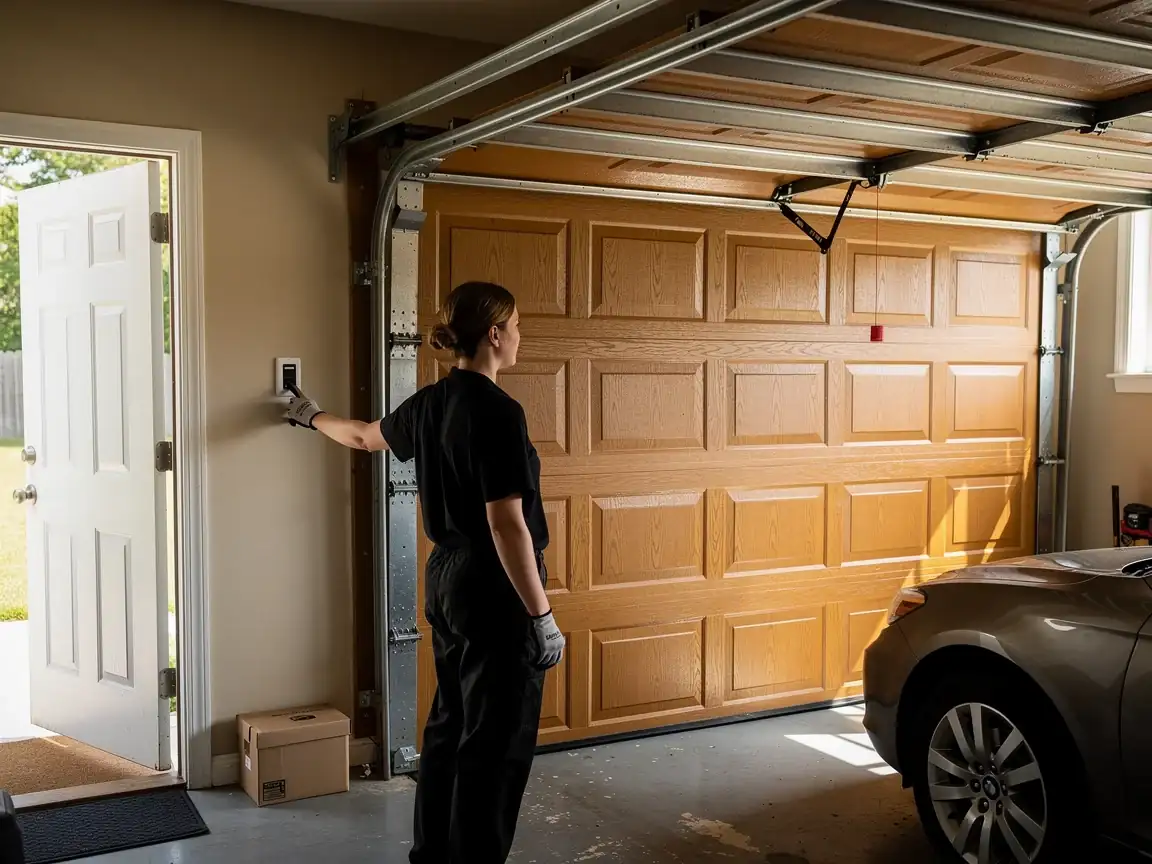
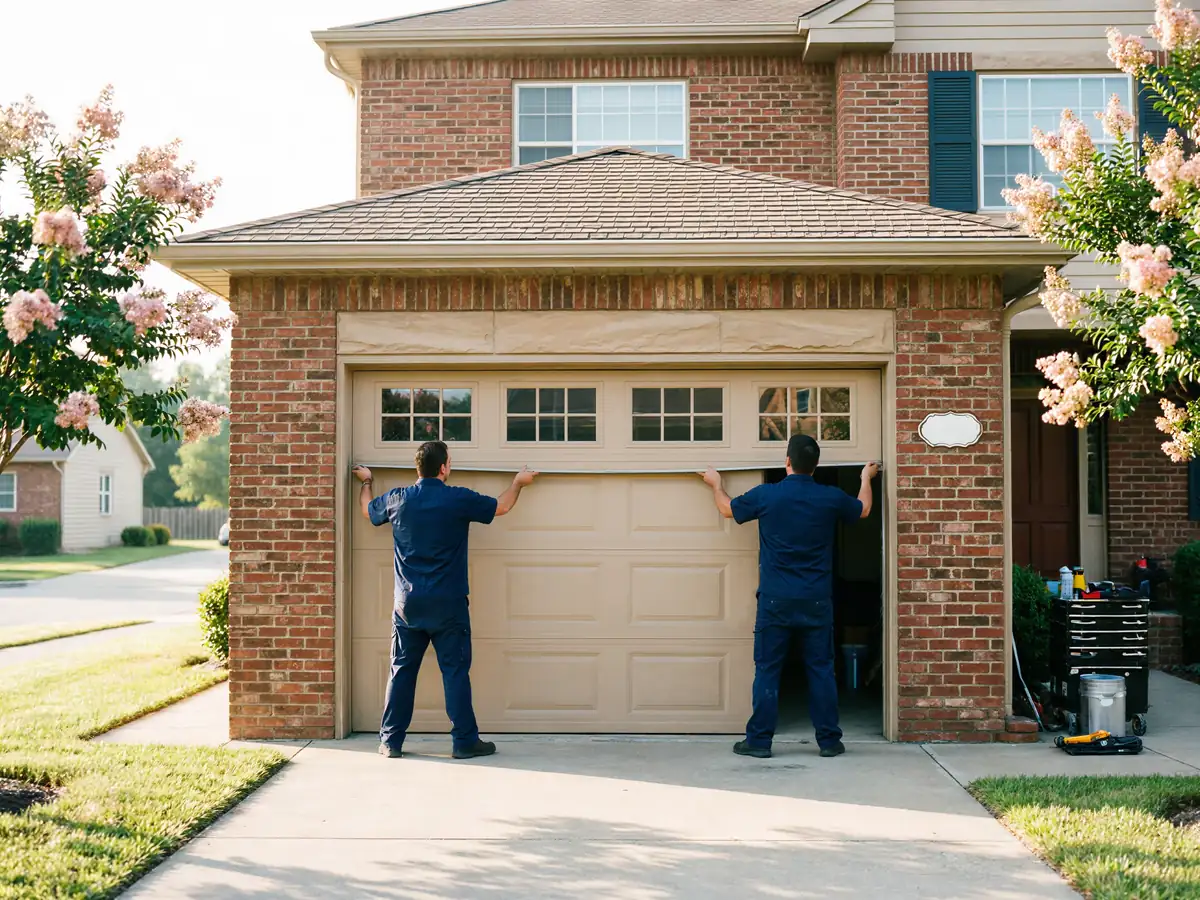
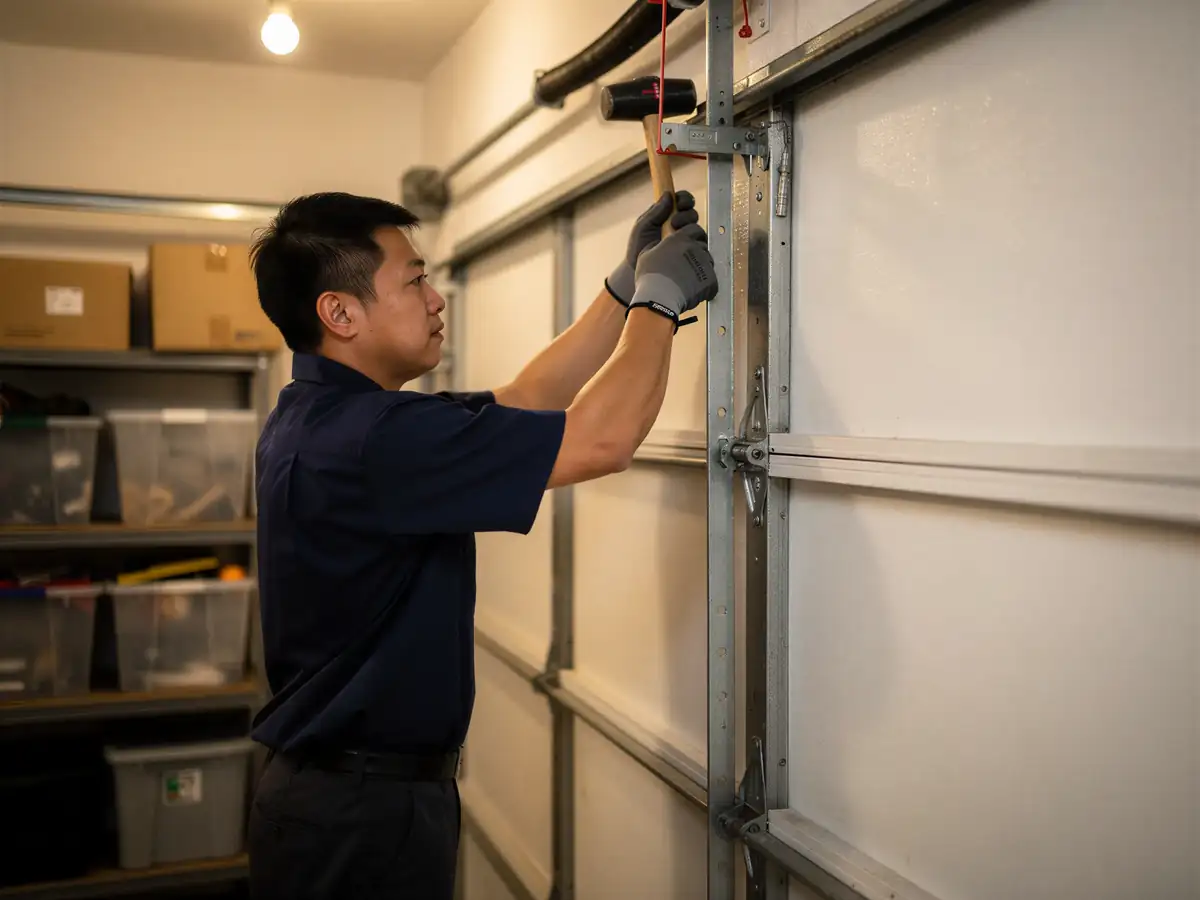
A standard maintenance visit on a Blanchard home runs through spring tension, roller and hinge condition, track alignment, cable wear, opener force and travel limits, and the auto-reverse safety test. On a door from this build era, that's usually a straightforward check with some lubrication and minor adjustment - most of these doors haven't needed major hardware replacement yet, since they're not old enough for the original springs to have failed on cycle count alone. We're coming from Norman, about 19 miles out, so maintenance here gets scheduled rather than handled as a same-day drop-in.
Why This Fails Locally
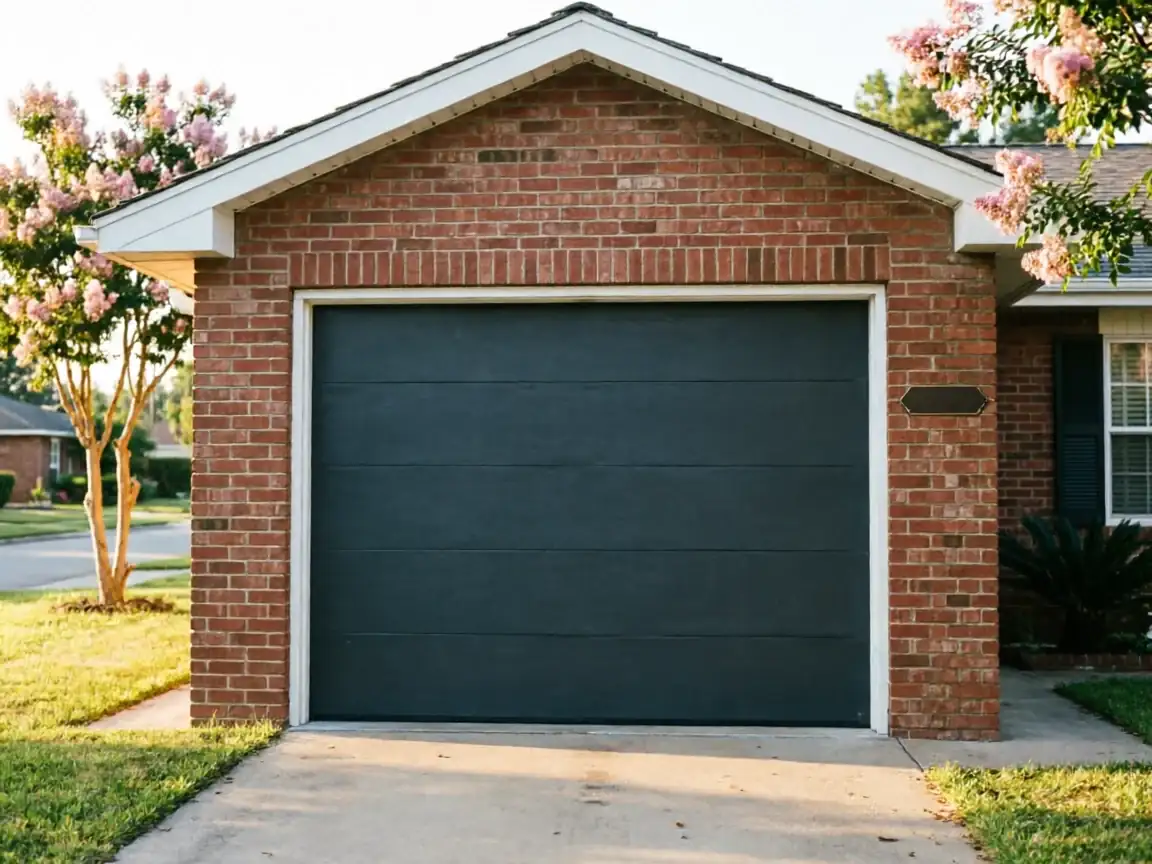
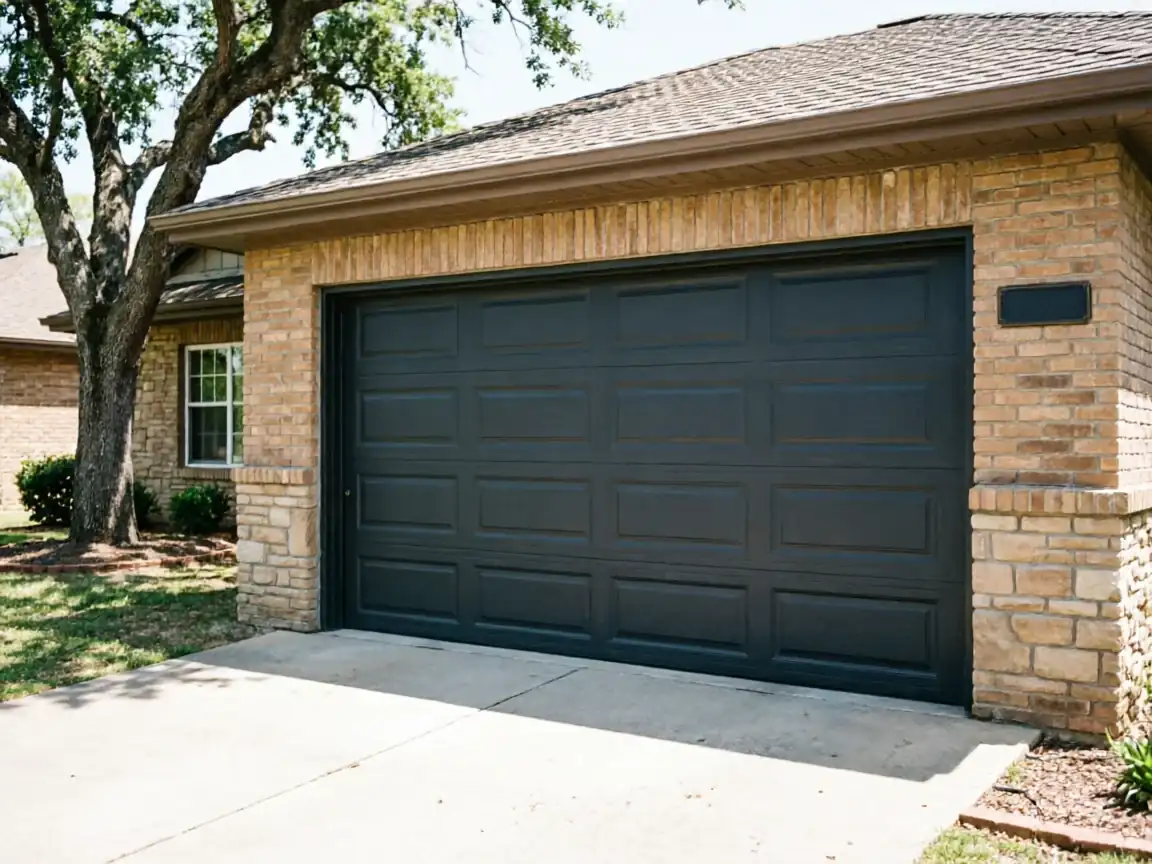
With roughly 3,406 households in Blanchard and a median income near $89,472, a lot of the housing here was built to a similar spec within a tight window - meaning a lot of doors are aging out of their hardware life at roughly the same time. That's different from an older part of the service area where doors have already been replaced once or twice and hardware is mixed. Here, if one torsion spring from a 2001 build is near failure, the one on the house next door, installed by the same builder in the same year, is likely close behind it. Maintenance catches that before it's an emergency replacement.
What Can Go Wrong
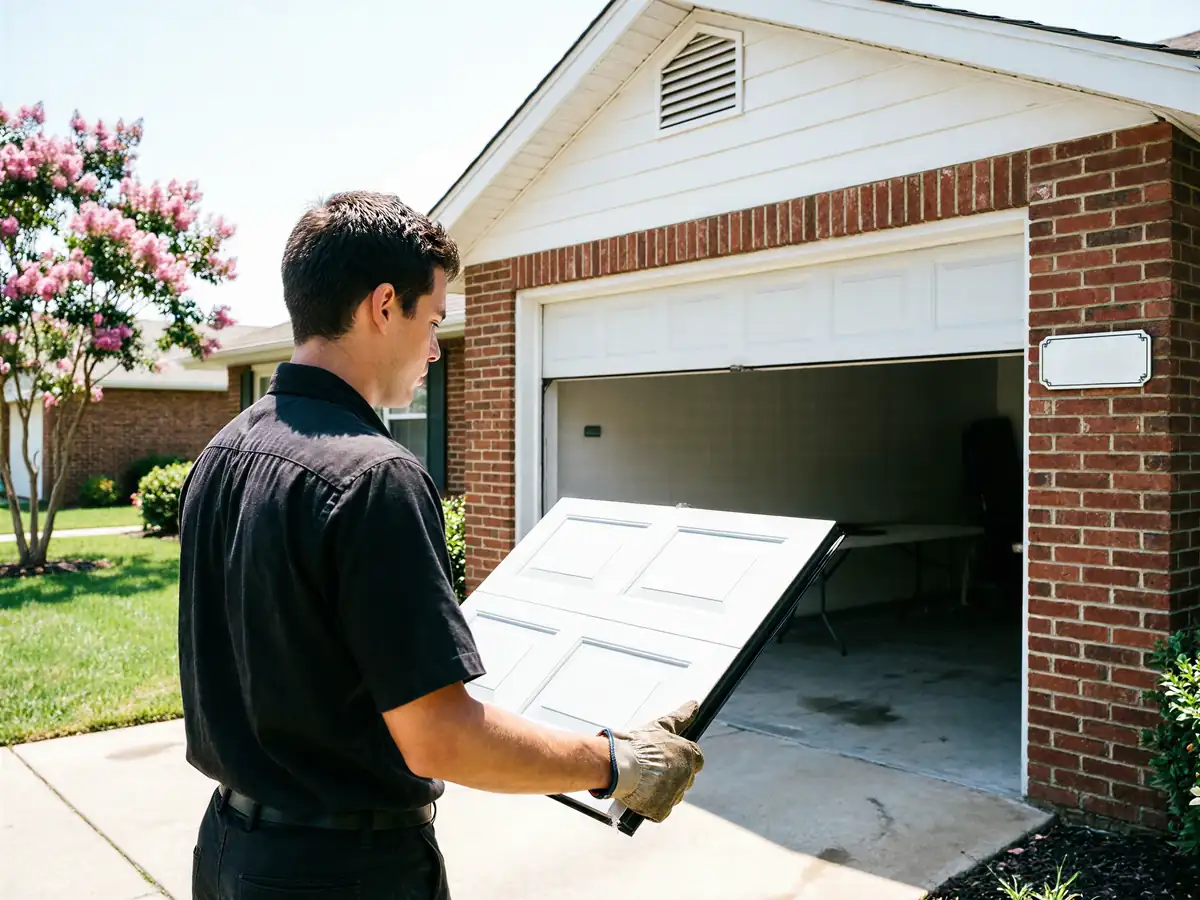
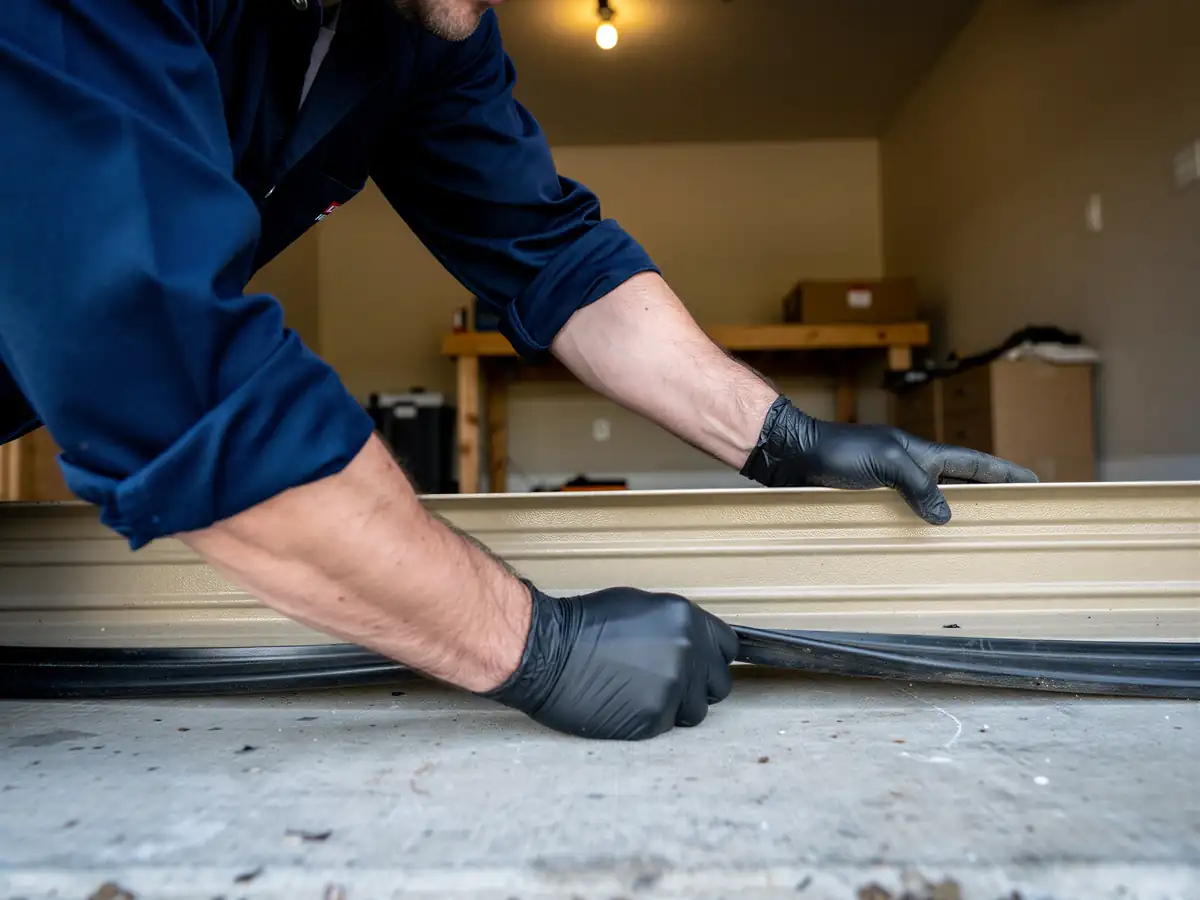
The most common failure we see on doors from this era is a torsion spring that finally reaches its cycle limit - often during a cold snap, since steel contracts and adds load right when the spring is already near the end. Second most common is a cracked or warped bottom panel where moisture collects at track level, especially on doors that haven't been inspected in a few years. Opener drive failures - a stripped gear or a snapped belt - tend to follow, since the openers installed in 2001 are now old enough that the drive components are original and tired. None of these are rare or unusual; they're just what happens to a door built in a specific window of time once it crosses 20 years of regular use without a maintenance check.