How It Shows Up
The install call we get most from Blanchard isn't a cracked panel or a snapped cable
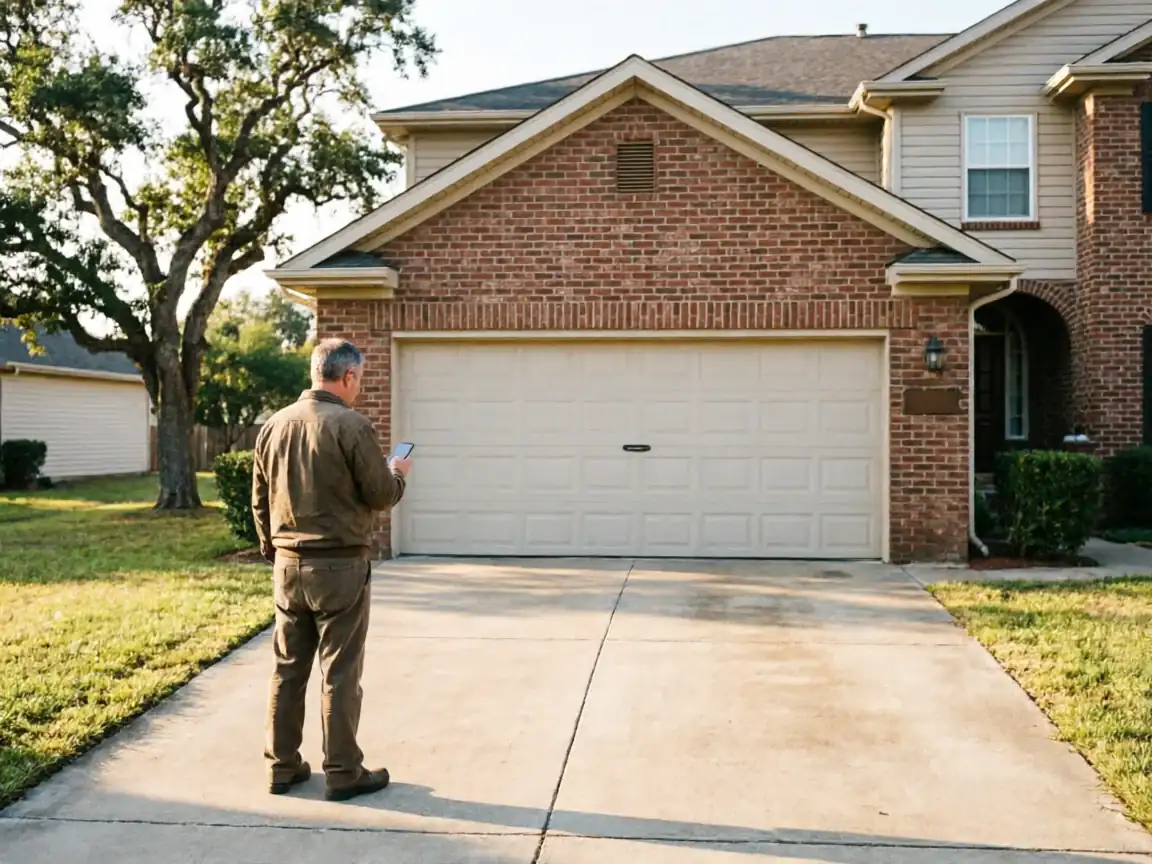
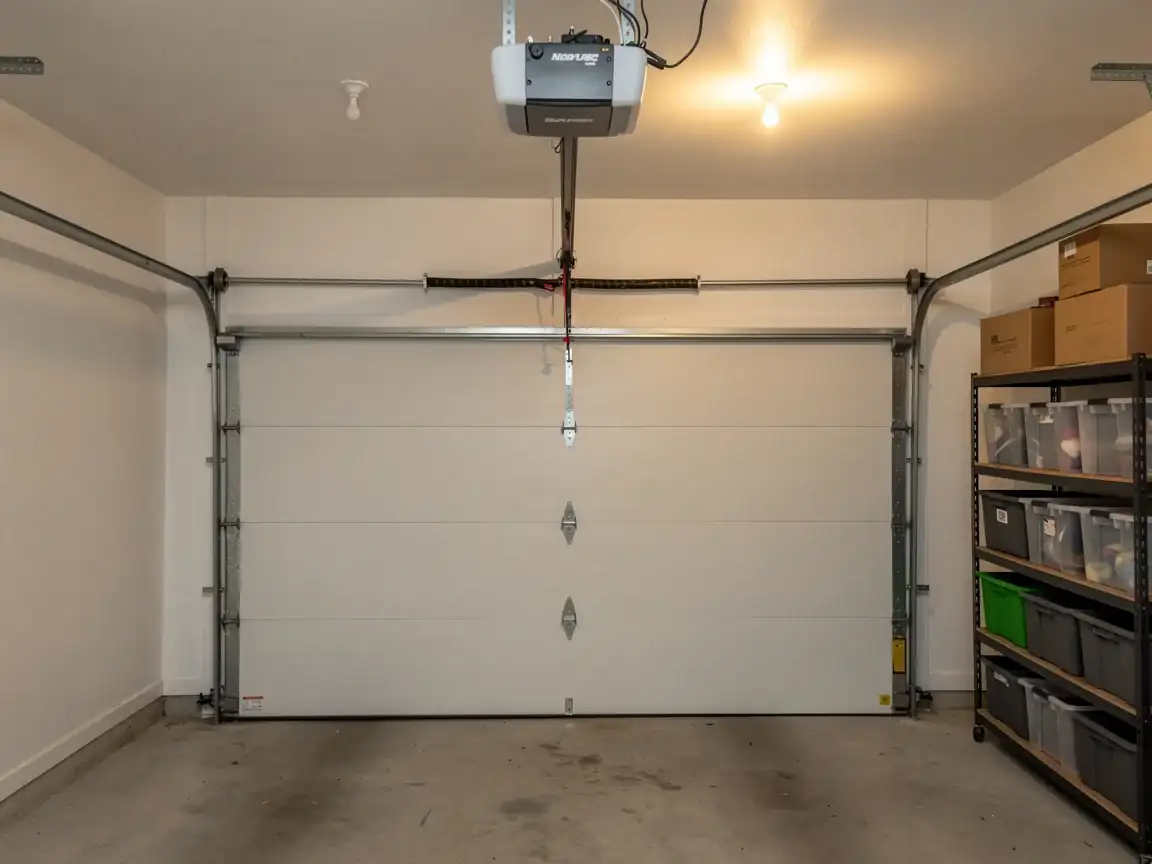
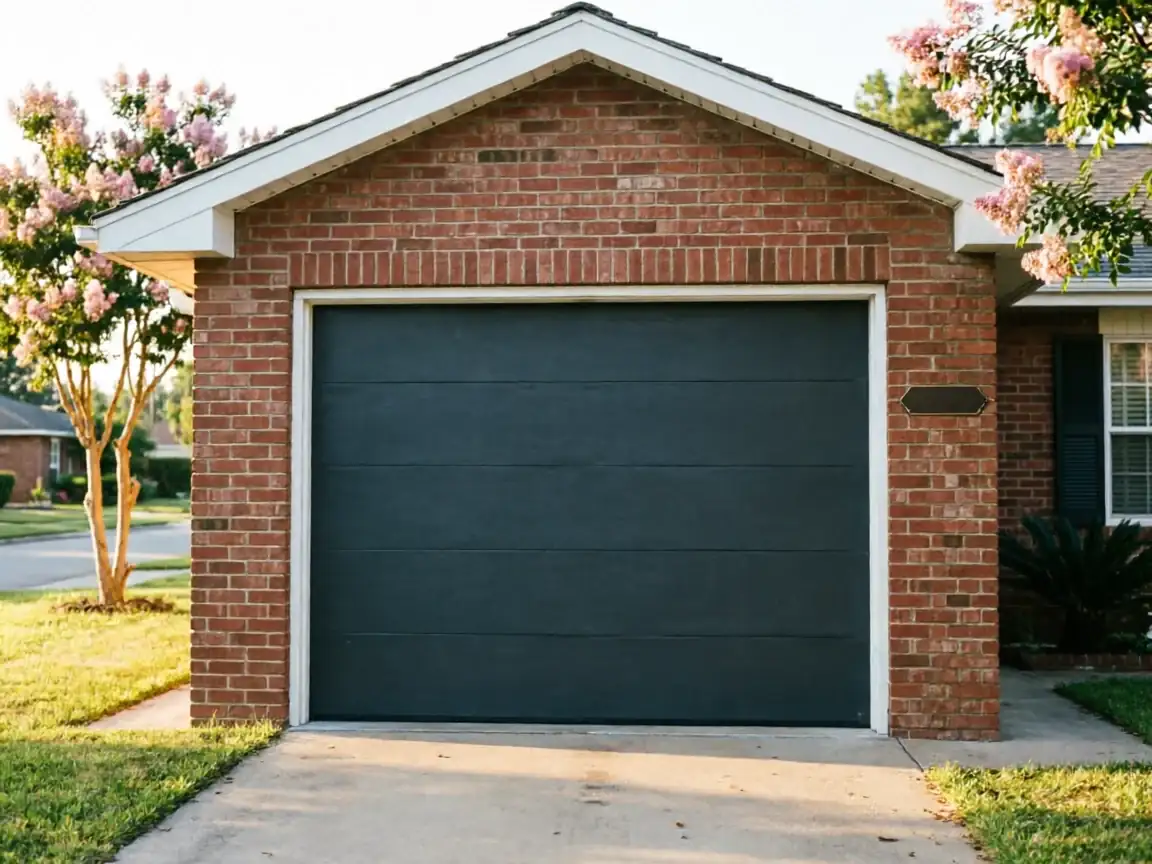
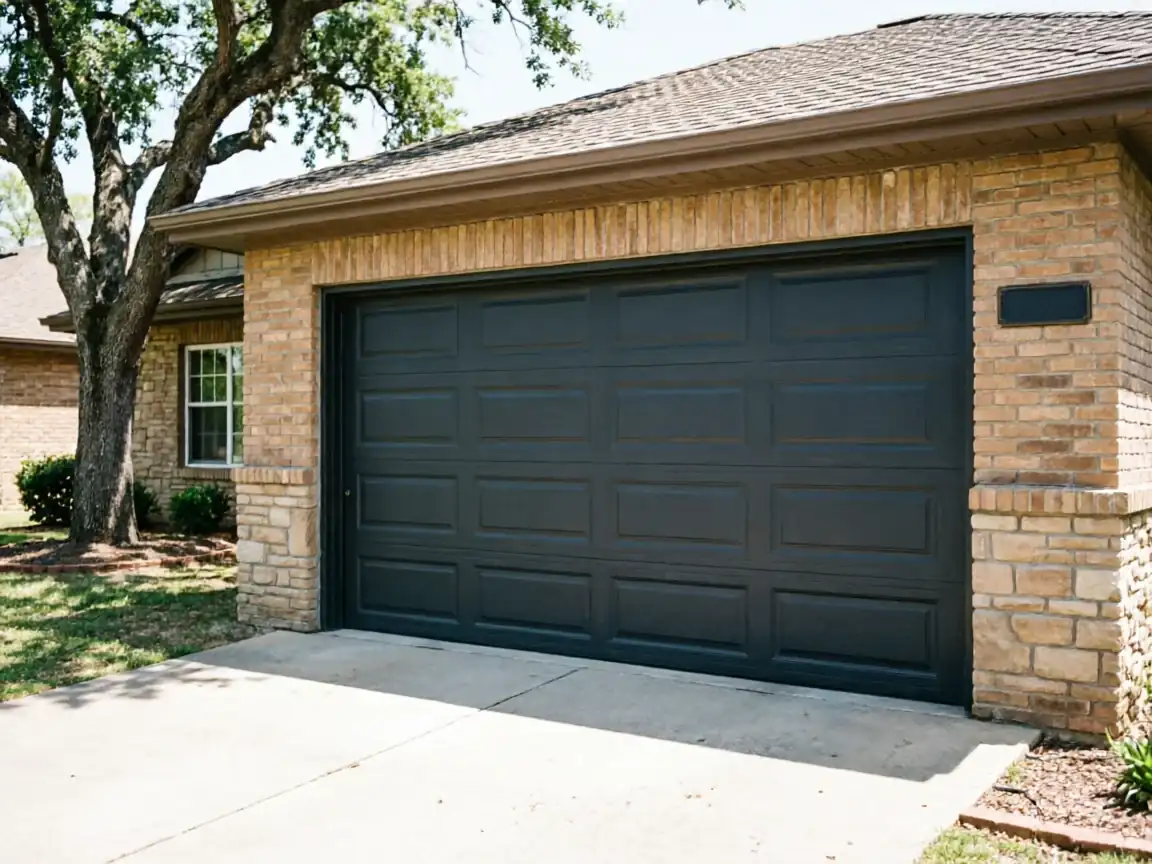
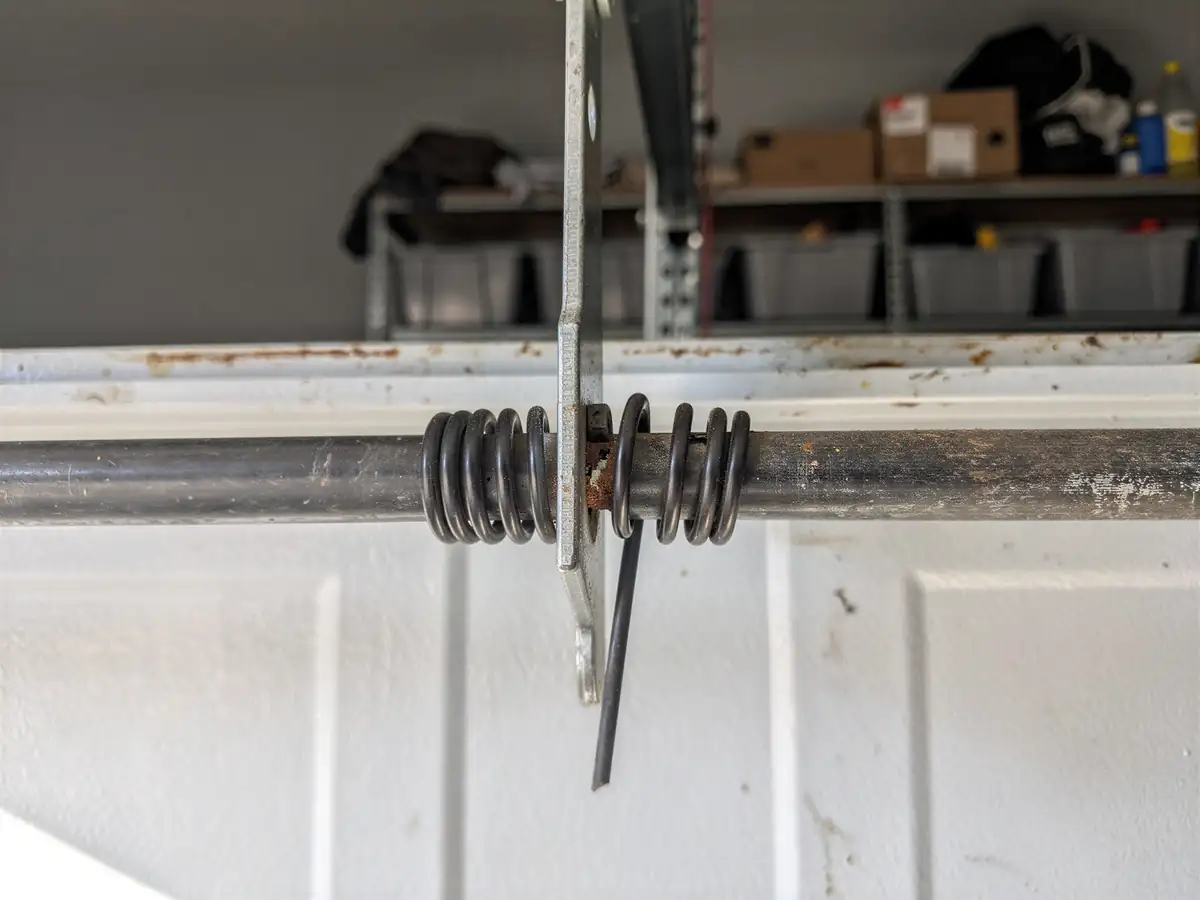
It's a door that went in once, during construction, and has never been upgraded since. The median house in this part of town was built around 2001, which puts most garages at roughly two decades old now. That's old enough for the original torsion spring to be near the end of its cycle count and for the opener's gear kit to be worn thin, but the door itself usually still looks fine from the driveway.
That gap between "looks fine" and "is fine" is where new-install calls start
An owner notices the opener straining or the door sagging slightly at the bottom corner, assumes it's a repair, and finds out the builder-grade door and hardware from 2001 just aren't worth chasing anymore. We see this pattern across the newer-built pockets of the service area more than we do in the older 1960s and 70s sections, where the fixes tend to be smaller and cheaper.
Doing It Yourself
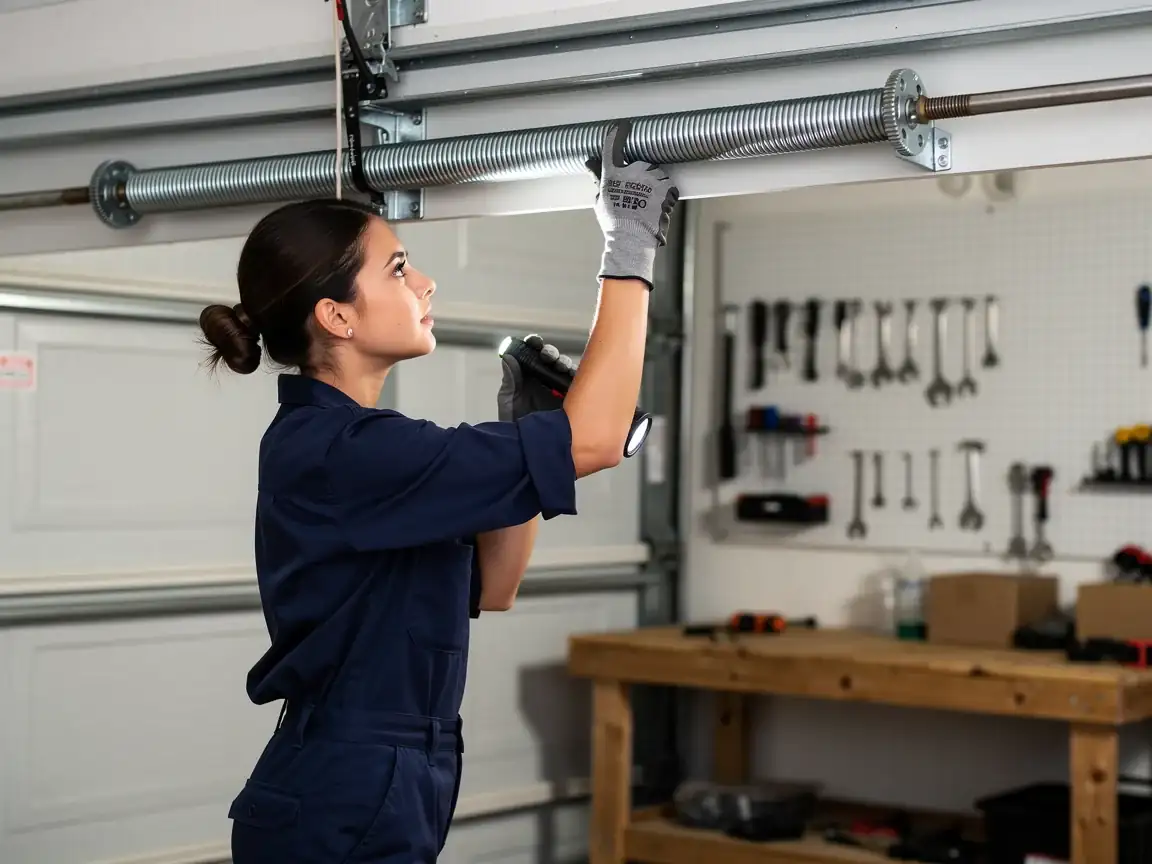
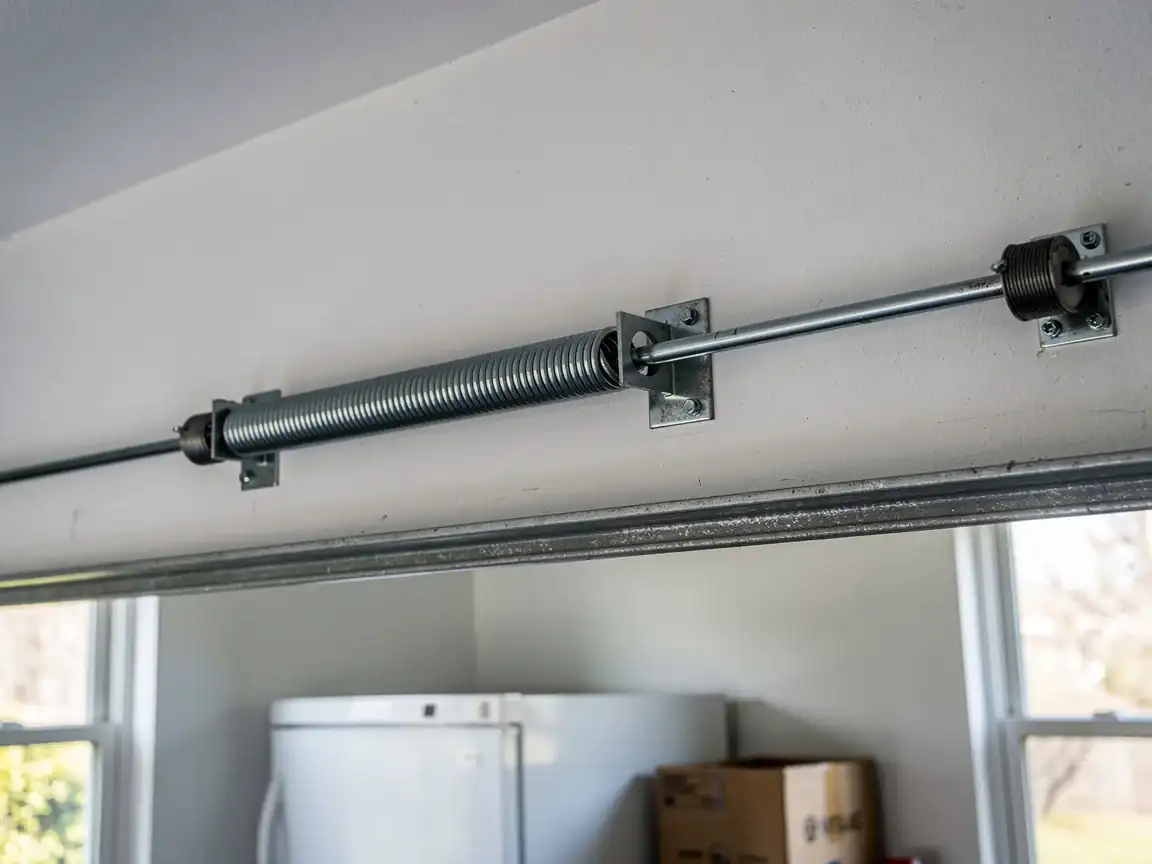
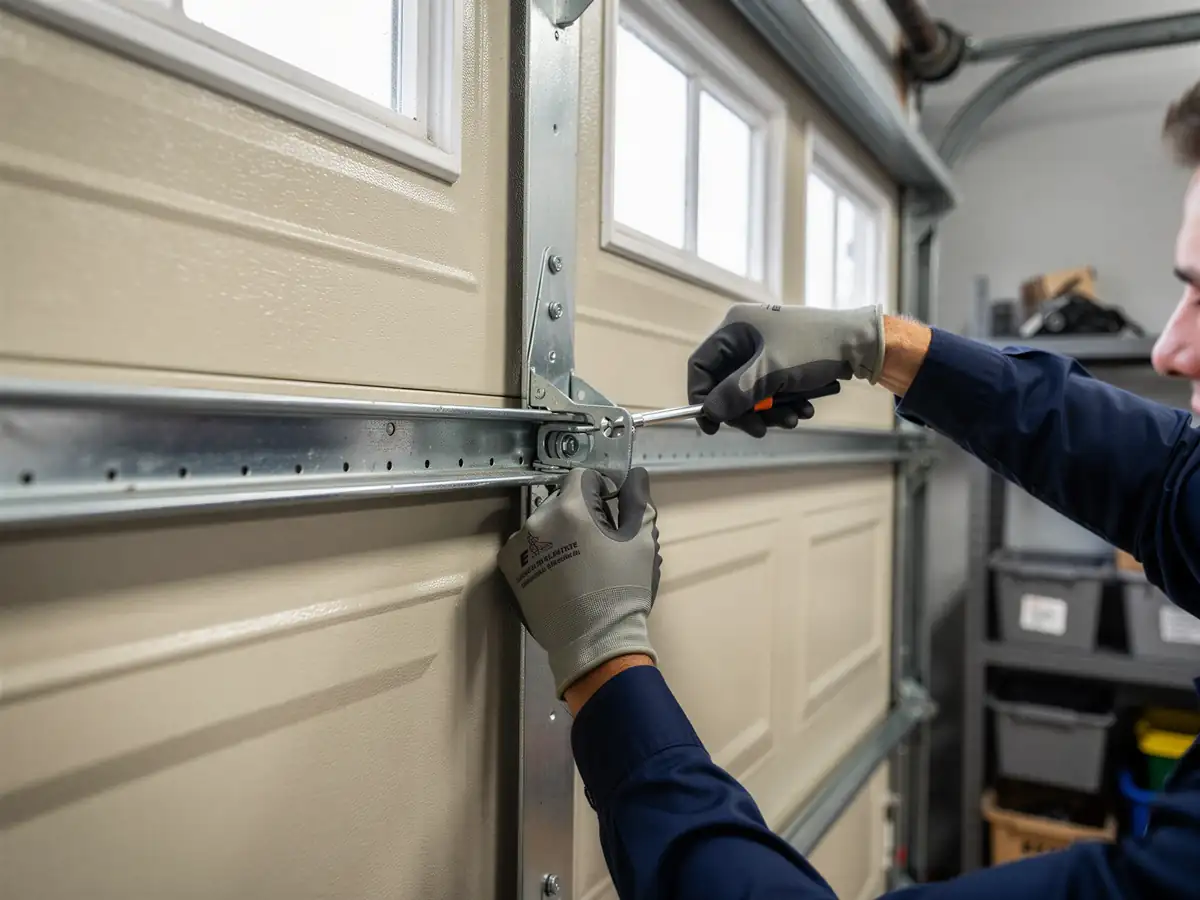
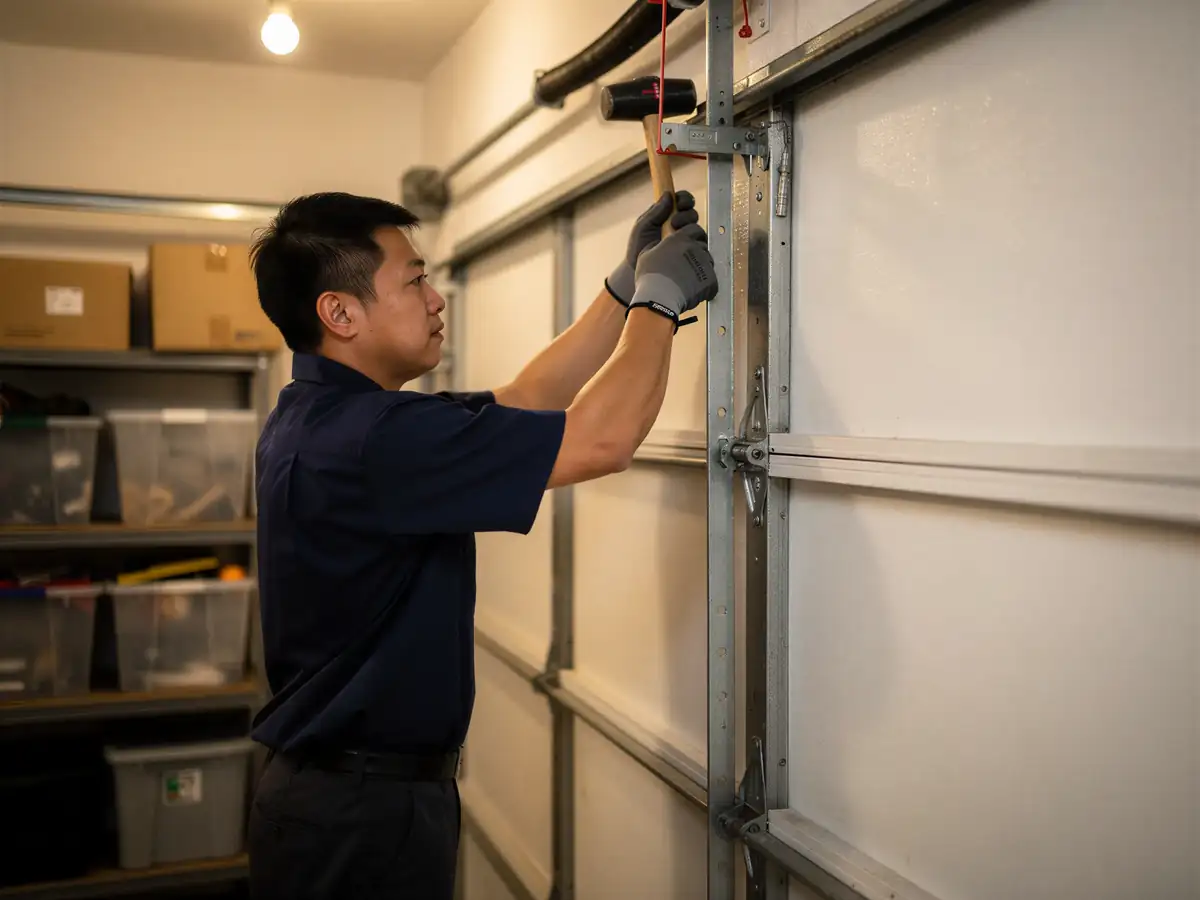
A new door install isn't a weekend bolt-on job, and we'll say that plainly. Setting torsion spring tension for a door sized and weighted for a 2000s-era garage opening, squaring new track to an existing jamb, and wiring a modern opener into an older electrical run are three separate ways to get hurt or wreck the door before it's even hung.
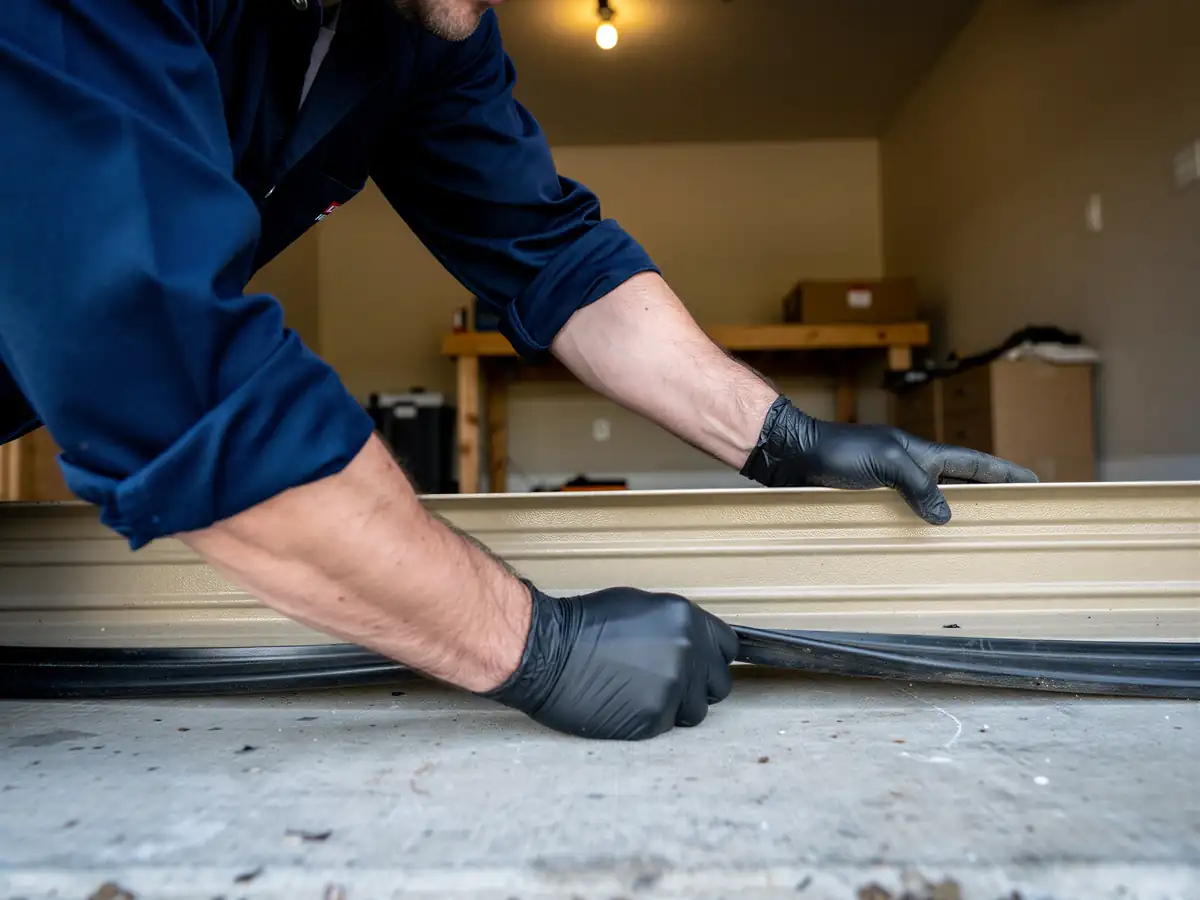
Where DIY does make sense: swapping weatherstripping, lubricating rollers, or replacing a keypad. Those are low-risk and don't touch spring tension. Where it doesn't: anything involving the torsion bar, the cable drums, or removing the old door before the new one is staged and supported. If your current door still tracks straight and the opener still lifts it without strain, you may not need a new install at all - that's worth saying honestly before anyone spends money.
Time on the Job
Because we run this job out of Norman, about 19 miles from Blanchard, scheduling the install means planning the trip as one block: template measurement, door and track delivery, and the swap itself, usually sequenced so we're not making separate runs for each step. That distance is short enough that it doesn't add a surcharge conversation, but it does mean we plan the day around traffic on the route rather than assuming a same-morning callback.
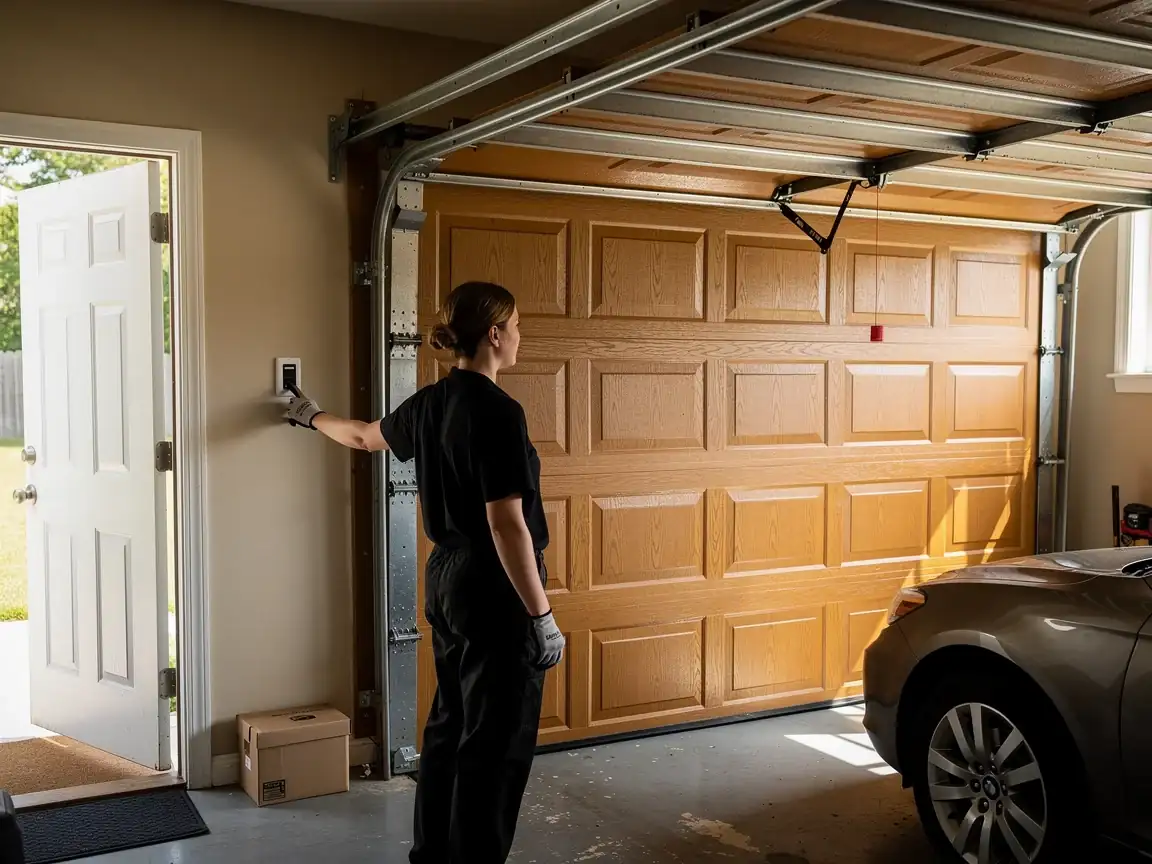
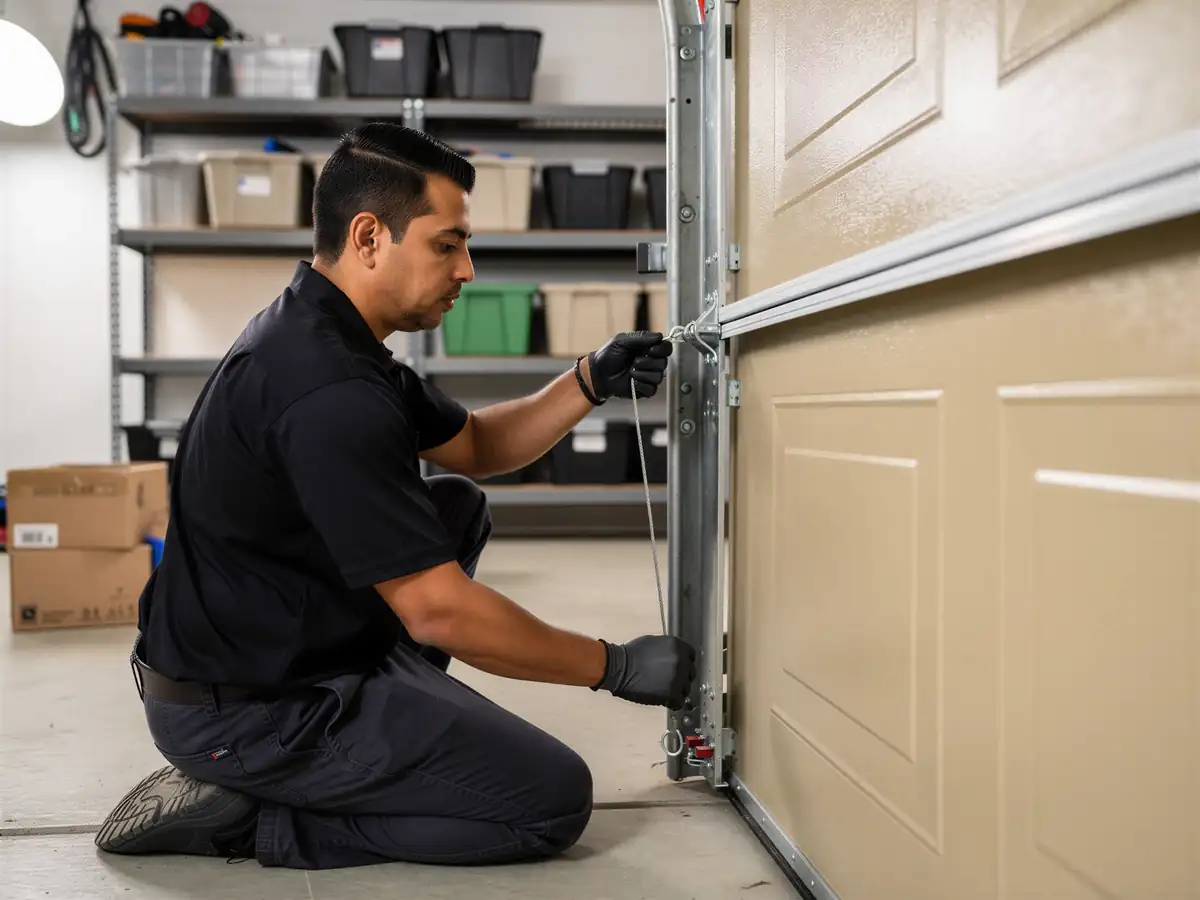
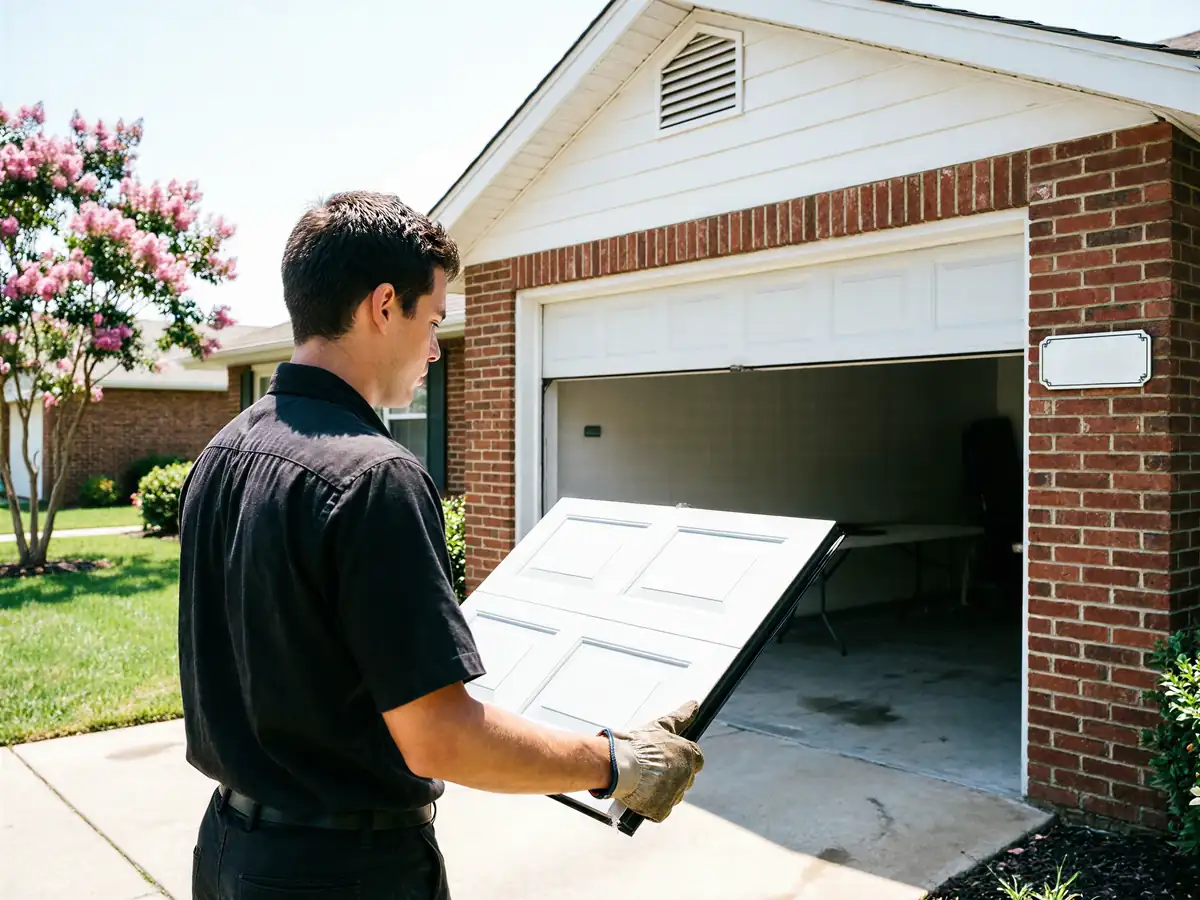
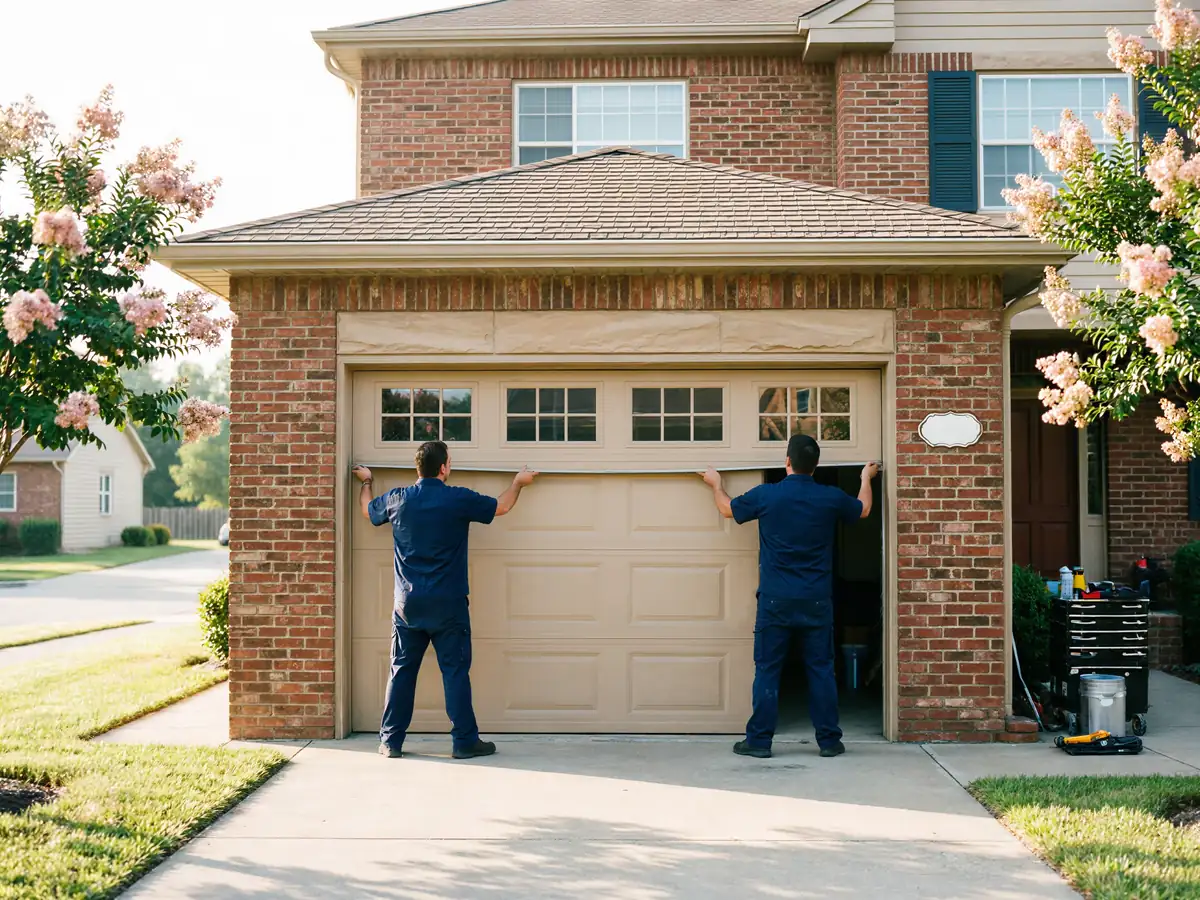
Once we're on site, the actual swap - old door and track out, new door, track, and springs set and balanced, opener reconnected and tested - takes most of a working day for a standard double garage. Custom sizes or anything beyond a standard two-car opening can run longer, and we'll tell you that up front rather than after the fact.
Parts We Carry
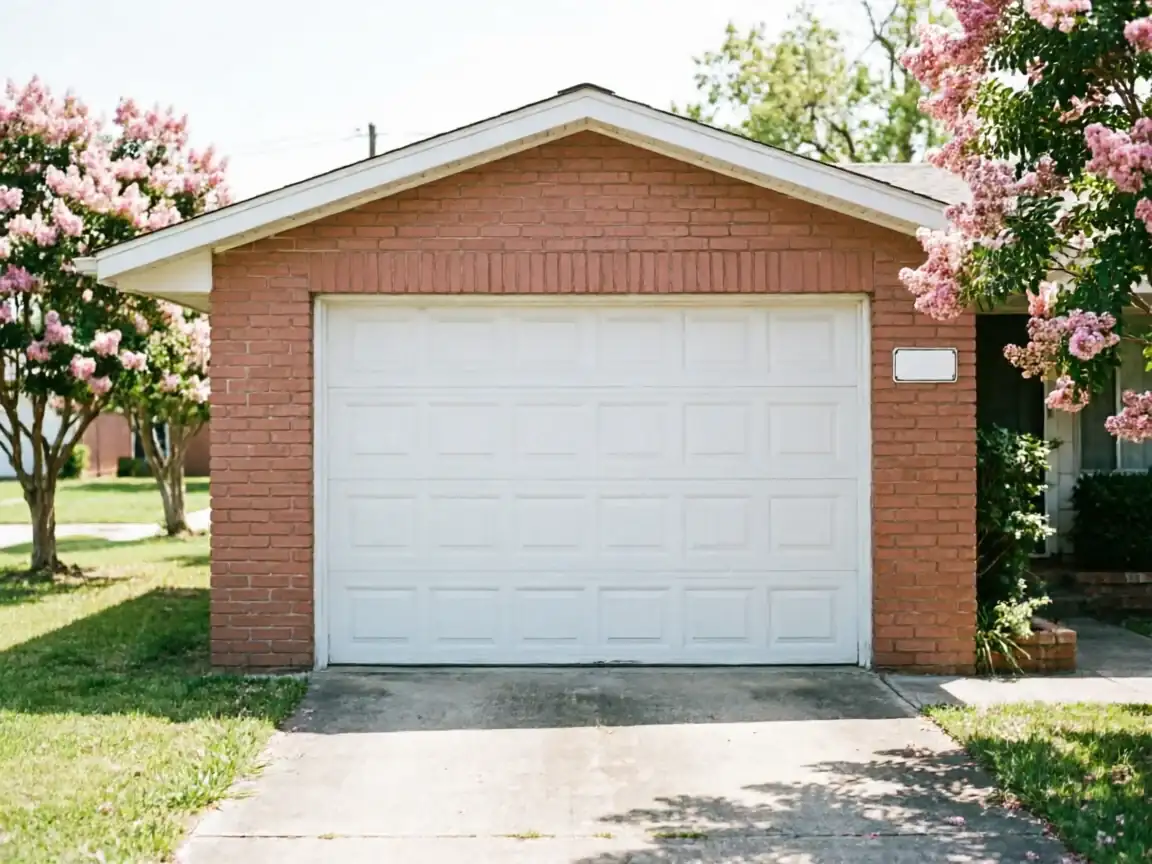
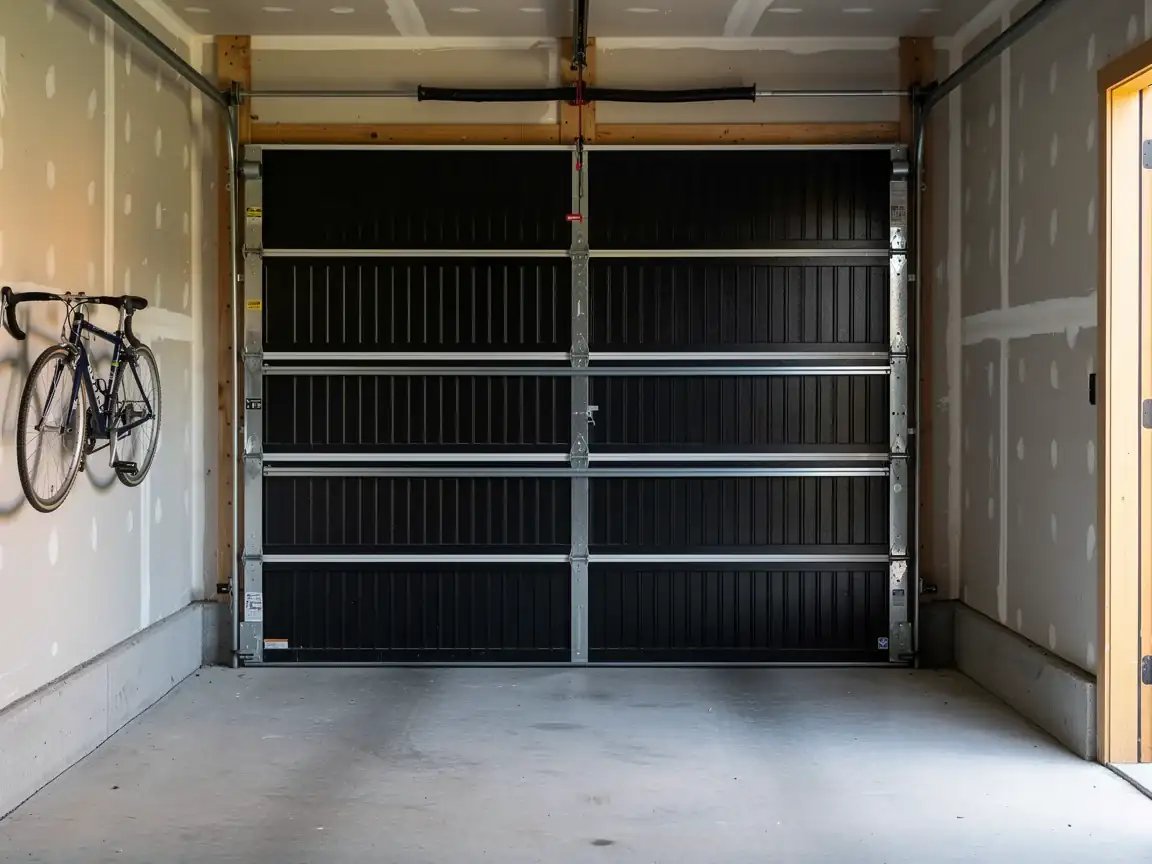
For Blanchard's housing stock, the door that makes sense most often is a steel sectional panel sized for the wider two-car openings common in 2000s-era construction
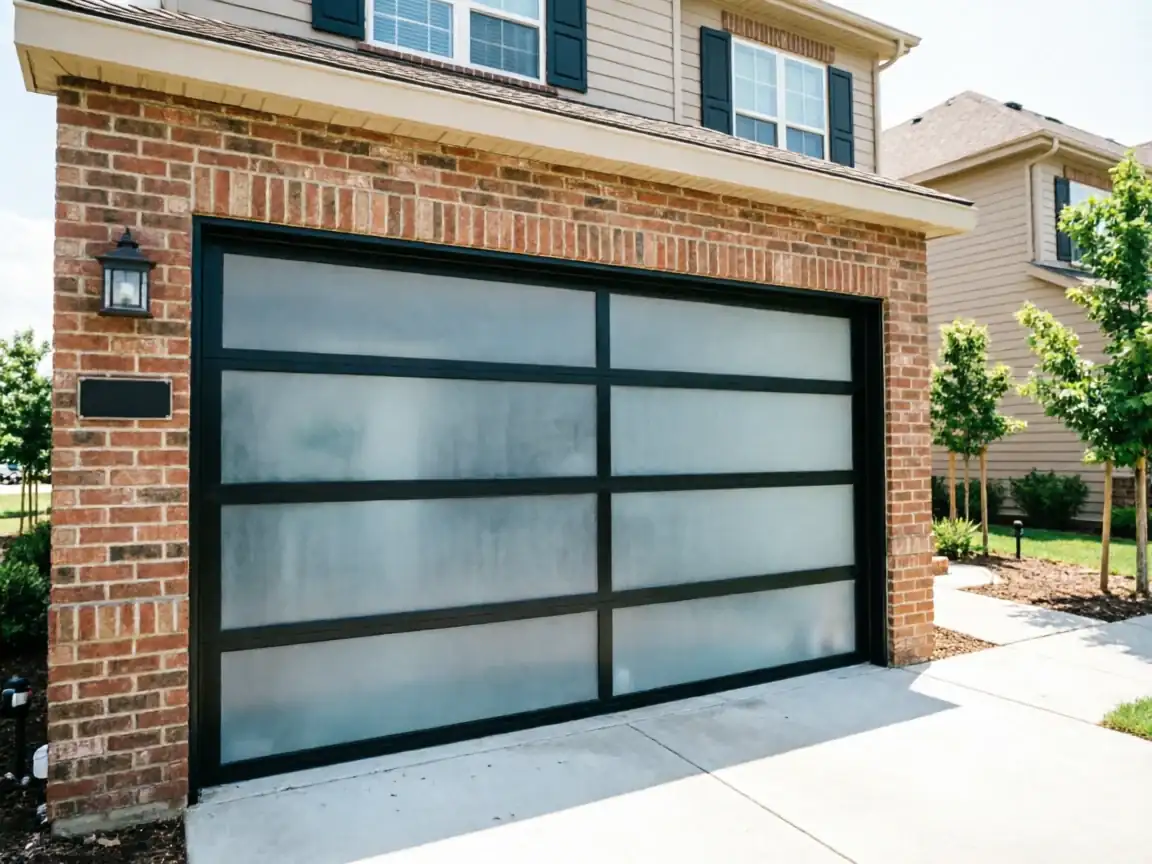
With a torsion spring system rated for that door's actual weight rather than a universal one. Given the cold-moderate climate band this area sits in, we lean toward insulated cores - polyurethane rather than the bare single-skin steel that shipped as standard on a lot of builder-grade doors from that era.
We carry openers with battery backup for winter outages and standard galvanized track and hardware sized to the heavier insulated panels
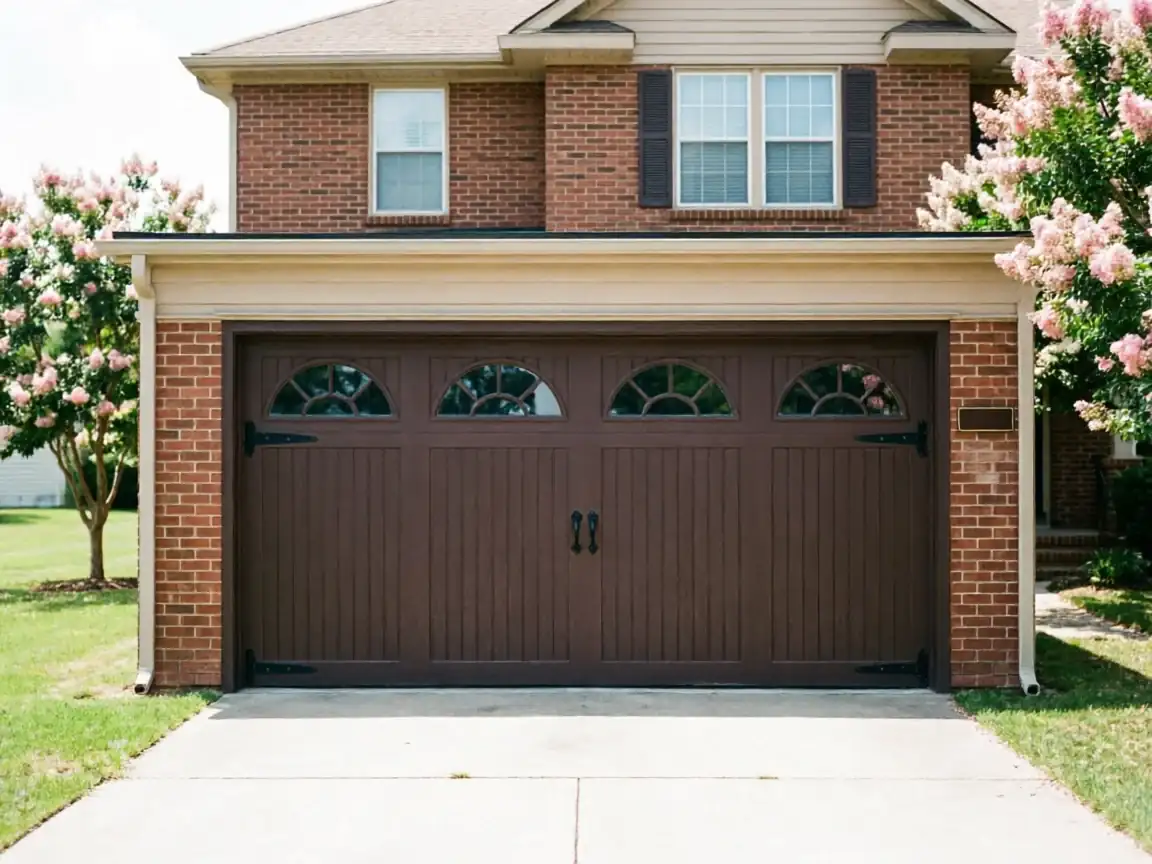
What we don't stock is anything custom-milled - carriage-house wood doors or non-standard widths get special-ordered, and that adds lead time we can't shorten. If your opening is a standard size, that's not an issue; if it's not, it's worth knowing before you set your heart on an install date.
Why This Fails Locally
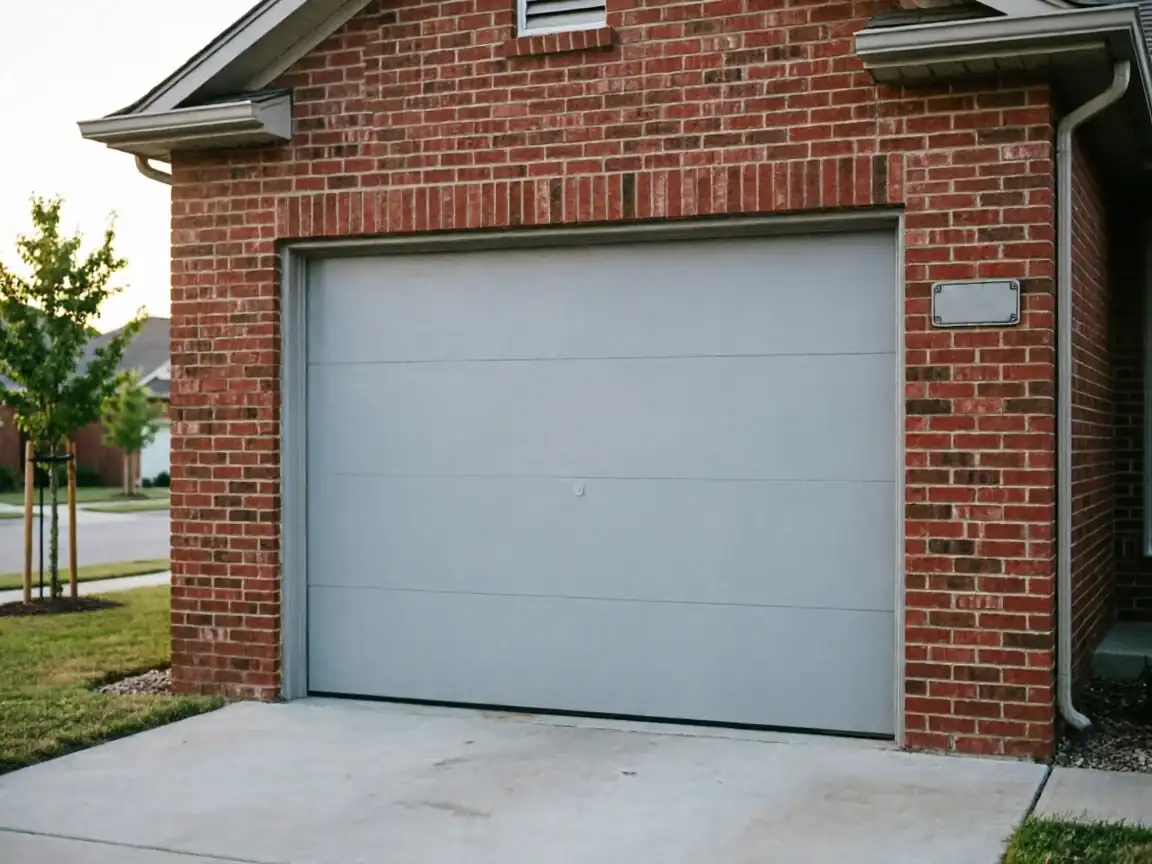
At a median household income of $89,472, more Blanchard owners are asking for insulated steel doors with a full polyurethane core instead of the single-layer panel that shipped standard when these garages were built around 2001. That's a reasonable upgrade - the original builder-grade door was priced to move houses, not to hold up for twenty winters.
The failure point is matching new hardware to an old opening. A heavier insulated door needs a spring rated for its actual weight, not the lighter spring that came with the original builder door. Install the wrong spring size on a heavier door and you get a door that's hard to lift by hand and an opener straining every cycle - which just moves the next service call closer instead of solving anything.
What Can Go Wrong
The most common mismatch we find on new installs here is a heavier insulated replacement door going up on the original torsion spring and track hardware, because that hardware still looks serviceable. It usually isn't rated for the new door's weight, and the symptoms - slow close, opener grinding, door drifting off-level - show up within months, not years.
With roughly 3,406 households in Blanchard, there isn't the volume of pre-1980 housing stock that drives a lot of our spring-replacement calls elsewhere in the service area, so the failure mode here skews toward mismatched upgrades rather than age-worn originals. The other thing that goes wrong: owners assume a new opener fixes a door that's actually out of track alignment. It doesn't - the opener just works harder until it fails too.