What We Do Not Do
We don't do emergency same-hour response in Pink - the drive alone rules that out most days, and we won't promise a window we can't hit. We also don't replace a torsion spring system with a cheap extension-spring retrofit just because it's faster; on the 1990s door sizes common out here, that swap undersizes the lift and wears the opener early. And we don't try to repair a door that's cracked through a seam on a panel - once a steel or composite panel splits at the stress point, patching it is wasted labor and you're back to us in a year asking for the same fix, done right the second time.
How That Shows Up in the Door
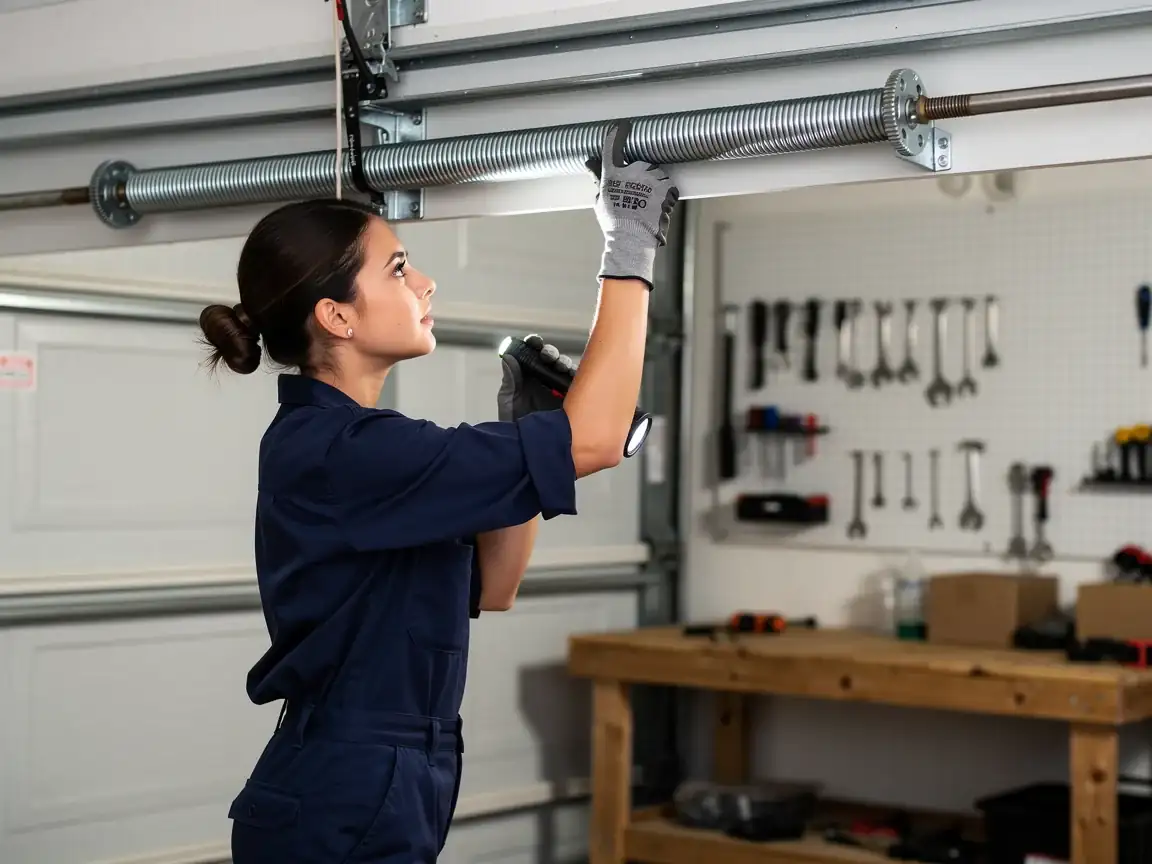
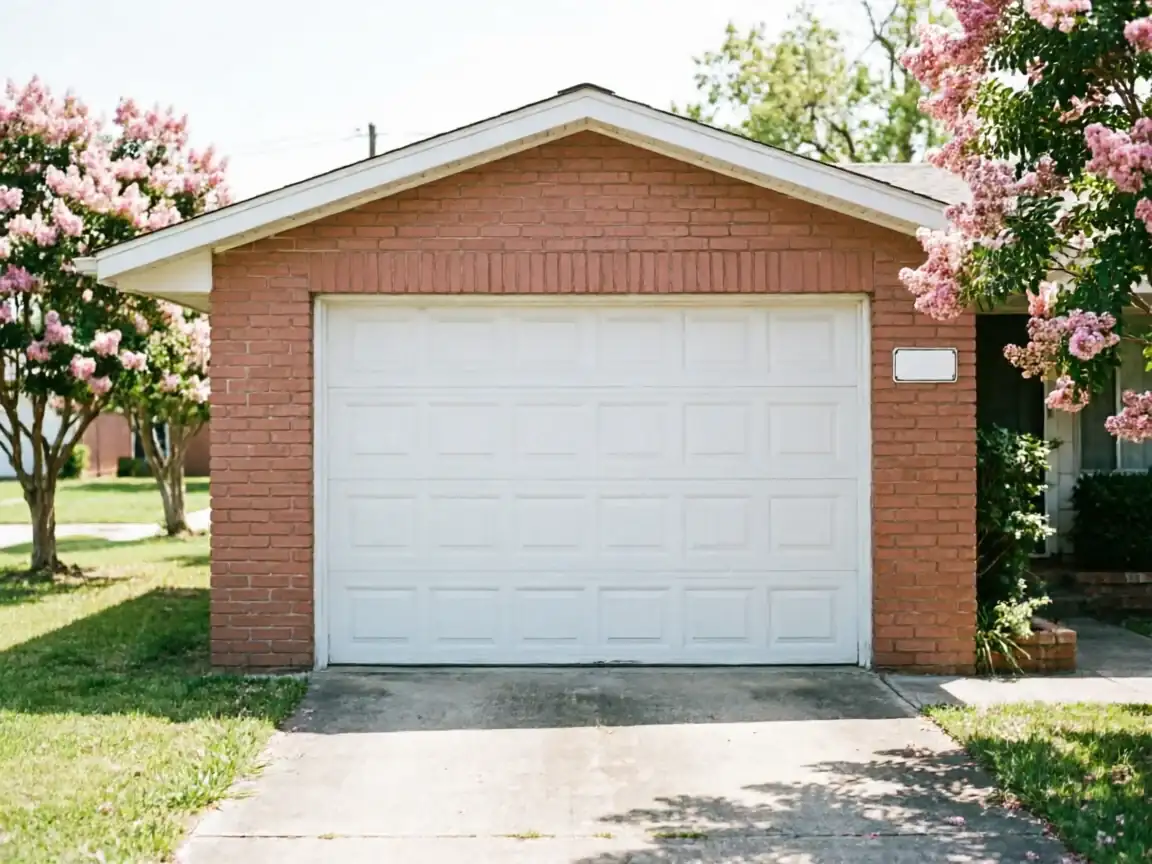
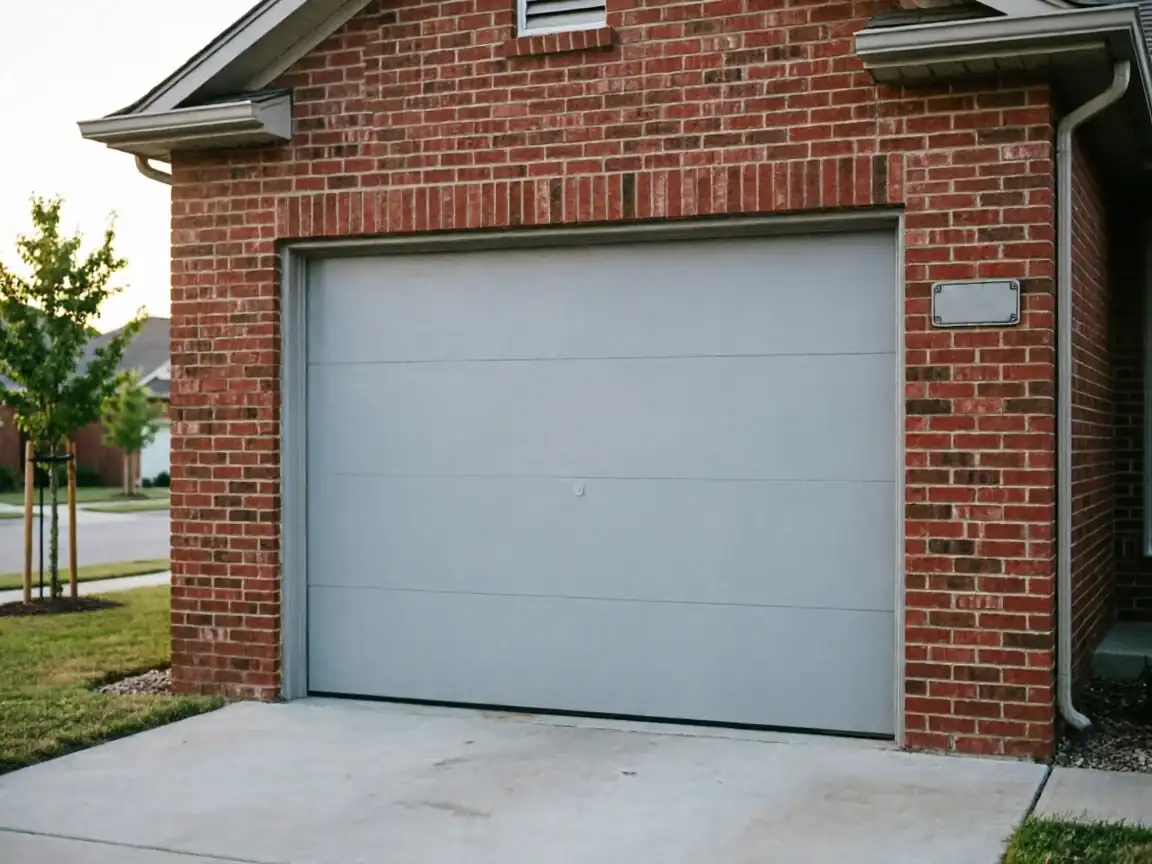
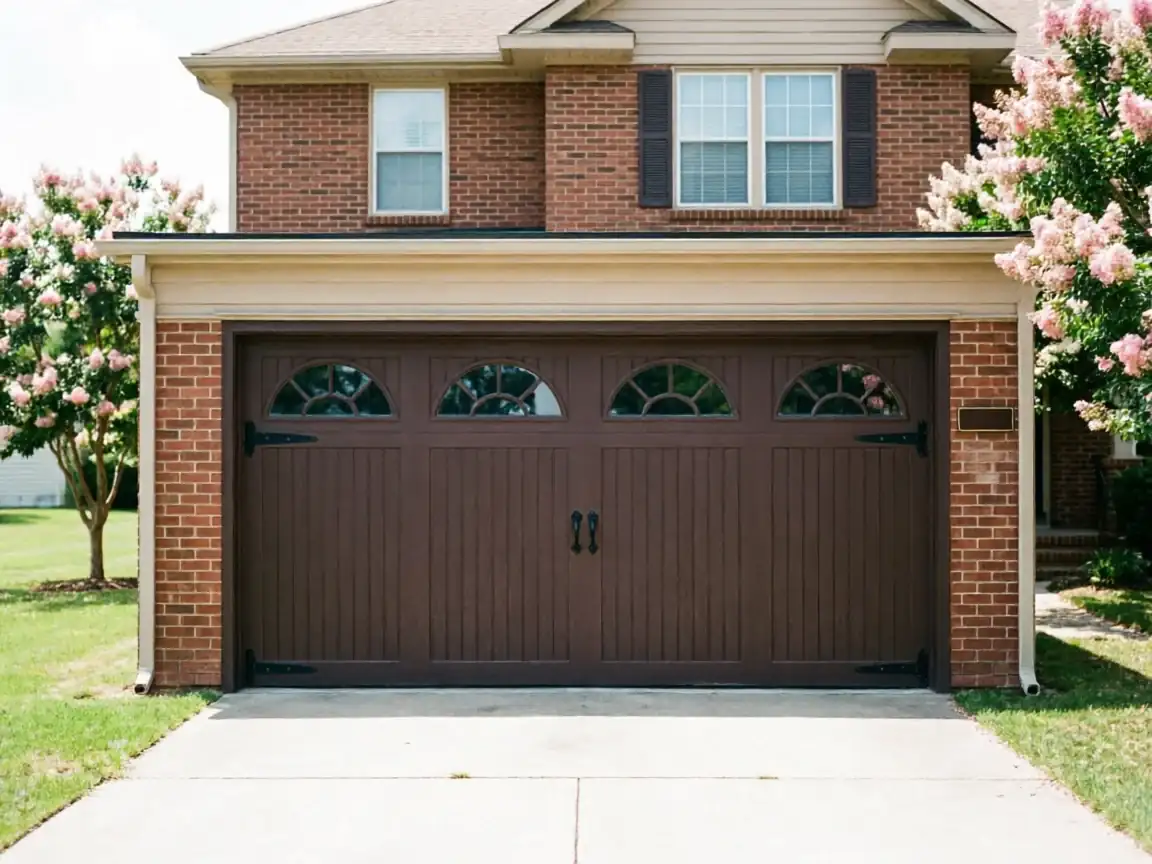
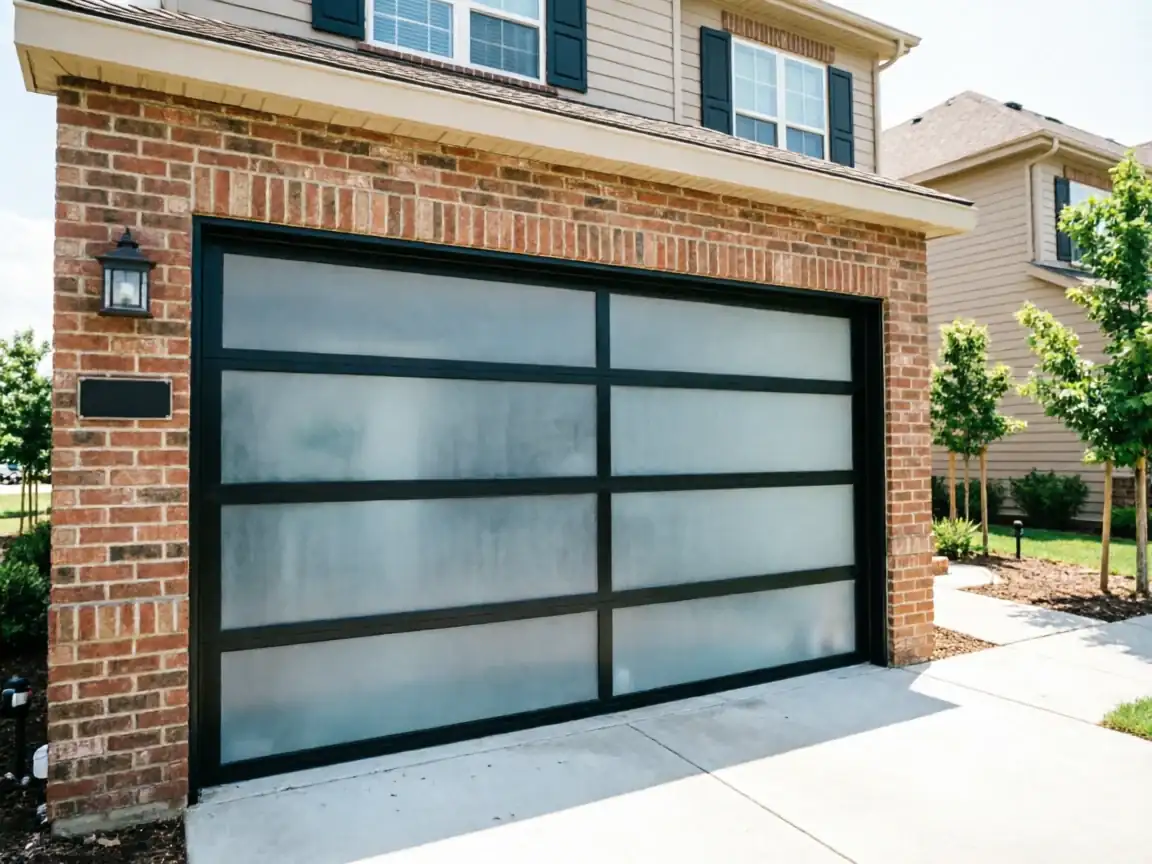
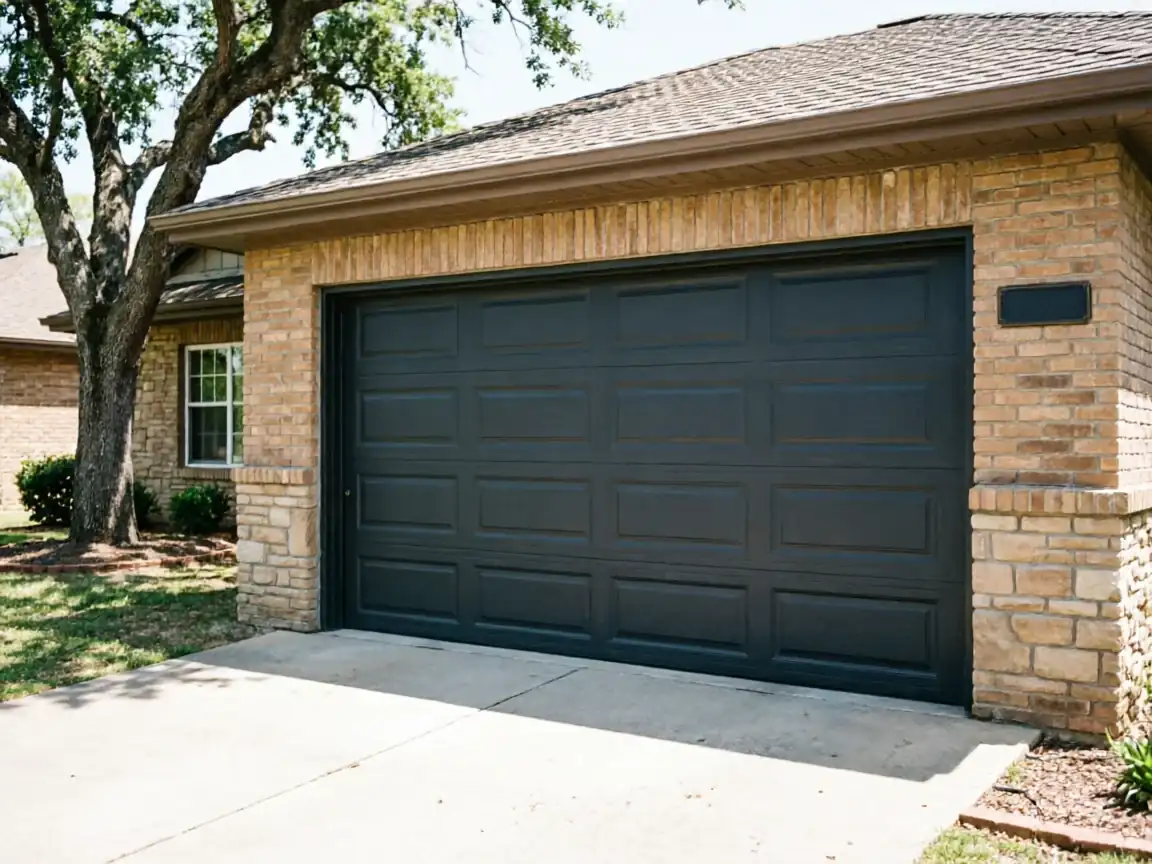
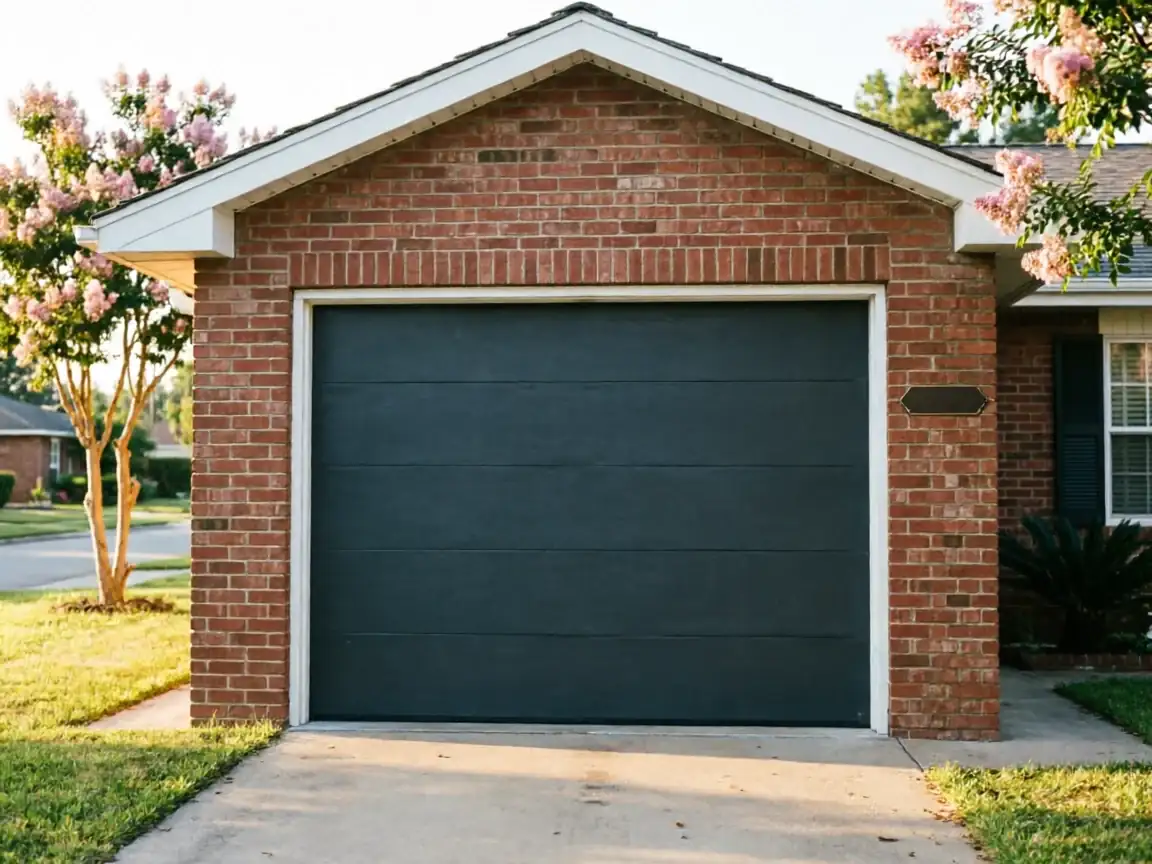
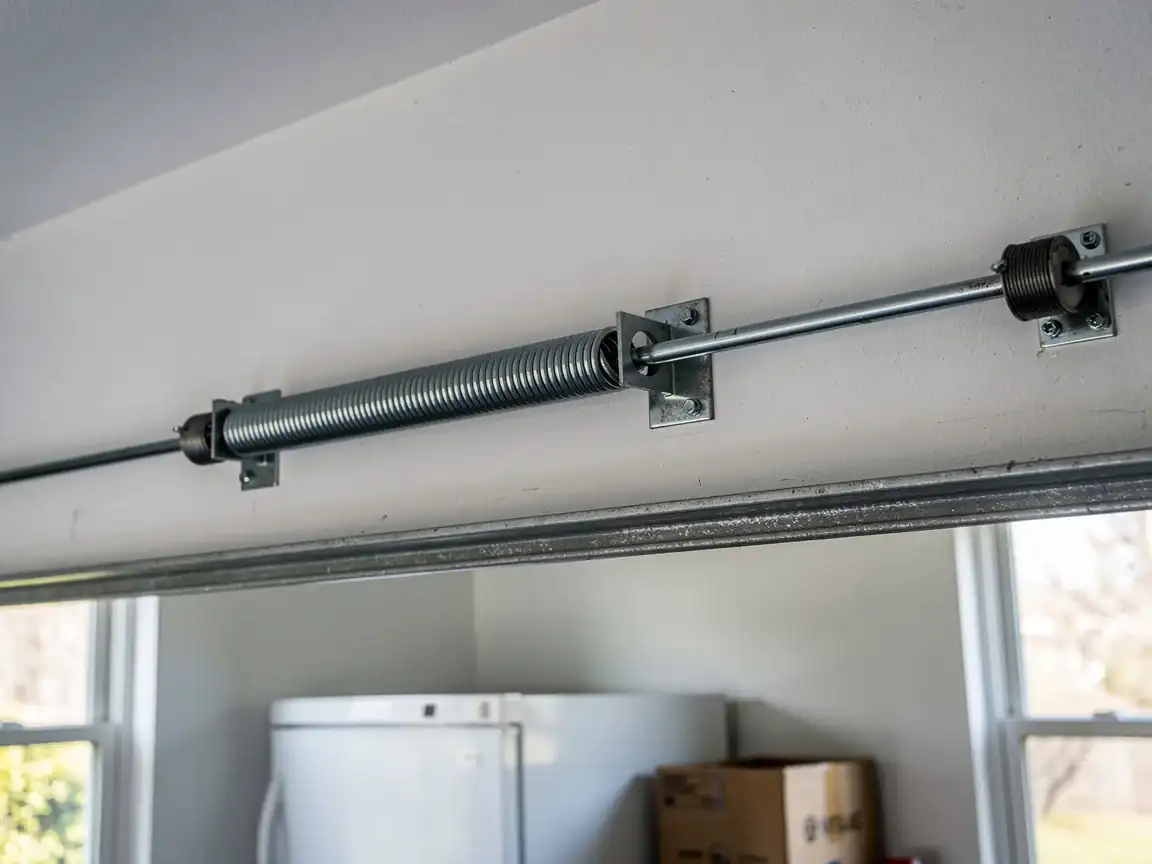
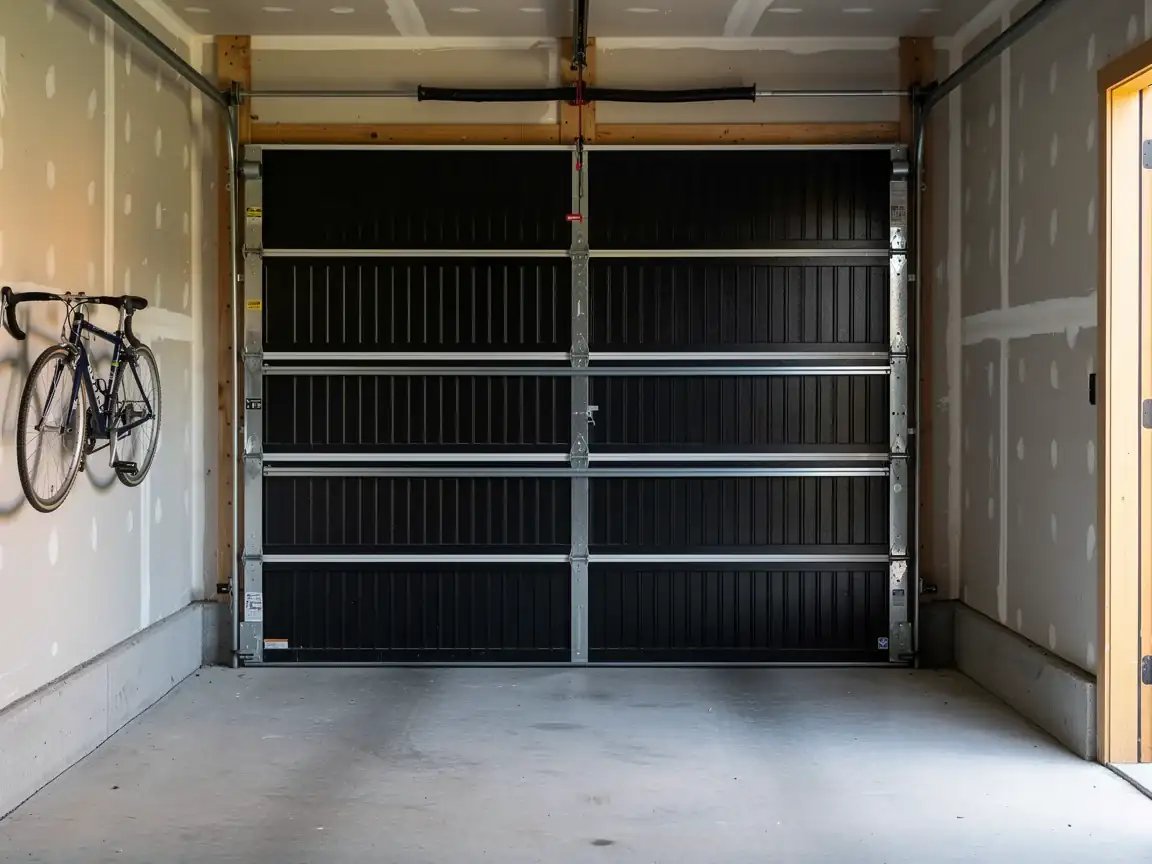
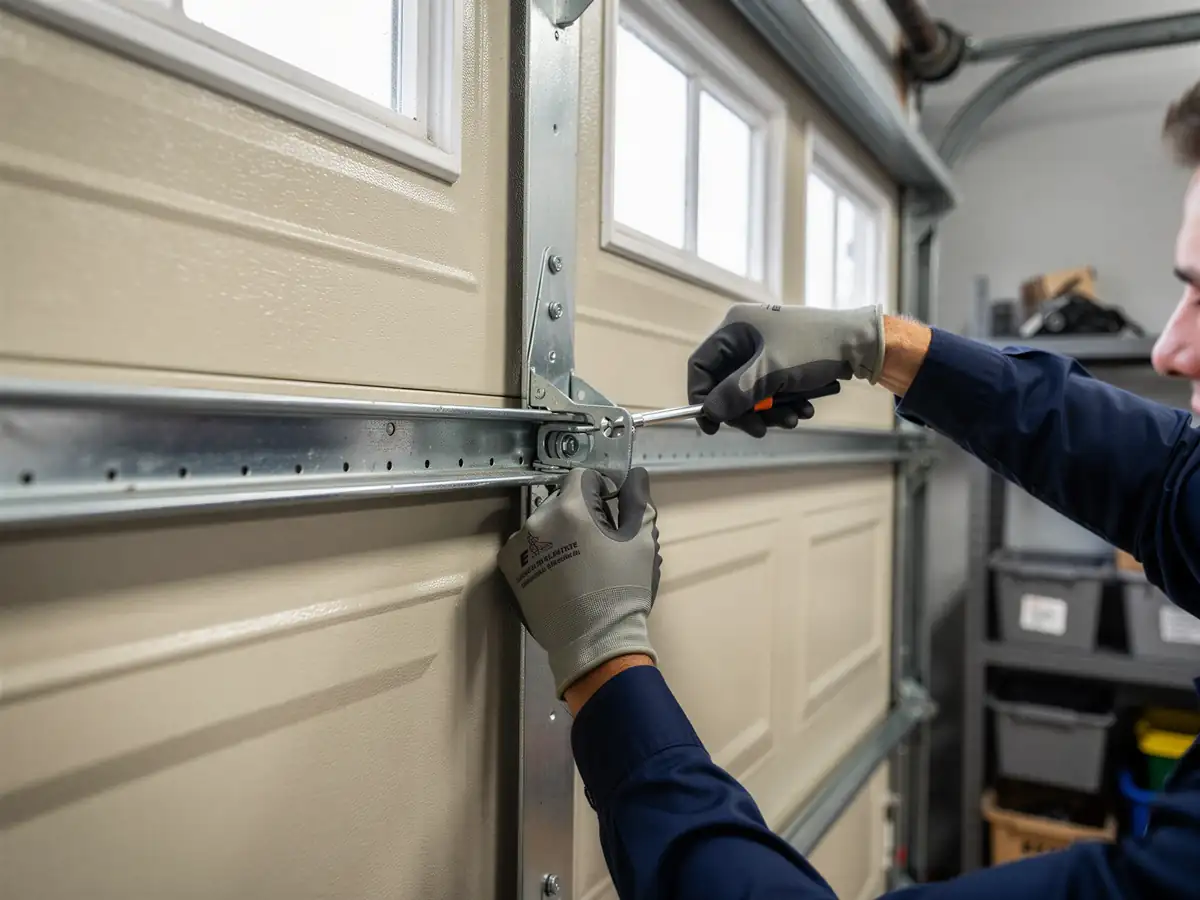
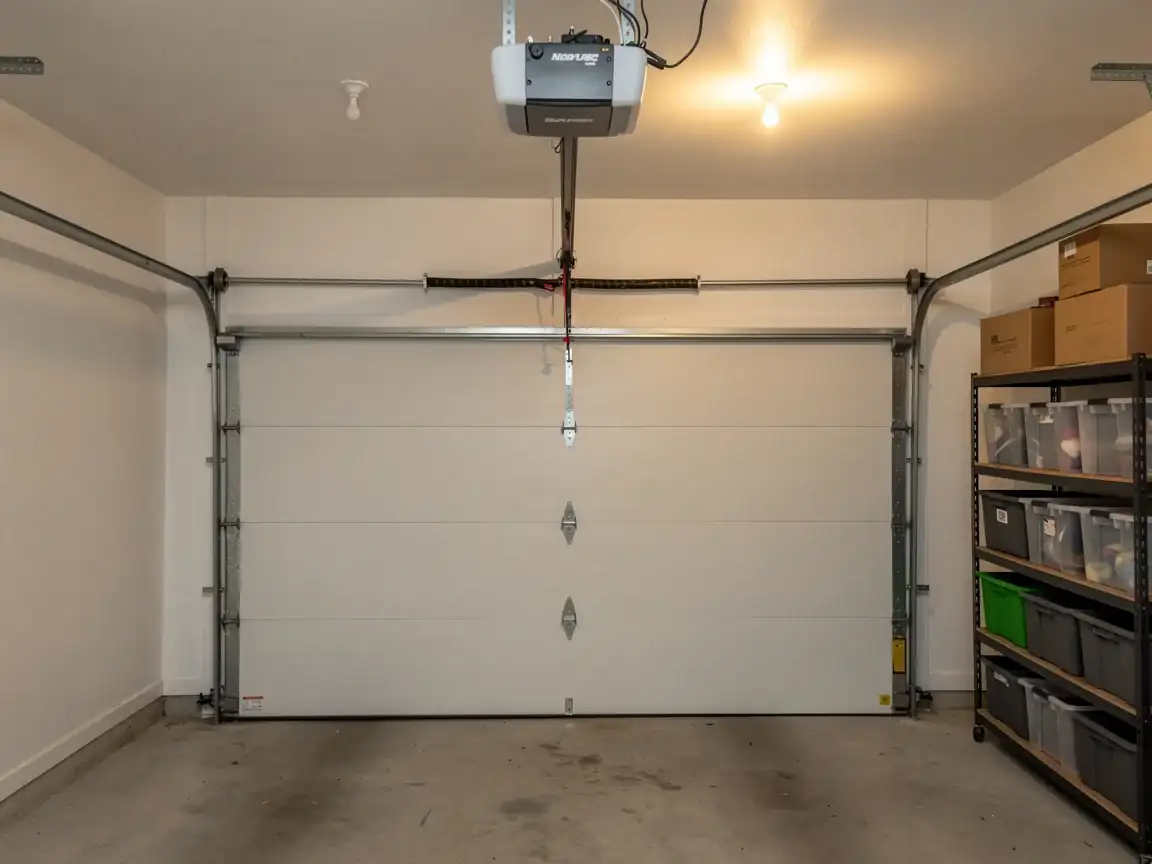
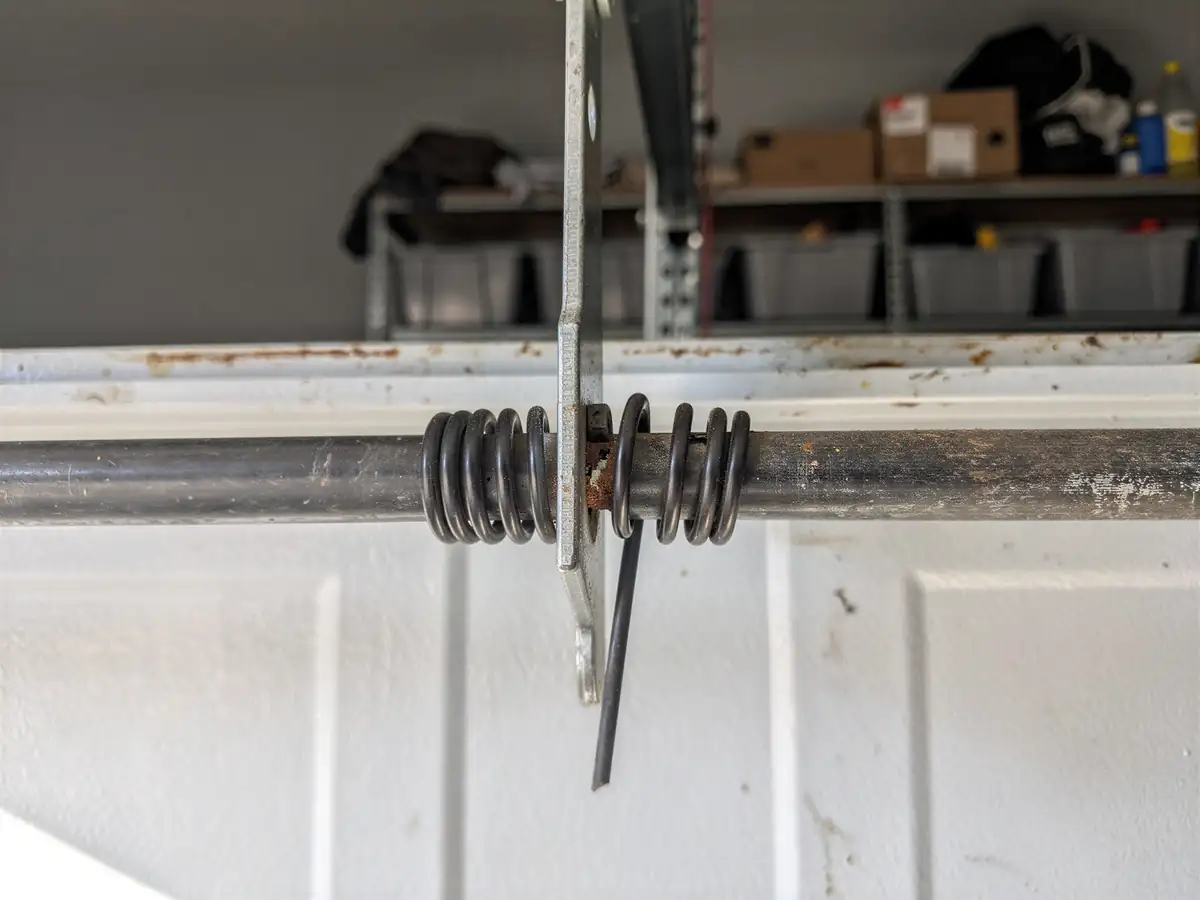
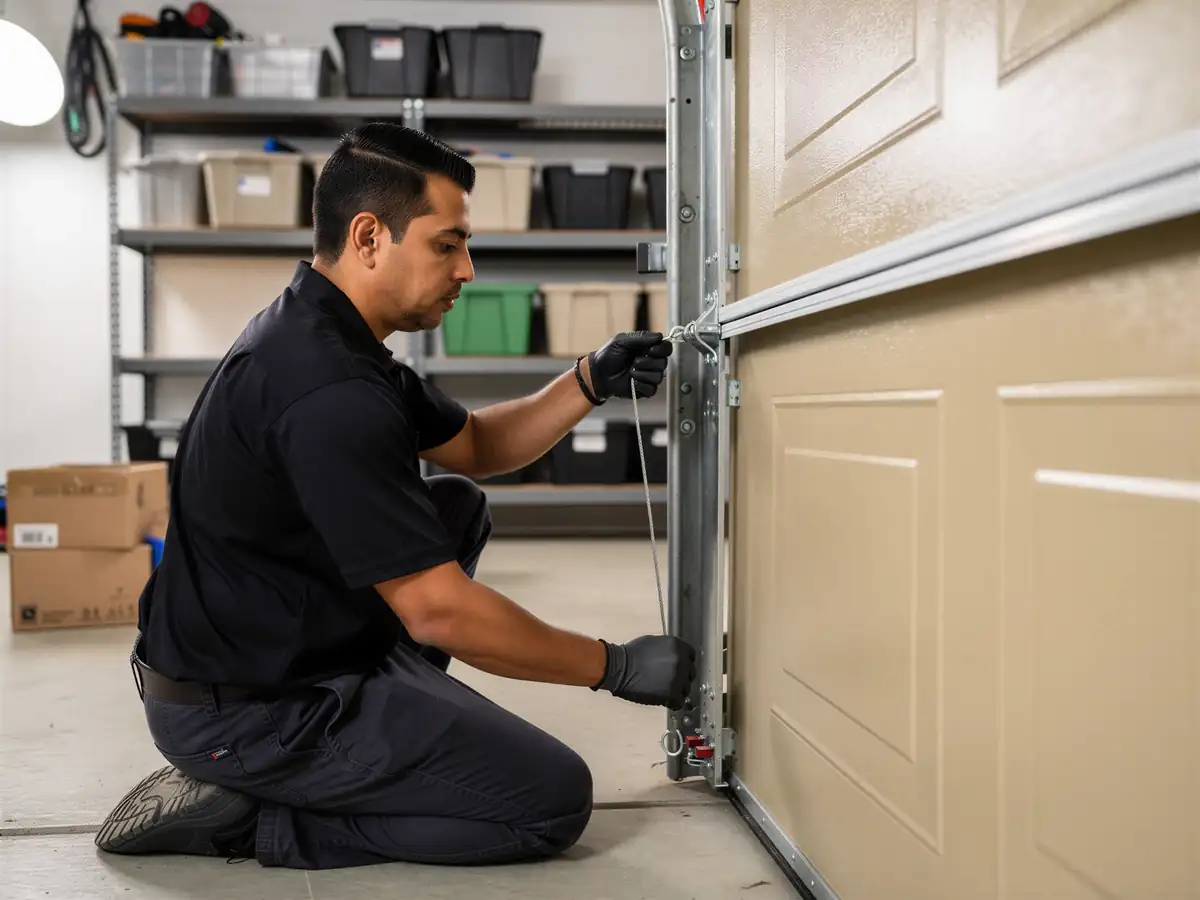
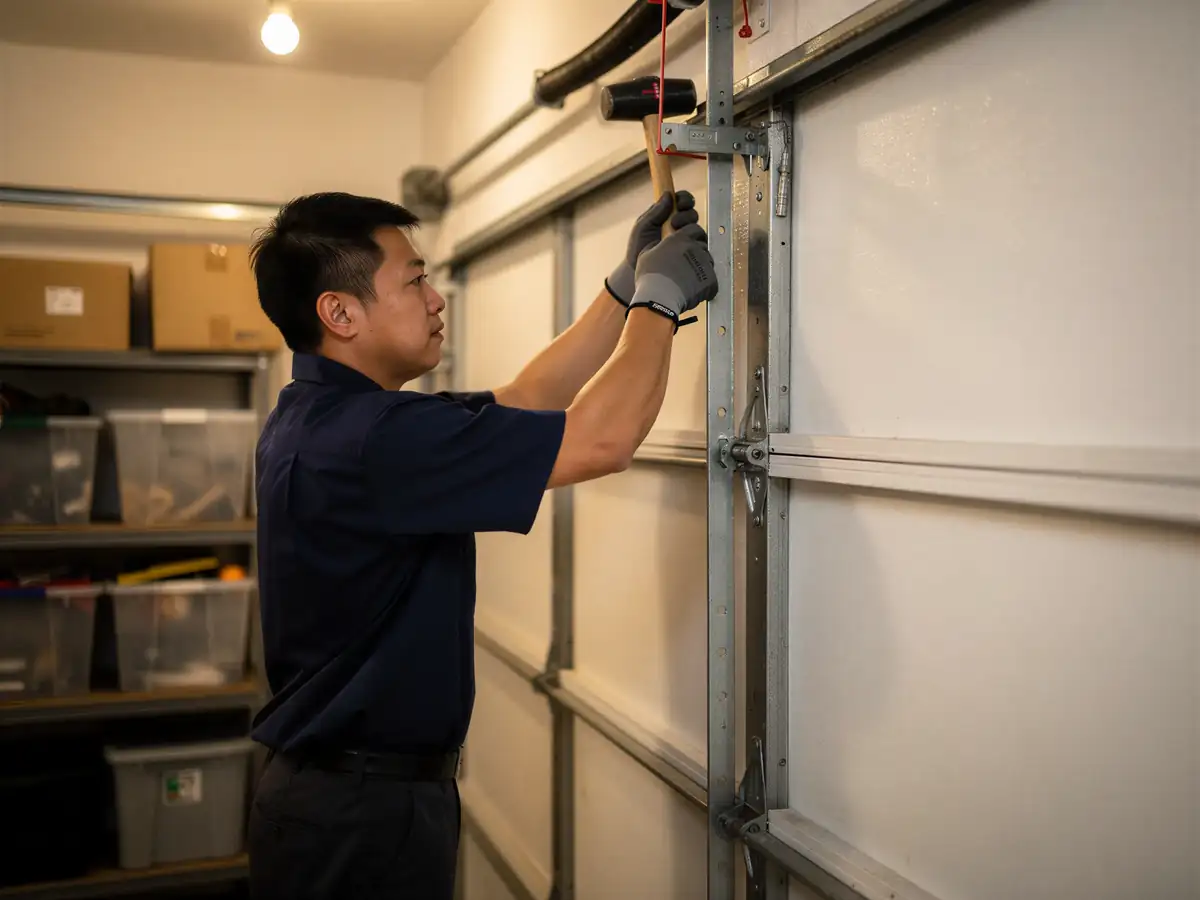
Pink's housing runs newer than a lot of the Norman service area - median build year 1990, compared to the 1964-2004 spread and 1987 median across the wider territory. That half-decade matters. Doors from this era in the region are mostly steel sectional with factory torsion springs on a center-mounted shaft, not the side-mounted hardware you'd find on an older one-piece door. The common failure here isn't the obsolete part - it's wear: torsion springs rated for 10,000-12,000 cycles that are hitting end of life right about now if the house has had two openers in its life, and nylon rollers that have gone brittle in a cold-moderate climate band where winter temperature swings stress the steel track mounts. We see more bent track and loose hinge screws out here than snapped cables, because the hardware is newer but the installs weren't always torqued to spec.