Time on the Job
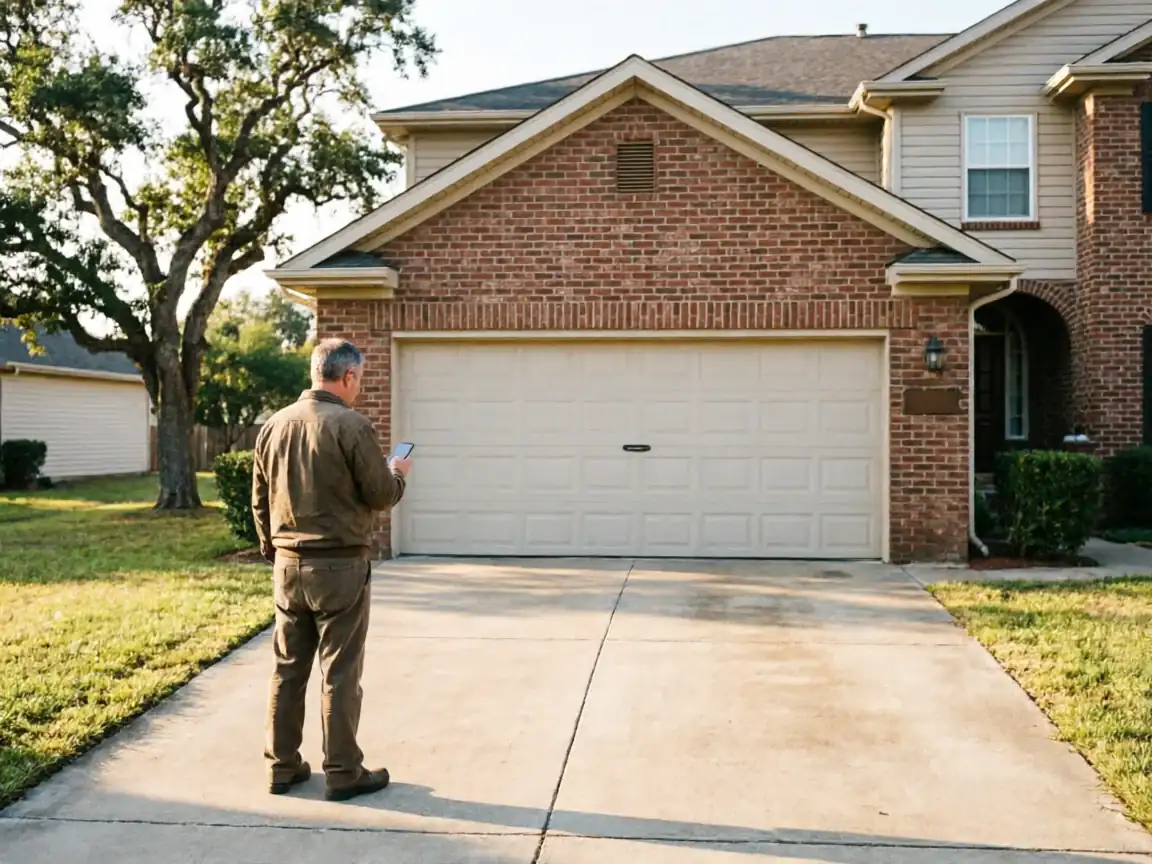
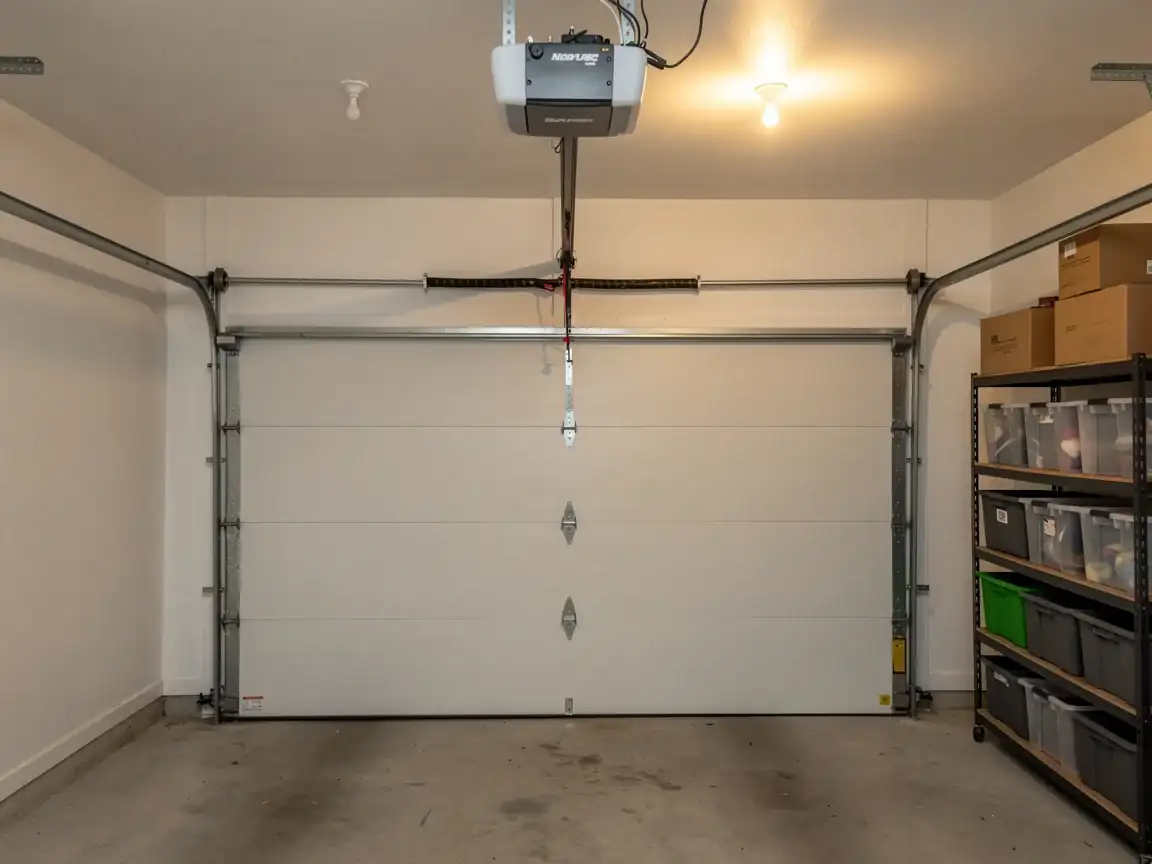
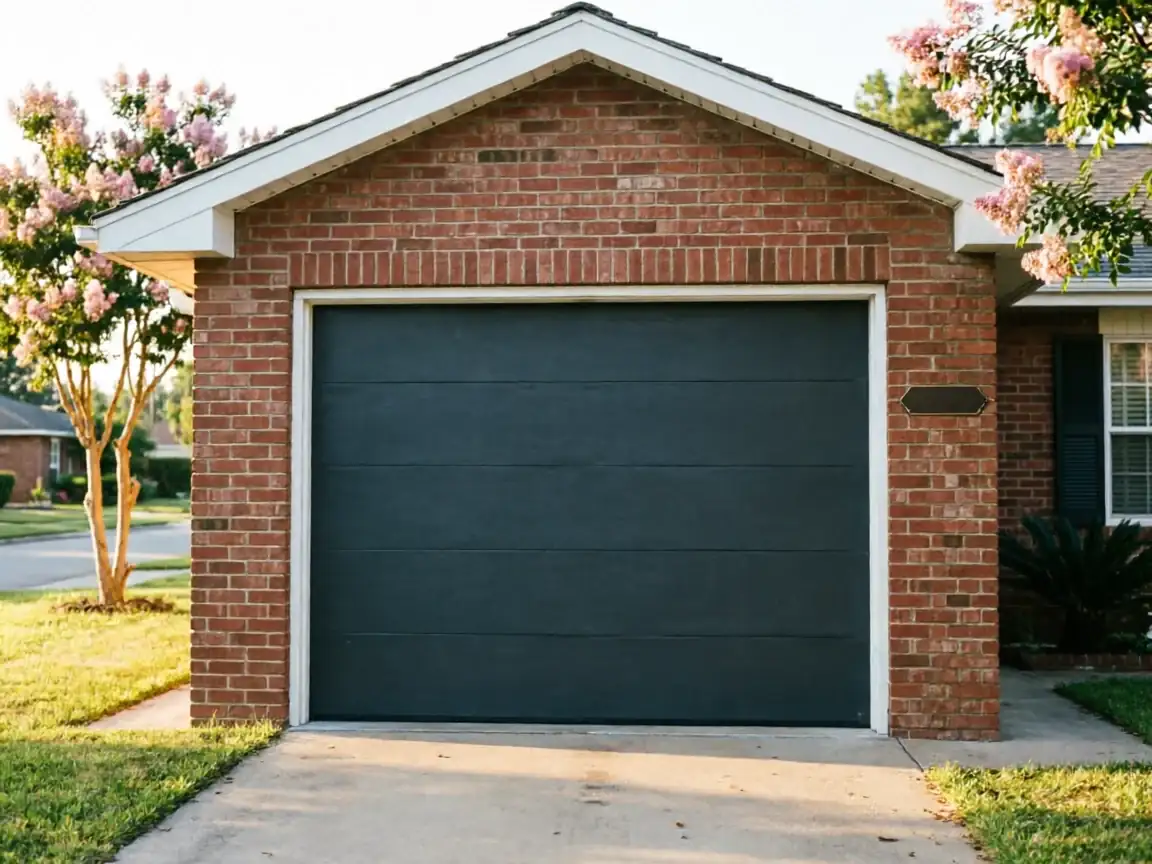
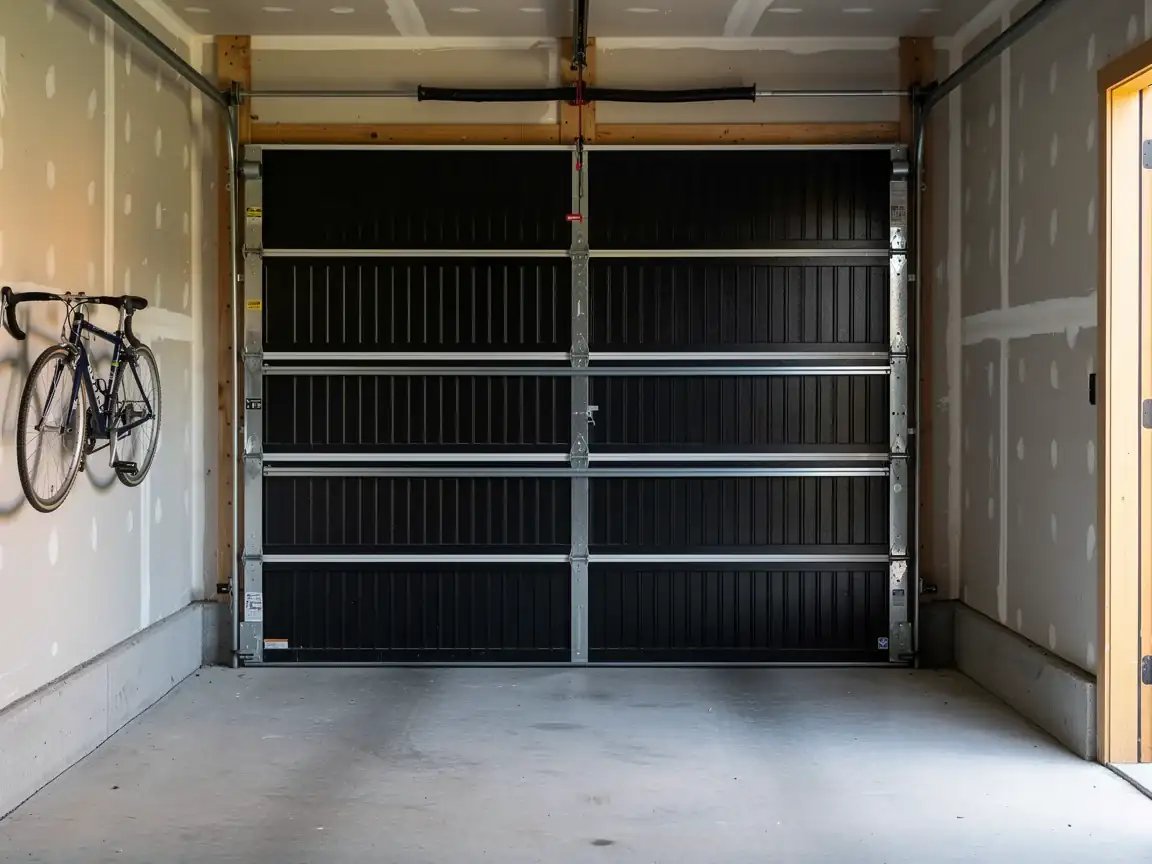
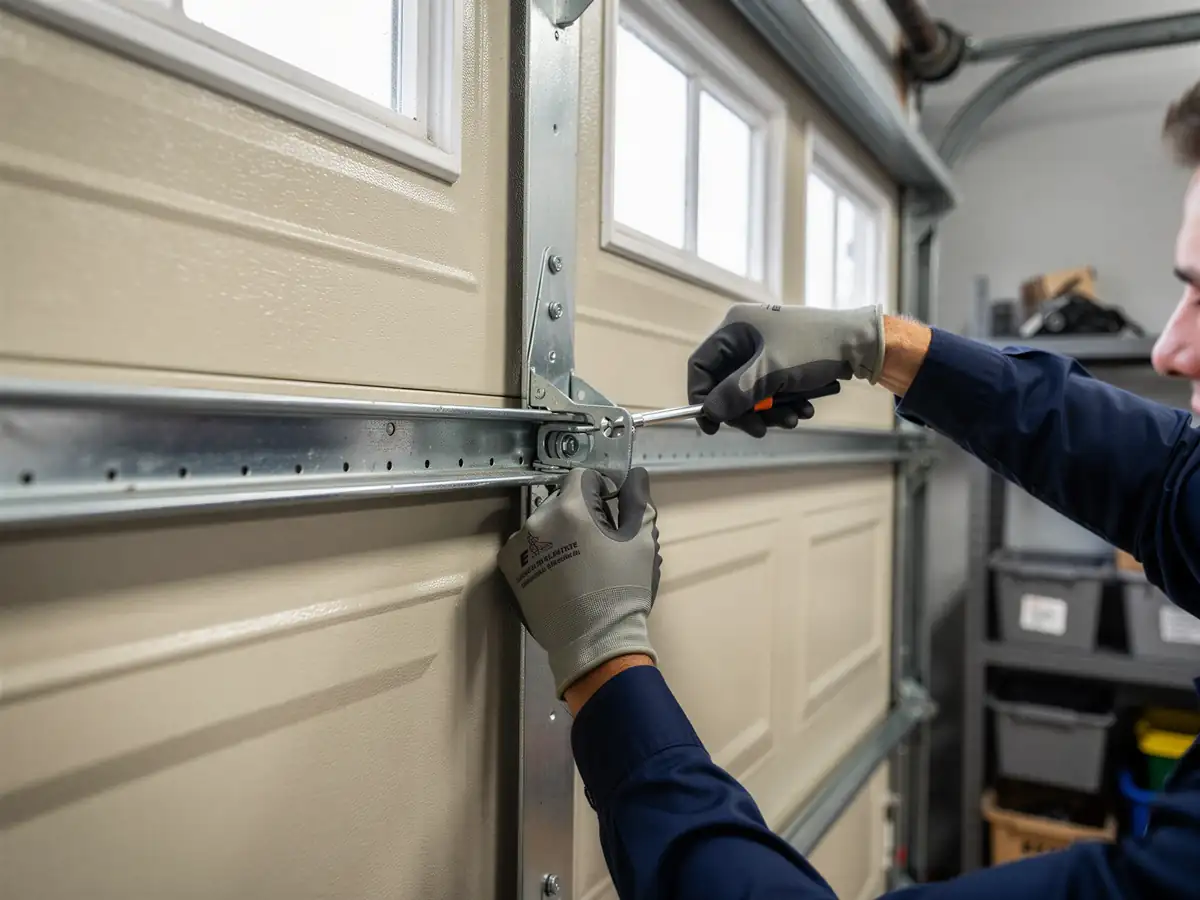
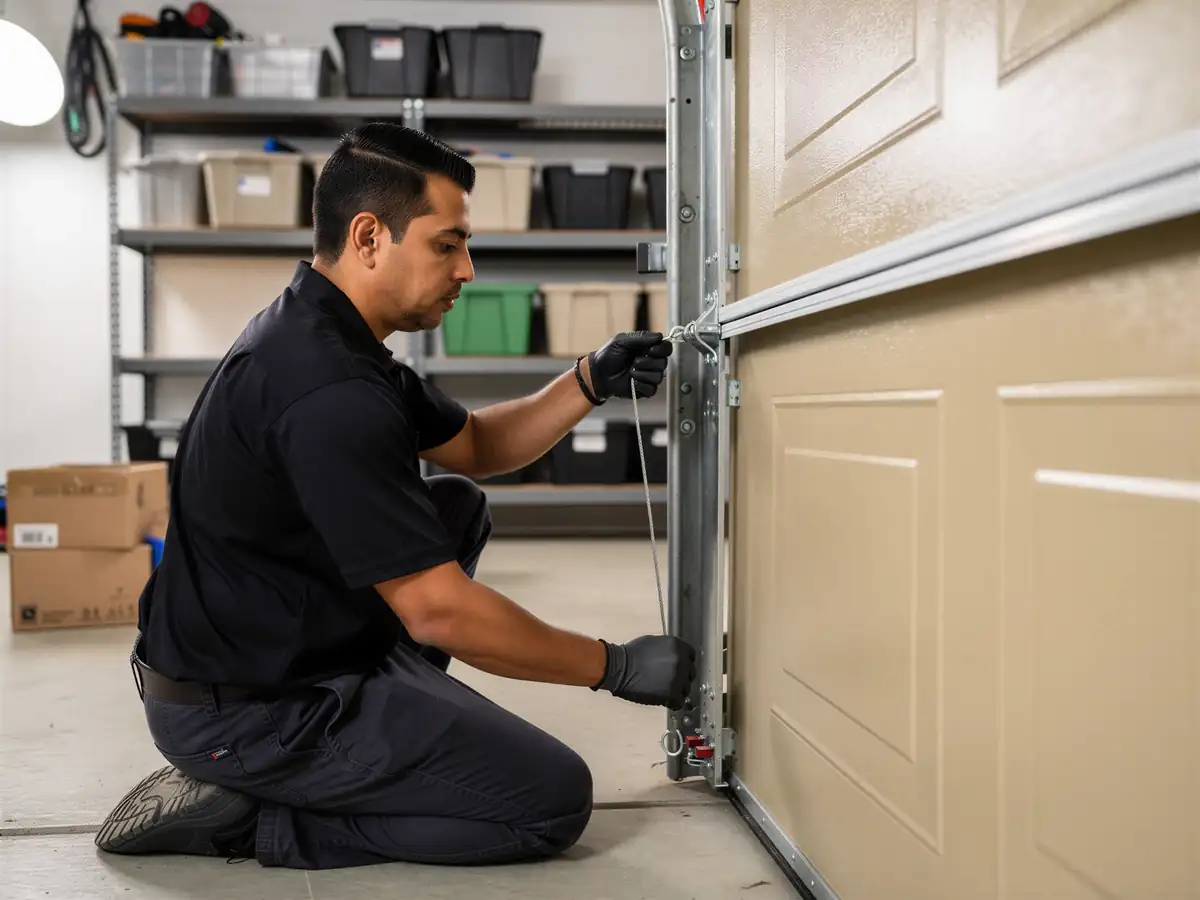
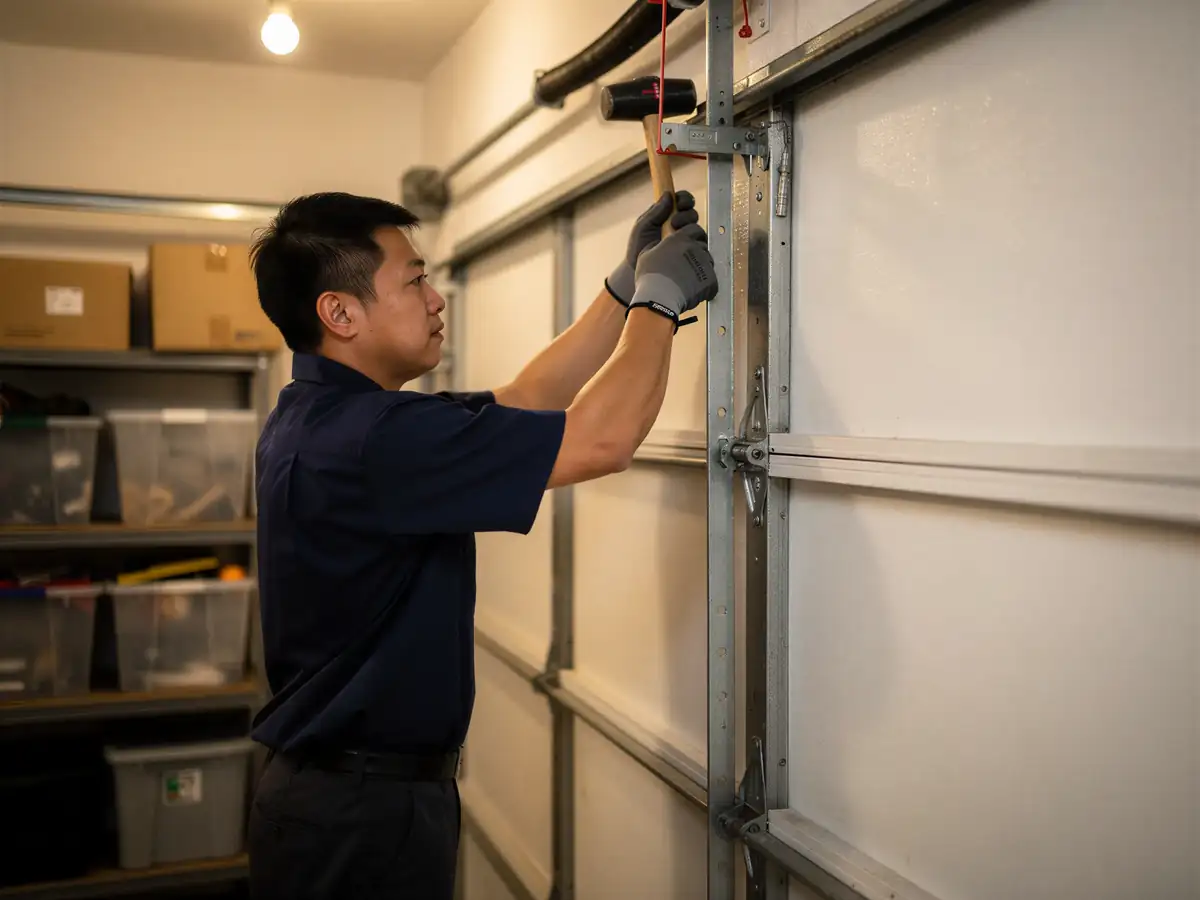
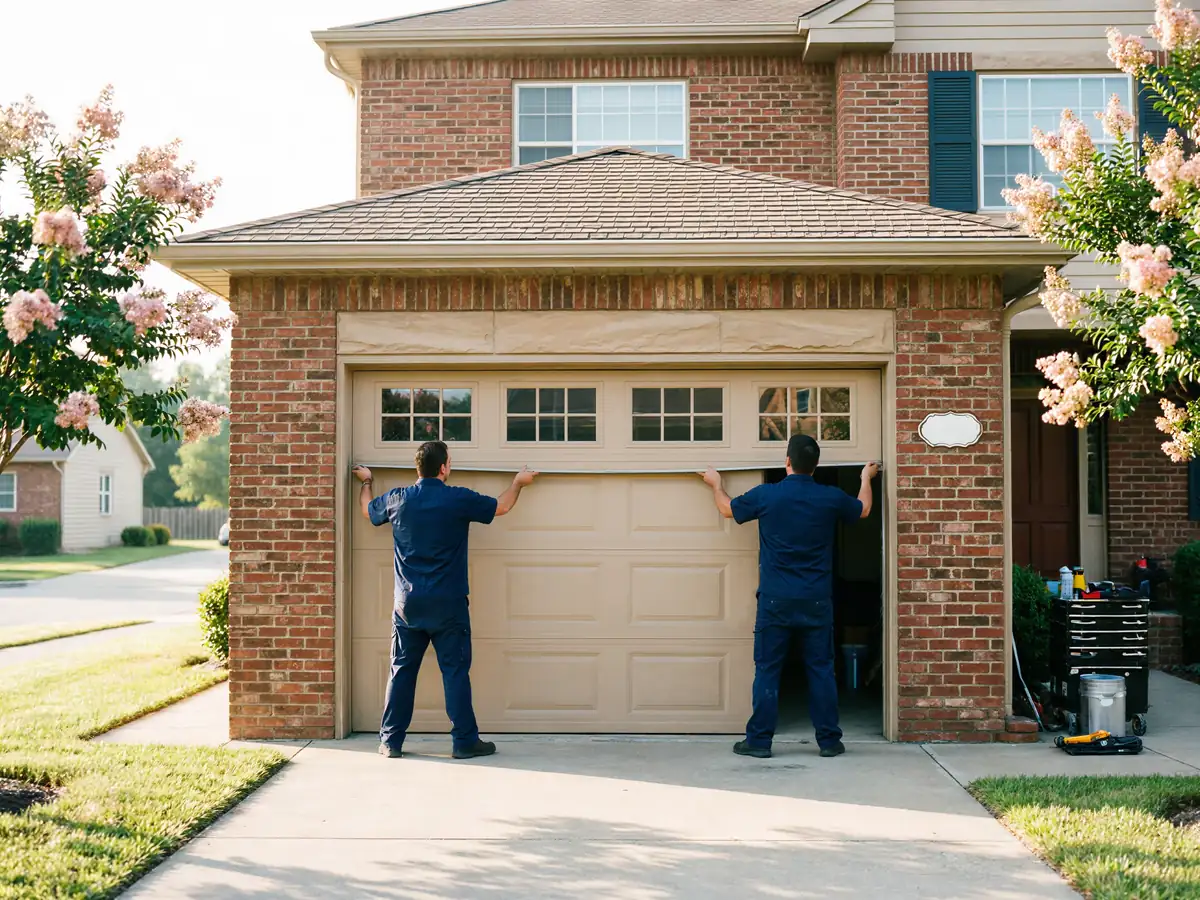
A straight swap of one door on a standard opening, on a house with the kind of track and header clearance common to the 1990-era construction around Pink, usually runs under a day once we're on site. Where it slows down is the drive and the return trip if something doesn't match what we expected - at 14 miles out, we try to get the measurements and hardware notes right on the first visit so we're not making two trips for one job. Older headers from that period sometimes need bracket adjustments if the opening has settled or the original track was never leveled well to begin with, which adds time nobody can quote over the phone. We won't promise a same-day turnaround for Pink specifically, since we're coming from Norman and scheduling depends on what else is on the board that day. What we can promise is that once we're there, a standard install doesn't turn into a multi-day project unless the opening itself needs carpentry work, which is outside what we do.
The Cost of This Job
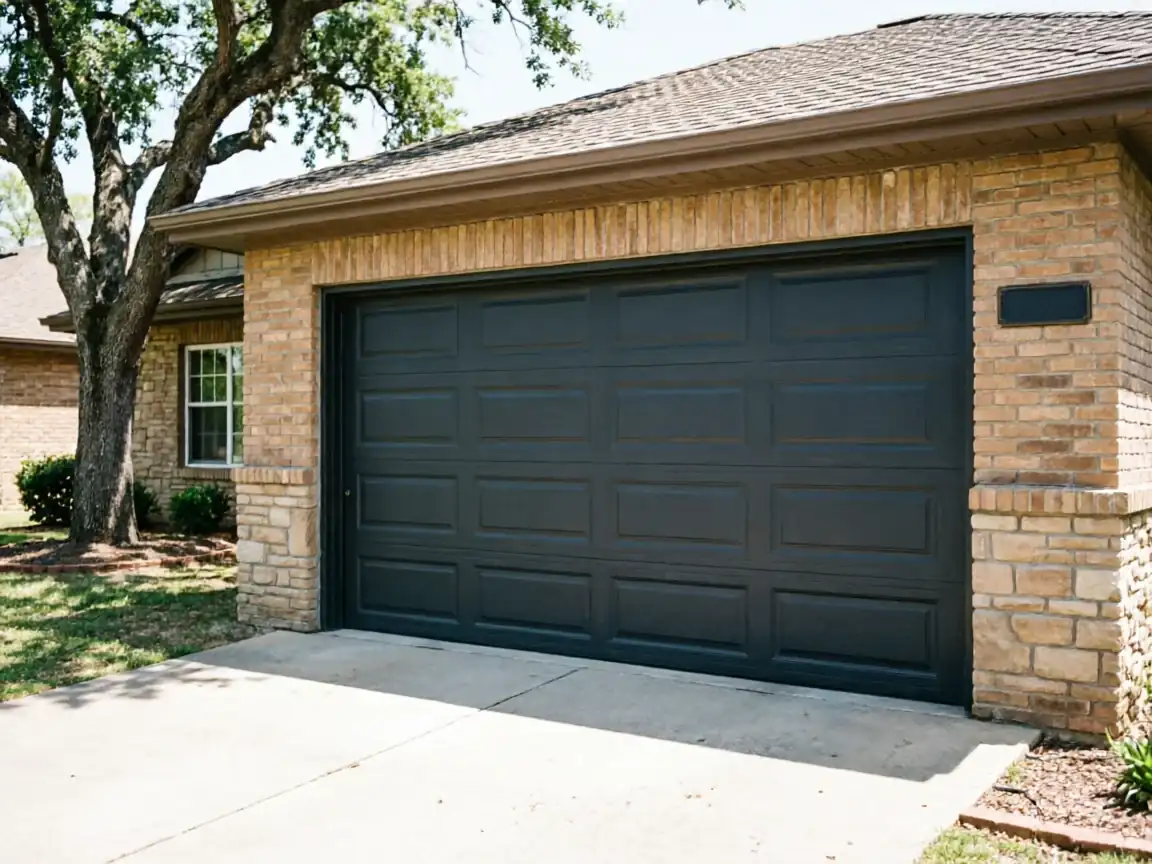
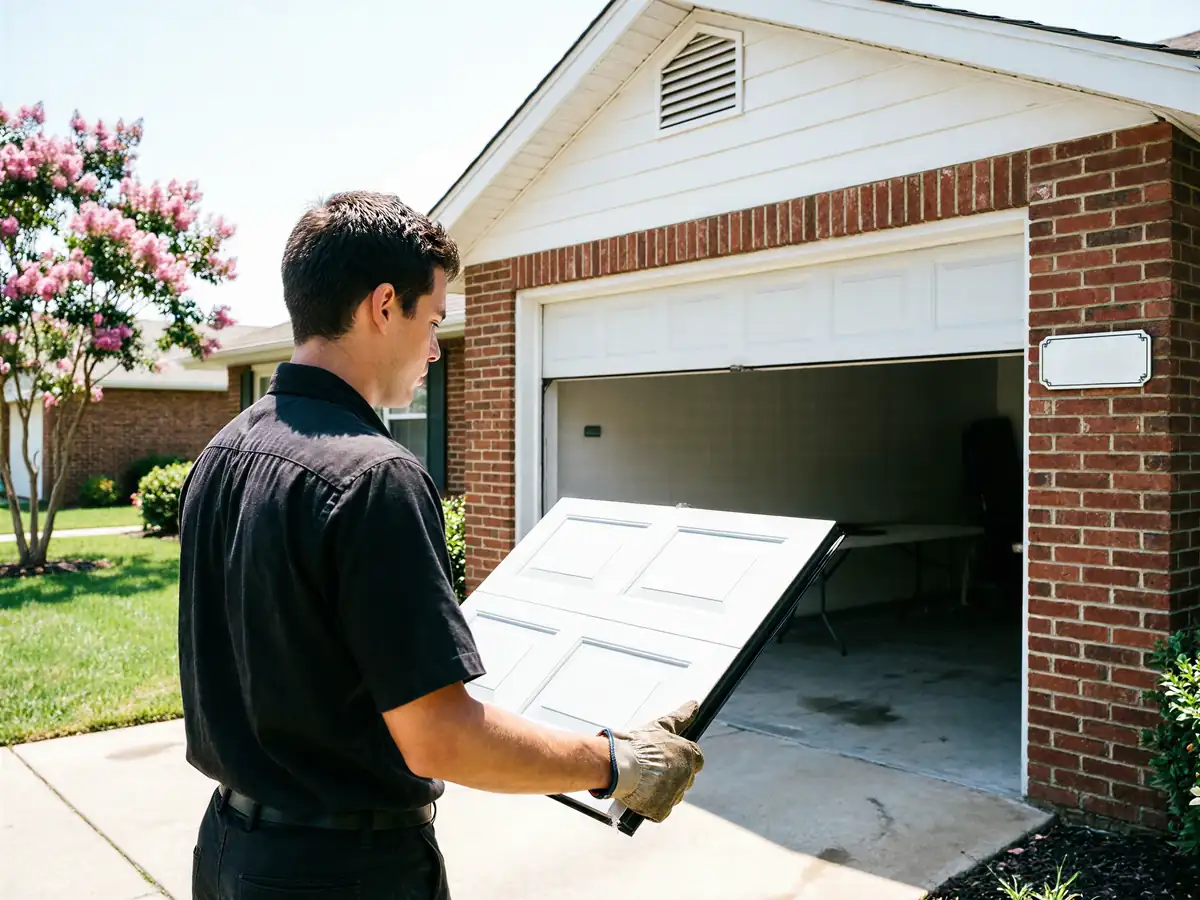
With a median household income of $71,139 in Pink, most of the jobs we quote here land in the standard steel door range rather than the premium insulated or custom wood-look lines - that's just what fits the budget for most of the roughly 791 households in the area. We don't have a flat number to post for this page, because the price shifts with door size, insulation level, and whether the opener gets replaced at the same time, and we're not going to make up a figure just to fill the space. What we can say is that a plain single-layer steel door on a standard opening costs less than an insulated two-layer door with a matching opener upgrade, and most homeowners here ask us to quote both before deciding. One honest limit: if your opening is nonstandard or the header's been reframed at some point, we have to measure in person before any number means anything - a phone estimate on an odd opening isn't worth the paper it's not written on.
What Can Go Wrong
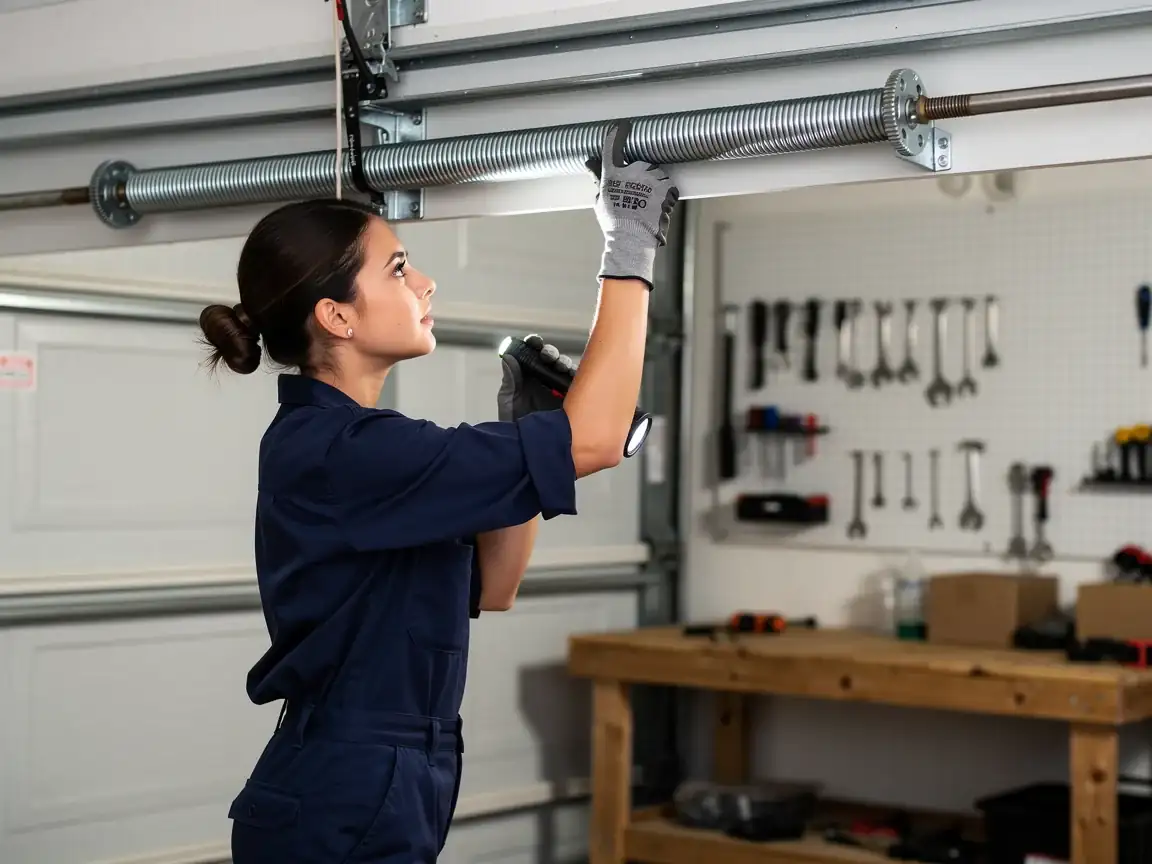
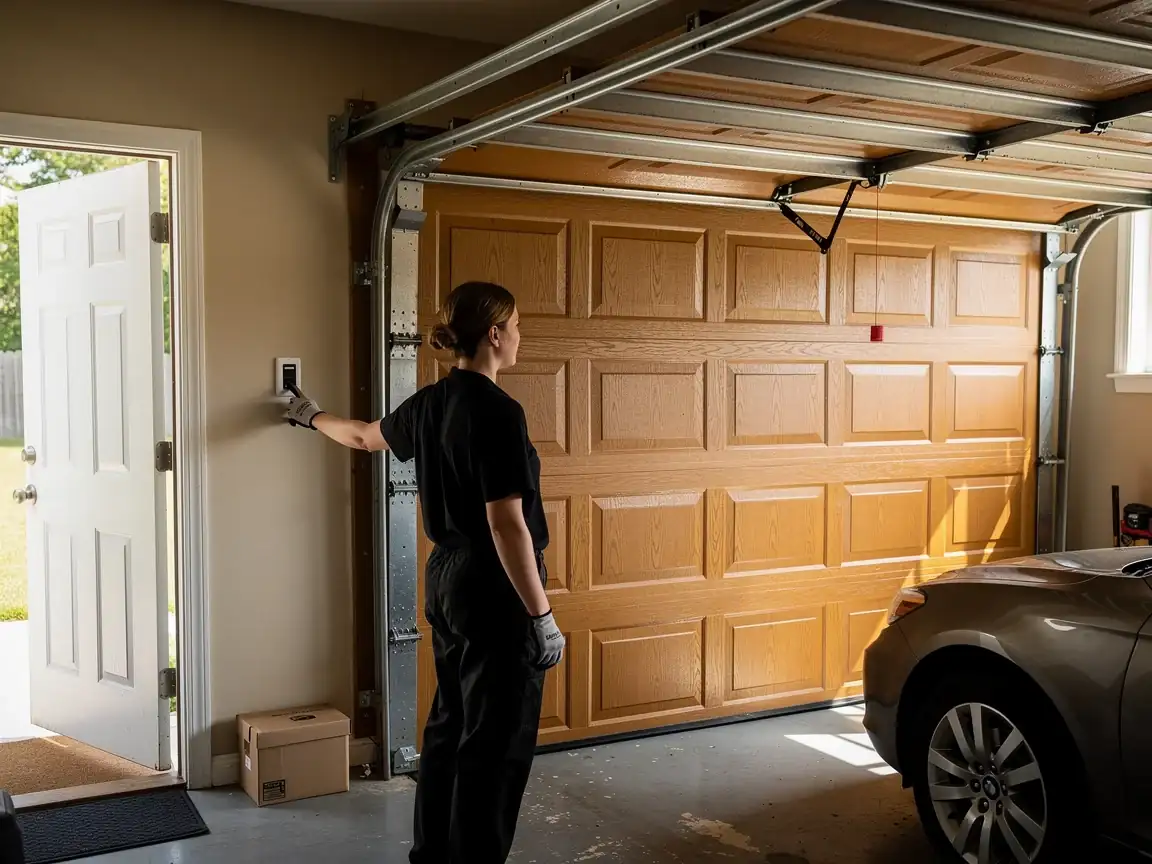
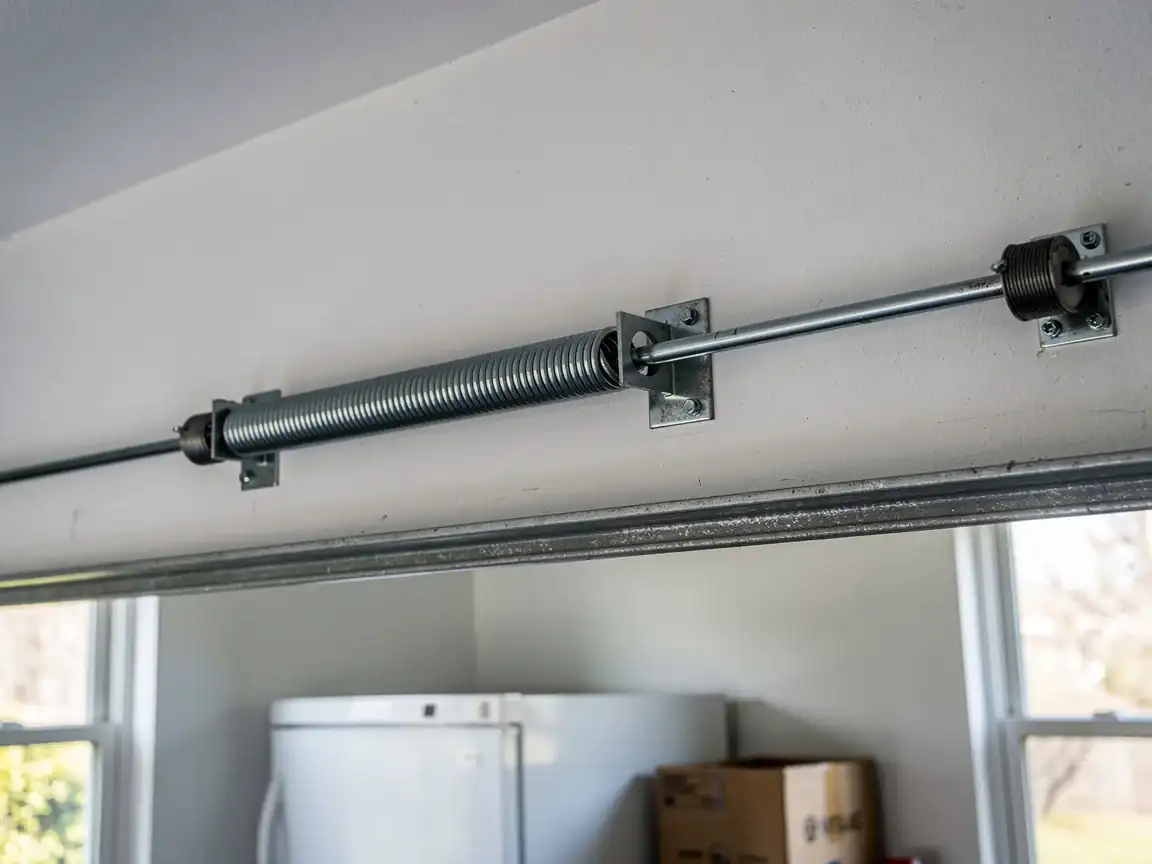
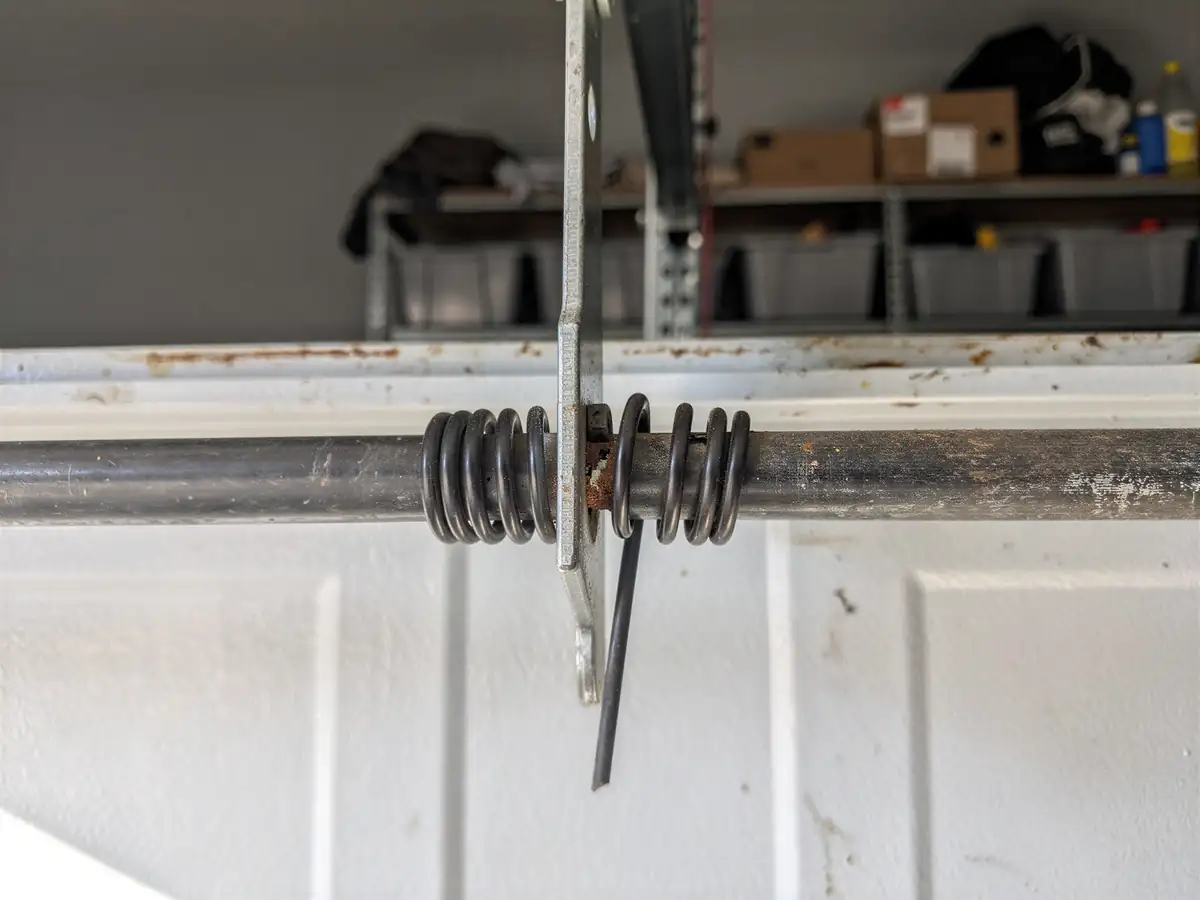
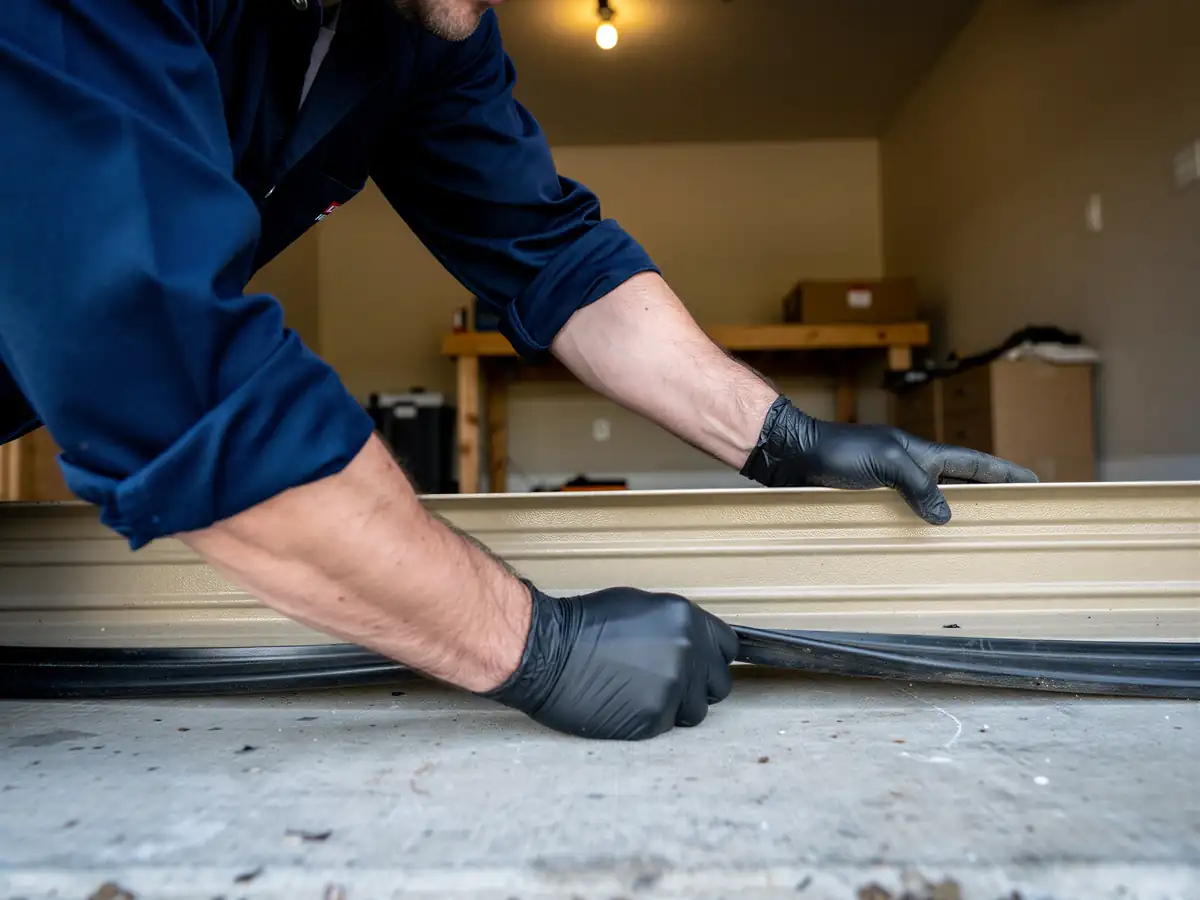
The most common surprise on a 1990-era install in this part of the service area is a header or track that was never squared right at the original build - it doesn't show until the new door goes up and won't seal evenly at the bottom. That's a bracket fix, not a door problem, but it does add time to a job we quoted as straightforward. Cold-moderate winters here also mean a bottom seal that looked fine in summer can shrink and gap by the time the first hard freeze hits, so we check that seal fit during install rather than assuming stock trim is enough. Openers are the other wildcard: a house built around 1990 may still be running its original opener, and if the new door is heavier or a different lift type, that opener won't be rated for it. We'll flag that before we finish the job rather than let a mismatched opener burn out in the first few months. What we won't do is force an insulated door onto hardware that was never sized for the extra weight just to close the sale.