Time on the Job
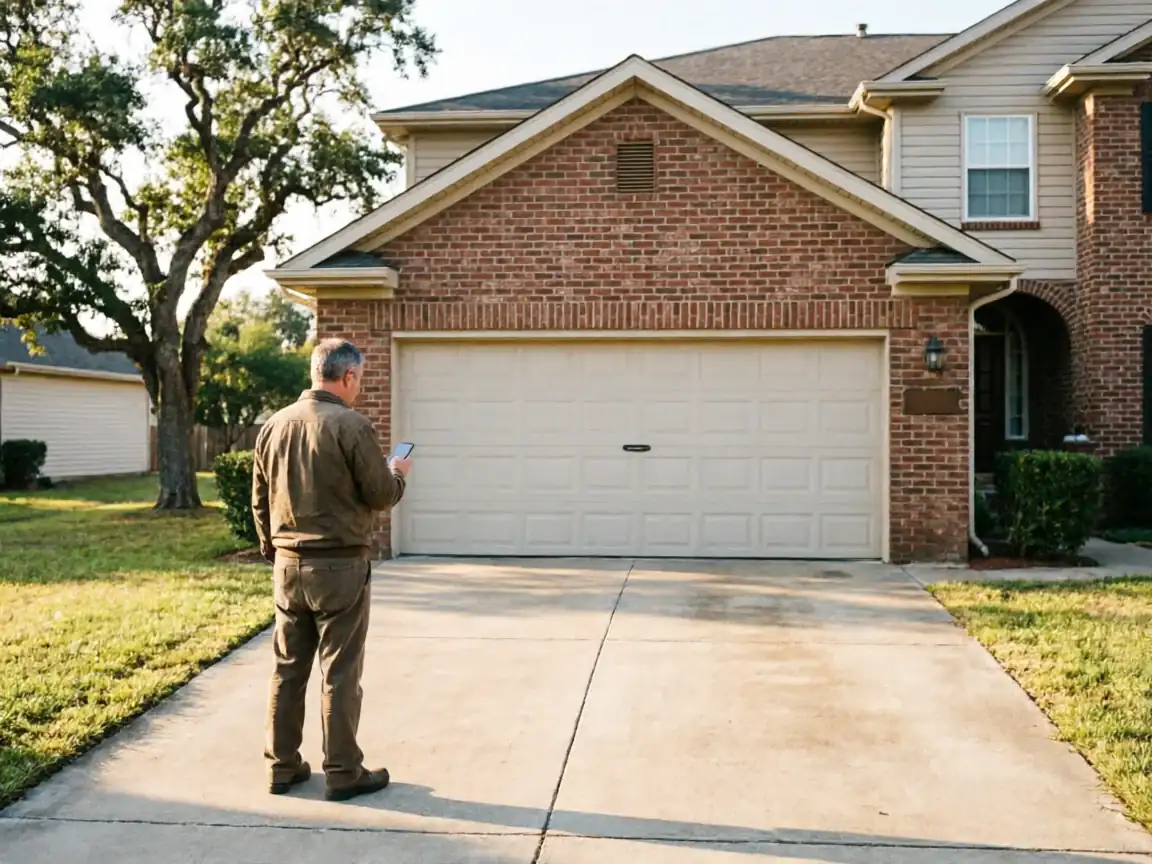
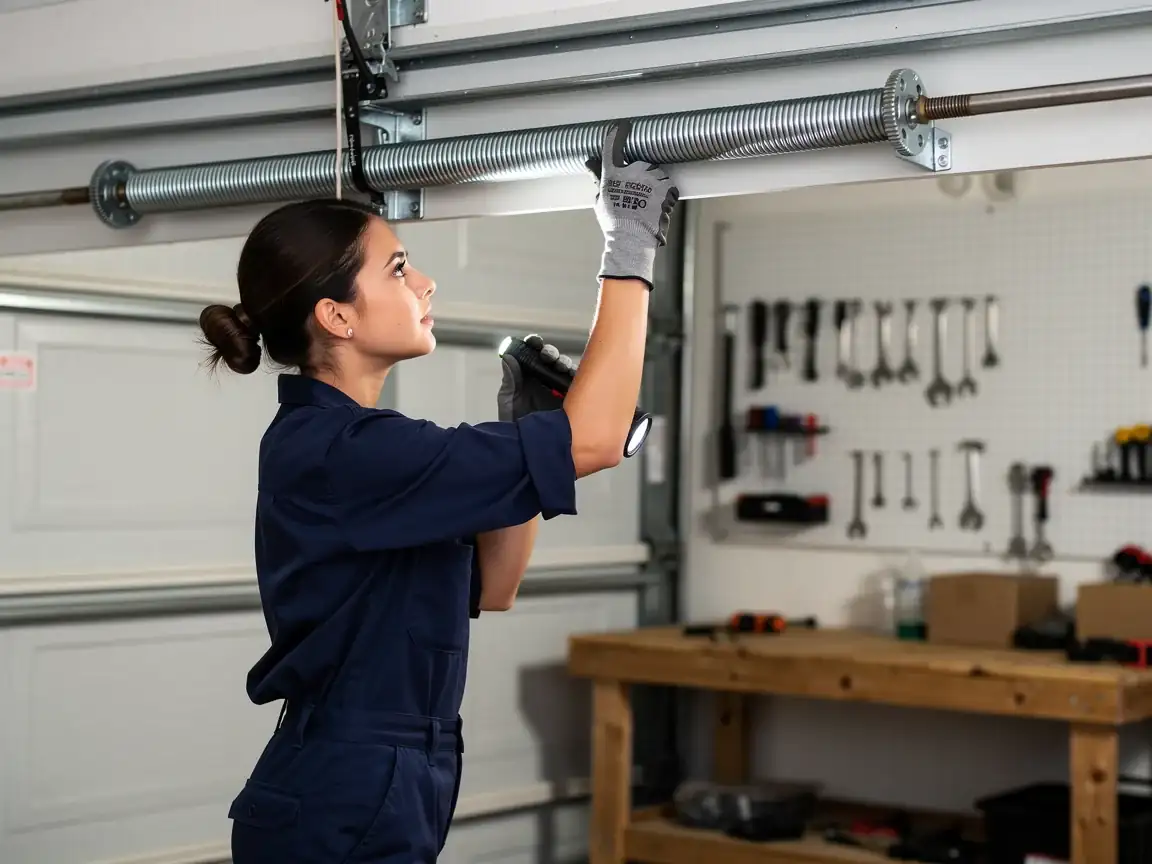
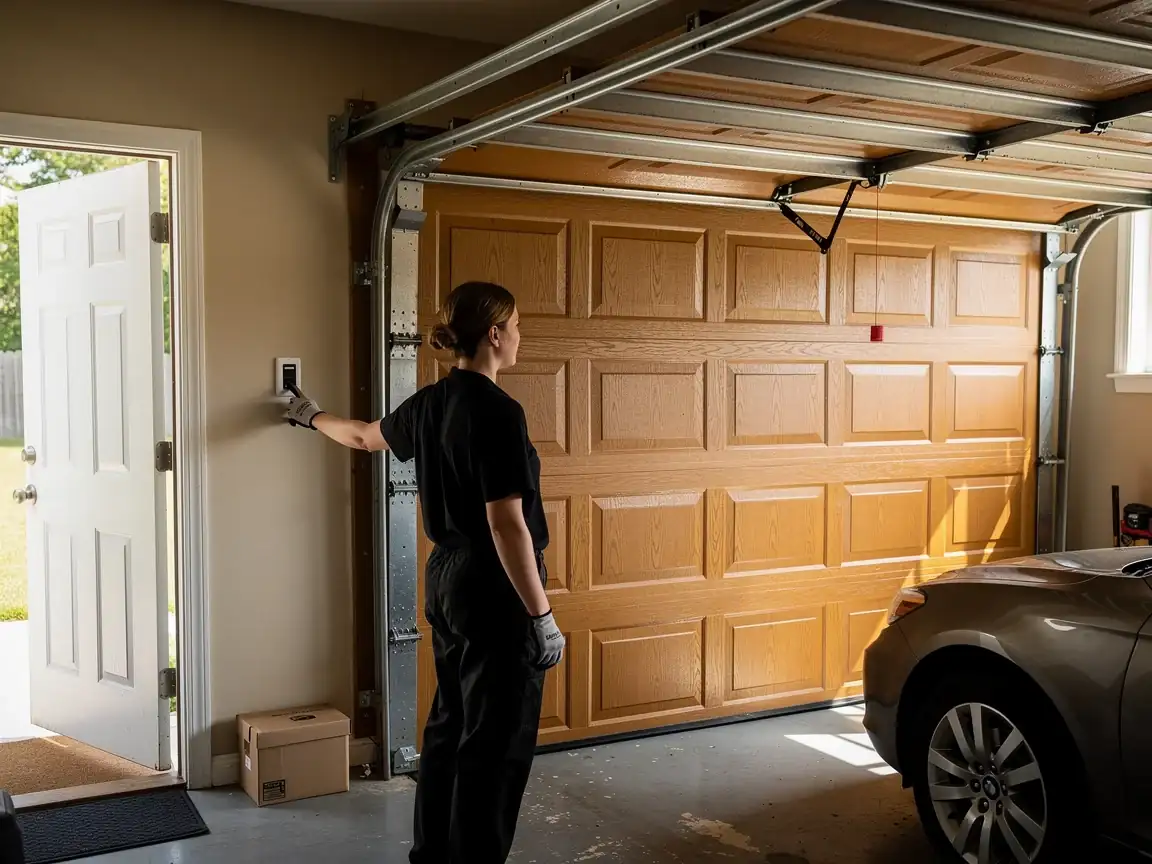
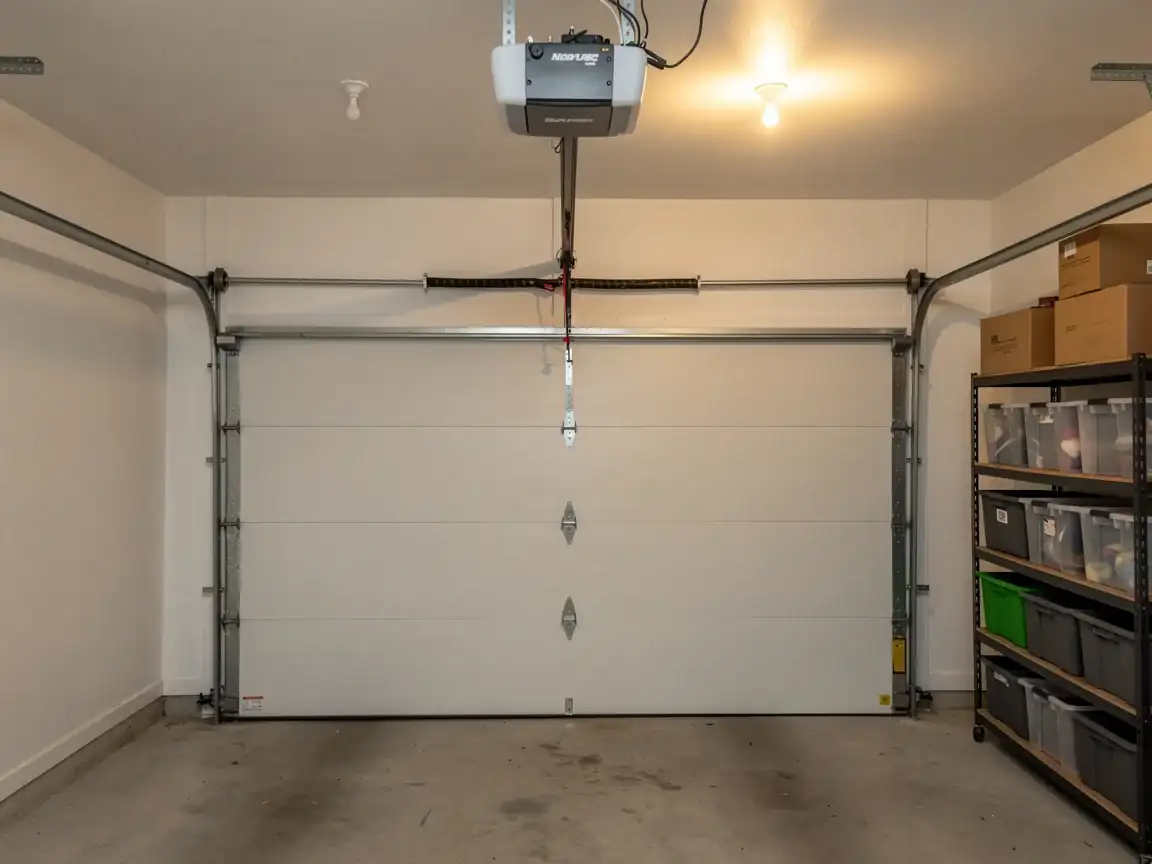
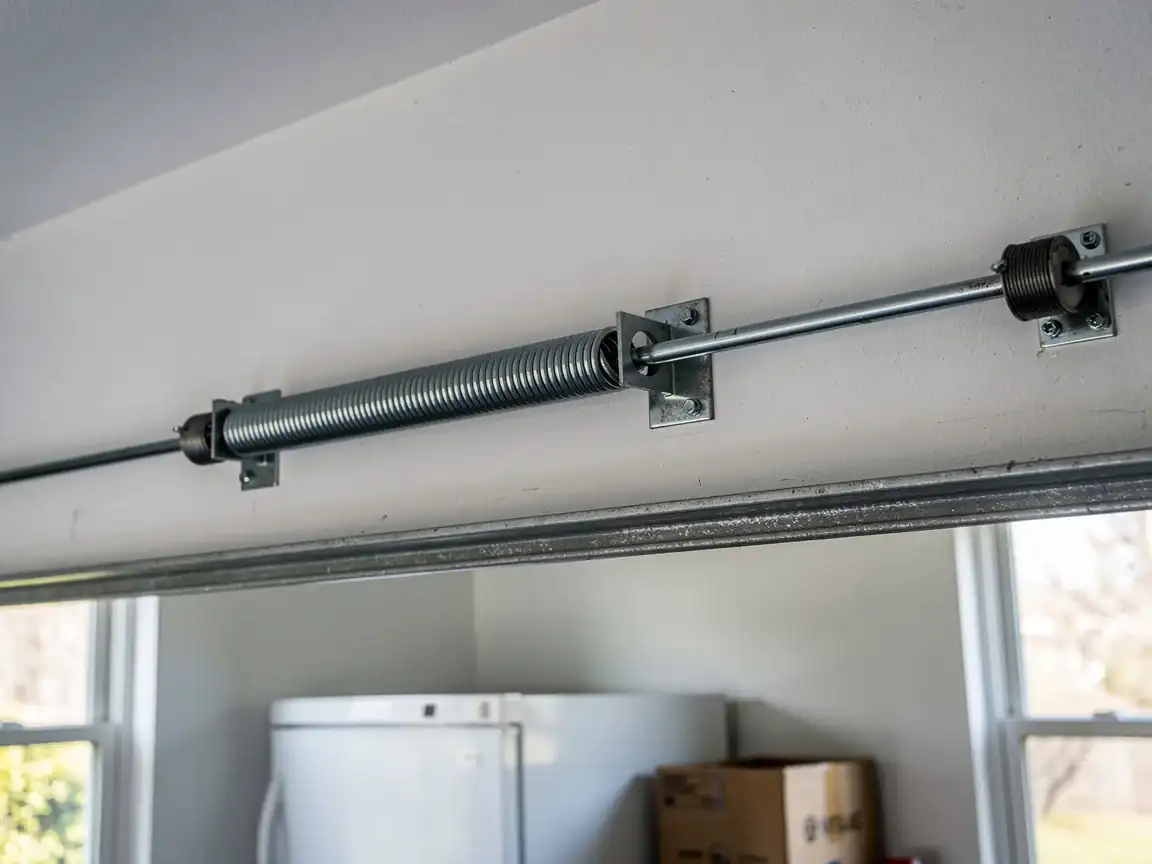
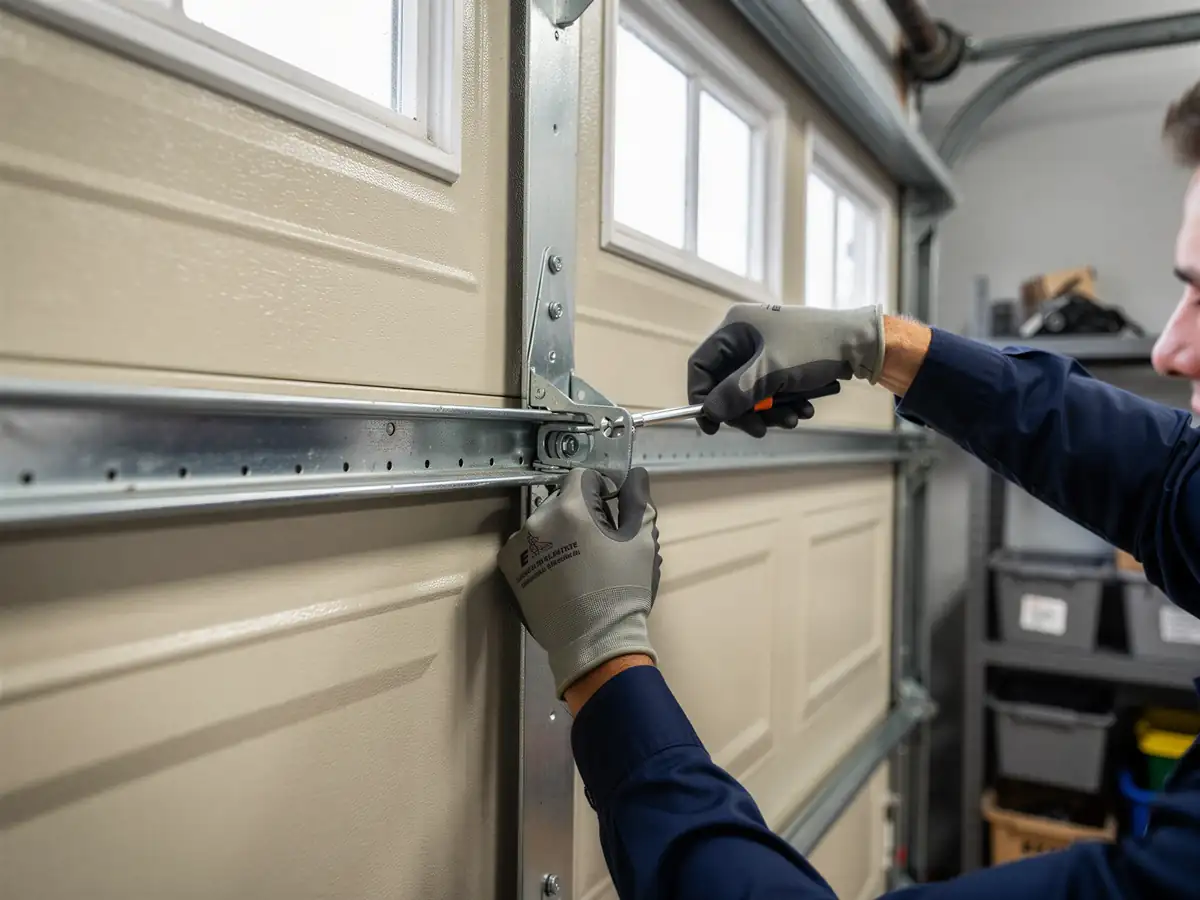
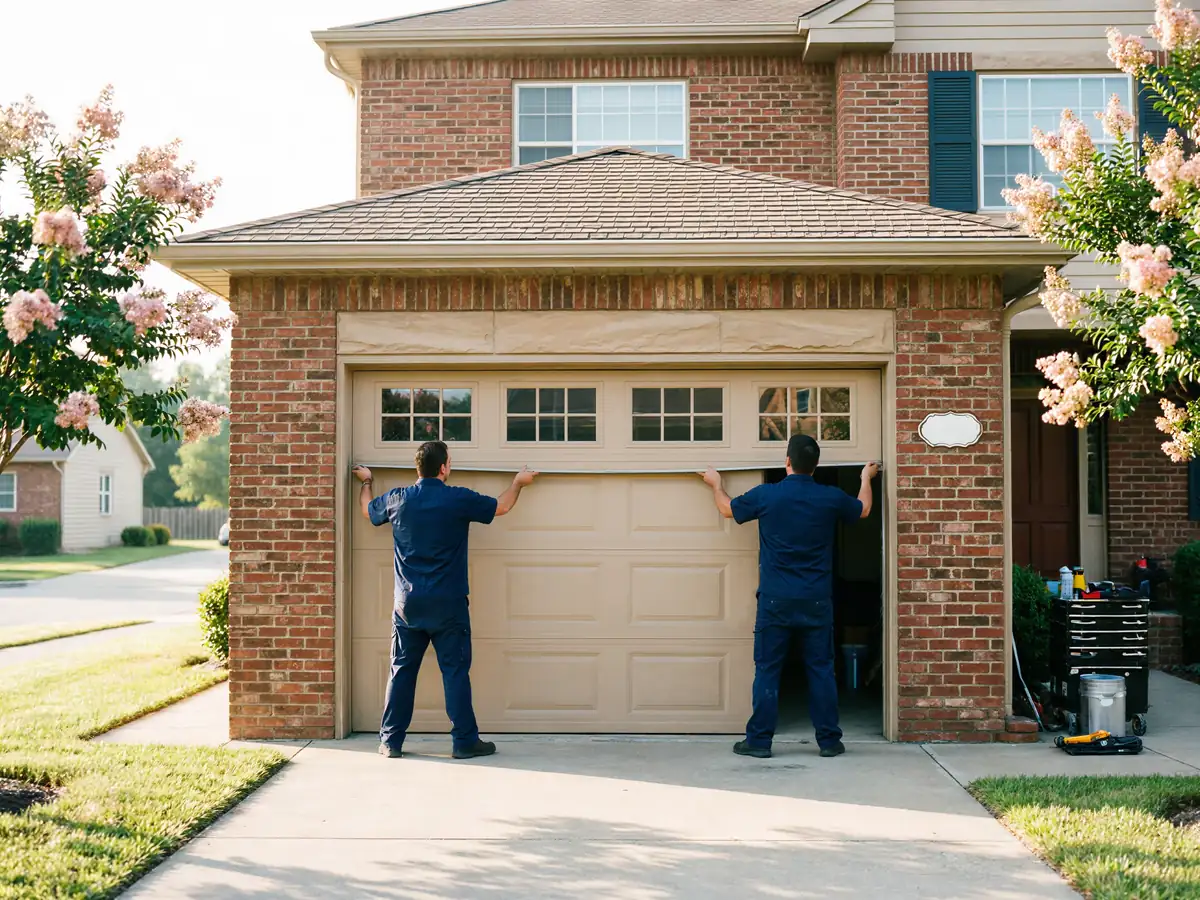
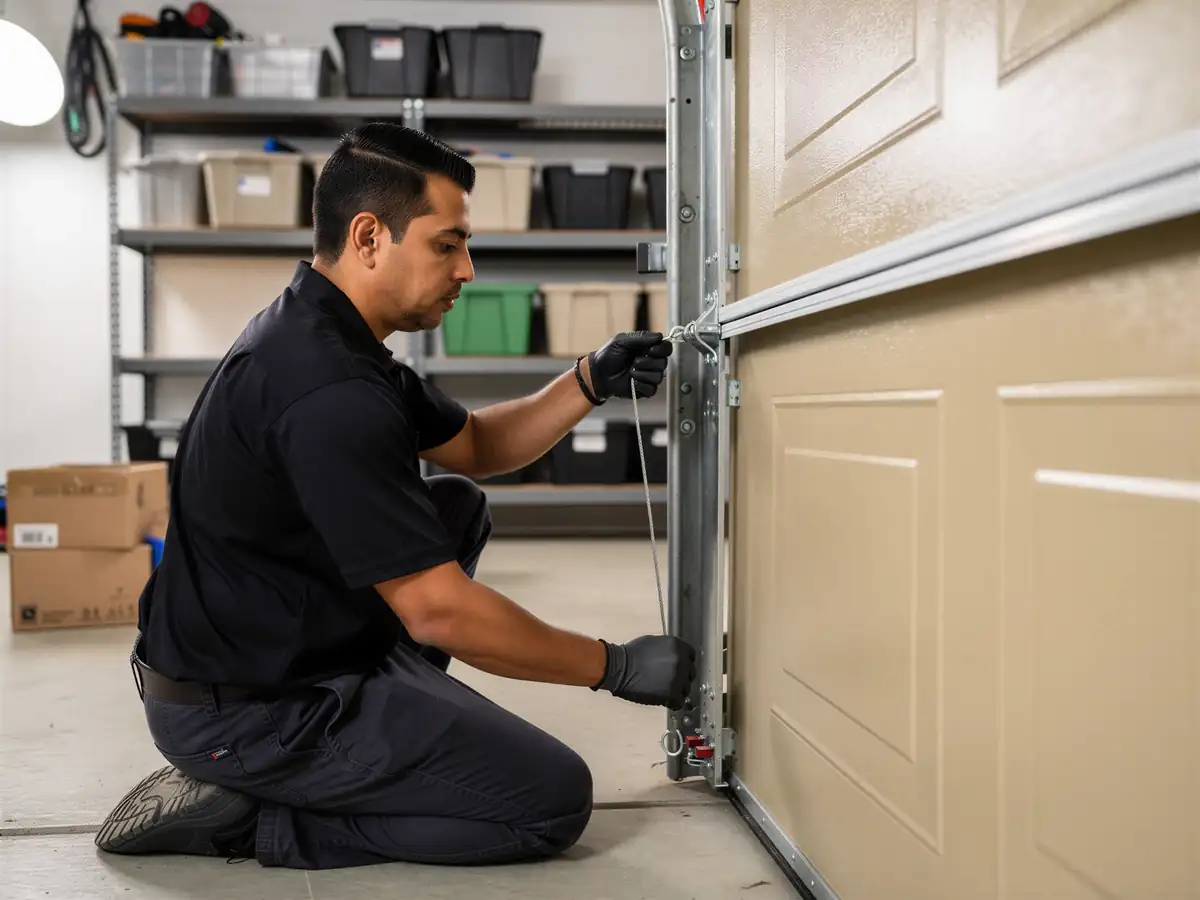
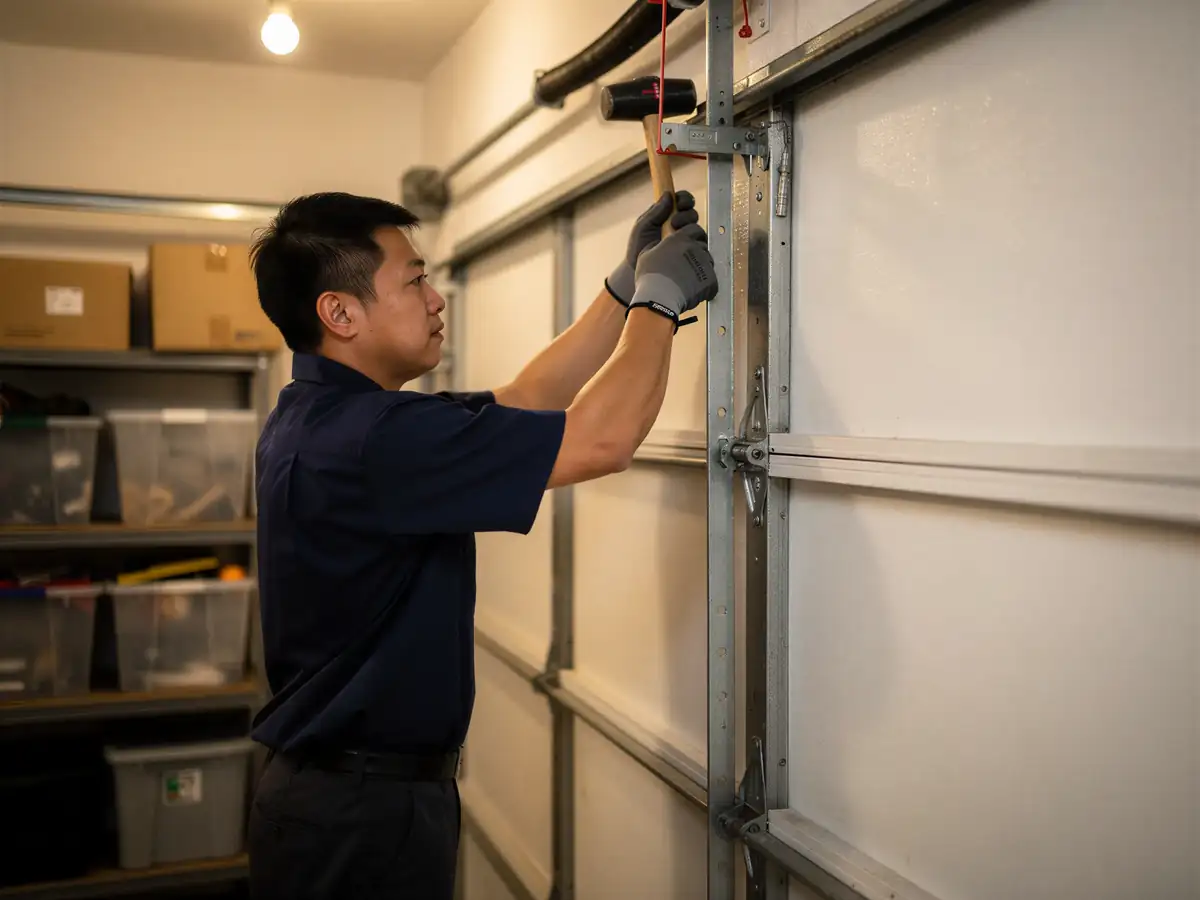
A tune-up on a door built in the late 1980s or early 1990s is a known quantity: check spring tension, lubricate track and hinges, test balance, tighten the hardware that's worked loose over three decades of cycles, and inspect the cable ends for fraying. On a house in this build range that's been maintained before, that's a straightforward visit. Where it runs longer is a door that's never been serviced - rollers worn oval, track pulled from the wall, an opener limit switch drifting. We travel the 14 miles out from Norman for this work, so we schedule the maintenance visit as a full stop rather than squeezing it between closer jobs, and we're upfront that we don't offer a guaranteed same-day window out here the way we might closer to the shop.
The Cost of This Job
Pink has about 791 households, a small share of the 36,448 owner-occupied houses across the full service area, so this isn't high-volume territory for any garage door outfit, including us. Median household income here runs $71,139, a bit under the $75,000 median for the broader area, and that's worth saying because the honest advice on a maintenance call sometimes is to wait. If a torsion spring has years of cycles left and the only issue is a dry hinge, we're not going to sell you a full service plan. We don't have a published flat rate to quote here, since the job scope varies with what the door needs, but a basic tune-up and lubrication visit is priced separately from spring replacement or opener work, and we'll give you both numbers before anything gets touched.
What Can Go Wrong
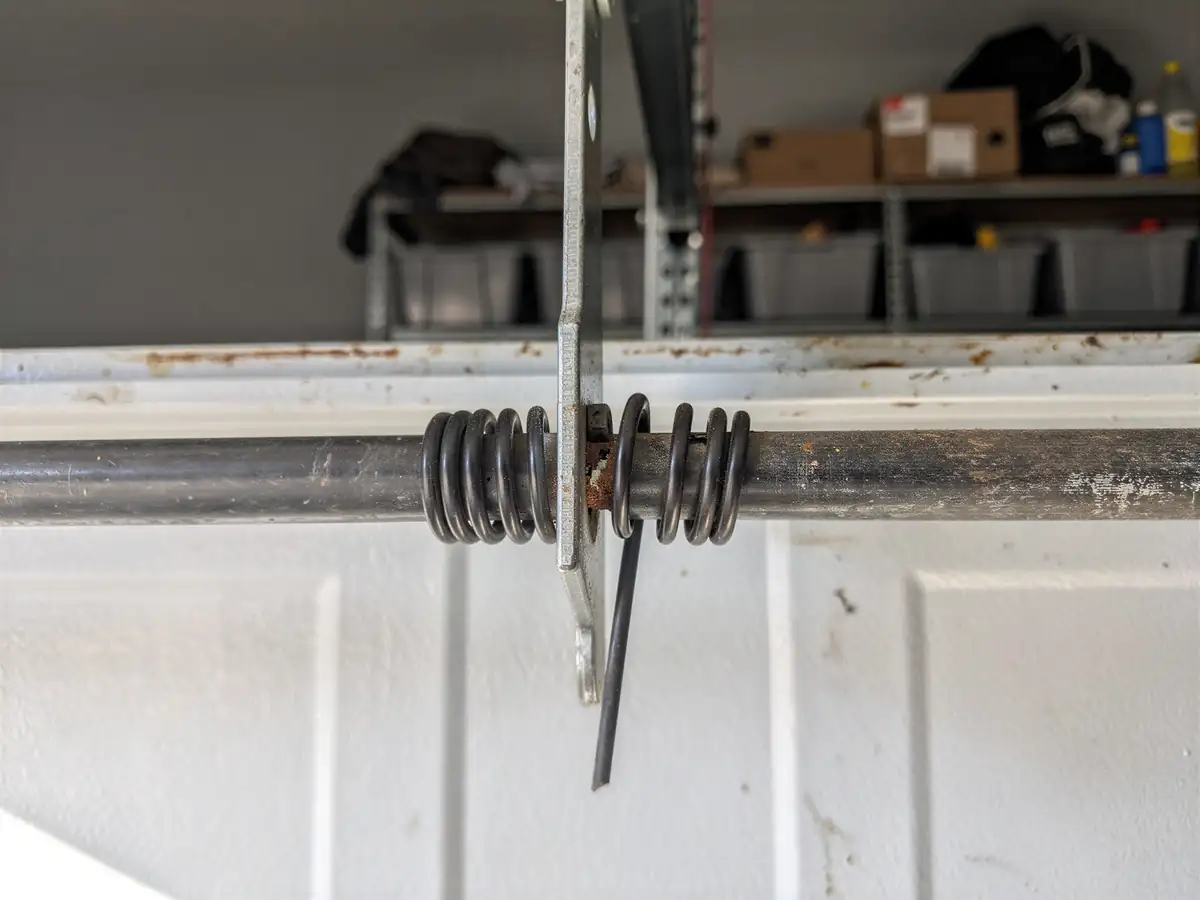
On a door built in this 1980s-to-90s window, the most common failure we see isn't the spring itself - it's the end bearings and the cable drums wearing unevenly after years with no lubrication, which throws the door off balance and makes the opener work harder than it should. Left alone, that extra strain shortens the opener's life too. Cold-weather stiffening in the grease is part of it in winter, since this is a moderate-cold climate band and old lubricant thickens up and slows the door's response. We also see torsion springs that were correctly sized in 1990 but have simply cycled out their rated life - that's not a defect, just wear, and replacing a tired spring before it snaps is cheaper and safer than waiting for the cable to let go under tension.