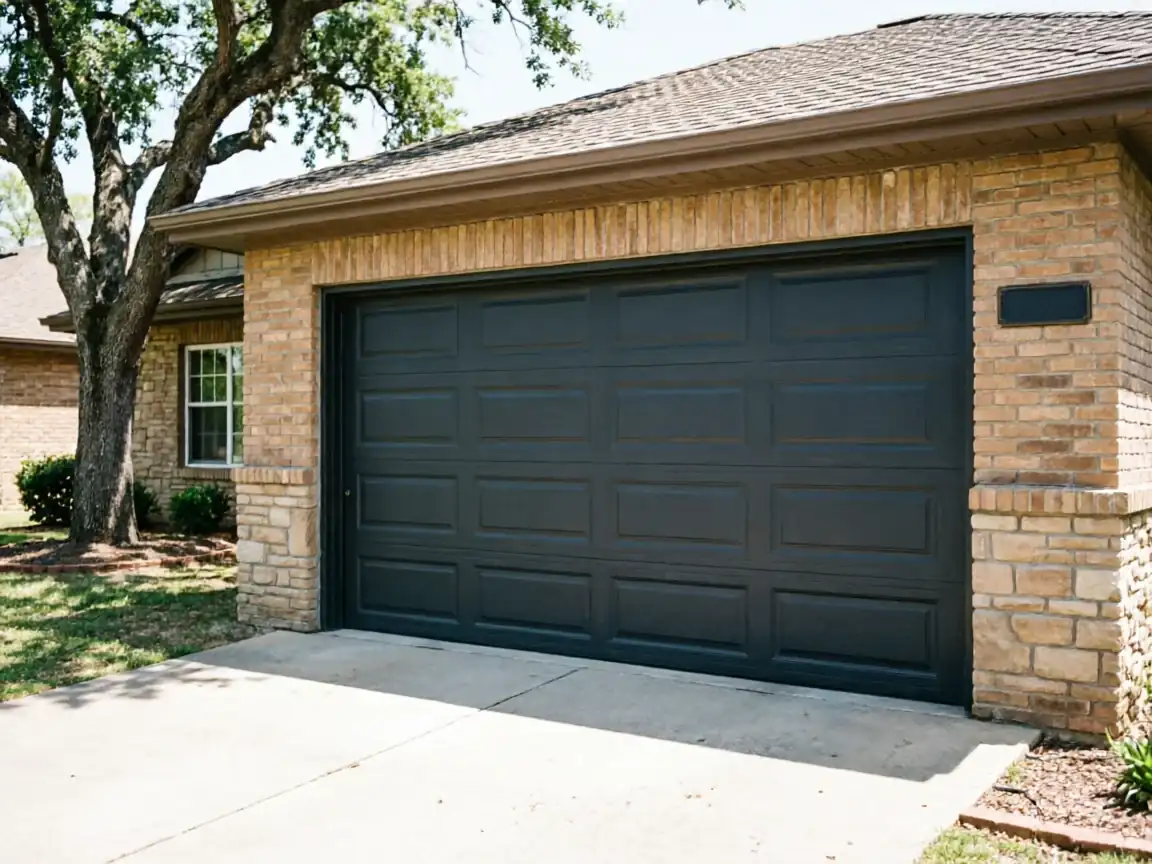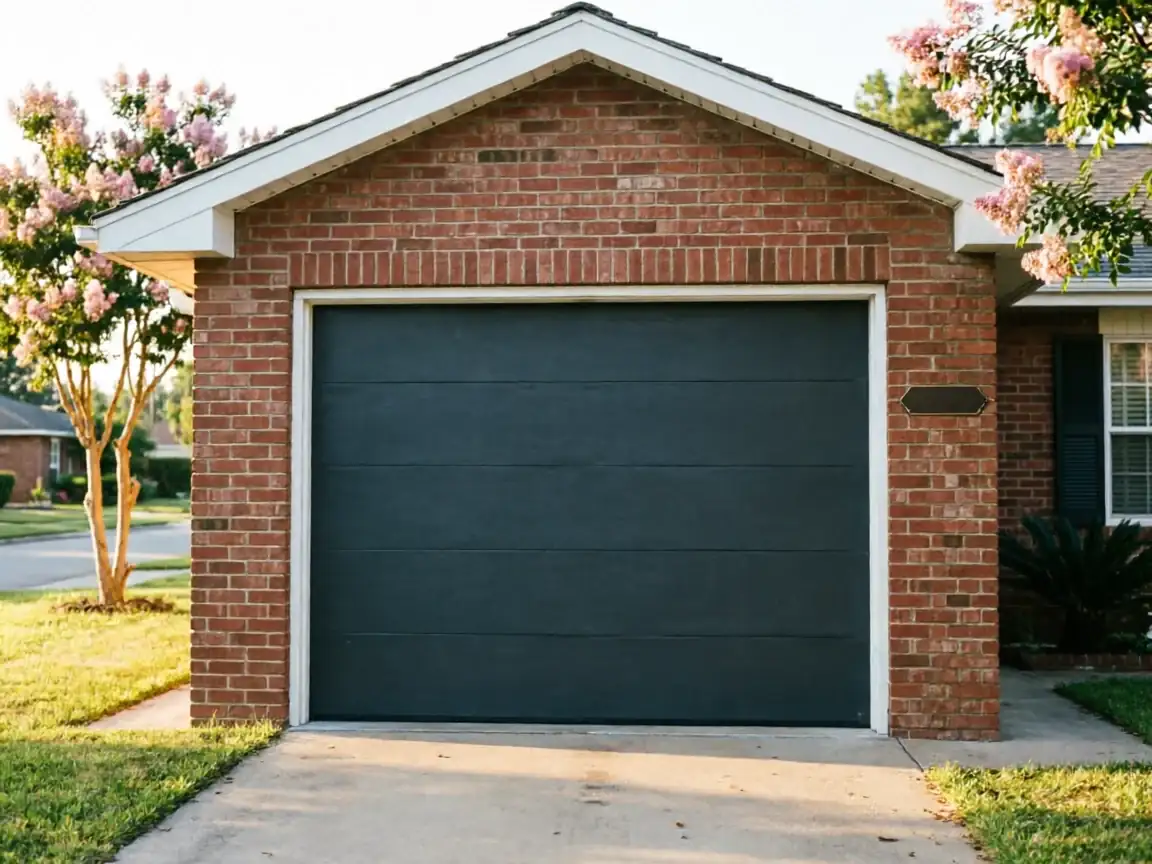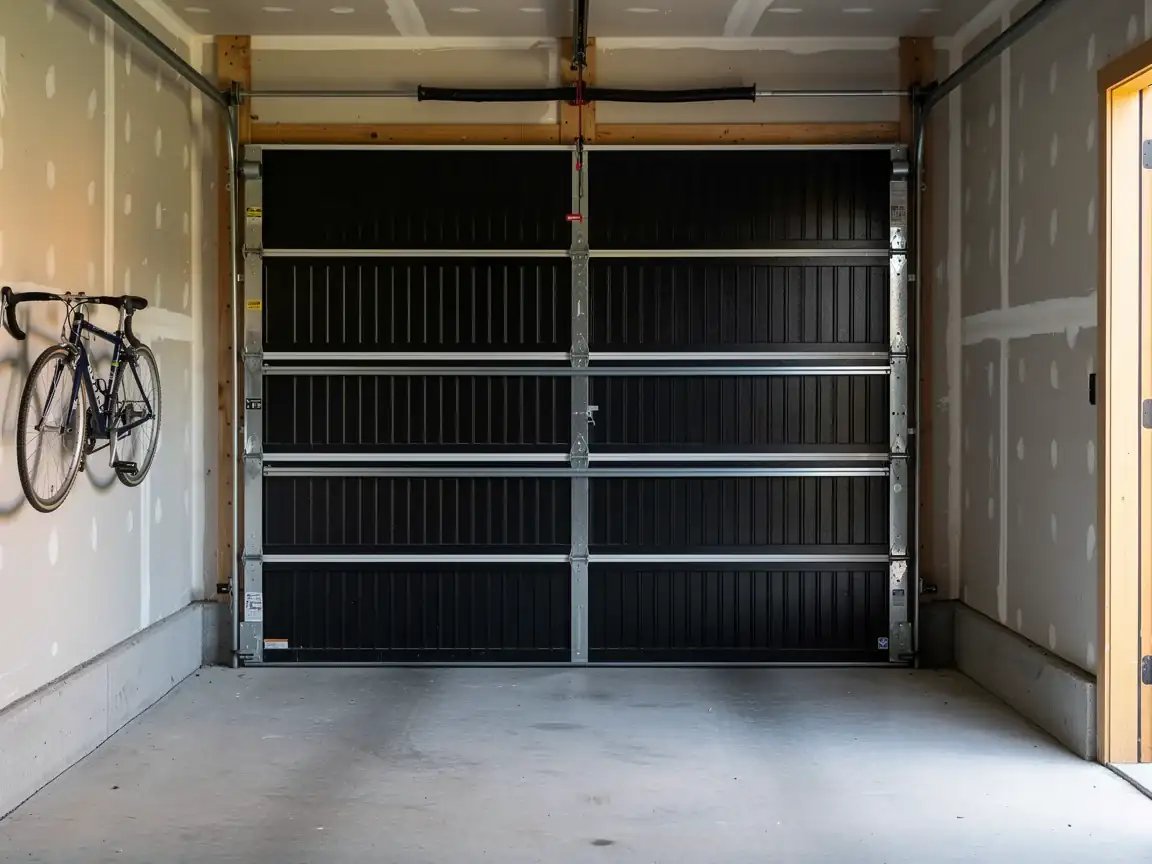
How It Shows Up
Most of the trouble we get called out for starts quiet
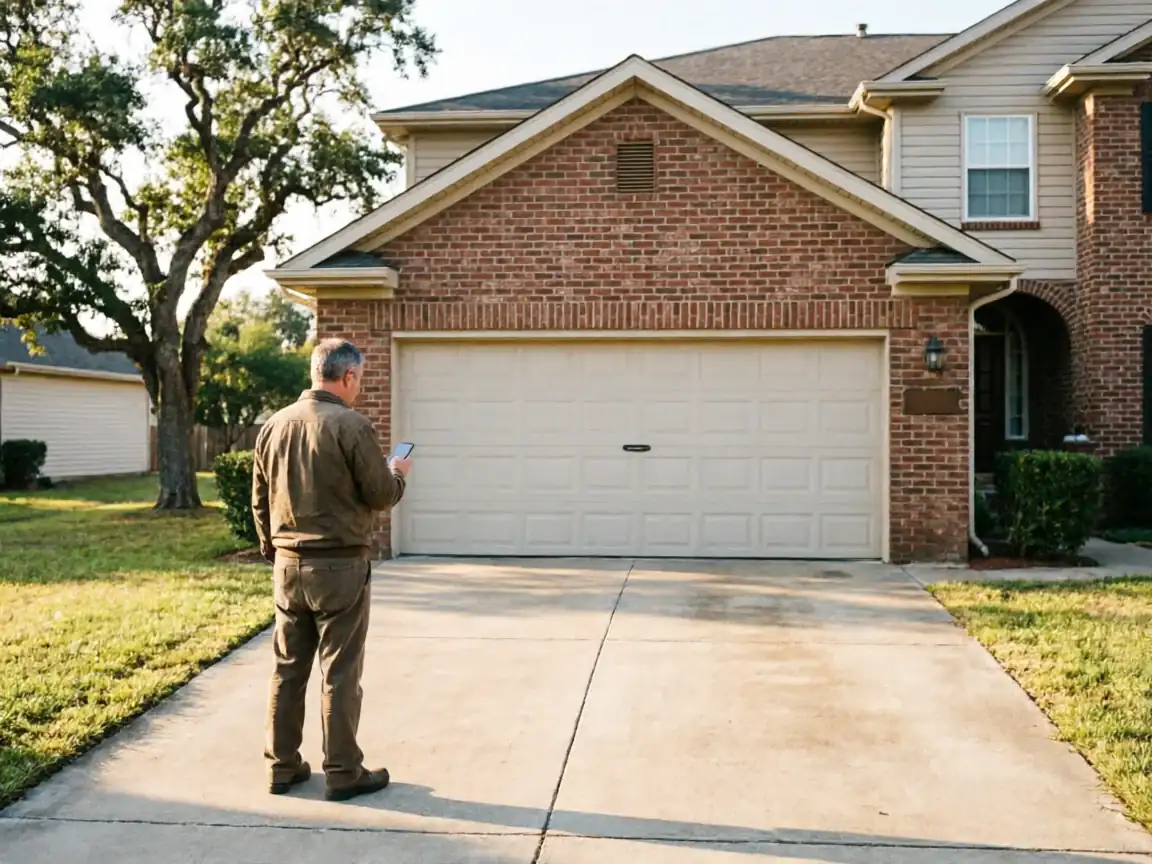
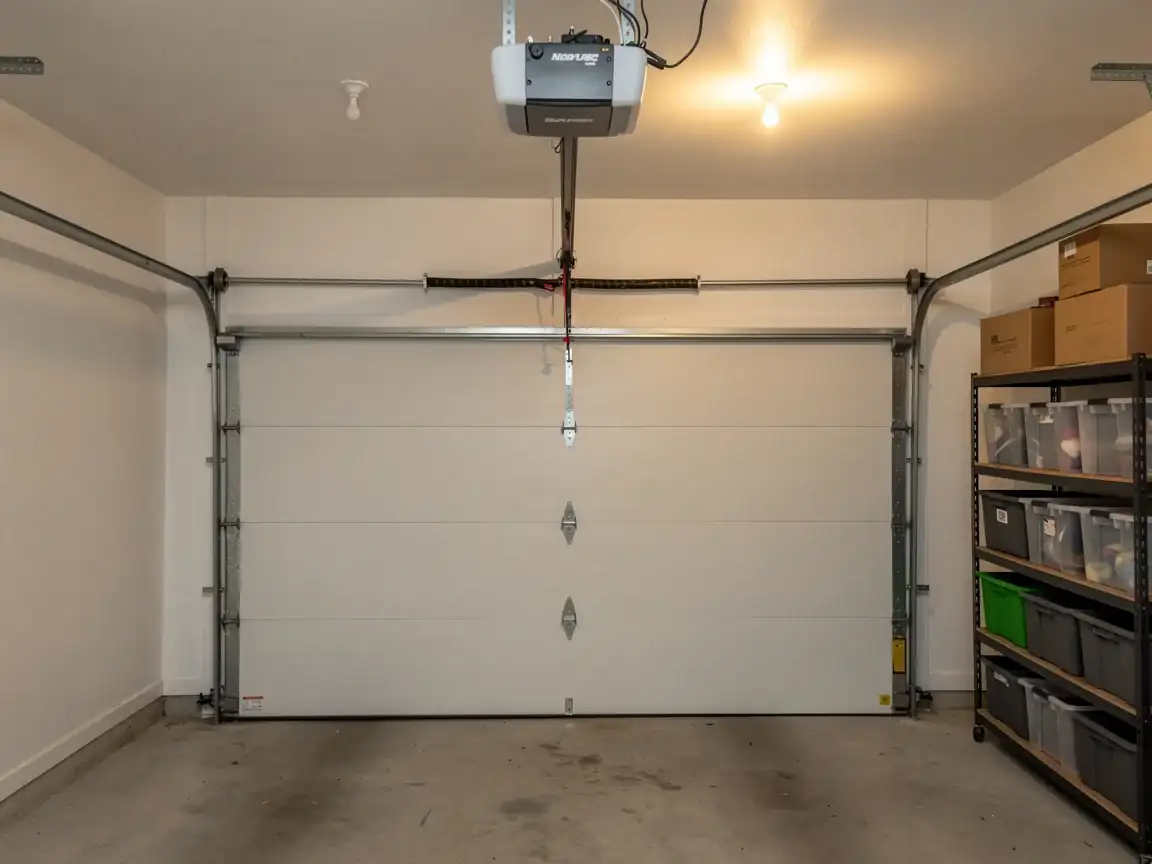
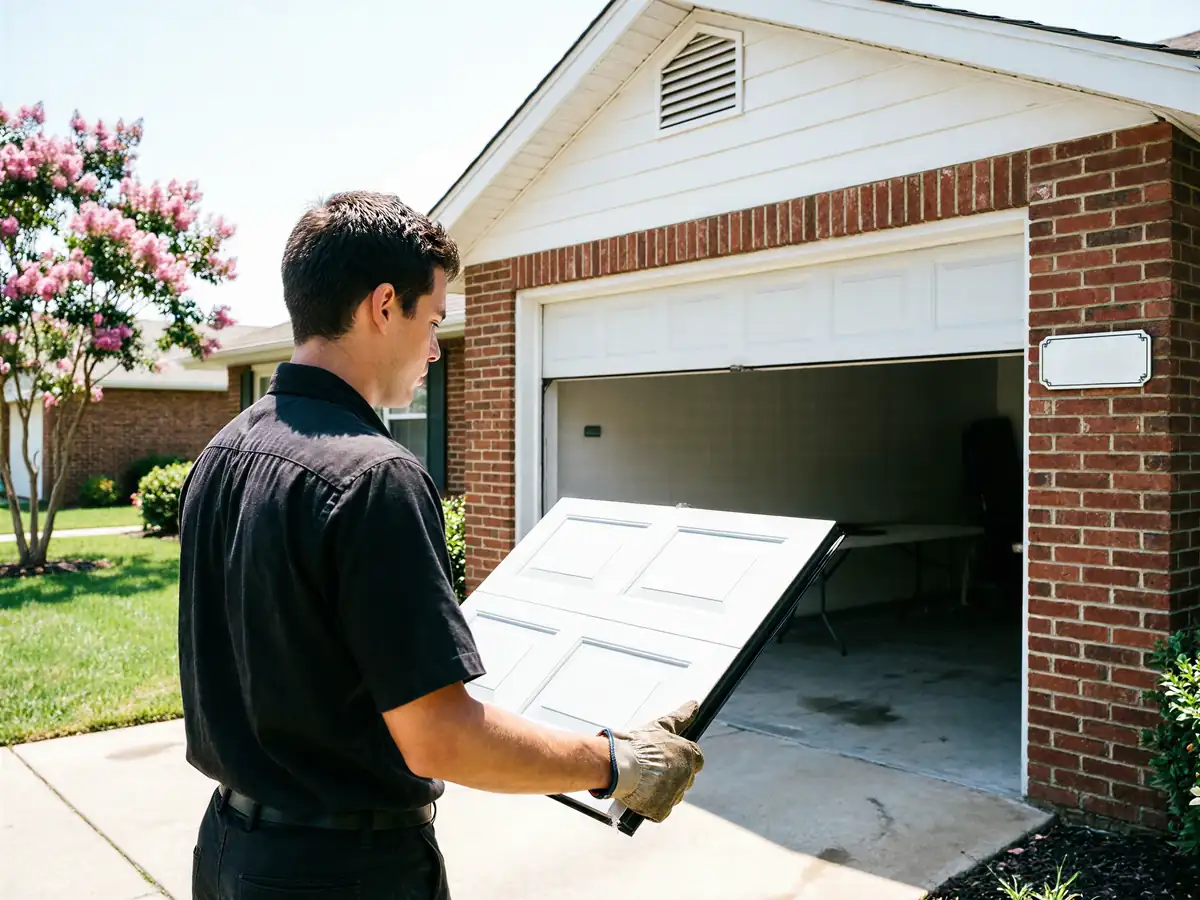
A door that used to glide now hesitates about eight inches off the floor. An opener that used to run smooth now grinds through the last foot of travel. Rollers rattle on the way down instead of rolling. None of that is dramatic, which is exactly why it gets ignored until the spring finally gives out on a Saturday morning with the car trapped inside.
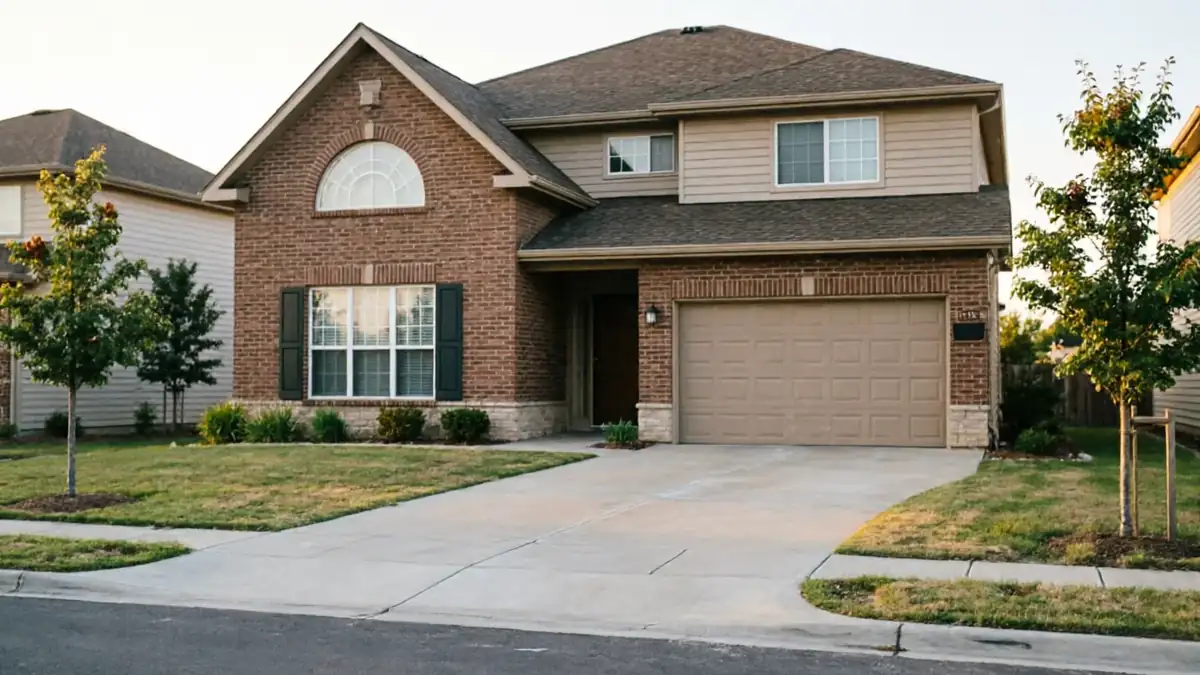
Across this service territory, housing went up mostly between 1964 and 2004
With the bulk of it built in the 1980s and 90s. That means a lot of original torsion hardware is still in these garages - springs and bearings nobody has touched since the house was framed. Cold-moderate winters here don't help. Grease that was fine in August turns stiff by January, and a spring already near the end of its wind cycle has to work harder to lift a door it was sized for thirty years ago. That's the combination that shows up as noise first, then drag, then a snapped cable or a seized bearing.
How to Book
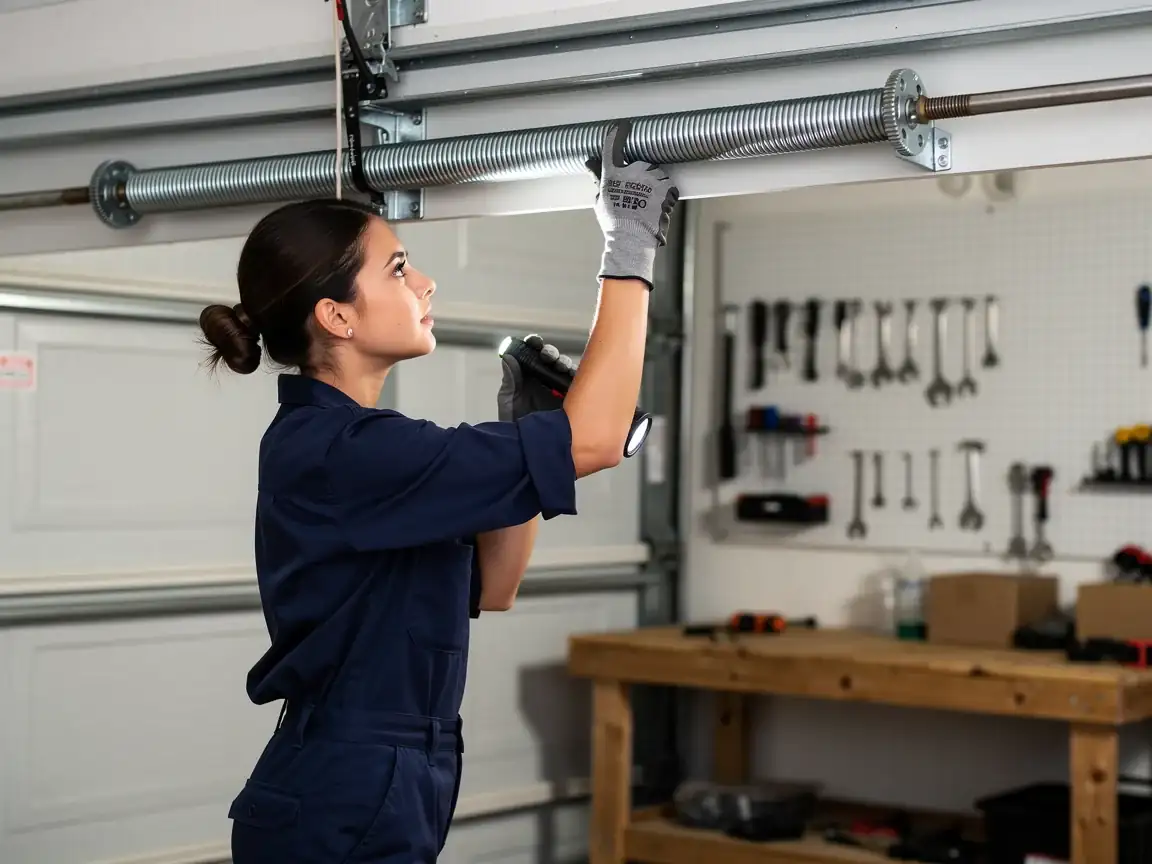
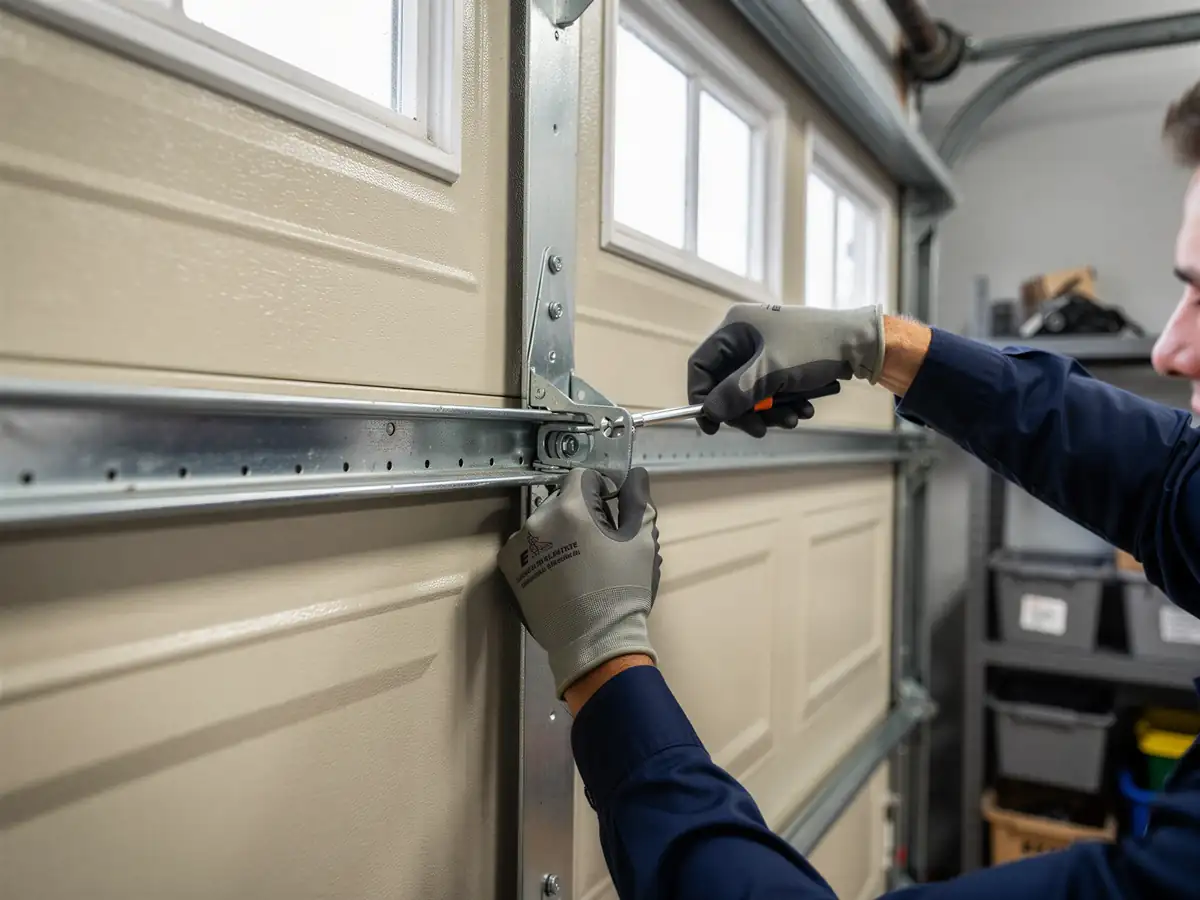
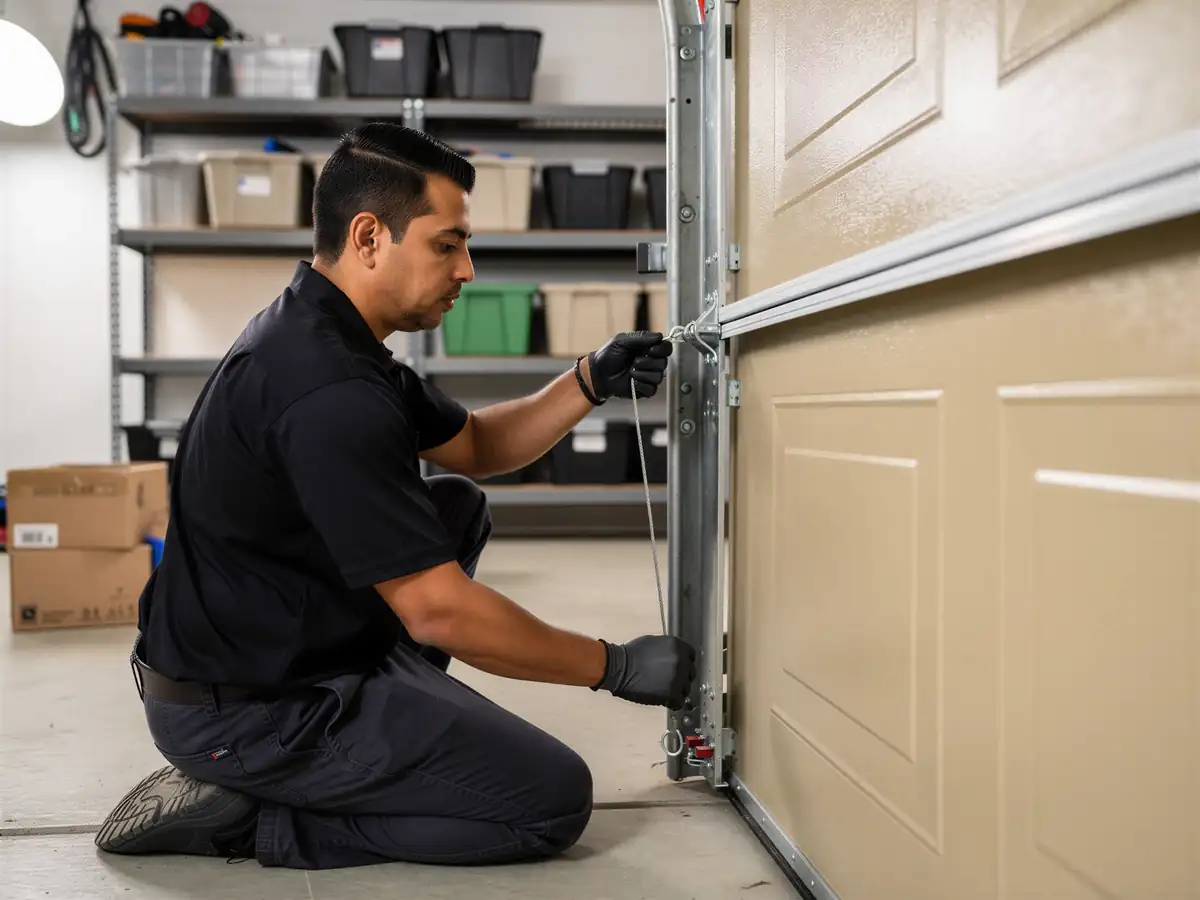
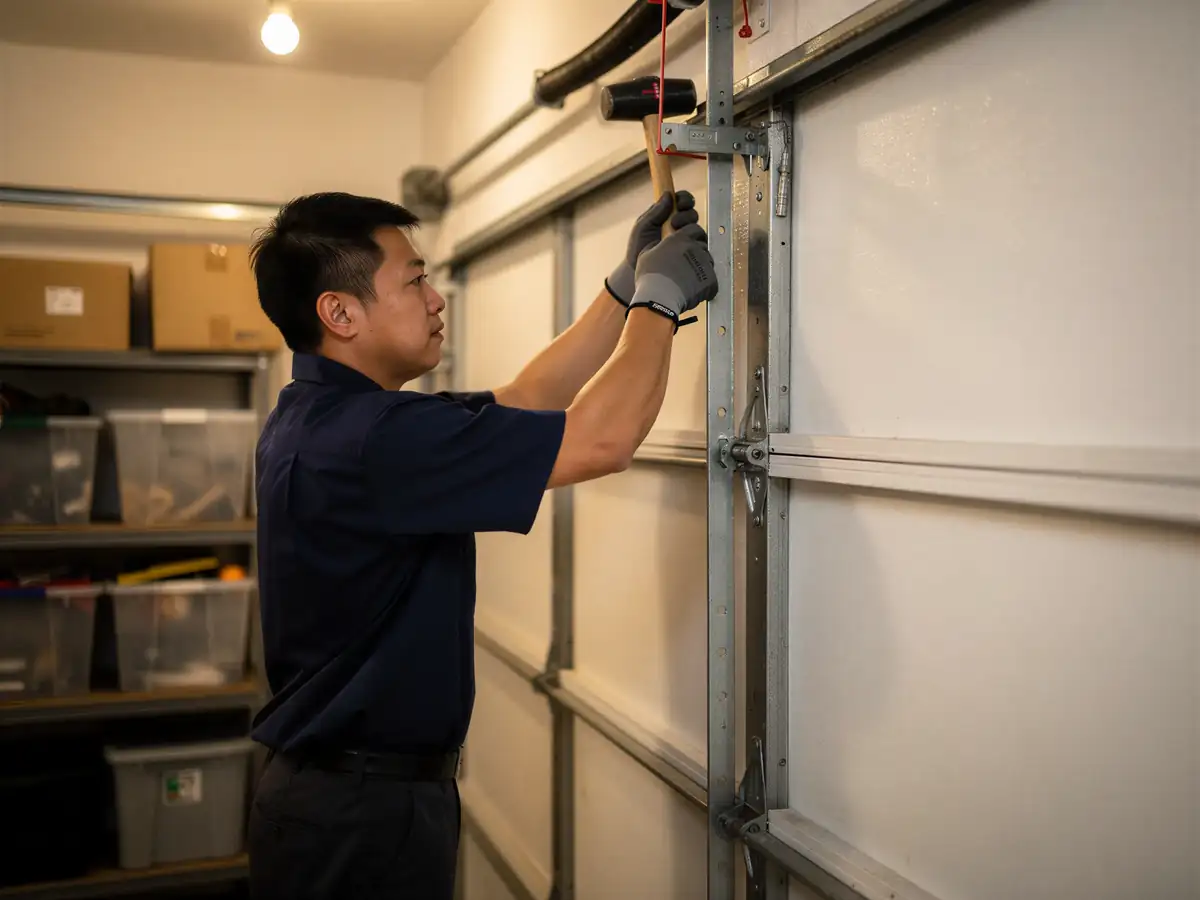
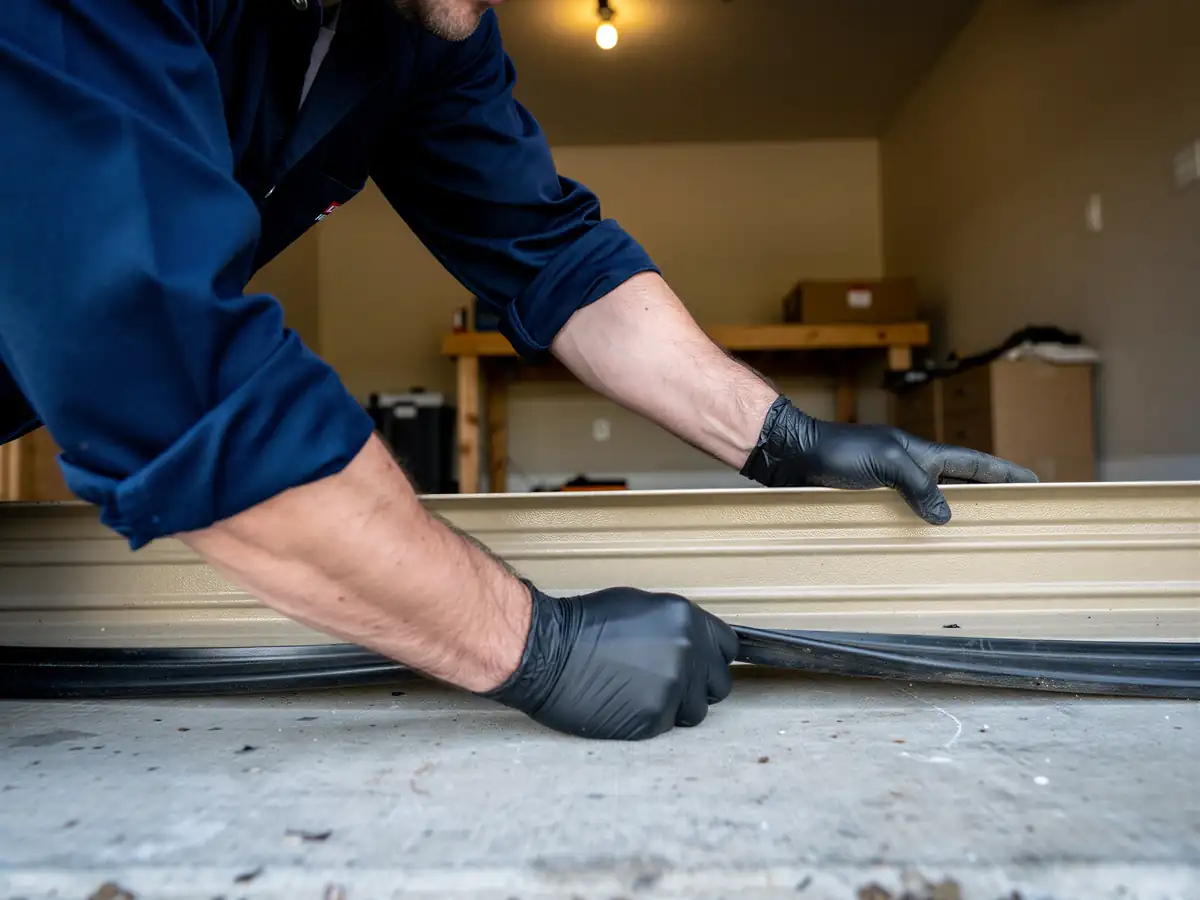
A maintenance visit isn't an inspection where someone walks around with a clipboard and tells you what you already know is wrong. We check spring tension, lube the rollers and hinges, test balance, tighten the hardware that's worked itself loose, and look at the cable condition before it becomes a cable problem. On a house with original 1980s or 90s hardware, that's usually the difference between a ten-minute adjustment now and a full spring replacement later.
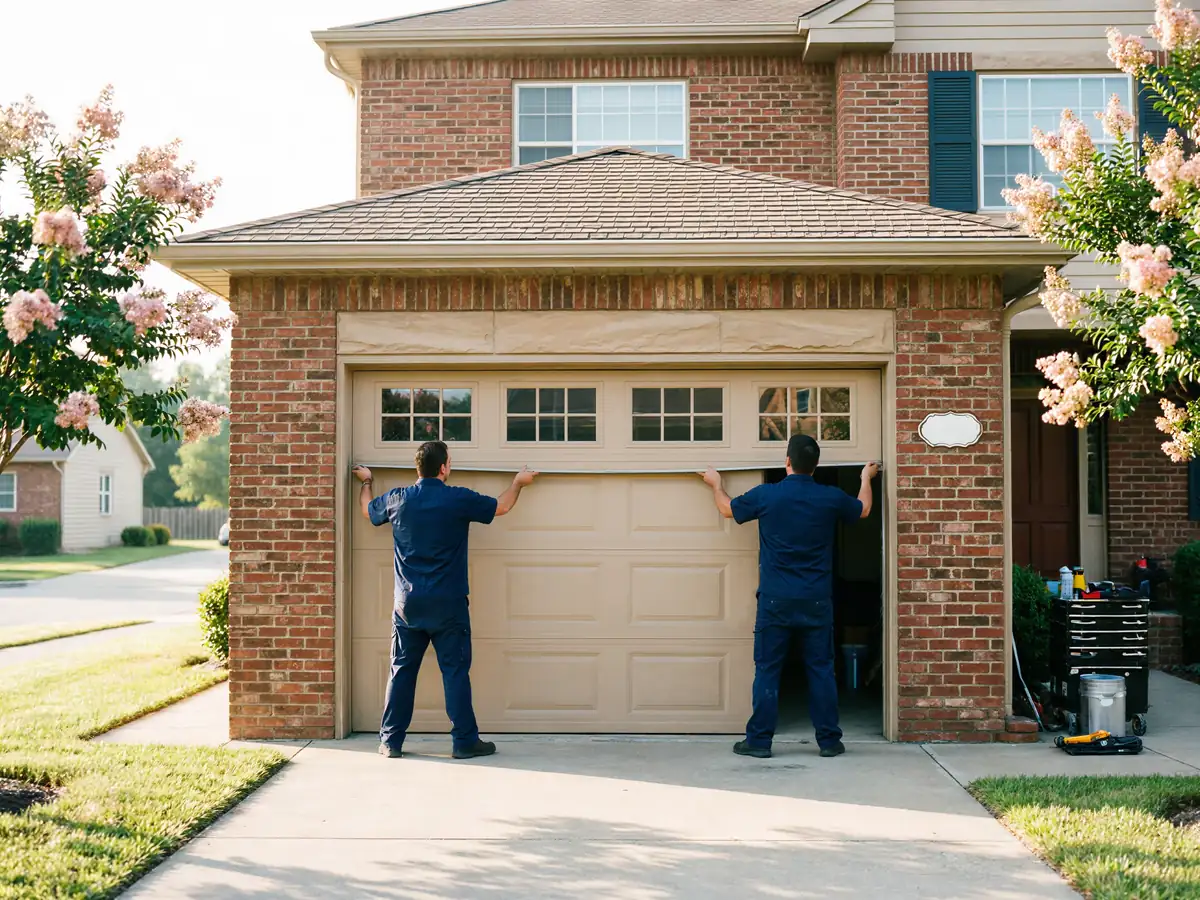
We cover a wide stretch of households in this part of the state - 63,331 of them, with 36,448 owner-occupied houses carrying a garage door that's generally as old as the house. If your address falls inside that area, book through the site and we'll get a truck out. Visit / to schedule.
Why This Fails Locally
The reason maintenance matters more here than it does in a newer subdivision is the age curve of the housing stock itself. A door built in 1987 wasn't engineered with forty years of temperature swings in mind - it was engineered to last the warranty period and then get maintained. Most owners skip that part, so the springs that shipped with the house are often still the springs doing the lifting today, just fatigued.
Cold-moderate winters compound it. Steel contracts, lubricant thickens, and a spring that's already lost some of its wind has less margin to work with. That's a different failure pattern than you'd see in a climate that stays warm year-round, where the same spring might just slowly sag instead of snapping.
Median household income across the area runs around $75,000, which is generally enough to justify a seasonal tune-up rather than waiting for a full breakdown - a smaller cost now instead of an emergency call and a same-day opener swap later. The math only works if someone actually does the maintenance, though. A lot of these original-hardware doors are still waiting on their first real service visit.
Doing It Yourself
There's real maintenance you can do without us
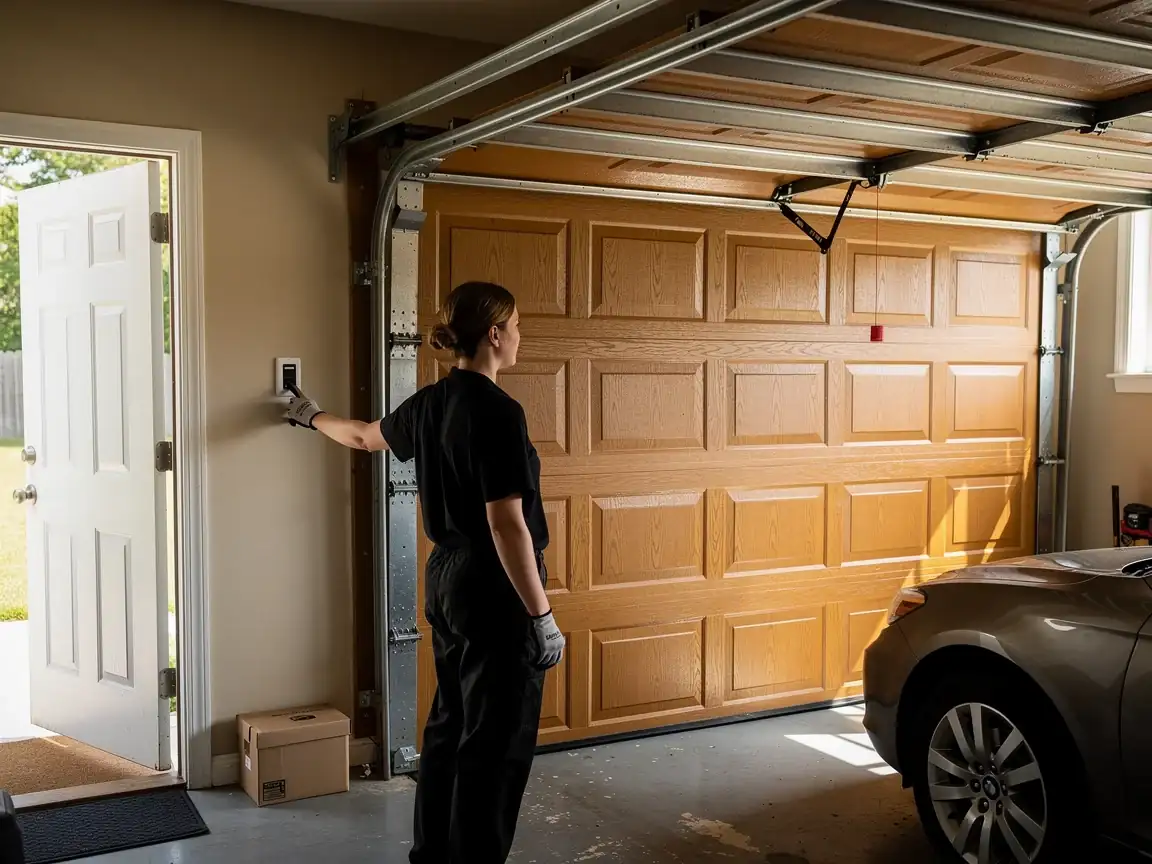
Wipe down the tracks, check that the photo-eye sensors aren't coated in dust, and put a light coat of lithium grease on the rollers and hinges a couple times a year - that's a twenty-minute job and we're not going to drive out to do it for you.
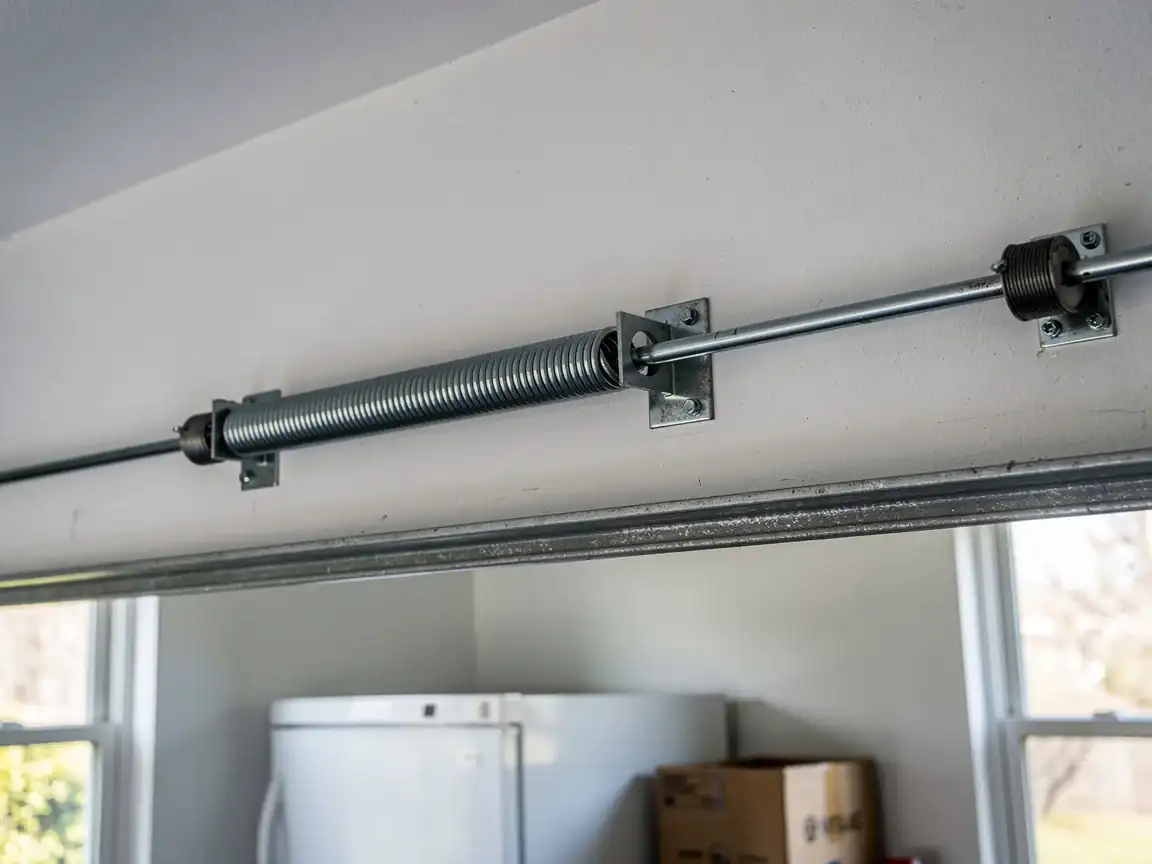
What you shouldn't touch is the torsion spring itself
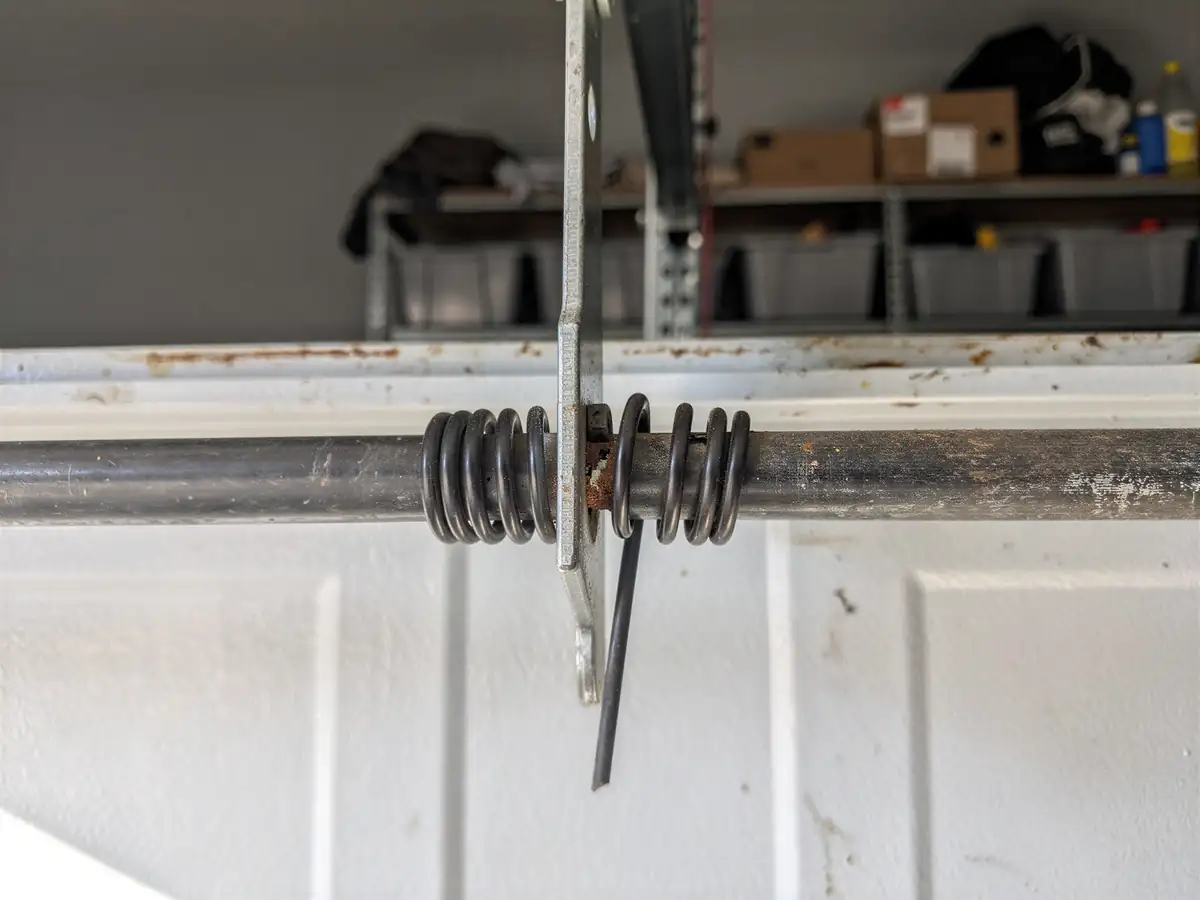
Those springs are wound under enough tension to break a bone or worse, and on a door that's been running on its original 1980s or 90s spring, the metal fatigue isn't something you can eyeball. If the door is noisy but still balances evenly when you disconnect the opener and lift it by hand, you're probably fine to keep doing your own lube schedule. If it's heavy on one side, drops fast, or the spring has visible gaps when it's wound, that's a call-us job, not a weekend project.