How It Shows Up
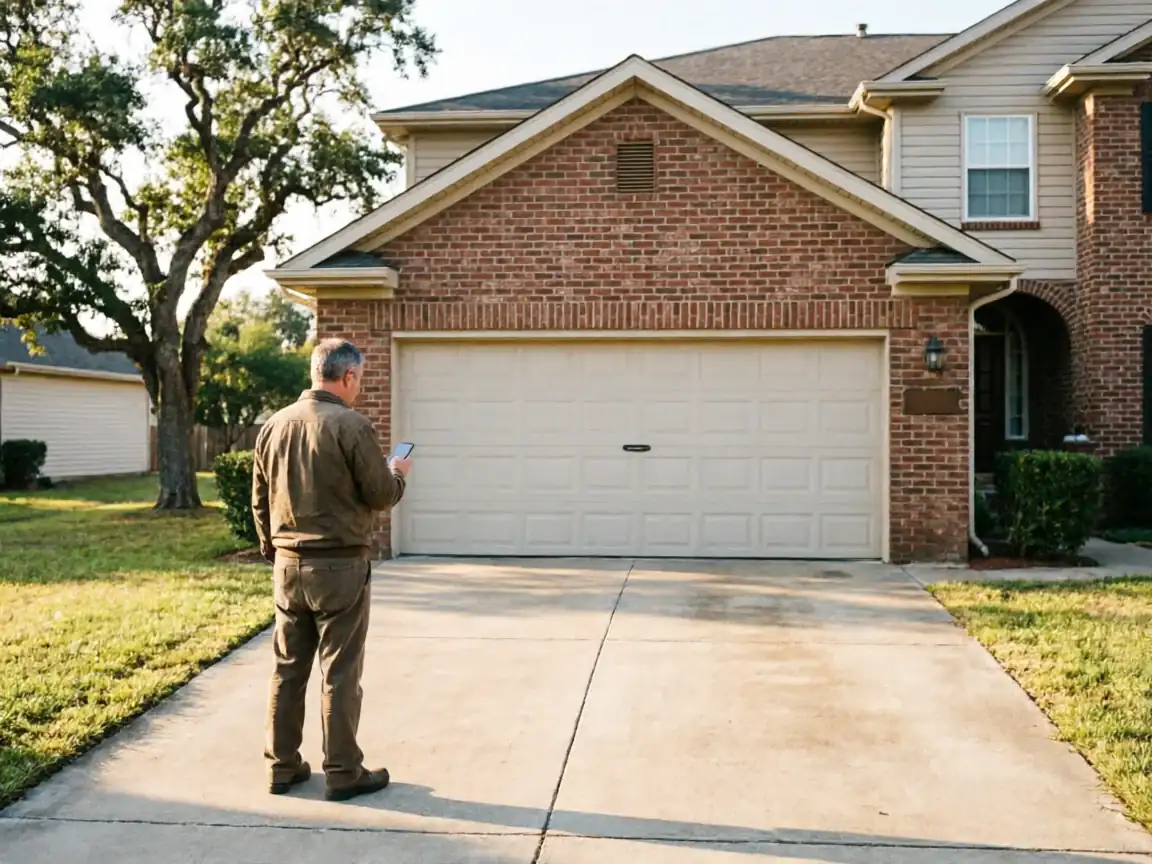
Most calls start the same way: the door won't open, or it opens halfway and stops
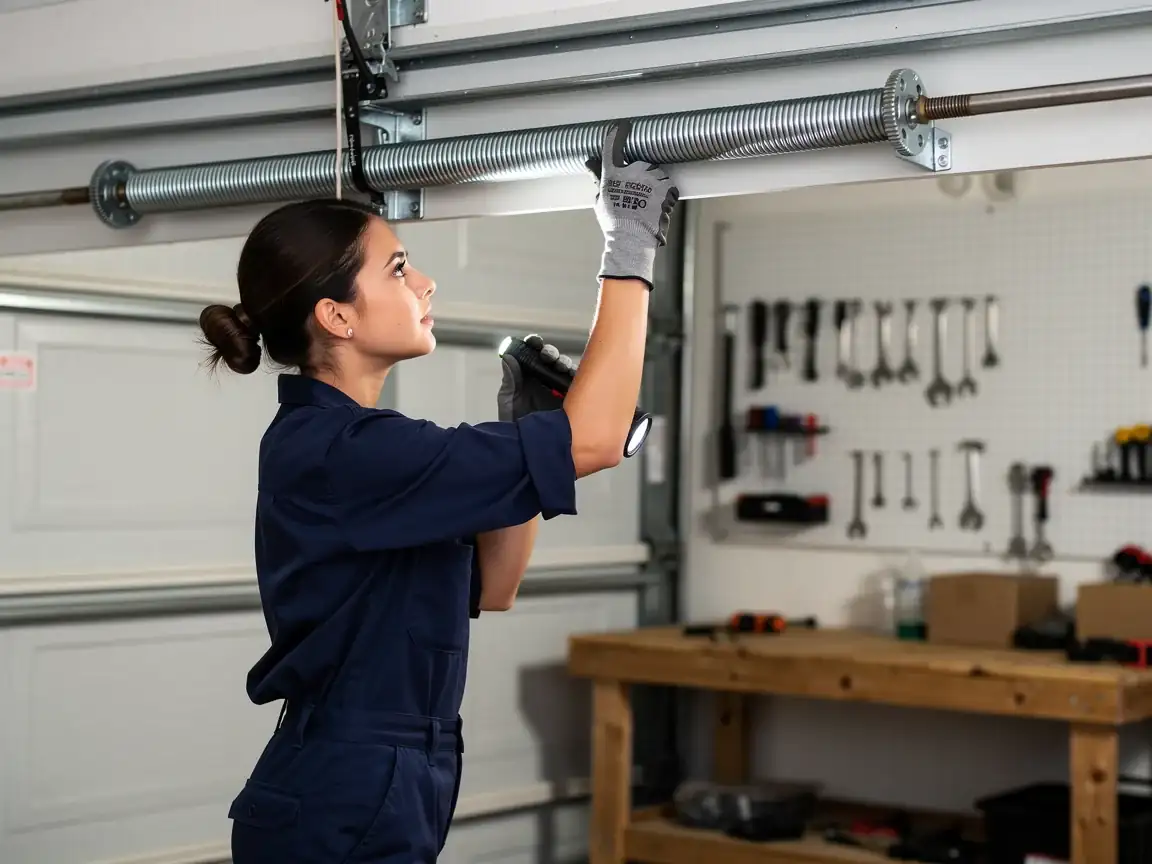
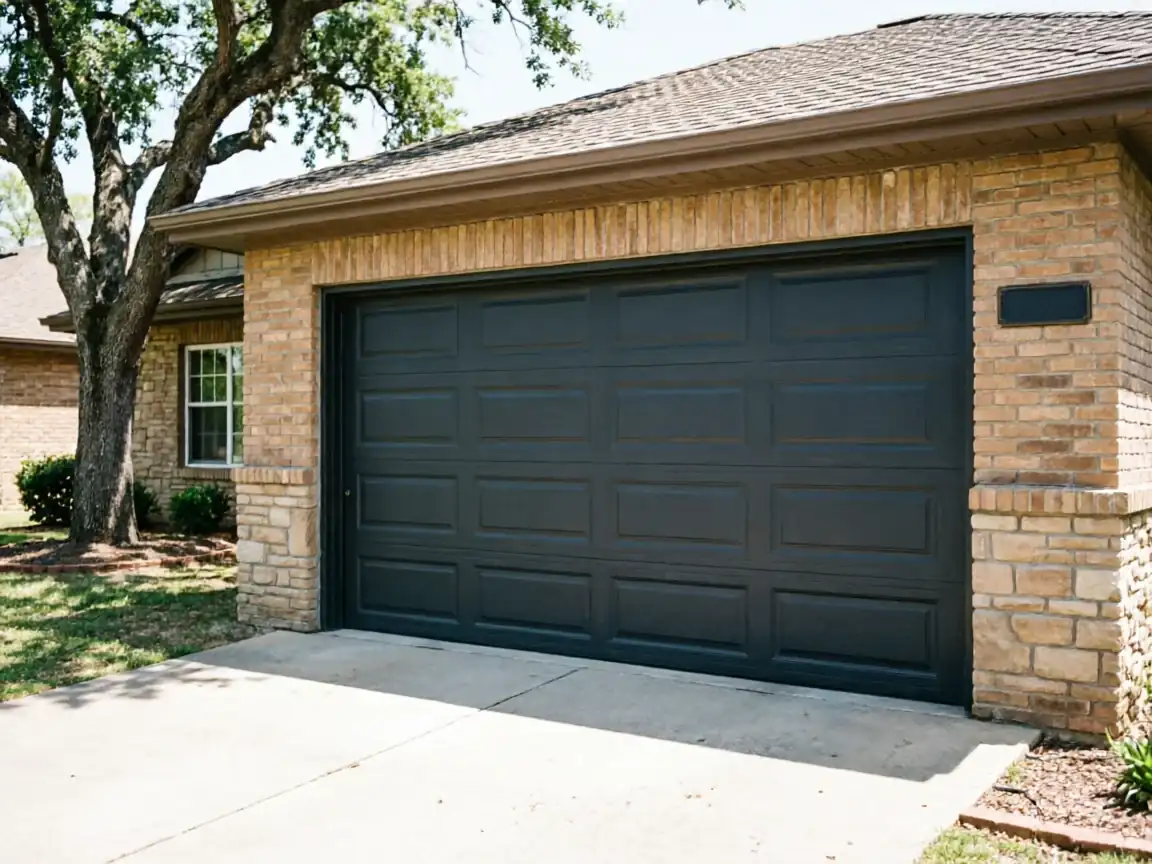
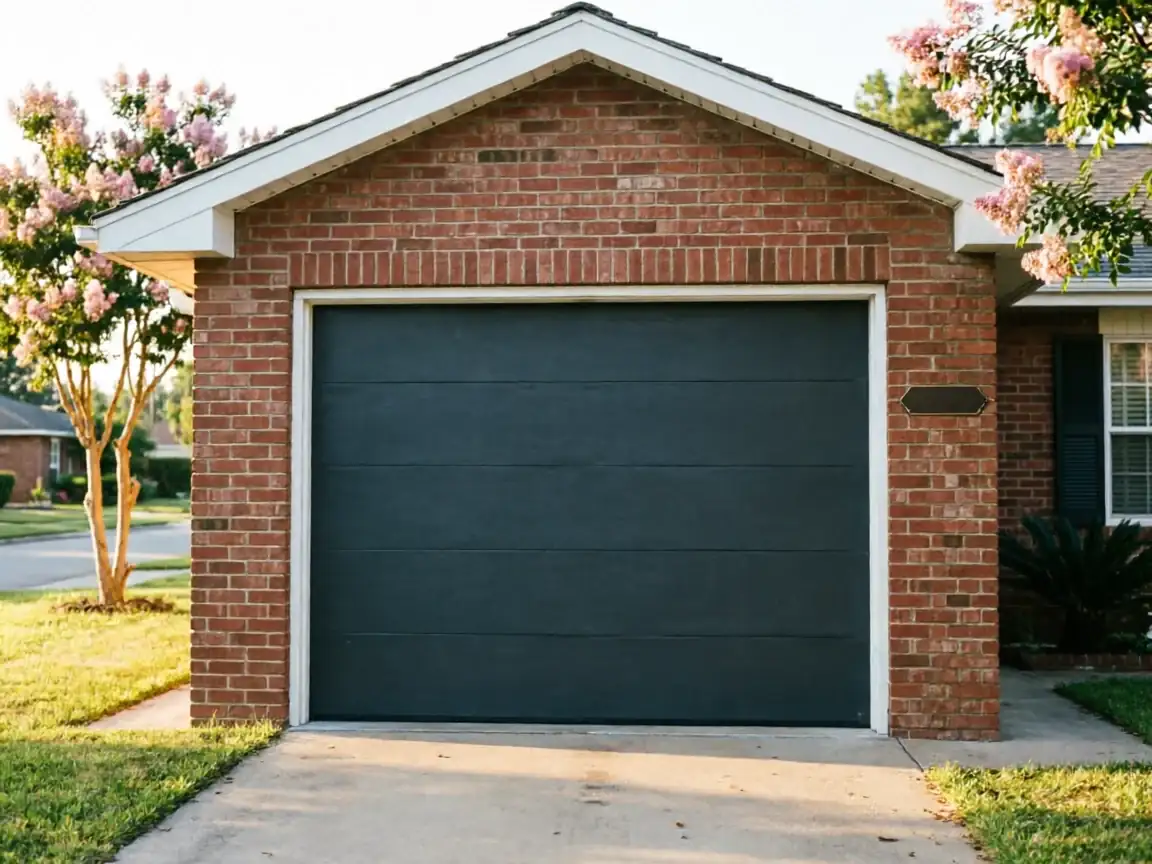
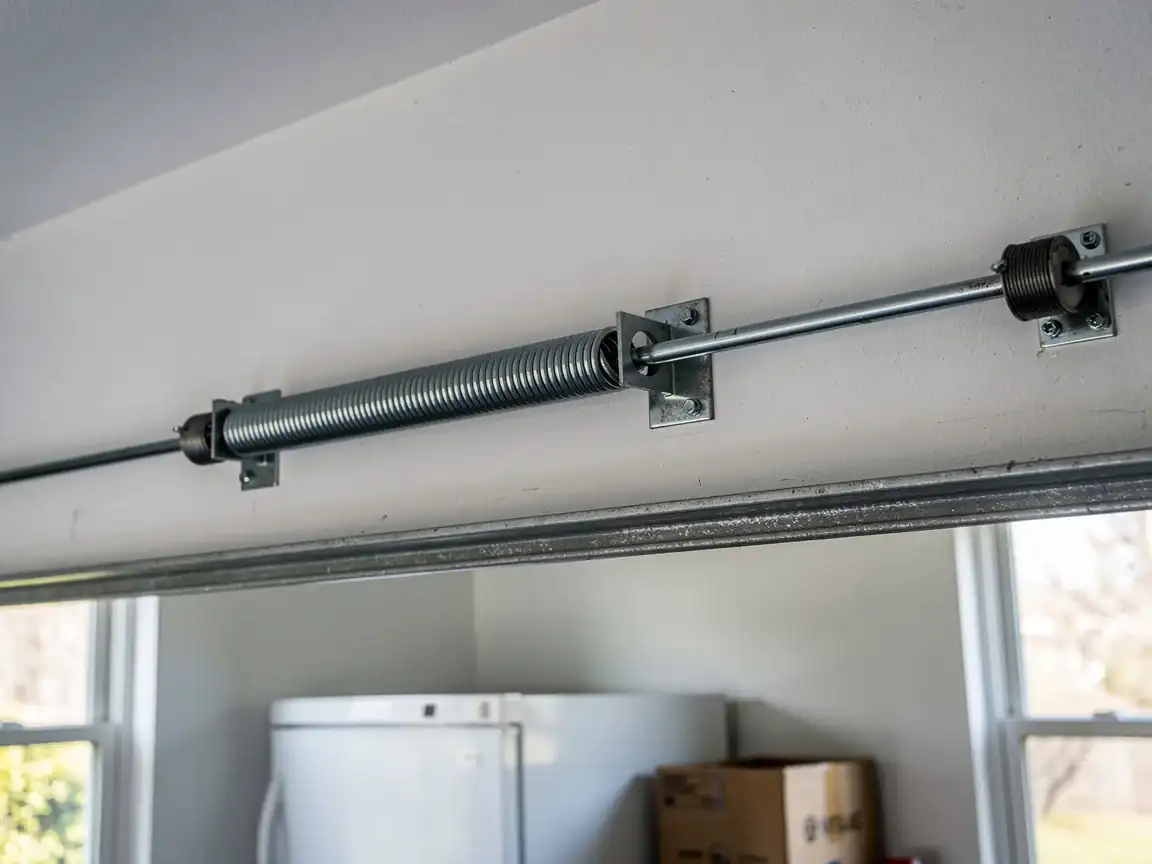
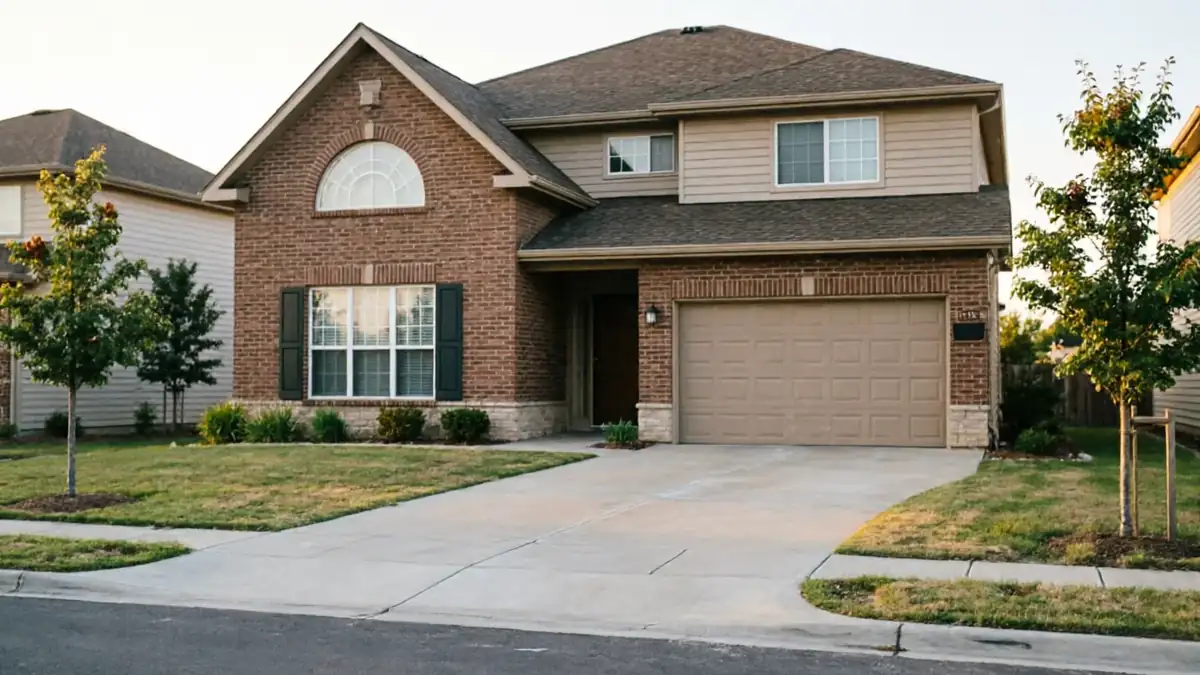
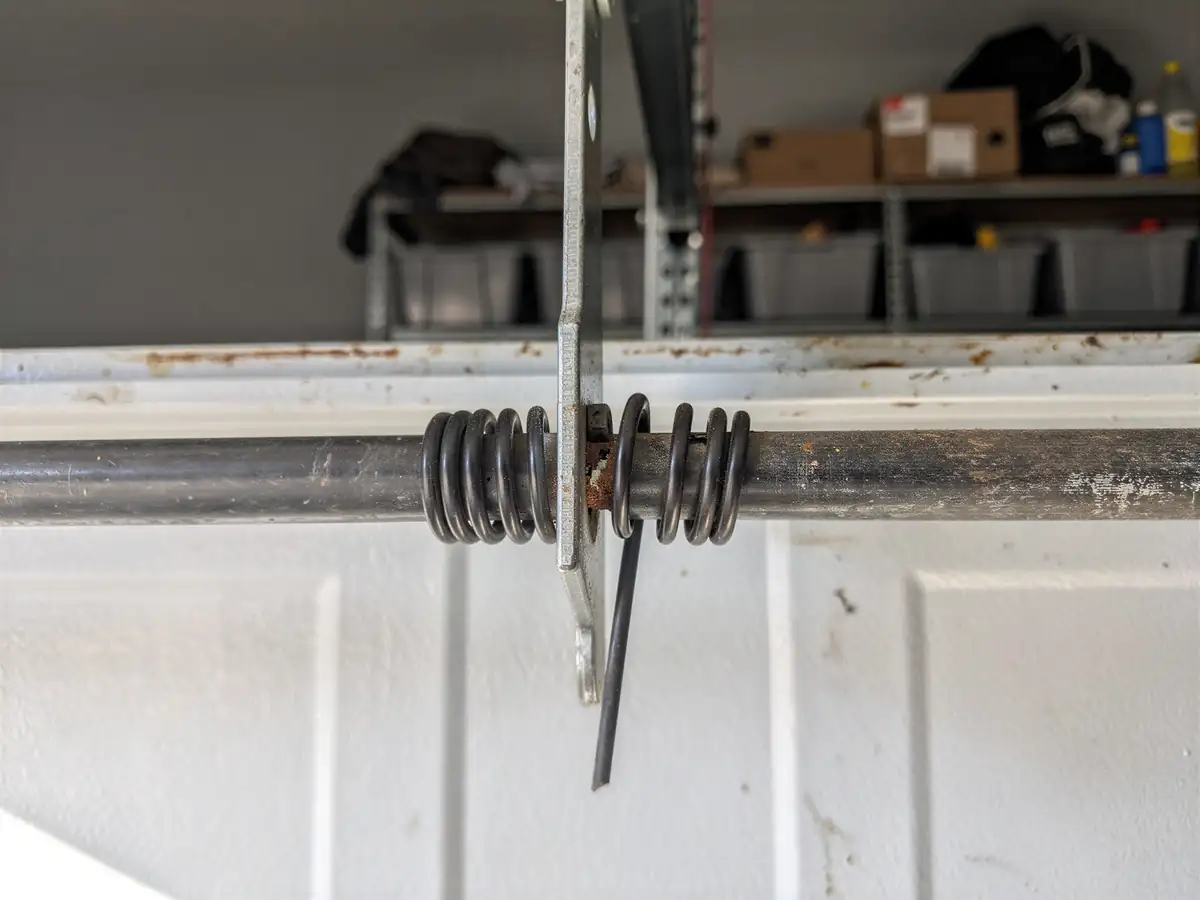
In a lot of Norman homes that's a torsion spring that's given out, because the bulk of the housing here went up between 1964 and 2004, with the median build year sitting around 1987. That's a door old enough that the original spring has done its 10,000-cycle count and then some, but the house itself isn't old enough that anyone's thought to replace it yet.
Other calls are about the opener
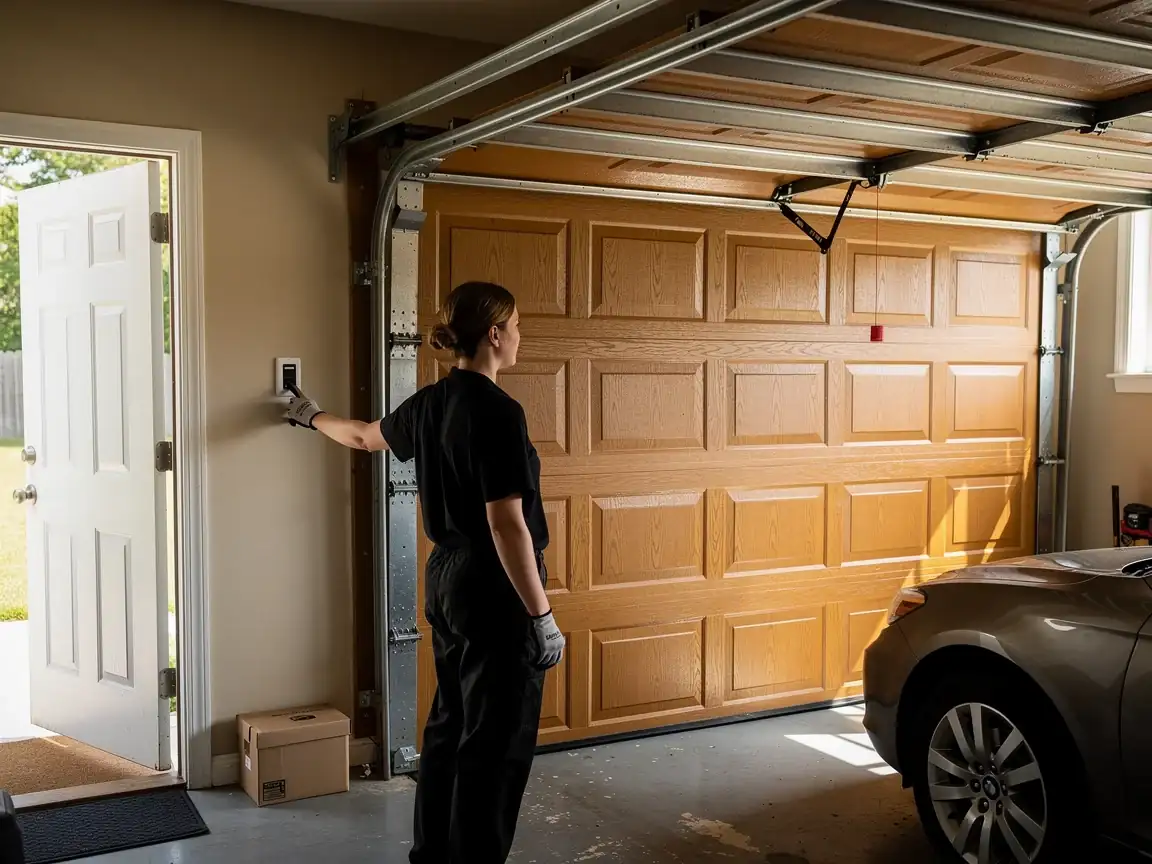
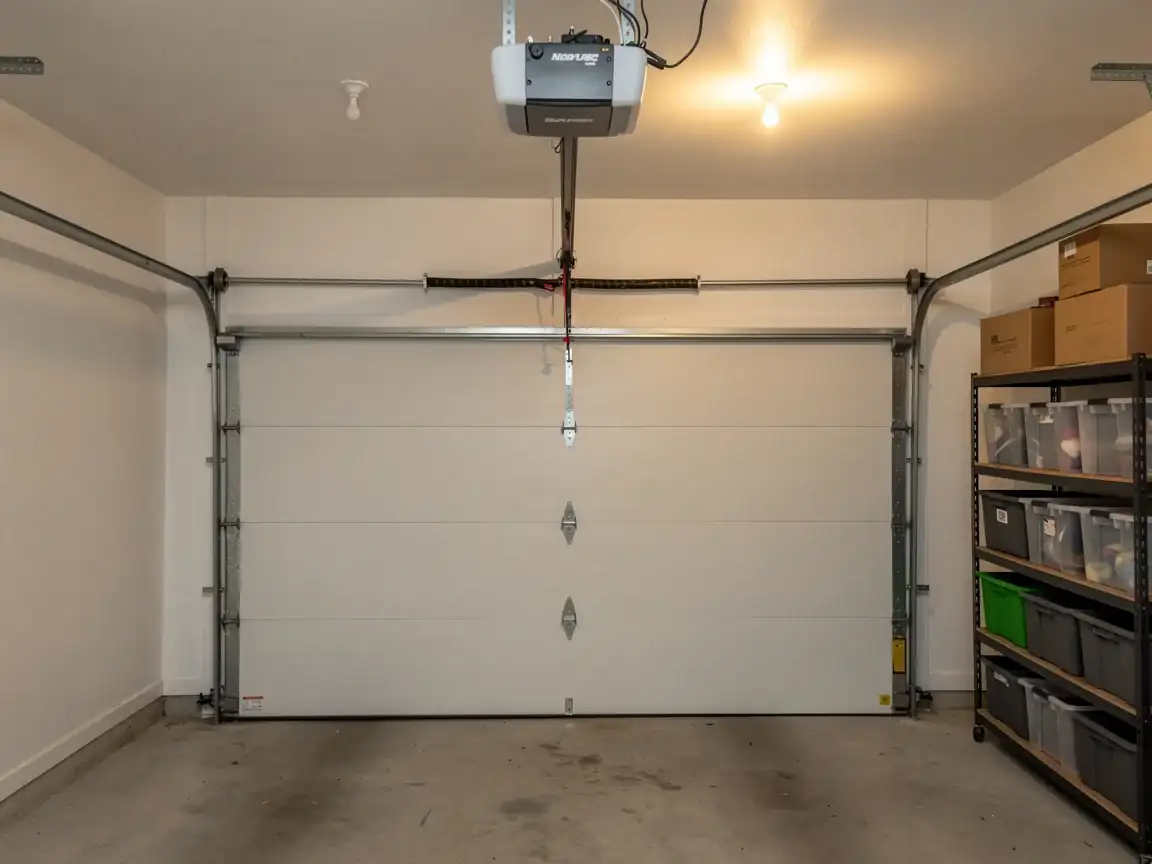
A motor that hums but doesn't lift, or a remote that's stopped talking to the unit. Across the 17 named areas that make up this stock, a huge share of garages are still running the opener that came with the house in the 80s or 90s. That hardware is past its design life even if it still limps along some mornings.
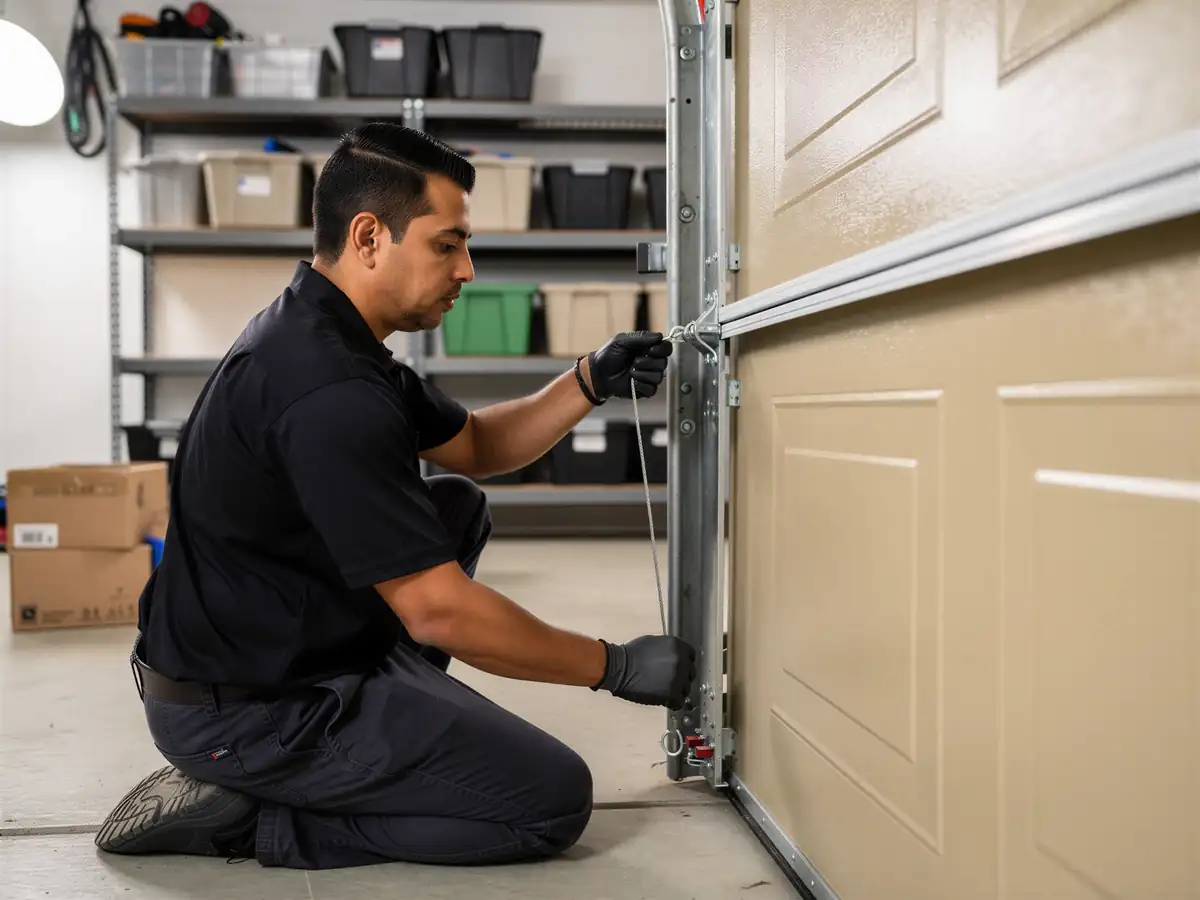
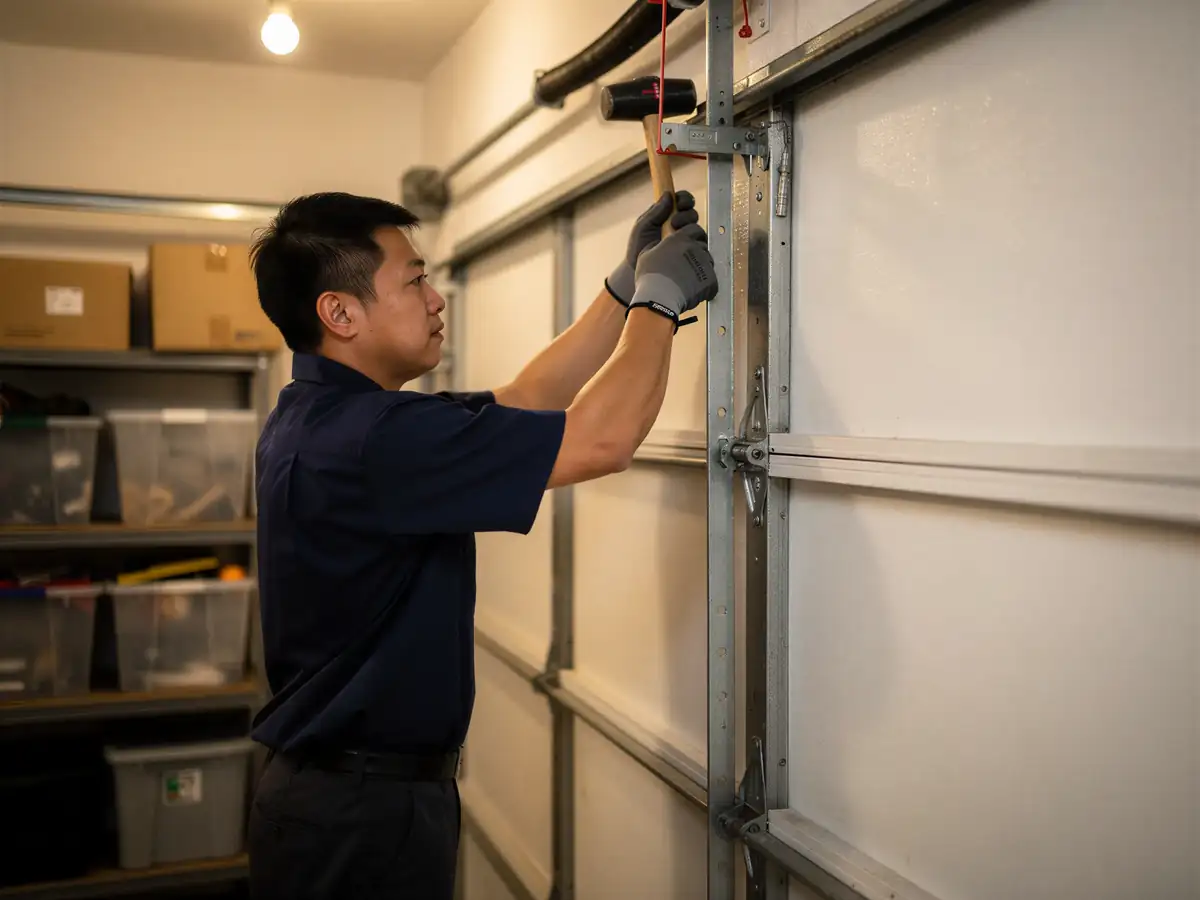
Then there's the track and roller problem
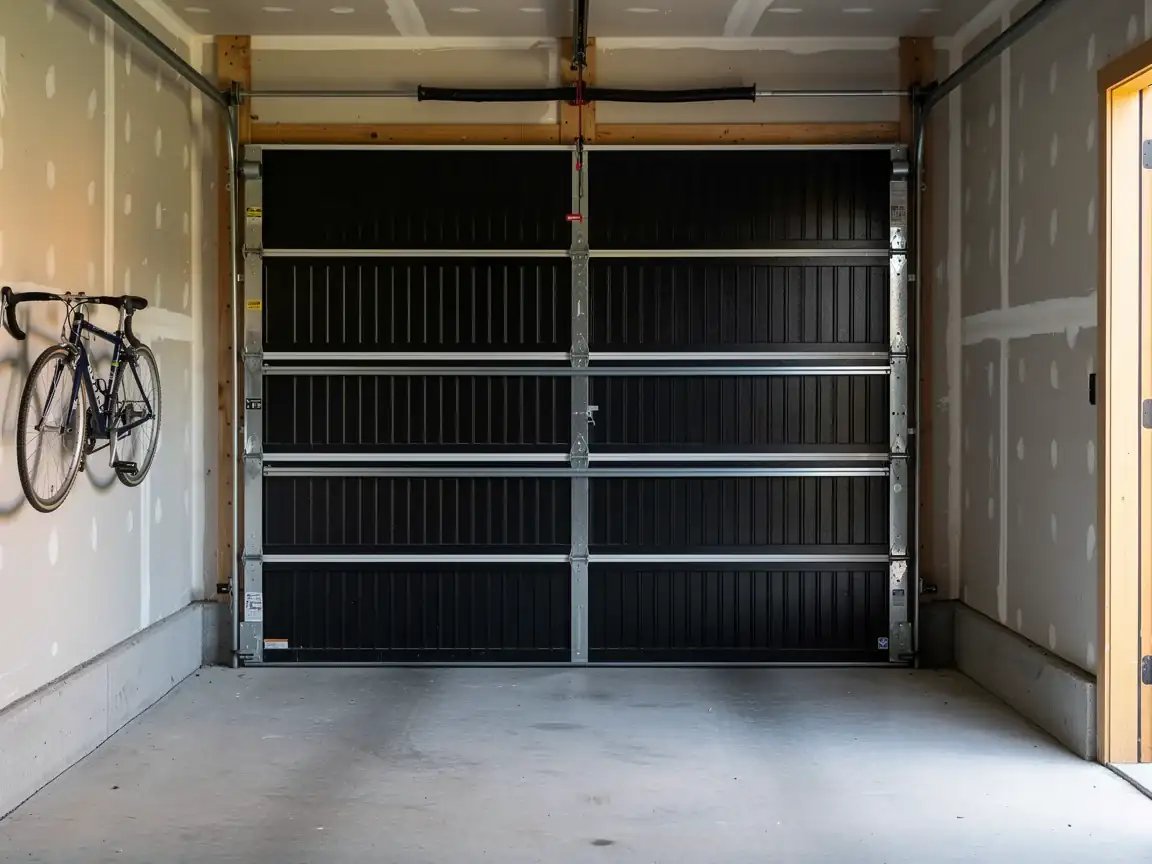
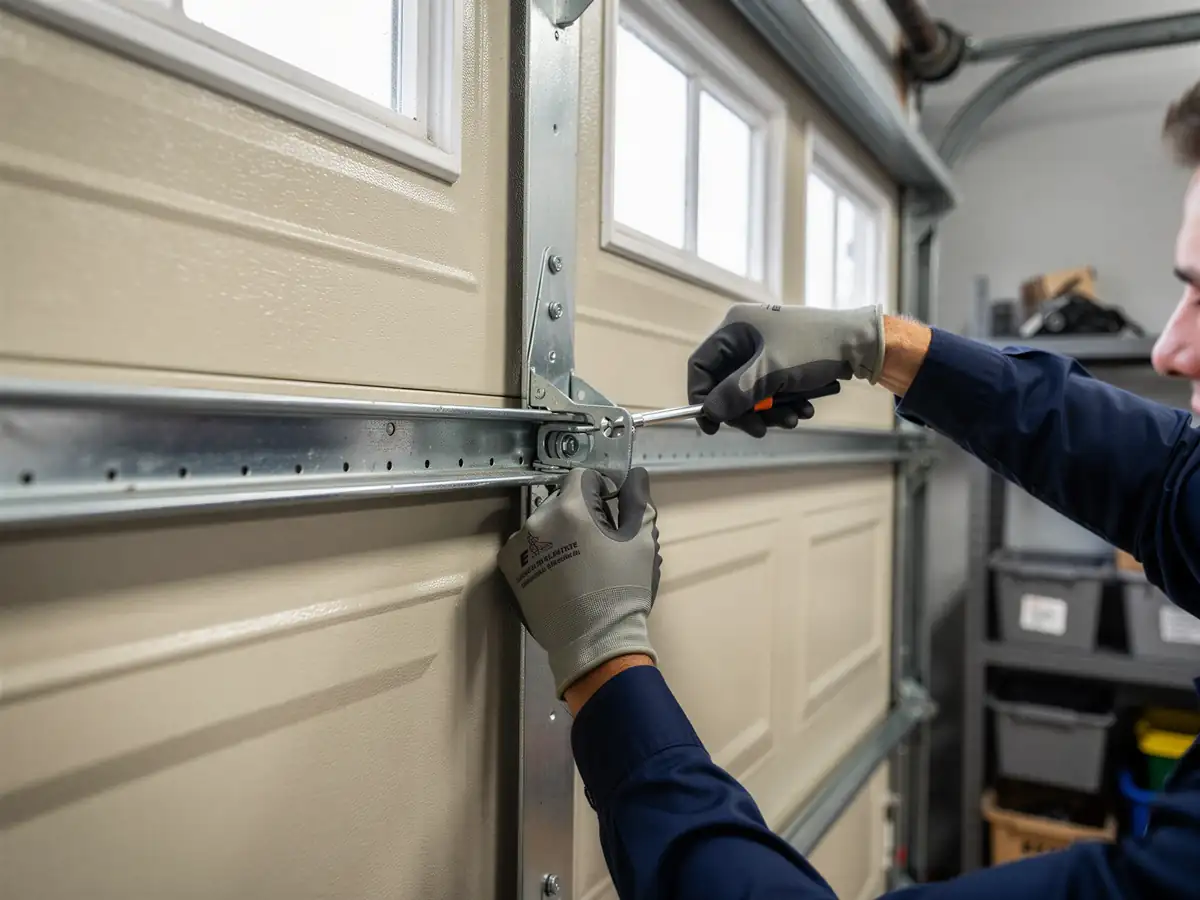
A door that shudders, drags on one side, or comes off the rail entirely. That's usually wear plus a winter of hardware contracting and expanding - which brings us to the next point.
How to Book
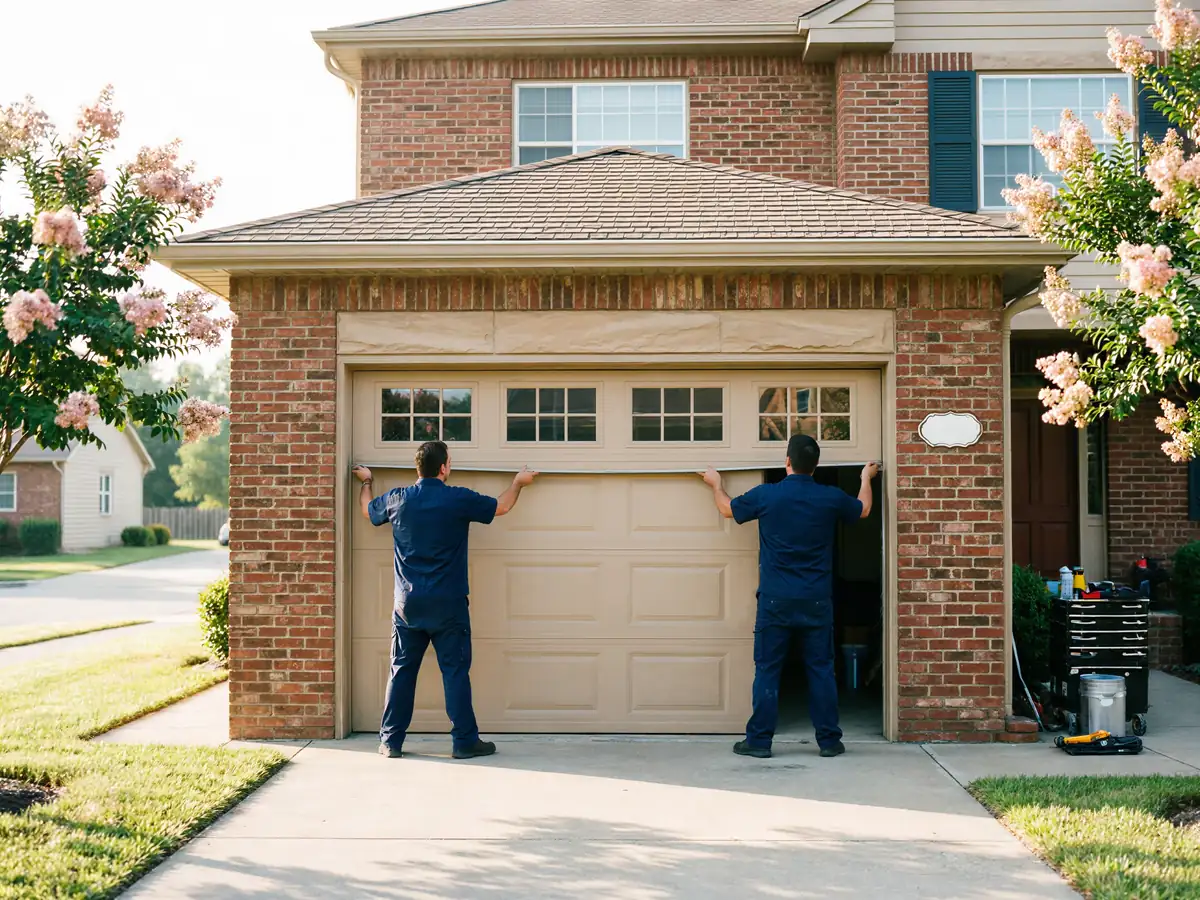
Call or use the contact link on this page and tell us what the door is doing - won't open, won't close, makes a noise, opener light blinks a certain number of times. That detail matters more than you'd think; it tells us what to load on the truck before we're anywhere near your driveway.
We'll ask for your address and a rough sense of the door's age, since repair on a door from the 1987 median build era is a different job than one on a house built closer to 2004. If you don't know the age, that's fine - we can usually tell once we're looking at the spring winding cones and the track gauge.
We book the visit, show up, diagnose it on site, and give you a price before we touch anything. If the fix is a part swap - spring, cable, roller, sensor - we carry common sizes on the truck. If it's something less common, we'll tell you straight that it needs to be ordered, rather than jury-rig something that fails again in a month.
Why This Fails Locally
Norman sits in a moderate cold climate band, which means real temperature swings across the year - not extreme heat and not deep-freeze winters, but enough range that steel hardware expands and contracts on a yearly cycle. That cycling is hard on torsion springs and on the galvanized coating on cables and tracks, and it's harder on anything installed in the 1964-2004 window, which covers nearly all of the housing stock here.
A door from that era was built to specs that are decades old. Torsion spring wind counts, track gauge, and roller material have all changed since then. When a spring on one of these doors finally breaks, it's rarely a surprise failure - it's the end of a slow fatigue process that the temperature swings have been accelerating for years. Same story with openers from the 1980s and 90s: the gear sets and logic boards in those units weren't built for a 20-plus-year service life, and a lot of them are still running on borrowed time.
This isn't a problem unique to one street or one subdivision - it's spread across the 17 areas that make up this part of the state, because they were mostly built out in the same stretch of decades.
Doing It Yourself
Some of this is fine to handle yourself
Tightening loose hinge bolts, cleaning and lubricating rollers, or replacing a dead remote battery - all reasonable weekend jobs. If your opener has a sensor that's just out of alignment, that's often a five-minute fix with no tools beyond your hands.
What we don't recommend doing yourself: torsion spring replacement
These springs are wound under enough tension to cause serious injury if the winding bars slip, and the tools for it aren't something most people have lying around the garage. Cable replacement carries similar risk, since the cable's under load from the spring system the moment you disconnect anything.
Honest limitation: if your door is original to a house from the early part of that 1964-2004 build window
Sometimes the right call isn't repair at all. Parts for some of the oldest track and hinge configurations are getting harder to source, and at a certain point a full replacement costs less than chasing down obsolete hardware piece by piece. We'll tell you when we think that's where you are, instead of billing you for a patch job that won't hold.