Doing It Yourself
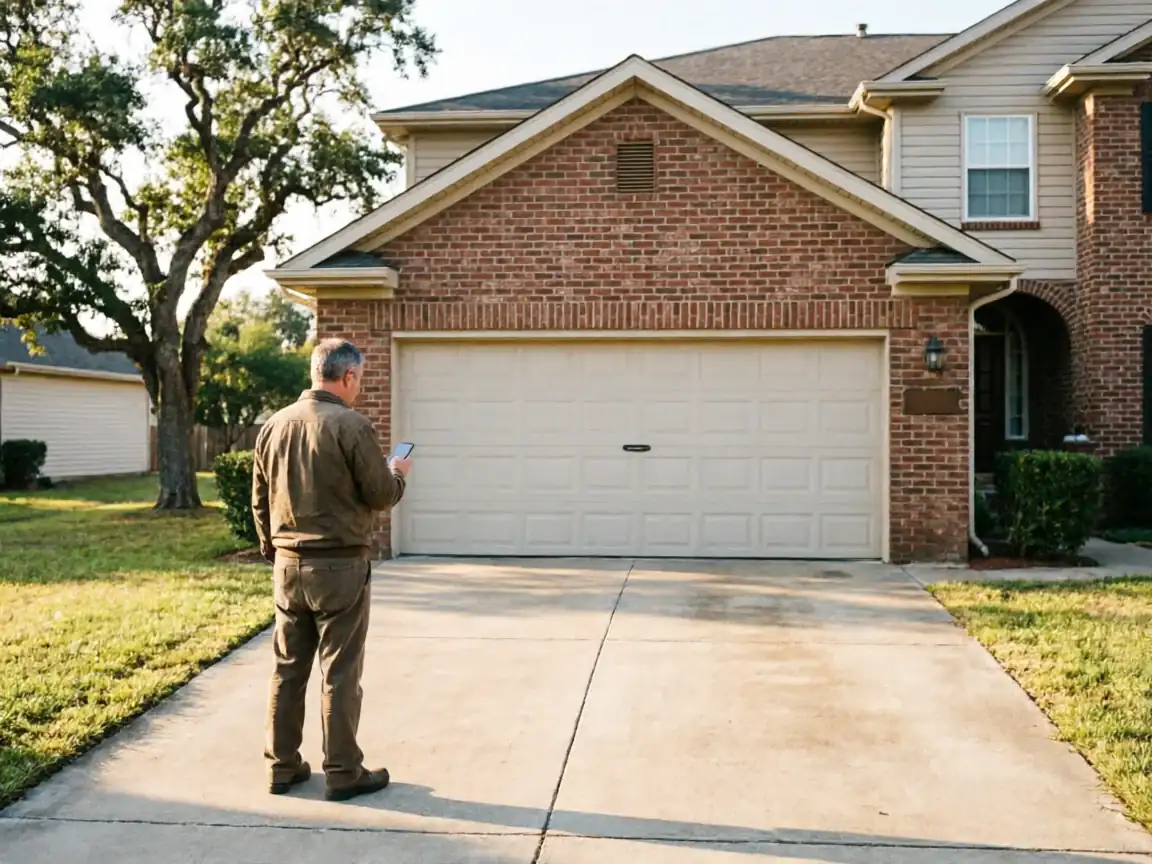
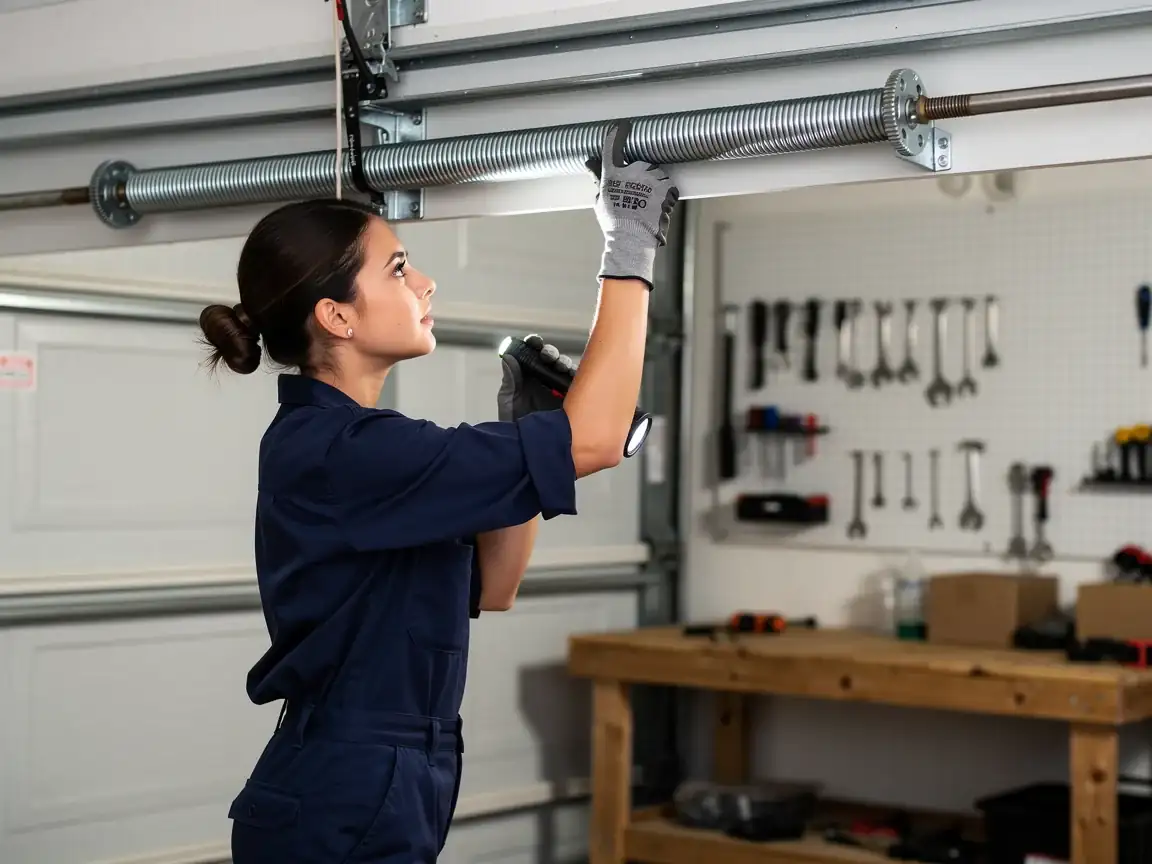
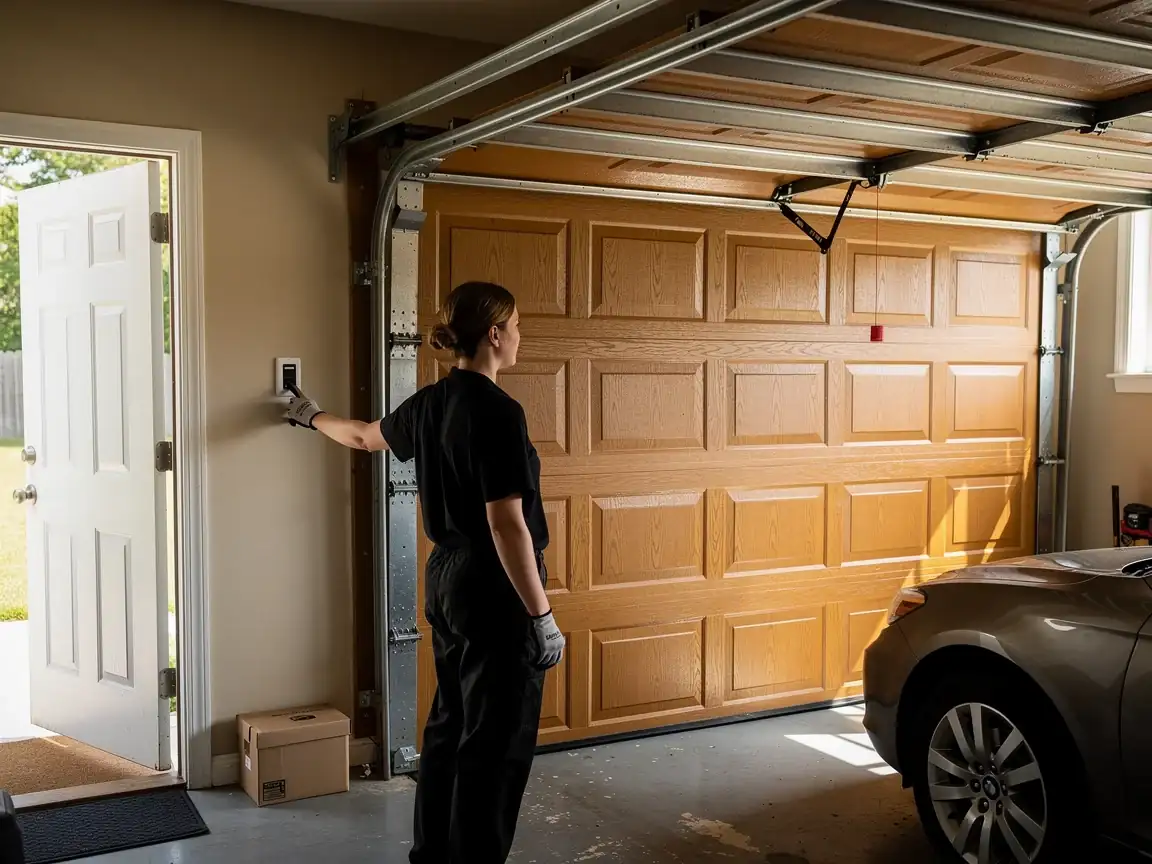
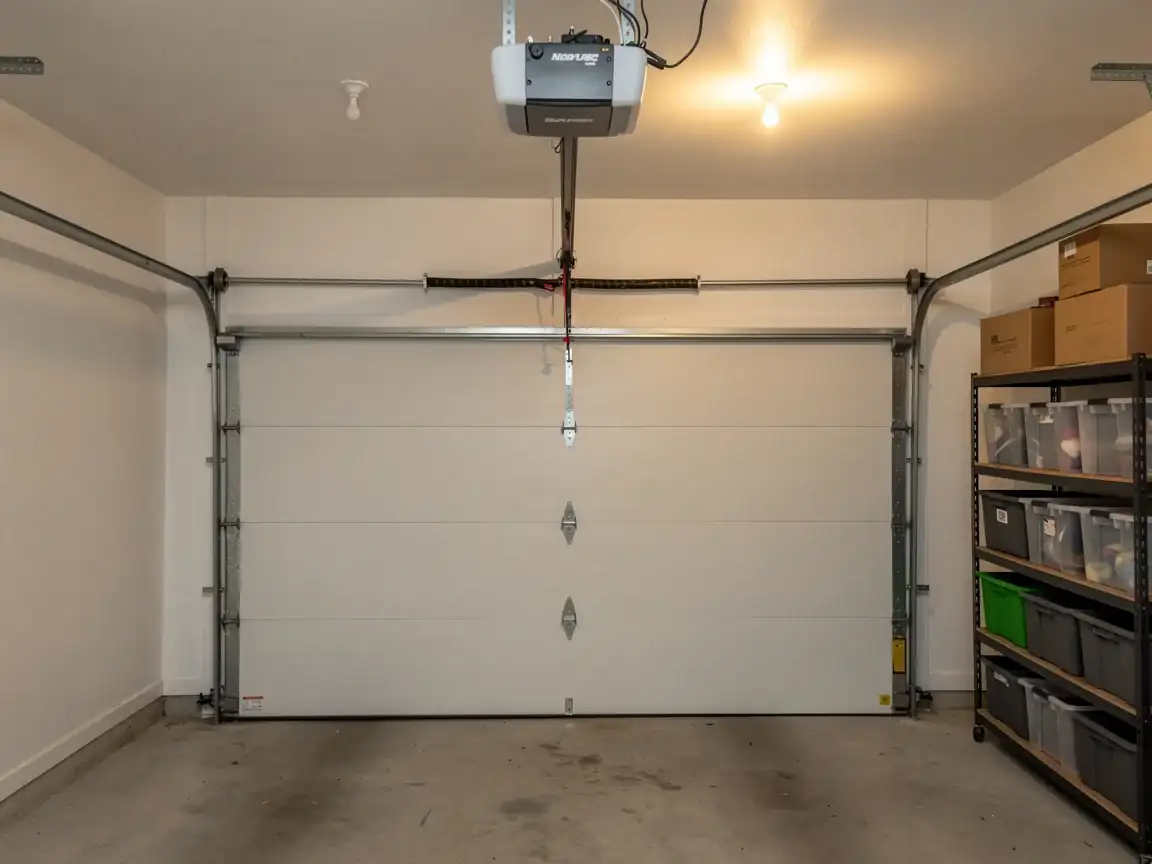
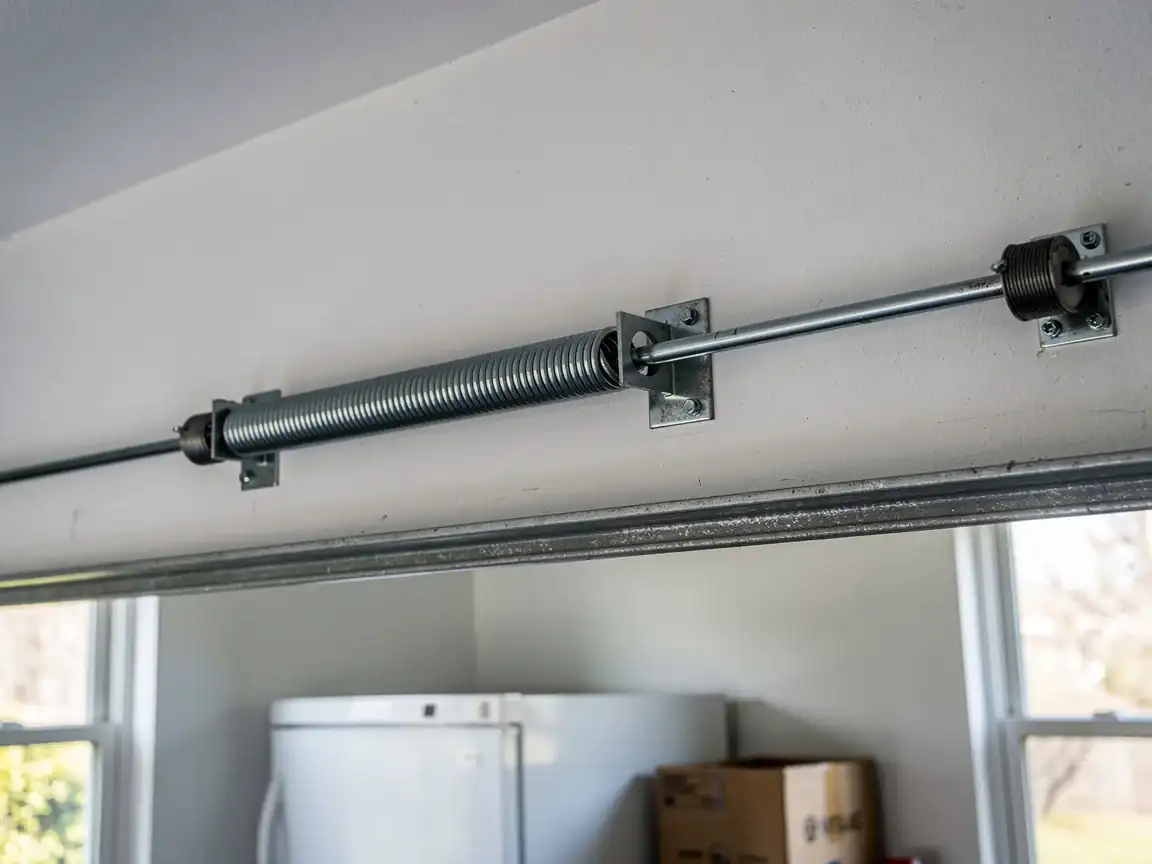
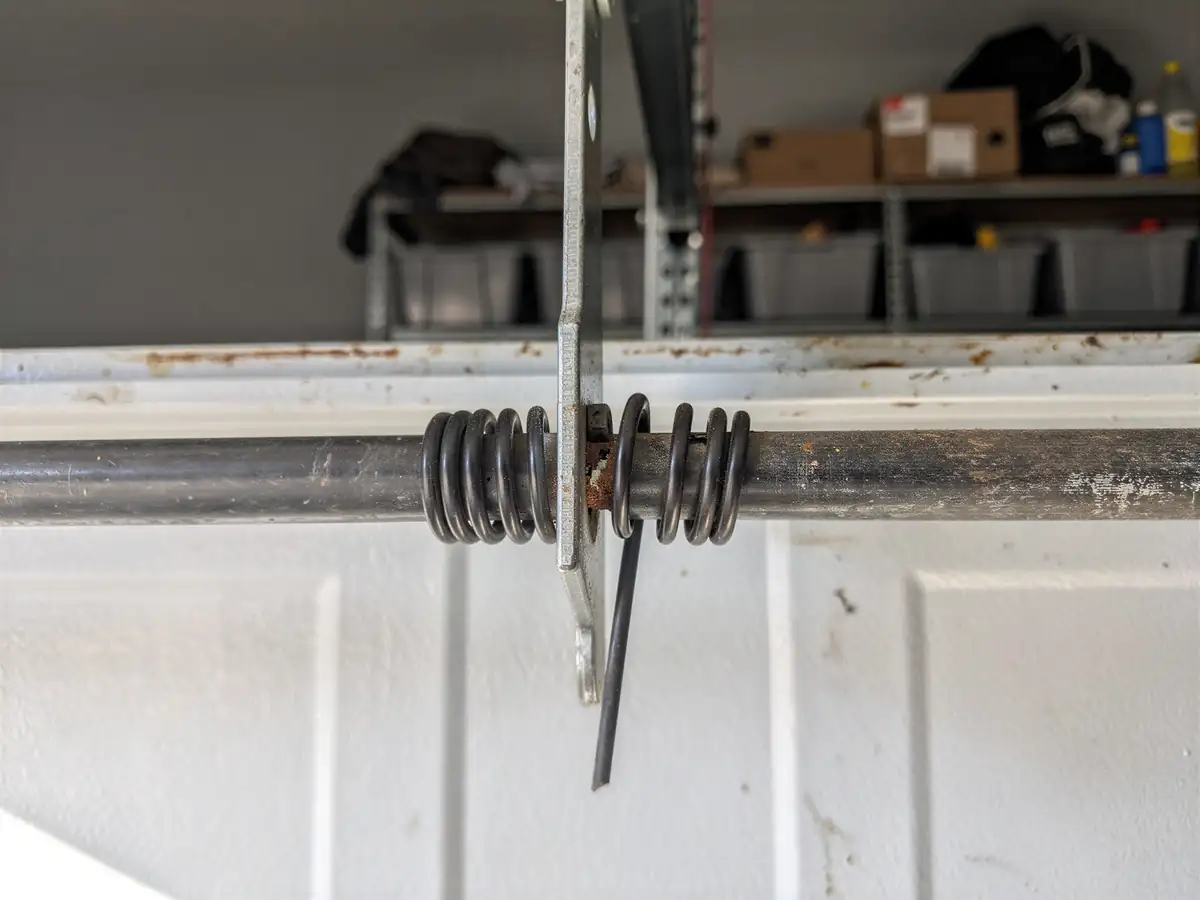
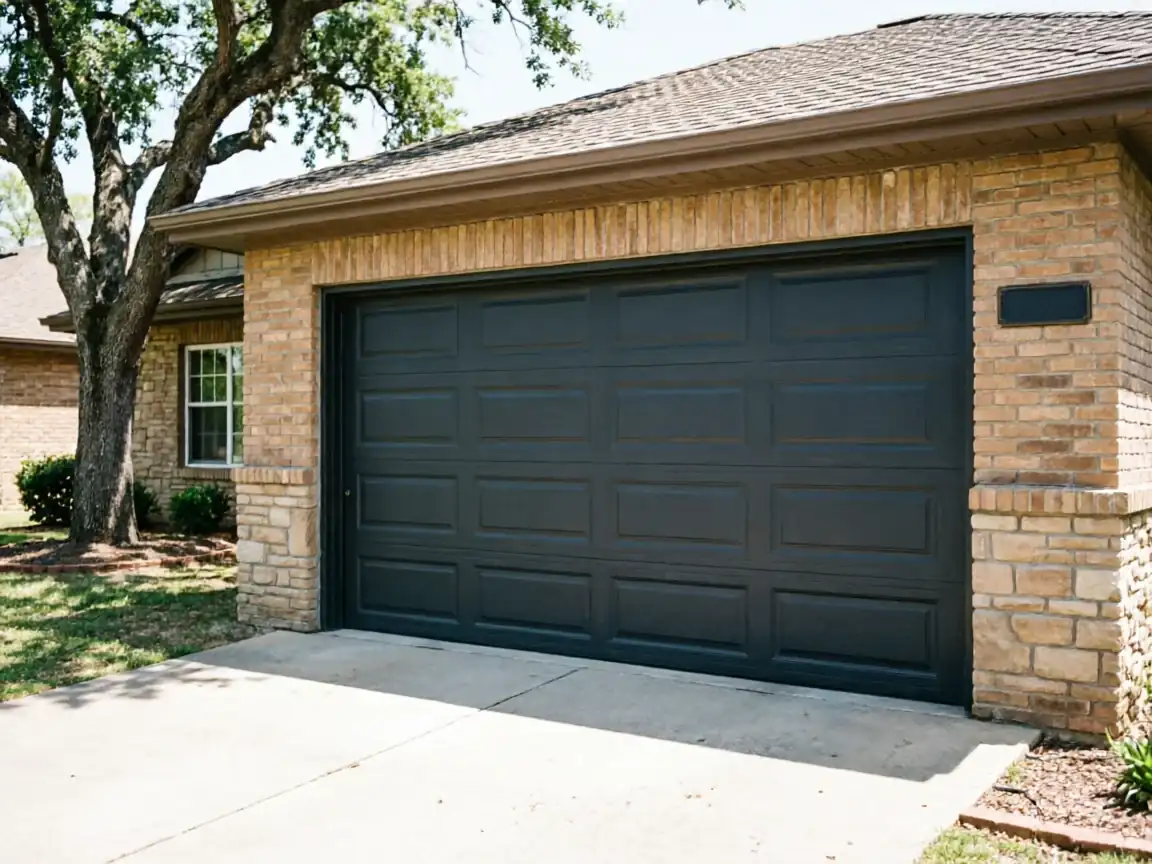
A lot of what goes wrong on a door this age is diagnosable without tools: a flashing opener light usually means a sensor is knocked out of alignment or a wire's been nicked, and that's worth checking before you call anyone. Same with a door that reverses before it closes - nine times out of ten that's the photo-eye, not the opener itself. What you shouldn't touch is the torsion spring. Even on a newer, properly sized system, that spring is holding enough tension to do real damage if it lets go while you're working on it. We'd rather get a call for something you could've fixed yourself than not get a call for something you shouldn't have touched.
Time on the Job
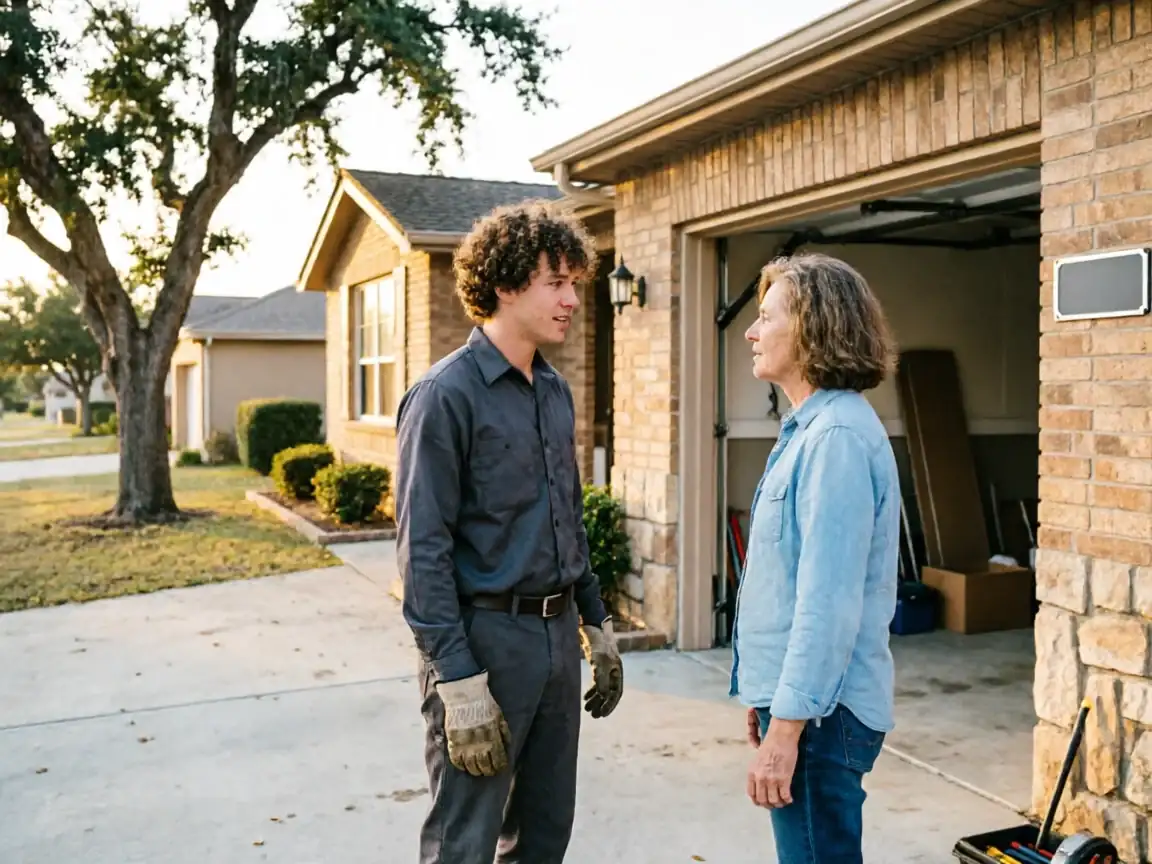
We're coming from Norman, about 19 miles out, so Blanchard calls aren't a same-block trip. We don't advertise a response window for this stretch of the service area and we're not going to invent one here - distance means it's worth calling ahead rather than assuming we're around the corner. Once we're on site, a newer opener or spring job on a house like this is usually quicker than the repairs we do on older stock, simply because the hardware is more standard and less likely to be mismatched or discontinued.
Why This Fails Locally
The region's climate band is cold-moderate, which means real freeze-thaw cycles every winter but nothing like the sustained deep freeze you'd get further north. On a newer door with factory-sealed bearings and synthetic lubrication, that cycle doesn't do much damage for years. What it does do, eventually, is stiffen the nylon rollers and dry out the opener's drive components faster than a mild climate would, which is part of why a 20-year-old door out here starts showing opener trouble before it shows spring trouble - the reverse of what we see on older torsion-spring-first failures elsewhere in the service area. Median household income here runs close to $89,000, well above the $75,000 median across the wider area, and we mention that only because it tracks with what we actually see on site: more owners replacing an opener outright rather than patching a 20-year-old one.
What Can Go Wrong
The most common Blanchard call is a dead opener on a door and spring that are otherwise fine - a logic board failure, a stripped gear in the drive unit, or a capacitor going on an older model. Second most common is a drive belt that's finally stretched past adjustment. Springs do fail out here, just less often and usually later than on the area's older housing stock, since most of these systems haven't put in the cycle count yet that a 1980s door has. One honest limitation: if your opener model is old enough to be discontinued, we may need to replace the whole unit rather than find a matching part, and that's a different cost than a simple board swap.