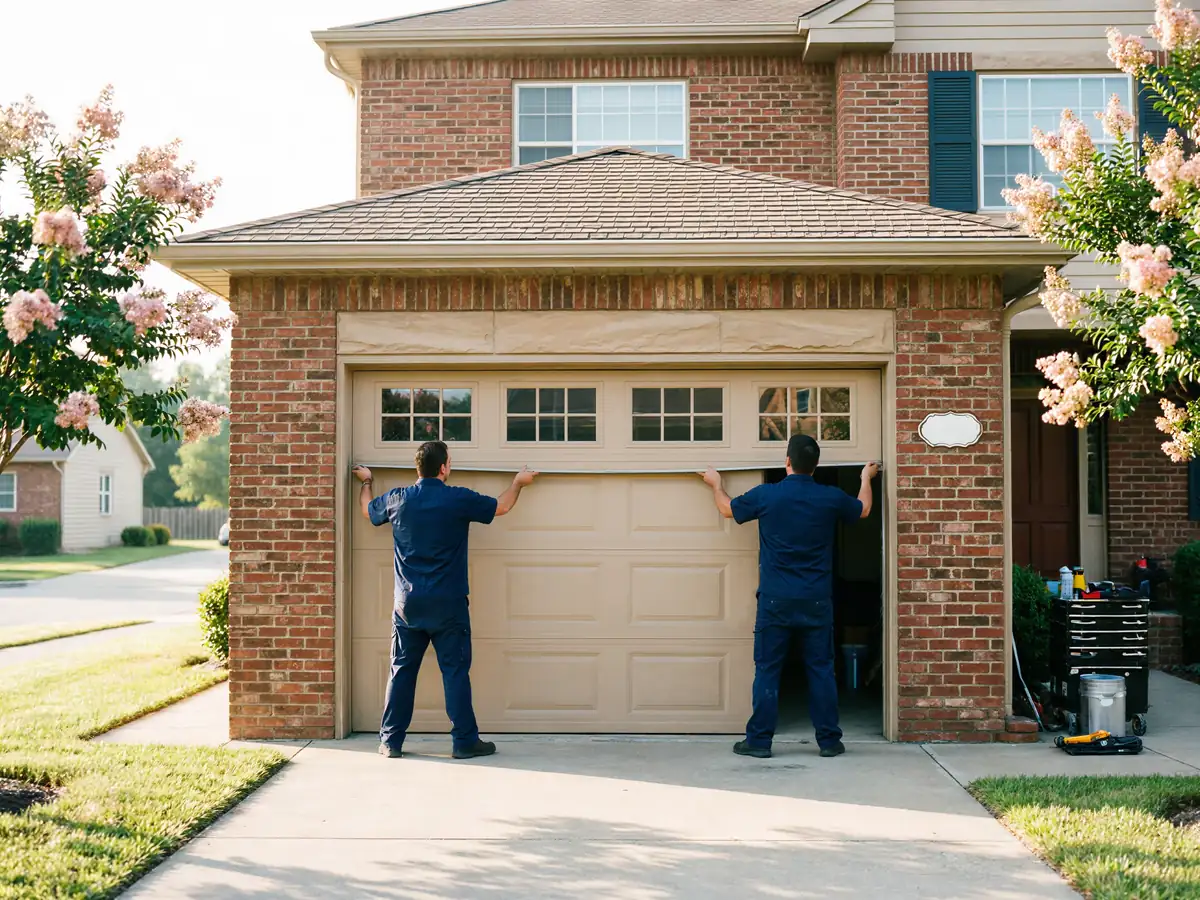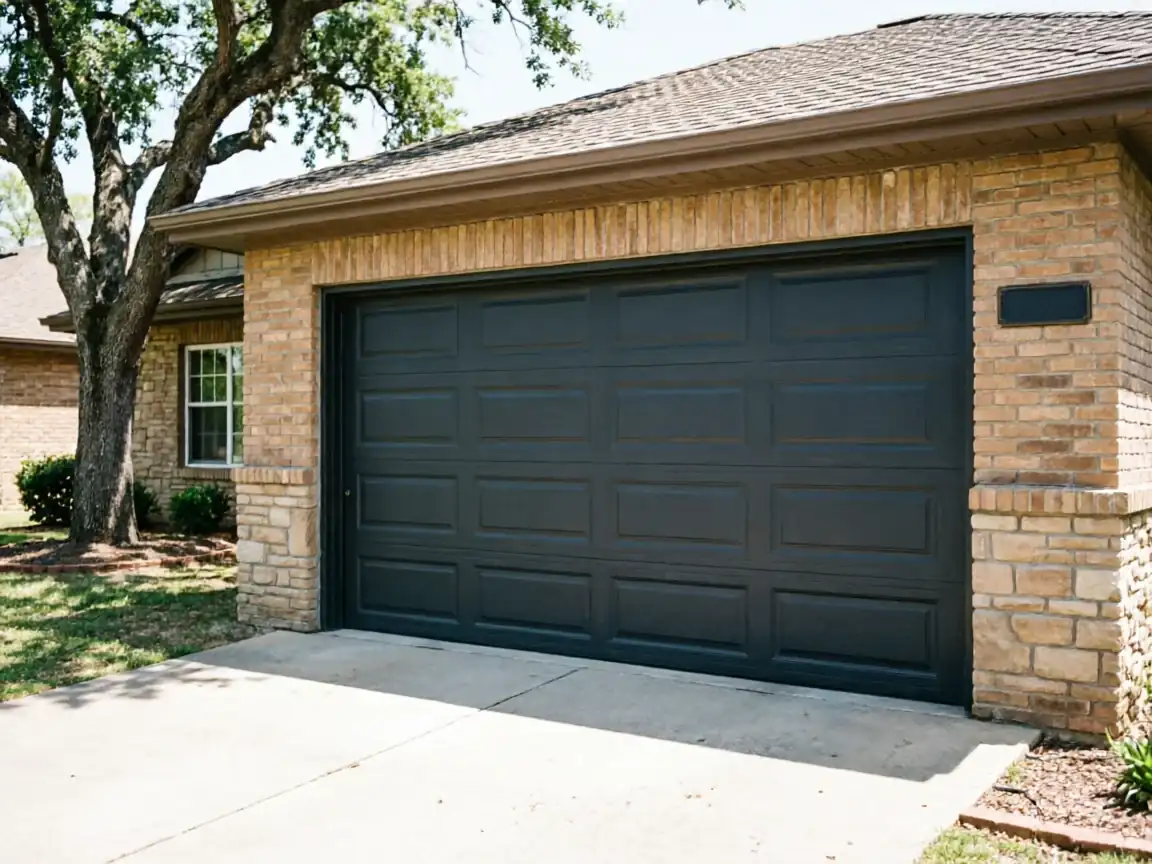
How It Shows Up
Blanchard's median household income sits at $89,472, well above the wider service area's $75,000
And that number matters more than people think when a door starts acting up. At that income level, most homeowners here are replacing a $900 opener or spring job without blinking, rather than nursing a door along for another two years. That changes the math on repair versus replacement faster than it does in older, lower-income pockets of the area.
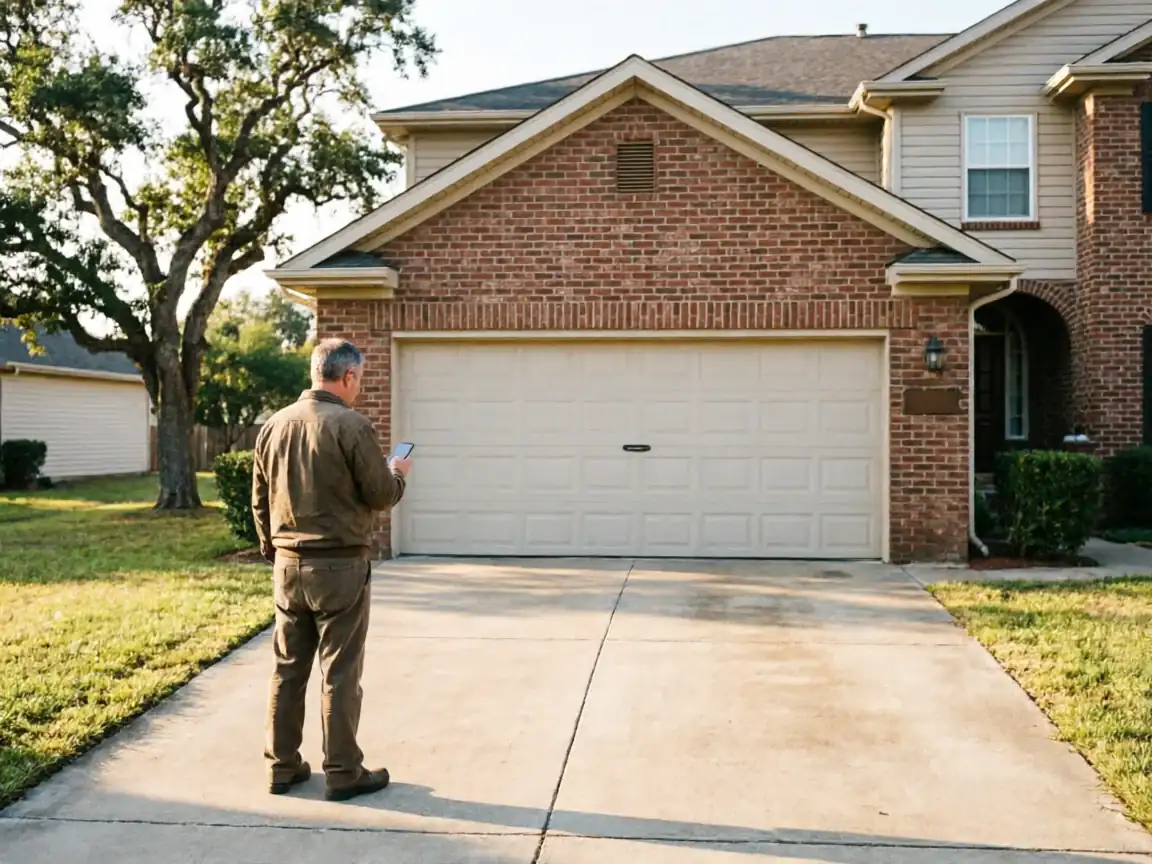
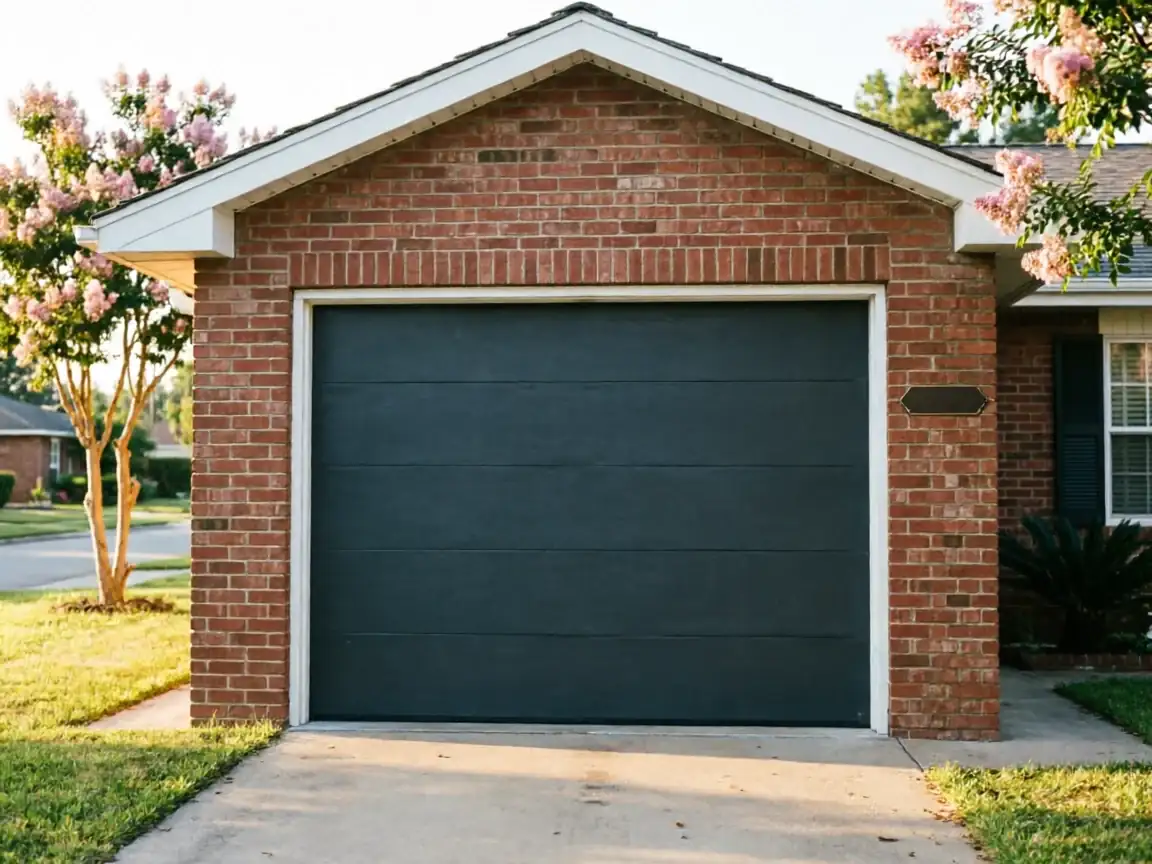
It also matters that Blanchard's housing stock runs newer
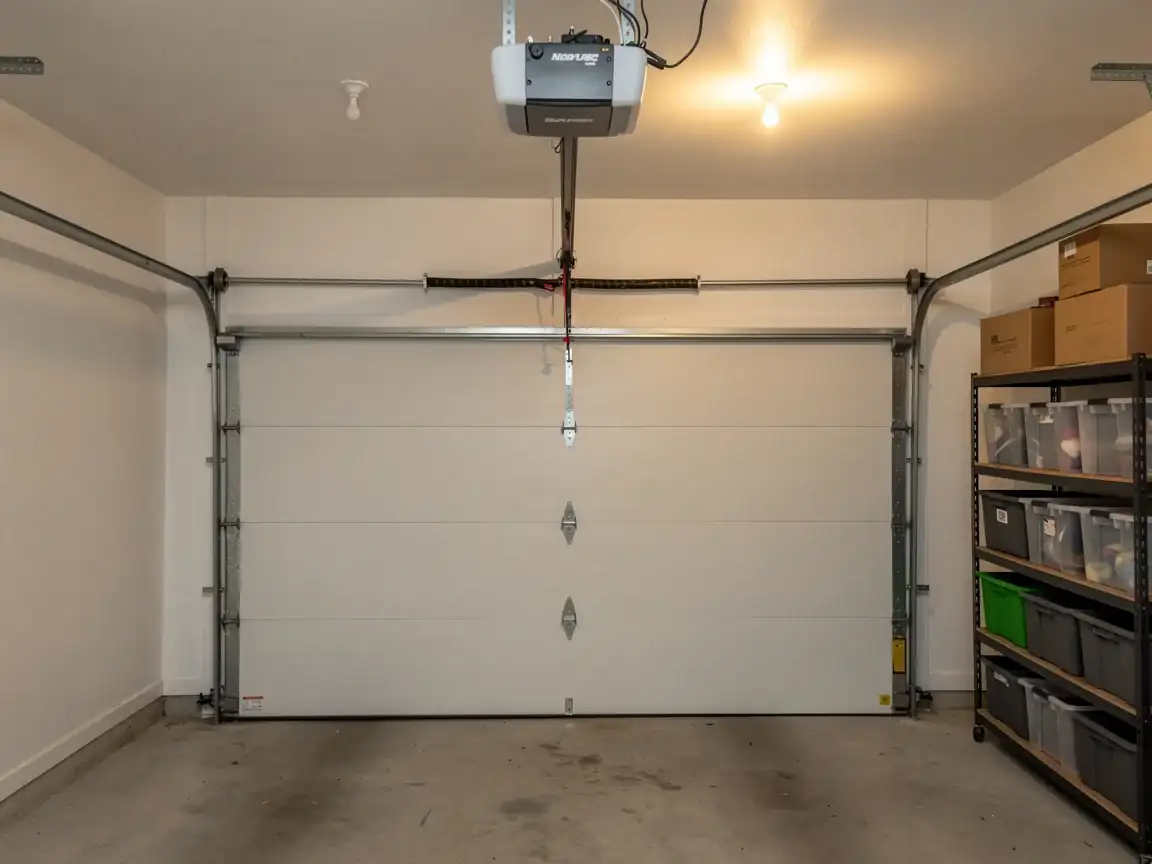
The median year built here is 2001, well past the 1987 median for the broader service area we cover out of Norman. That means fewer of the original torsion-spring setups from the 1960s-80s that we see elsewhere, and more factory-installed steel sectional doors with lighter-gauge springs and chain-drive or belt-drive openers from the early 2000s. The common call here is a worn opener gear kit or a spring that's undersized for the door weight after fifteen-plus years of cycles, not the ancient hardware failures that show up on 1960s houses closer in.
Doing It Yourself
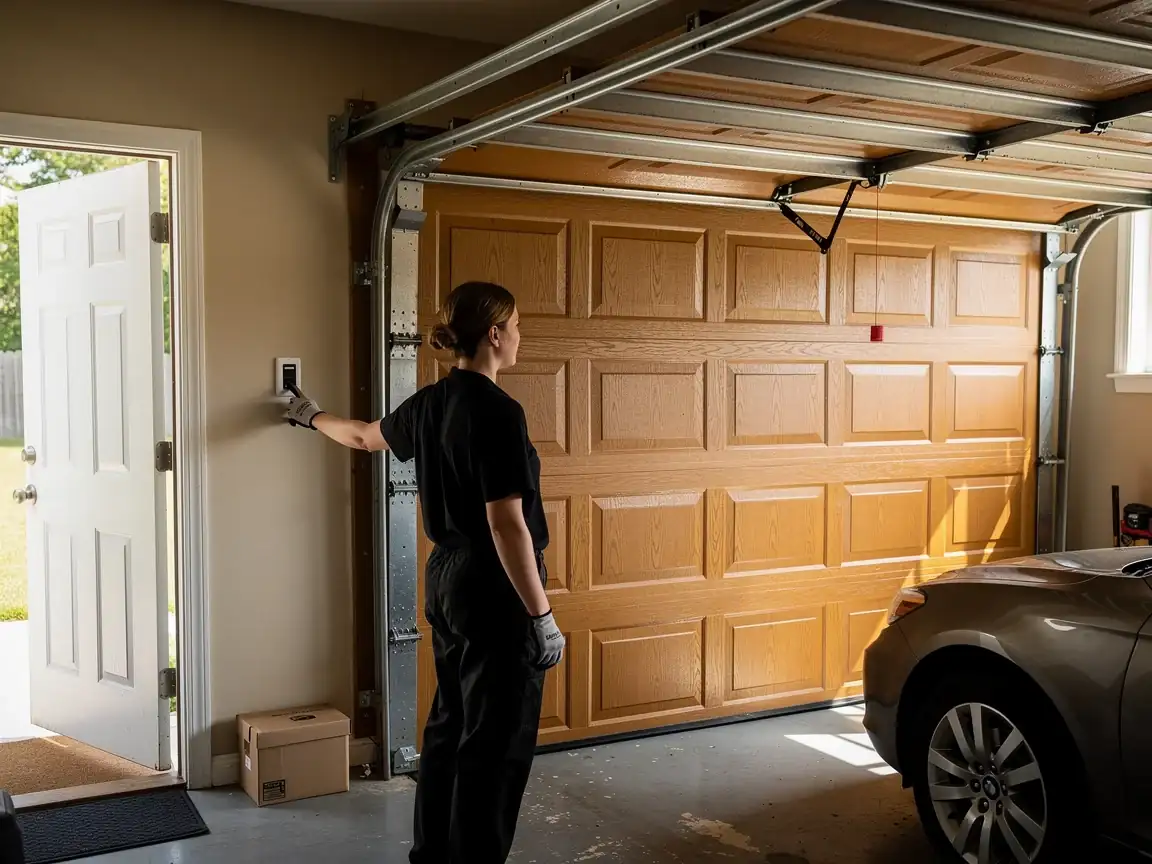
A lot of these early-2000s openers have logic boards that fault out for reasons that look like a dead motor but aren't - a bad limit switch, a worn drive gear, a sensor knocked out of alignment. If your opener just hums or clicks without moving the door, that's almost never a DIY spring problem. It's worth checking the sensor alignment and the wall button wiring before assuming the worst.
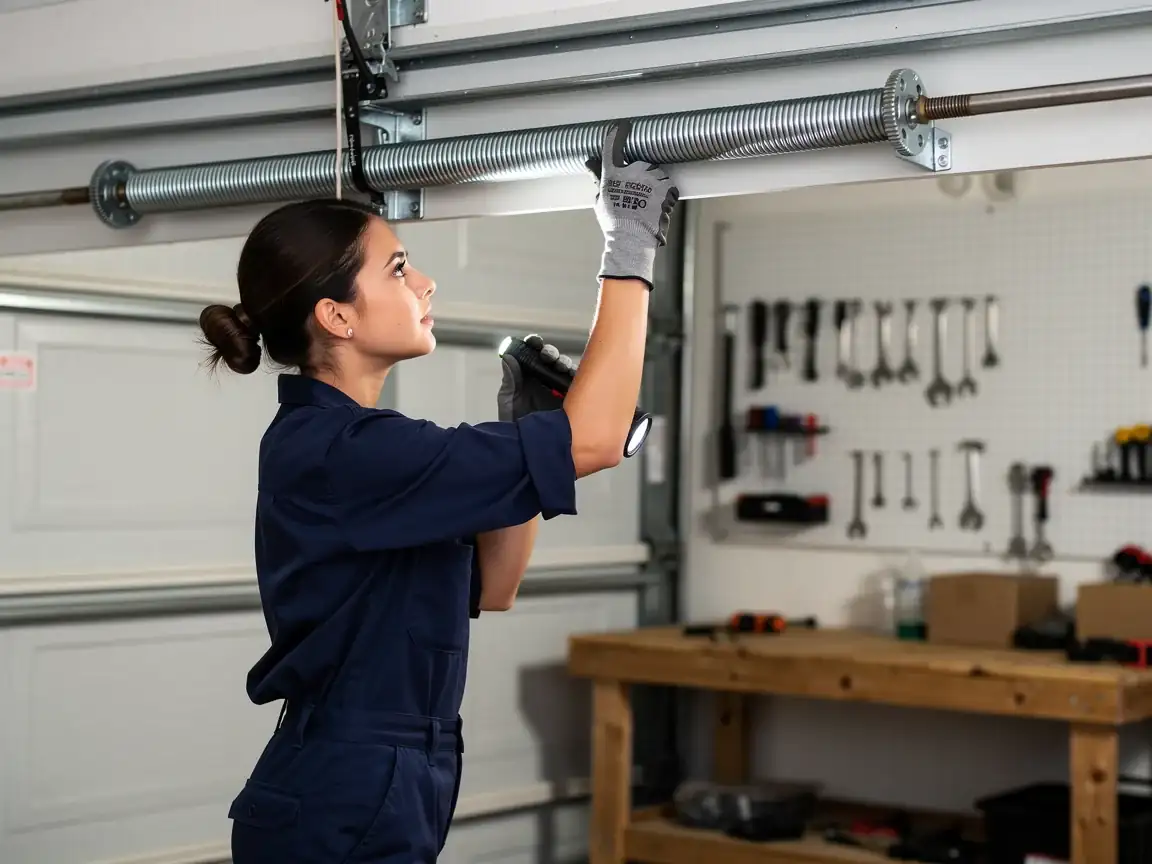
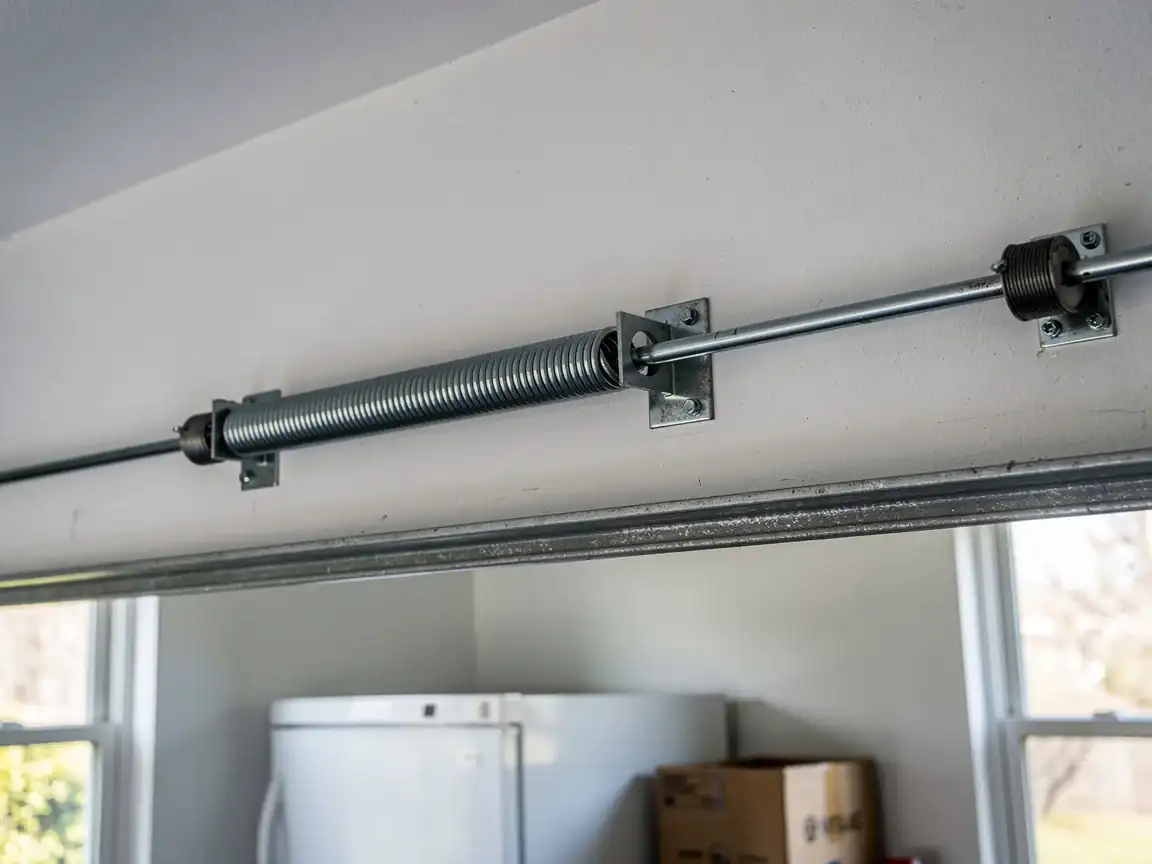
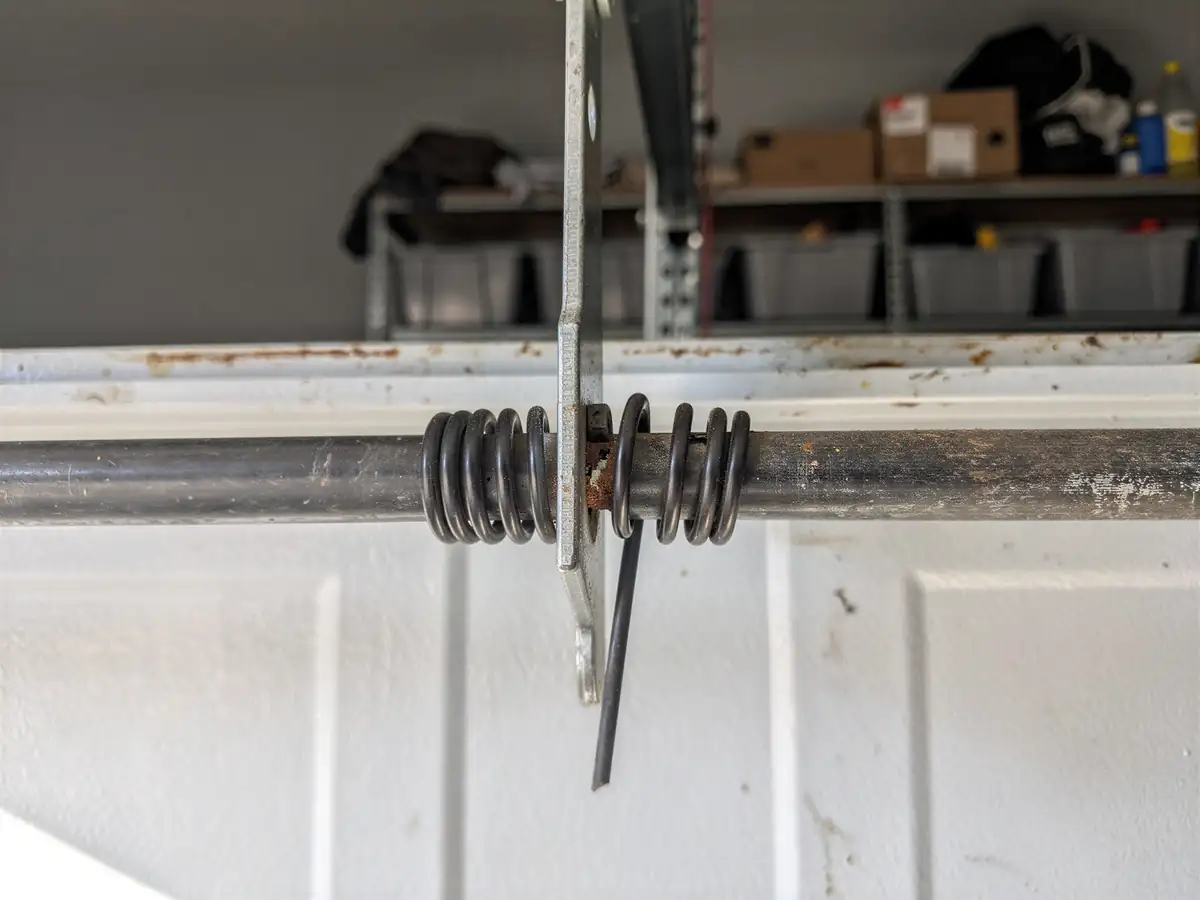
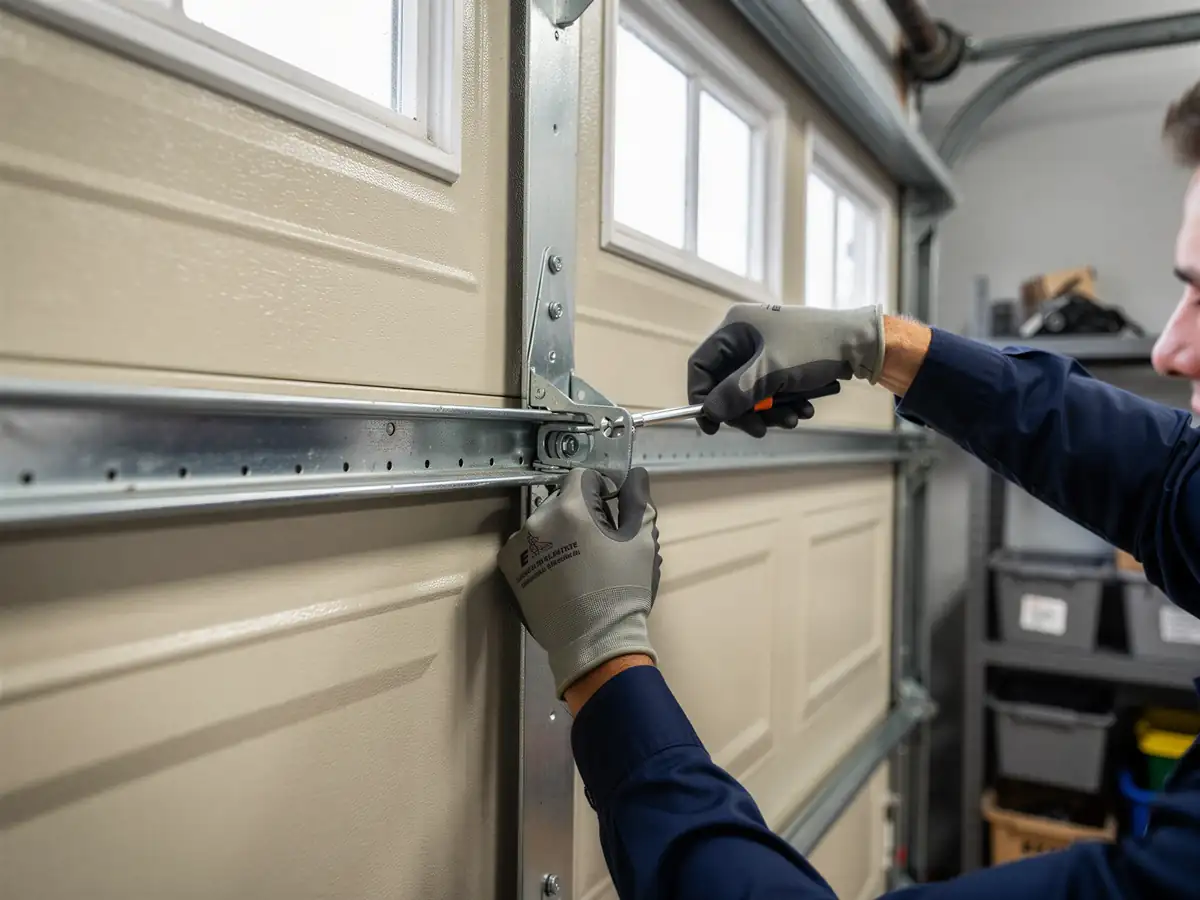
Springs are a different story. On a torsion spring, even on a lighter newer setup, the stored tension is enough to cause a serious injury if the winding cone slips. We don't recommend touching that yourself, full stop. If you're comfortable with a screwdriver and want to rule out the easy stuff first - loose track brackets, a dirty photo-eye lens, a slipped drive belt - that's reasonable. Beyond that, call.
Time on the Job
We don't keep a crew stationed in Blanchard - we run the 19 miles out from Norman for every call here, so we batch what we can and we're upfront that we're not a five-minute-away outfit for this town. That's the honest limitation: if you need someone standing in your driveway in ten minutes, we're not that. If you need the job done right by someone who shows up with the correct parts the first time, that's what the drive buys you.
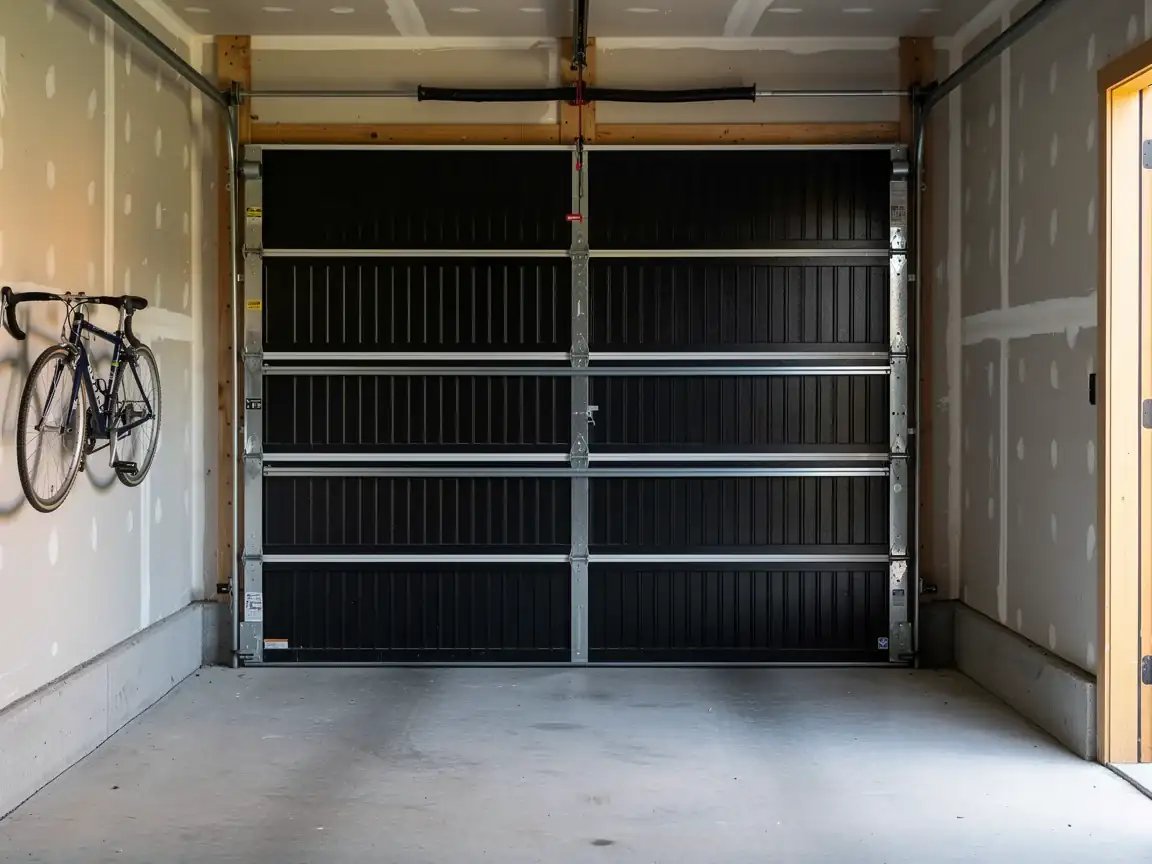
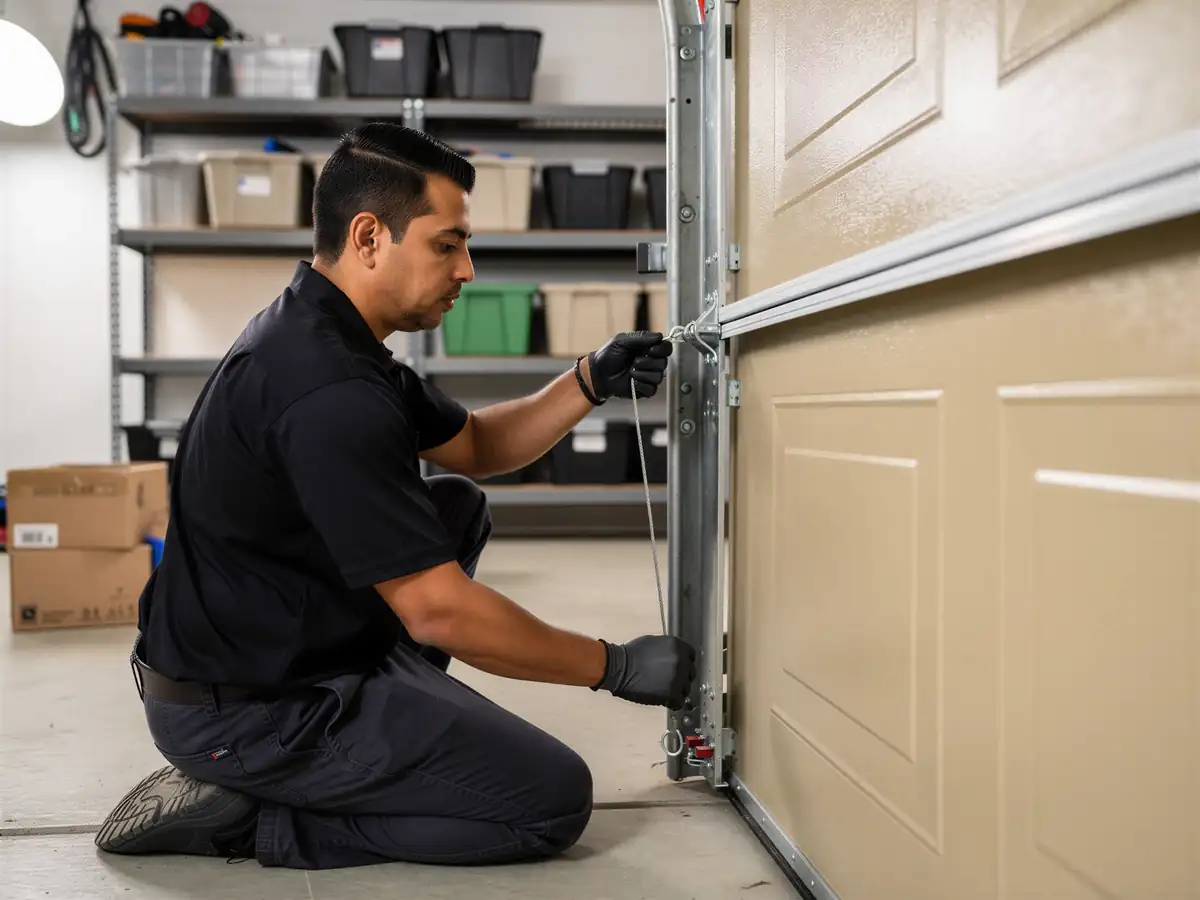
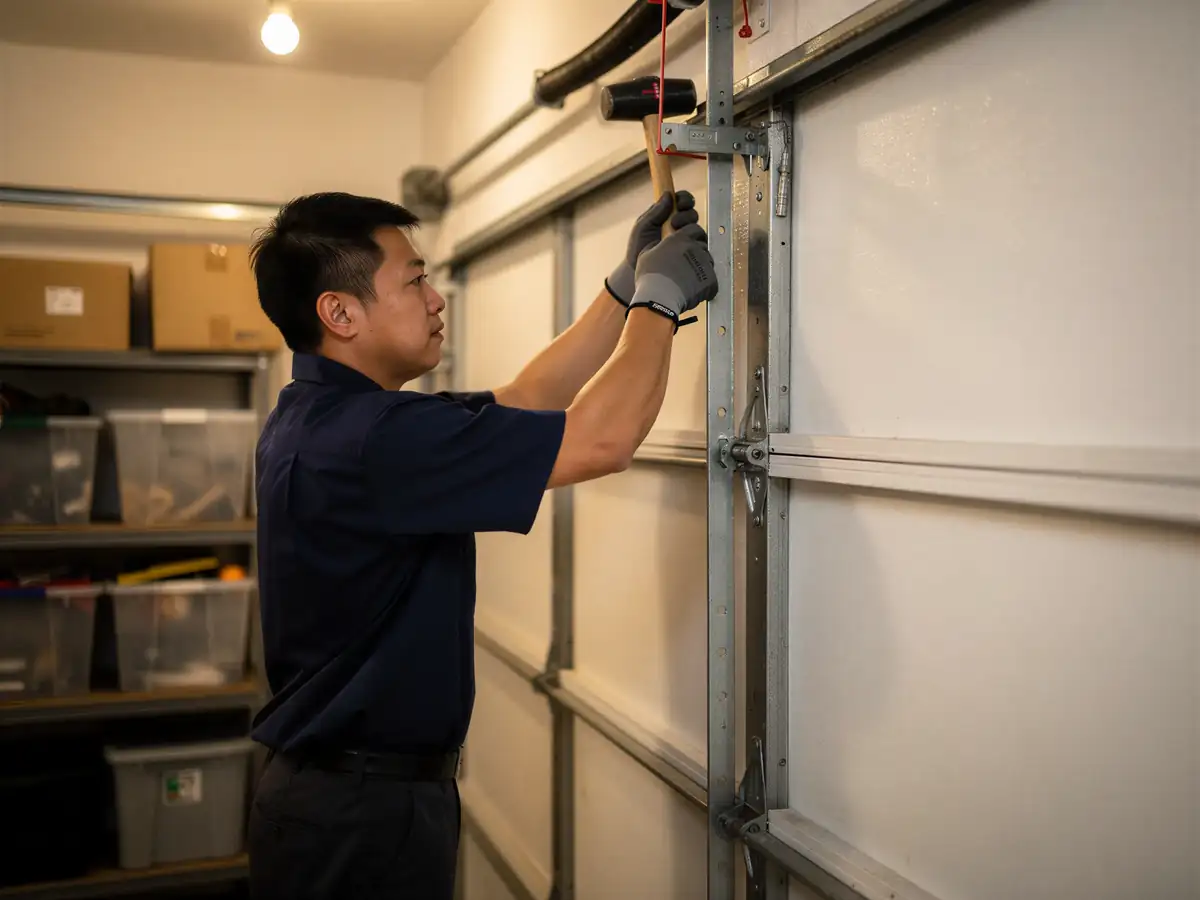
Most single-visit jobs - spring replacement, opener logic board swap, track realignment - run on the newer, lighter-duty hardware common in Blanchard's 2001-median housing stock, which tends to go faster than working on a heavier, older door with seized original hardware.
Why This Fails Locally
The region sits in a cold-moderate climate band, and that's not nothing for a door built in the early 2000s with plastic idler bearings and standard-grade steel rollers - they get brittle and crack over a decade-plus of temperature swings, which is a different failure pattern than the rust and warping we see on older wood or thin-gauge steel doors elsewhere in the service area. On a newer door, the first sign is usually a rough, jerky travel rather than the door sticking shut entirely.
With roughly 3,406 households in Blanchard, most built within a fairly tight 1990s-2000s window, the hardware across the town tends to fail in waves - one subdivision's openers hitting end-of-life gear wear around the same years, because the houses went up around the same years too.
What Can Go Wrong
The biggest risk we see on these newer doors is someone replacing a cracked roller or a dead opener capacitor themselves and missing that the spring underneath is also near end of life - on a lighter 2000s-era door, an undersized or fatigued spring can snap without warning once the opener is doing less of the lifting than it used to. We also see photo-eye sensors knocked out of alignment during a DIY track adjustment, which then gets misdiagnosed as a dead opener board.
Given the income level and housing age here, replacement sometimes is the right call over repair - particularly on an opener logic board failure past year twelve or so, where the part cost starts to approach half of a new unit. We'll tell you when that's the case rather than selling a patch job that won't hold.