What the Repair Takes
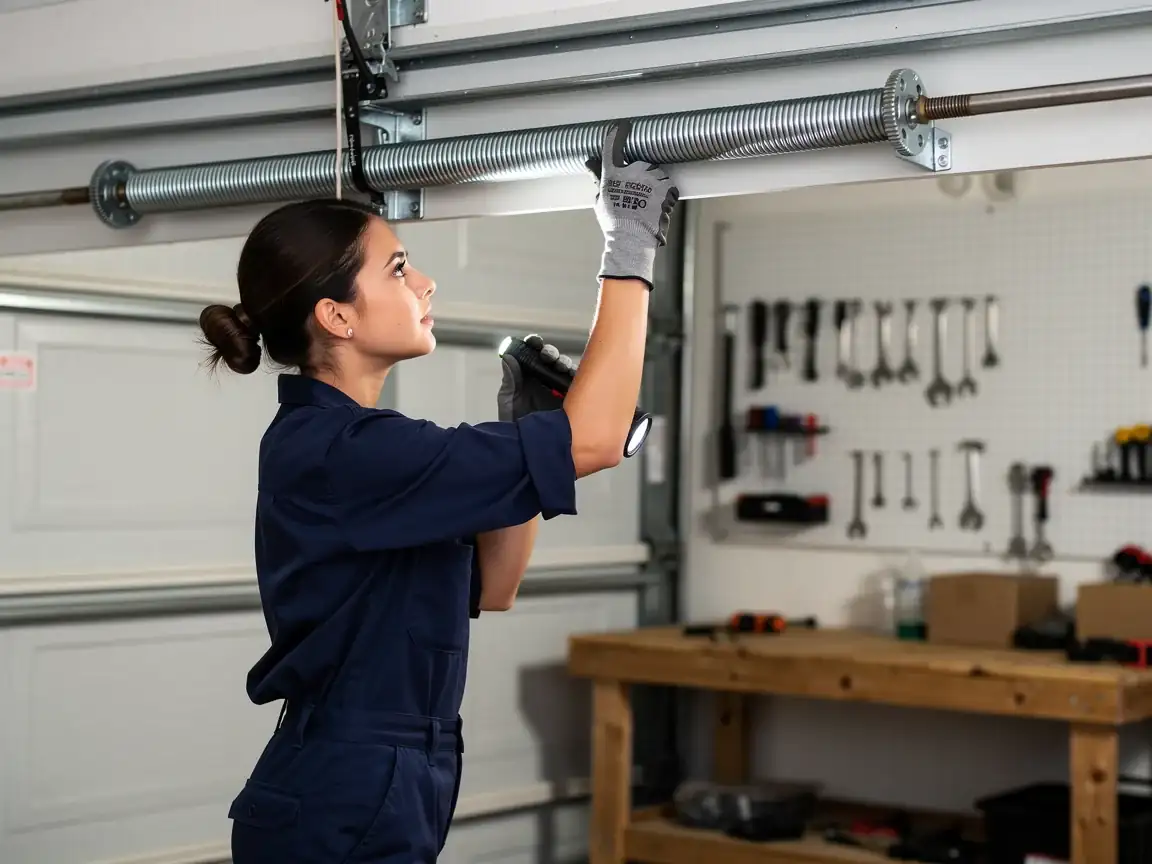
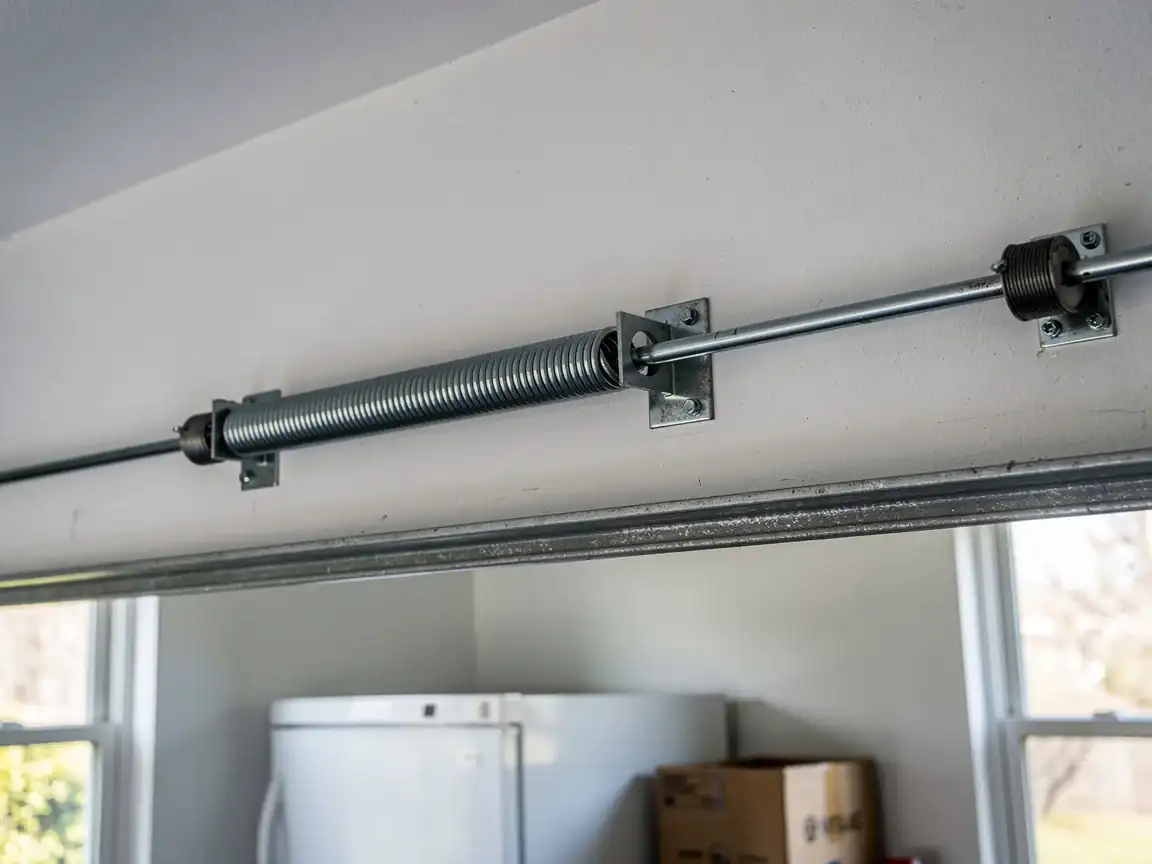
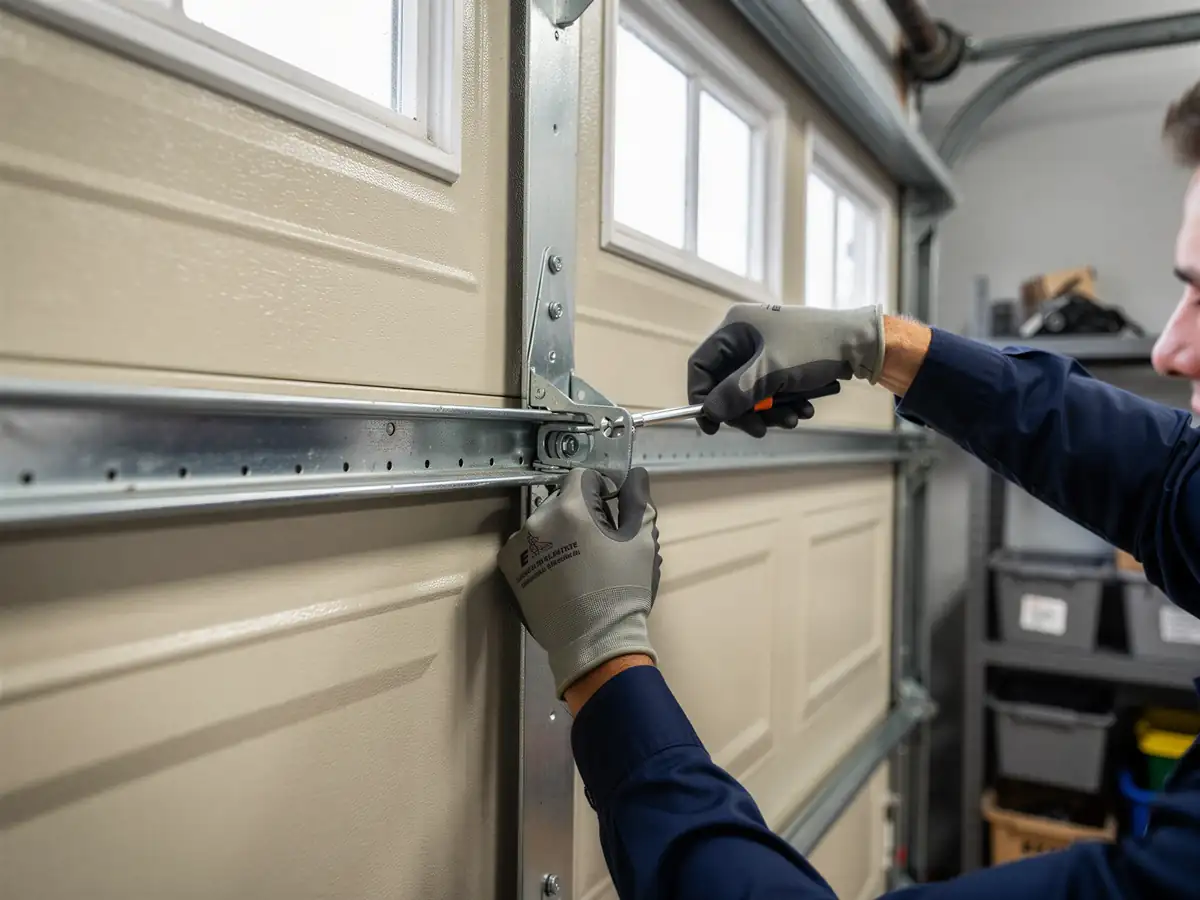
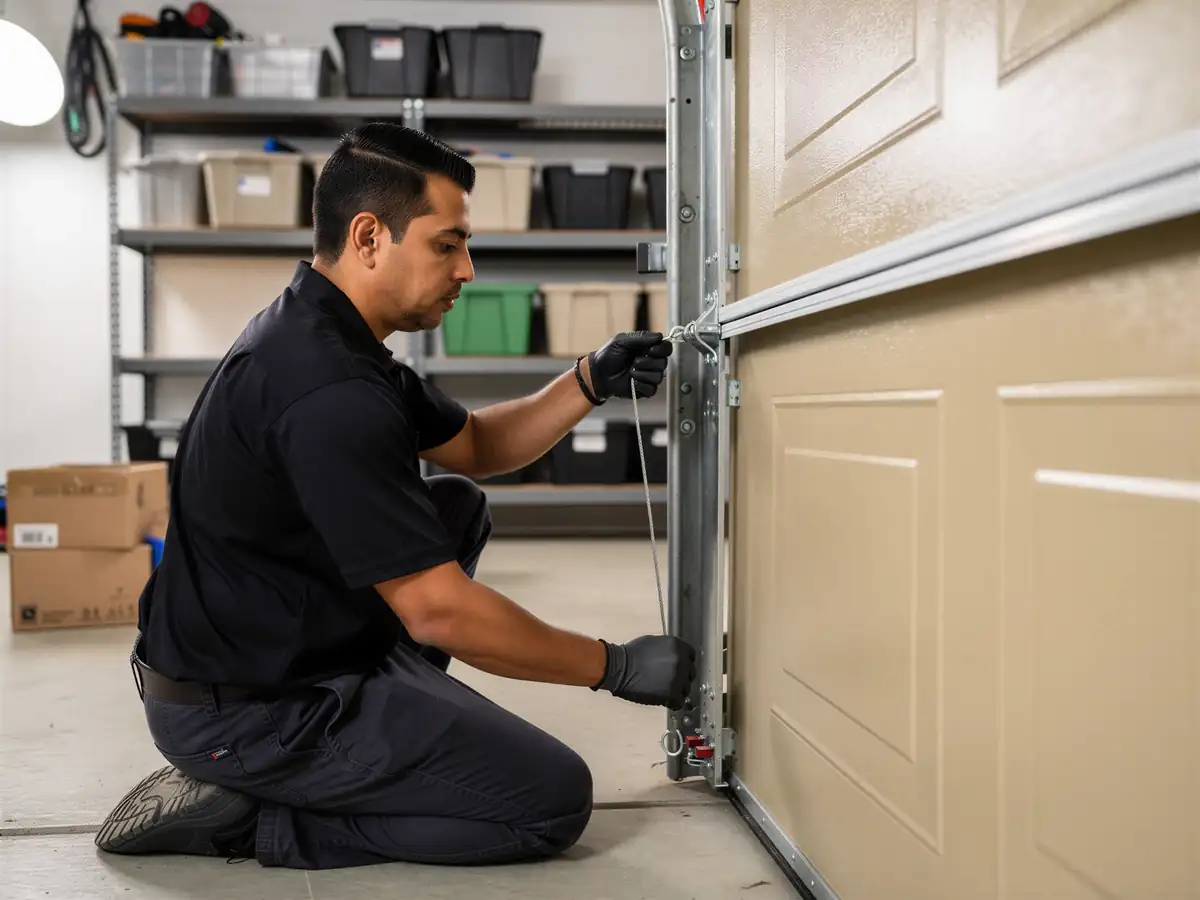
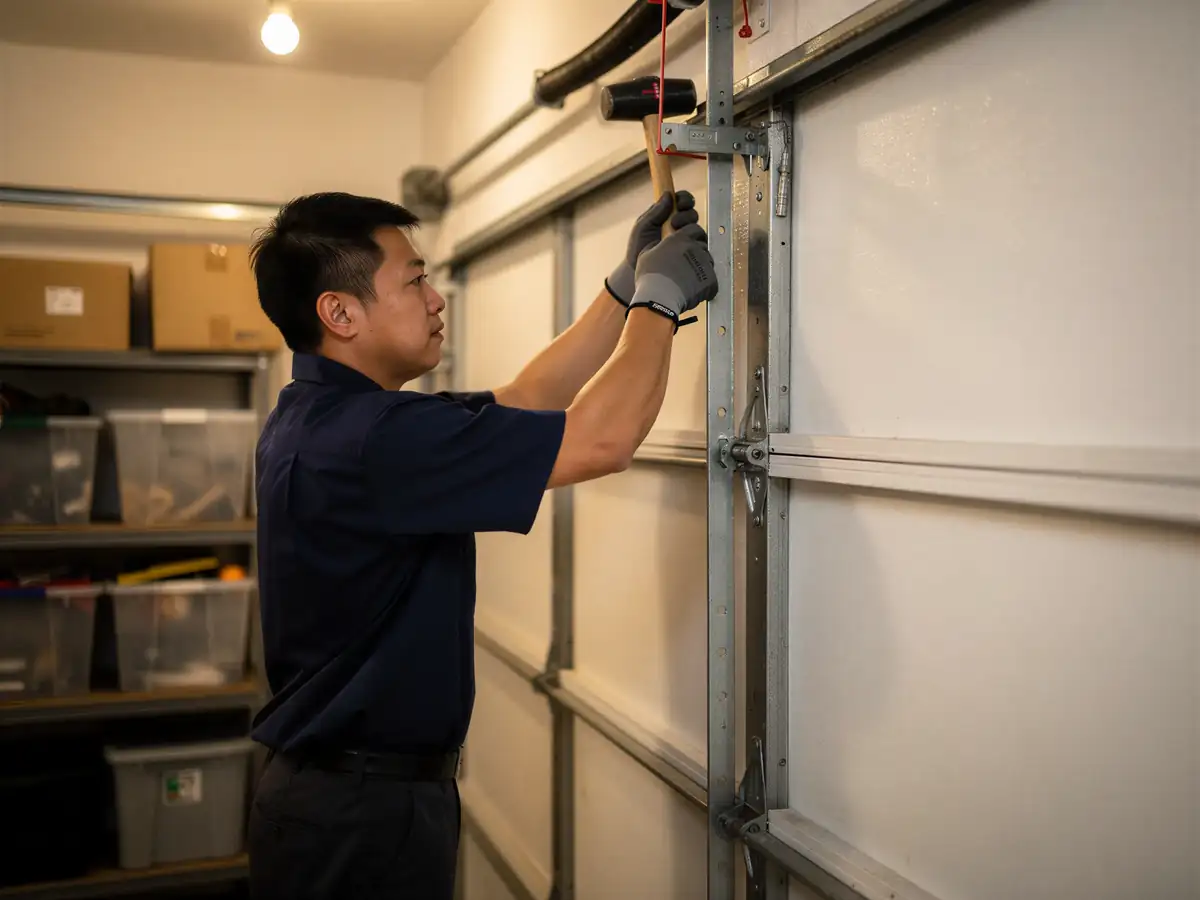
A standard torsion spring swap on a single door takes under an hour once the technician is on site with the right wire size and inside diameter for your door's weight. Double doors with two springs take a bit longer, and if the drums or bearing plates have worn grooves from thirty-plus years of the original spring riding in them, those get replaced at the same time rather than left to chew up a new spring early. We measure wire gauge and winding length on site rather than quoting off a phone description, because a spring built for the wrong door weight either overworks the opener or won't lift the door at all. Extension spring setups, less common on houses built in this era but still out there, get checked for safety cables before anything else - a missing cable on an extension spring is the kind of thing that turns a snapped spring into a projectile.
What Can Go Wrong
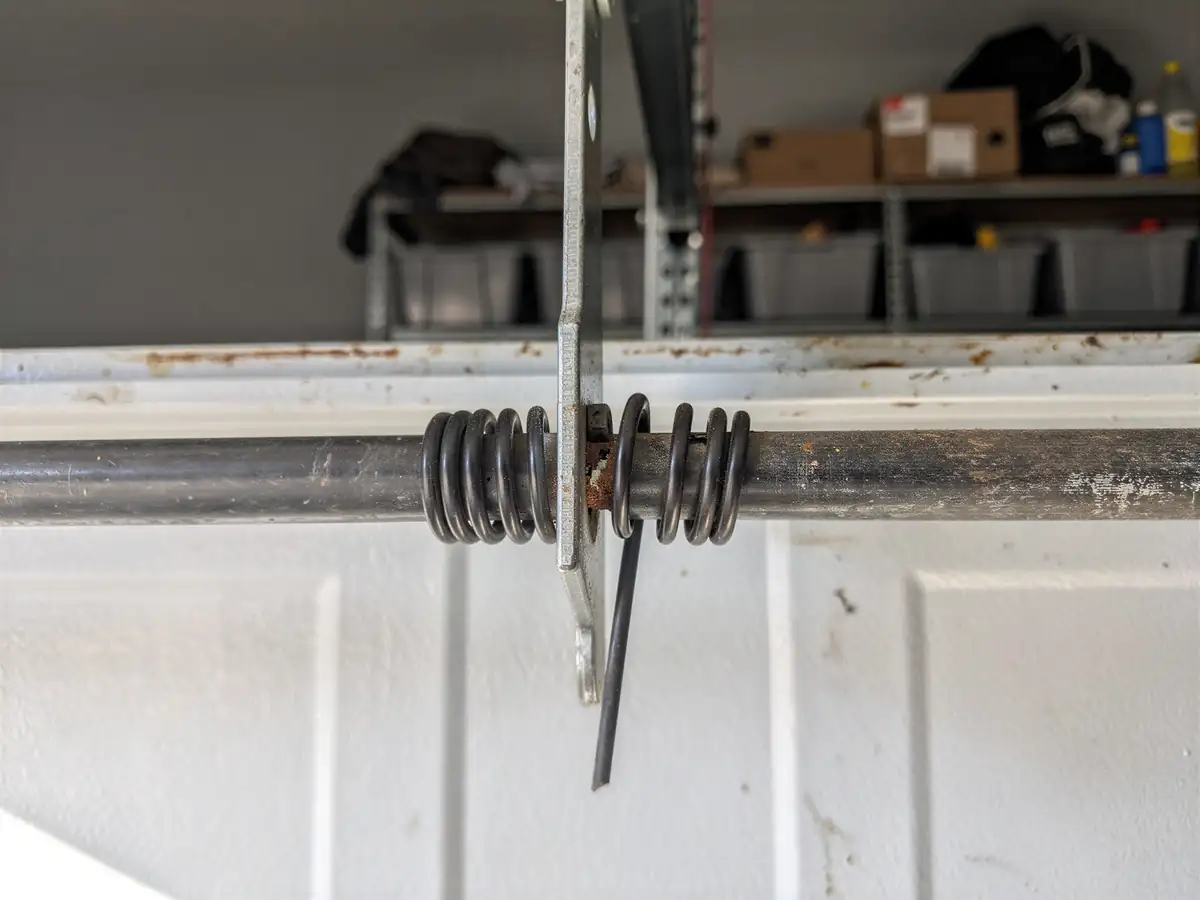
On a house with original 1991-era hardware, the spring is rarely the only thing that's tired. The galvanized coating on a thirty-year-old torsion spring wears thin in Oklahoma's cold-moderate winters, and a spring that's starting to rust at the coils is close to failing even if it still looks like it's holding tension. We also see end bearings seized onto the shaft from decades without lubrication, which turns a spring swap into a shaft-and-bearing job once the tech gets a socket on it. The honest limitation here: if the drums are cracked or the shaft is bent, we're not forcing a new spring onto bad hardware just to close the ticket, because that's a callback waiting to happen, and it's also not a safe fix. That gets flagged and priced separately before any work starts.
Why This Fails Locally
Springs here don't usually fail because of sun or heat the way they might further south - this is a cold-moderate climate band, and the failure pattern we see is more about cold-weather stiffening on an already-fatigued spring than heat fatigue. A cold morning puts more strain on a spring that's already near its cycle limit, which is why late-fall and winter calls spike even though nothing physically changed about the door overnight. Combine that with original hardware from a 1991 build year still doing the lifting, and you've got springs that are statistically due no matter how good they still look sitting on the shaft. None of that is specific to any one house; it's specific to the age of the housing stock out this way, which is older than the newest subdivisions closer into Norman but not old enough to have been replaced once already.