What the Repair Takes
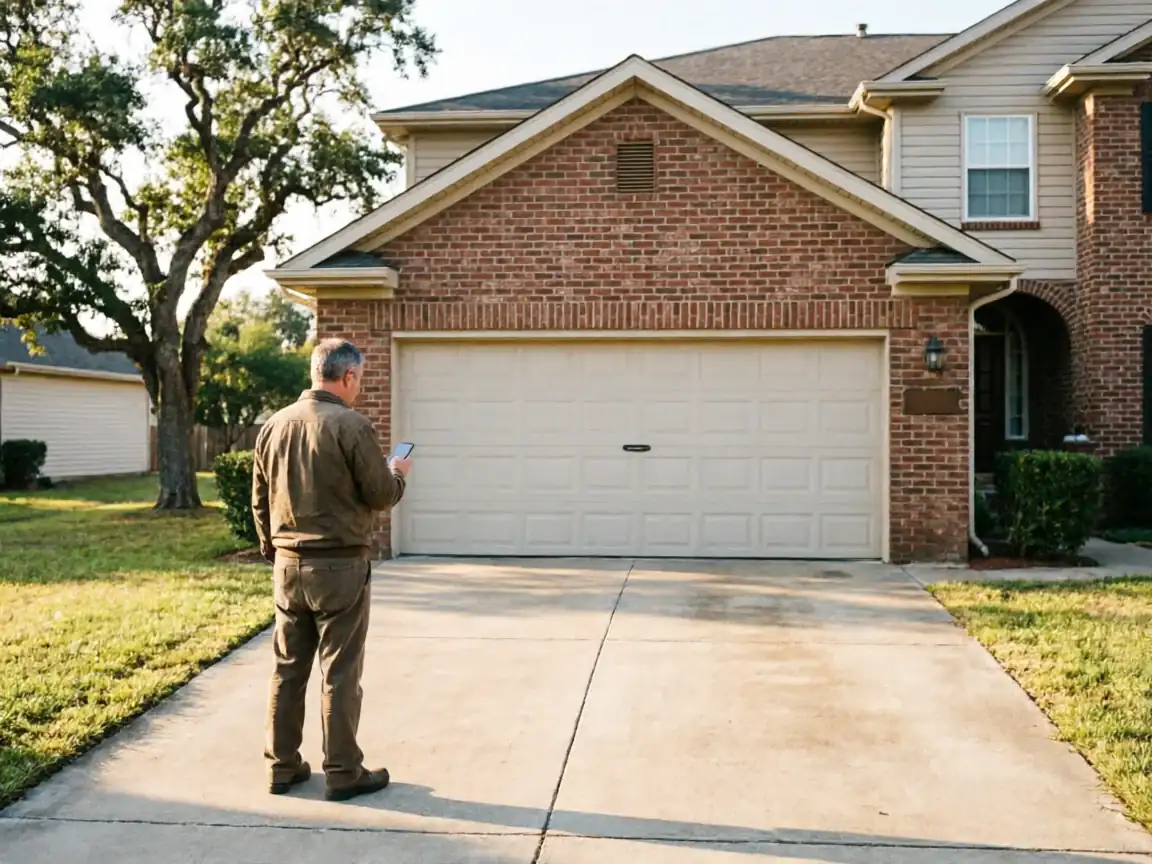
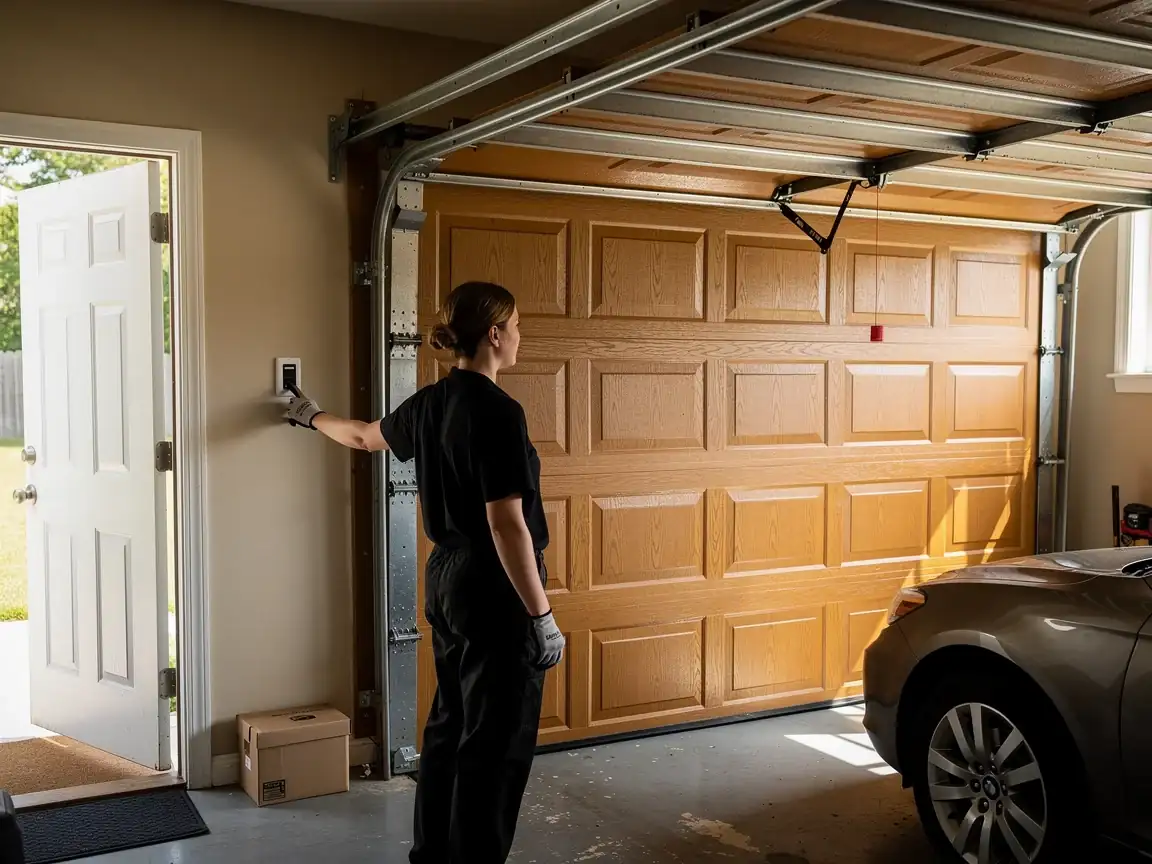
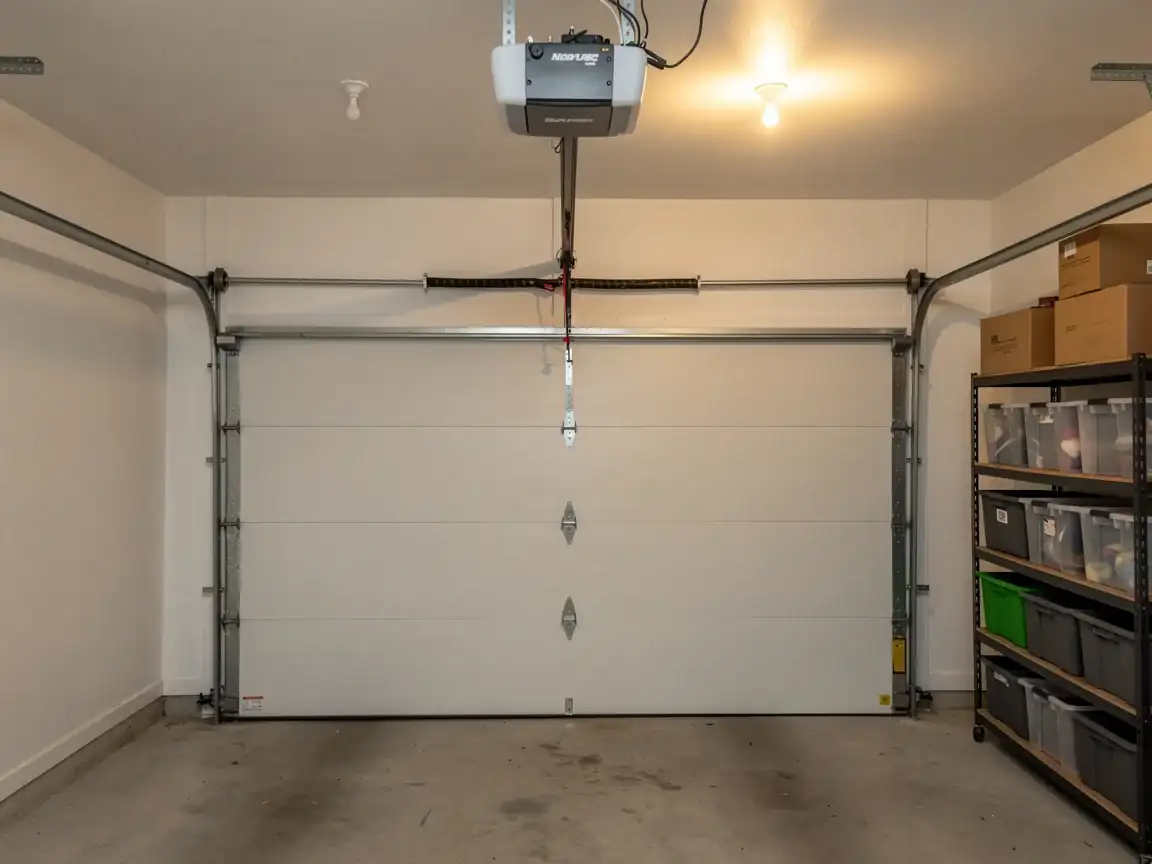
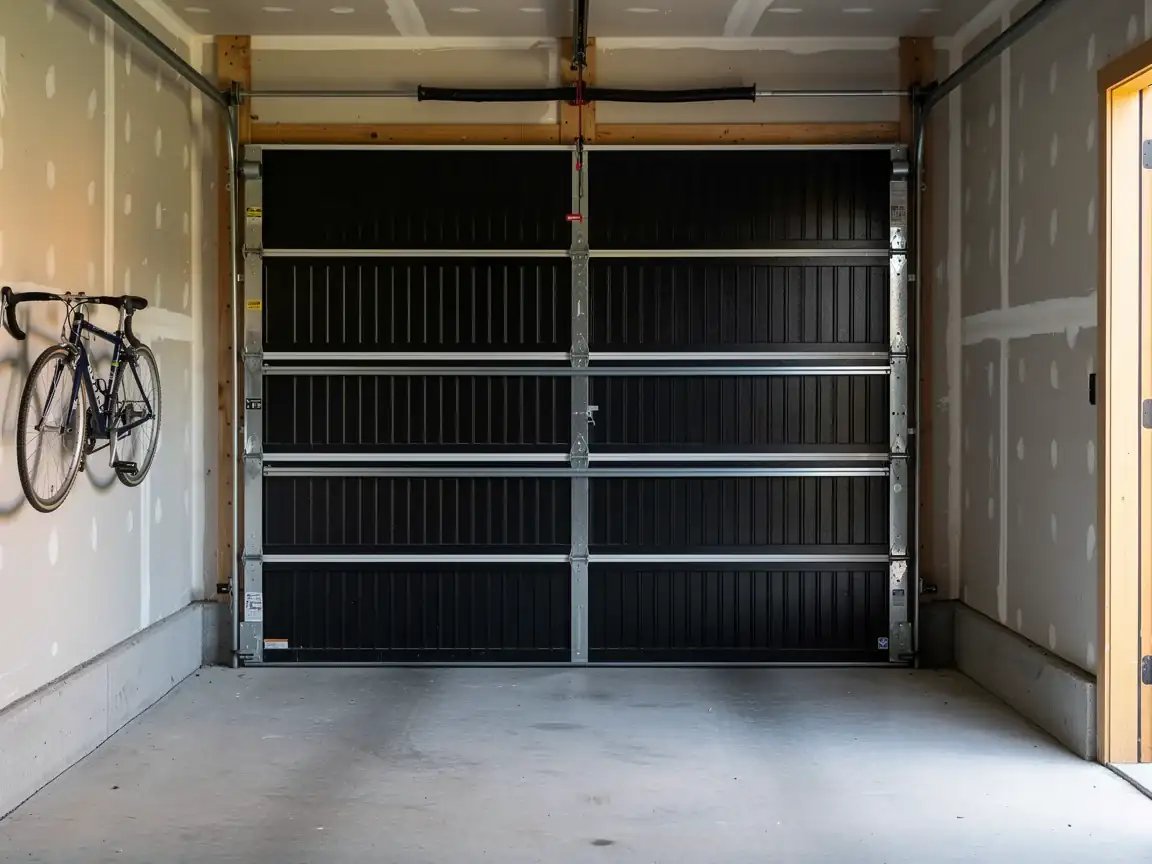
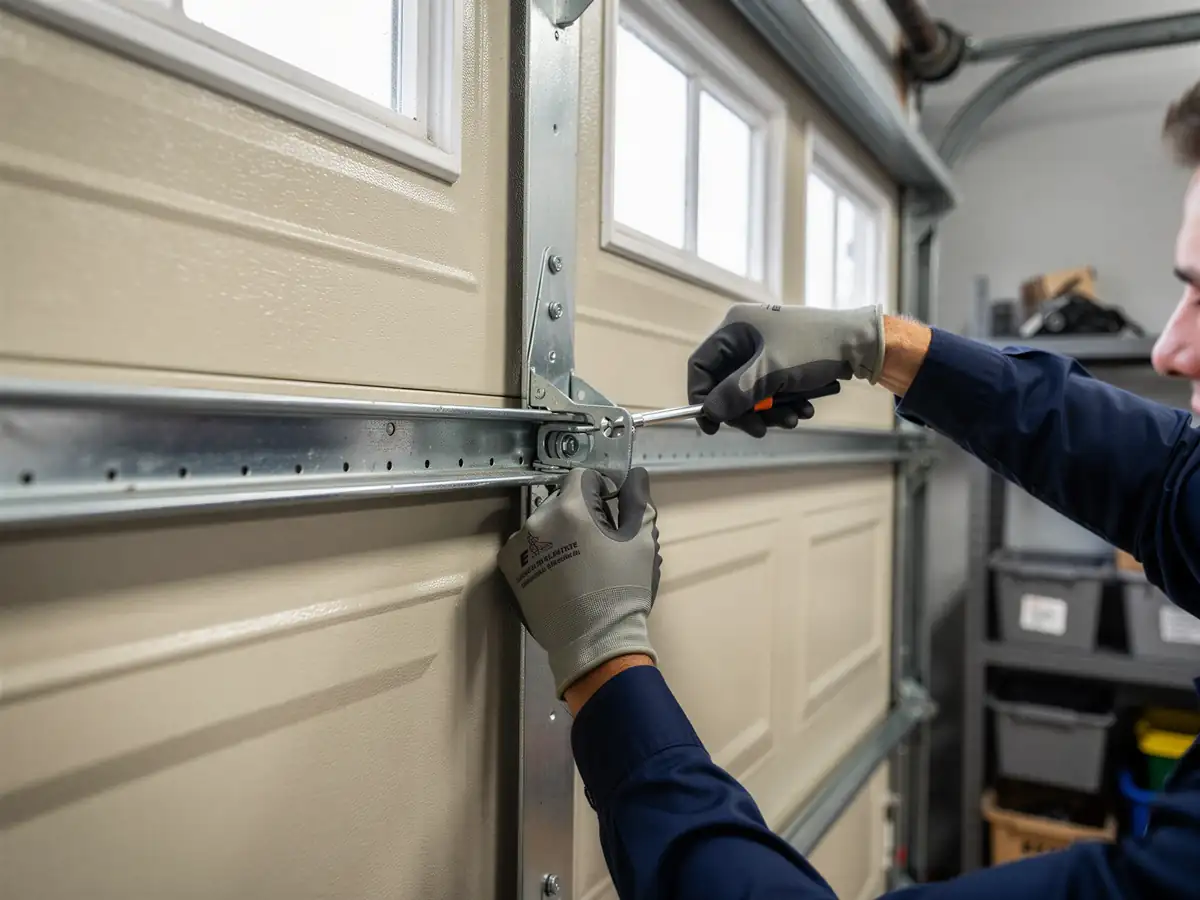
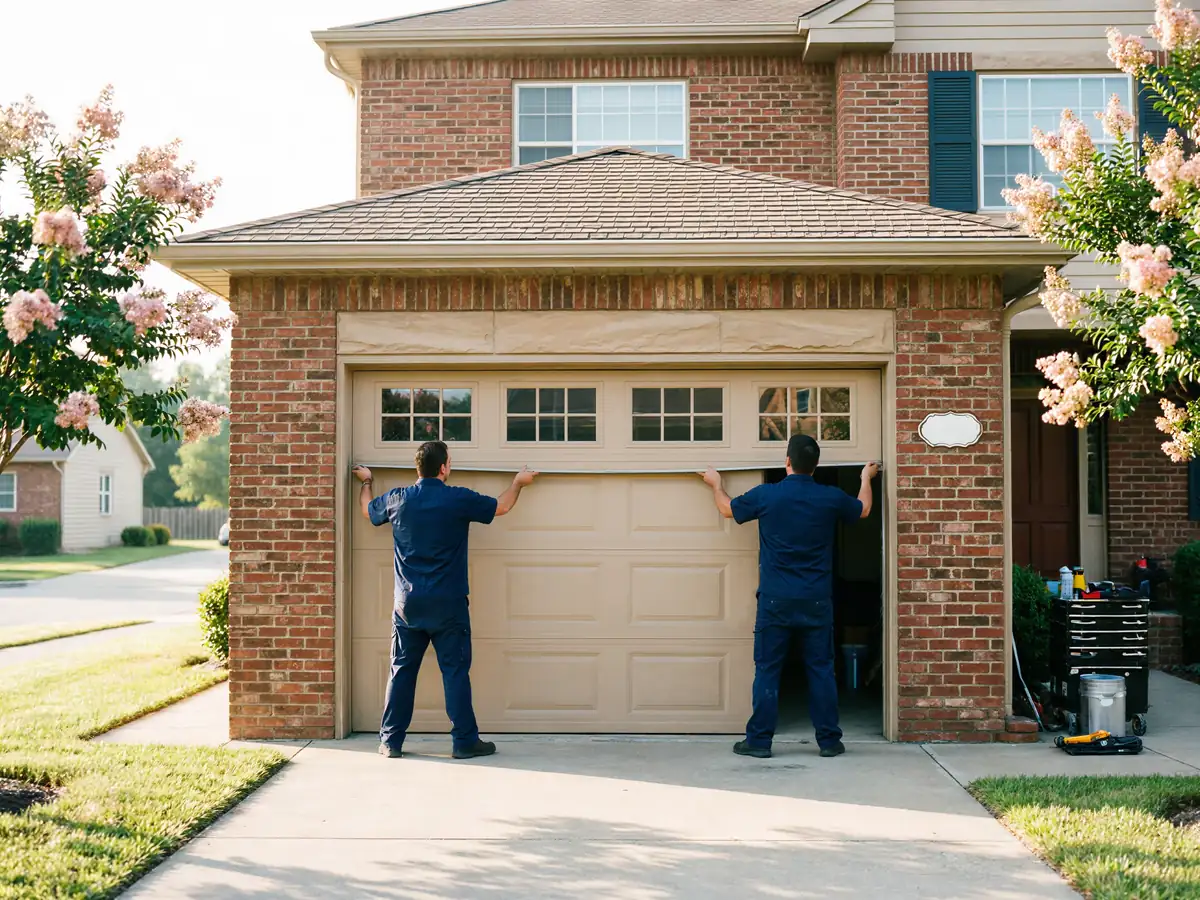
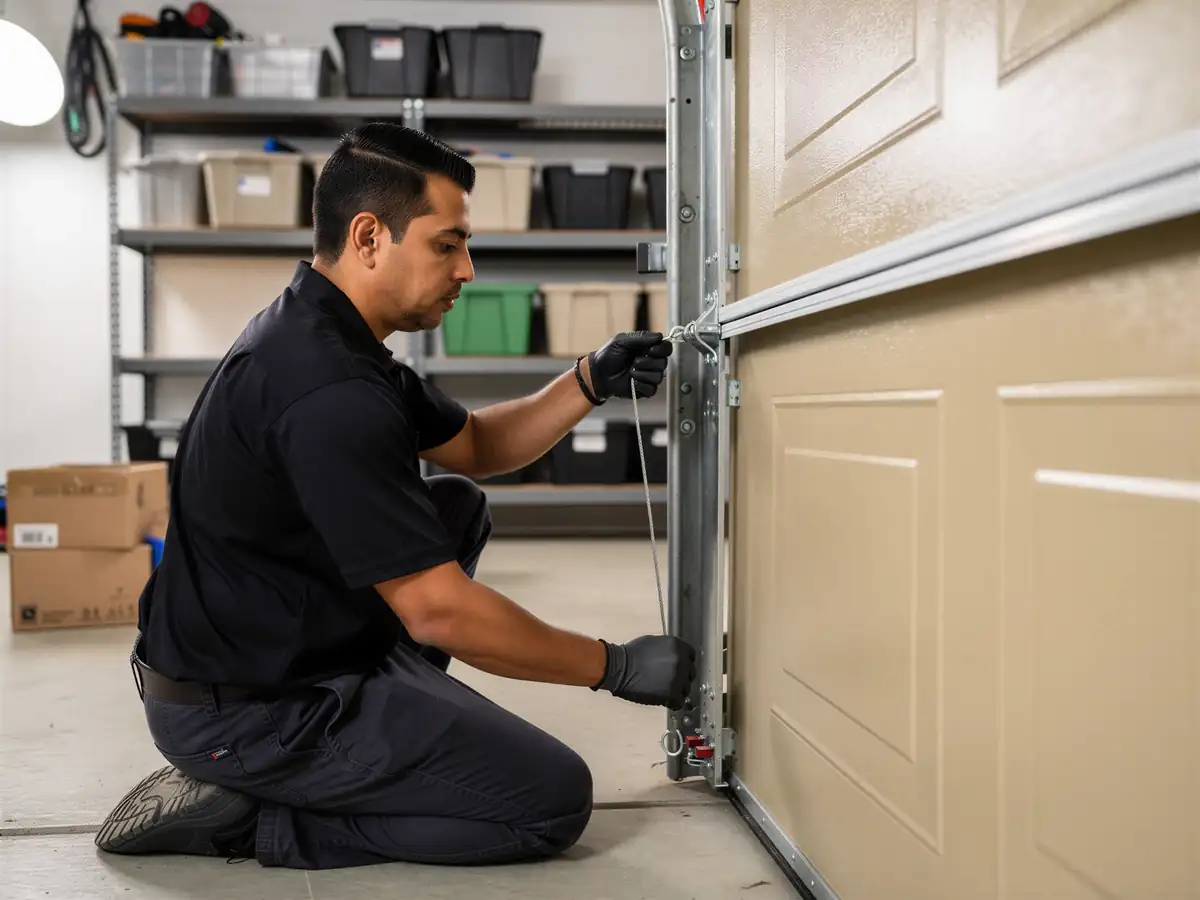
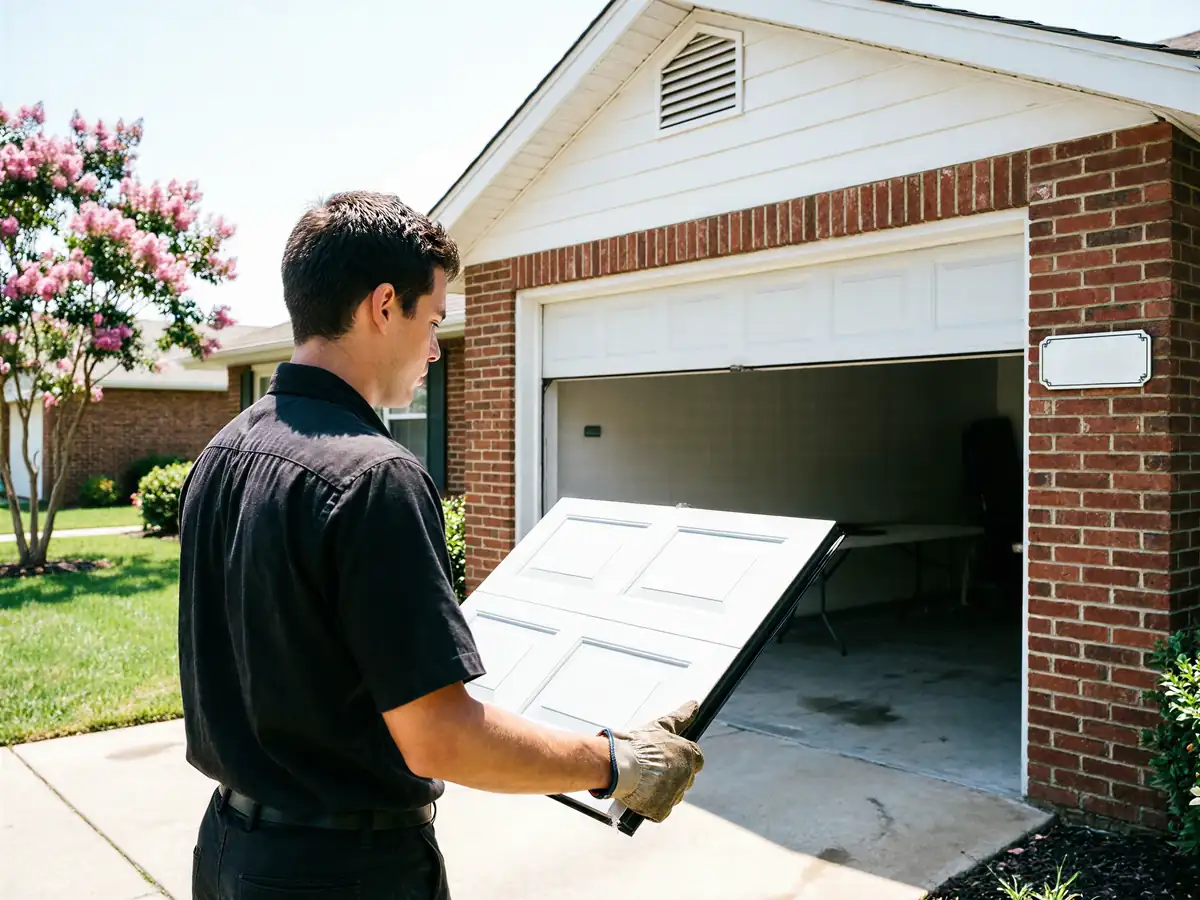
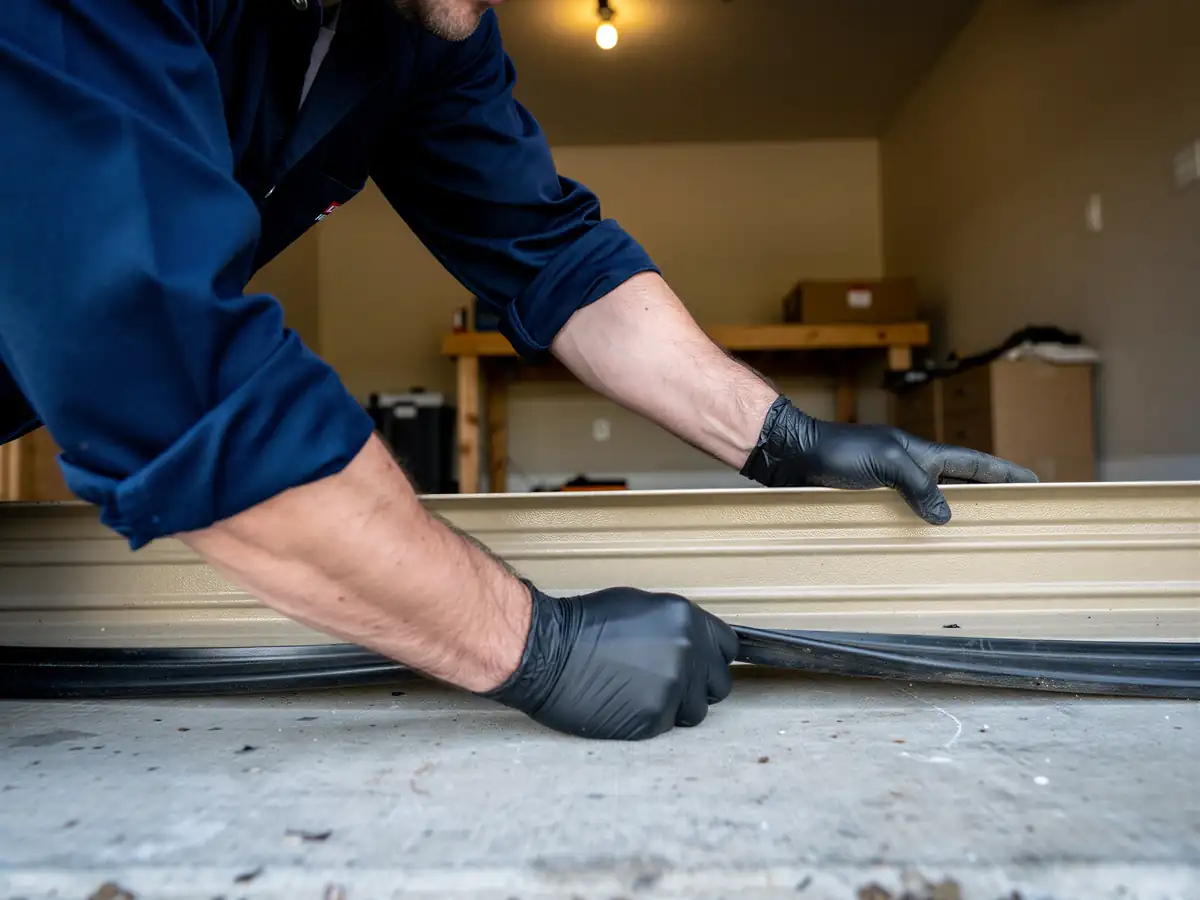
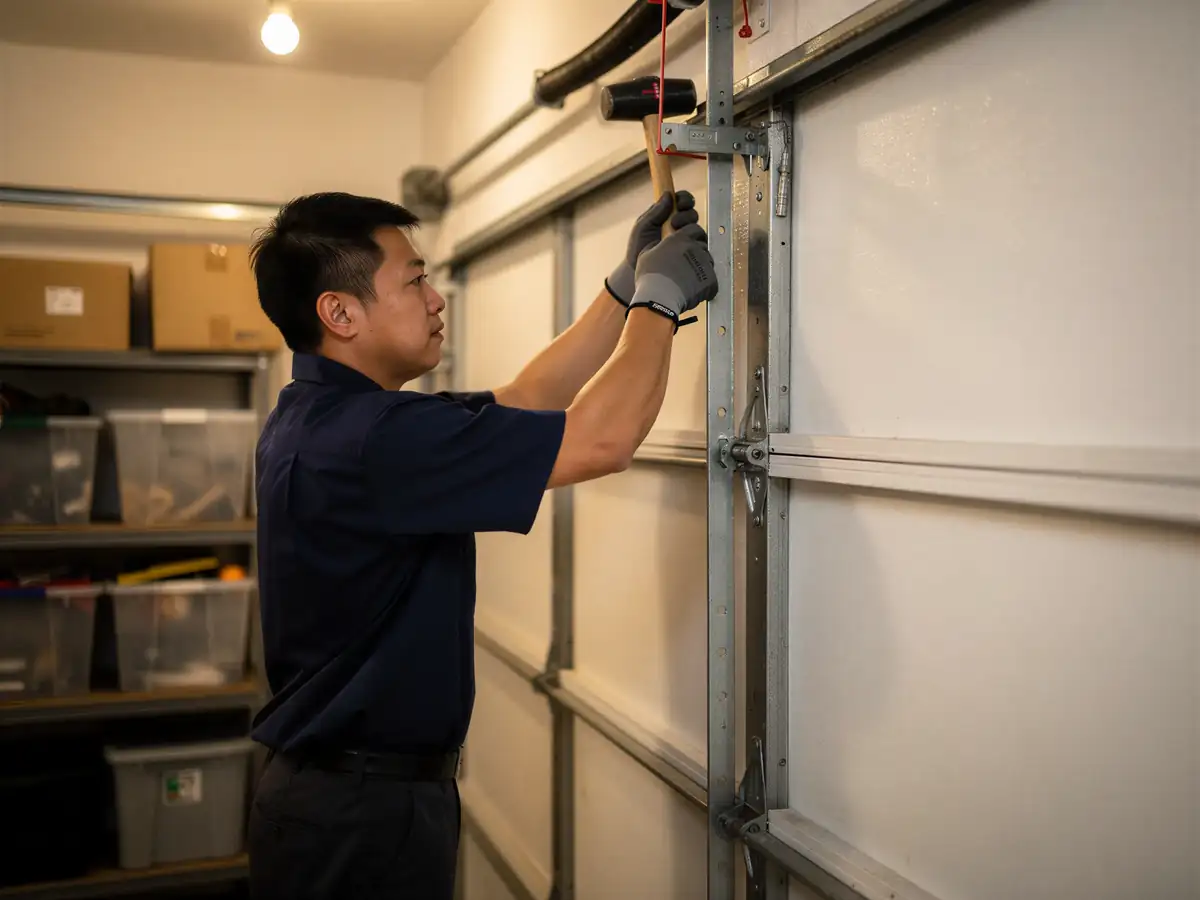
Most of Slaughterville's housing dates to around 1991, which is newer than the older pockets scattered through the Norman service area but still old enough that a lot of these doors are on their original tracks and rollers. That matters because a door riding on 30-plus-year-old steel track doesn't come off the way a newer one does - the track itself has often developed a slight bow from years of temperature swings, and just lifting the door back onto bent rail only buys you a few weeks before it happens again. The fix usually means checking the track brackets against the framing, squaring the vertical sections with a level, and replacing any roller that's worn enough to be the reason the door jumped in the first place. We carry standard rollers and track hardware on the truck; what we don't stock is a match for every oddball opener or panel from that era, so if a part's obsolete we tell you that up front rather than making you wait on a guess.
What Can Go Wrong
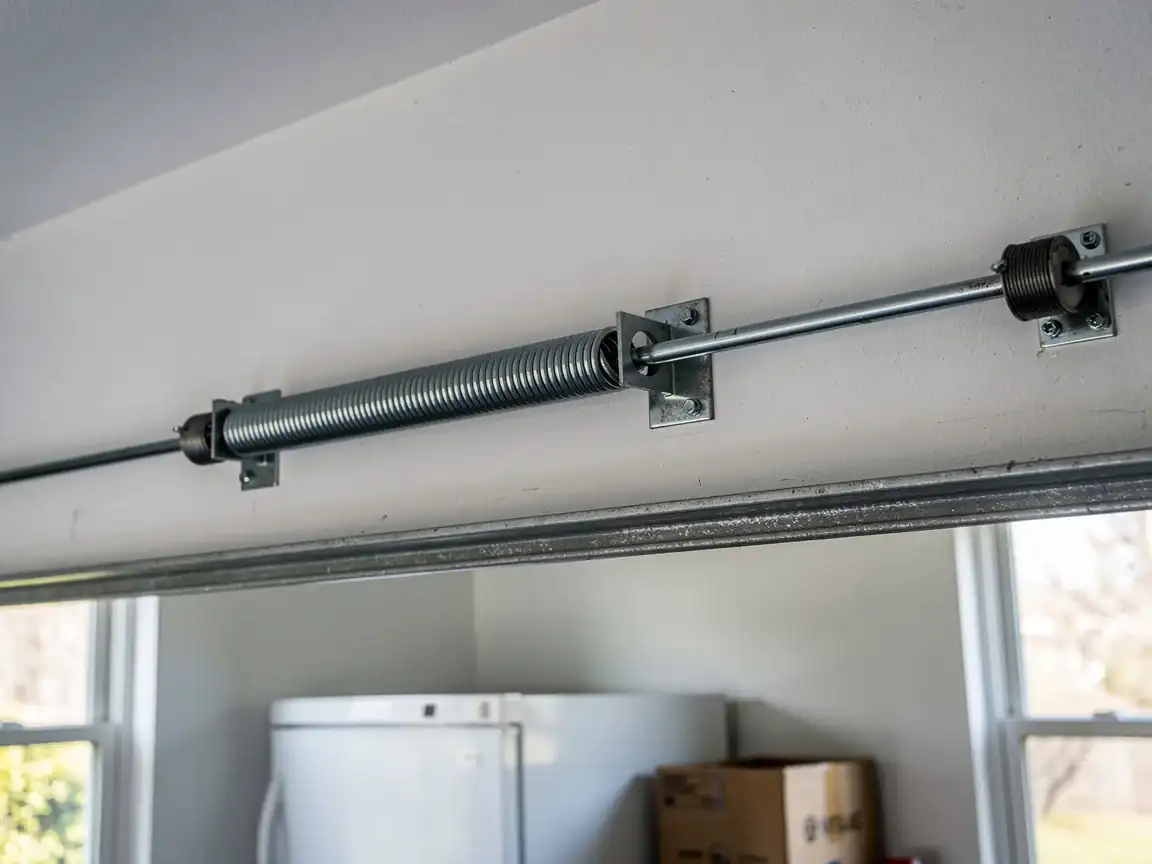
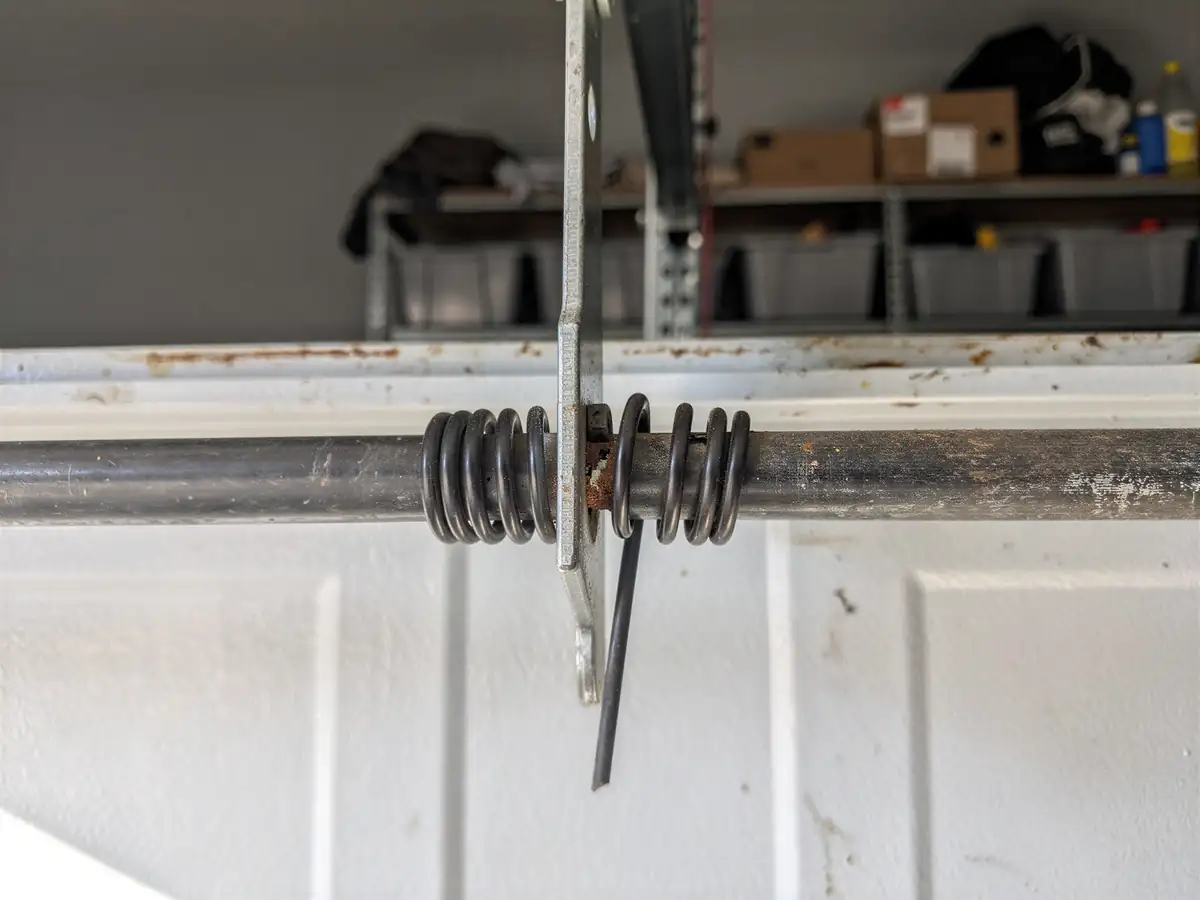
A door built around 1991 tends to come off track for one of a few reasons, and they're not interchangeable fixes. Worn rollers riding loose in their track is the most common, especially on doors that have never had the hardware touched since installation. A bent track from an impact - a car bumper, a stray ladder - is another, and that one usually needs the section replaced rather than hammered straight, because a straightened track rarely holds square for long. Cold-weather stiffening in the opener and cables is a factor too; this part of Oklahoma sits in a moderate-cold climate band, and when temperatures drop, grease thickens and cables that were already a little loose under tension can slip a roller off the rail on the next cycle. We also see cases where the real problem is a broken spring that's let the door drop unevenly, pulling one side off track while the other stays seated - that's not an off-track repair at all until the spring gets fixed first.
Why This Fails Locally
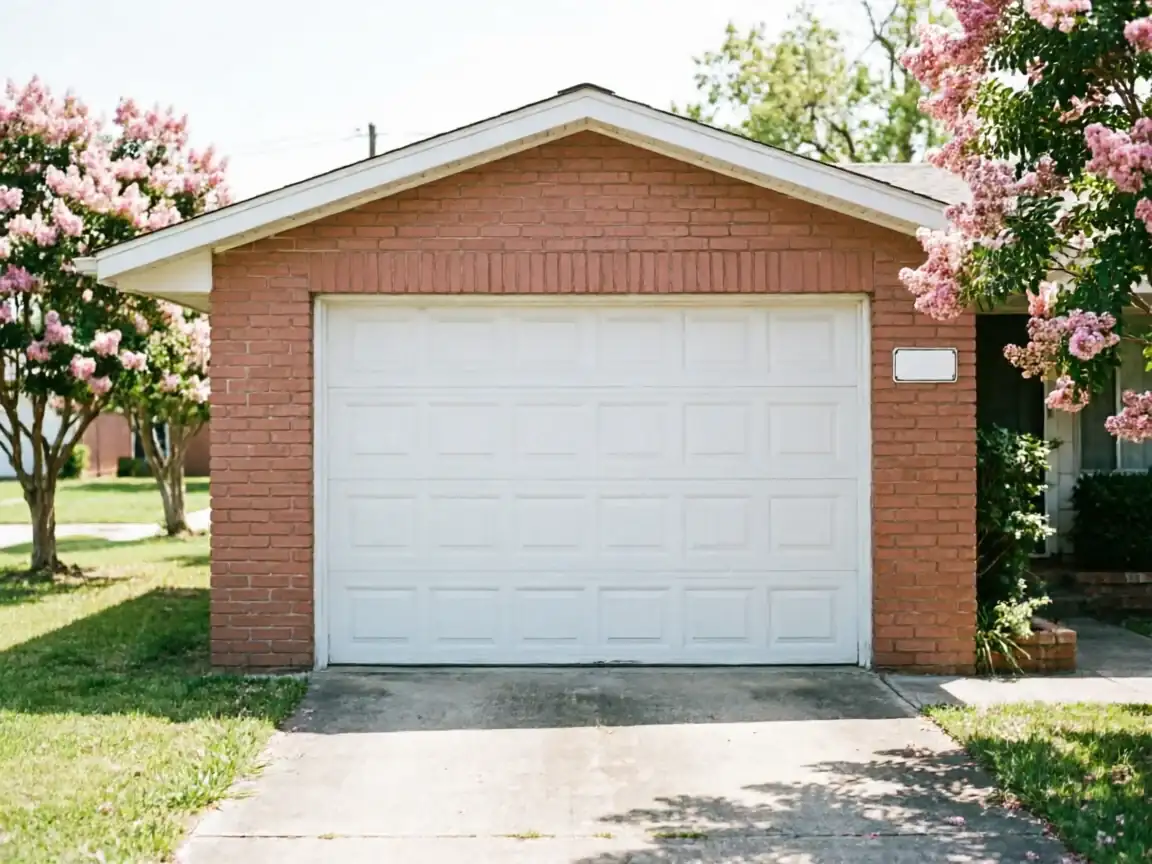
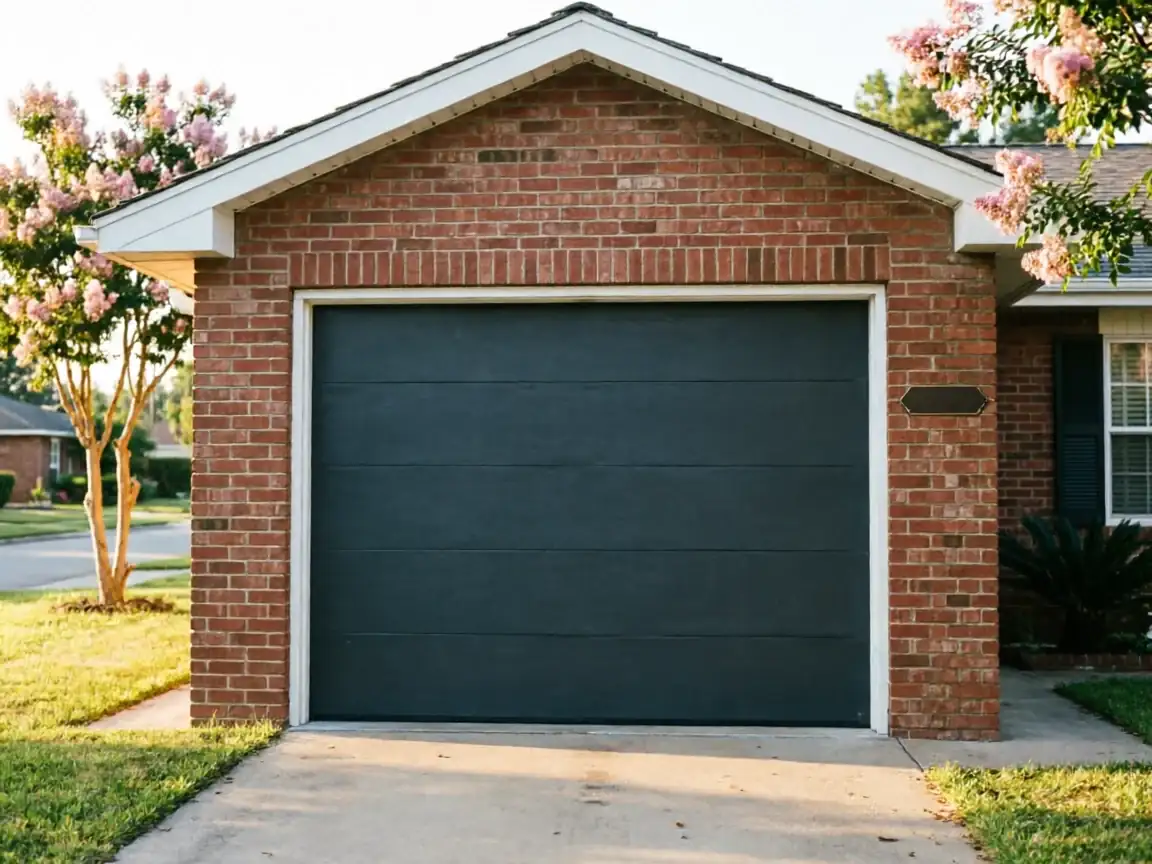
Slaughterville's housing stock centers closer to 1991 than the service area's overall 1964-2004 span, with a median build year around 1987 across the wider Norman service area. That newer-side build date means fewer of the original one-piece doors you still find on older stock elsewhere, but it also means a lot of these garages got their first opener and rail system installed in the early '90s and haven't been touched since - hardware from that generation is past its expected working life even if it looks fine from the driveway. With 1,548 households spread across Slaughterville rather than packed into a single dense subdivision from one building wave, the wear patterns aren't uniform street to street the way they'd be in a tract built all at once, so we can't assume every call out here is the same fault repeating. That's also why we don't guess a cause over the phone - the track coming off here is as likely to be a cold-stiffened cable as a bent rail, and only a look at the hardware tells you which.