What the Repair Takes
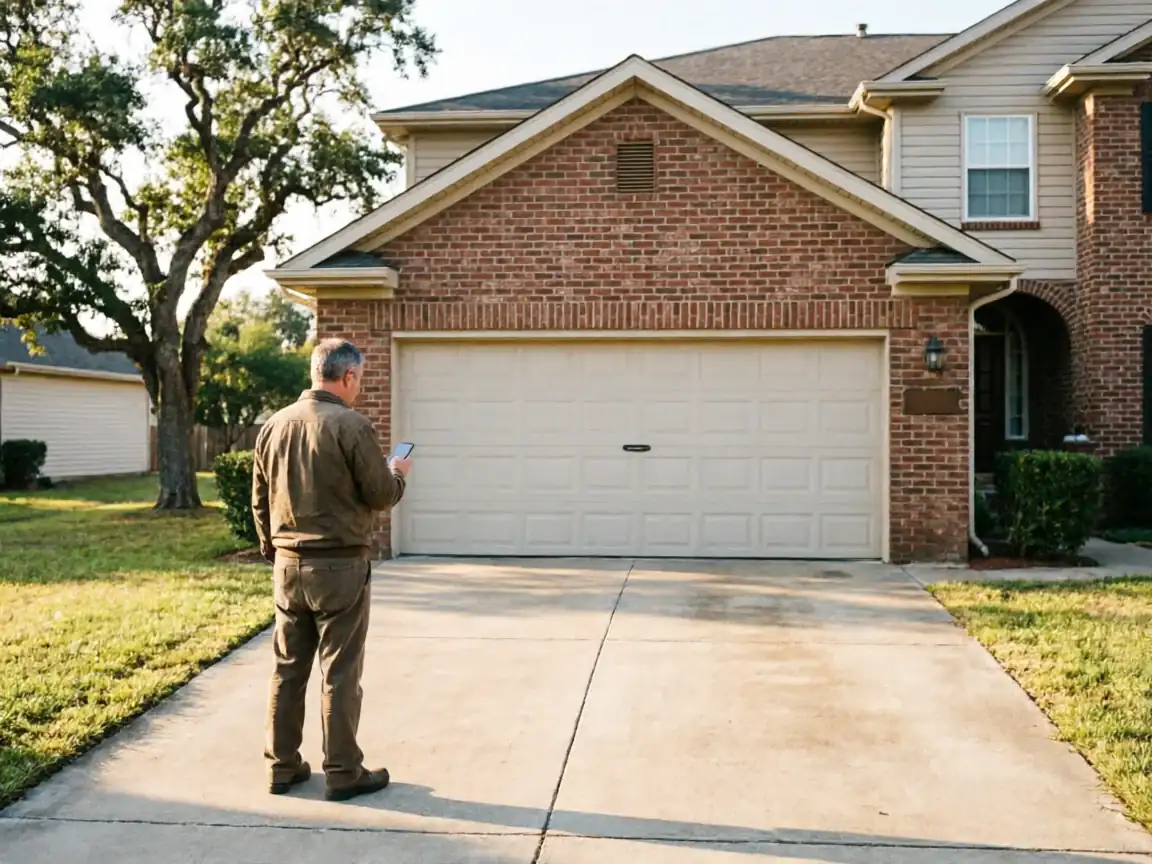
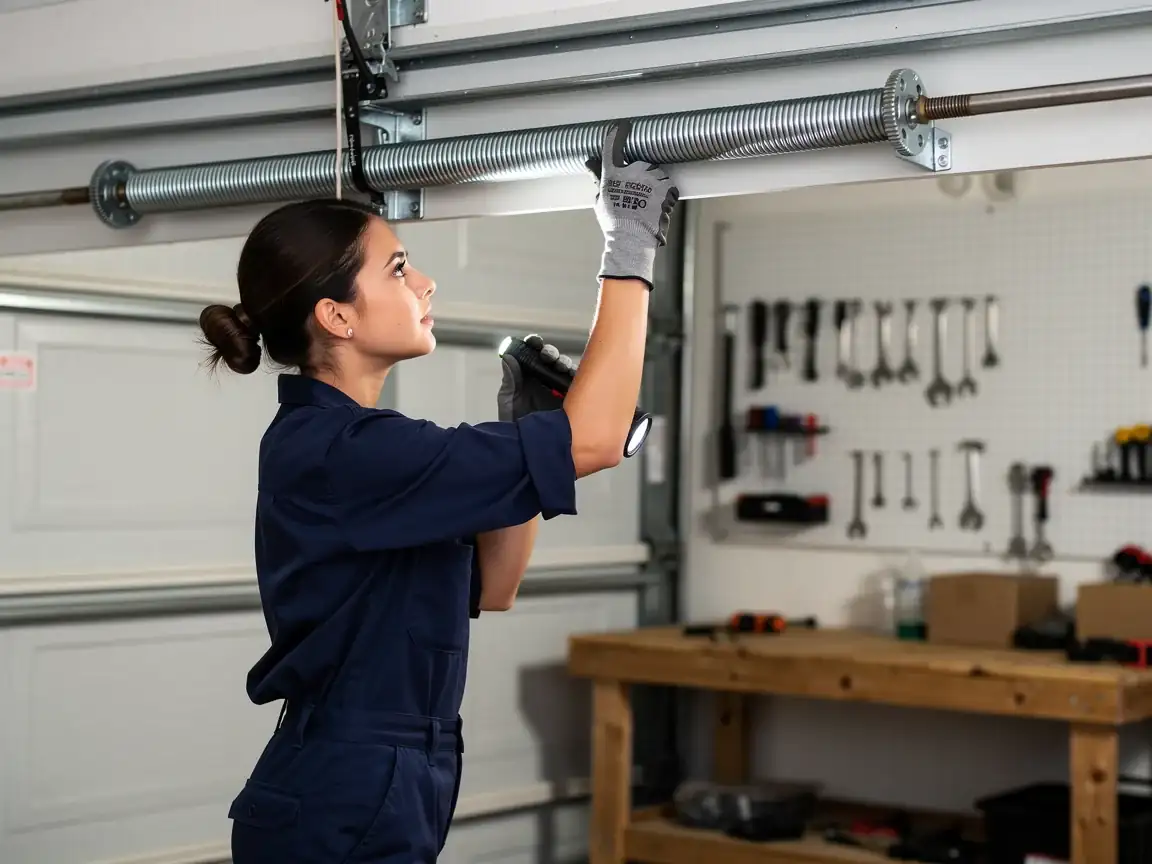
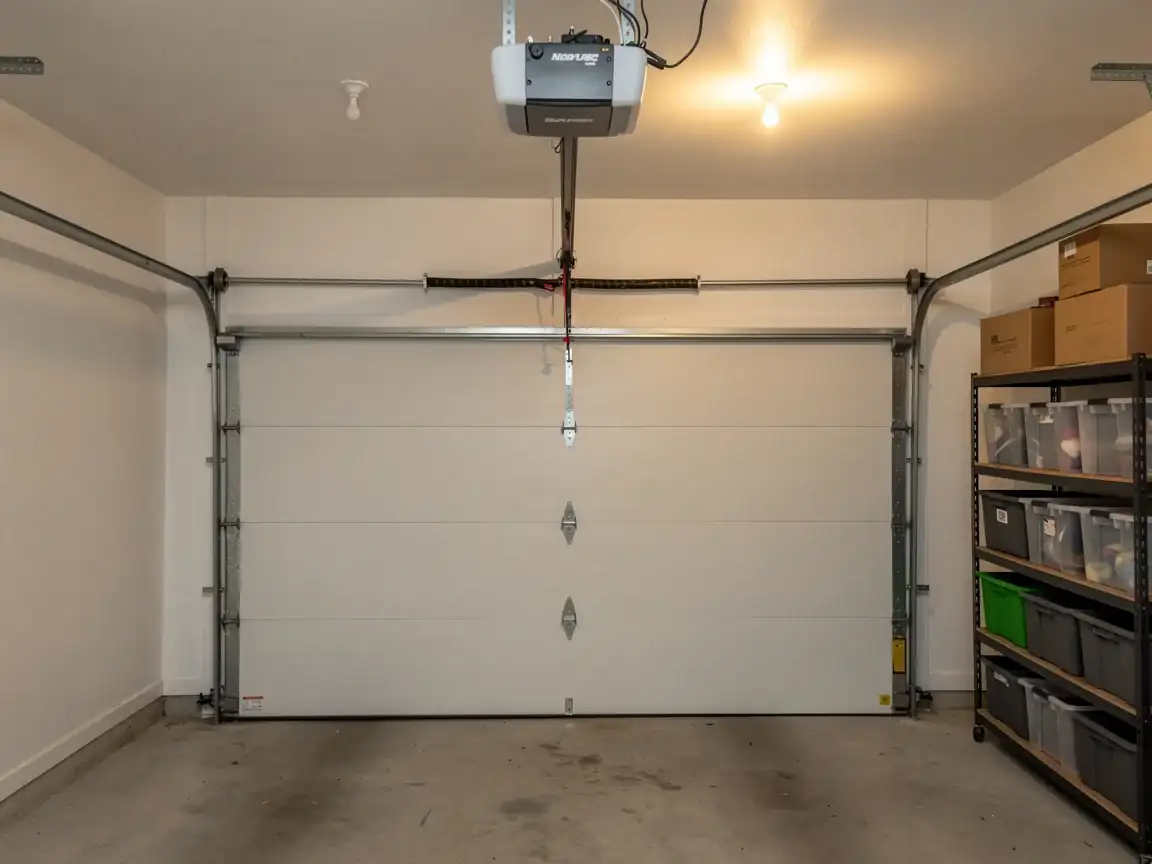
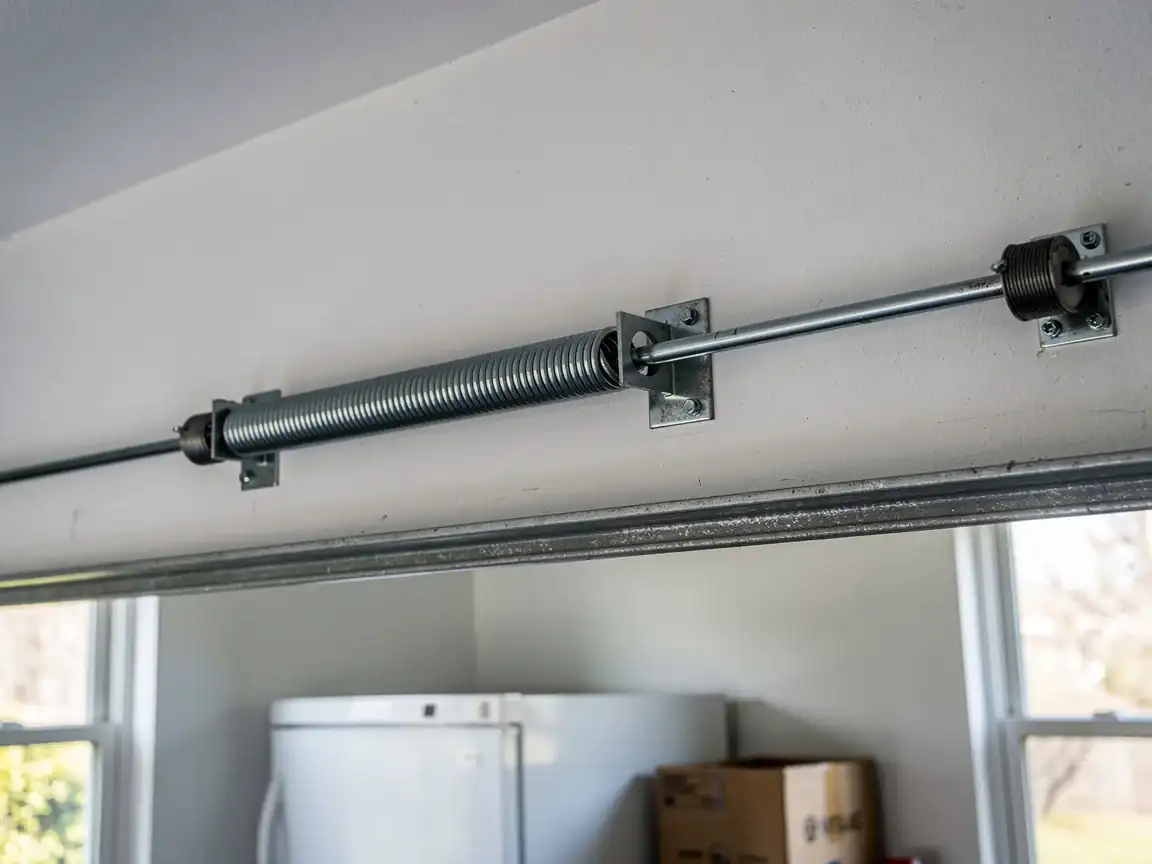
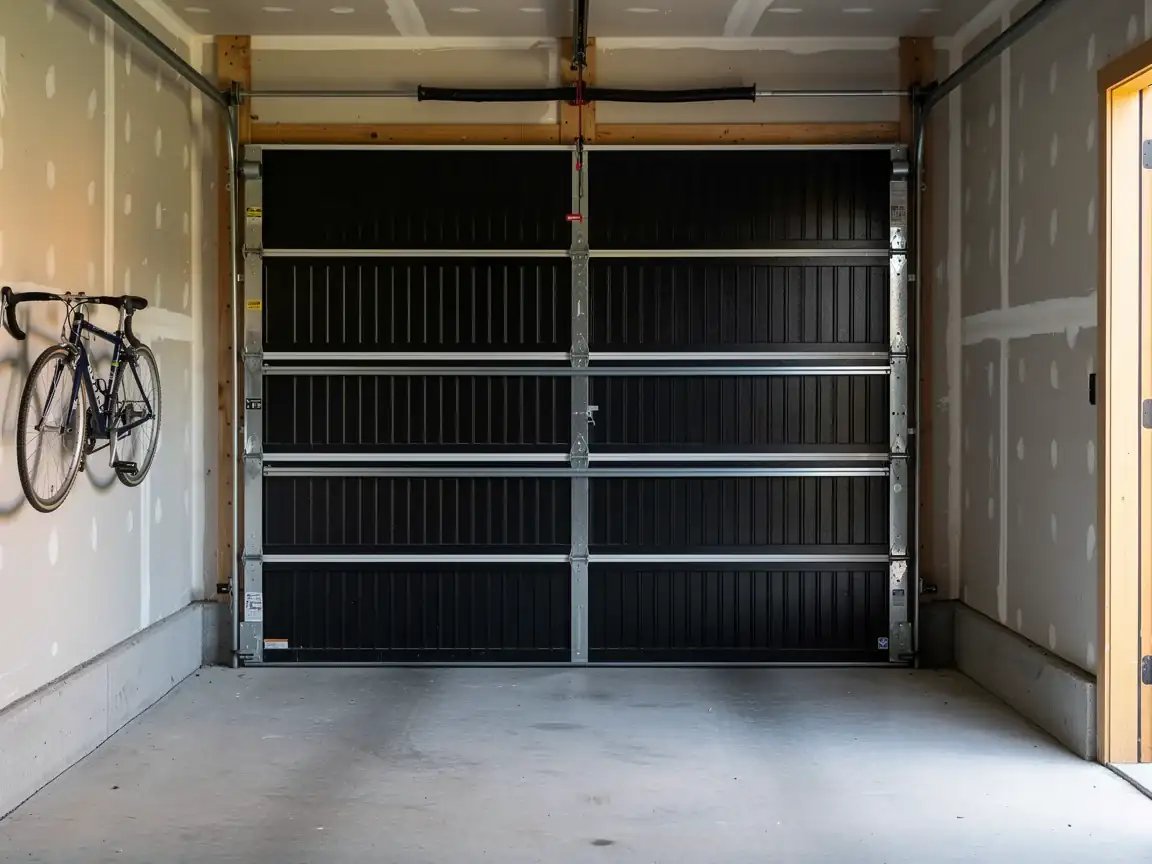
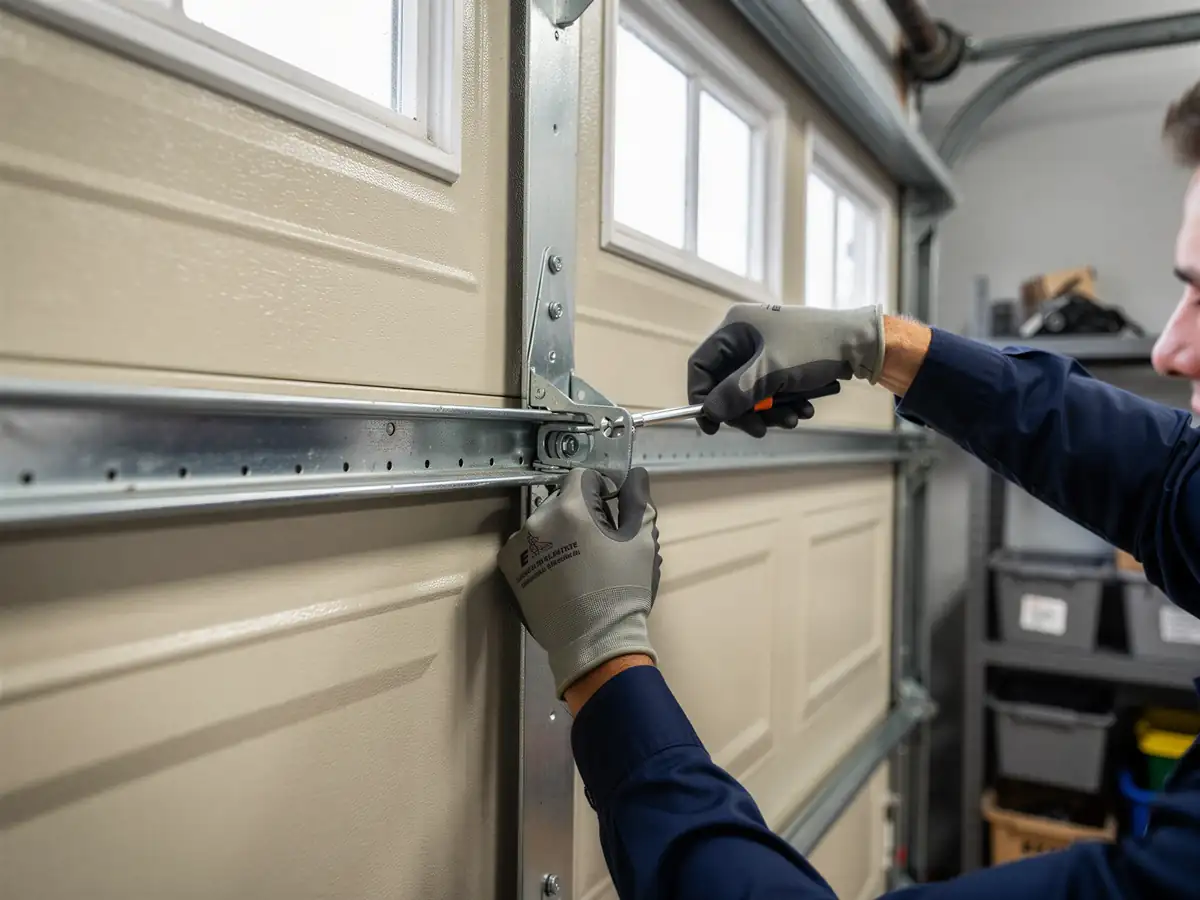
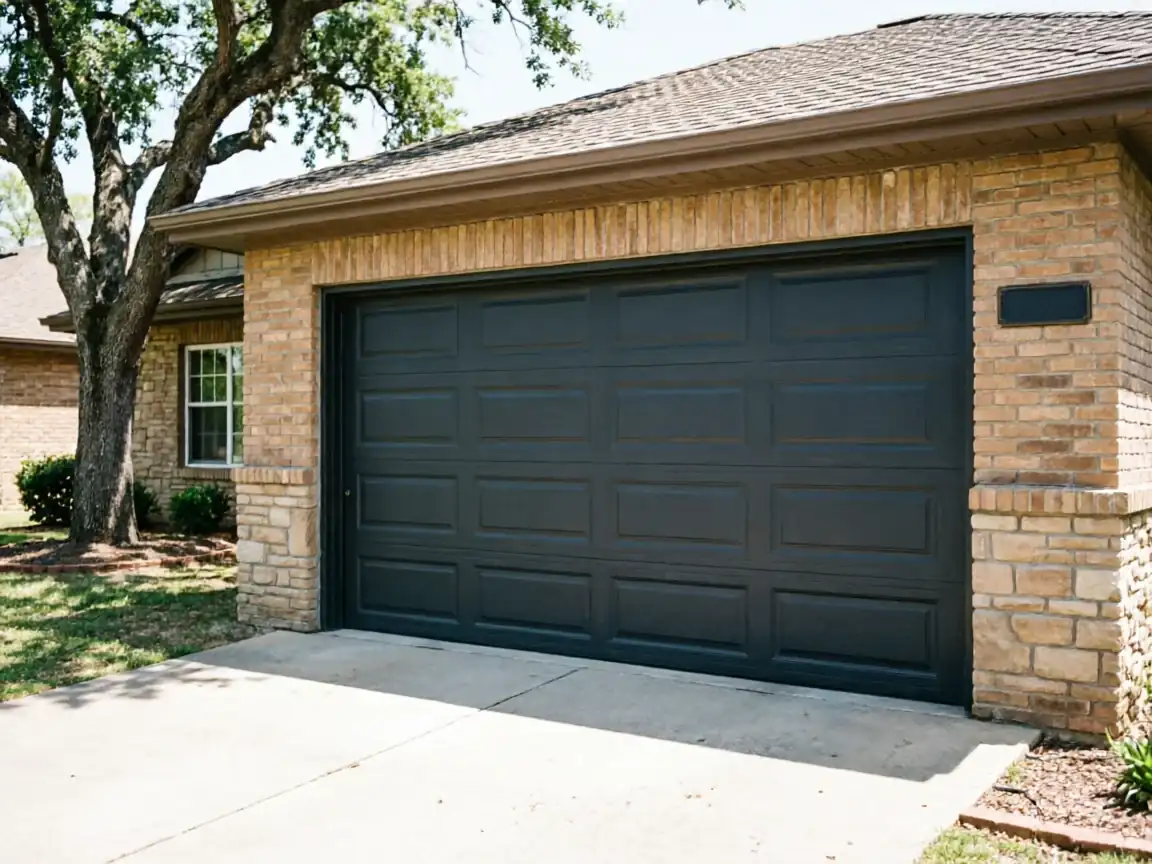
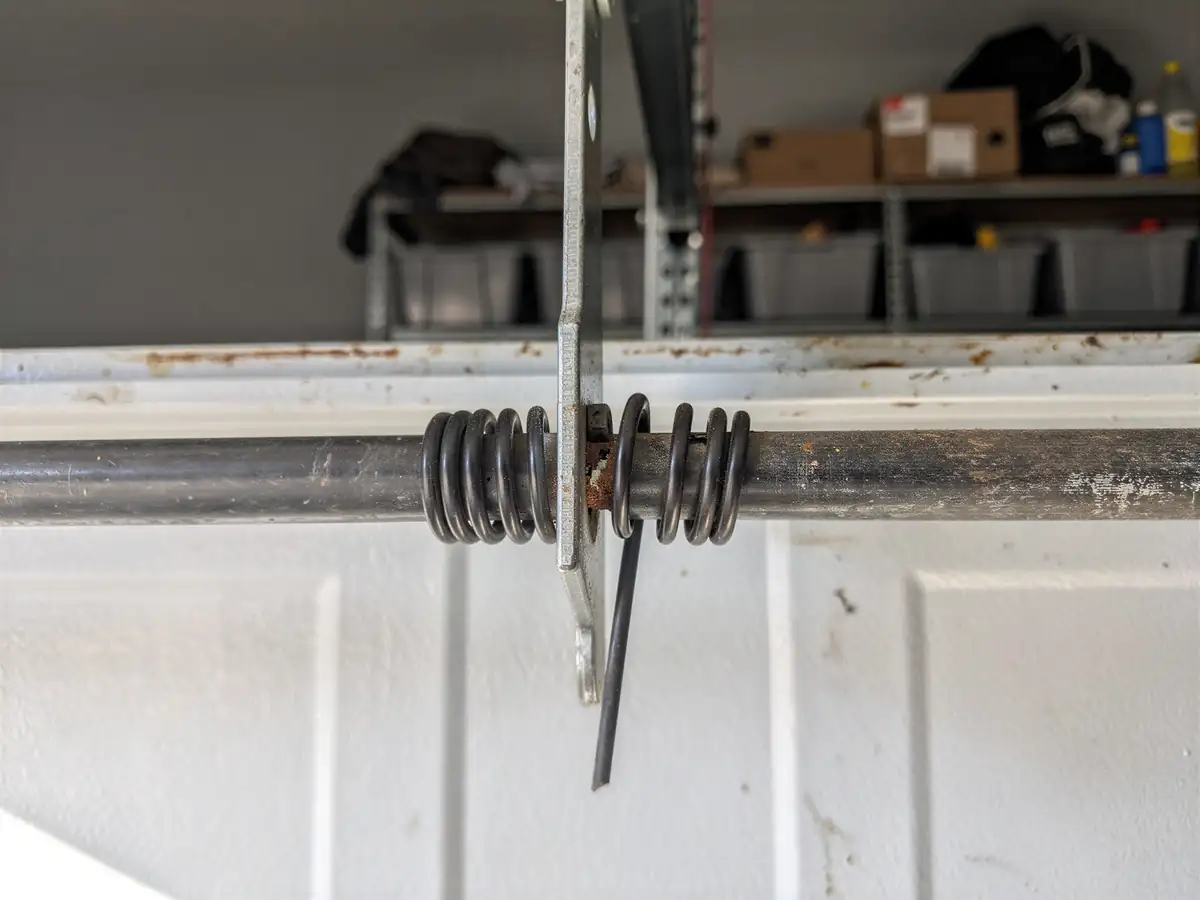
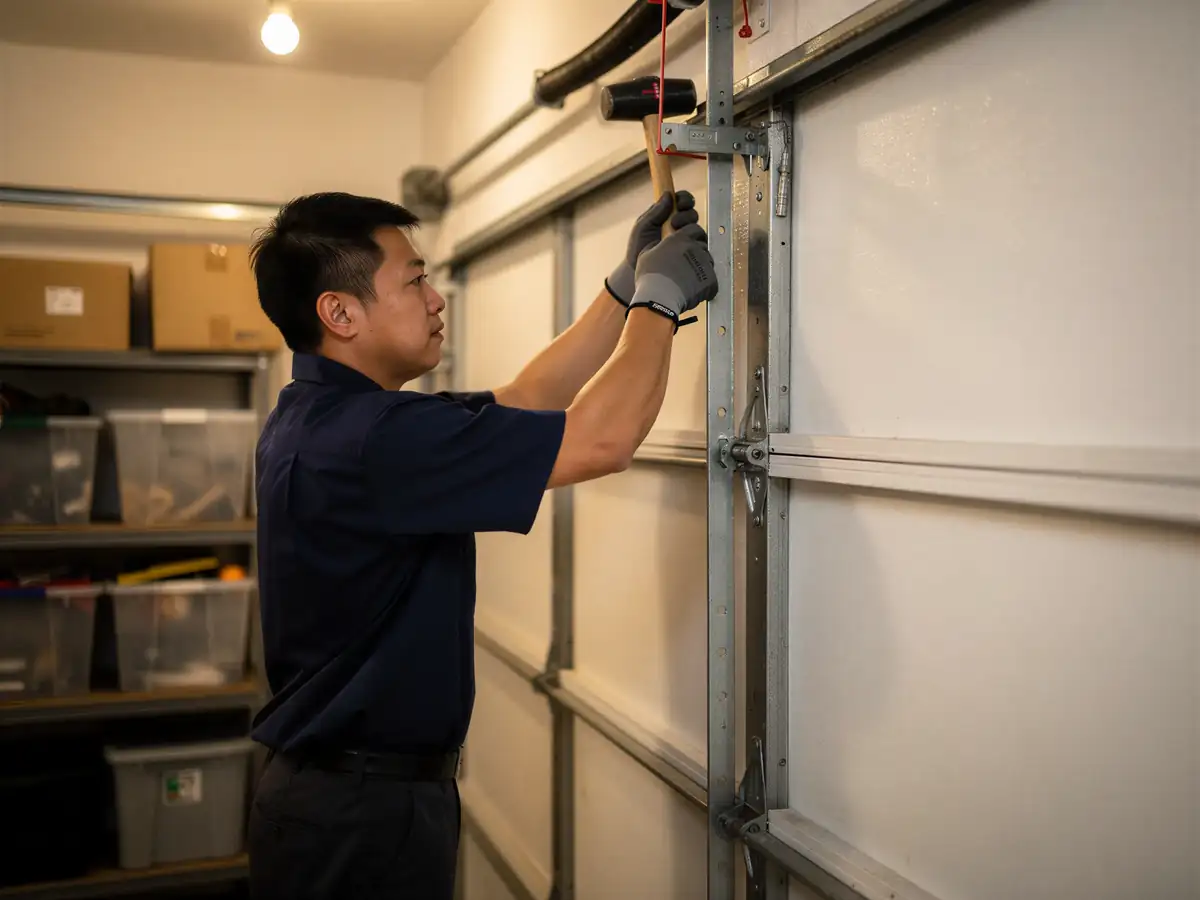
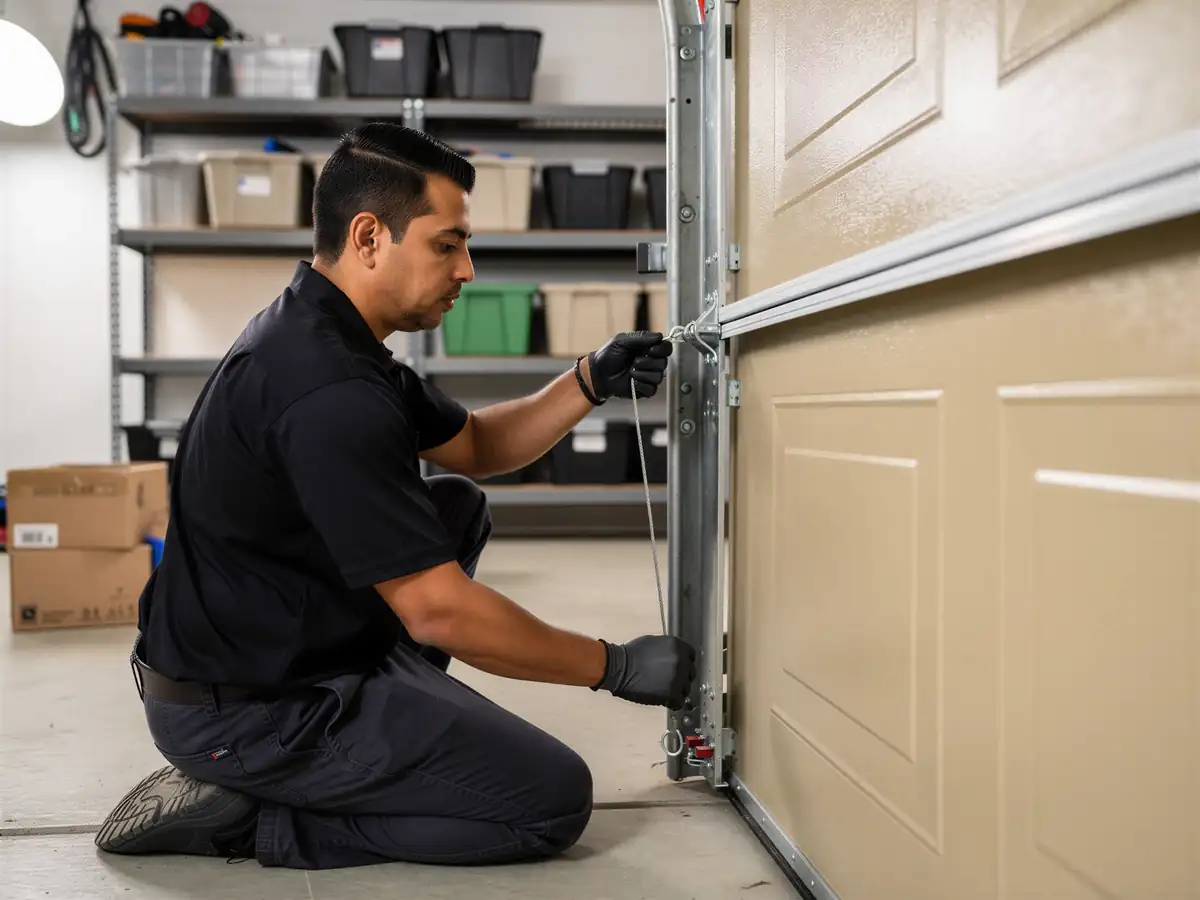
Most houses out here were built in that 1980s-through-2000s stretch, with a local median around 1991 - newer than a lot of the older core neighborhoods in the wider Norman area, where median build runs closer to 1987 on torsion hardware that goes back further still. That later build date means the doors we're almost always working on in Slaughterville are steel sectional doors on torsion spring systems with galvanized lift cables running off a drum at each end of the shaft - not the older extension-spring-and-pulley setups you'd find on pre-1970s construction. The job takes a replacement cable rated for the door's weight and drum size, a winding bar for the torsion spring (never a screwdriver - that's how people get hurt), clamps, and a way to hold the door steady while the old cable comes off. Because the stock here skews newer, we're rarely fighting rusted-solid original hardware from a door that's never been touched since the house was framed. That's a plus. What we do watch for is a drum that's slipped slightly out of alignment over the years, which will shred a new cable just as fast as the old one failed.
What Can Go Wrong
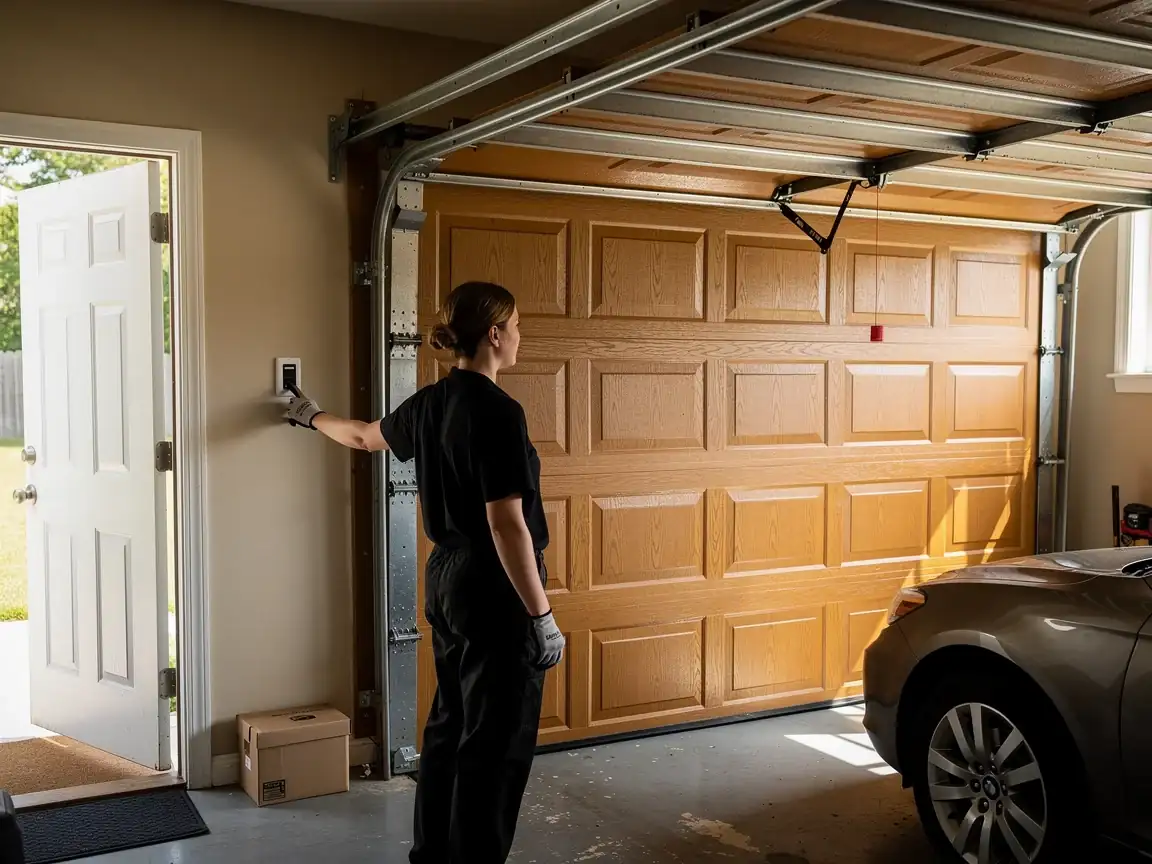
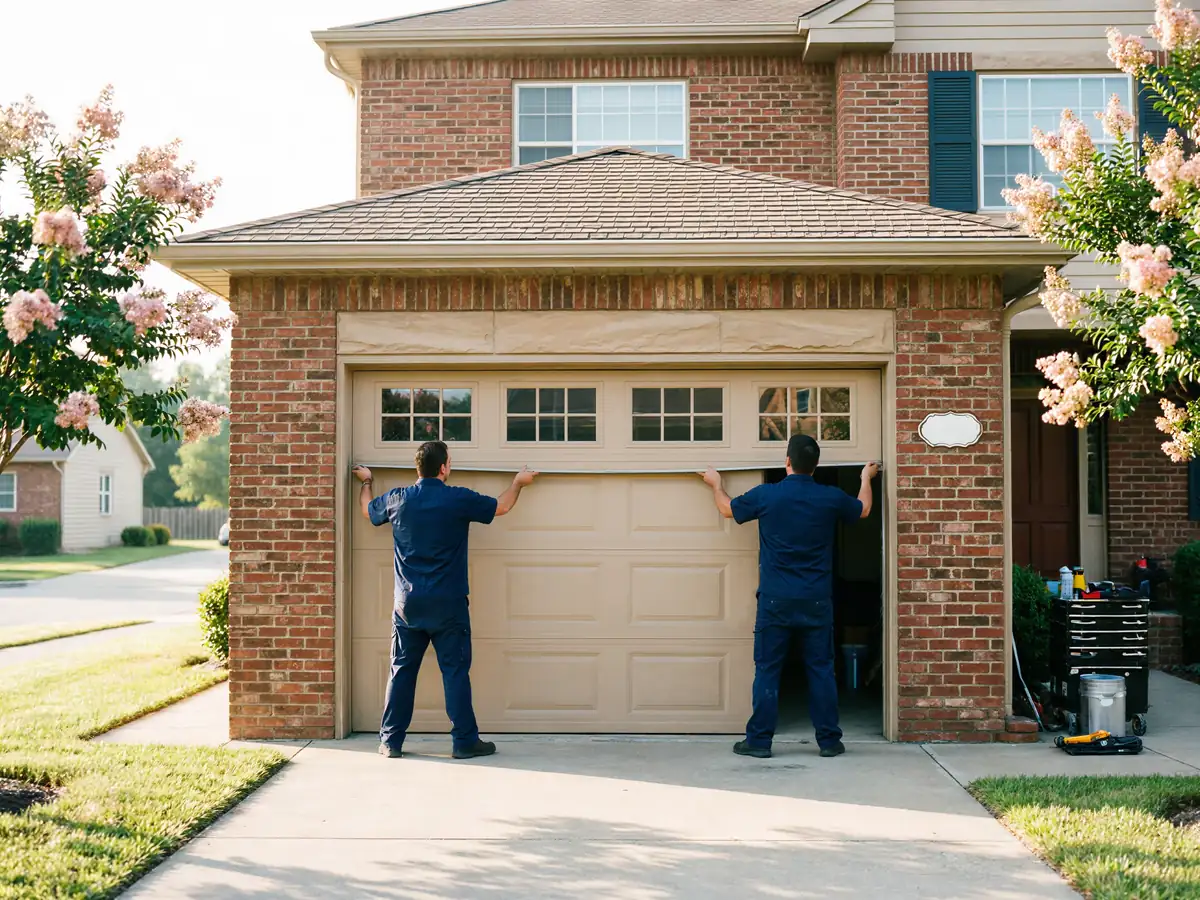
The cable itself usually goes one of two ways: it frays at the drum from repeated flexing, or it jumps the drum groove entirely and bunches up, which can yank the door off true and jam it halfway open or shut. On a two-car door, if only one cable lets go, the door comes down crooked and can bind hard in the tracks - that's the call we get where someone's already tried to force it back down. The area sits in a moderate cold climate band, and the freeze-thaw swing through the winter months is rough on exposed steel cable, especially where moisture sits in the drum groove overnight and rusts a weak point into the strand. We also see cables that look fine but are seated on a drum that's drifted sideways on the shaft - replace the cable without fixing that, and you're back out in a month. One thing we won't do is patch a cable that's already kinked or birdcaged. Once a steel cable deforms like that, it's compromised the whole length, and running it anyway is how a door comes down on someone.
Why This Fails Locally
Put the numbers together and you get a specific failure pattern here, not a generic one. Homes going up mostly in the 1980s and 90s means torsion-cable hardware dominates, which fails differently than the older extension-spring doors still common in the oldest Norman-area neighborhoods. A moderate cold climate means winter condensation and freeze cycles work on exposed cable strands for months at a time, which is when we see the fraying show up - late winter, not midsummer. And with only around 1,548 households spread out in Slaughterville, a cable snapping here doesn't come with the same odds of a neighbor's identical door having failed the same week, the way it might in a tighter subdivision closer to Norman. Each call out here tends to be its own case: a door built in the early 90s, run on torsion hardware for three decades, finally shedding a cable that's been quietly weakening since the last hard winter.