Parts We Carry
Most houses around Lexington went up around 1982
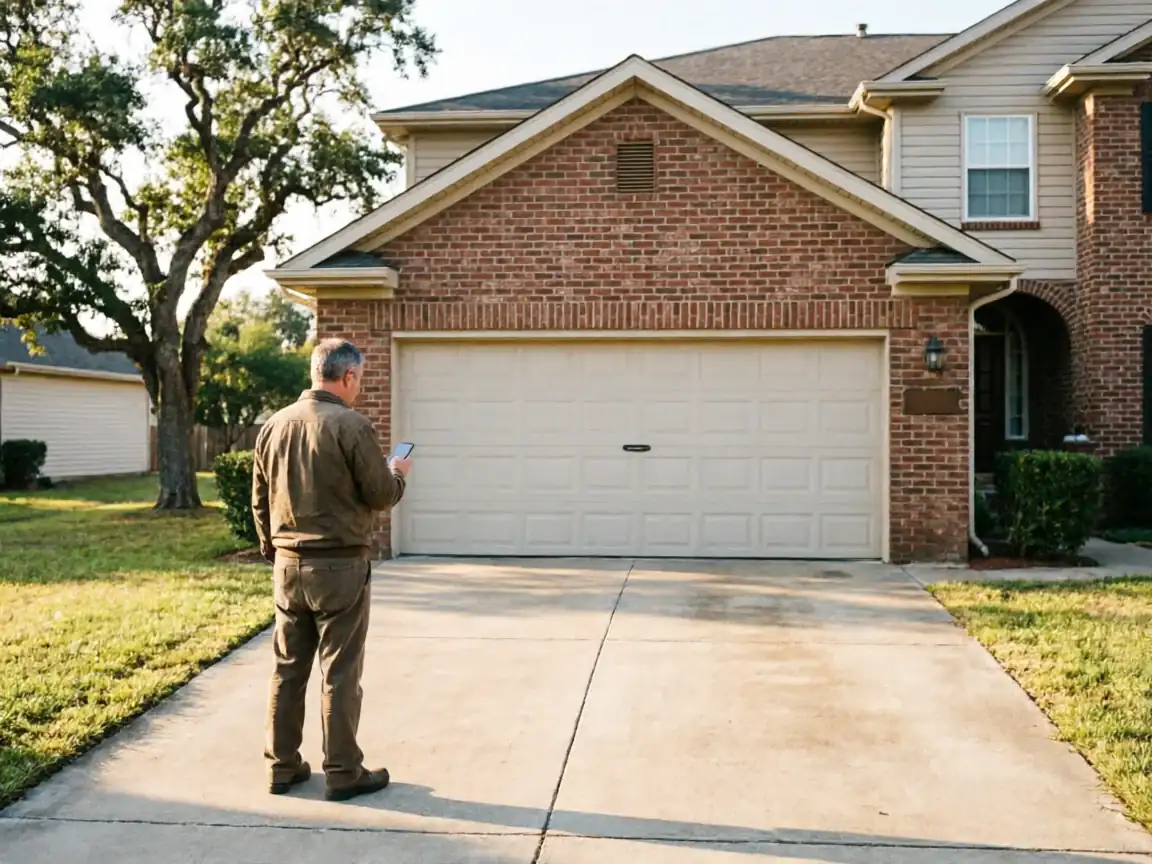
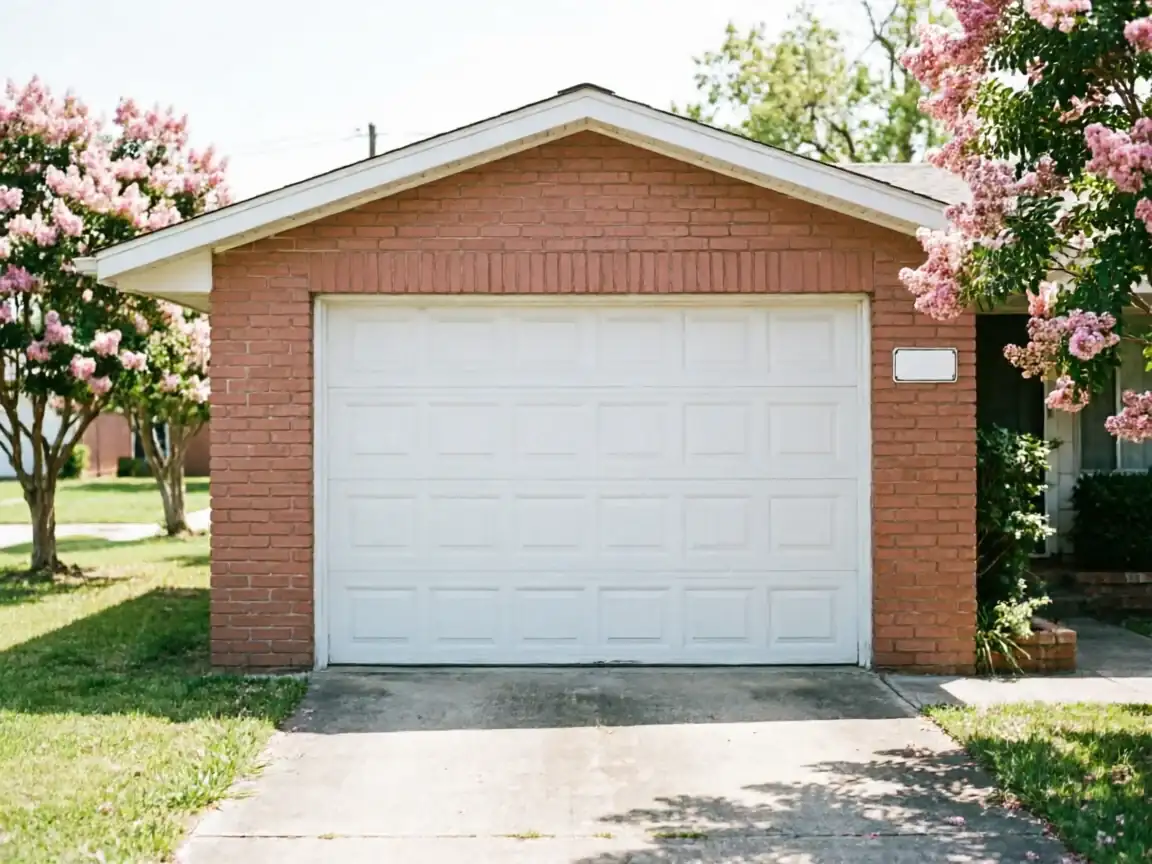
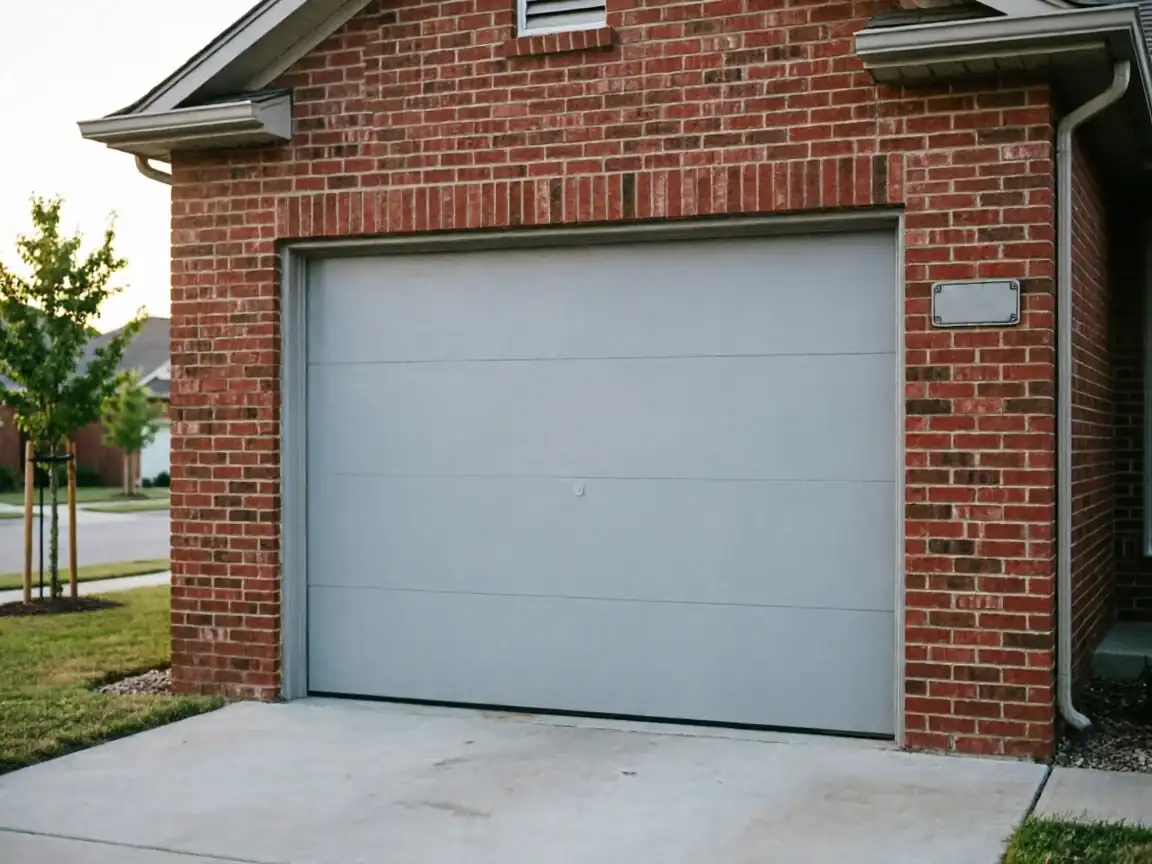
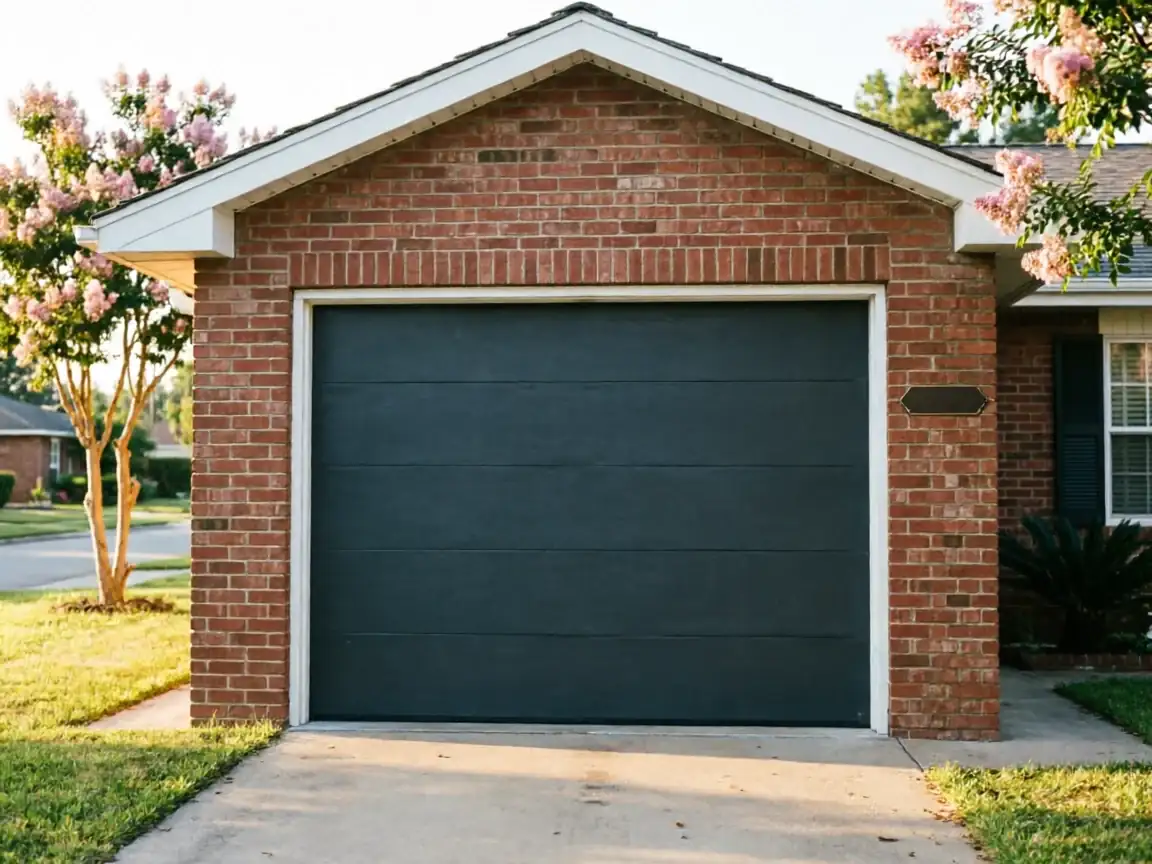
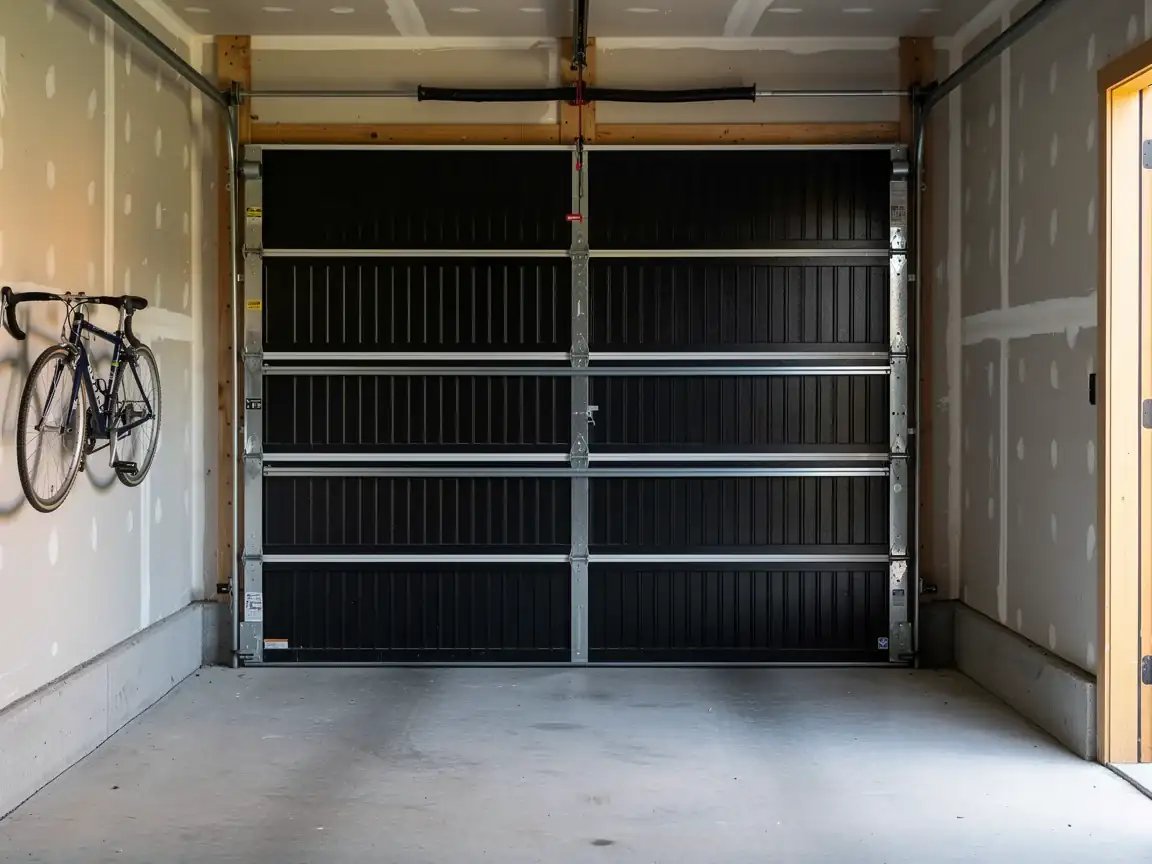
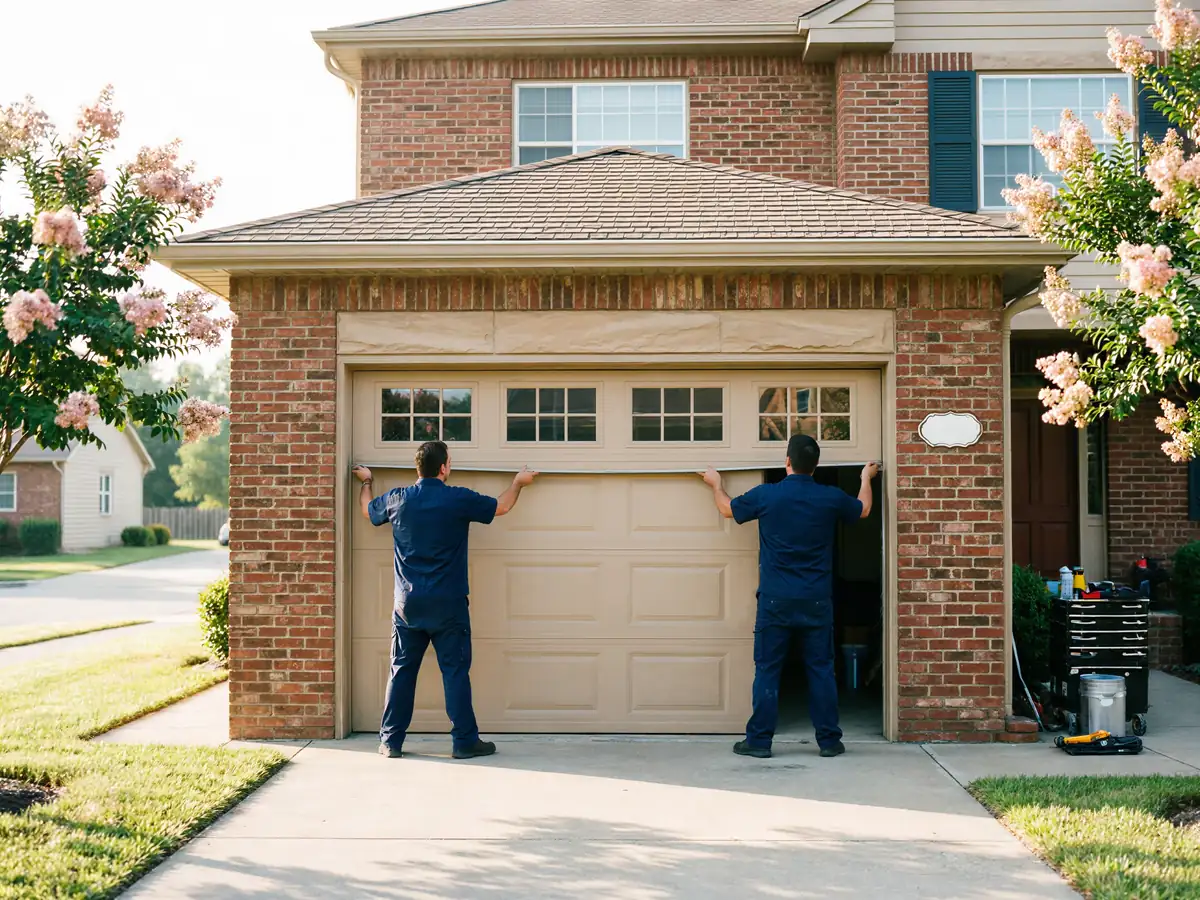
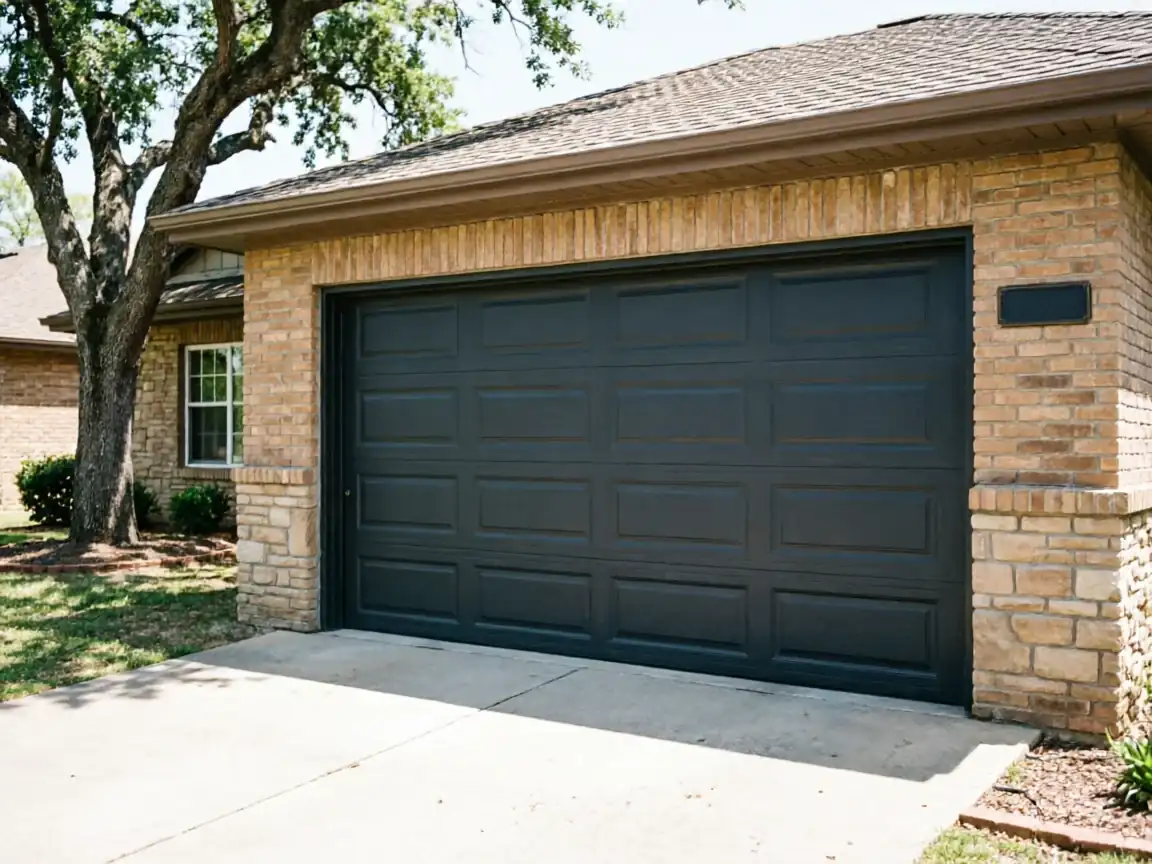
And the doors that came with them are almost always steel sectional units - flat or lightly embossed panels, often without any foam backing, bolted to tracks sized for a 16x7 double or a 9x7 single. That's the standard builder-grade door for a house from that period, and it means the panel on your garage is probably a single layer of steel, not the sandwich construction you see on newer insulated doors.
When one section on a door like that gets hit or rusts through at the bottom
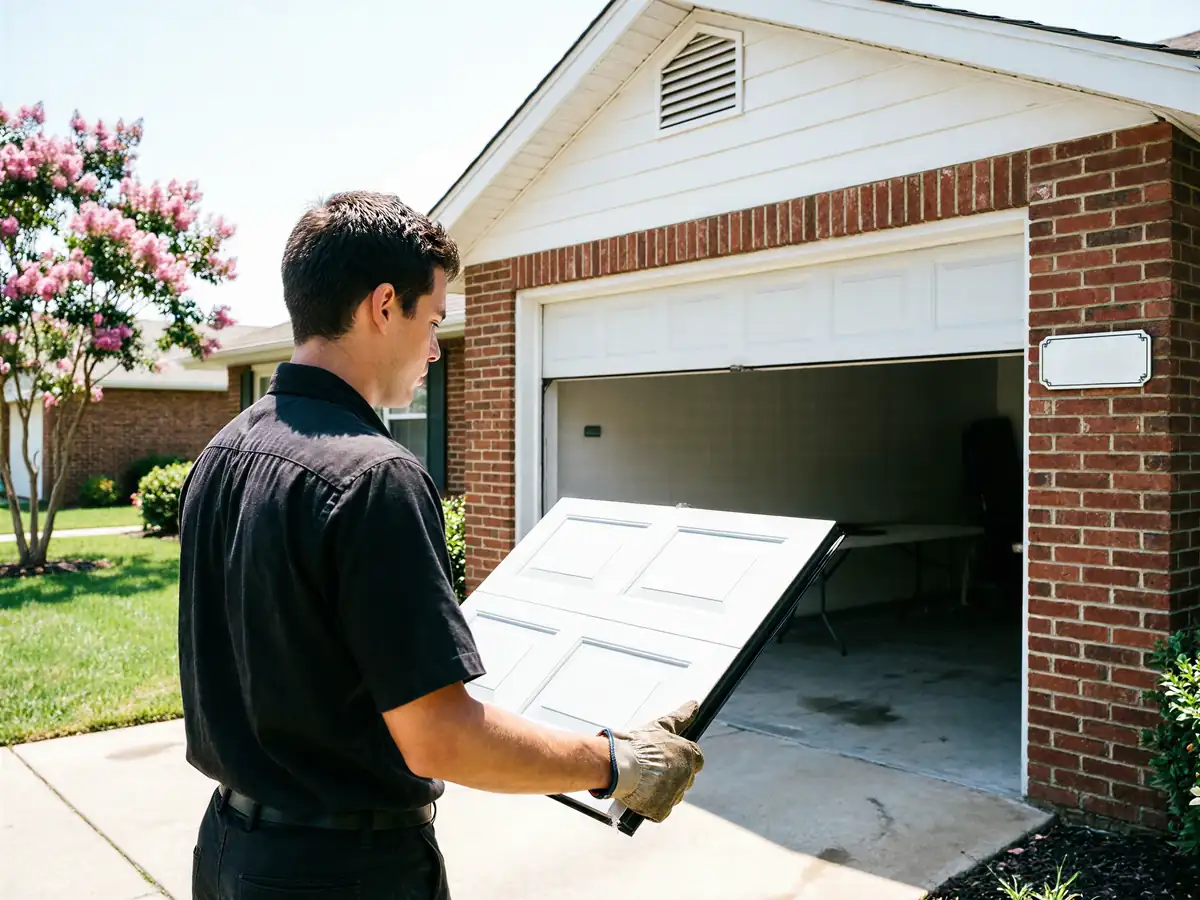
You're not always replacing it with an identical match. Some of the exact profiles from the early 1980s are long out of production, so the repair sometimes means sourcing a close-match panel from a current line and reworking the hinges or end stiles to fit the old track width. We carry common flat-panel and short-raised-panel steel sections in the sizes that fit 16x7 and 9x7 doors, since those cover the bulk of what's out there in this part of the service area.
If your door is a true custom size or a style we don't stock
We tell you before the truck leaves Norman, not after we're standing in your driveway.
Time on the Job
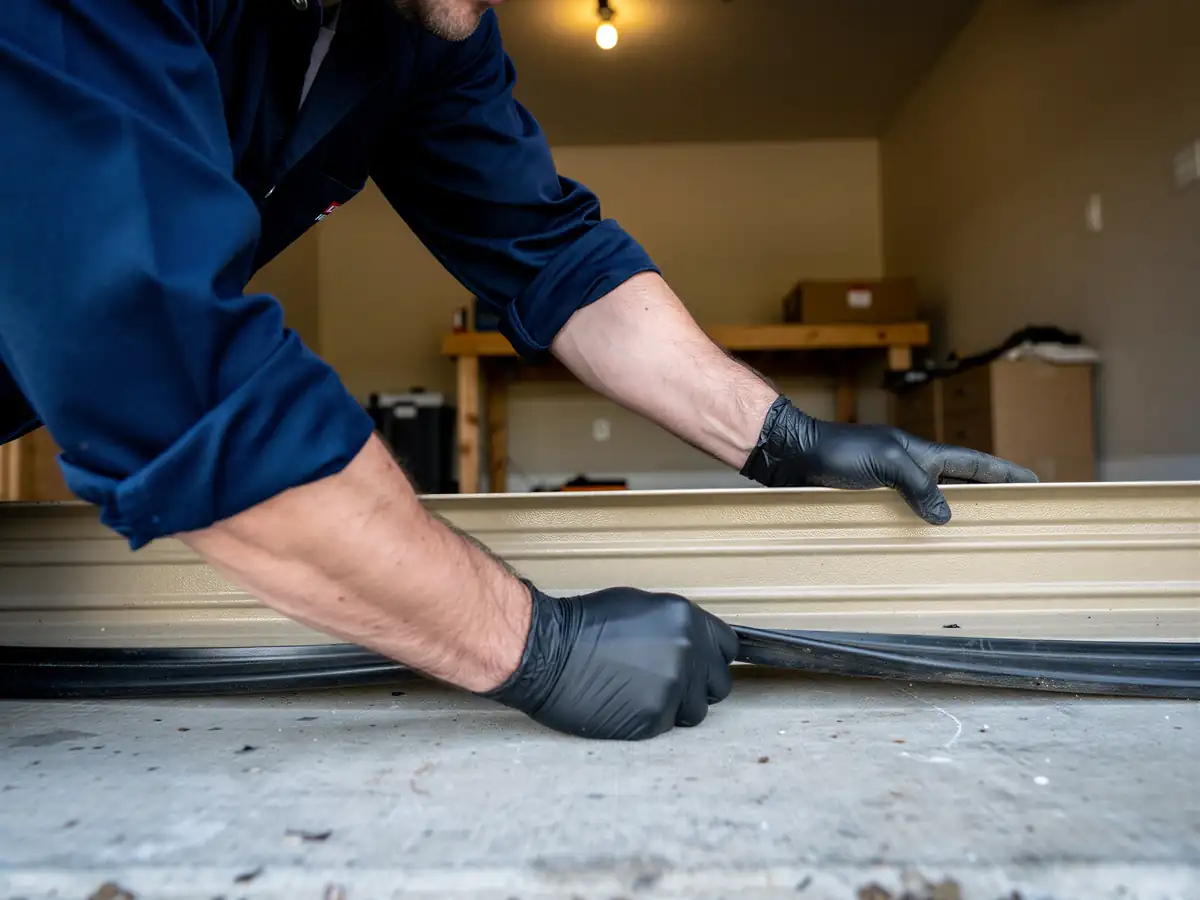
A single-panel swap on a 9x7 or 16x7 steel door, once we're on site with the right section, usually doesn't eat the whole afternoon - it's one of the more contained jobs we do. The time that varies is getting the panel itself: a stock match ships fast, but a close-match substitute that needs hinge or roller bracket rework adds a return trip in some cases.
We're coming from Norman, about 15 miles from Lexington, so the drive itself is part of the scheduling, not something we treat as incidental. We don't keep a branch or a standing crew in Lexington - every job here is a dispatch from Norman, which is why we ask for a clear description of the damage and door size when you call, so we bring the right panel the first time instead of making two trips.
The Cost of This Job
Lexington's median household income sits around $46,094, noticeably lower than the wider service area's median near $75,000, and that's worth saying plainly because it shapes the advice we give. On an older steel door with one damaged section, a single-panel replacement is almost always cheaper than replacing the whole door, and for a lot of houses here, that's the right call - the rest of the door is sound steel, just older.
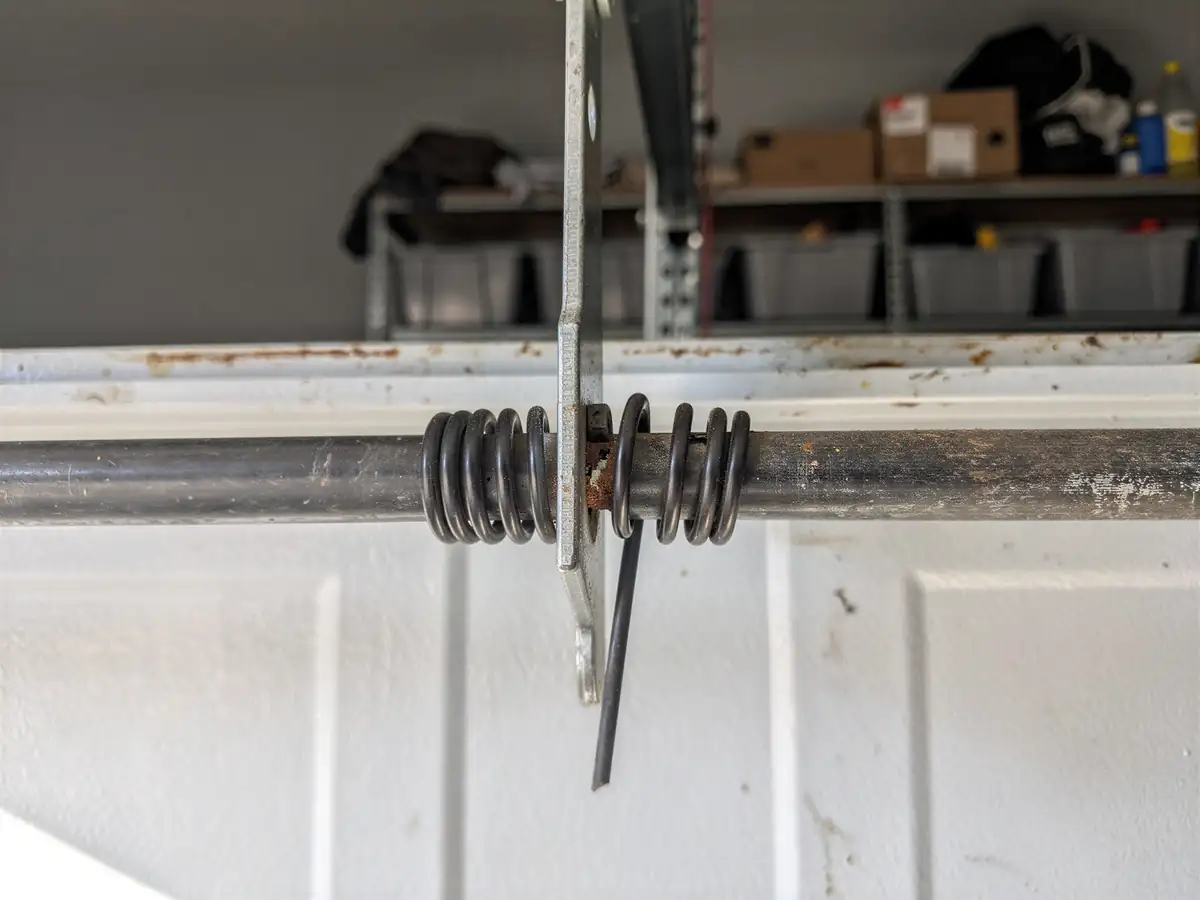
Where it stops making sense is when the track, rollers, and hinges on a 1980s-era door are also worn out, or when the specific panel profile needs custom work to fit. At that point we tell you straight that a full door replacement may cost less over time than patching a door piece by piece. We don't pad a quote to make a repair look like the only option - if replacement is the better math for your house, we say so.
What the Repair Takes
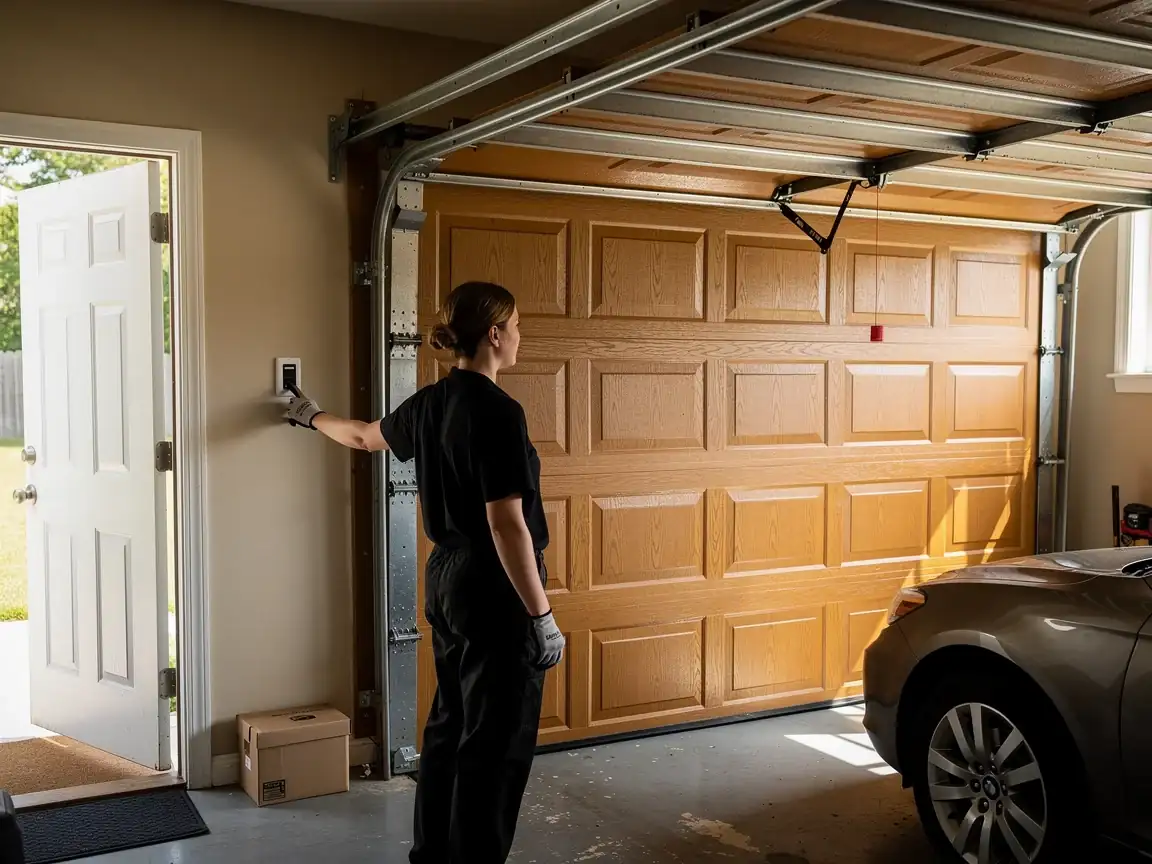
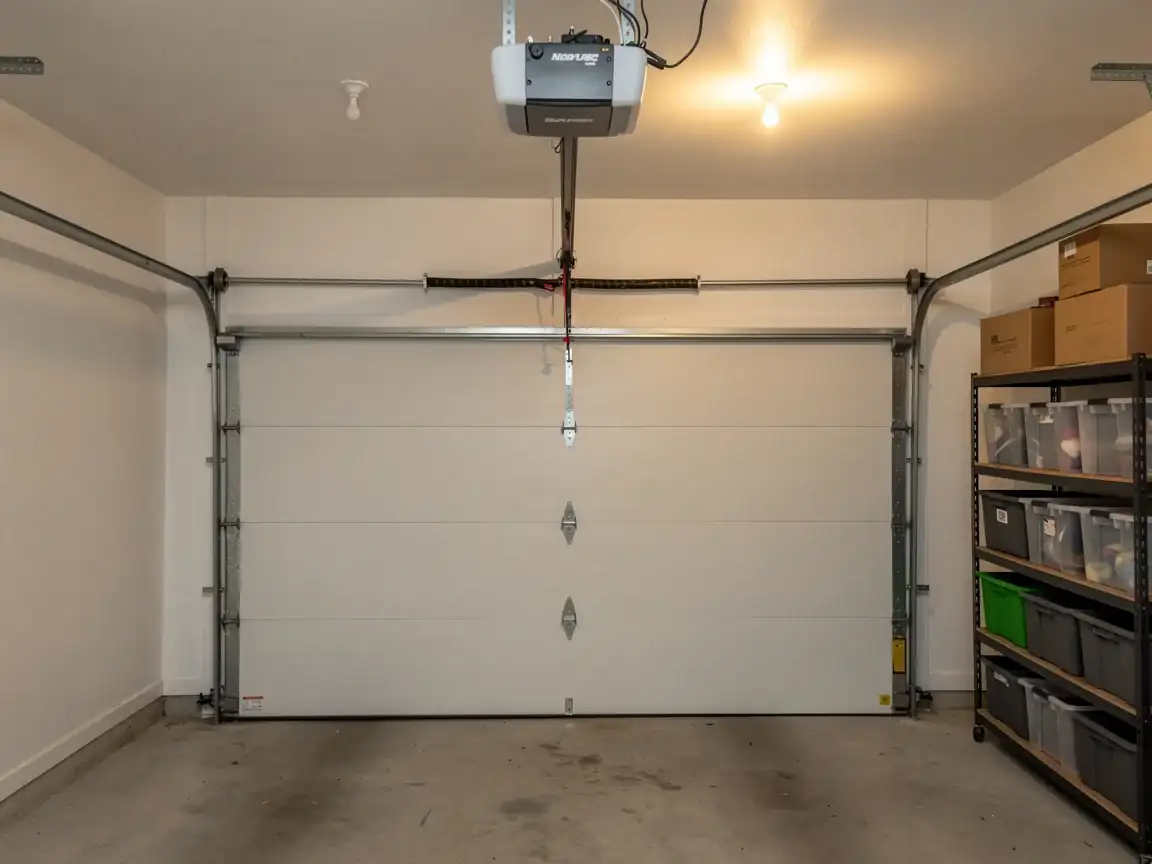
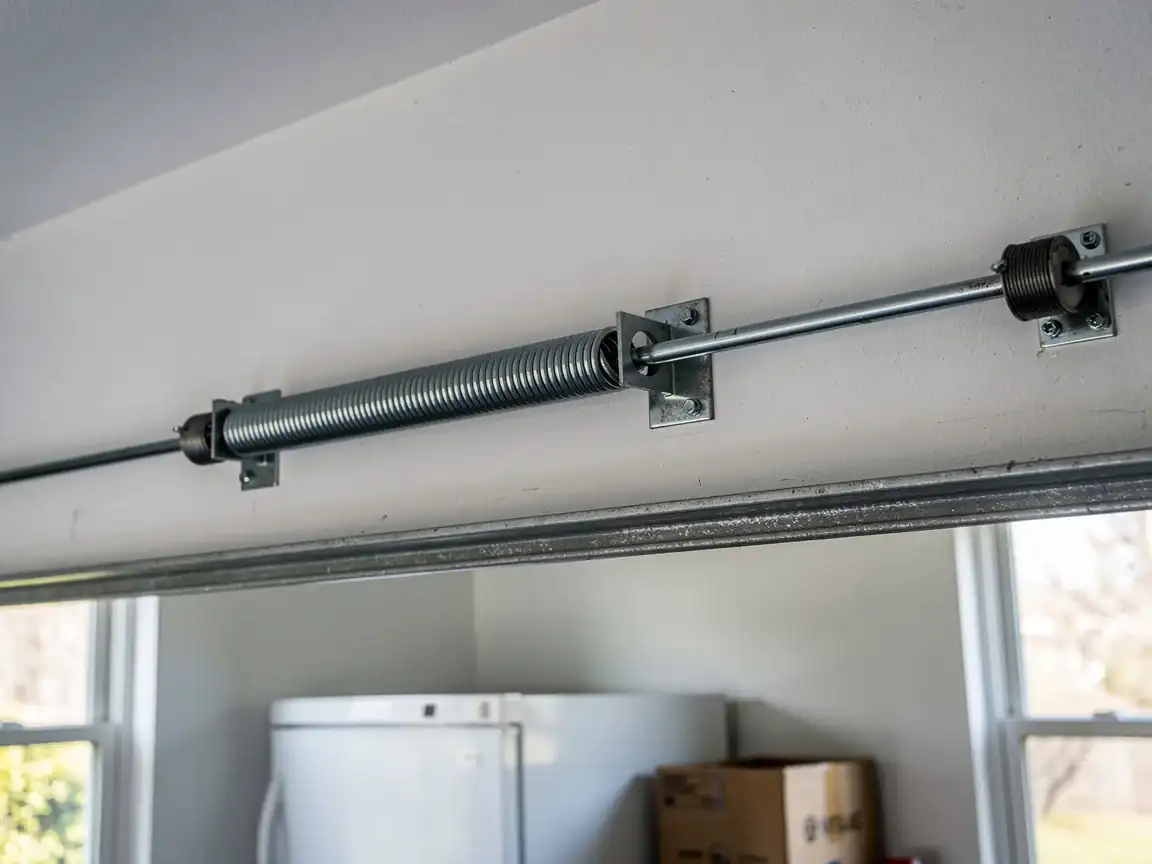
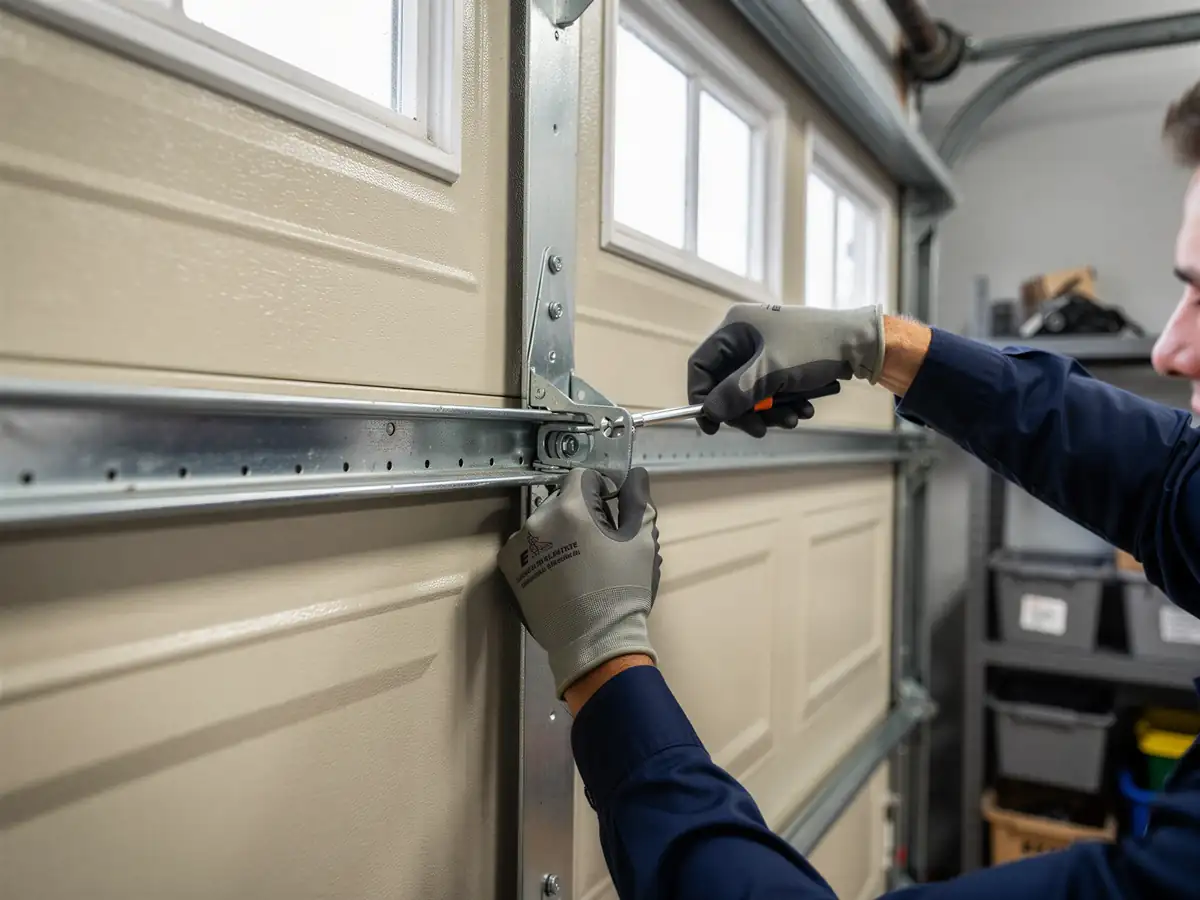
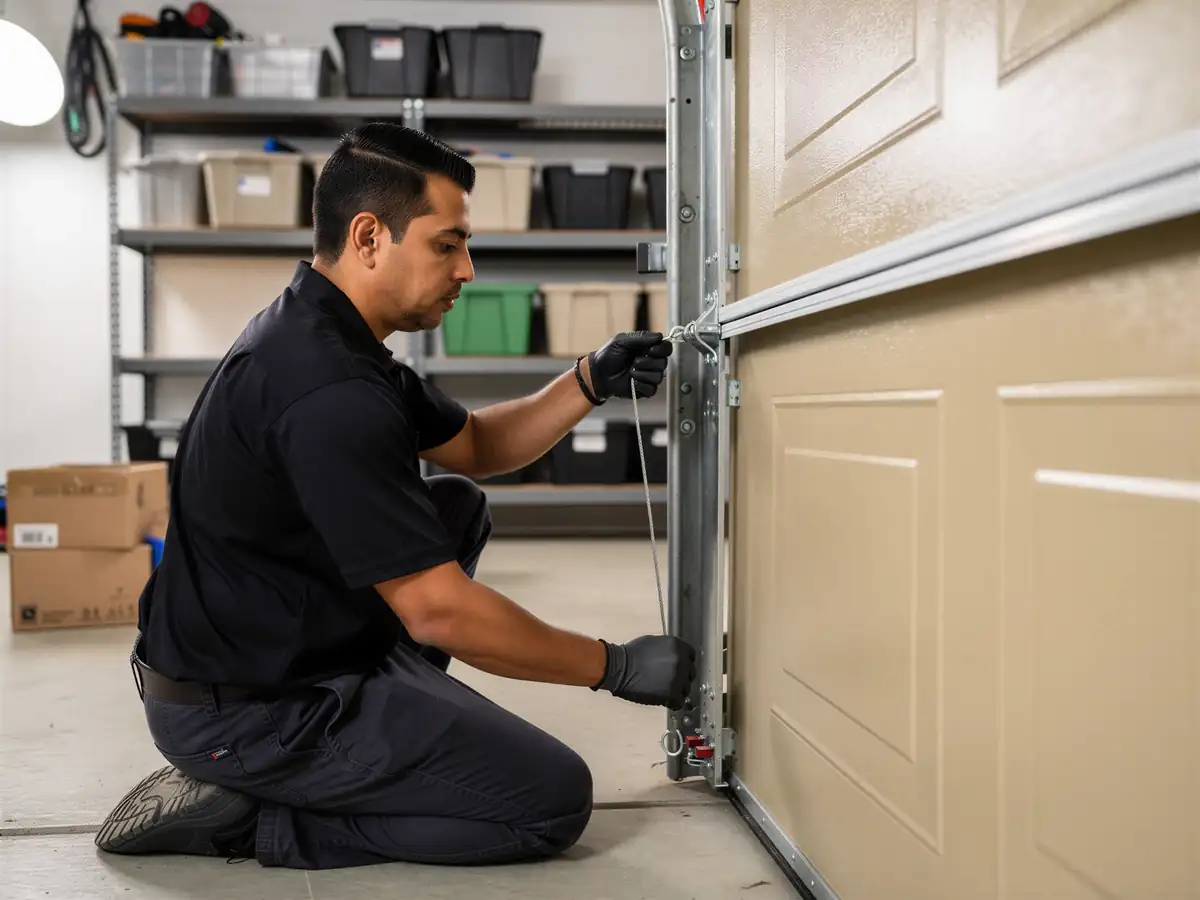
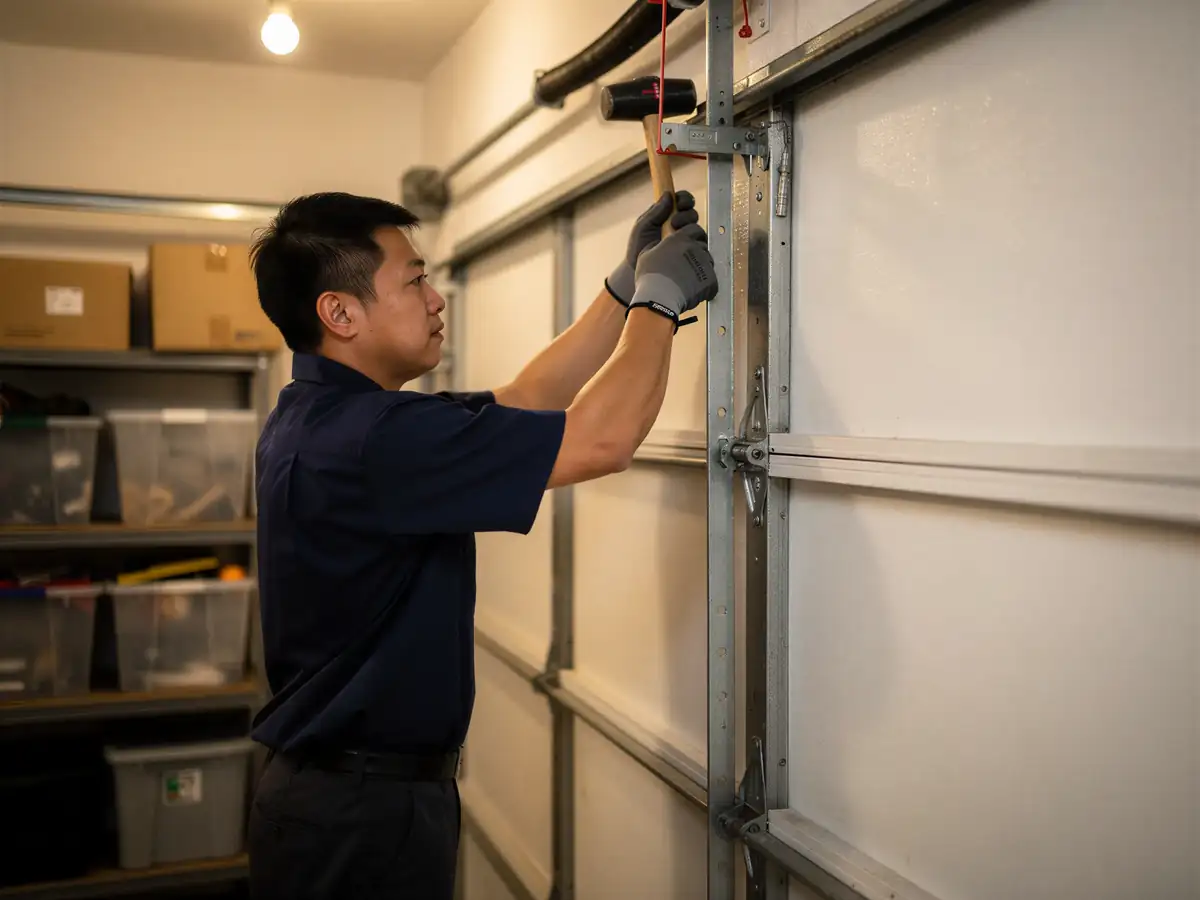
Getting a panel job right on a house like the ones common in Lexington starts with measuring the existing track and hinge spacing before any new steel goes on - doors from the early-to-mid 1980s weren't built to one universal standard, and a panel that's close but not exact in height will bind against the rollers. We pull the damaged section, check the hinges and roller brackets it was attached to for wear, and only then fit the replacement.
With 828 households in Lexington, this isn't a town where we're swapping out the same panel profile every week - it's parts matching, one door at a time, on housing stock that's now over forty years old in a lot of cases. That's slower work than it sounds, and we'd rather take the extra time measuring than send you a panel that doesn't sit flush.