Parts We Carry
Lexington has about 828 households
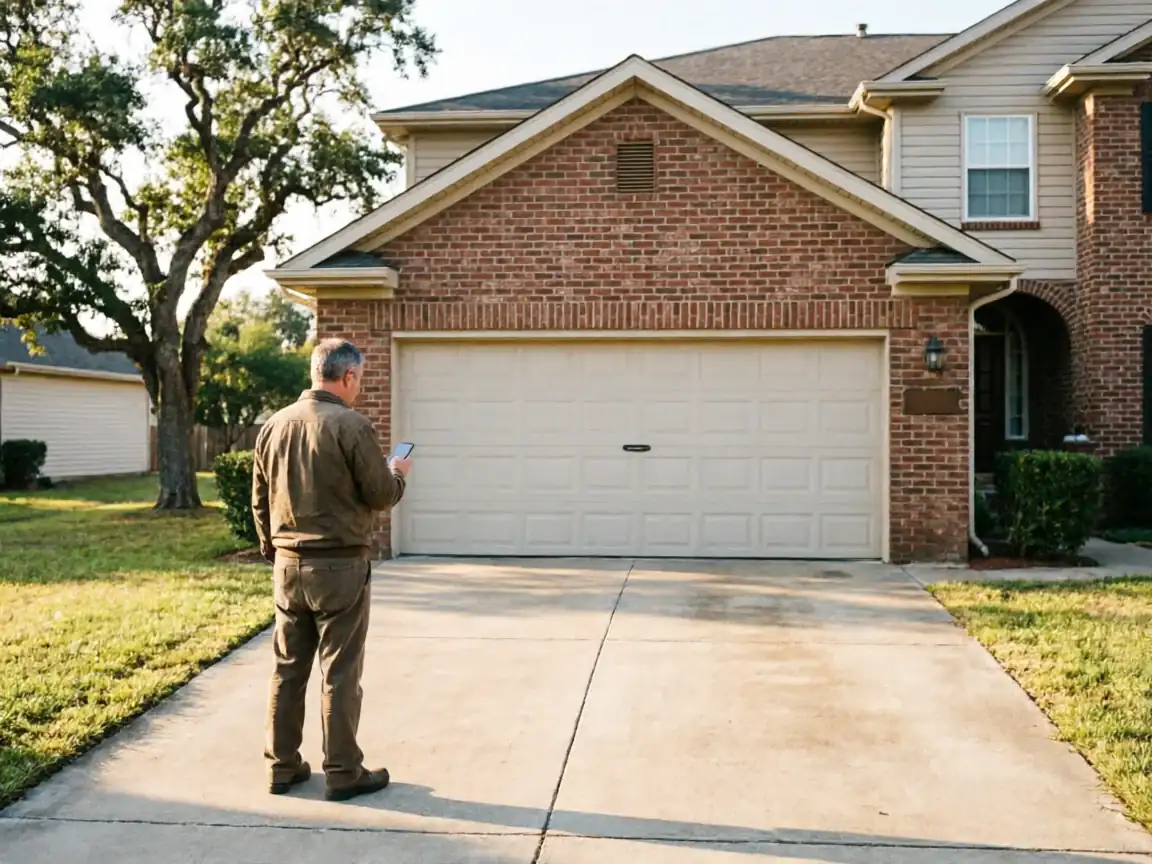
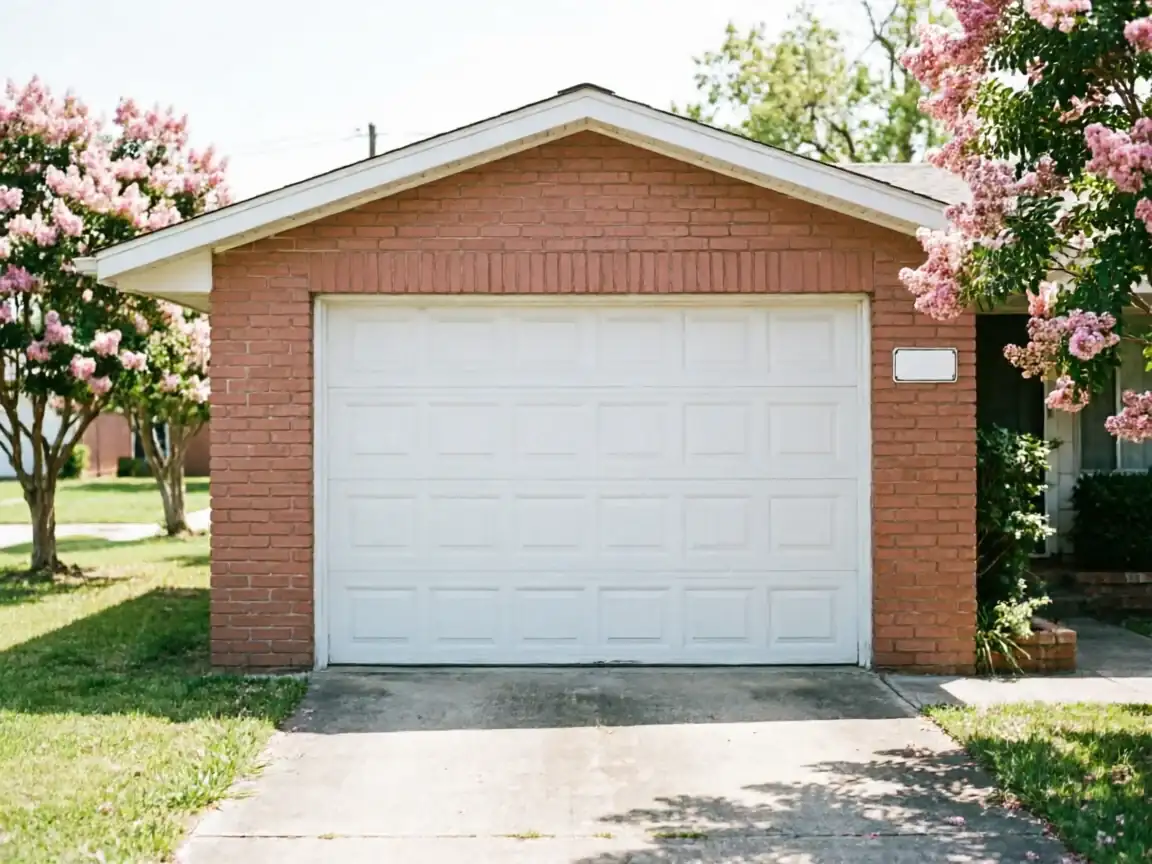
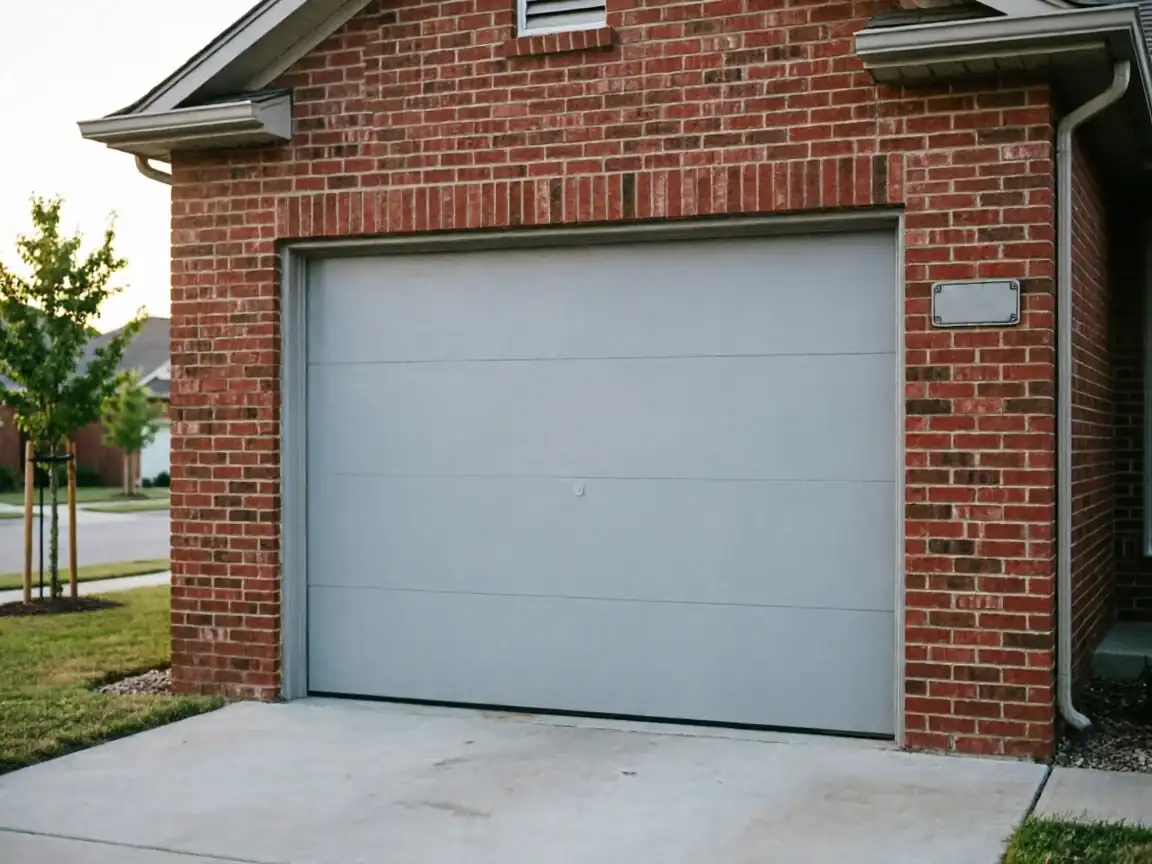
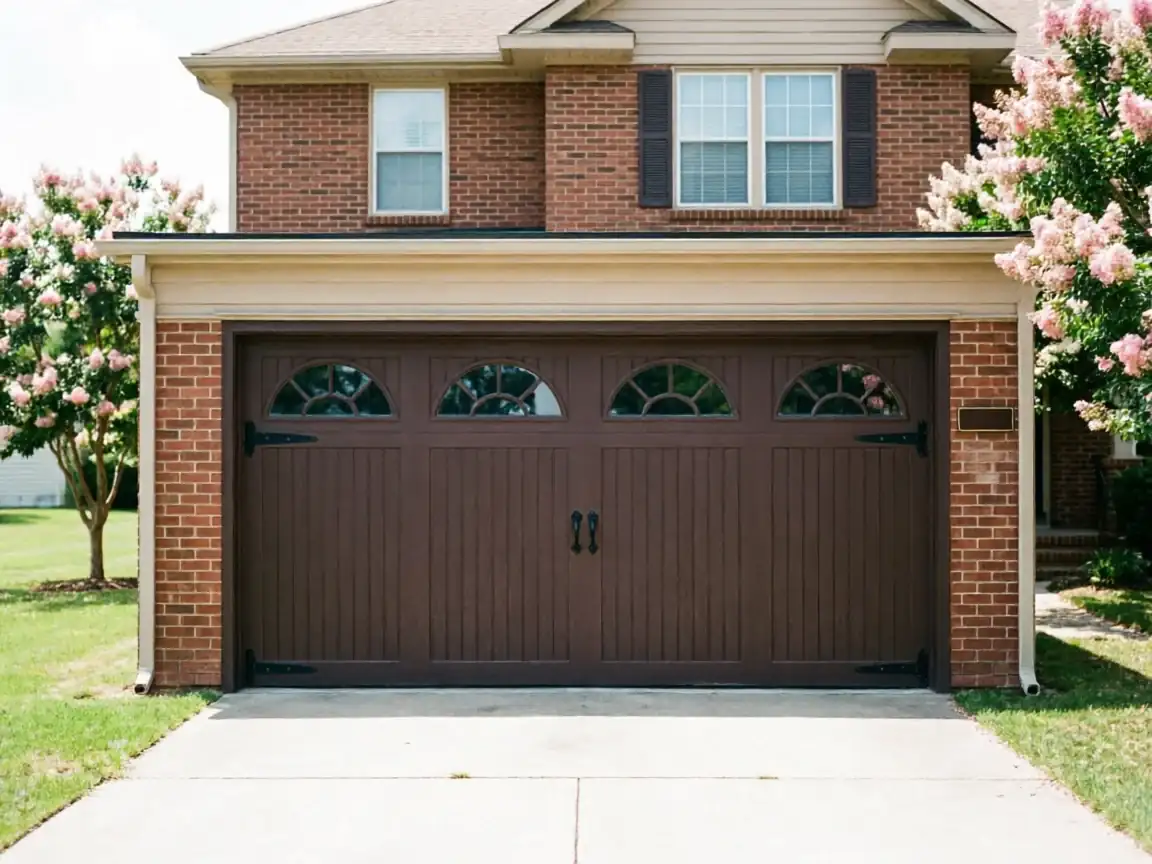
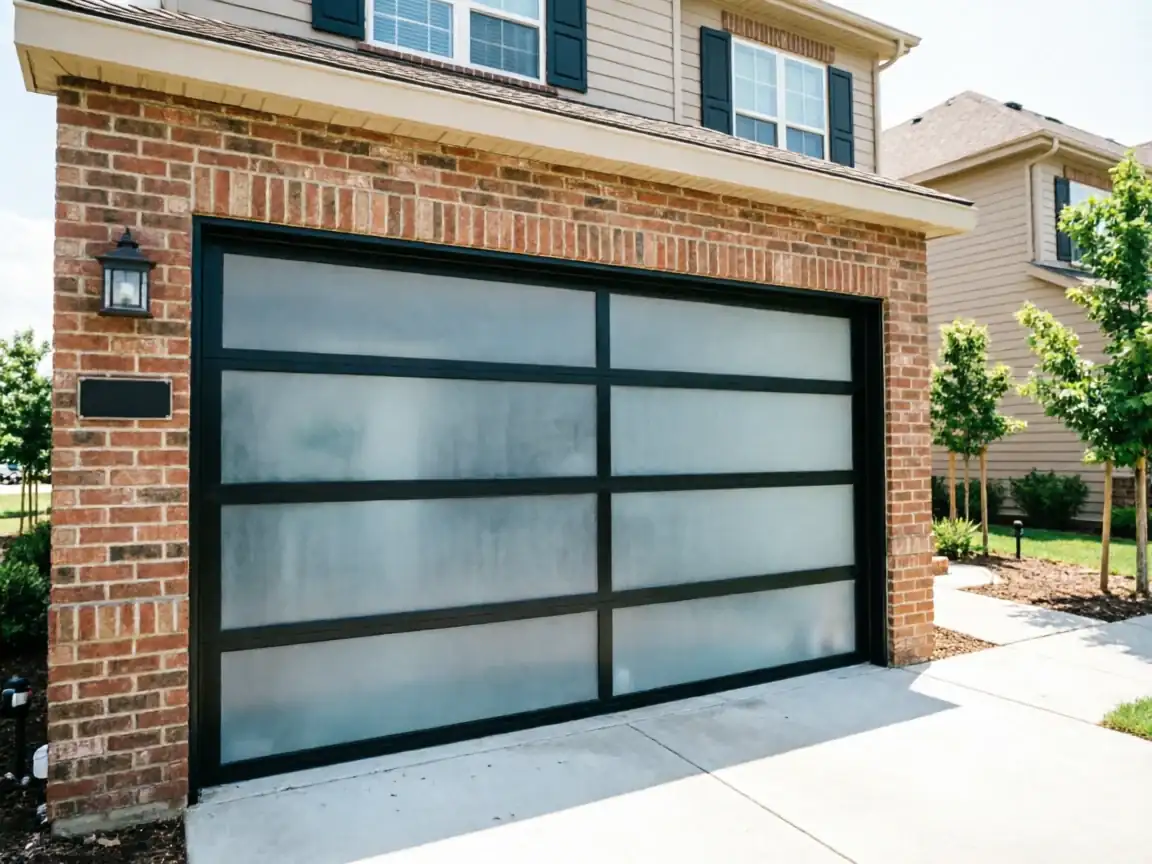
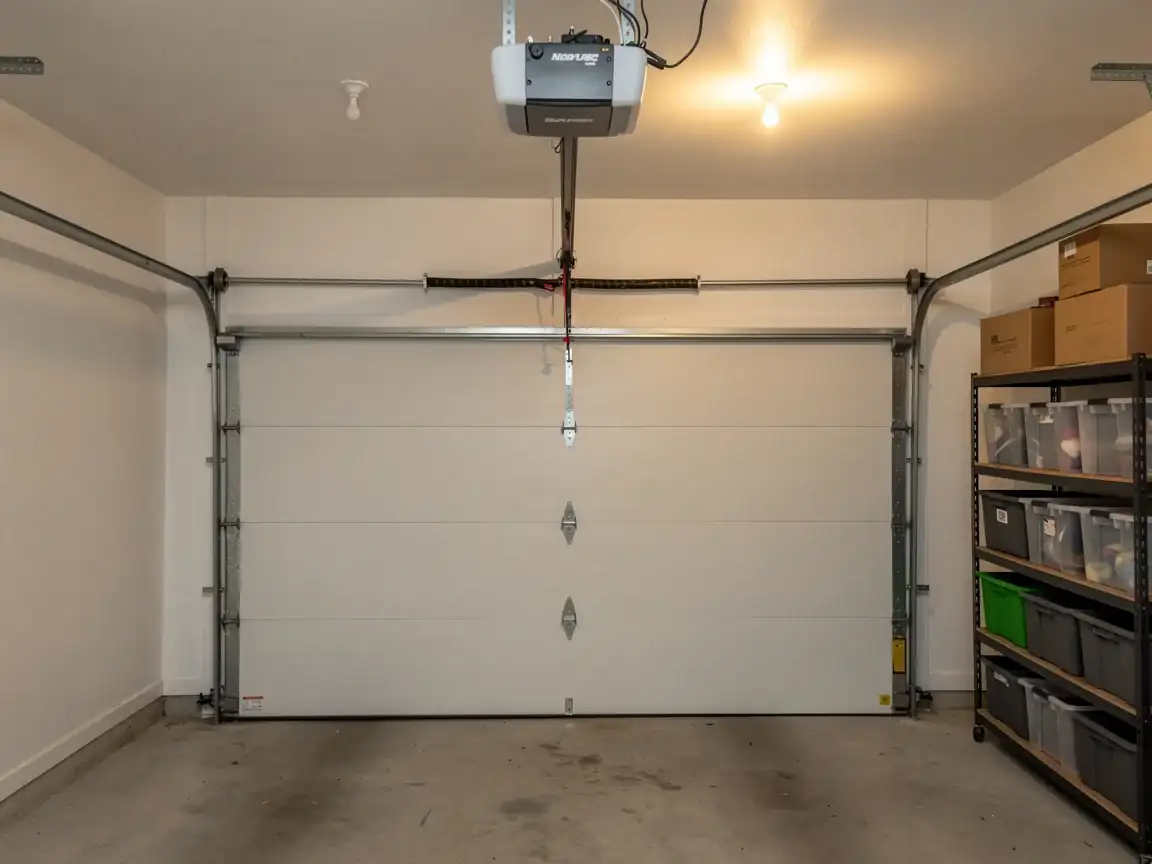
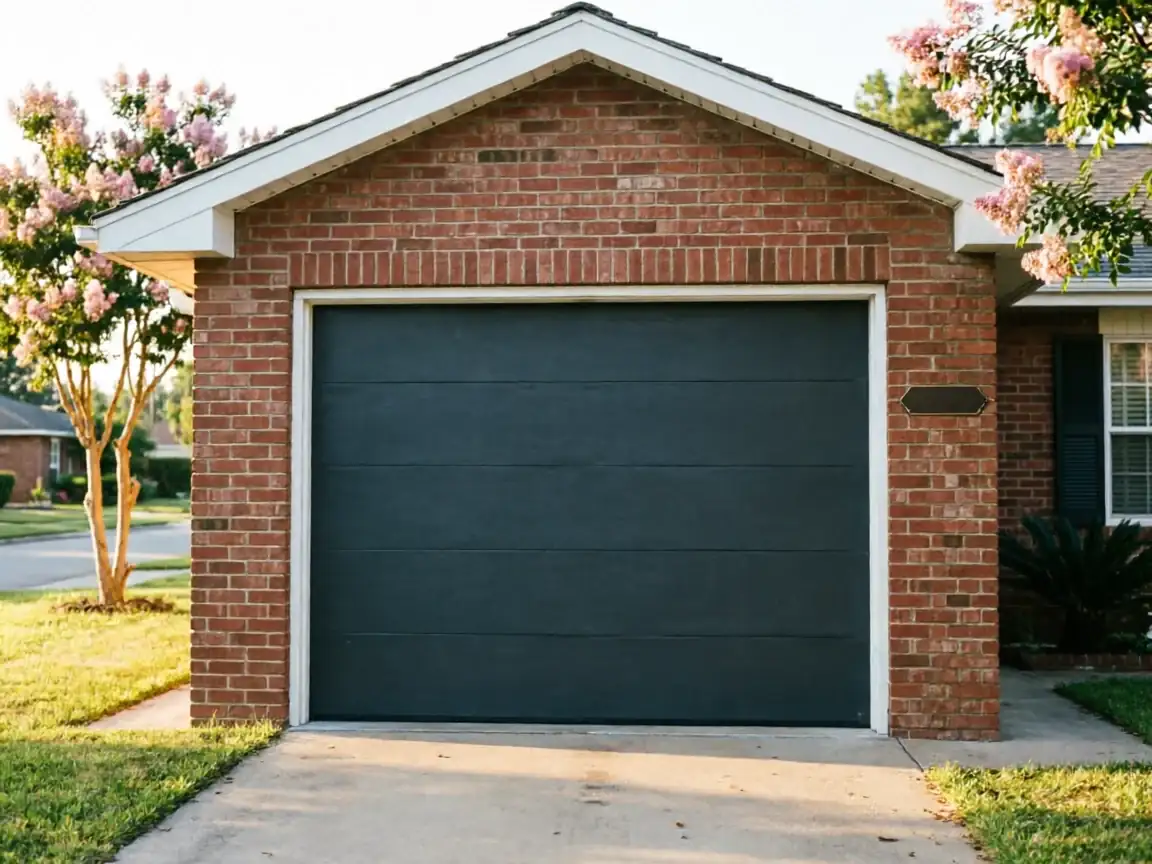
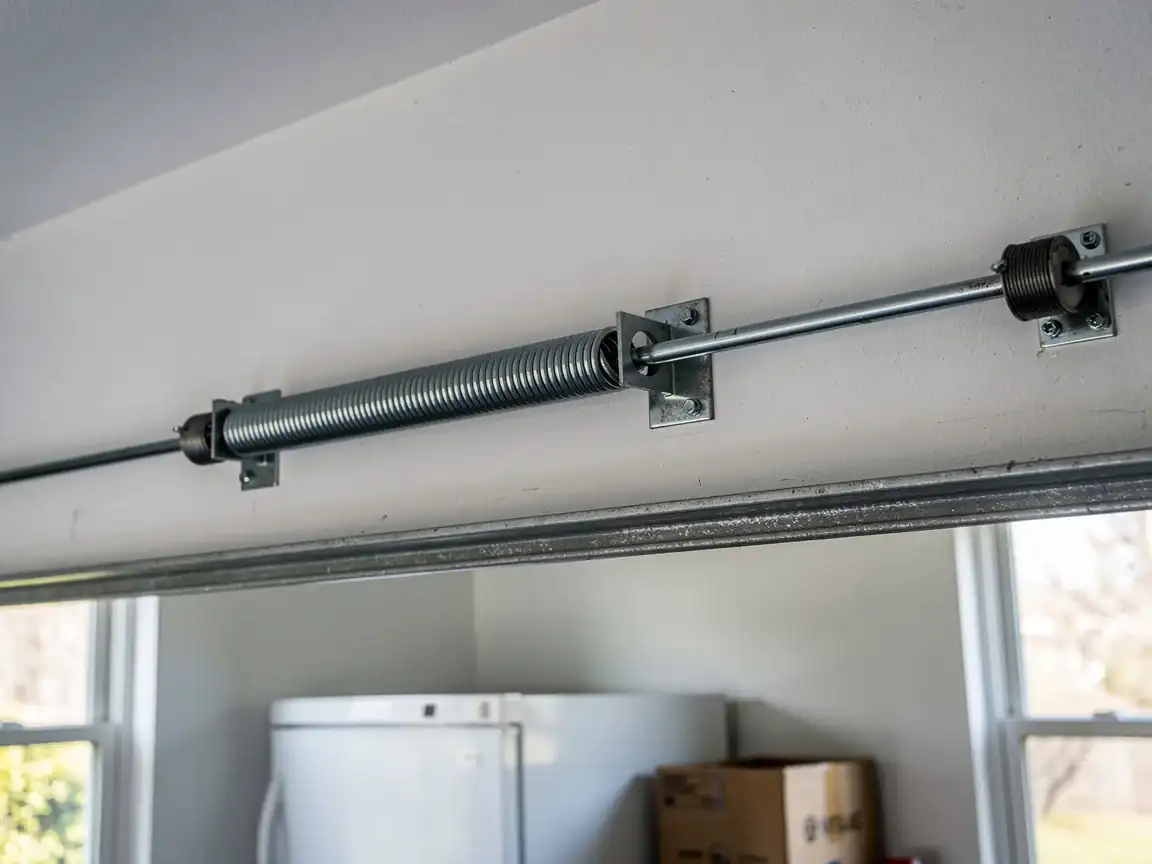
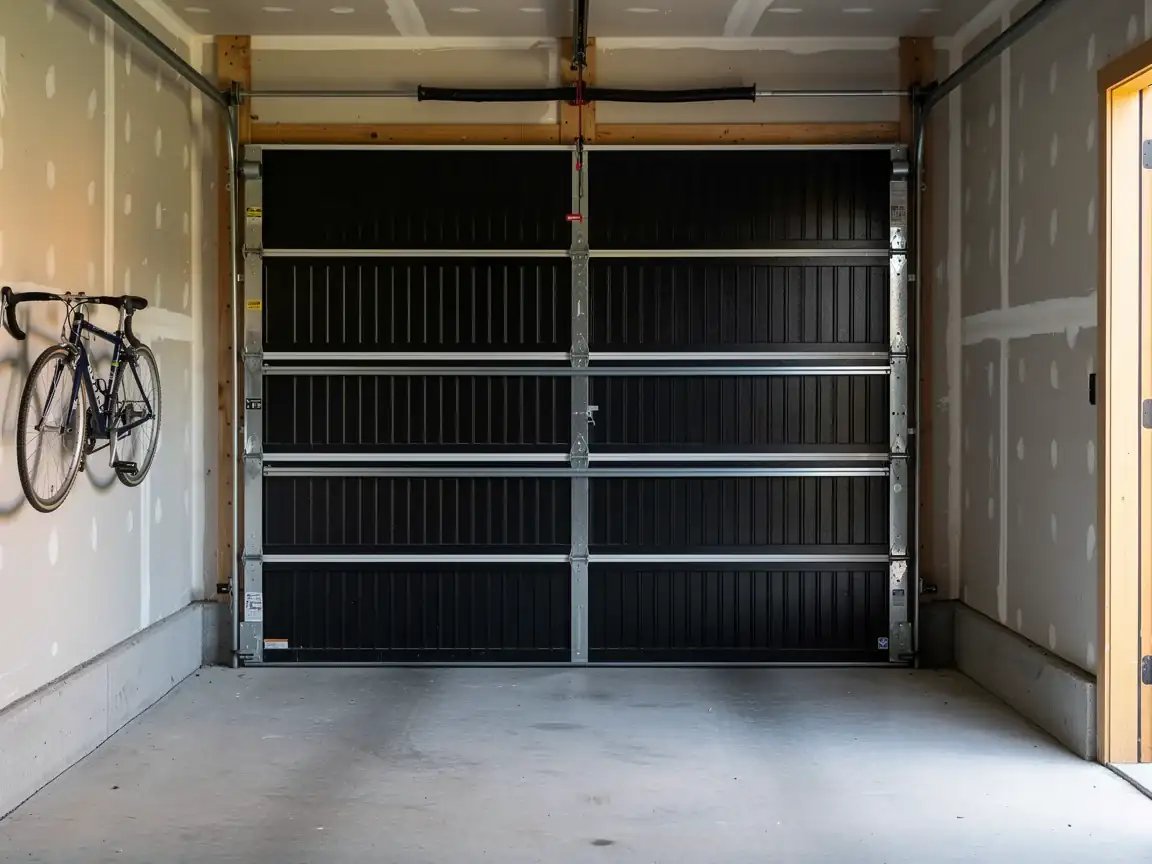
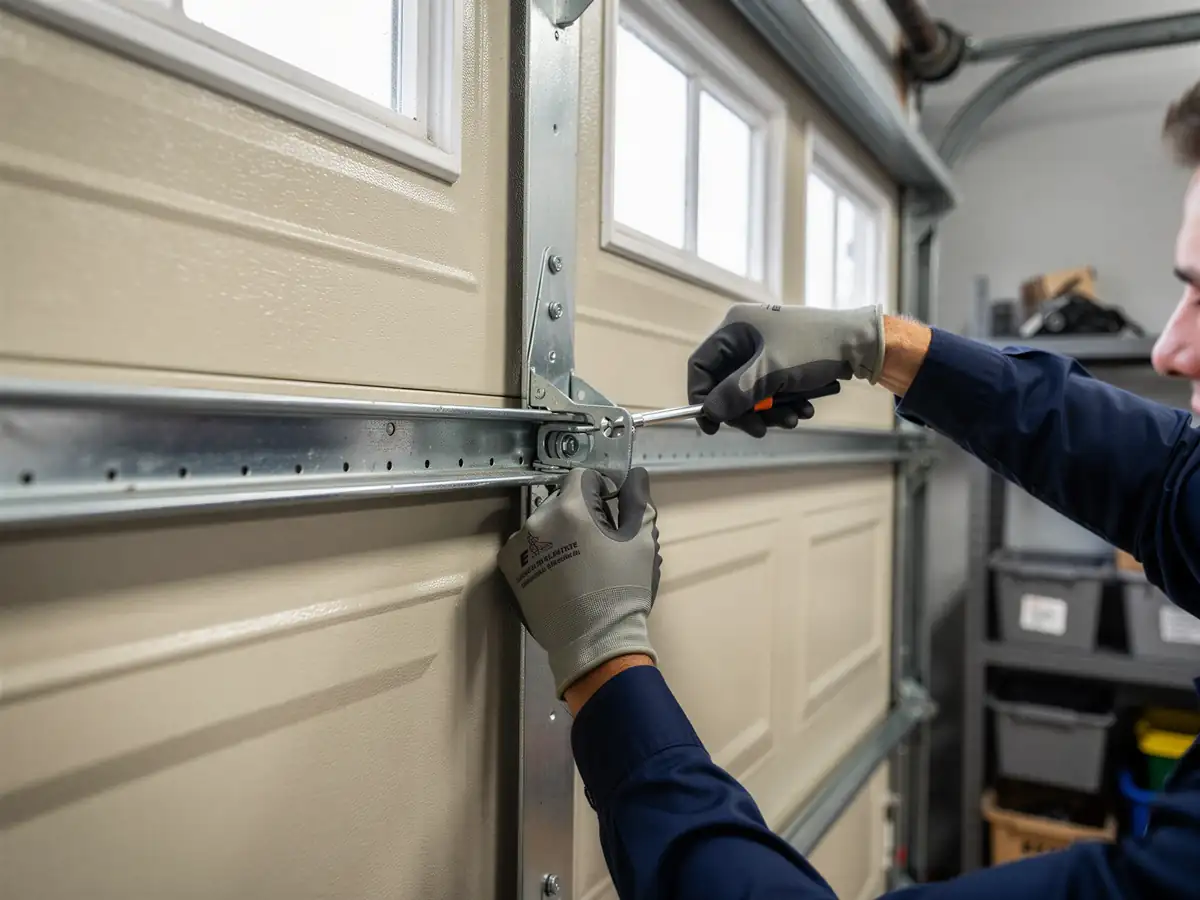
Which is small enough that we don't stock parts here the way we might for a bigger pocket of the service area. What we do is load the truck in Norman before we head out, based on what the job calls for. Most houses in Lexington went up around 1982, squarely inside the broader service area's 1964-2004 build window, and that era tends to mean steel sectional doors on extension springs rather than the torsion setups you'd find on anything built since the late 90s. We carry extension spring pairs, the stamped steel brackets that era used, and both nylon and steel rollers, since we see a mix depending on whether a door got replaced partway through. Openers from that period are mostly chain-drive, and belt-drive retrofits are common enough that we bring both rail types. What we don't carry on the truck is anything specialty - a custom wood door insert or an oddball opener model from a brand that's mostly out of the residential market now. If a job needs that, we tell you up front it's a second trip, parts ordered first.
- 828 households
We don't guess at what's behind a Lexington door before we see it
The age of the house tells us the likely hardware, not the exact one.
Time on the Job
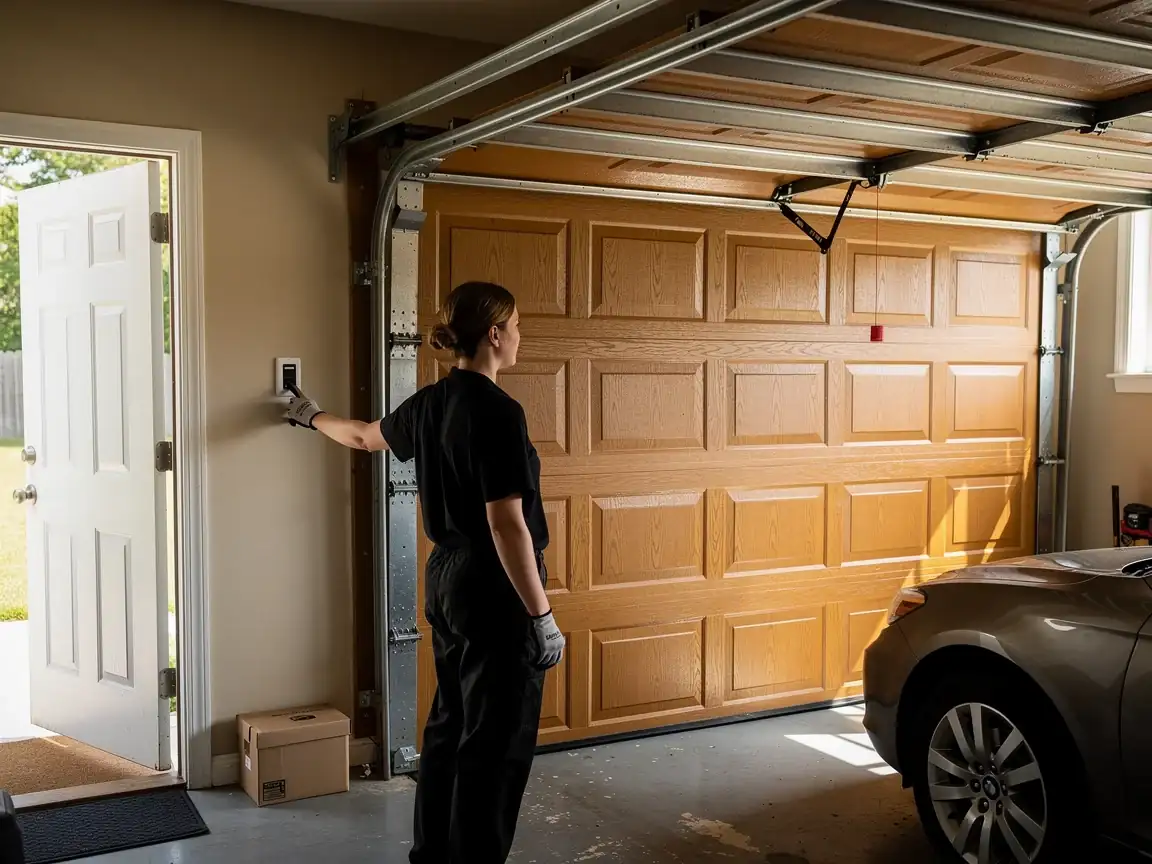
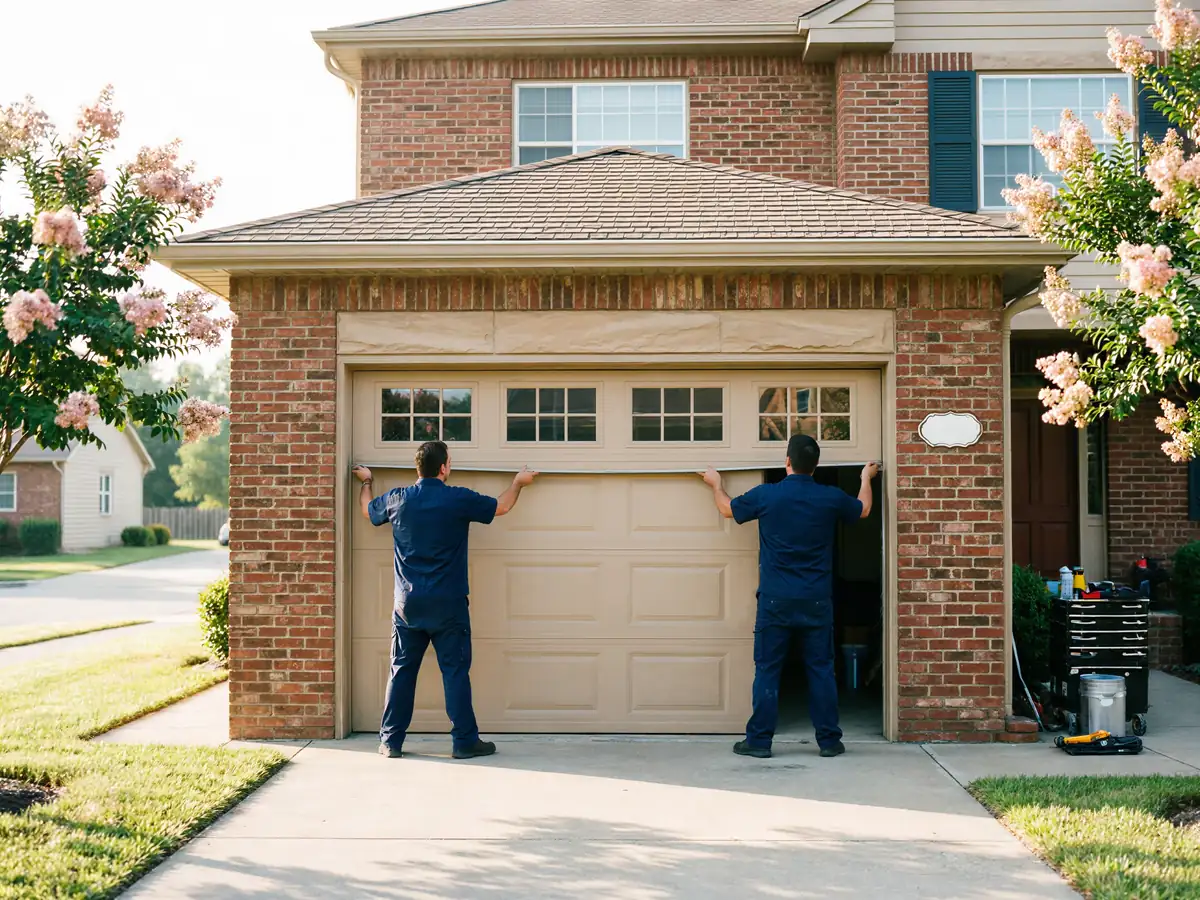
We run out of Norman, and Lexington is 15 miles from the shop, so a Lexington call isn't a quick in-and-out between other jobs in town - it's a trip we plan for. That doesn't mean it's slow, it means we don't promise a same-day window we can't back up from 15 miles away. Once we're on-site, the work itself takes about what it would anywhere: a spring swap is usually under two hours, a full door changeout is a half-day with two people.
What actually adds time in Lexington isn't the distance, it's parts availability for older hardware. A 1982-era extension spring door with the original brackets sometimes needs a part we didn't load for a routine spring job, because the bracket spacing or the drum size isn't what newer doors use. When that happens, we'll tell you on-site rather than improvise with something that doesn't fit the track. That's the one honest limit here - we'd rather make a second trip with the right part than force a repair that won't hold.
The Cost of This Job
Lexington's median household income is $46,094, notably below the $75,000 median across the rest of the service area we cover from Norman. We don't price Lexington jobs differently because of that number, but it does shape how we talk about a job once we're looking at the door. On a lot of 1980s-era doors, a spring and a couple of rollers bring the whole thing back to working condition for a fraction of what a full replacement runs, and in a town where the typical household has less room in the budget for a surprise repair, that's the option we lead with when the door and track are still sound.
Where we don't recommend the cheap fix is a door where the panels are rusted through or the track is bent beyond a simple realignment - at that point a patch job costs money now and again in a year. We'll say so plainly rather than let a bad door limp along on a quick fix that won't last.
How to Book
Booking a Lexington job works the same as booking anywhere else we cover
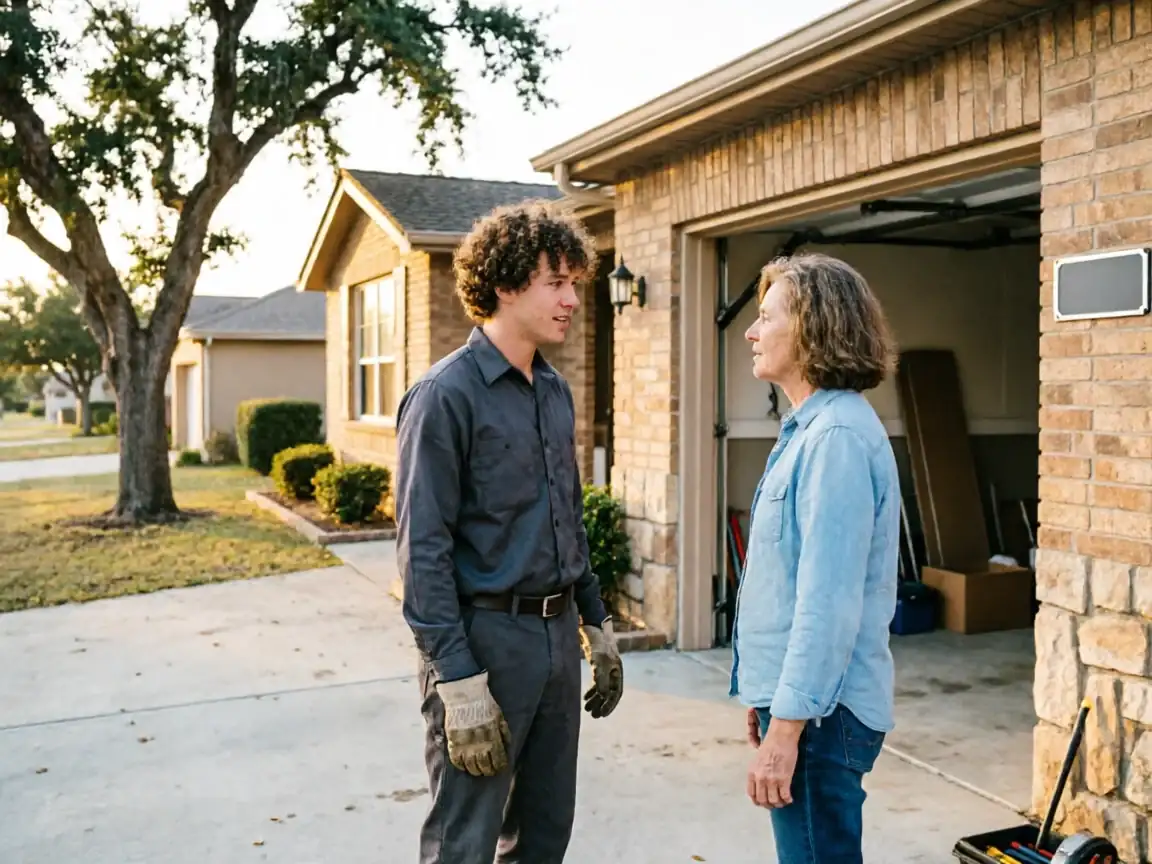
You call or submit the request, and we schedule the drive out from Norman. Because Lexington sits 15 miles out, we tend to group it with other calls on that side of the service area when we can, which keeps the trip efficient without padding your wait. If your door is stuck shut or a spring has let go and the car's inside, say so when you call - that moves the job up ahead of routine maintenance requests.
- 15 miles
Have the door's rough age ready if you know it, even approximately
Given that most Lexington houses were built around 1982, telling us that up front lets us load the right spring and bracket hardware before we leave rather than find out on-site and have to come back.
What the Repair Takes
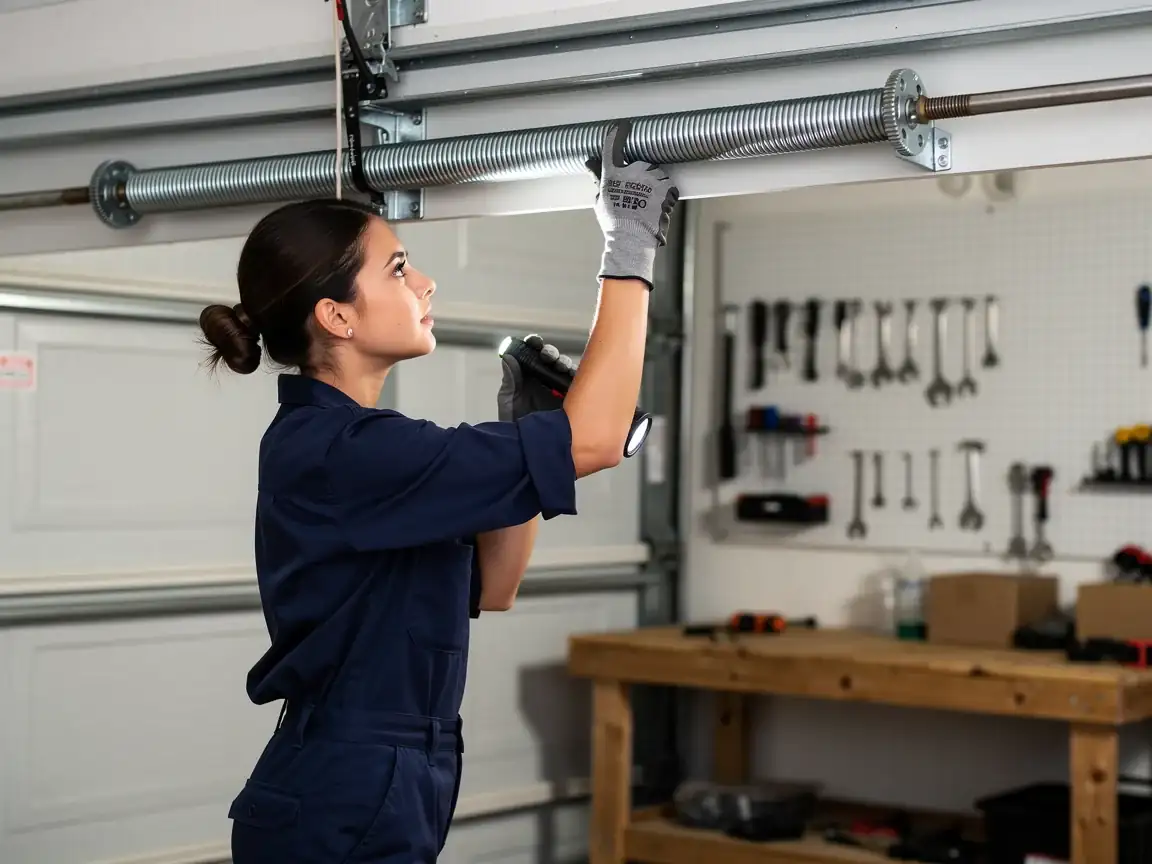
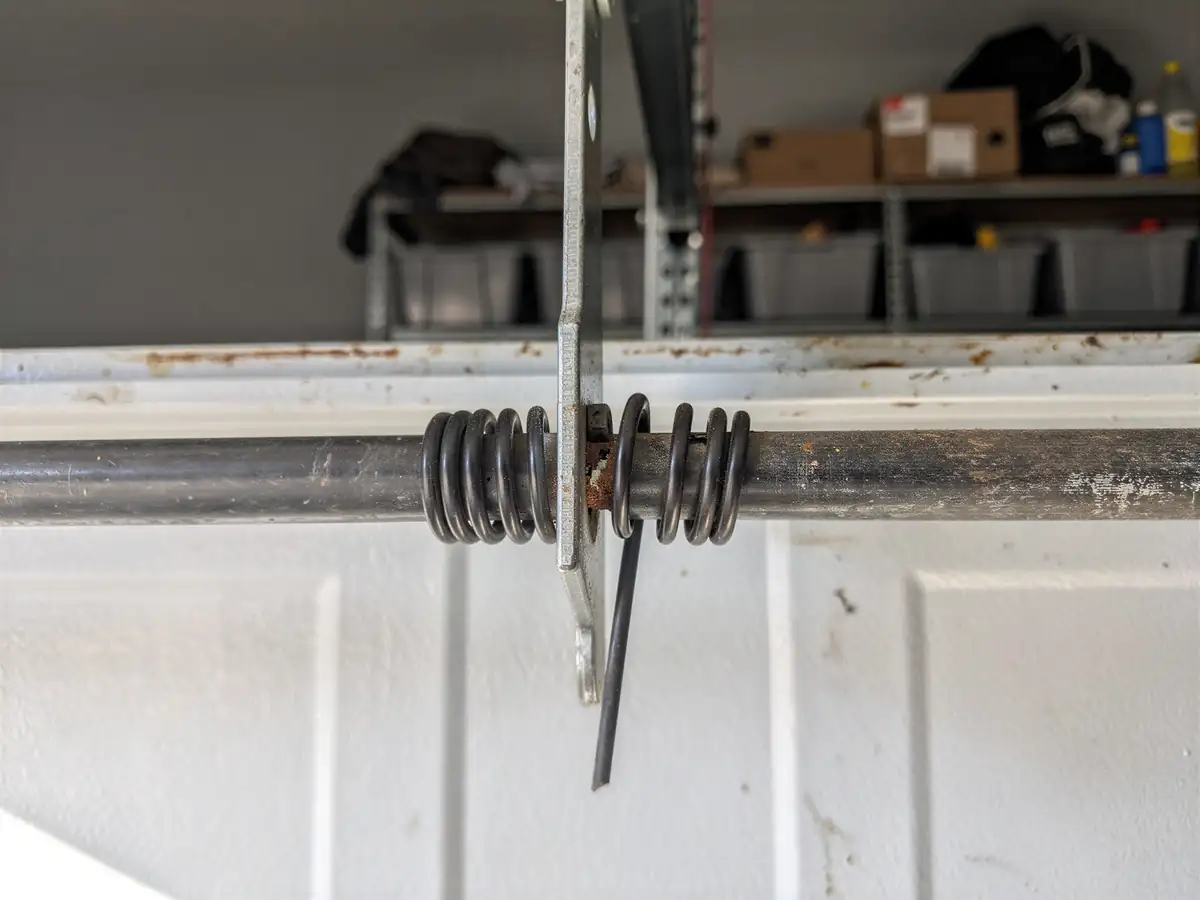
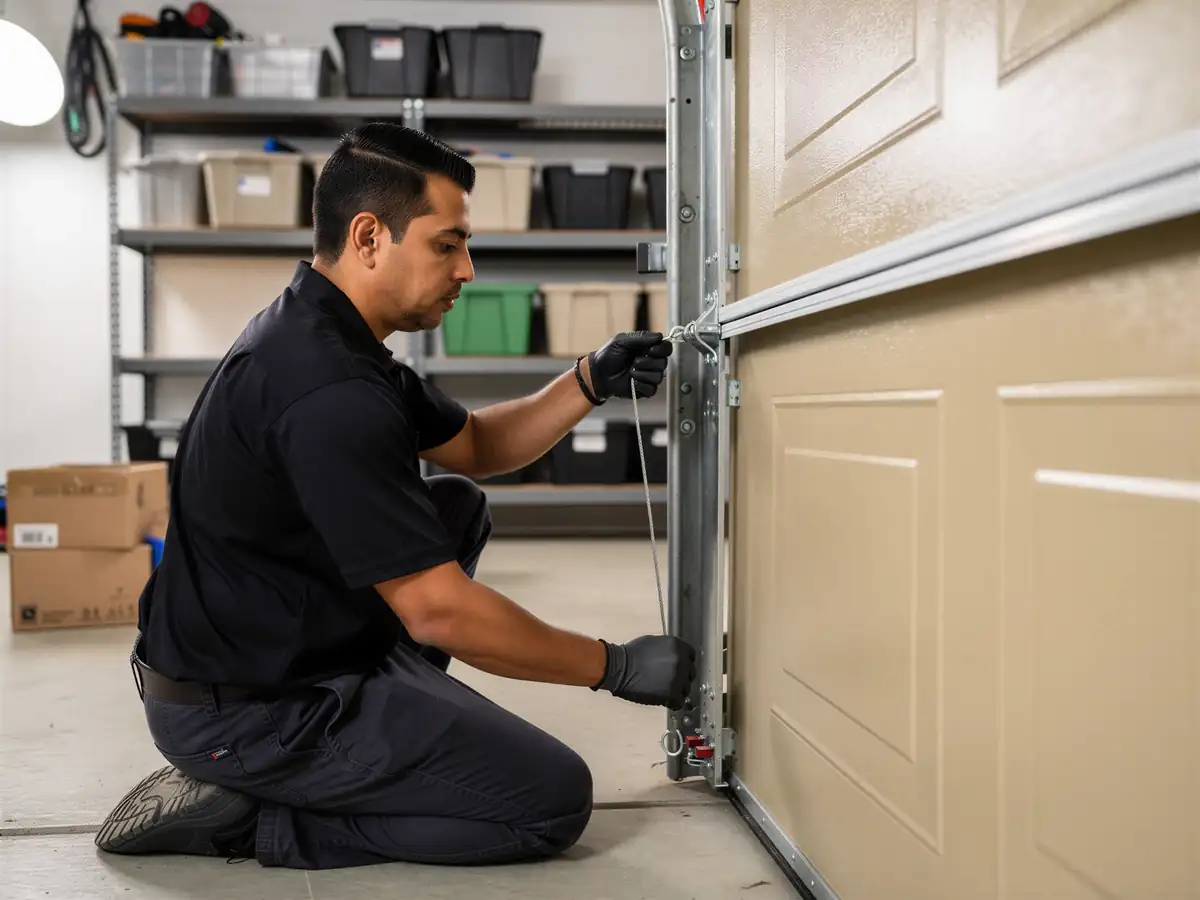
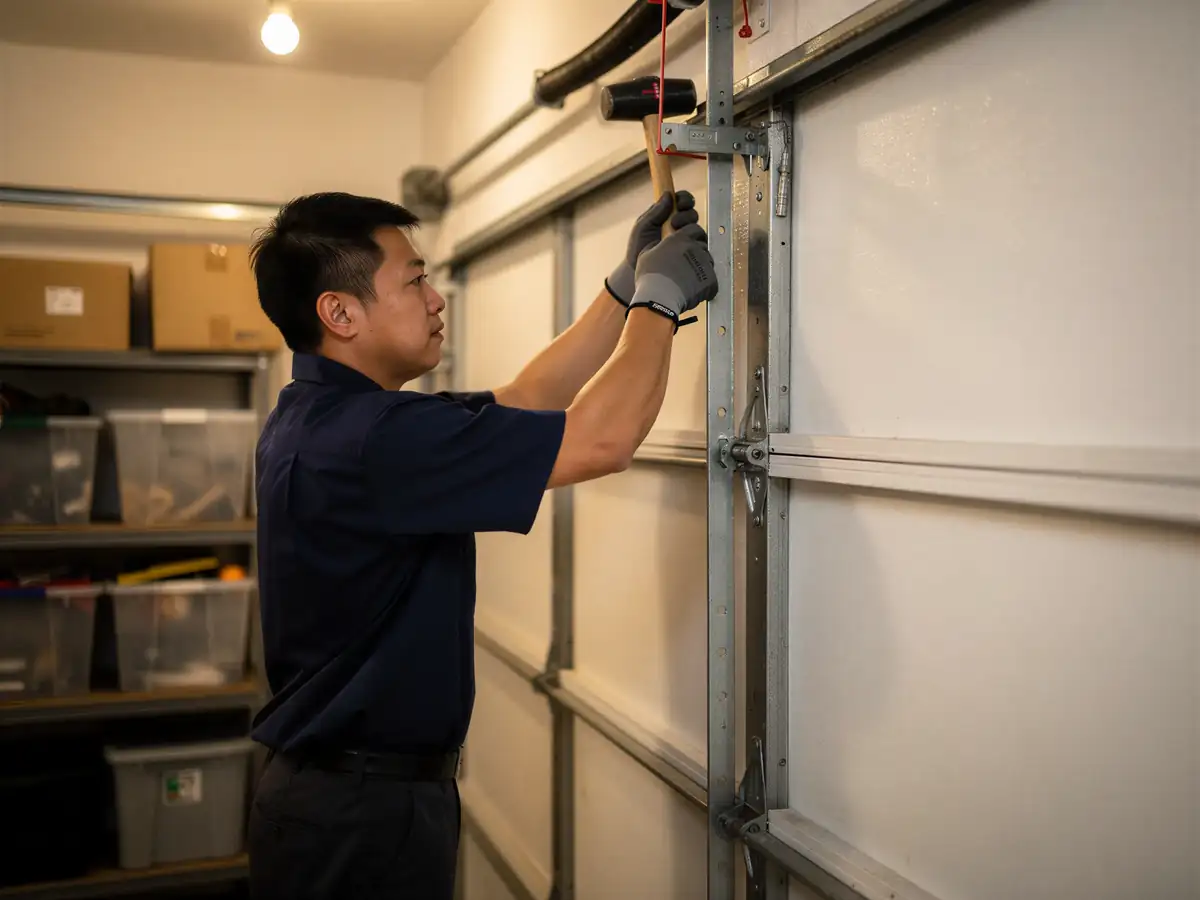
A 1982-built door on extension springs is a different repair than a torsion-spring door from a newer build, and Lexington's housing stock leans toward the former. Extension springs run along the horizontal track rather than above the door on a shaft, which means the failure points are different too - frayed cable at the pulley, a stretched spring that's lost tension, or a safety cable that's missing entirely on older installs that predate that code update. We check for that safety cable on every Lexington call, since a lot of doors from that build era never had one added.
Cold winters put extra strain on this hardware. Steel contracts in the cold, and an extension spring already near the end of its life is more likely to let go on a cold morning than a mild one. That's not unique to Lexington, but it's part of why an older door here is worth a once-over before winter rather than after something breaks.