Why This Fails Locally
Start with the number that actually matters here
Median household income in Goldsby runs around $96,650, well above the $75,000 median across the wider Norman service area. That gap changes the math on a maintenance call. At that income level, a $150-200 tune-up is an easy yes against a $600+ emergency repair or a $1,200+ replacement, and most owners here treat it that way rather than waiting for a spring to let go.
The other number that matters is the build date
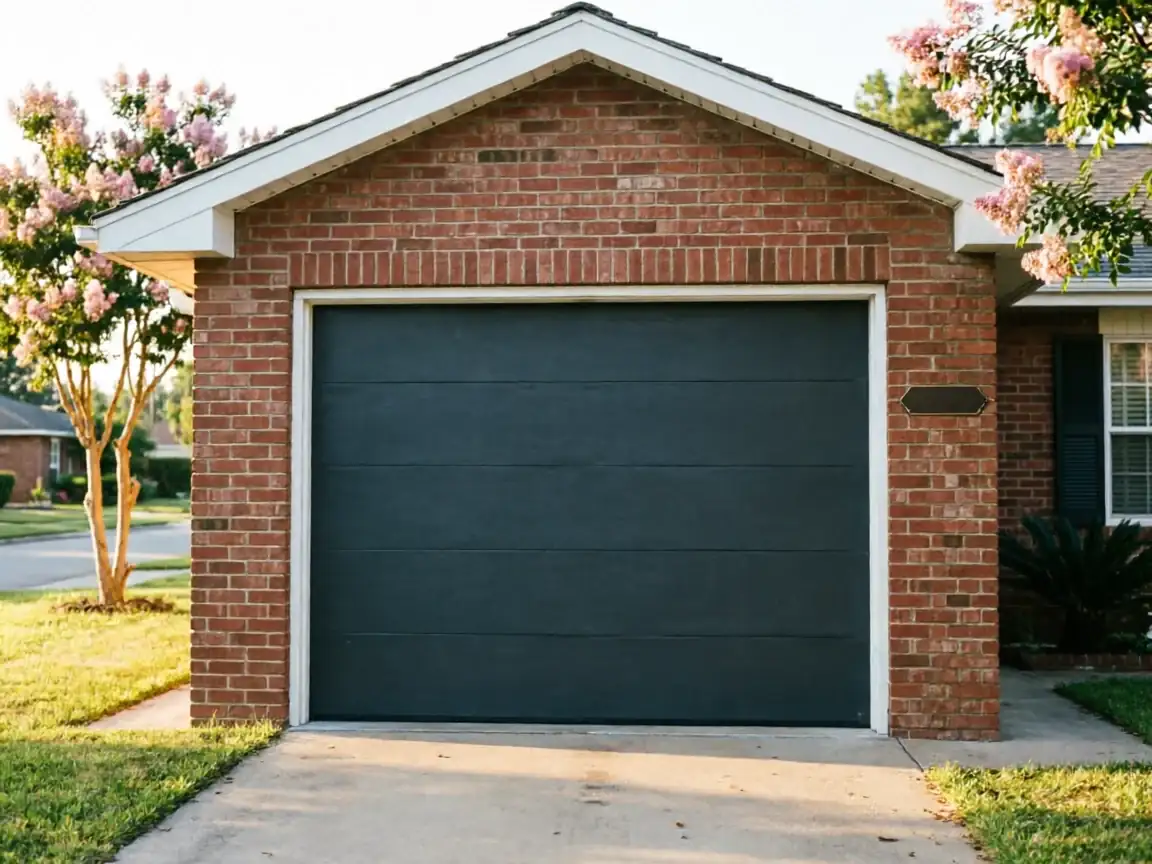
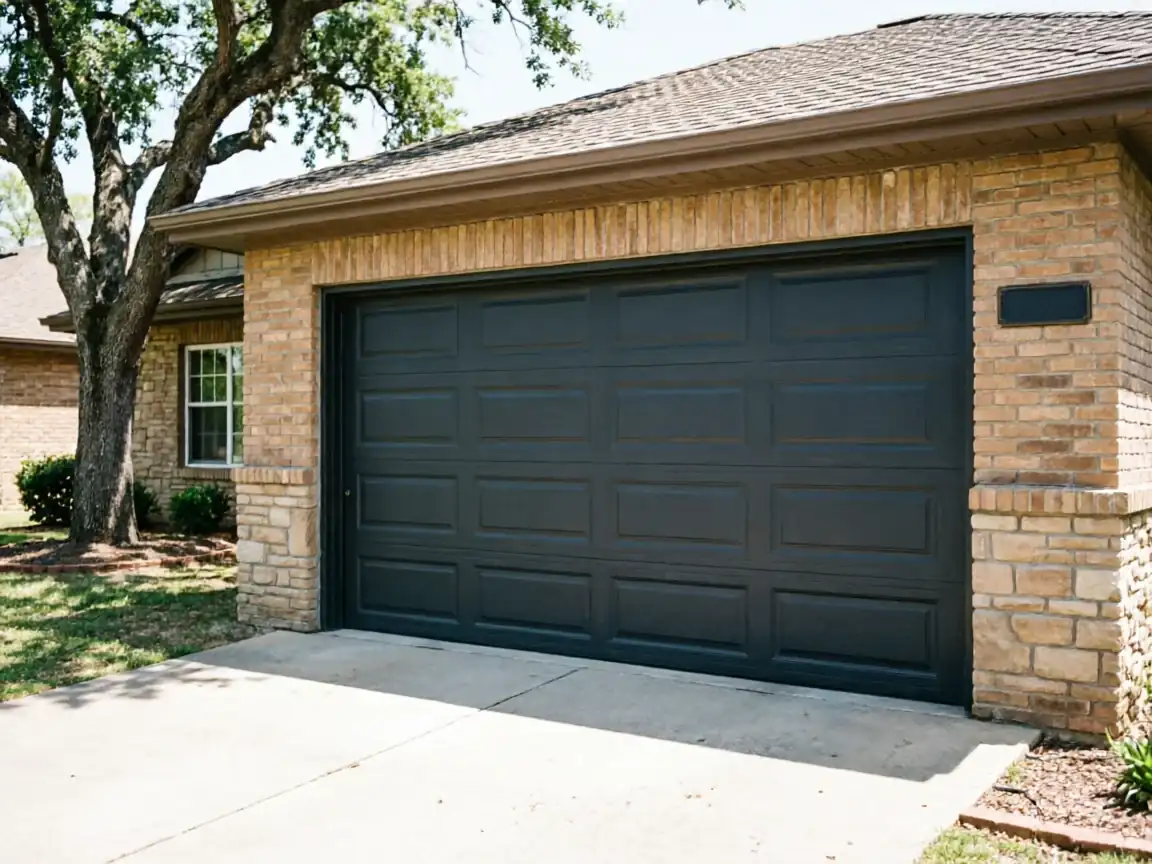
Across the broader service area, houses went up anywhere from 1964 to 2004. Goldsby skews to the newer end of that range, with a median build year around 2004. That means you're less likely to be dealing with a 1970s extension-spring door on an unbraced header, and more likely dealing with a builder-grade torsion system that's now 20 years old and has never had a real service visit. The failure mode is different: not rusted-through hardware, but factory lubrication long gone dry and rollers worn past their original tolerance.
- 20 years
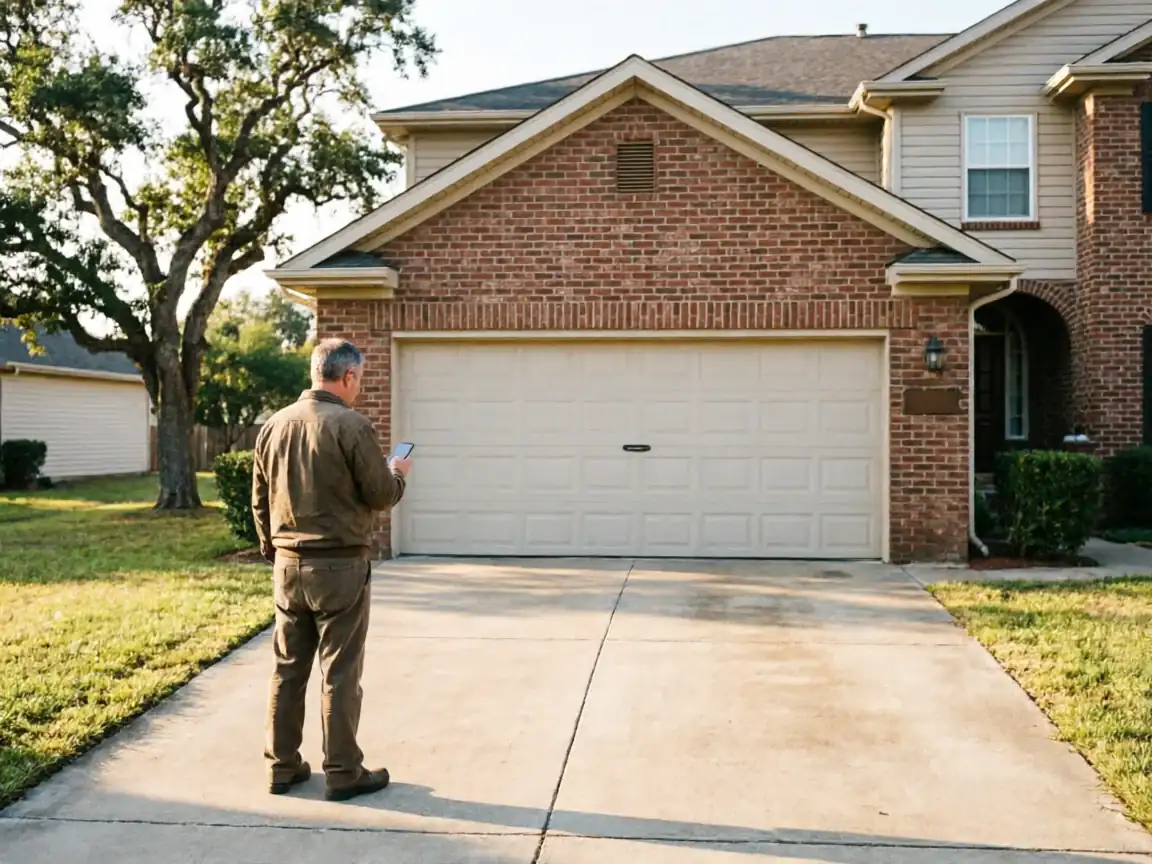
With only 1,021 households in Goldsby, this isn't a market with a dedicated garage door shop
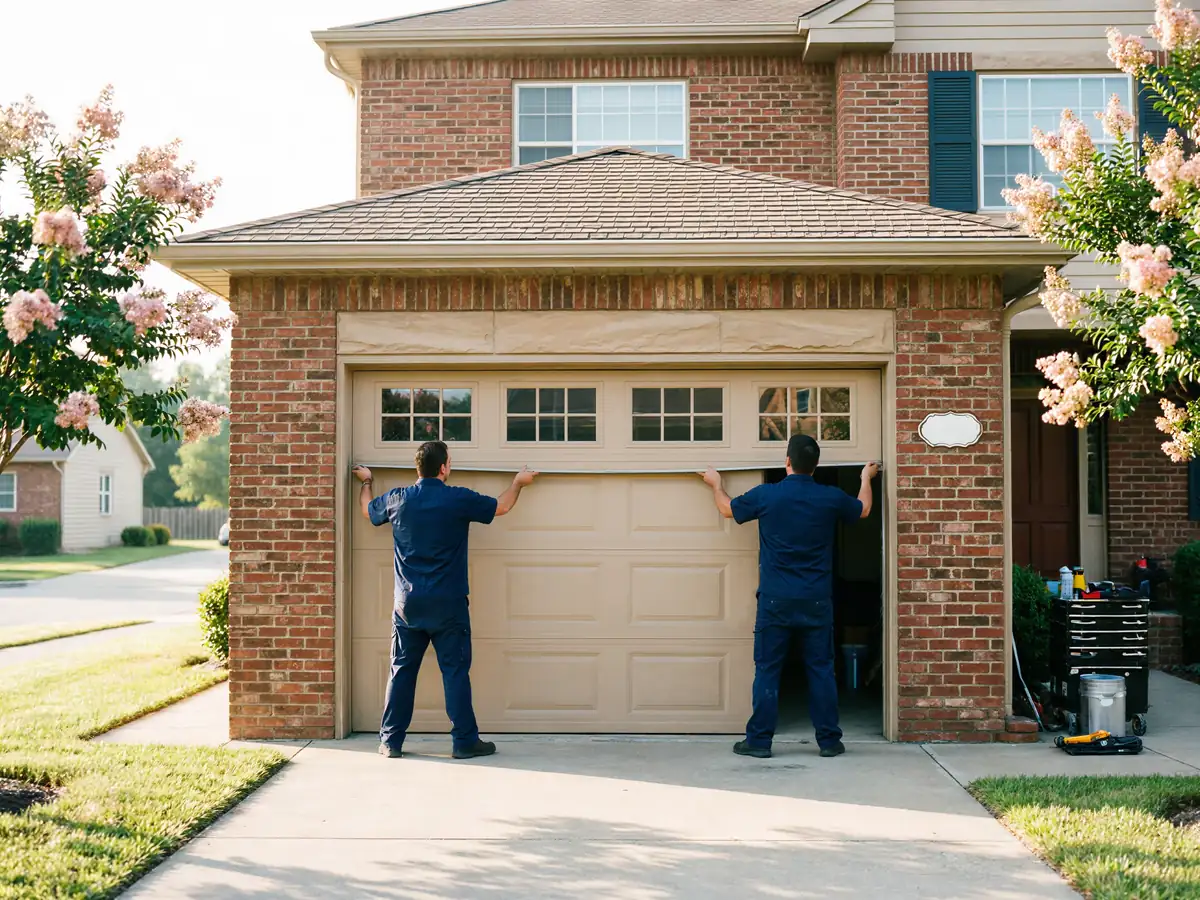
We cover it out of Norman, 11 miles up the road, which is fine for a scheduled maintenance visit and worth knowing before you call expecting same-hour service.
- 1,021 households
- 11 miles
What the Repair Takes
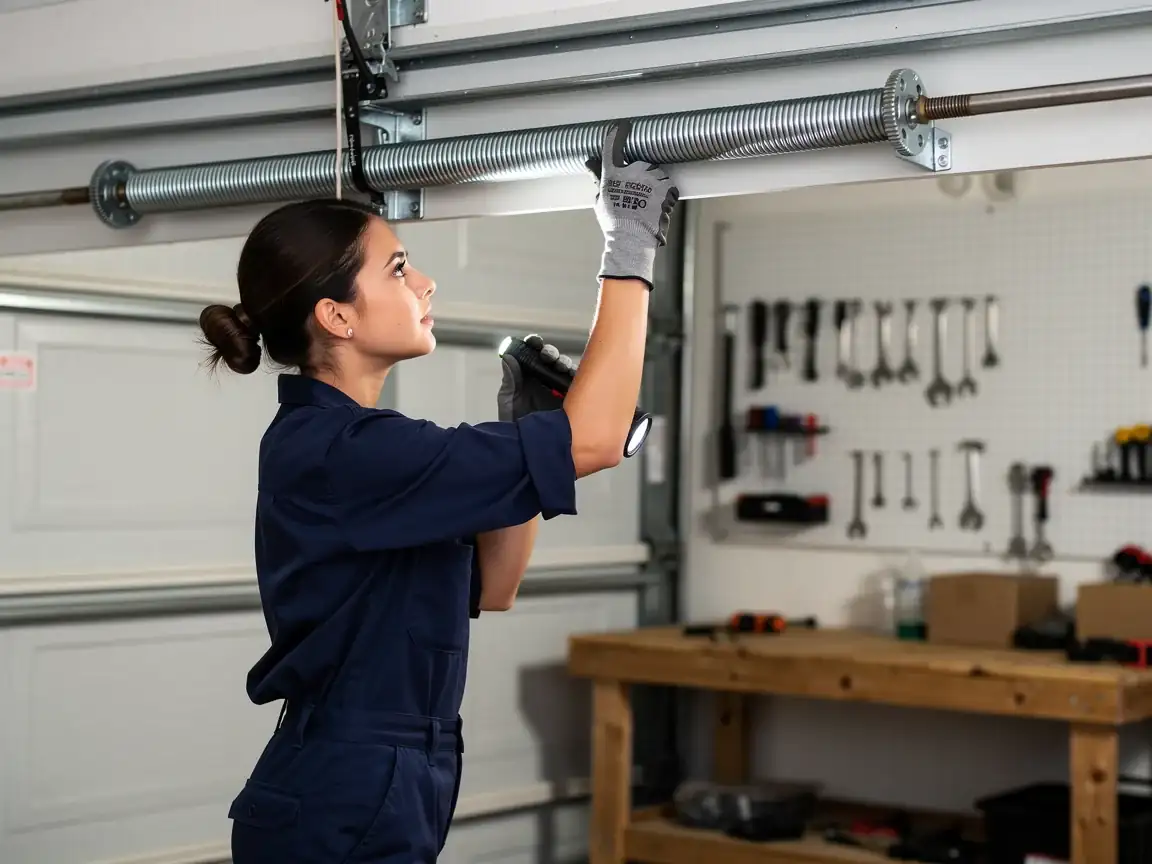
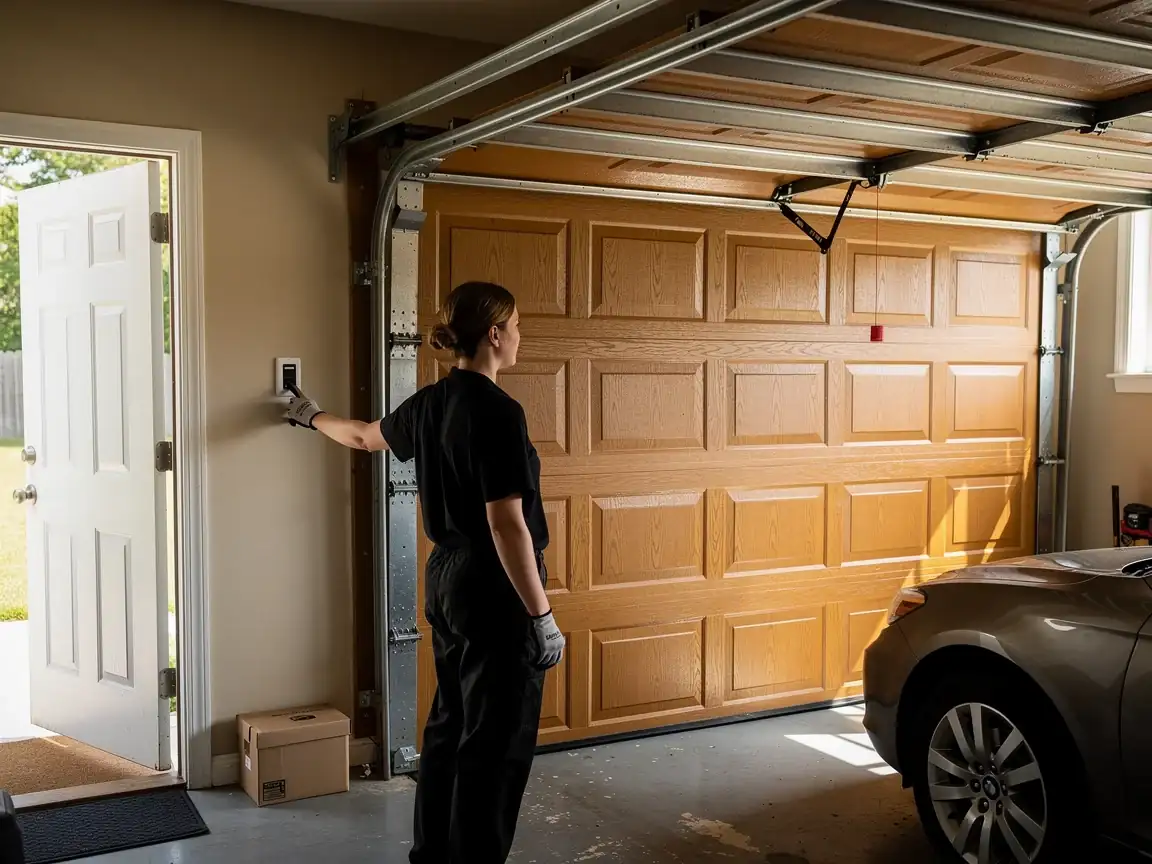
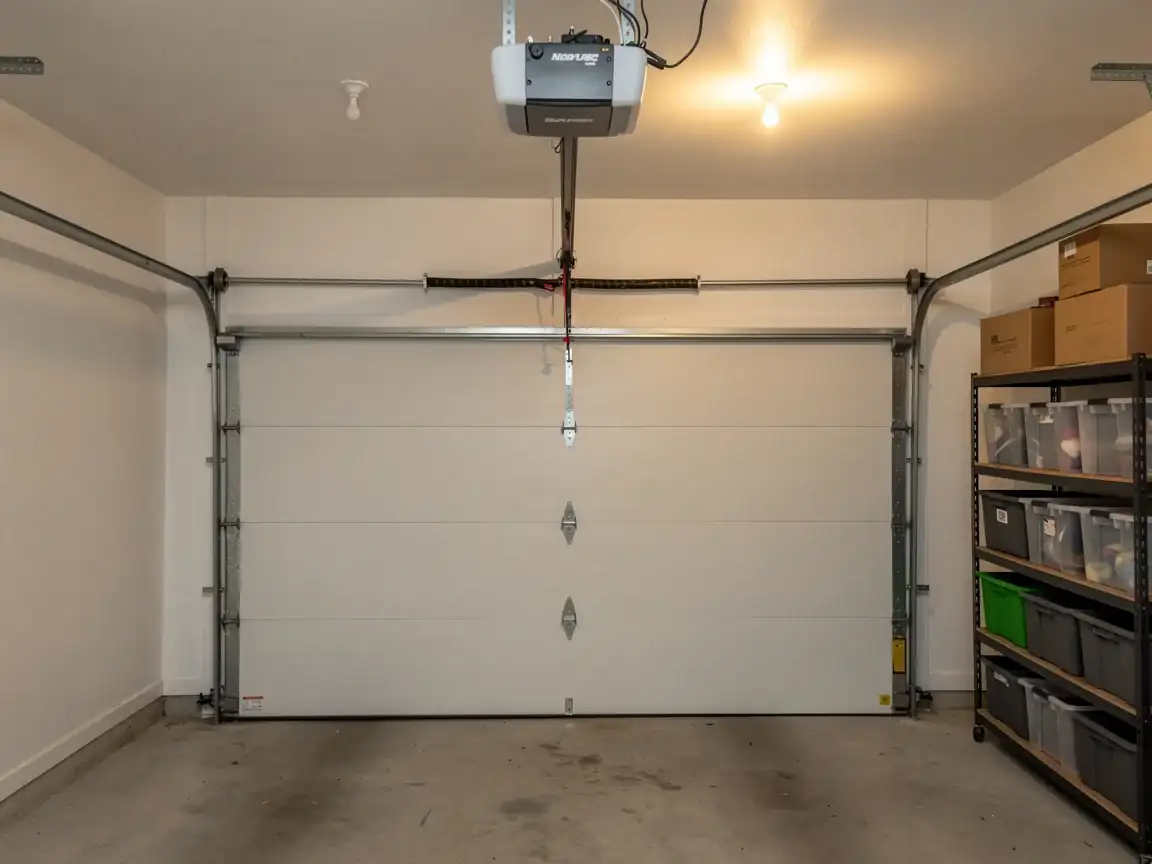
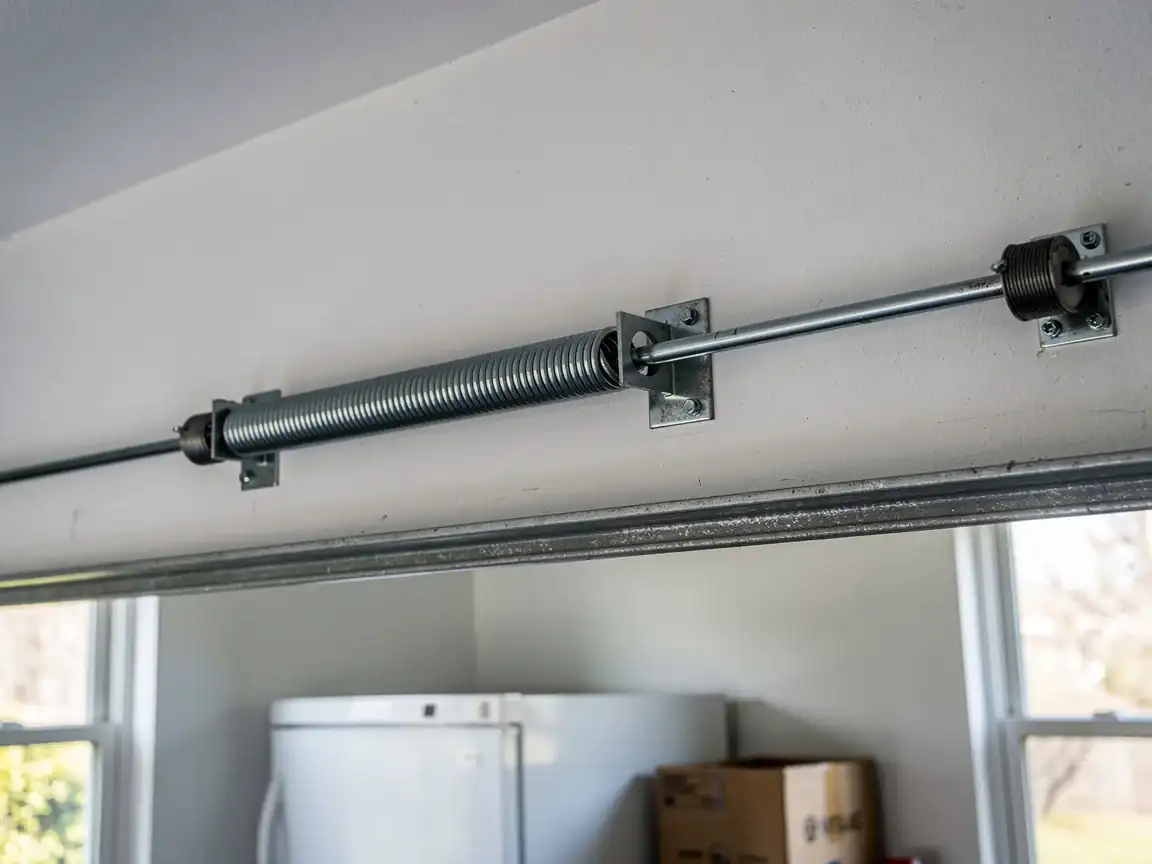
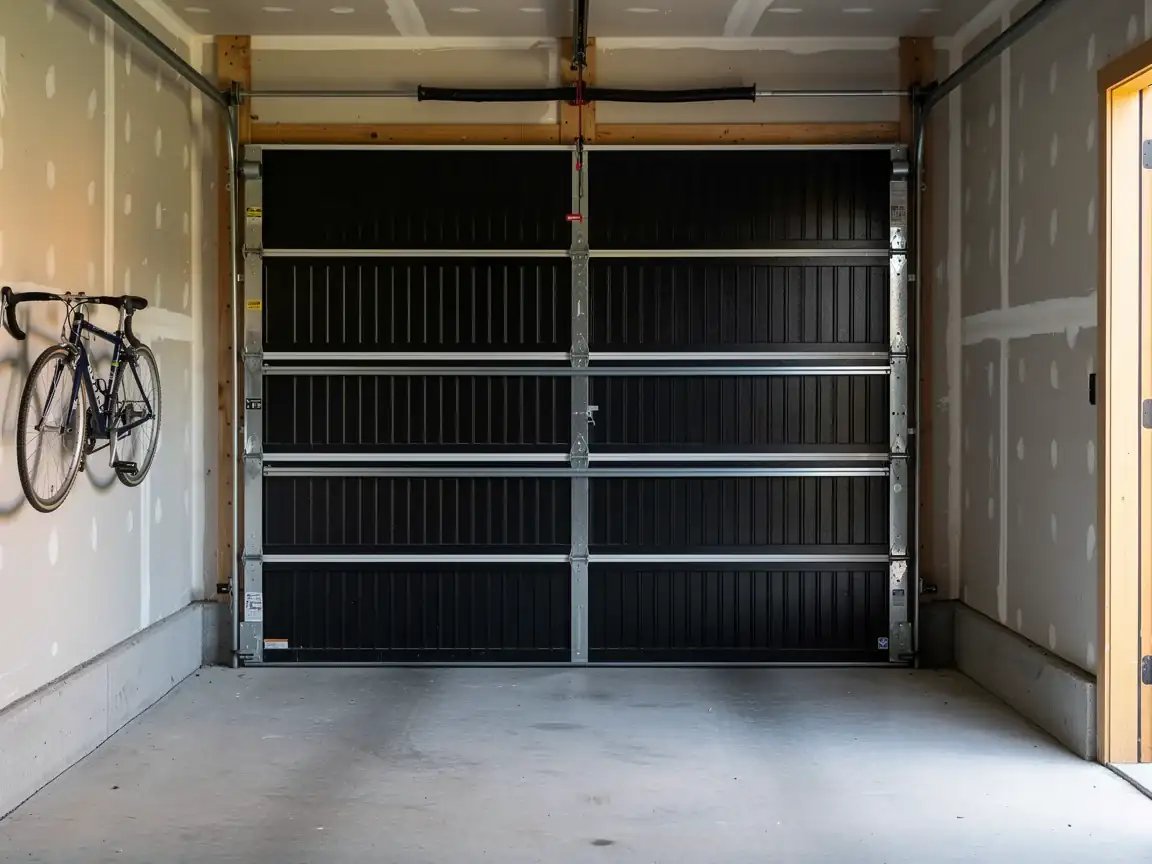
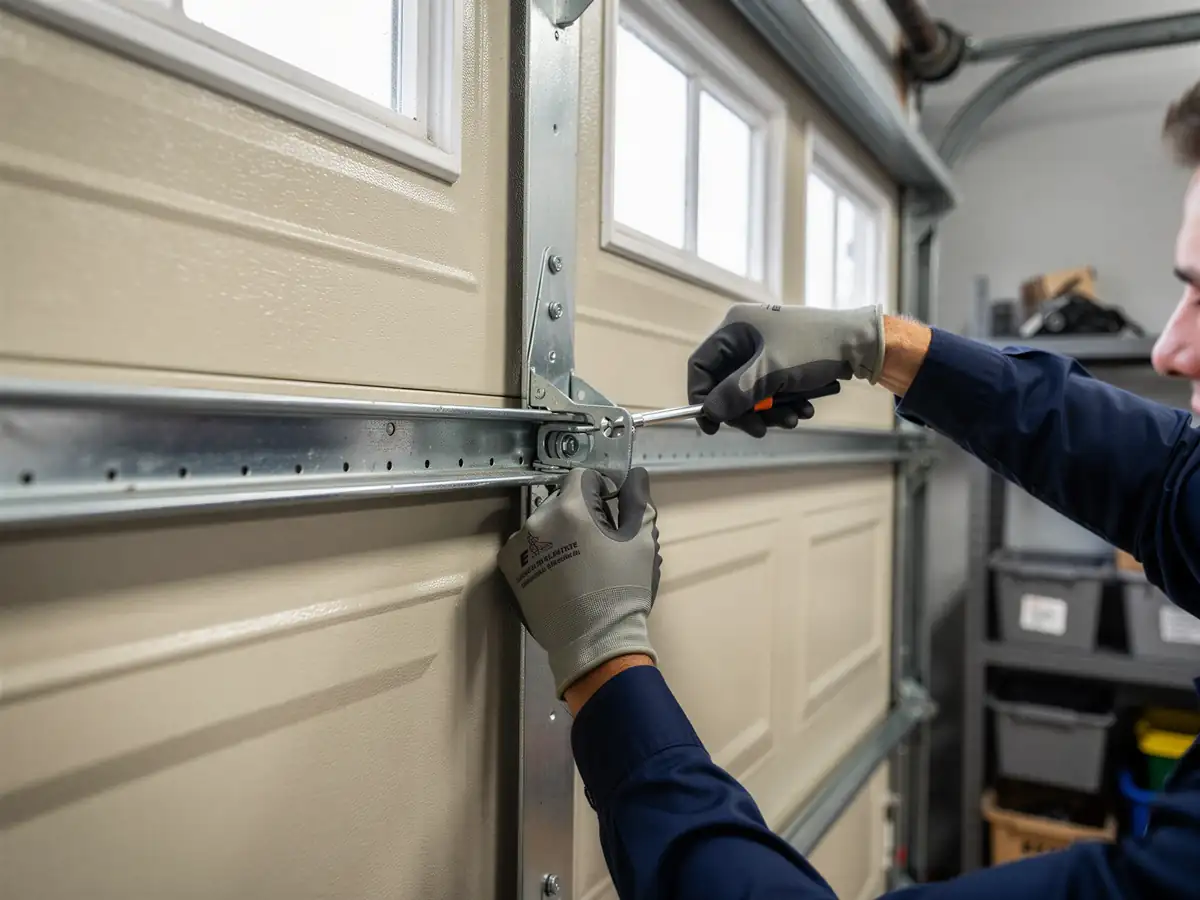
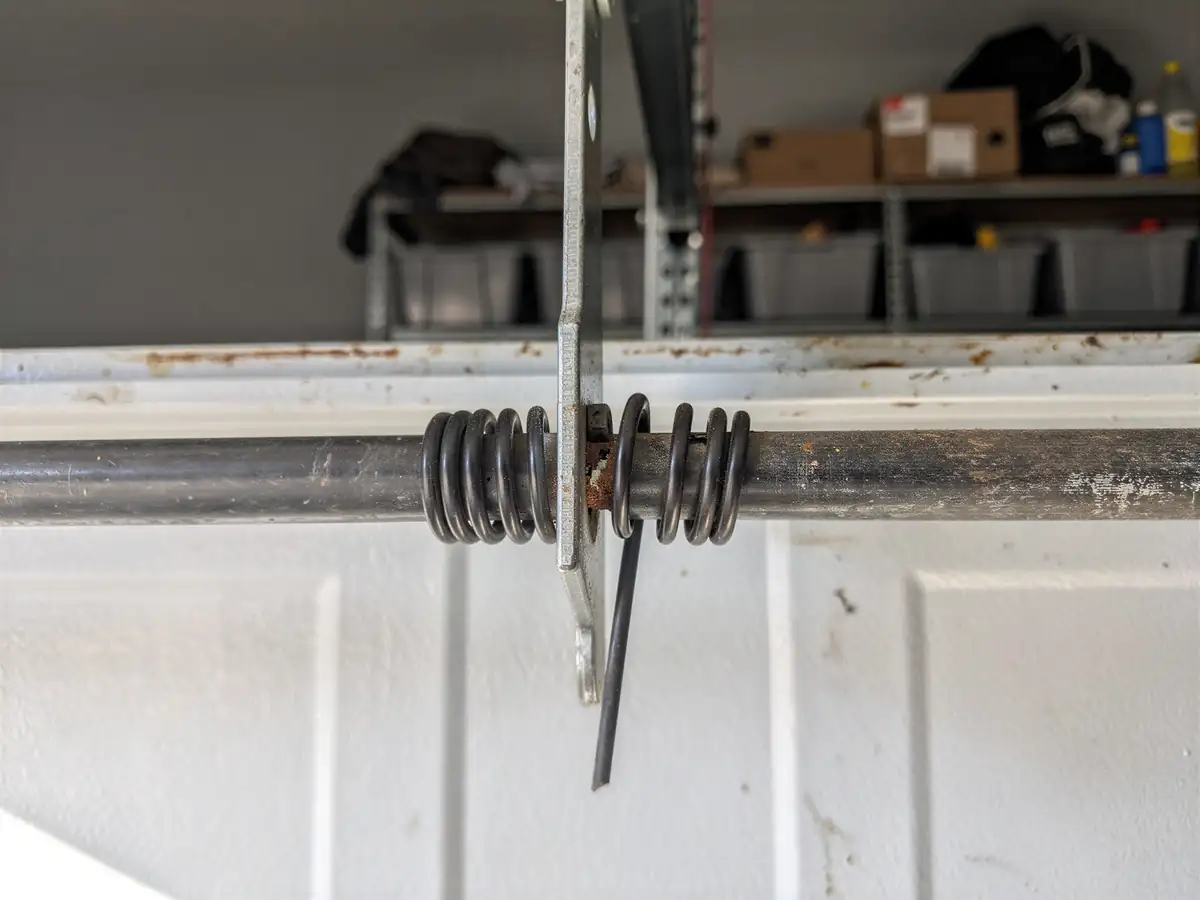
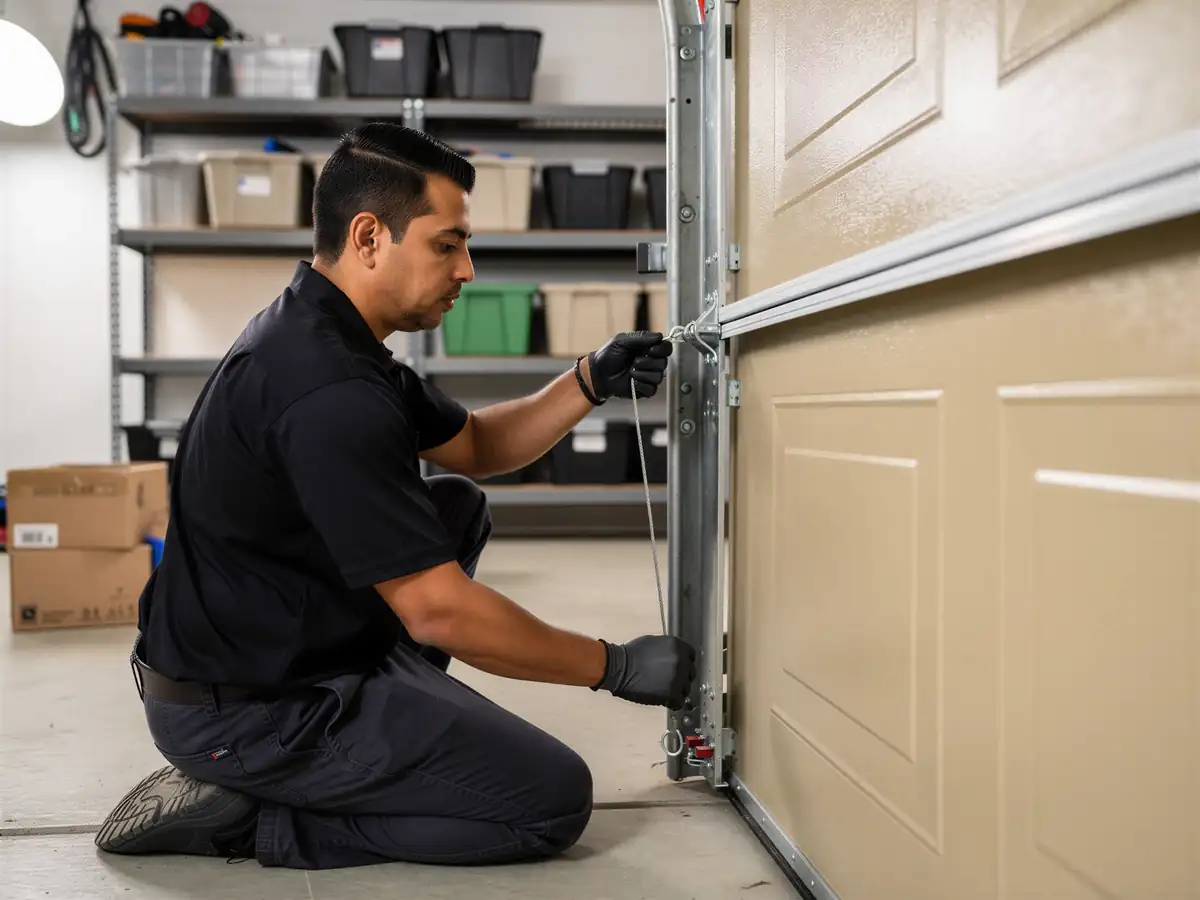
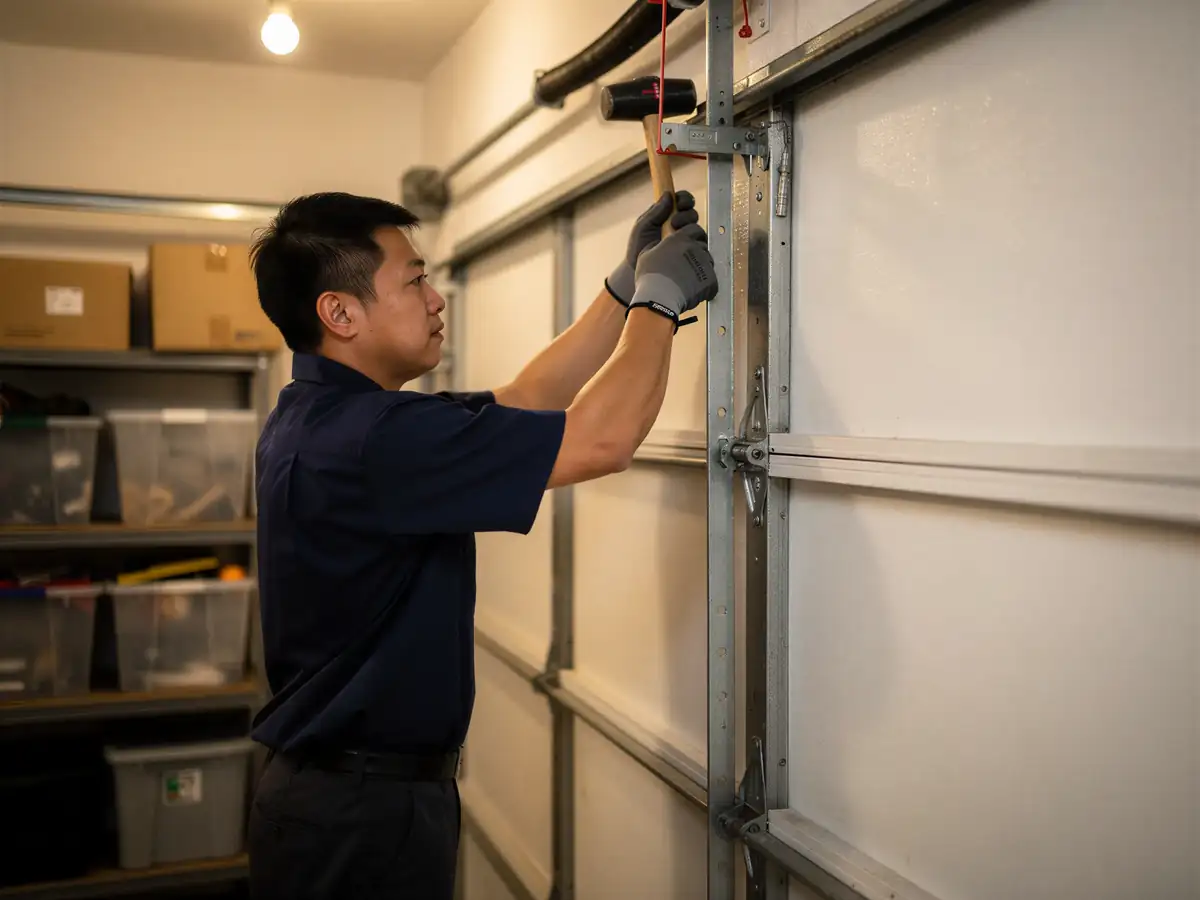
A maintenance visit on a 2004-era door means checking the torsion spring for proper wind and wear (these systems are now entering the back half of their rated cycle count), lubricating hinges, rollers, and the spring itself with the right grade of lubricant, and checking track alignment and bolt tightness on the brackets. We also check the opener's force settings and safety reversal, since builder-installed openers from that era often had force set too high from day one and nobody's touched it since.
We check cable condition at the bottom bracket and drum, since fraying there is the most common warning sign we see on homes in this age range before a full failure. None of this is invasive work. It's inspection and adjustment, not teardown, and a door in reasonable shape should take a visit, not a project.
Doing It Yourself
Plenty of this is reasonable to do yourself. Wipe down and lubricate the rollers and hinges twice a year, check that the door reverses when it hits an object, and look at the cables for fraying near the bottom bracket. Tighten loose bolts on the track brackets with a nut driver, not a power tool, so you don't overtighten and warp the bracket.
What you shouldn't touch is the torsion spring itself. It's under enough tension to cause real injury if it lets go while you're adjusting it, and that's true whether the door is five years old or twenty-five. If your opener's force settings feel off, or the door is dropping unevenly on one side, that's a call, not a weekend project.
Time on the Job
A standard maintenance visit on a door in decent shape doesn't take long once we're on site
The time adds up more from what we find than from the baseline checklist. A door with a dry spring and loose track brackets gets a quick service; a door where we find a cable starting to fray or a sensor that's been misaligned for a while takes longer to make right, because we're not going to sign off on a safety issue and call it done.
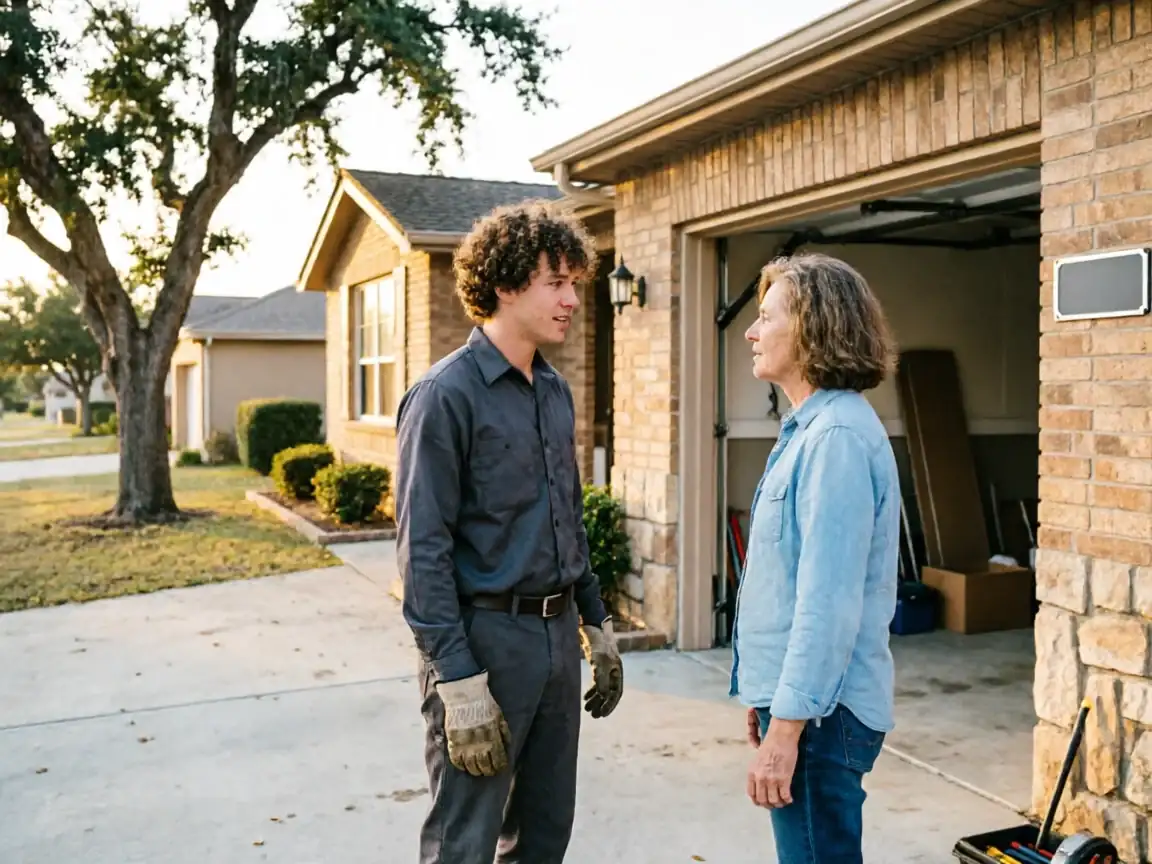
Since we're coming from Norman, the drive time is part of planning your appointment window
Not the job itself. Scheduling is more predictable than emergency repair timing, since a maintenance visit isn't competing with a same-day broken spring call.
What Can Go Wrong
This area sits in a cold-moderate climate band, which means winter cold stiffens standard grease and can make an already-worn torsion spring bind or wear unevenly. On a door that's never had real maintenance, that shows up as a spring that groans or hangs up on its first cold-morning cycle of the year, which is often the first sign an owner notices anything's wrong.
The other failure we see on 2004-era builder-grade doors is wear concentrated at the rollers and the bottom bracket, since the original hardware wasn't built for 20 years of daily cycles. If maintenance gets skipped for years at a stretch, you're not catching small wear, you're catching it after it's already stressed the opener trying to compensate.
The Cost of This Job
We don't have a fixed price to quote here without seeing the door, and we're not going to invent one. What's worth knowing is the decision point: at Goldsby's median income, routine maintenance pays for itself by avoiding the bigger bill. A cable that frays and lets go while the door's open can take out a panel or bend a track, turning a maintenance-level job into a repair-level one.
One honest limit: if a door's hardware is original from 2004 and genuinely worn out across multiple components, at some point maintenance stops being the right call and replacement is the better money. We'll tell you if that's where things stand rather than servicing a door that needs to be replaced.