Why This Fails Locally
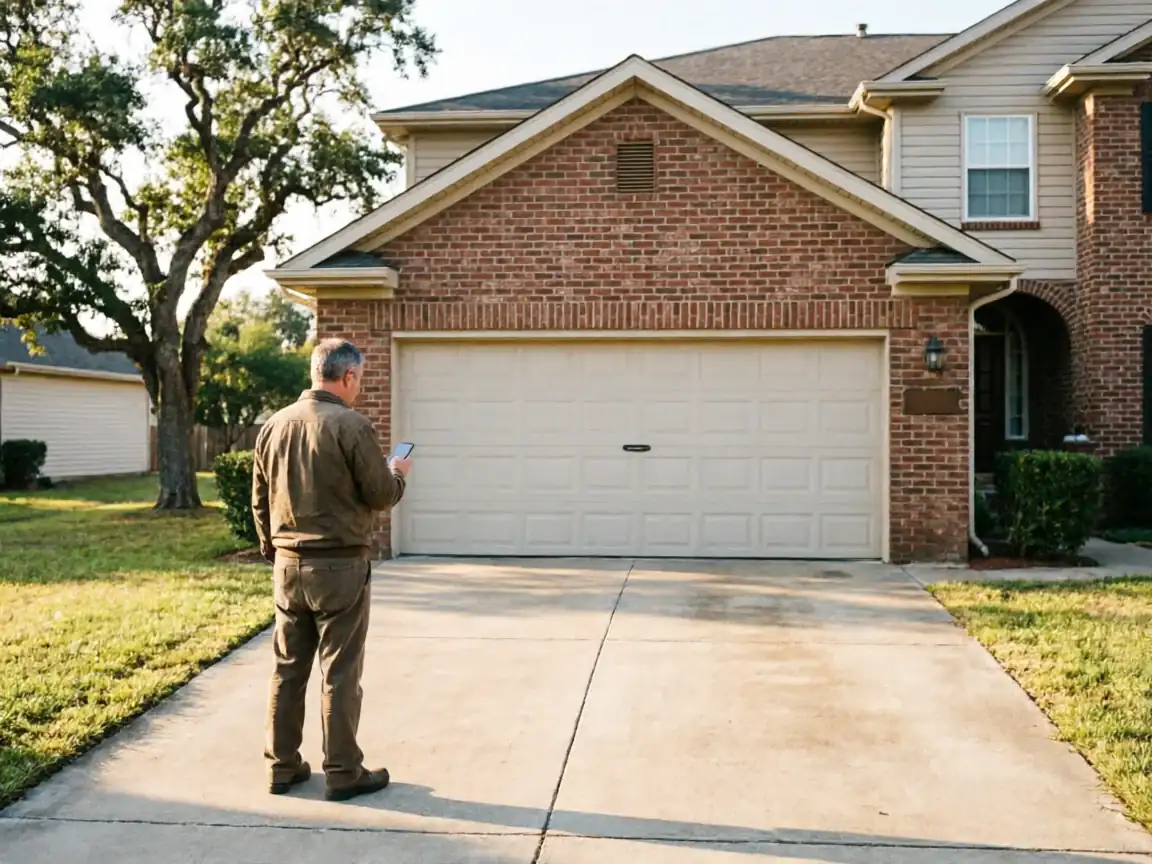
Goldsby sits 11 miles out from our shop in Norman
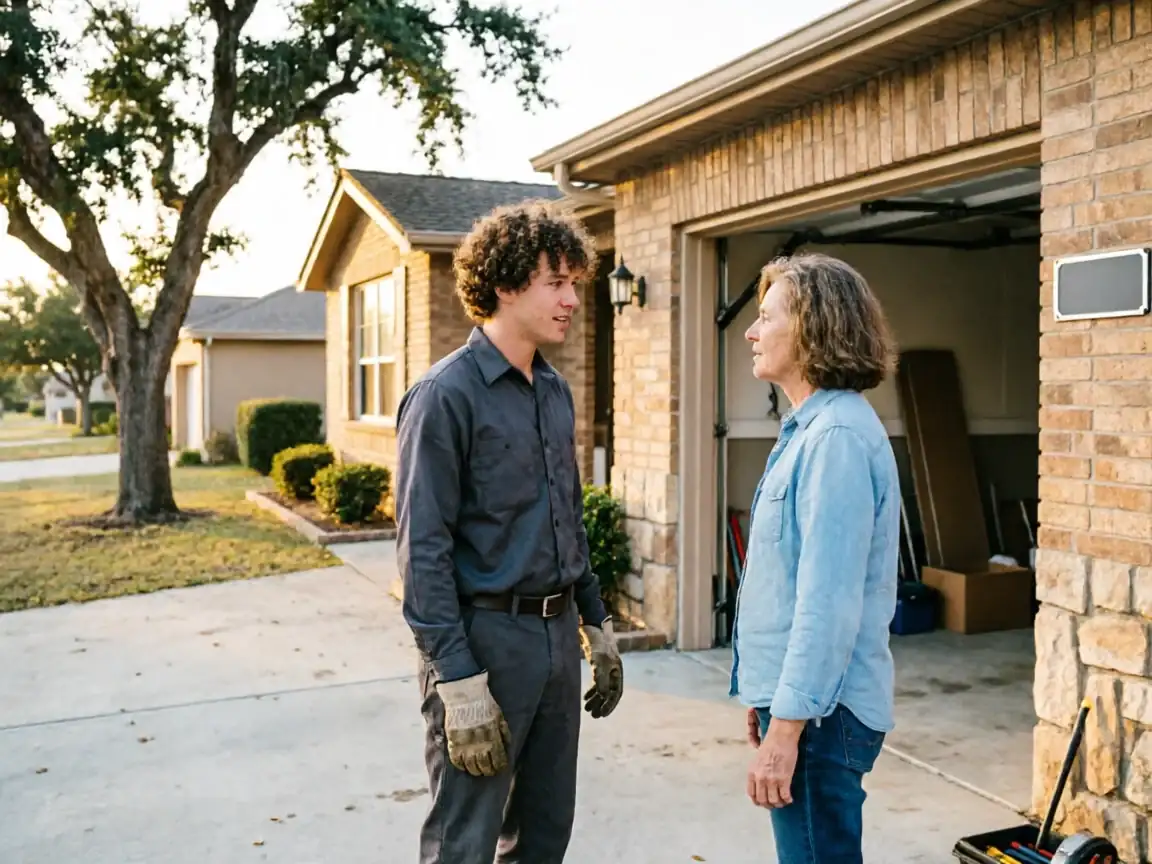
And that drive shapes how we plan an install day here more than it does for closer stops - we load the trailer once, with the door, track, and opener hardware already matched to the opening, because a second trip for a forgotten part costs the whole afternoon.
- 11 miles
The housing itself is a different story from most of the service area
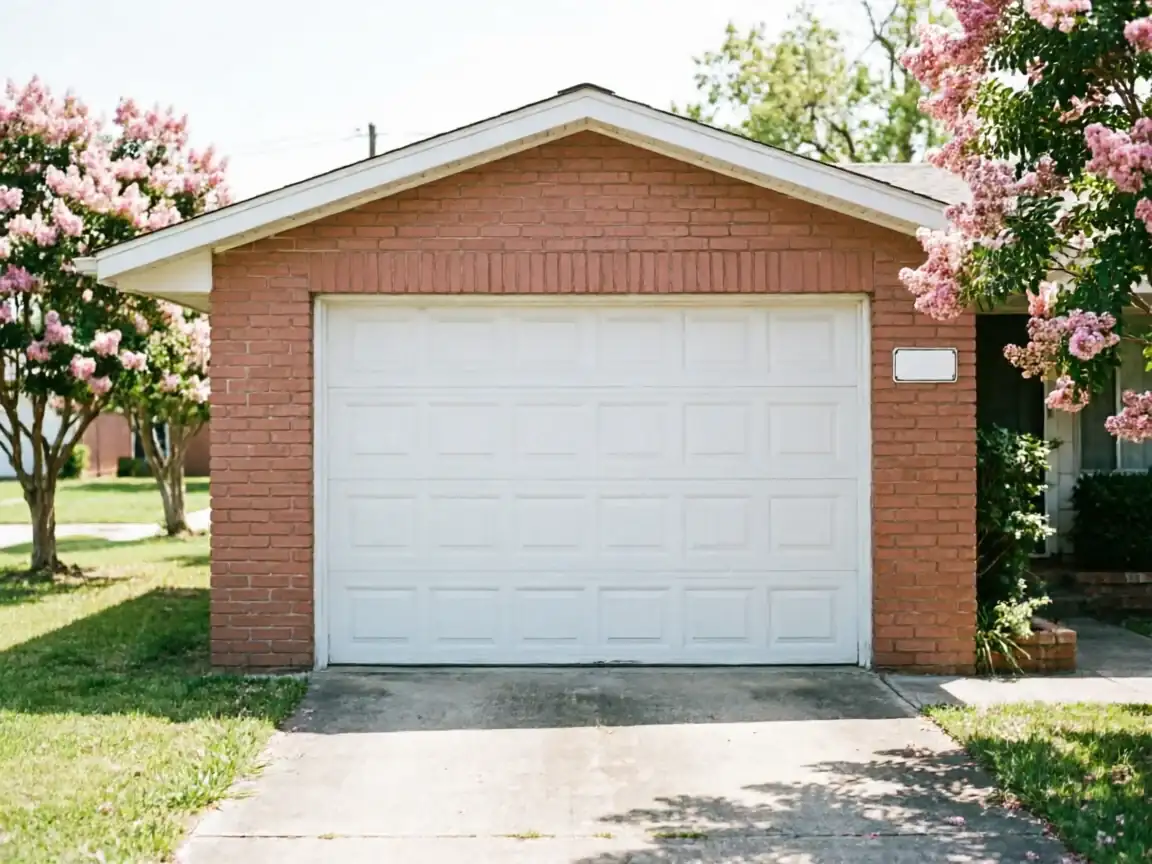
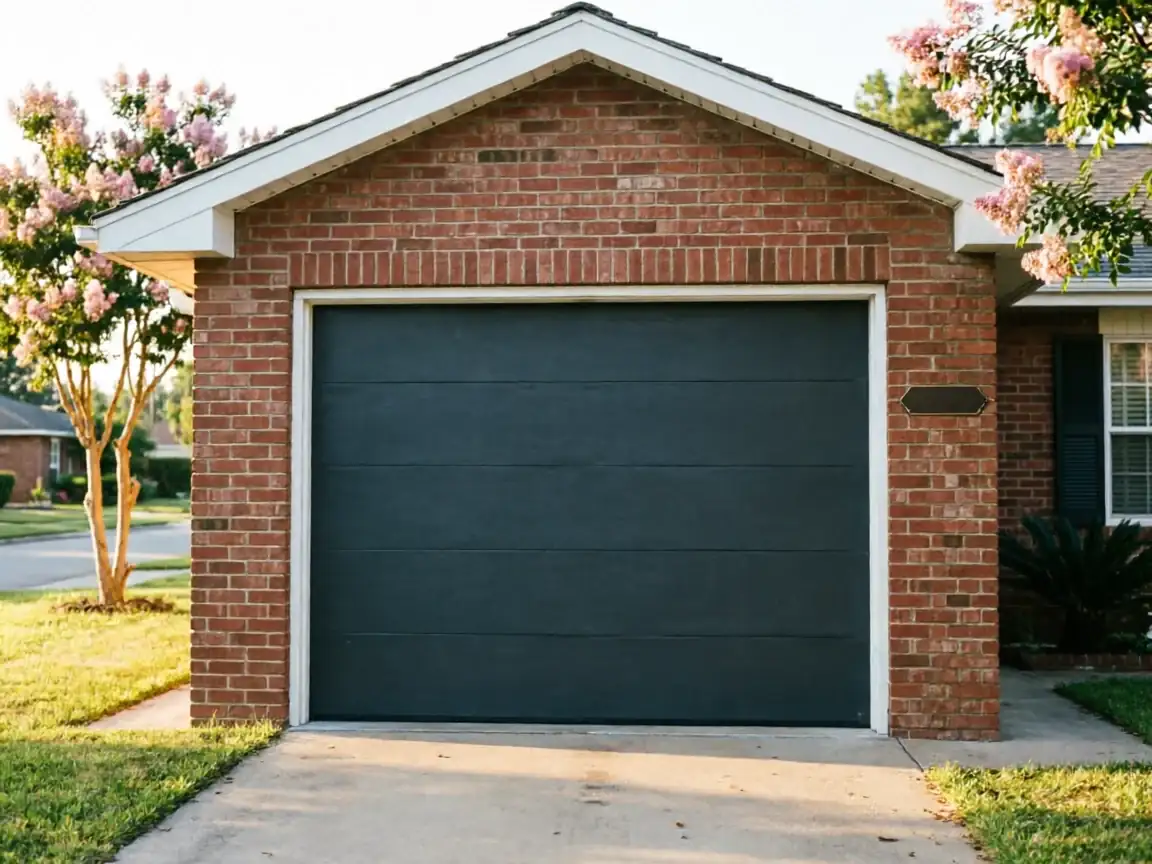
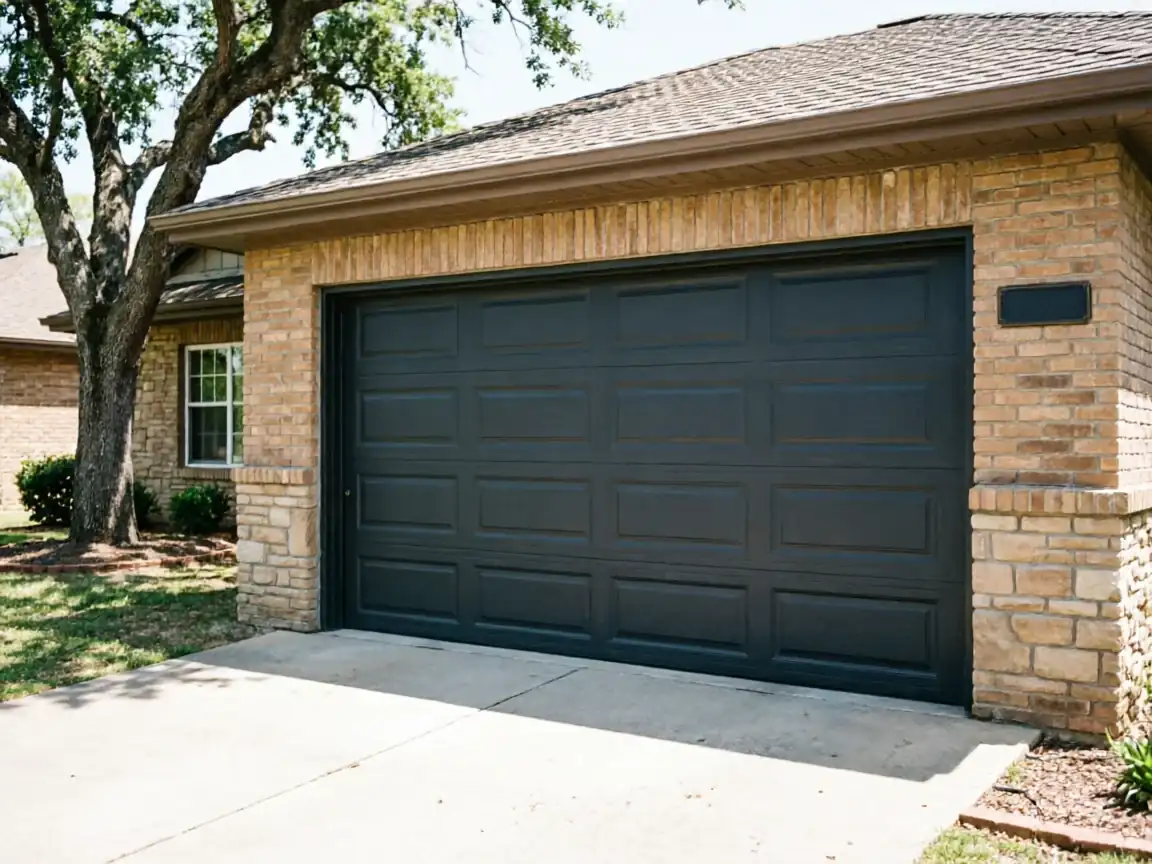
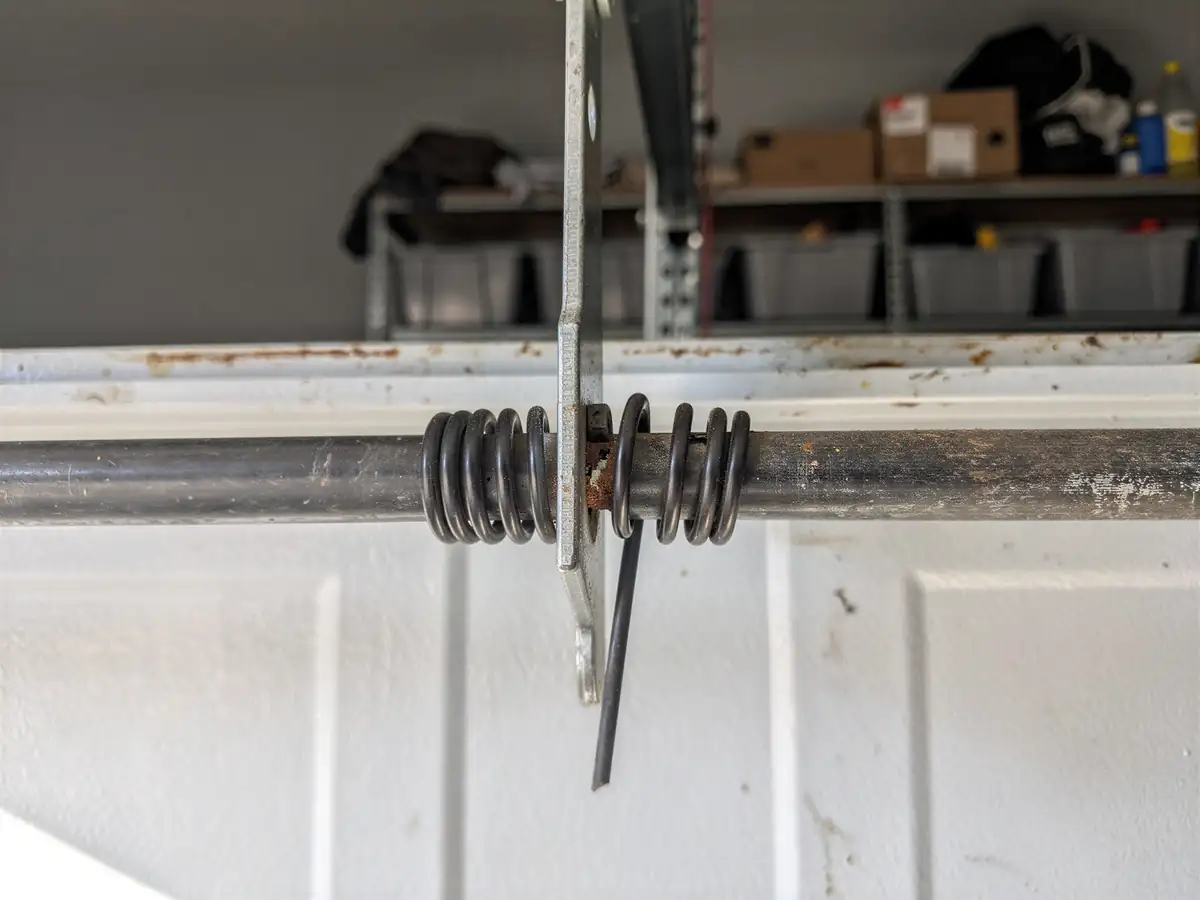
Across the wider Norman area the stock runs 1964 to 2004, median around 1987 - older one-piece doors, older openers, older everything. Goldsby runs newer: the median home here was built in 2004, close to the tail end of that range rather than the middle of it. That means the garage doors failing in Goldsby right now aren't 1980s originals wearing out from age. They're early-2000s builder-grade doors - steel, minimal insulation, stock torsion springs sized for a standard 7-foot opening - hitting the point where the spring cycle count runs out and the panels start showing dents and rust at the bottom seam. With roughly 1,021 households in Goldsby, that's a fairly tight, fairly young pool of houses hitting the same wear point around the same time.
- 1,021 households
What the Repair Takes
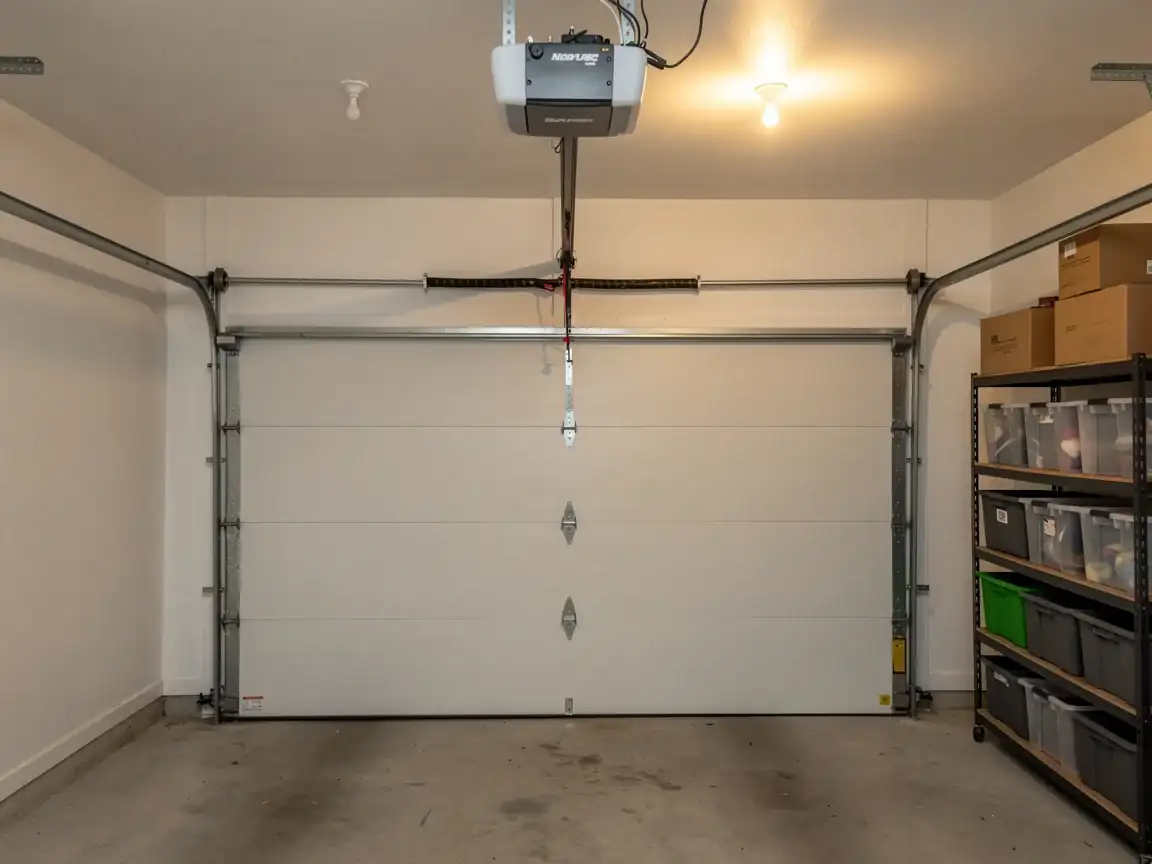
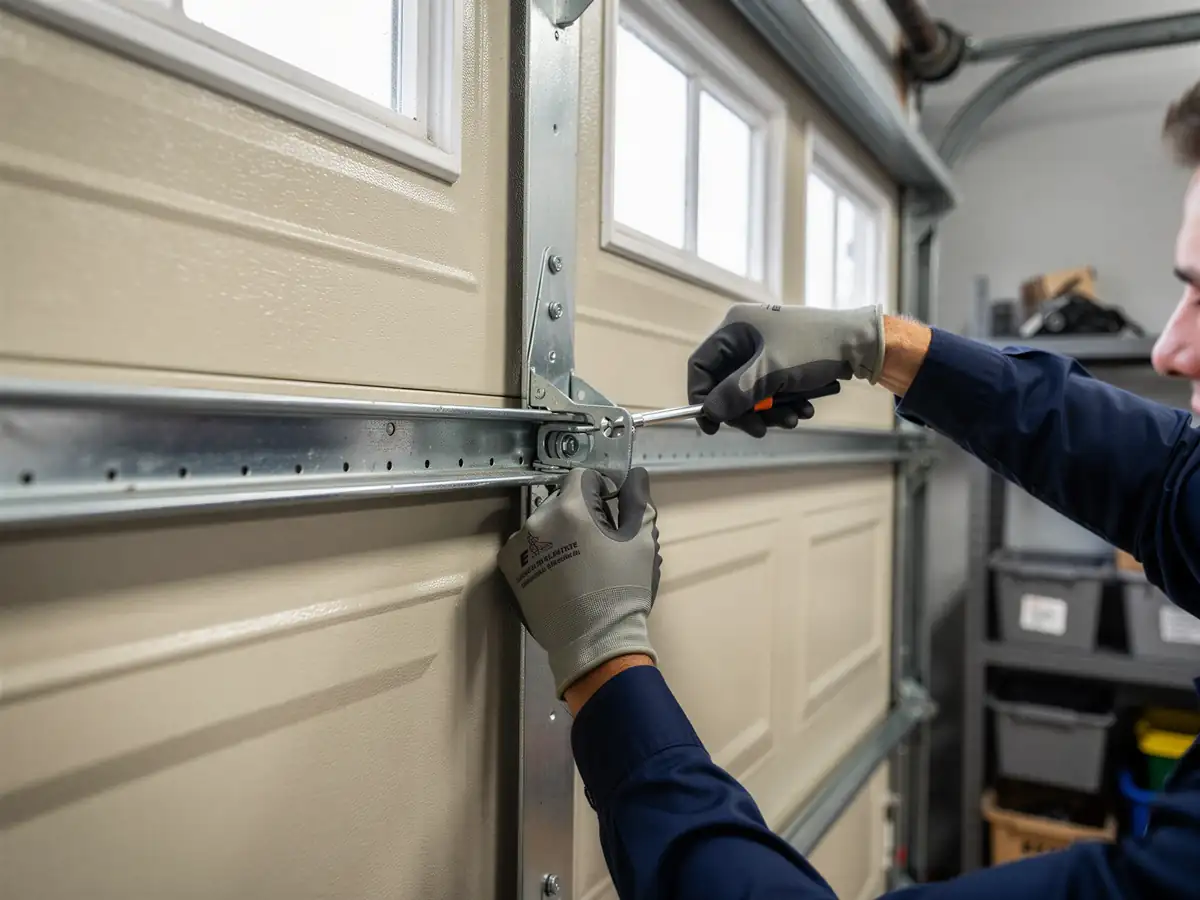
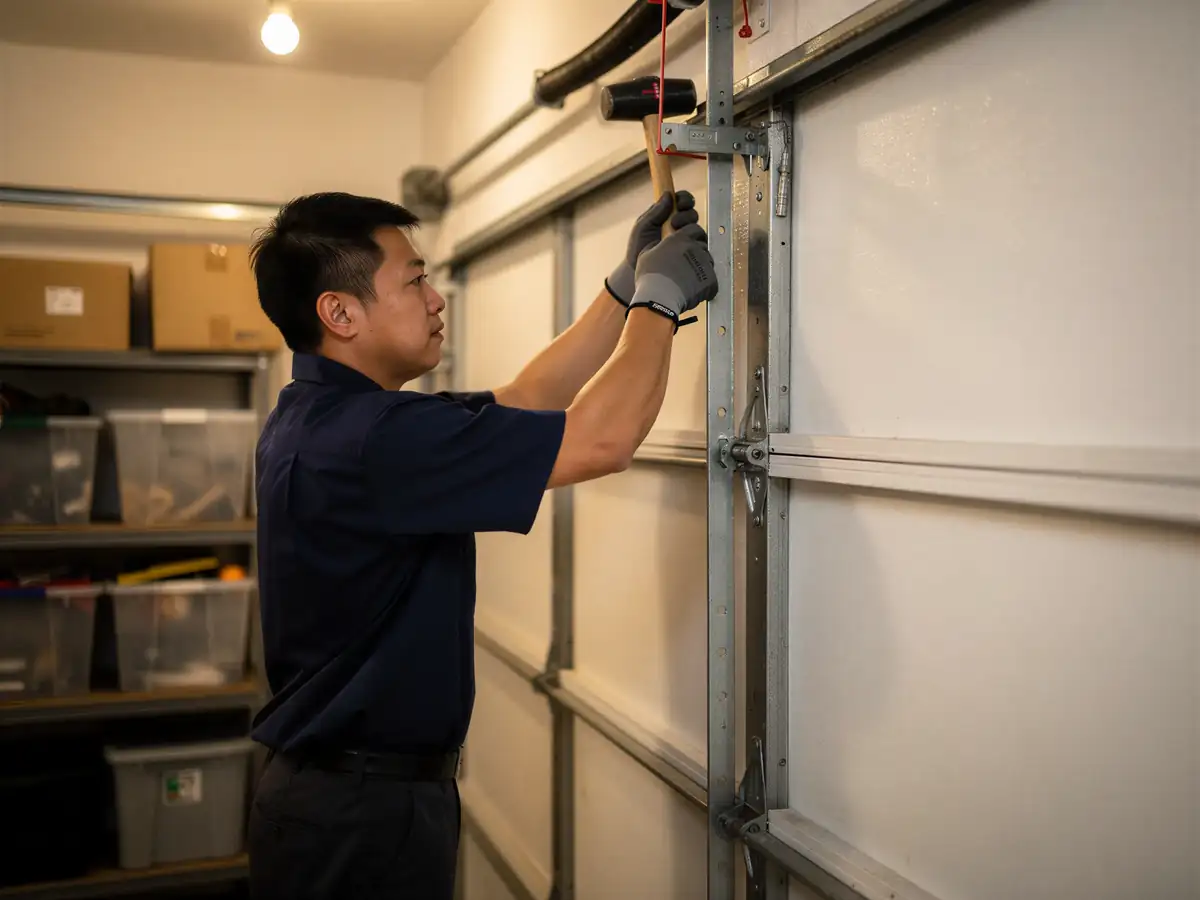
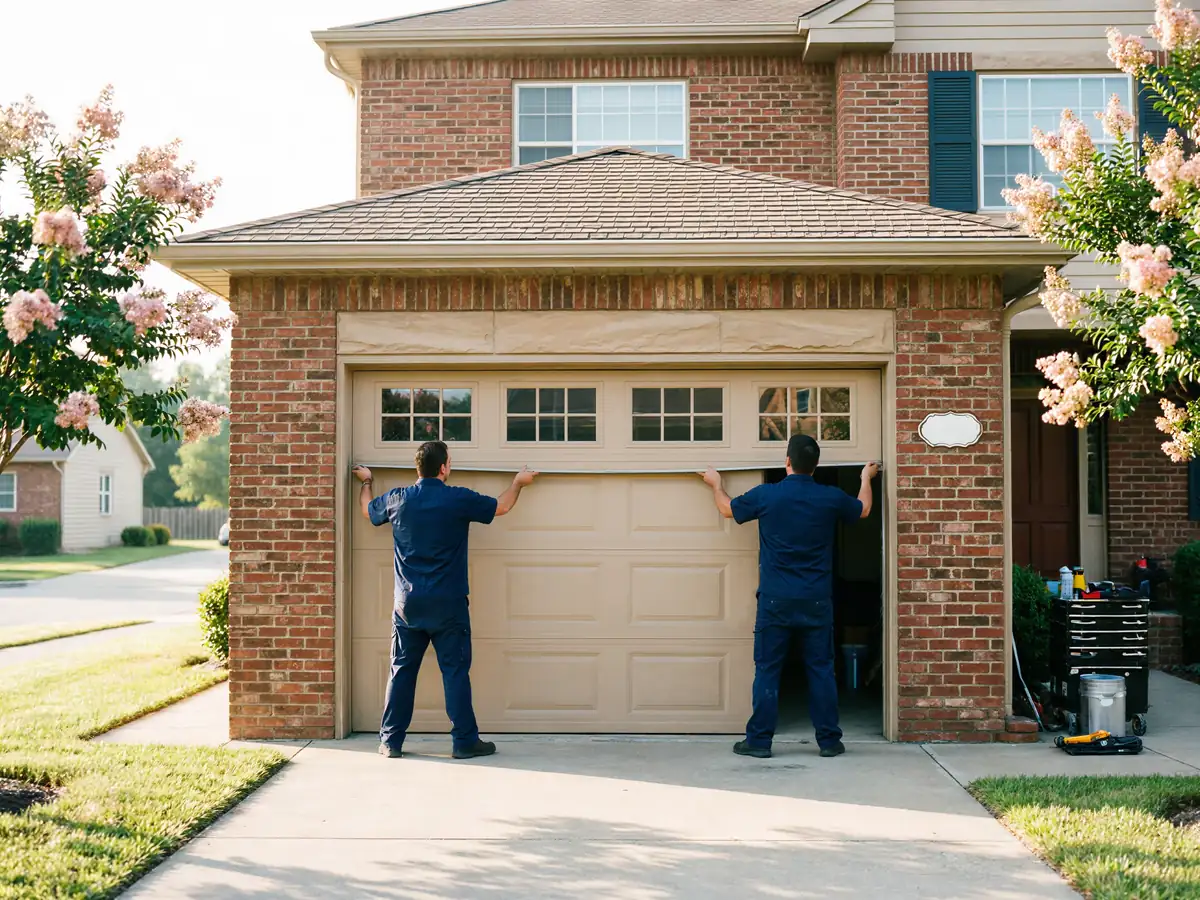
An install starts with the opening, not the door. We measure header clearance, side room, and backroom depth, because builder-grade framing from the early 2000s often left just enough clearance for the stock door and nothing more - swapping to an insulated door with thicker panels can mean reworking the track radius or the opener mount.
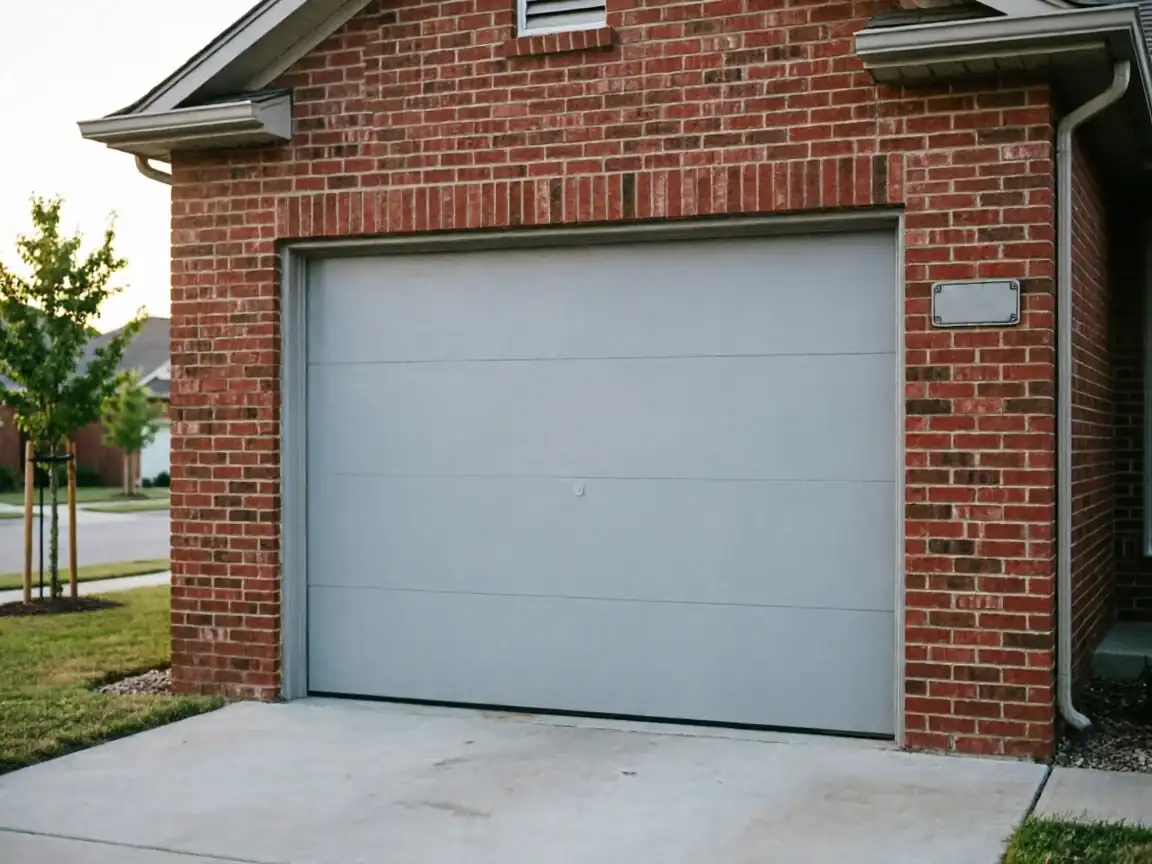
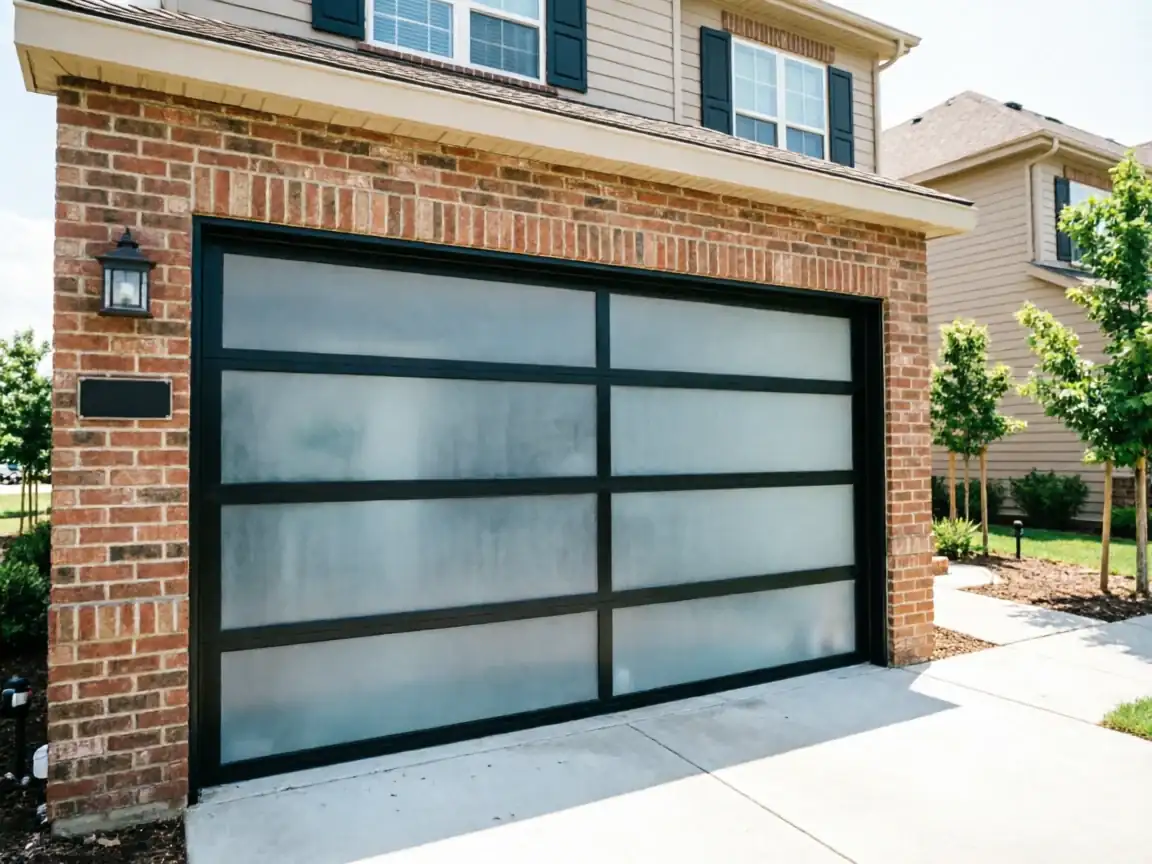
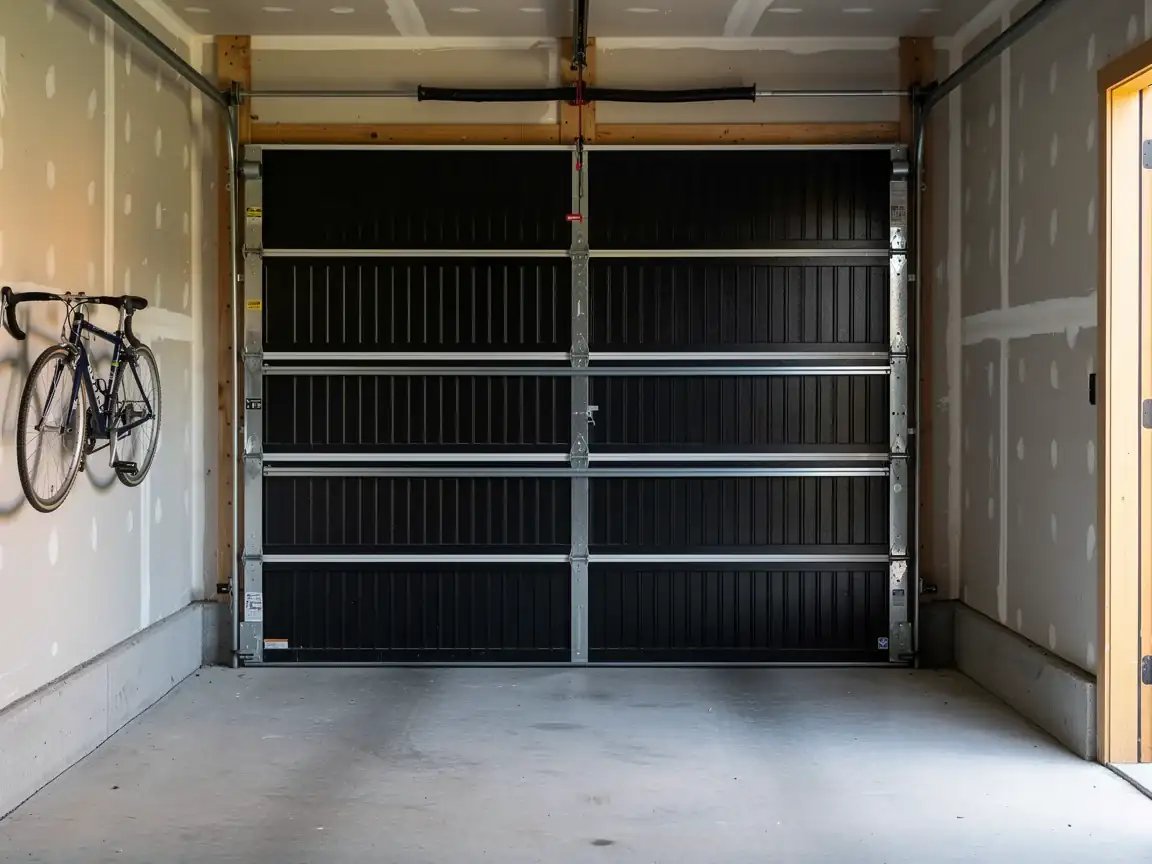
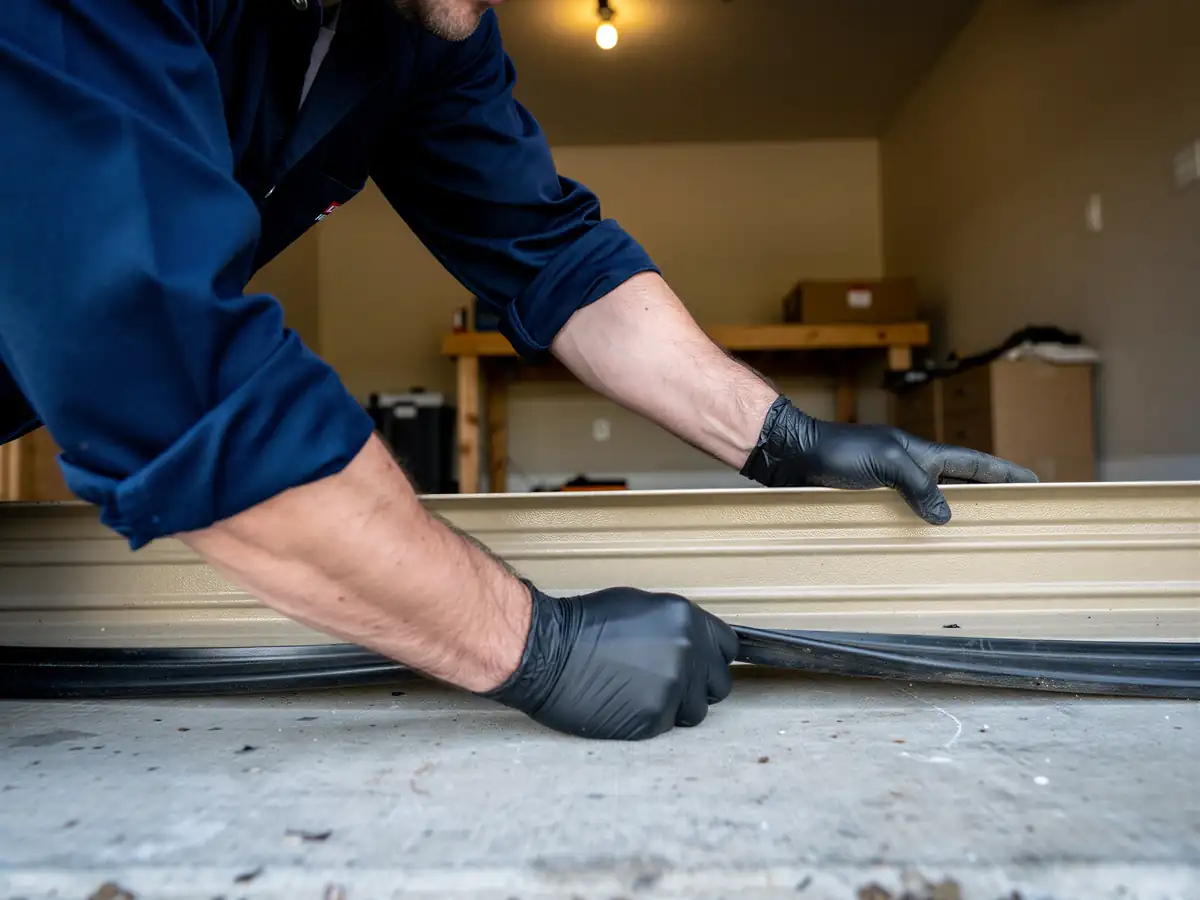
Goldsby sits in a cold-moderate climate band, which matters for the door choice itself. A single-layer steel door with no insulation is cheap and it's what a lot of these 2004-era builds shipped with, but it doesn't do much against a cold snap pushing through the garage wall into an attached living space. A two-layer or insulated steel door with weatherstripped bottom and side seals handles that swing better, and it's a common upgrade when a builder-grade door needs replacing anyway rather than just patched.
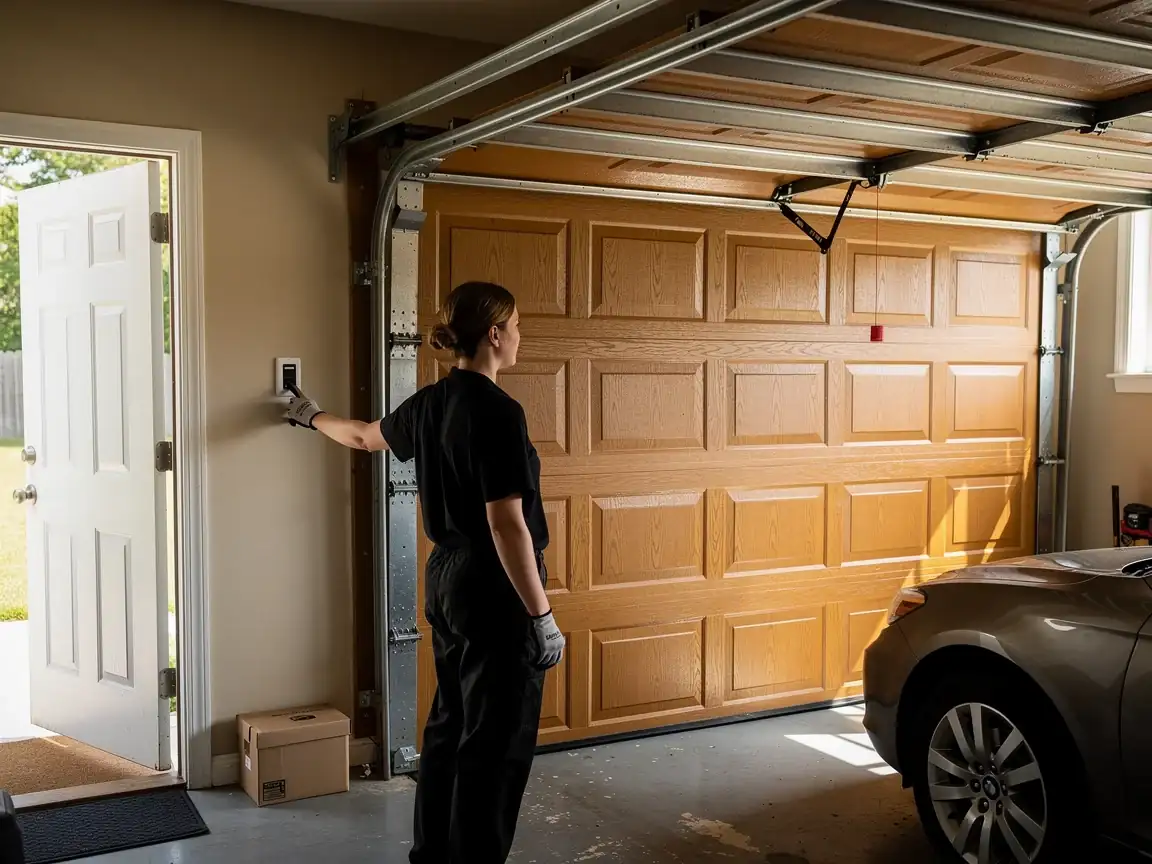
We also check the opener. A lot of these homes still run original chain-drive units from the build year - twenty years old is old for an opener, even one that still runs.
Doing It Yourself
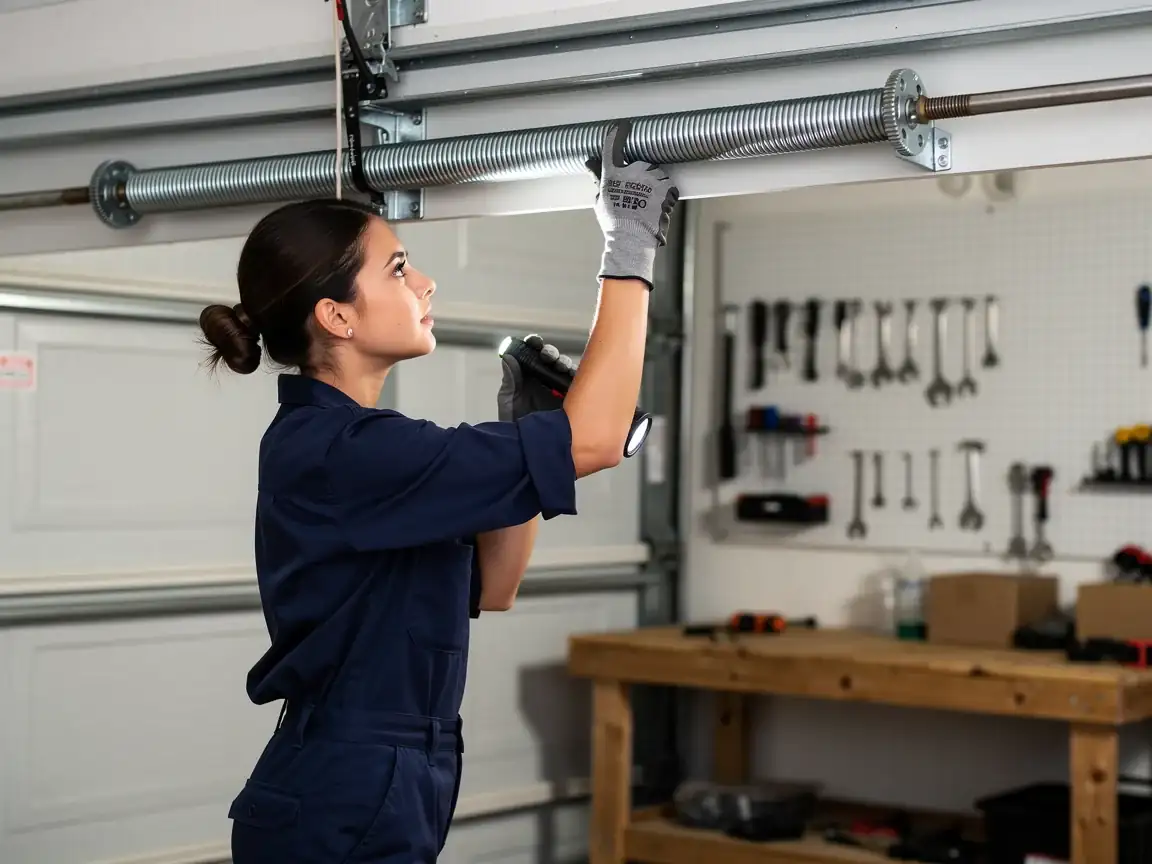
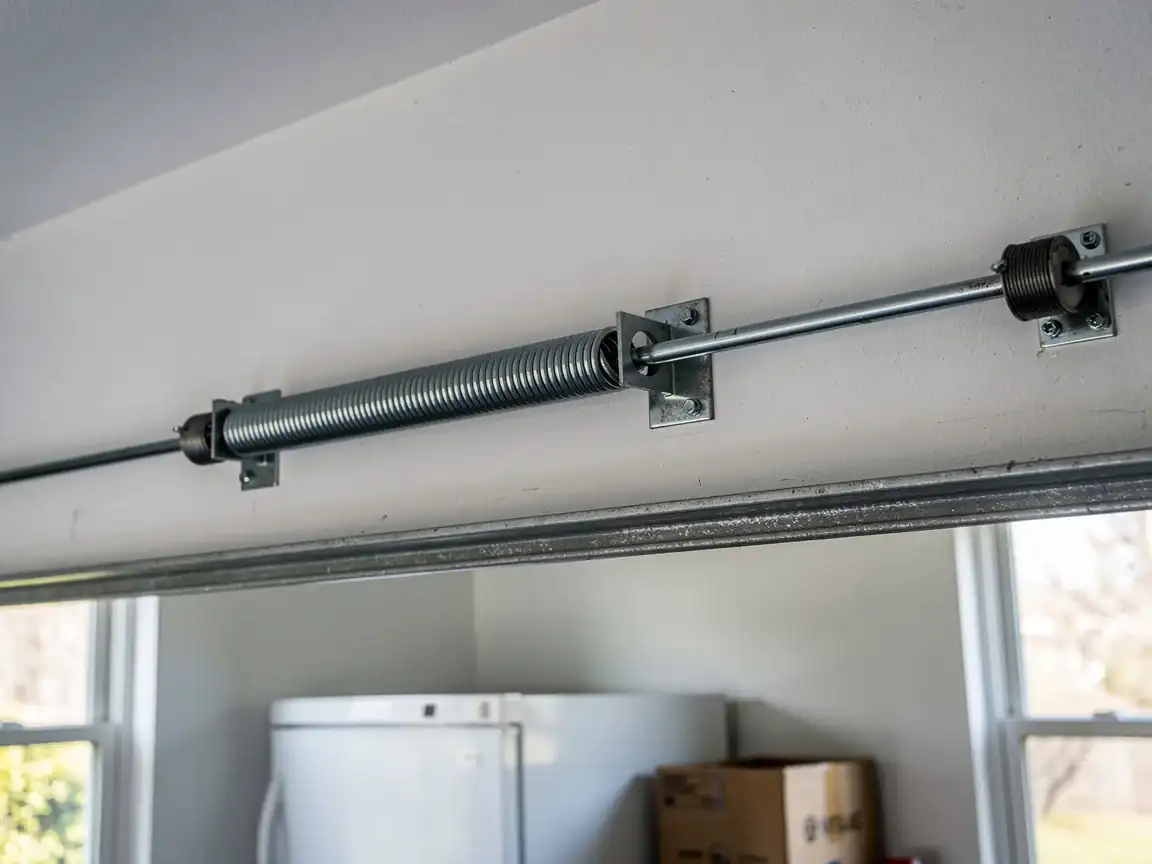
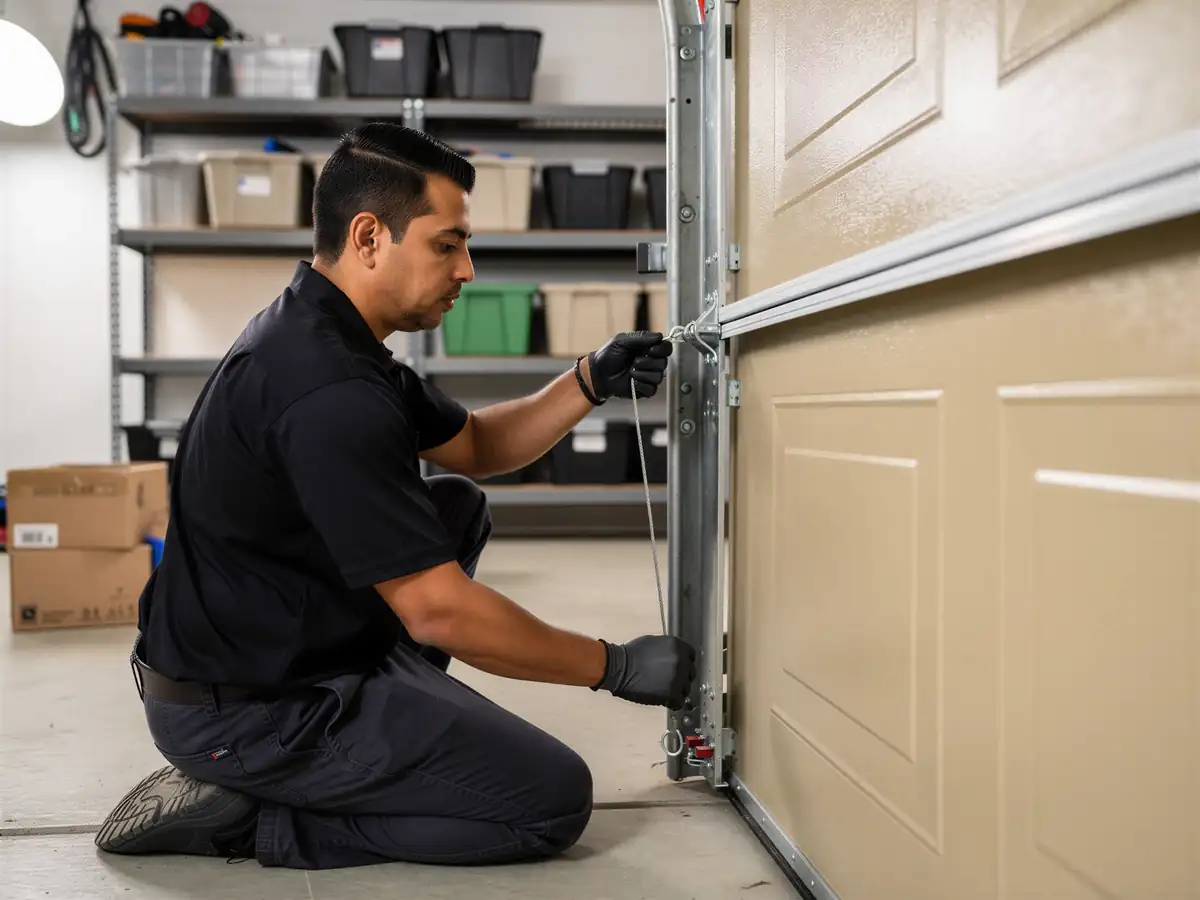
A new door panel set isn't a weekend bolt-on. The track has to be plumb on both sides or the door binds and the opener strains against it, and torsion springs are under enough stored tension to break a hand or worse if you wind them wrong. We've seen the aftermath of a DIY spring job gone sideways - it isn't the kind of mistake you get a second try at.
If you're comfortable with tools and want to do some of the labor, swapping weatherstripping or replacing rollers on an existing track is reasonable DIY territory. Setting a new door, squaring a new track, and balancing new springs for the panel weight is not - that's the part worth paying for. One honest limitation here: we don't do same-day emergency installs for a brand-new door order. If the panel needs to be special-ordered for an unusual opening size, that lead time is on the supplier's schedule, not ours.
Time on the Job
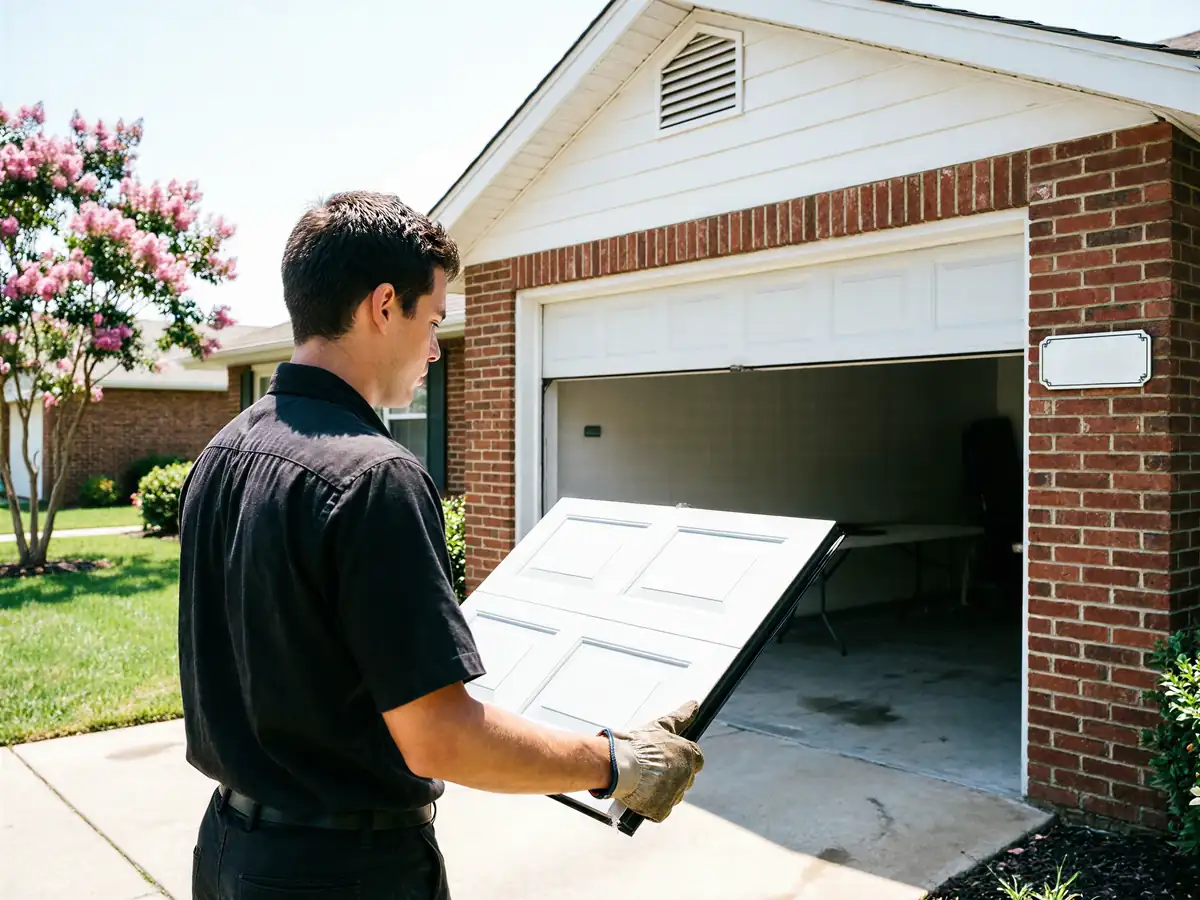
A standard single-car or double-car install
Once the door and hardware are on the truck, usually runs a few hours start to finish - old door off, track and hardware mounted, new door hung, springs balanced, opener reconnected and tested. The 11-mile drive from Norman adds to the day but not to the job itself; we build that into how we schedule the morning or afternoon slot rather than rushing the work once we're on site.
What stretches the timeline is anything non-standard
A header that needs reinforcing, an opening that's slightly out of square from the original 2004-era framing, or an opener mount that needs relocating for a taller insulated door. None of that is common, but it's common enough in builder-grade construction from that era that we check for it before quoting a time estimate, not after.
What Can Go Wrong
The most frequent surprise on a Goldsby install is a torsion spring rated for the original lightweight door being left in place under a new, heavier insulated panel. The door looks installed and closes fine for a few weeks, then the opener starts straining and the spring wears out fast because it was never sized for the new weight. We size springs to the actual installed door, not the old one.
The second issue is track alignment on openings that have settled slightly since 2004 - not dramatic, but enough that a brand-new door can still bind on one side if the old track was shimmed to compensate for it. We re-level the track rather than reuse the old shim job. Opener compatibility is the third: older chain-drive openers sometimes won't pair cleanly with a heavier insulated door without a stronger drive unit, which is worth flagging before the new door goes up, not after.
The Cost of This Job
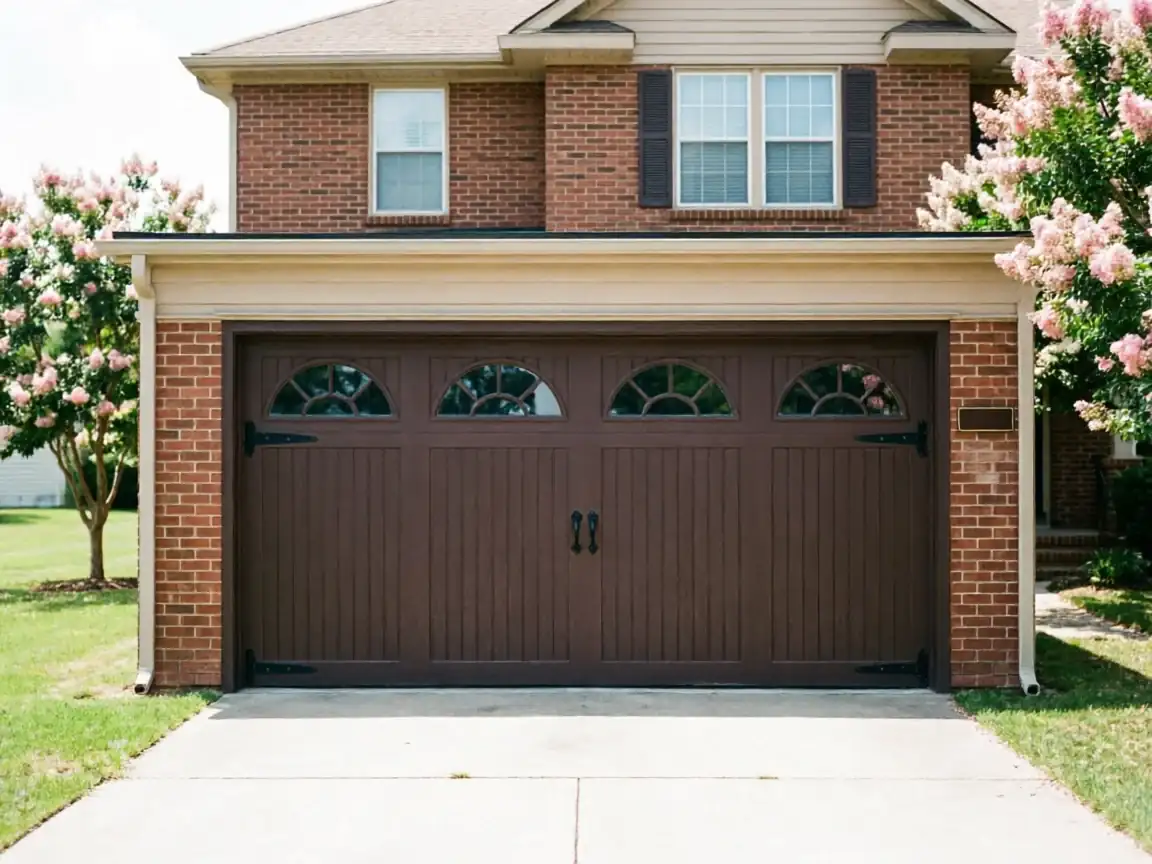
We don't have a set price to quote here without seeing the opening and the door you want - size, insulation level, and window options all move the number, and we're not going to put a figure on the page that doesn't hold up once we're standing in front of your garage. What we can say: Goldsby's median household income runs higher than the wider service area's $75,000, and in practice that tracks with more homeowners here choosing insulated or carriage-style doors over the base builder-grade steel replacement, since the extra cost is a smaller stretch relative to the household budget. That's a trend, not a guarantee - plenty of Goldsby homeowners want the simplest door that closes right, and that's a fair call too.