How to Book
We're based in Norman, about 7 miles from Noble
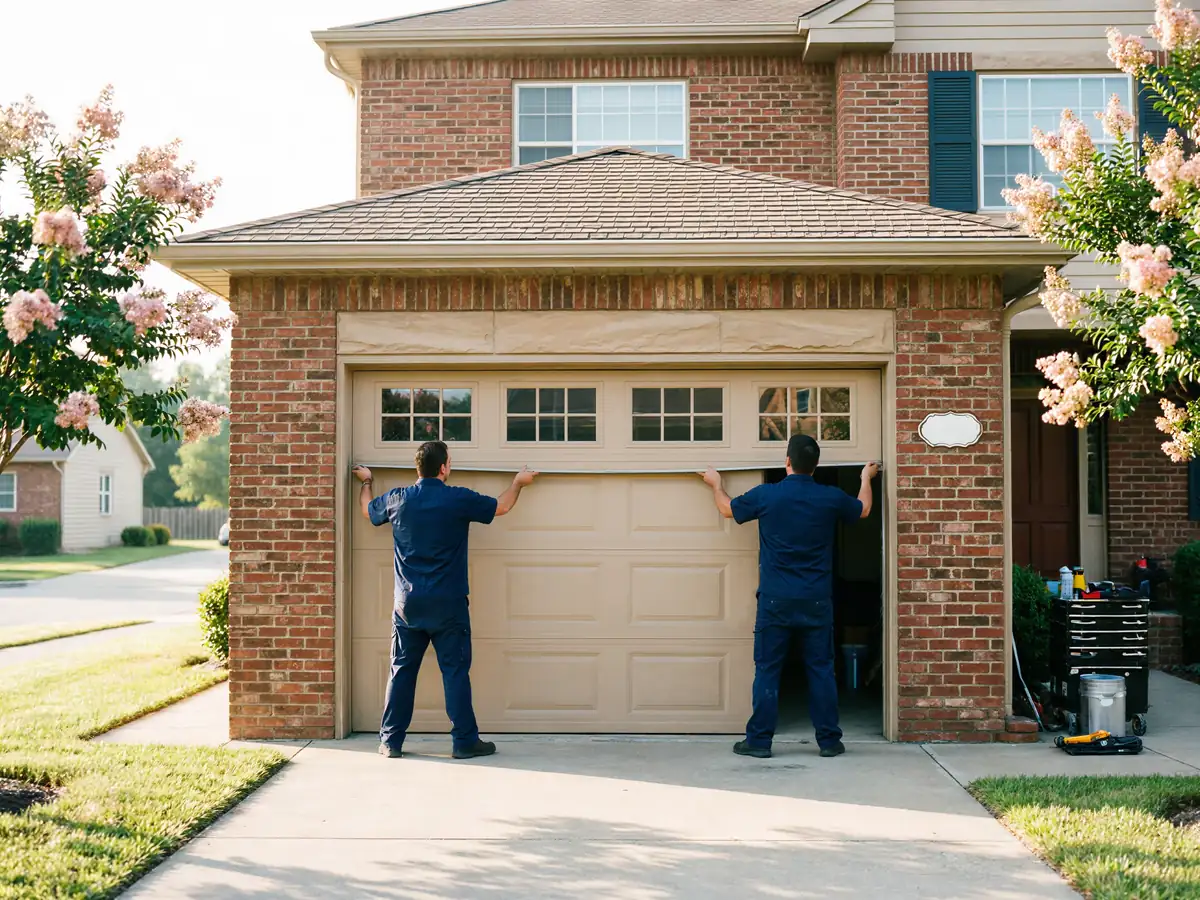
And we run trucks out this way on a regular basis. Call and tell us what the door's doing - won't open, won't close, makes a bang, one side sags - and we'll get you on the schedule. We don't keep a branch in Noble itself, so every job here is a trip out from Norman, which is worth knowing if you're hoping for a same-hour fixed appointment on a holiday weekend. For most repairs that's not an issue; we just ask that you give us a clear description up front so the truck that shows up has the right spring and roller stock already loaded.
- 7 miles
If you're not sure whether it's worth a service call versus living with it another winter
Say so when you call. We'd rather talk you through it on the phone than have you pay a trip charge for something you can diagnose yourself in five minutes.
Use the Noble garage door repair page for more detail on what we cover out here
Or the Norman page if you're closer to town proper.
Why This Fails Locally
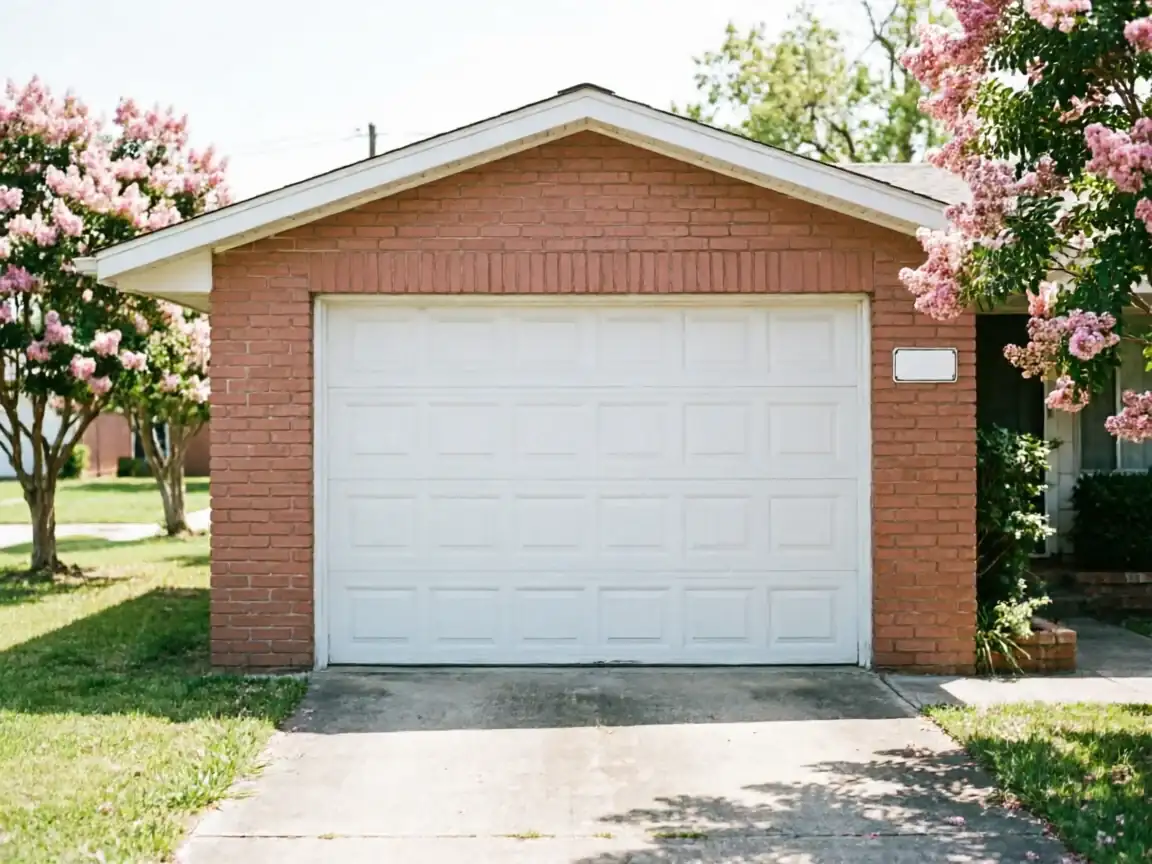
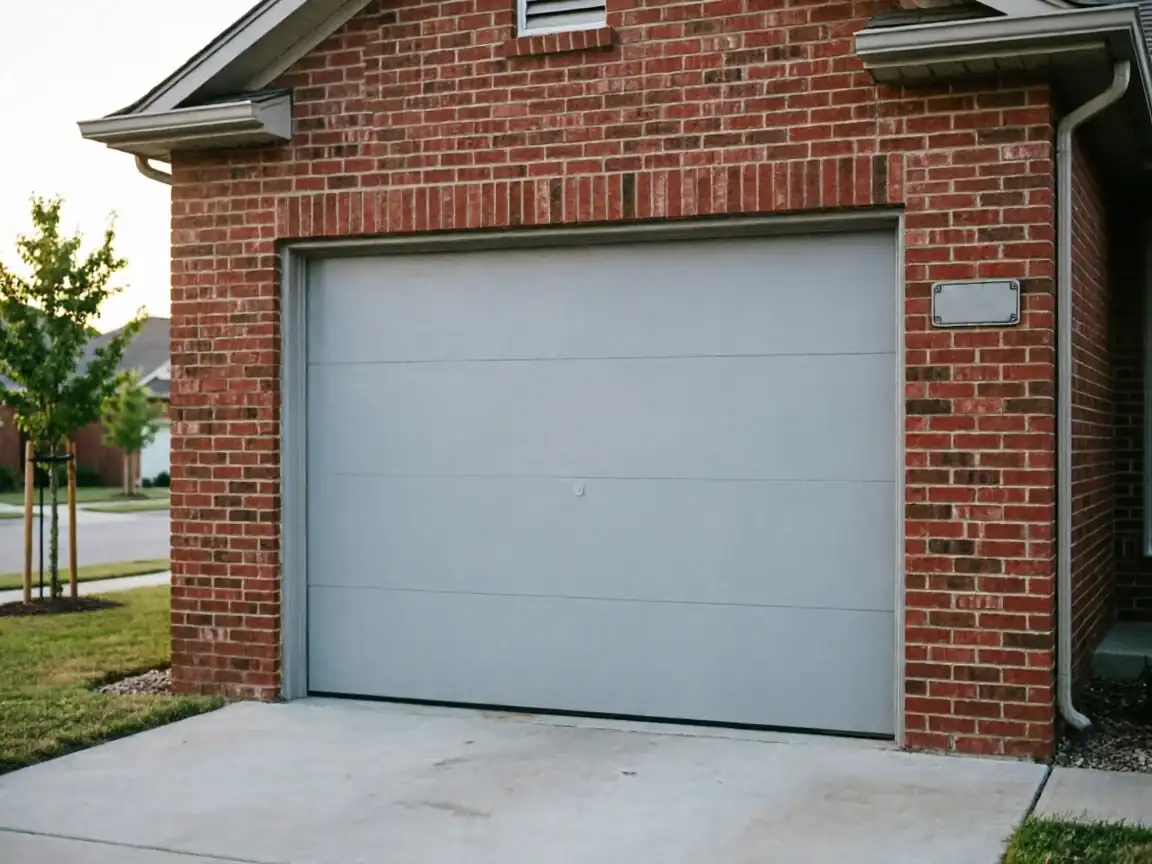
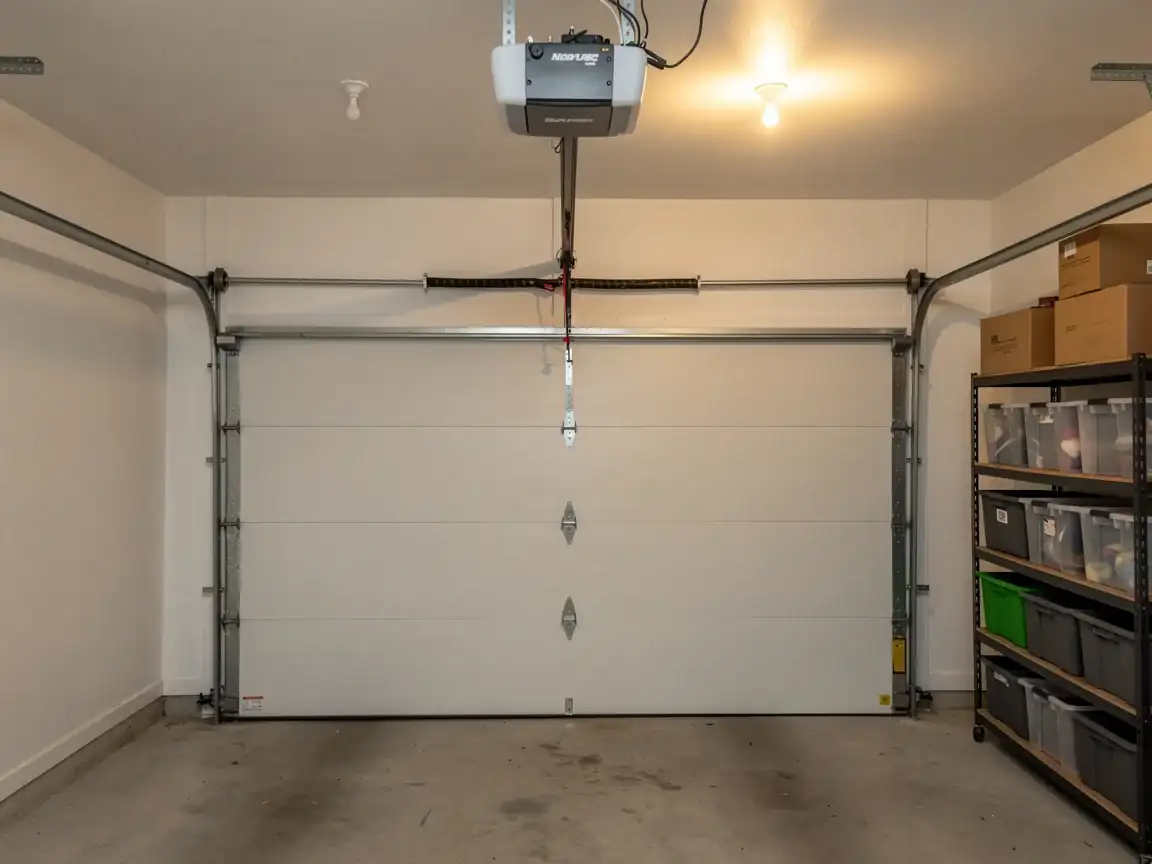
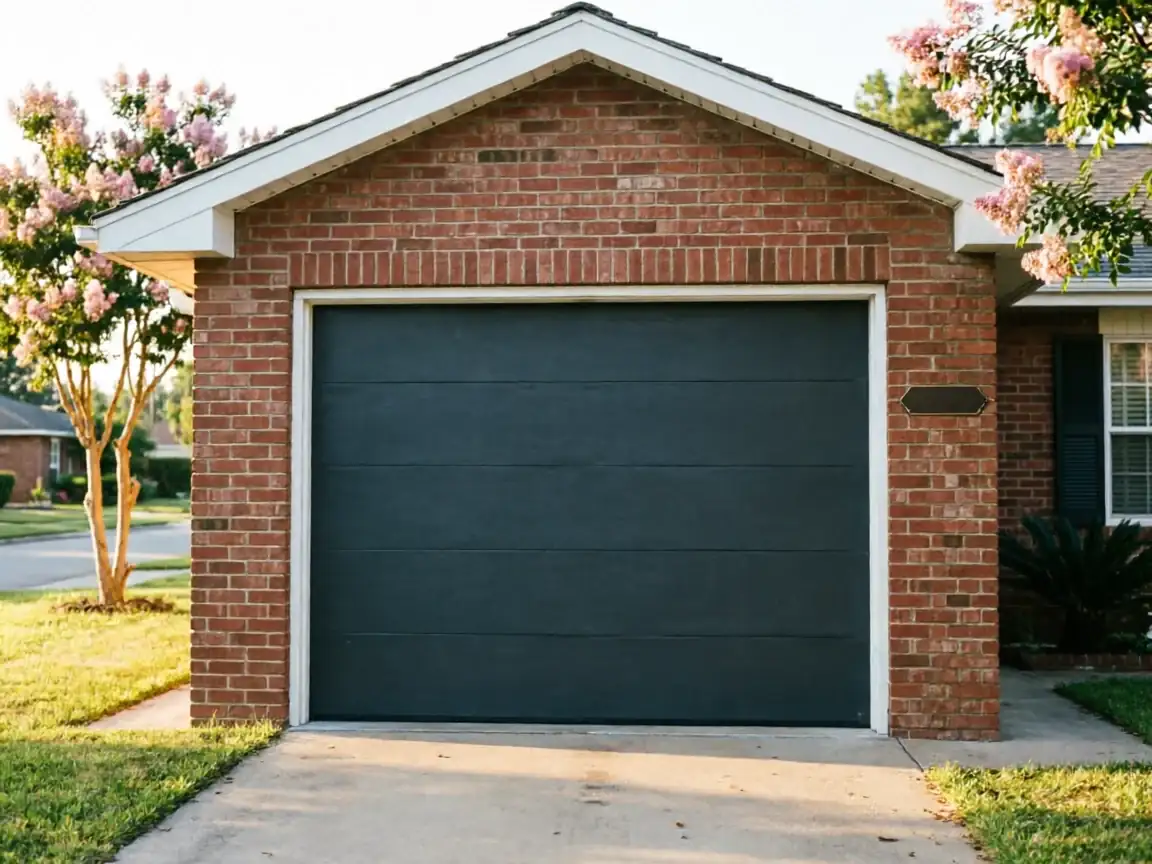
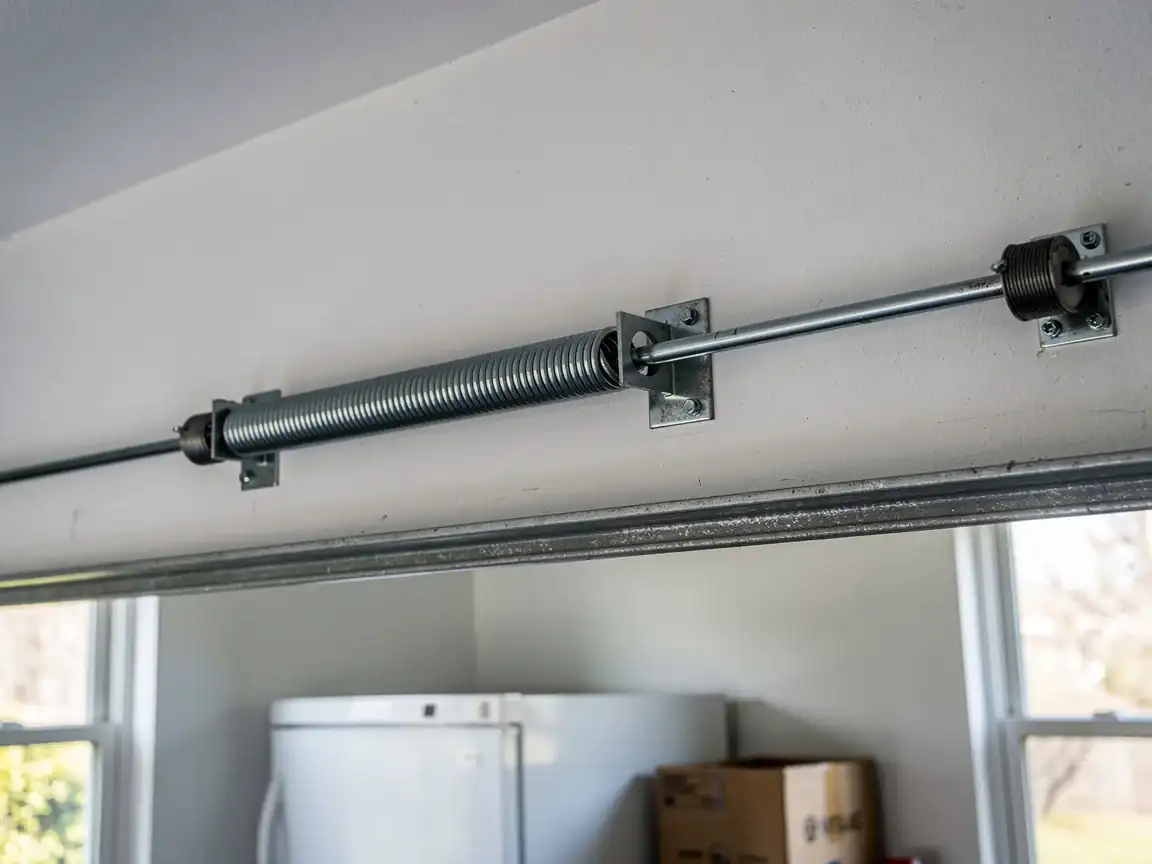
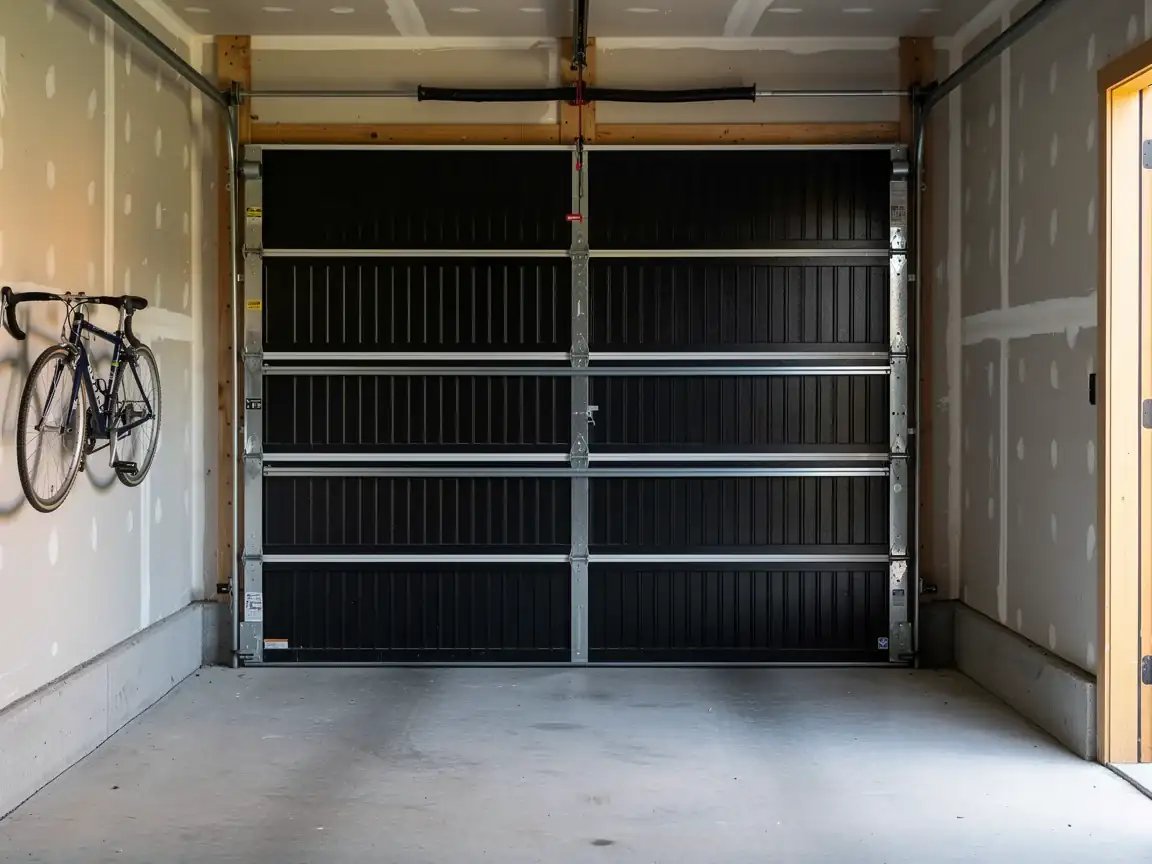
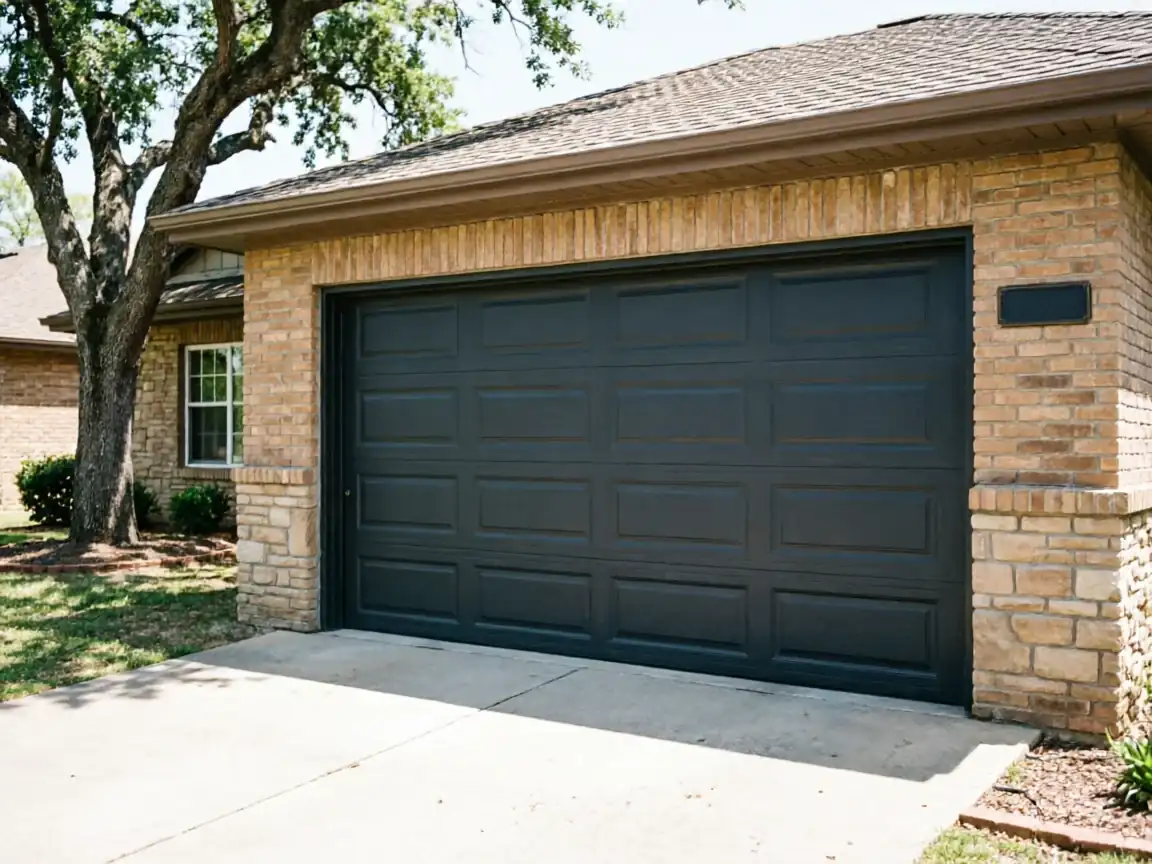
Noble's housing stock centers on 1989, squarely in the builder-boom years that put steel sectional doors on nearly every garage in the service area. These aren't the heavier insulated doors going into new construction today - they're single-layer or thin double-layer steel panels, usually 16x7 for a two-car opening, hung on torsion springs sized for that lighter weight and that era's track geometry. After thirty-plus years, the galvanized coating on the torsion spring has usually cycled past its rated life, and the steel itself has started to show stress fatigue at the panel seams, especially on the bottom section where rain and ice sit.
The other thing that era brings: hardware nobody sizes the same way anymore. End bearing plates, that period's standard rollers, the specific drum sizing on a short-radius torsion setup - it's not exotic, but it's not what shows up in a generic big-box repair kit either. A tech who doesn't carry parts matched to late-'80s steel doors ends up jury-rigging a fix that fails again in a year. That's the actual local failure mode here, not a generic 'garage door issue.'
The Cost of This Job
We don't post a flat price here because the job varies - a single broken torsion spring on a 16x7 steel door is a different cost than a full spring-and-cable replacement on a door that's been limping along with mismatched hardware. What we can tell you is that Noble's median household income runs noticeably higher than the broader service area - $85,452 here against roughly $75,000 across the territory - which tends to mean homeowners here ask for the repair done right the first time rather than the cheapest patch, and that's the standard we work to regardless of ZIP code.
With roughly 3,054 households in Noble, most sitting on that late-'80s steel-door stock, the repairs we see are consistent enough that we're not guessing at parts or pricing when we quote a job. Get a number over the phone before the truck leaves Norman, and if something changes once we're looking at the door in person, we'll tell you before we touch anything.
Time on the Job
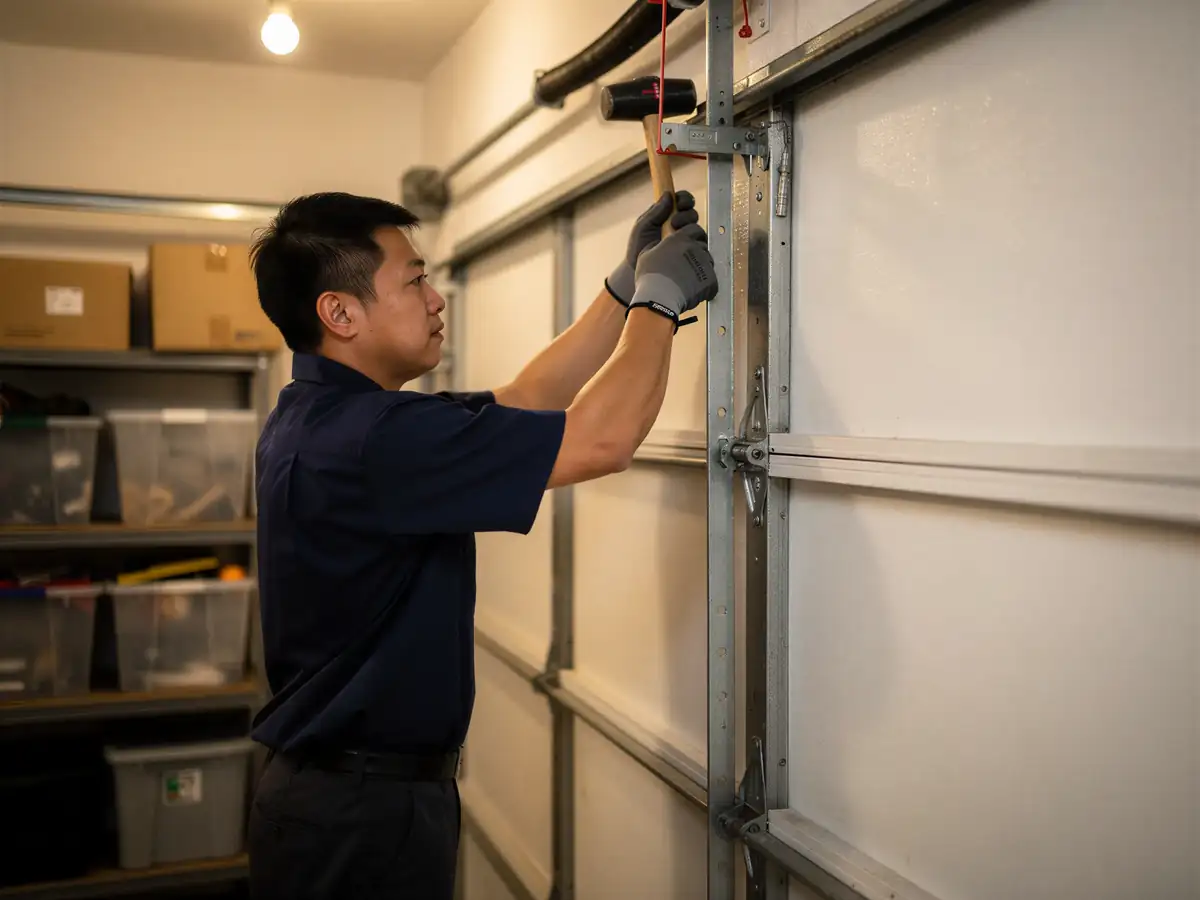
A straightforward torsion spring swap on a standard steel door, once the truck is on site, doesn't take long
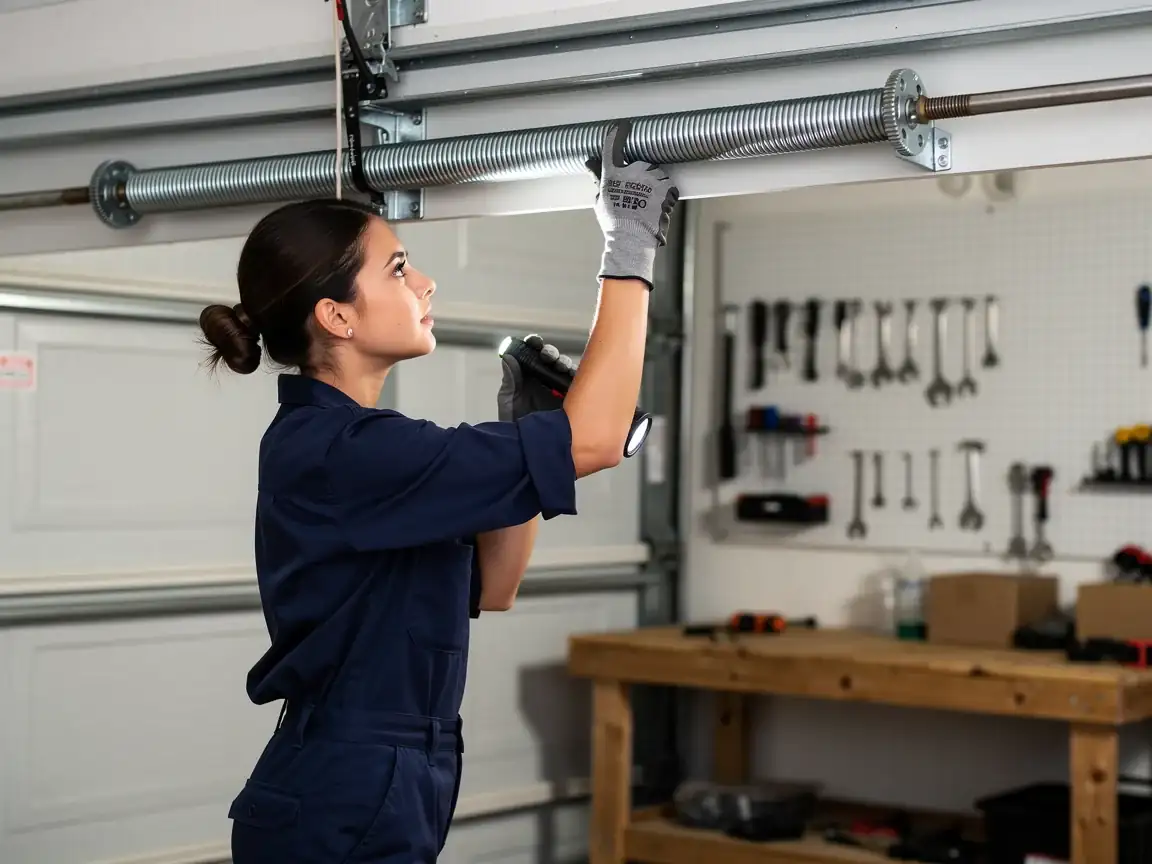
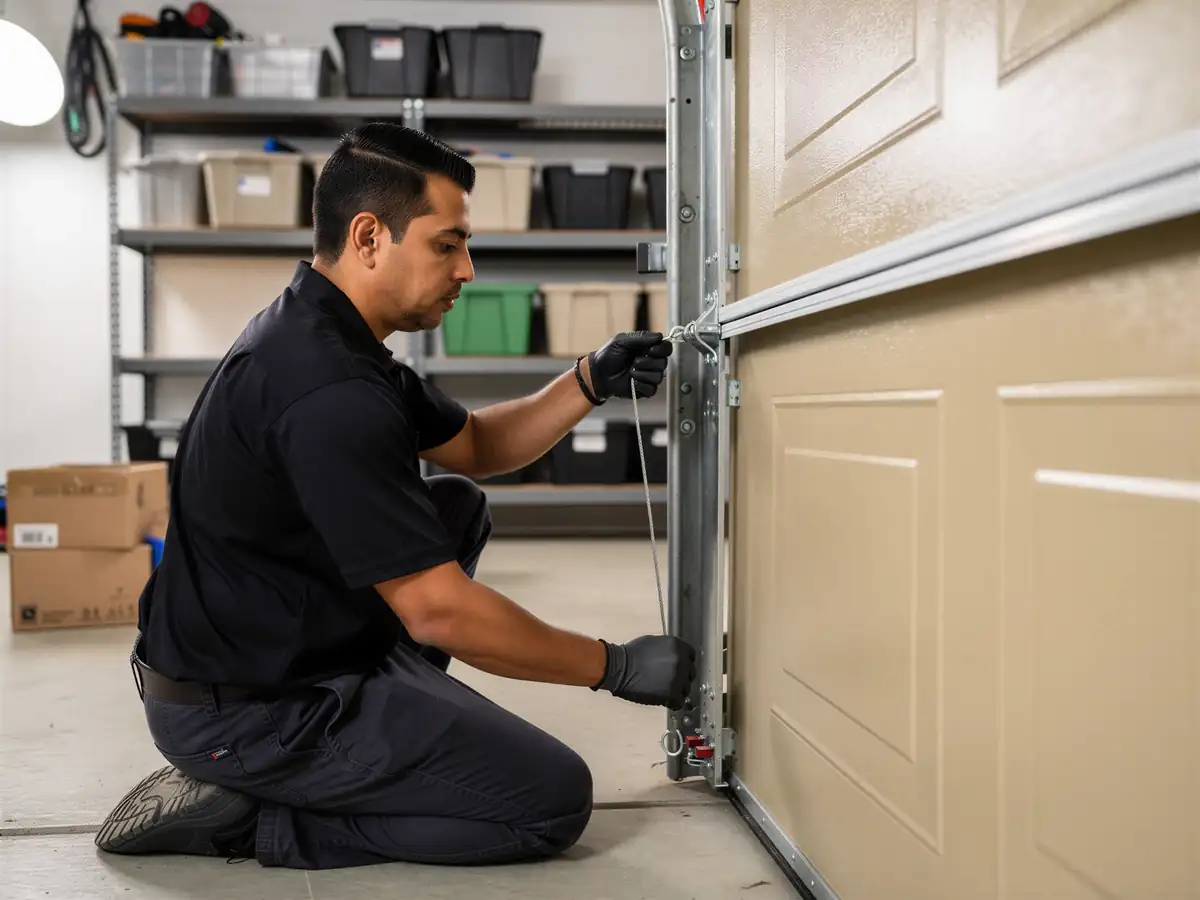
Most of the time on these calls goes into matching the spring wind and drum size correctly so the door doesn't end up unbalanced again in six months. Cable replacement, roller runs, and track alignment on a thirty-plus-year-old door usually take a bit longer, because we're often correcting whatever was done to the hardware in an earlier repair rather than starting from factory spec.
The variable that actually matters here is the drive time, not the repair time
We're coming from Norman, so plan for that in your morning rather than expecting a same-hour arrival. Once we're on site working on a door from this era, the labor itself is routine - it's parts that match the panel weight and spring era we're solving for, not anything exotic.
Parts We Carry
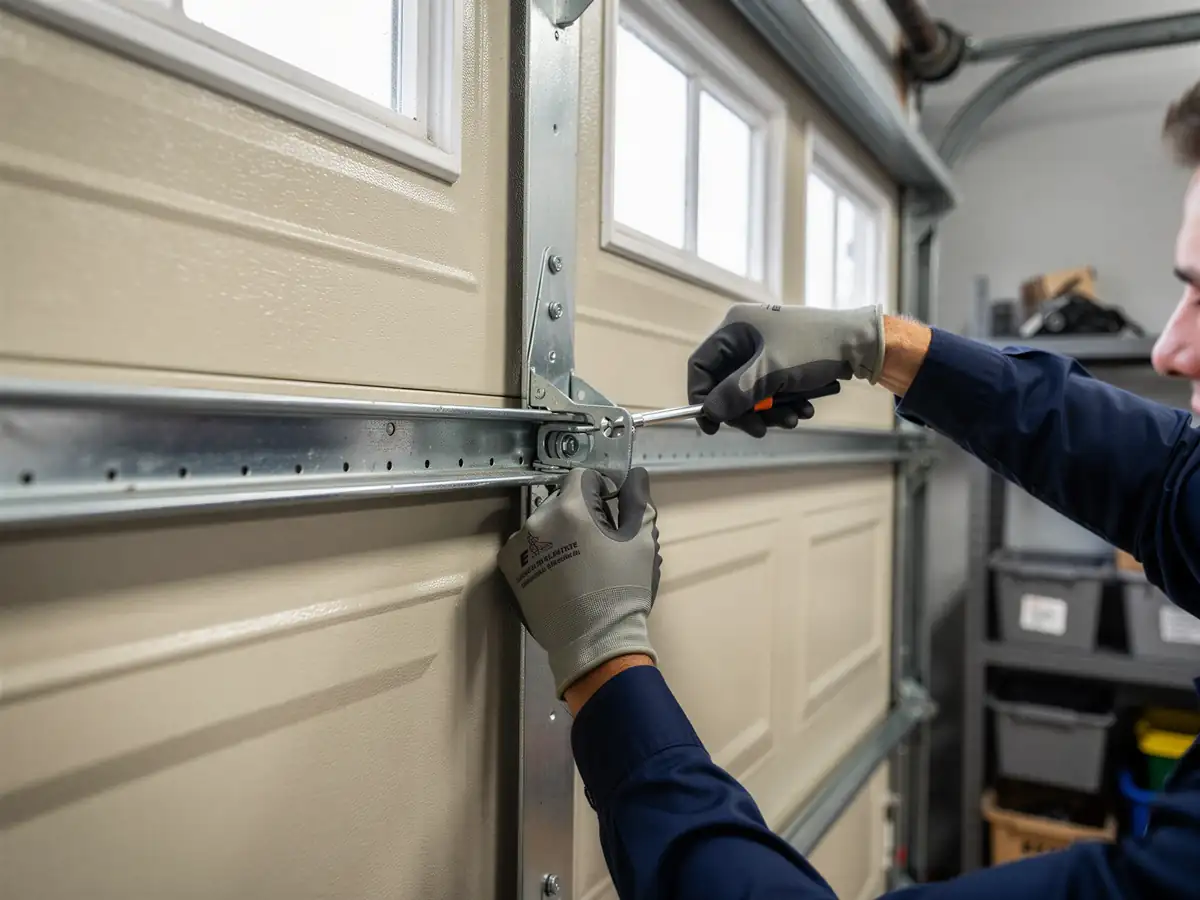
Because so much of Noble's housing clusters around 1987-1989 construction, we stock torsion springs and drums sized for that generation of steel sectional door rather than relying on universal kits. Steel panel sections in the common 16x7 double-door width, standard rollers, and end bearing plates matched to that era's track width are all things we carry on the truck, not things we special-order after we've already diagnosed the problem on site.
Where we run into limits is custom or architectural doors - anything wood, anything with a non-standard width, or a door that's been retrofitted with aftermarket hardware that doesn't match the original spec. Those jobs sometimes need a part ordered in, and we'll tell you that up front rather than promise a same-visit fix we can't deliver. For the standard steel door that makes up most of this area's garages, though, we're not waiting on a supplier to get you moving again.
What Can Go Wrong
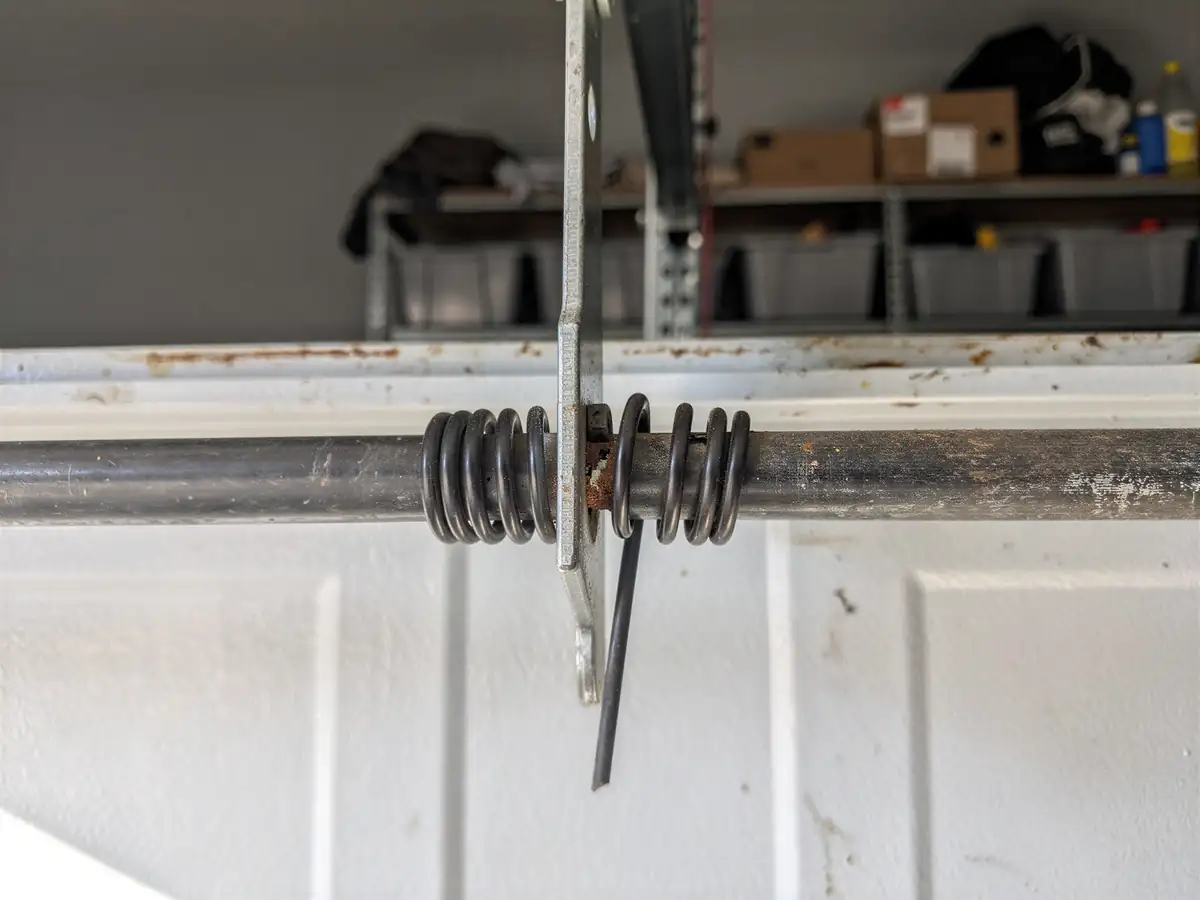
The most common call out of Noble is a broken torsion spring - expected, given how many doors here are past the age where that spring was rated to perform. Close behind that: cables fraying at the bottom bracket, often on a door where the spring was replaced once before but the cable wasn't checked at the same time. Rollers on a thirty-year-old track wear unevenly, which shows up as a door that binds on one side or rattles louder than it should.
Oklahoma's climate here runs cold and variable enough that temperature swings put real stress on steel panels and the seals around them - not dramatic storm damage, just the steady cycle of contraction and expansion that eventually opens a seam or stiffens a spring past its working tension. None of this is unique to any one house in Noble; it's what you'd expect from a door built when most of this area's houses were built, used the way Oklahoma weather uses a steel door over three decades.