Why This Fails Locally
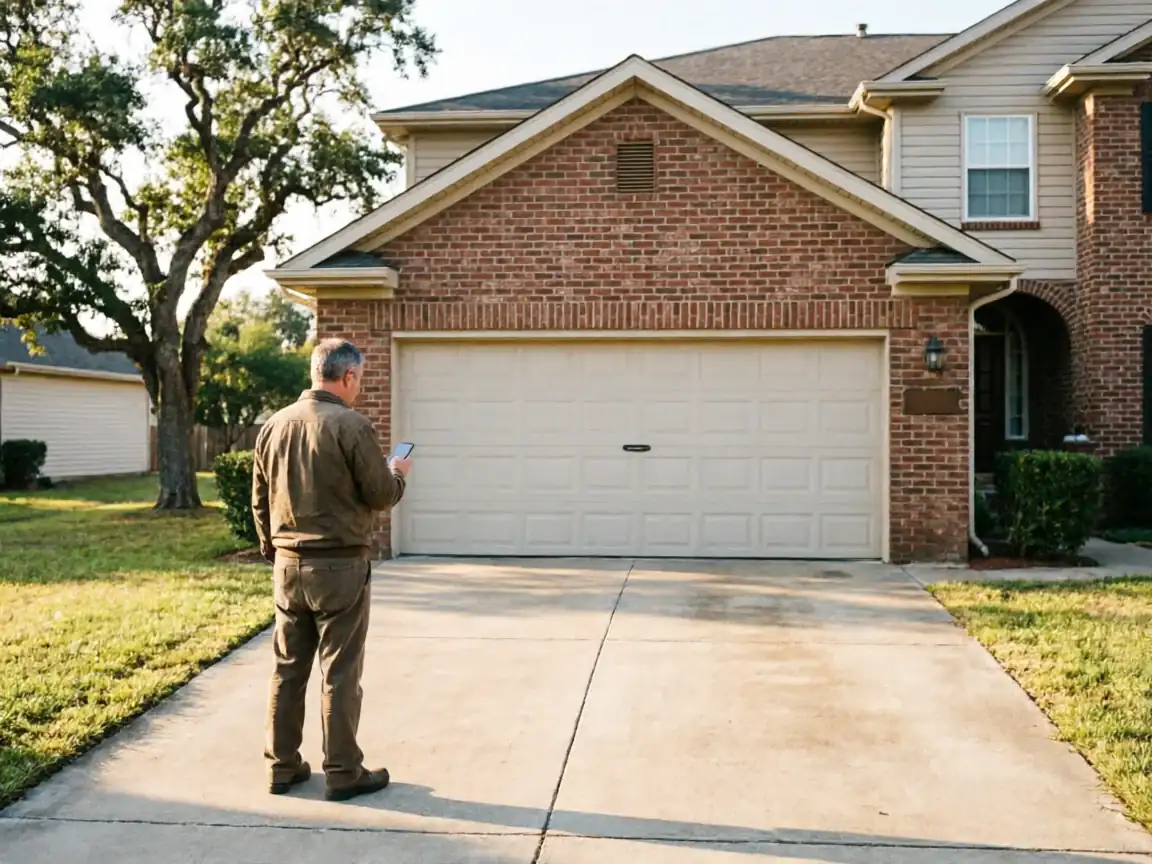
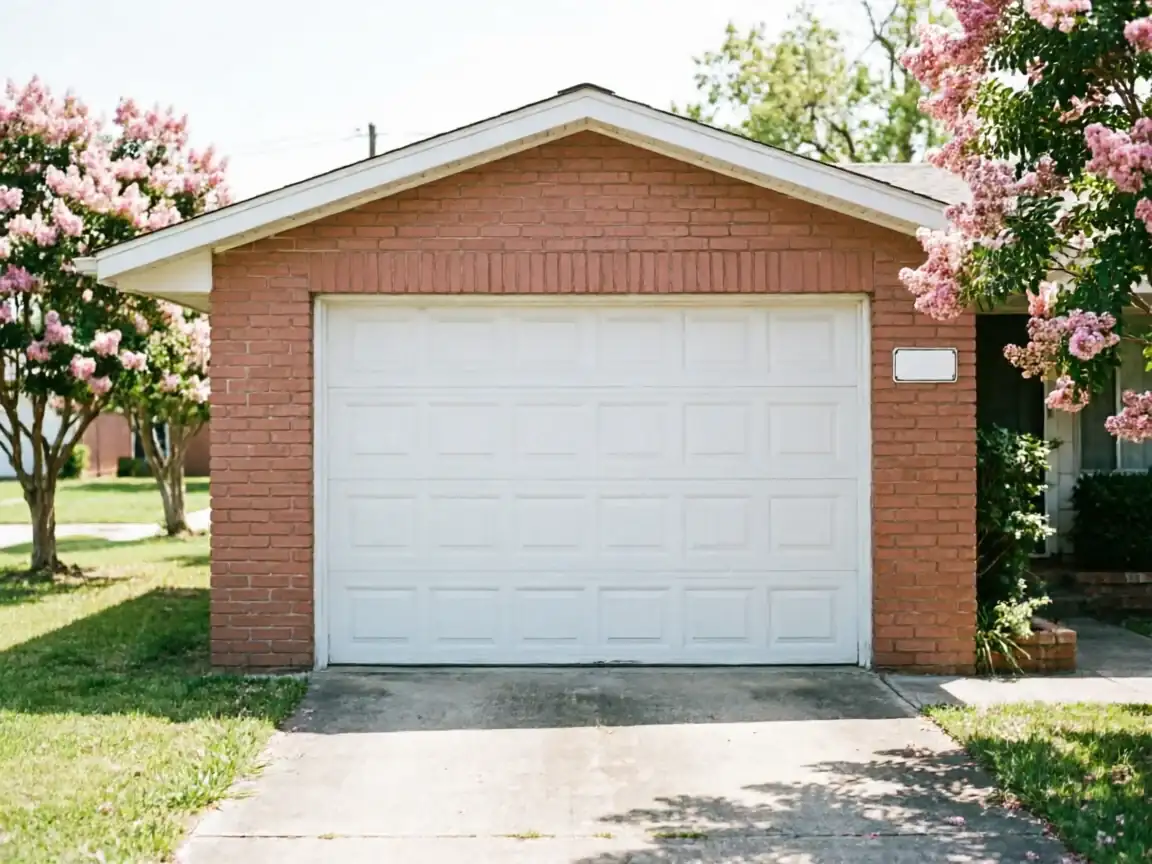
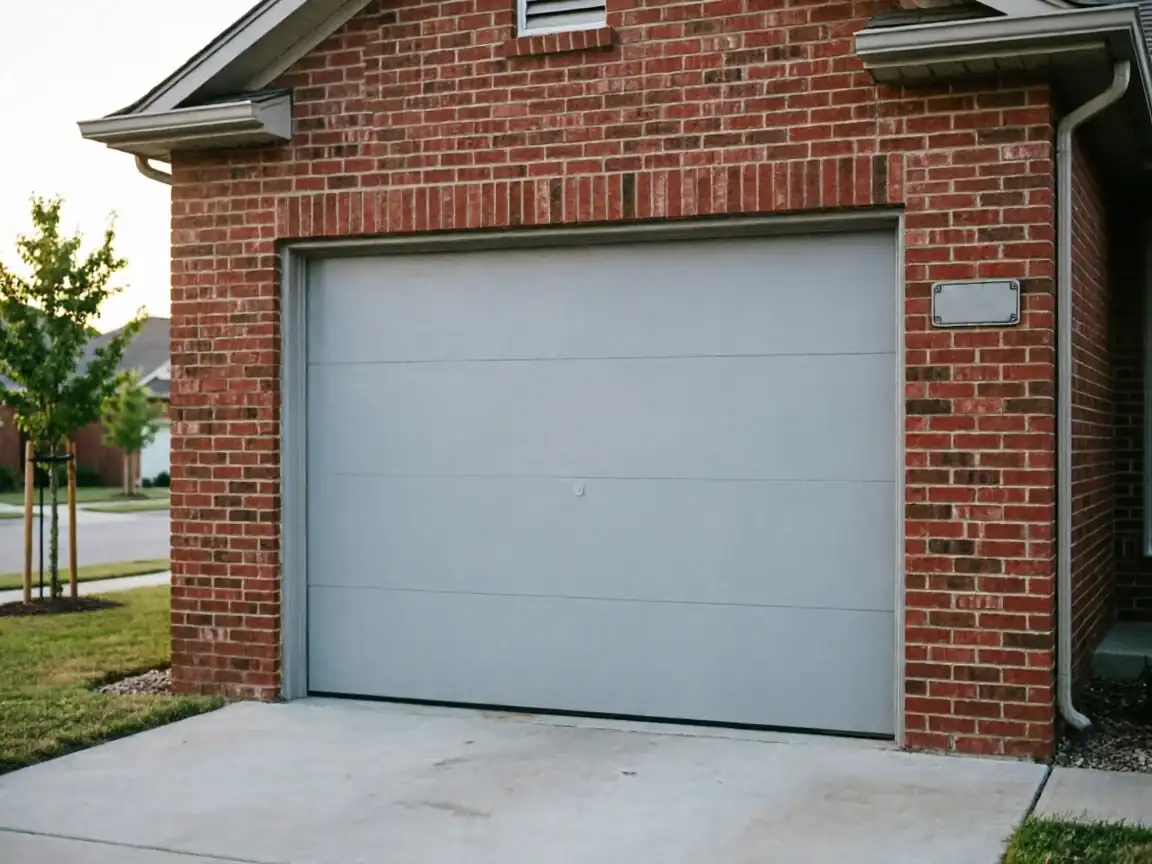
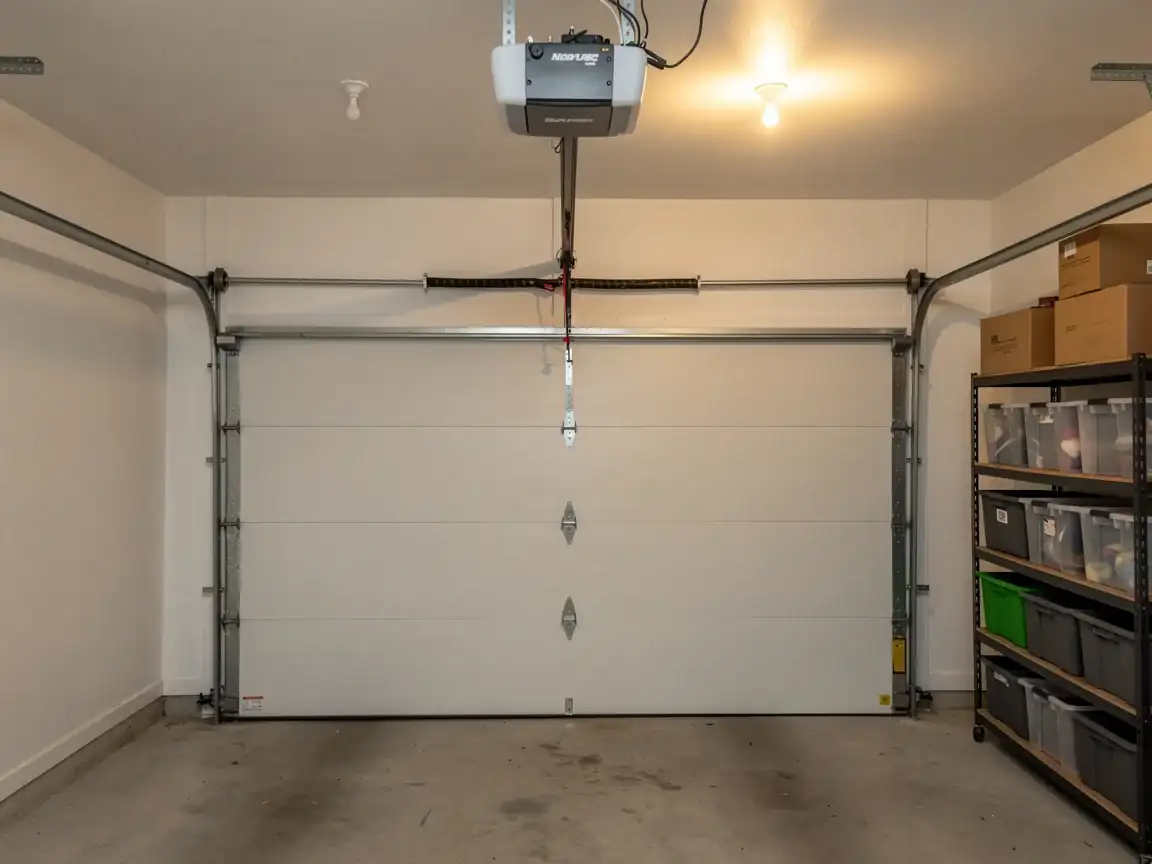
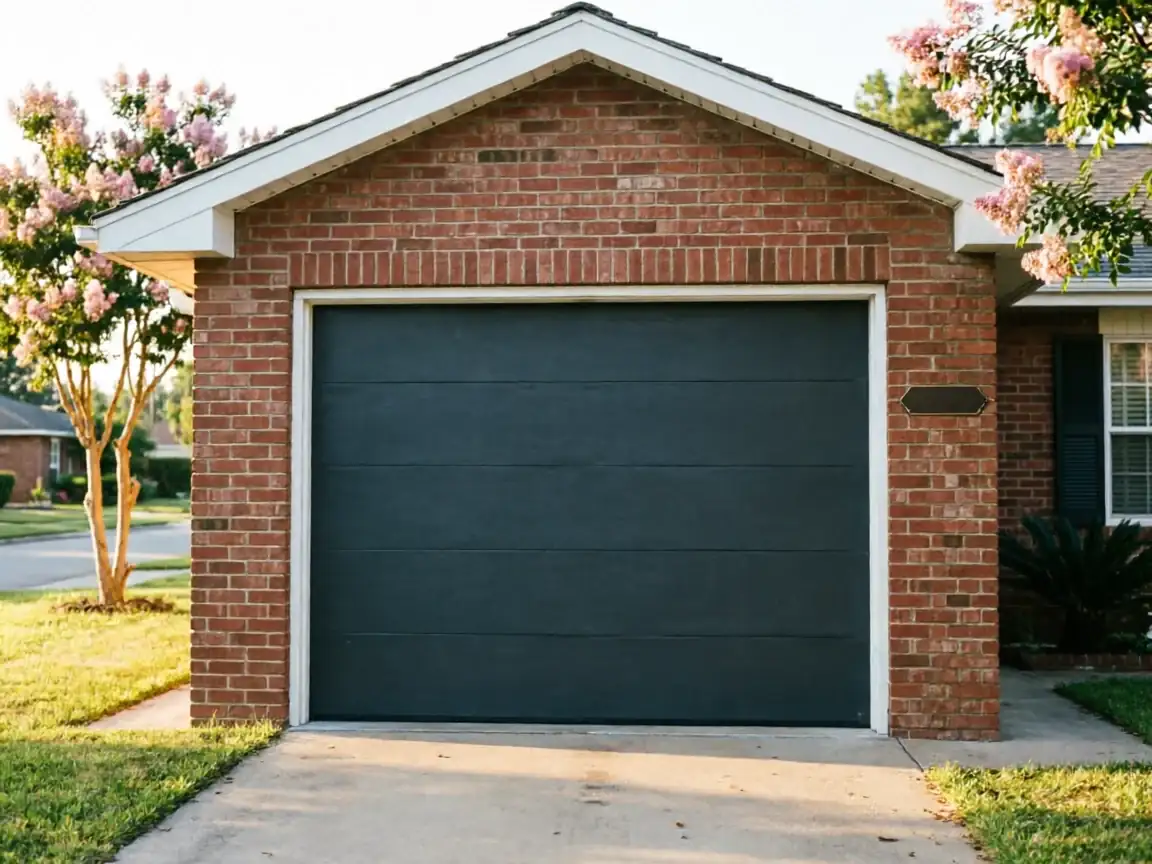
Across the area we cover, most houses went up between 1964 and 2004, median around 1987. Noble's own housing stock centers tighter than that, with a median build year of 1989. That matters because doors installed when a house was built are usually still the original unit or a direct one-for-one replacement from the 90s, sized and hung for hardware that isn't what's on the shelf anymore. A door that fails here usually fails because the track spacing, the spring size, or the opener bracket was built for a specific door that no longer matches what's sold today. Swapping in a generic big-box door without checking the opening first is how you end up with gaps at the header or a door that won't seal against an Oklahoma winter. In a cold-moderate climate band, that gap isn't cosmetic - it's a heating bill and a frozen track by February.
The Cost of This Job
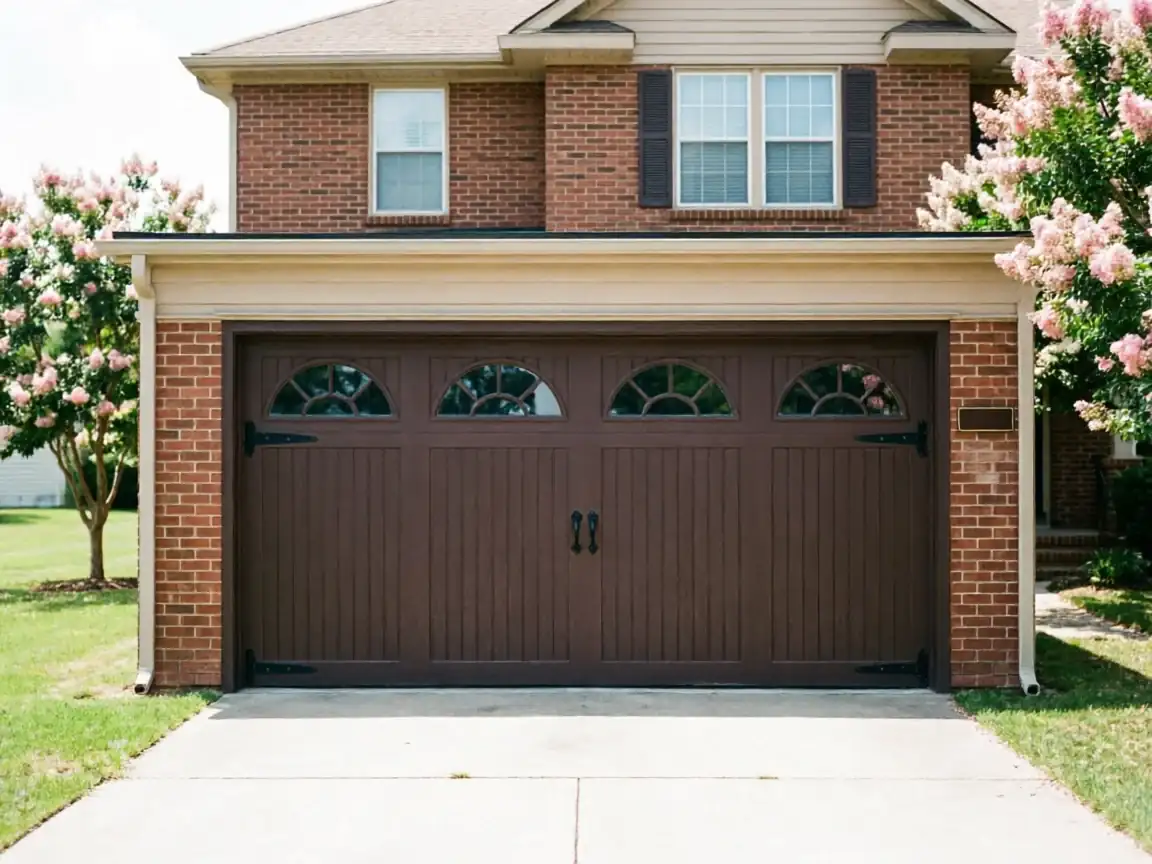
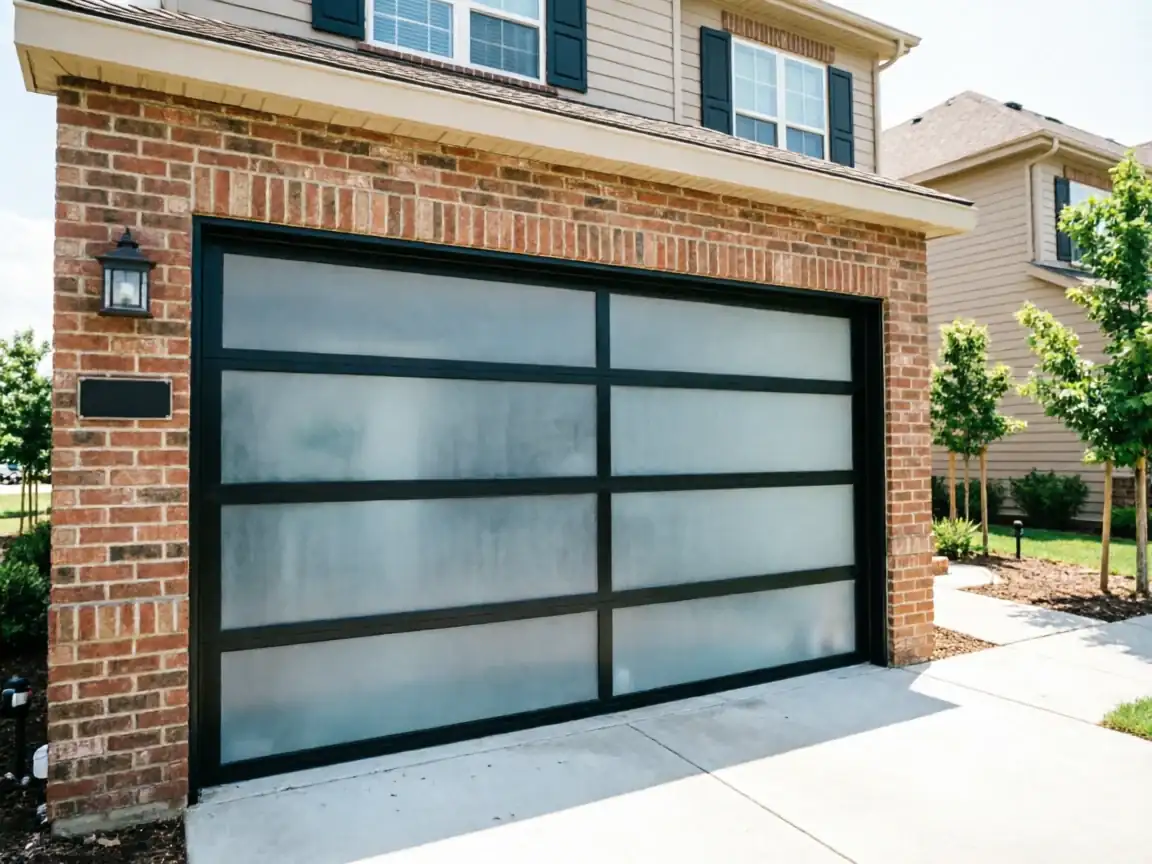
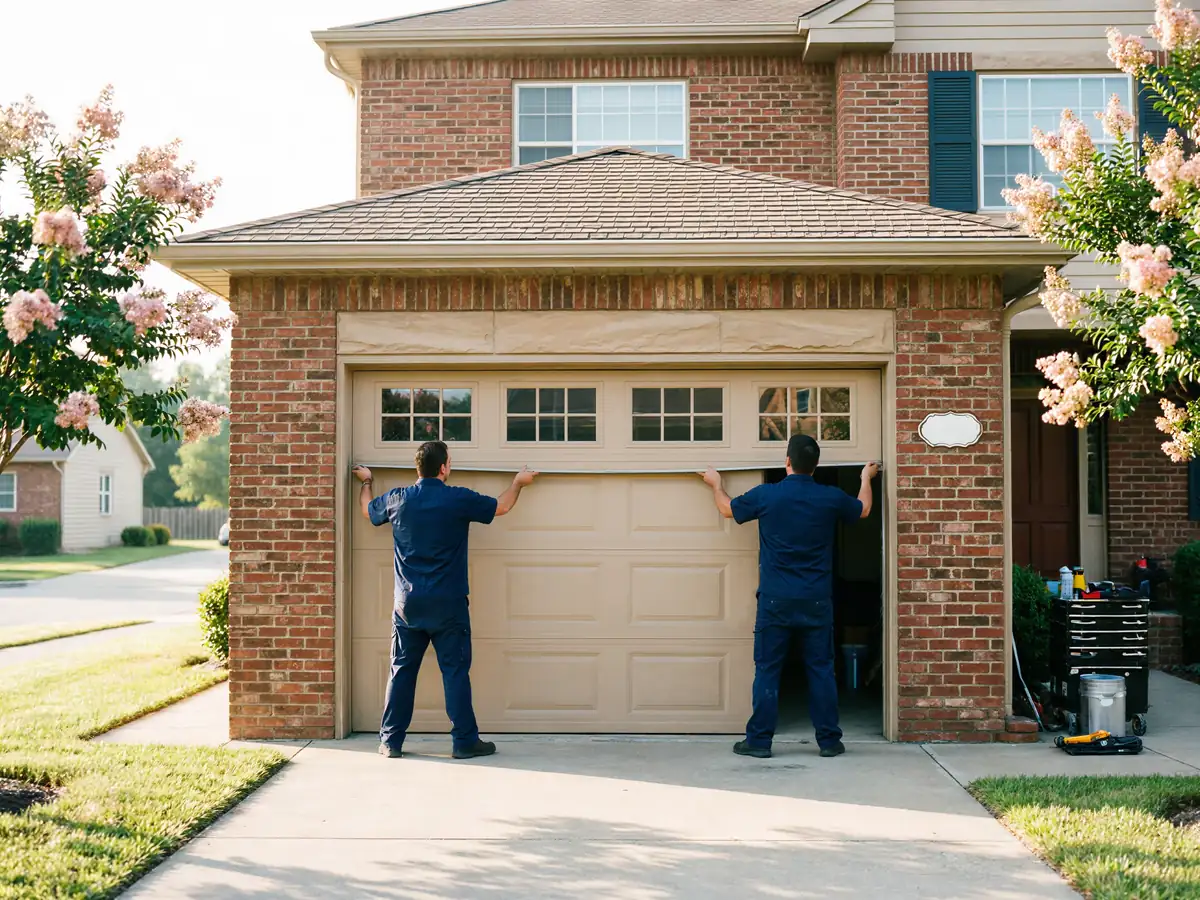
We don't post a flat price for new installs because door size, insulation level, and whether the opener needs replacing too all move the number. What we can tell you is that Noble's households run a median income of $85,452, noticeably higher than the roughly $75,000 median across the wider service area, and that shows up in what homeowners here typically choose - insulated steel doors and quieter belt-drive openers more often than the base-model door that gets installed to flip a house. We'll quote the job after we see the opening and talk through what you want out of it, not before.
Parts We Carry
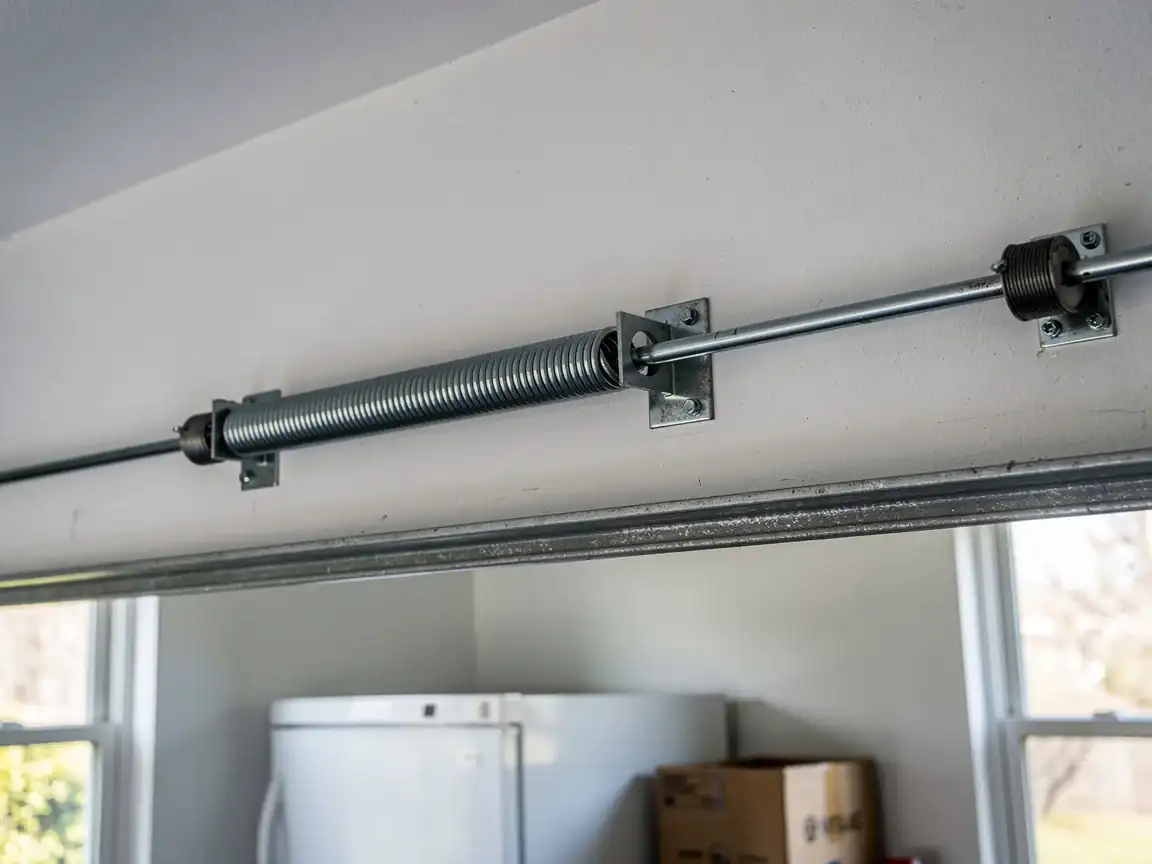
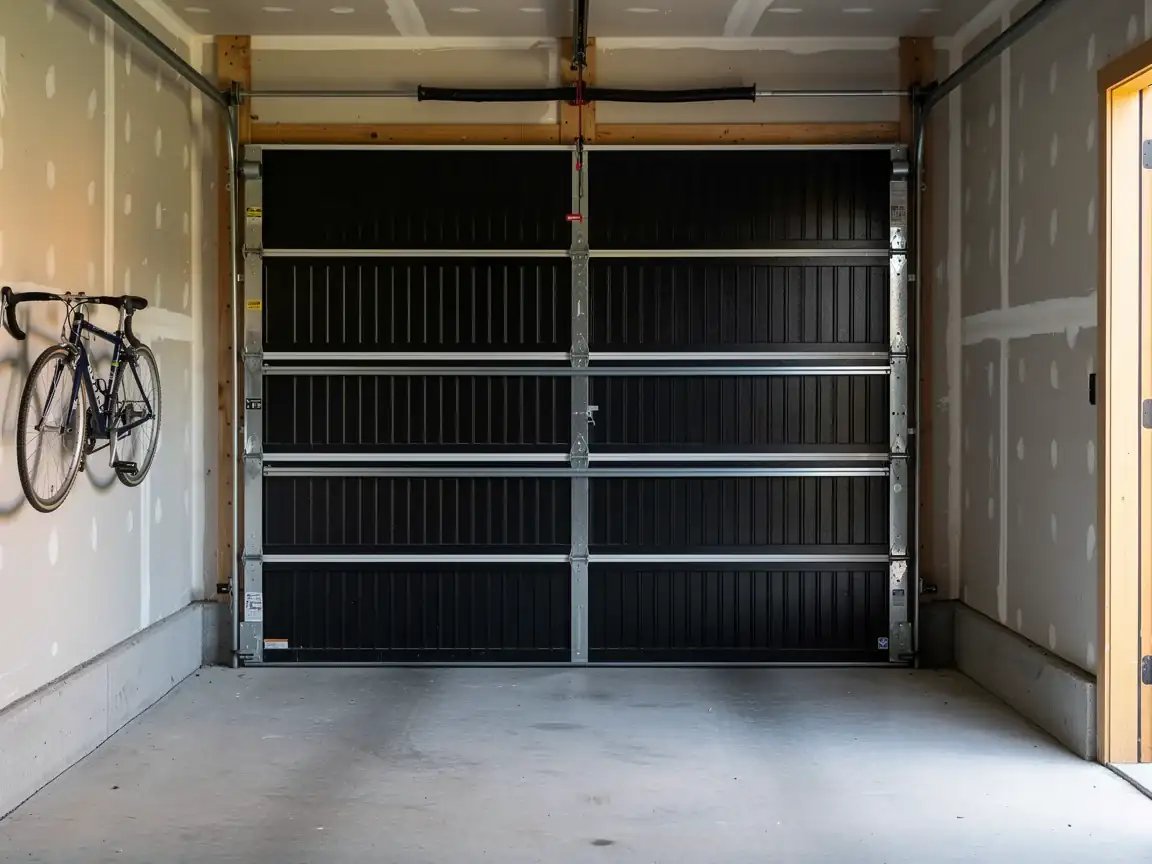
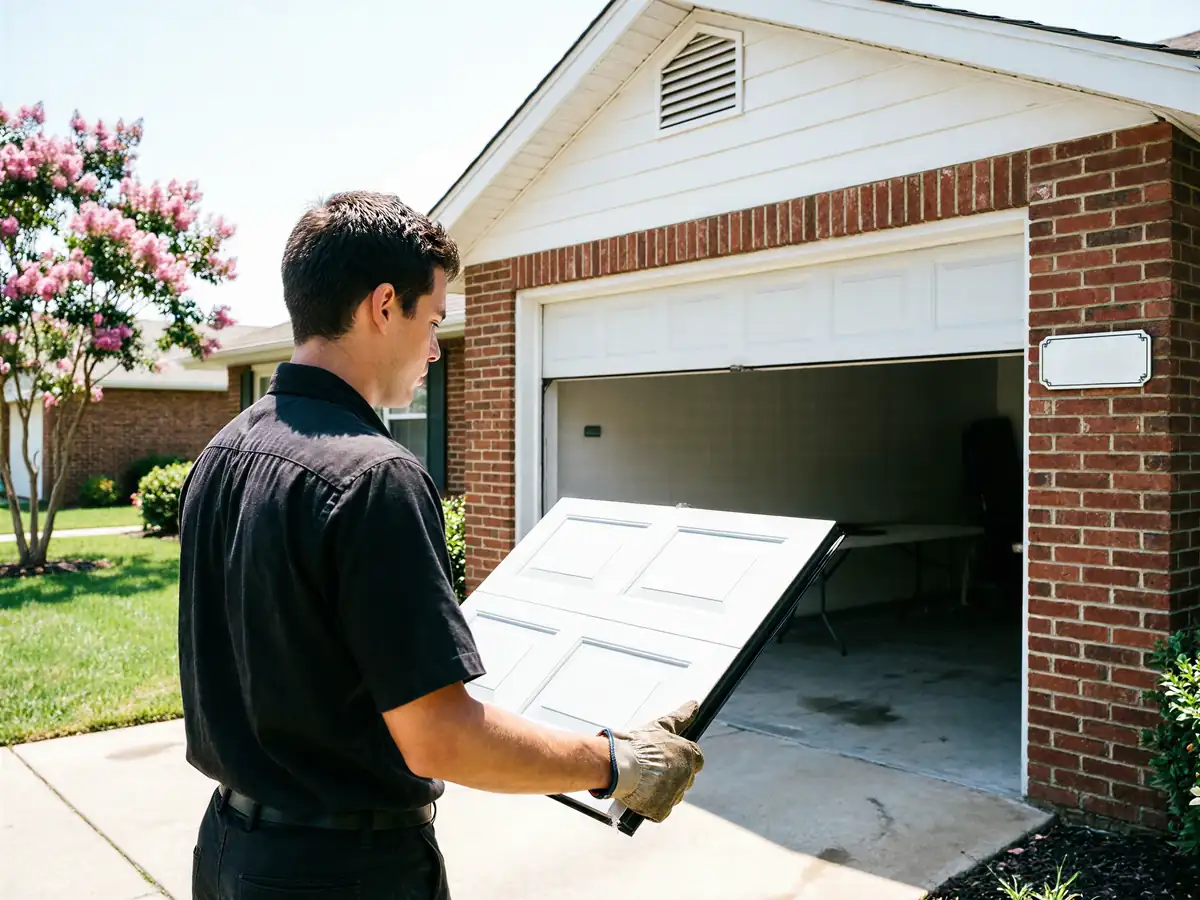
We stock door panels, torsion springs, and track hardware sized for the kind of openings that are most common across the 1980s-90s stock that makes up most of this area - which lines up well with Noble's own 1989 median build year. What we don't keep on the truck is anything sized for a much older original door; if your house predates that run, or the opening is a nonstandard size, we may need to order the panel rather than install same-day. We'll tell you that up front rather than showing up and hoping it fits.
What Can Go Wrong
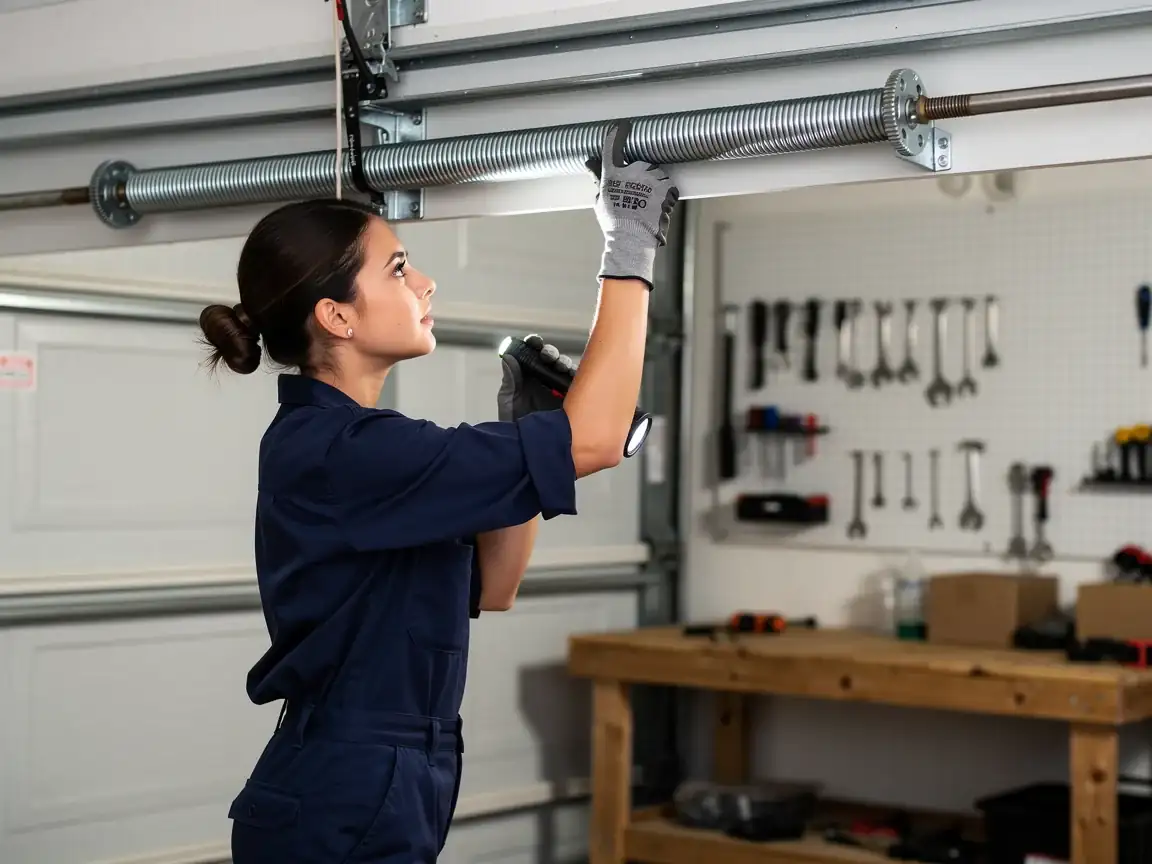
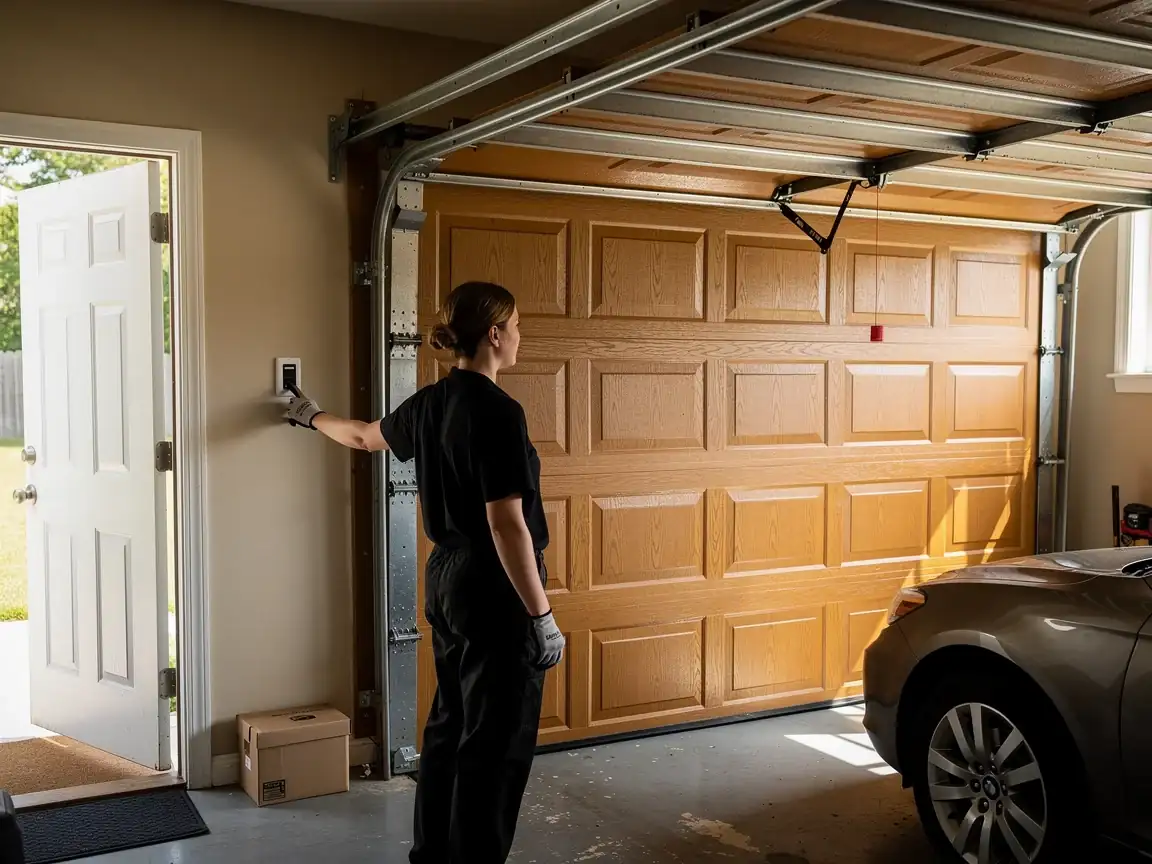
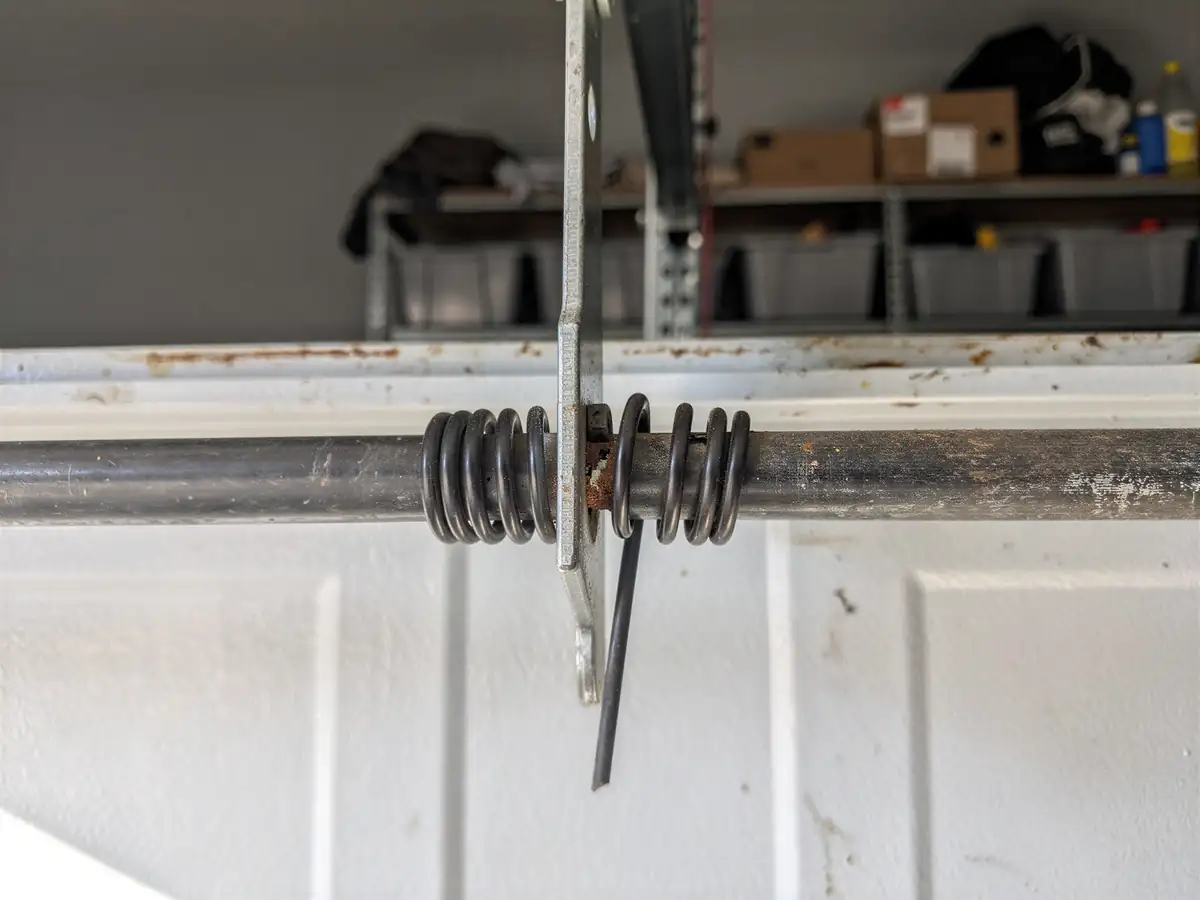
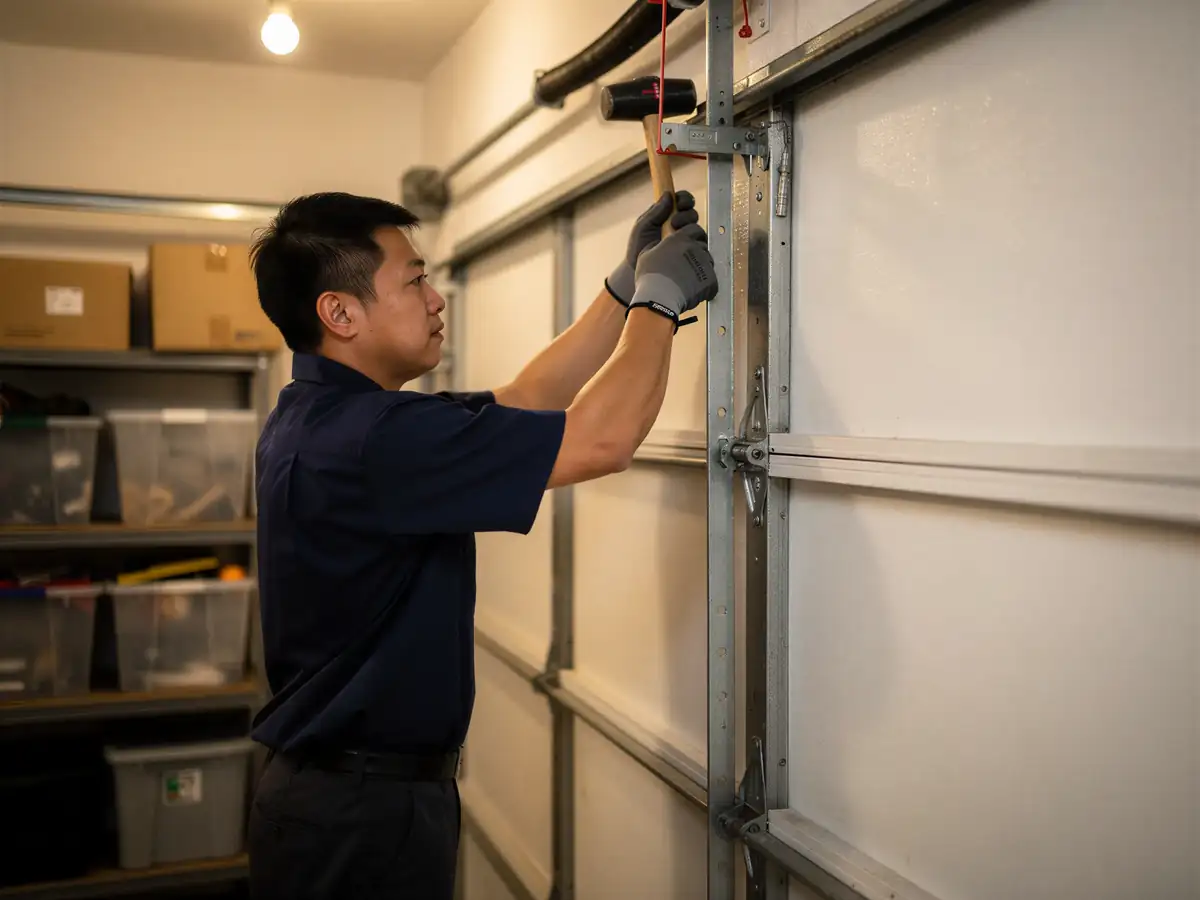
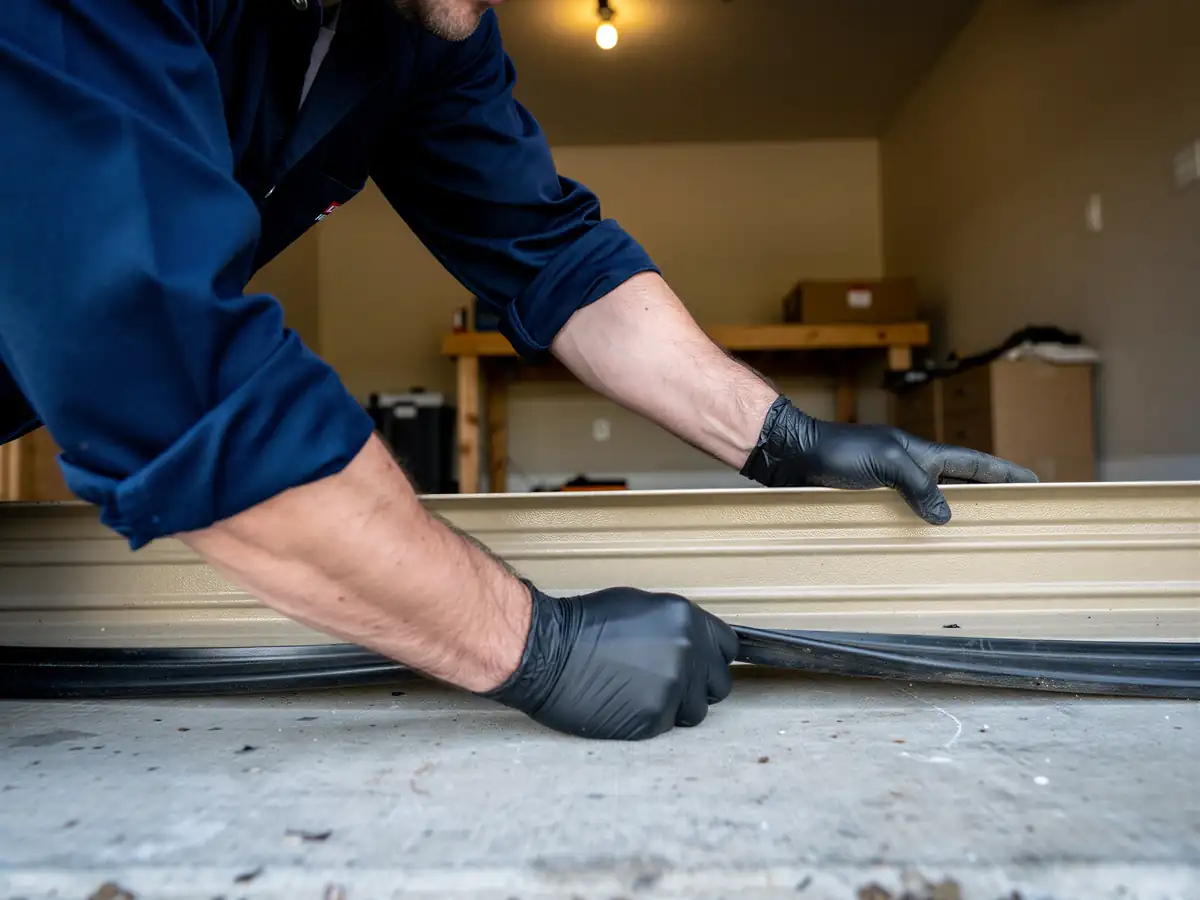
The most common surprise on a Noble install isn't the door - it's what's behind it. Houses from the late 80s era often still run the original torsion spring and bottom brackets even if the door skin itself was swapped at some point, and new door panels don't always match old hardware without some rework. Cold-moderate winters also mean we check the weatherstrip and bottom seal fit more carefully than installers in warmer climates would bother to; a poor seal here means a drafty garage for four or five months a year, not just an occasional cold morning. If your opener is original to a 1989-era house, expect to replace it along with the door - the safety sensors on units that old don't meet current standards, and we won't wire a new door to one.