Why This Fails Locally
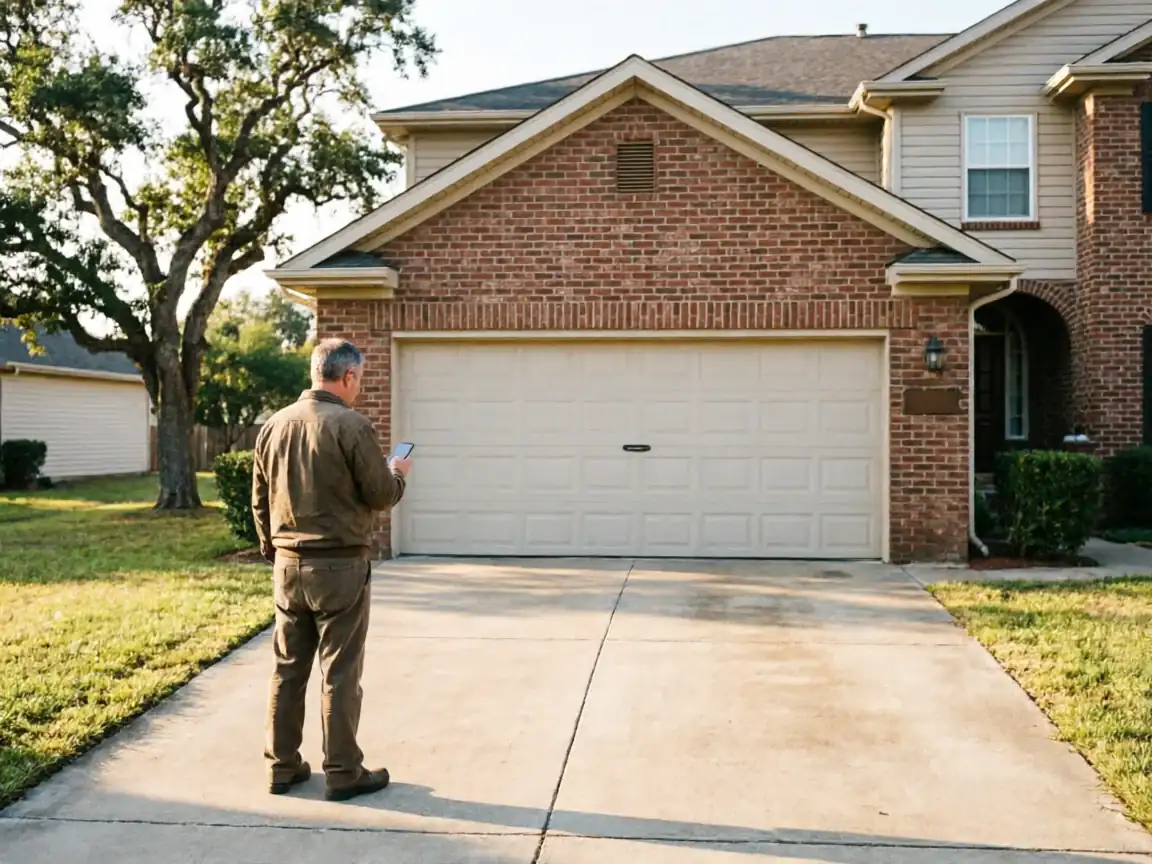
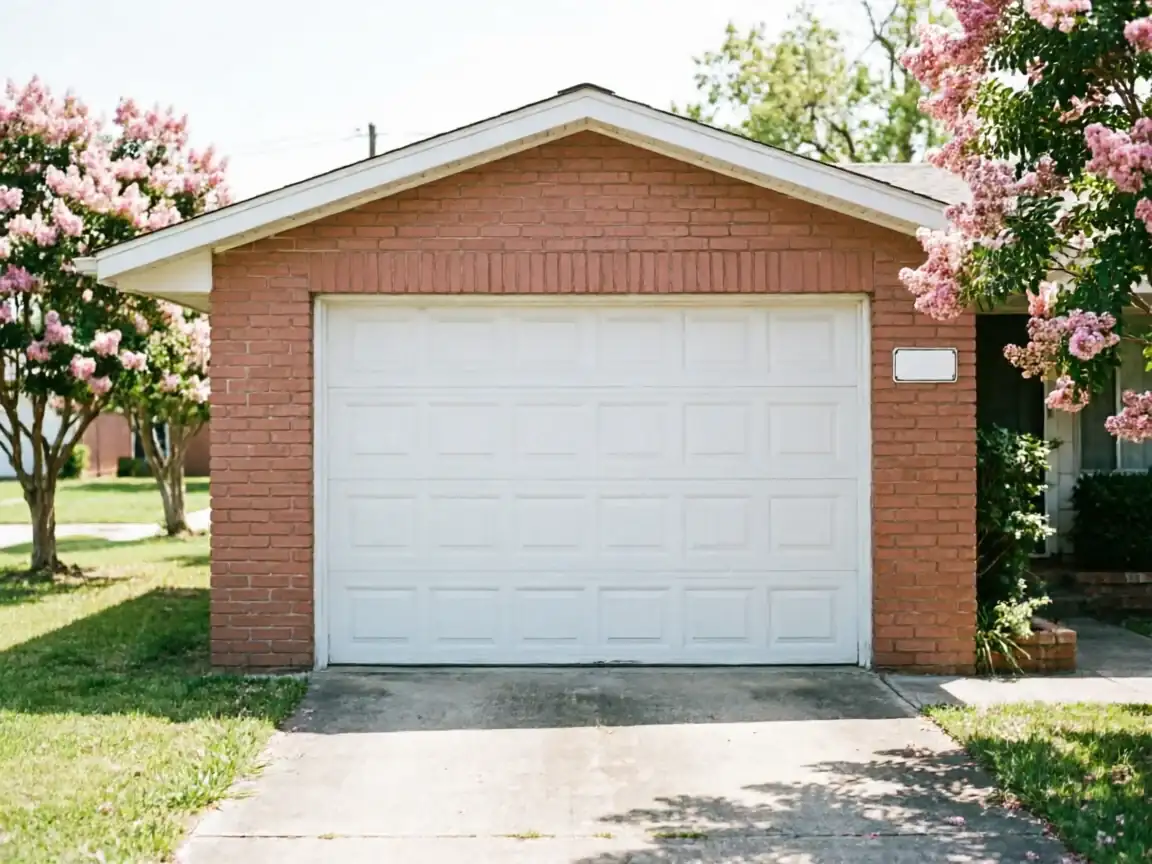
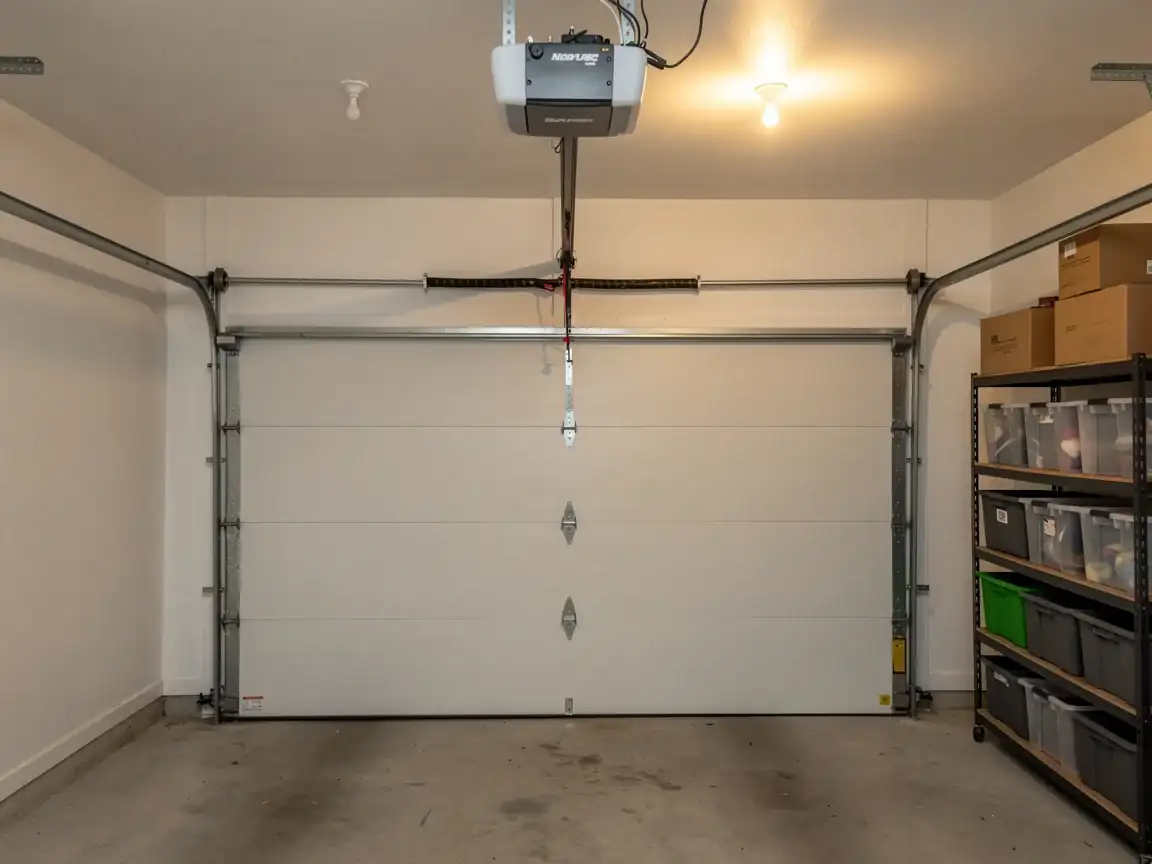
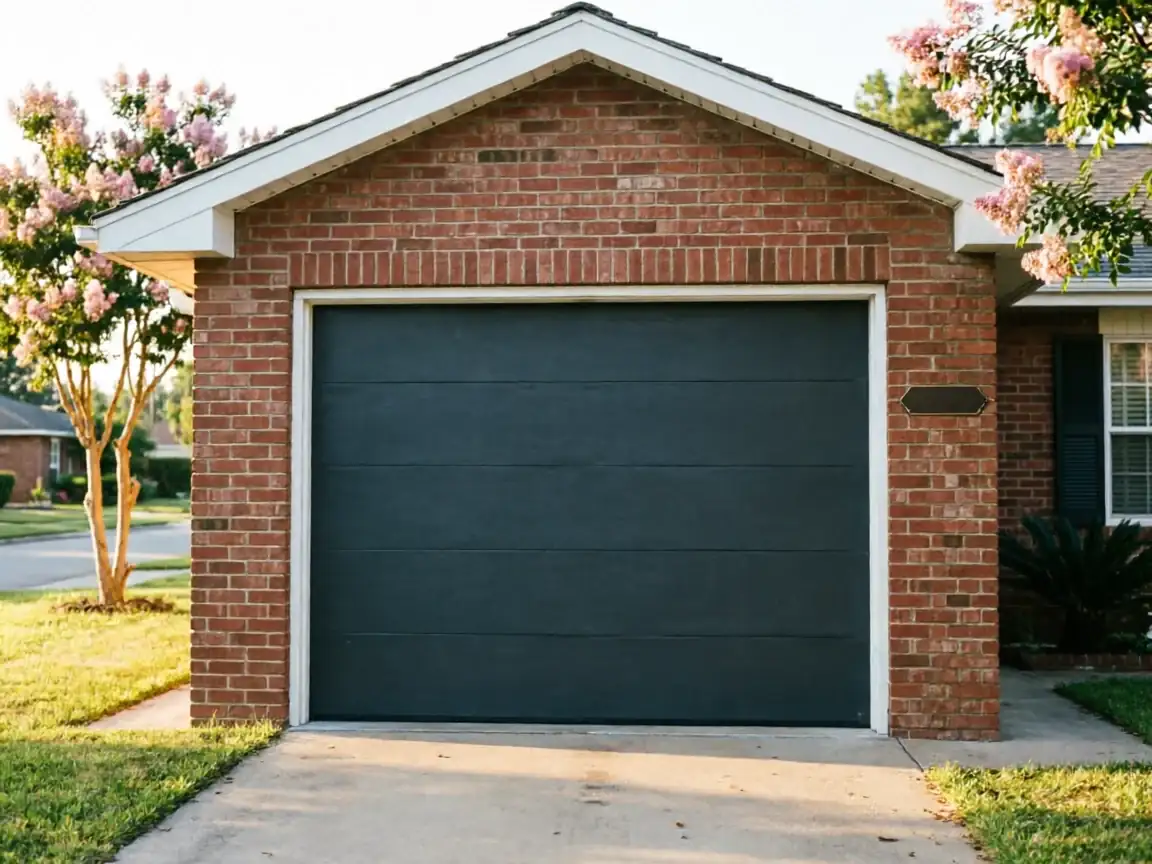
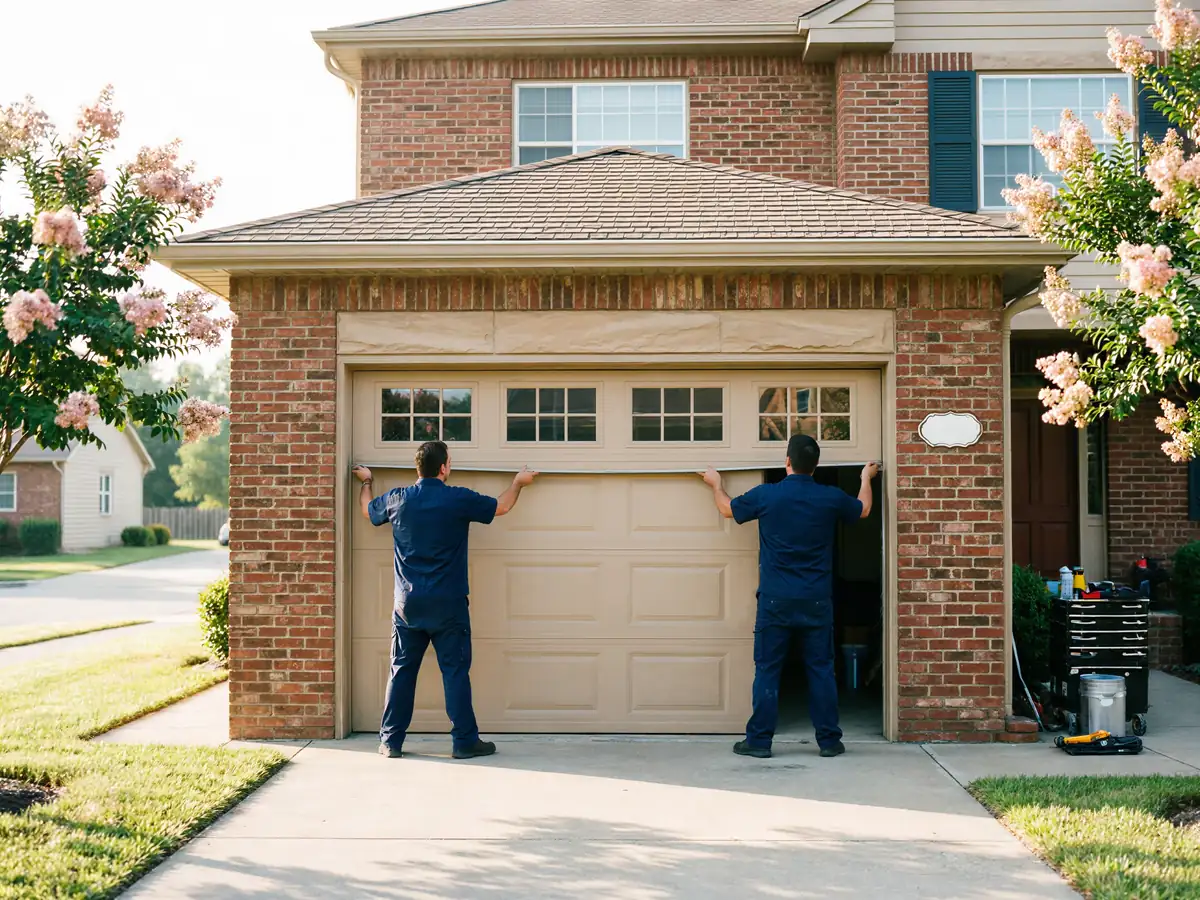
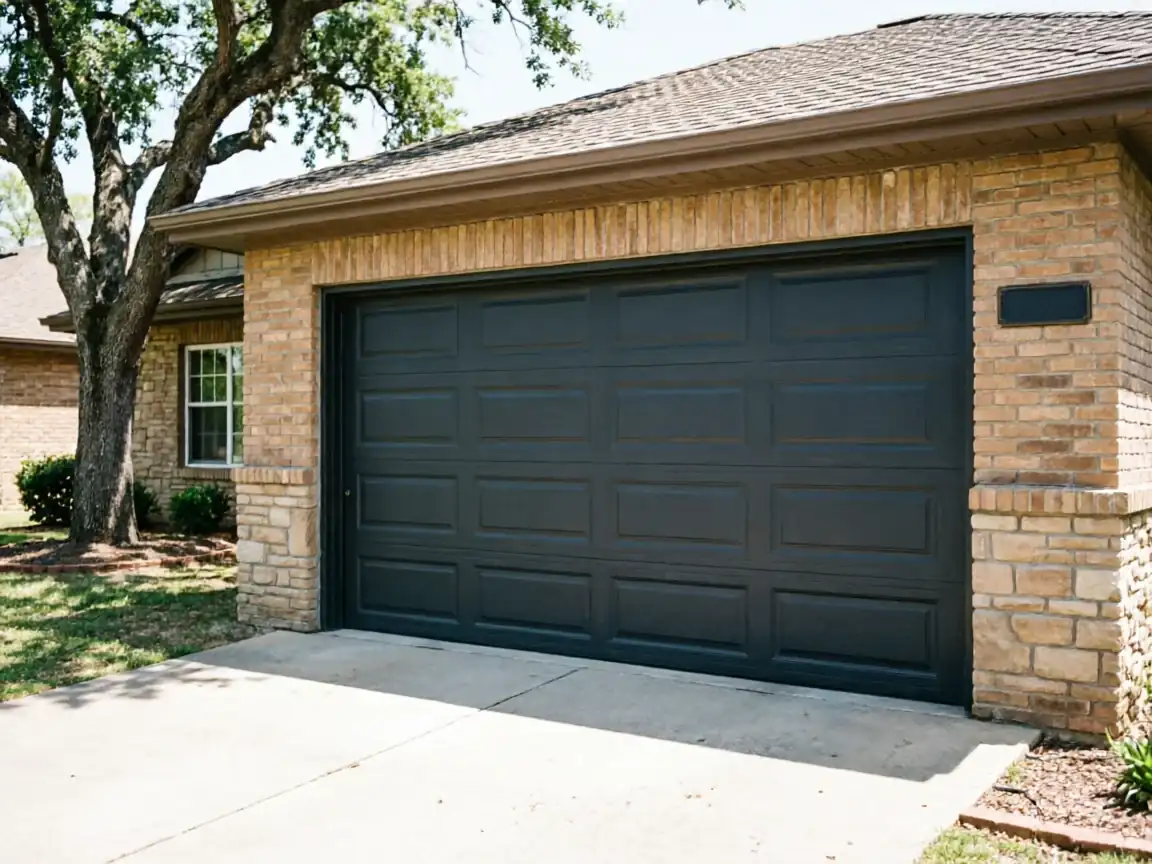
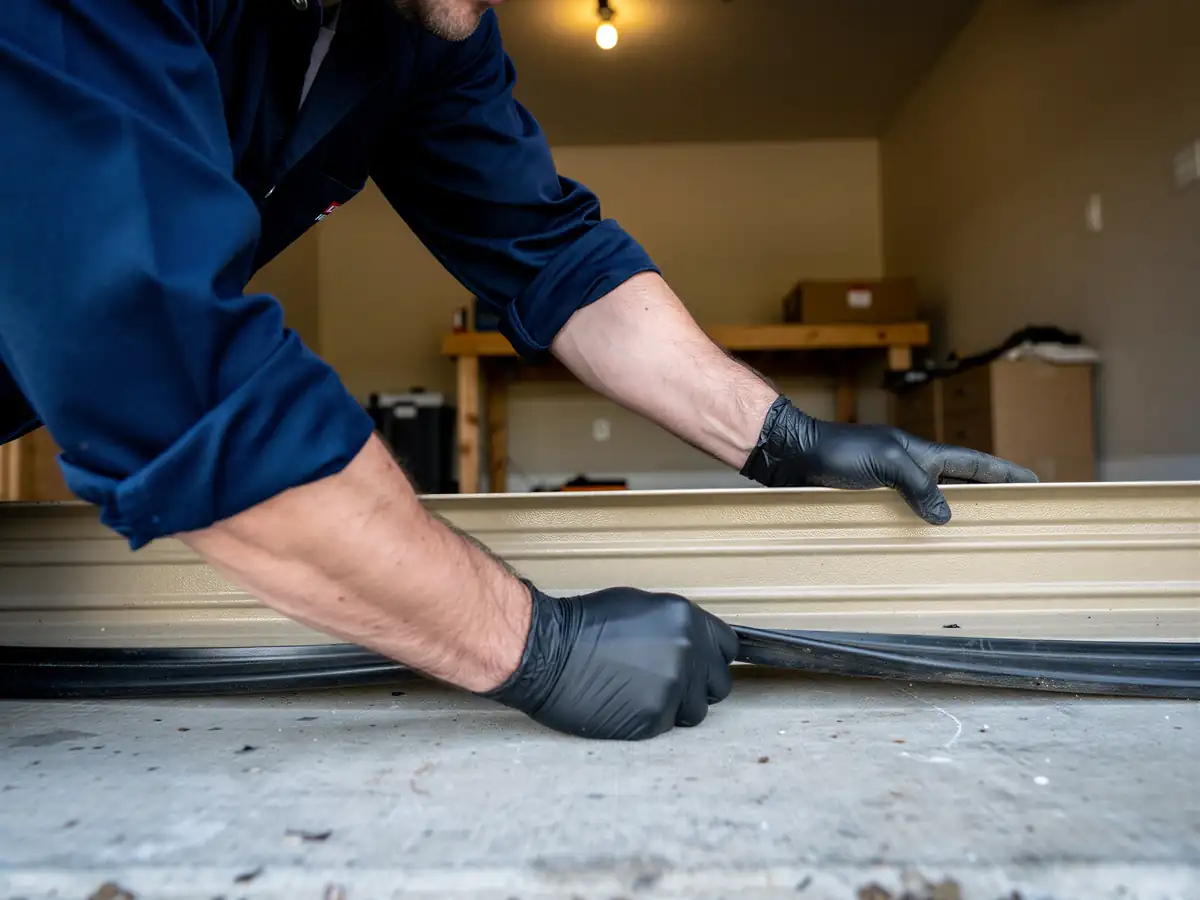
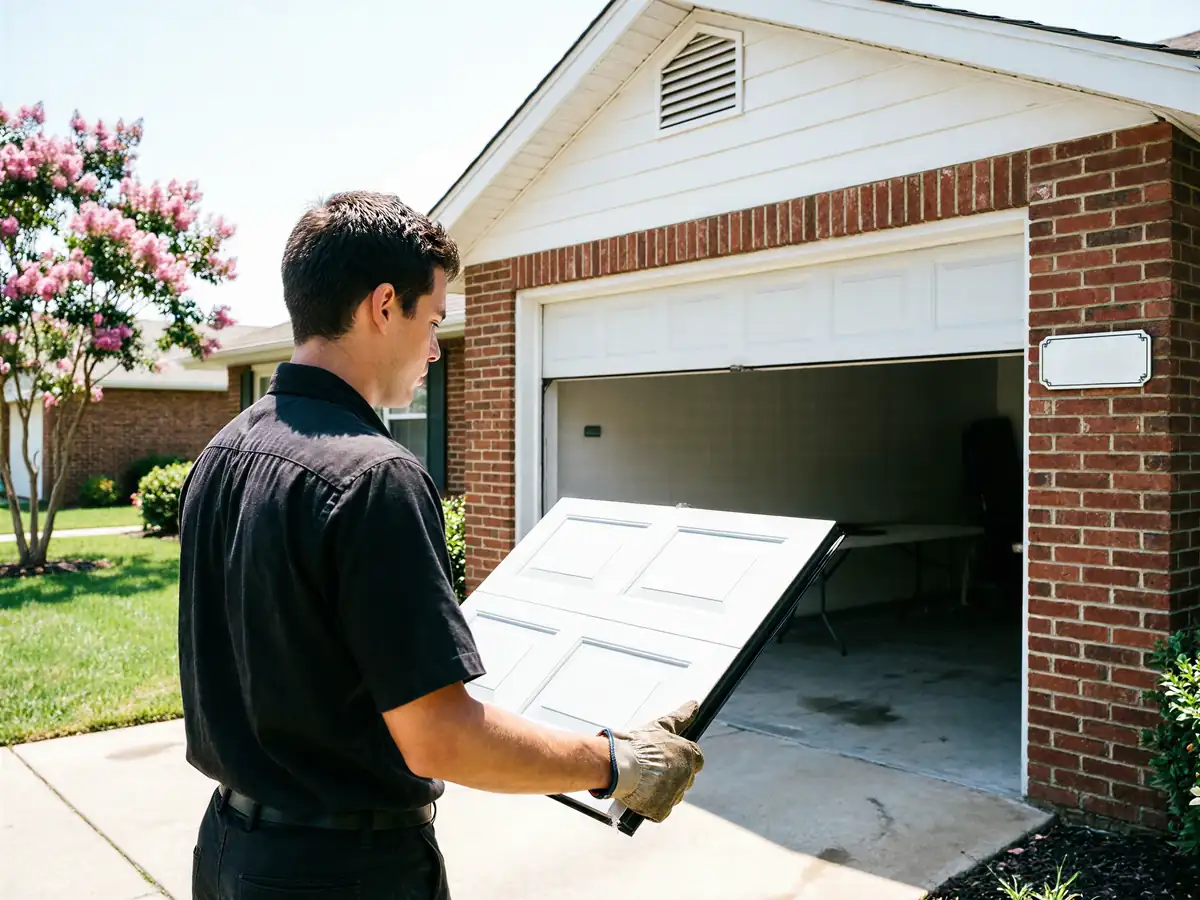
The fault we see most in Noble isn't a single cracked panel - it's a mismatch. Houses here cluster around a median build year of 1989, which falls right in the middle of the 1964-2004 housing wave across this service area, and doors from that era used sectional steel panels with ribbing patterns and panel heights that manufacturers have since changed twice over. One dented bottom panel gets replaced, and it doesn't sit flush with the three panels above it because the new stock is a slightly different gauge. On a street of houses built within a few years of each other, that mismatch is easy to spot from the driveway. Pair that with Oklahoma's freeze-thaw cycle, which works steel seams loose faster than it does in milder climates, and a door that's thirty-plus years old often needs more than one panel pulled at once to come out even.
The Cost of This Job
We don't post a flat number here because panel cost swings on how close we can match what's already on your door. A single panel on a common profile is the cheap end of this job. A full panel set, or a custom color match because the original run was discontinued, costs more and sometimes approaches what a new door would run - at which point we'll tell you straight that replacing the whole door is the better value, not just the bigger invoice. With Noble's median household income running higher than the surrounding service area, we see more owners choosing the full-door route over a visible patch job, but that's a call we leave to you, not one we push.
Parts We Carry
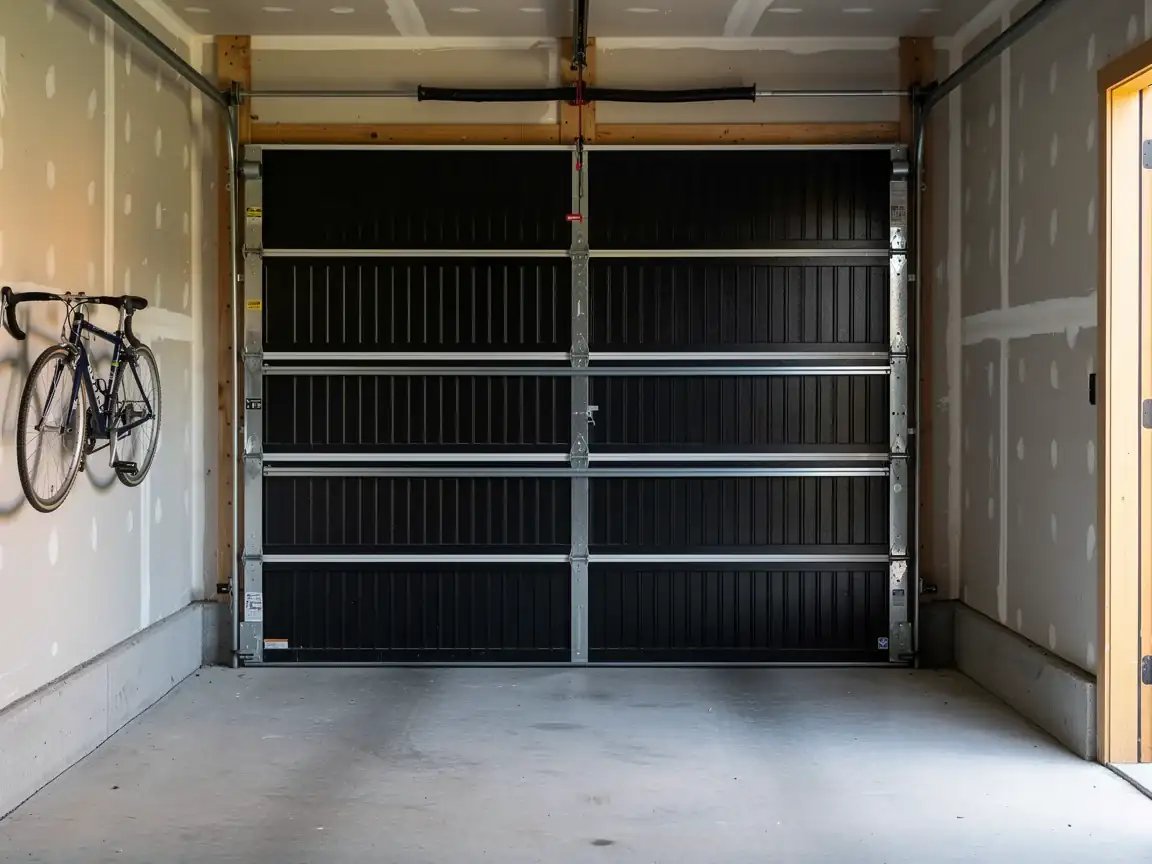
We stock common steel sectional panel profiles that fit the bulk of what went into homes built across the 1964-2004 window, which covers most of Noble's housing. That means raised-panel and flat-panel steel sections in standard heights, along with the hinges, end stiles, and rollers that typically fail alongside a dented panel rather than on their own. What we don't keep on the truck is anything custom - wood composite doors, discontinued color runs, or odd widths from a builder series that didn't last long. If your door falls into that category, we'll tell you up front instead of guessing at a match.
What Can Go Wrong
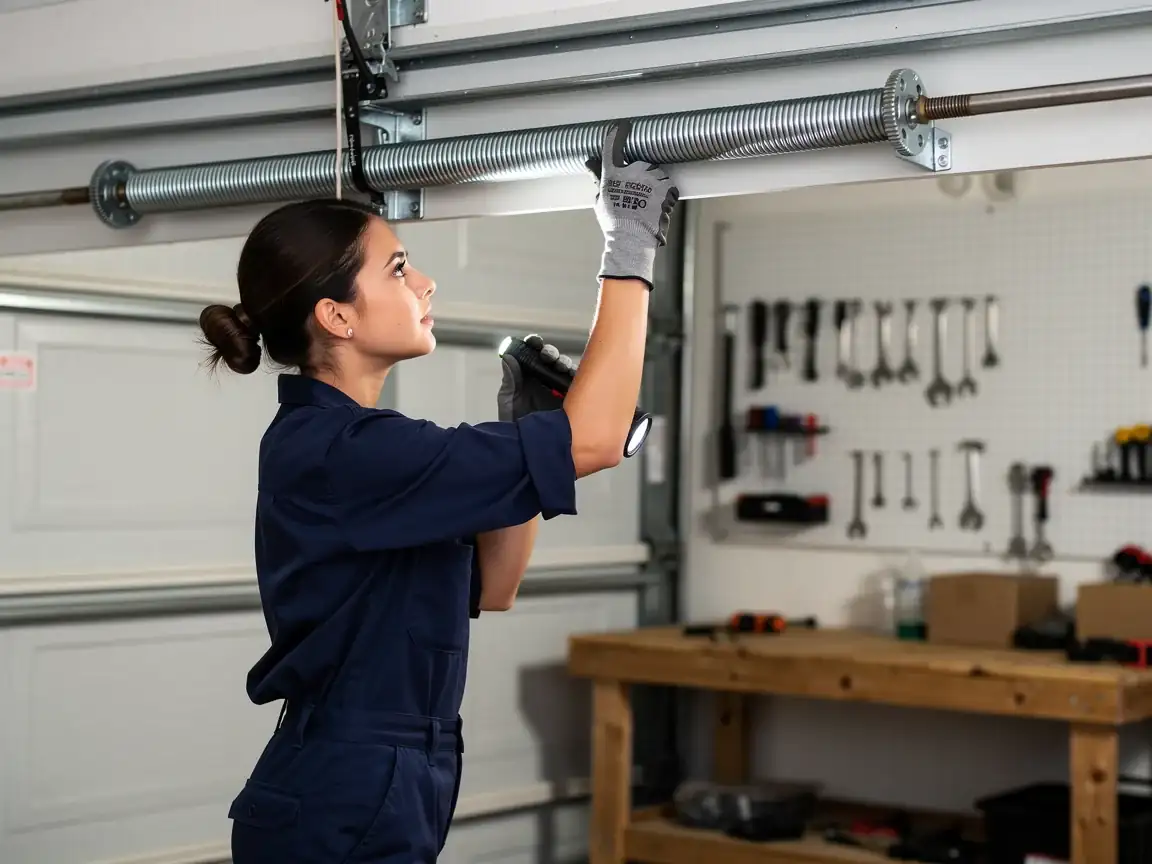
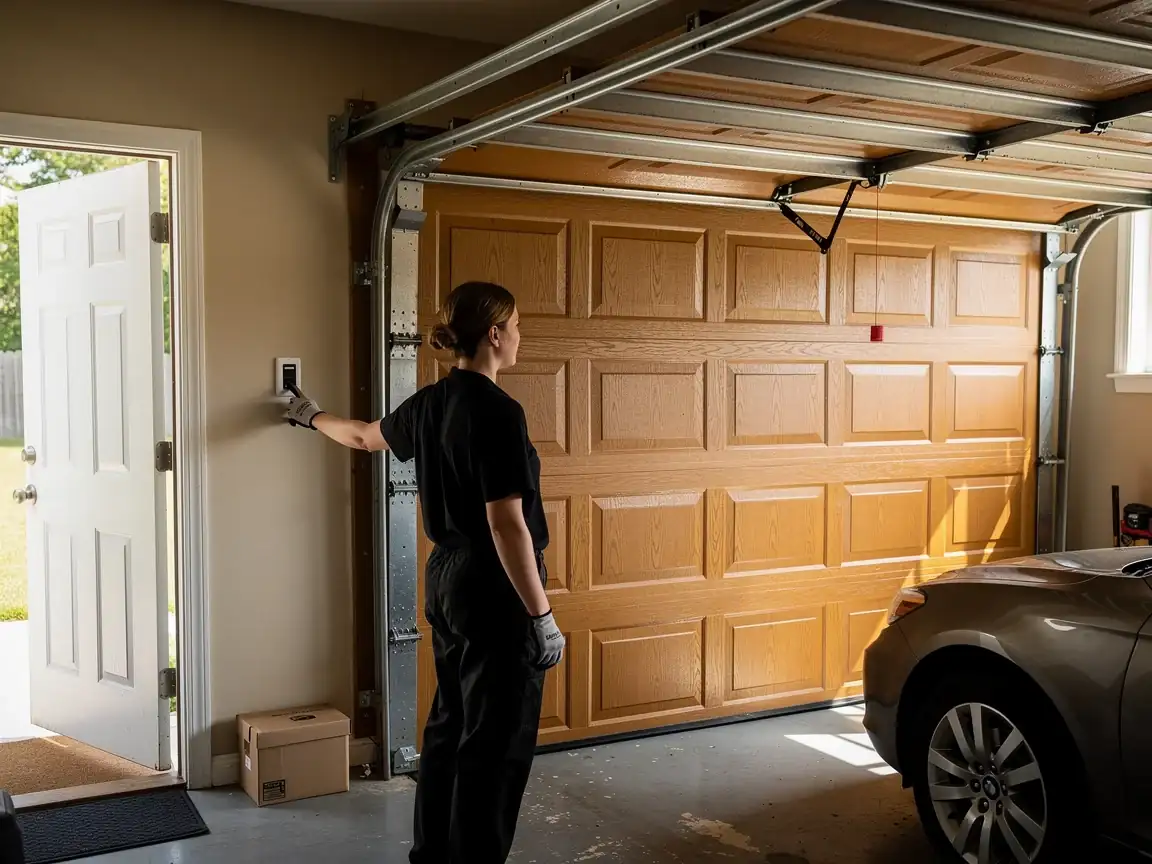
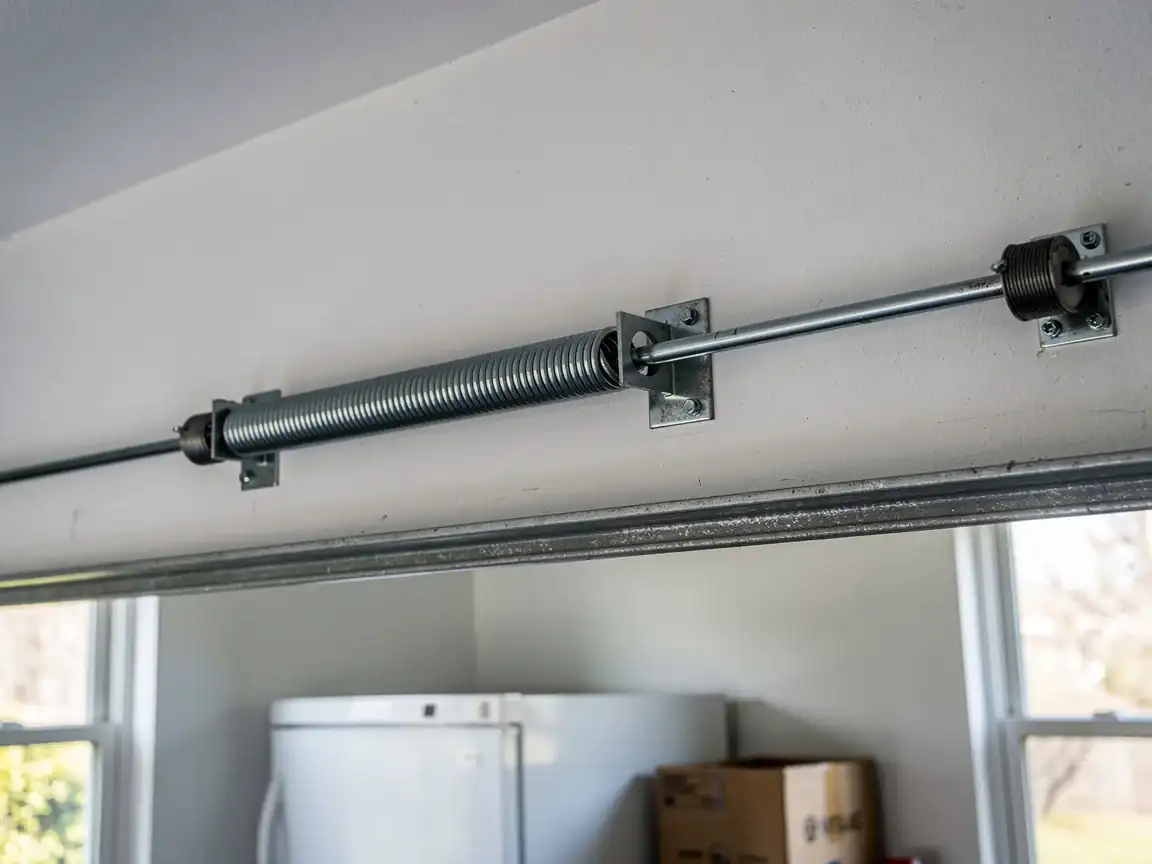
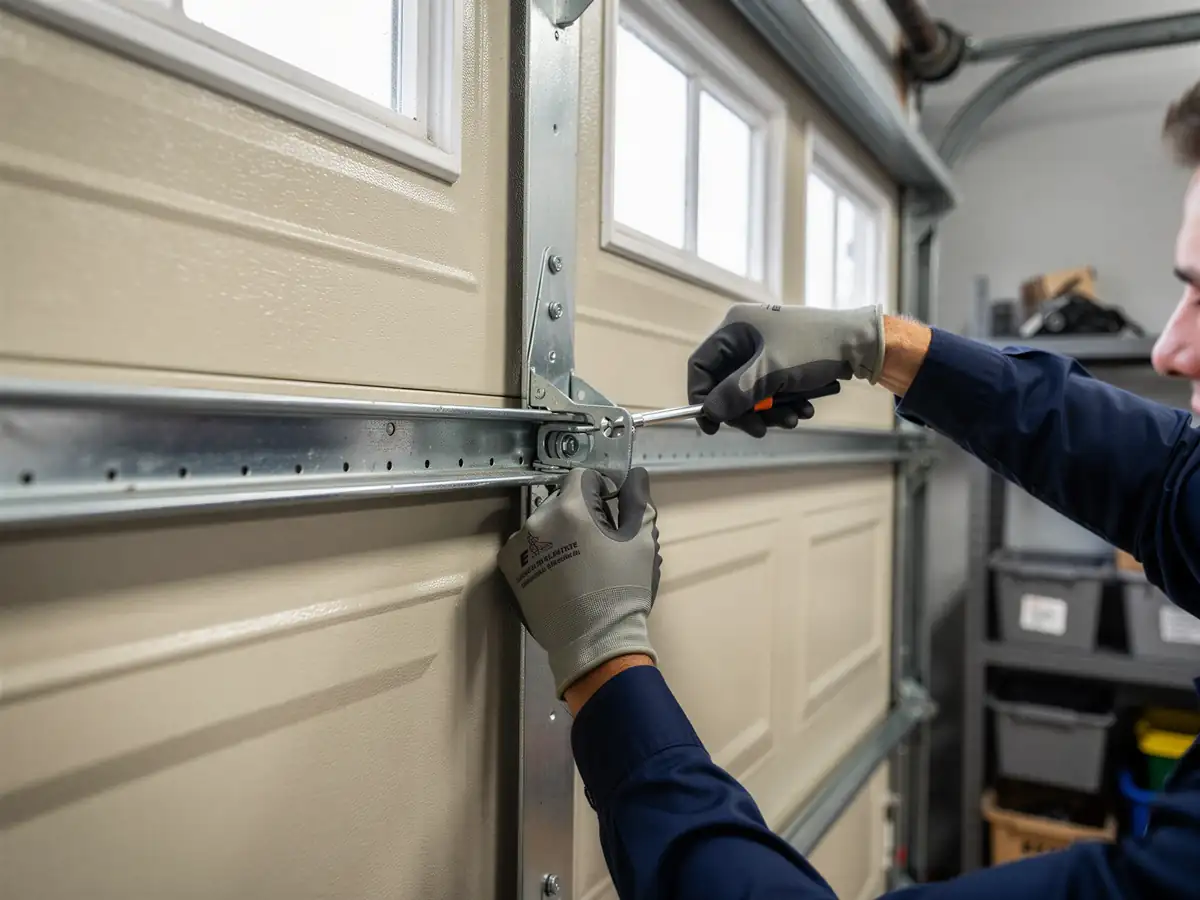
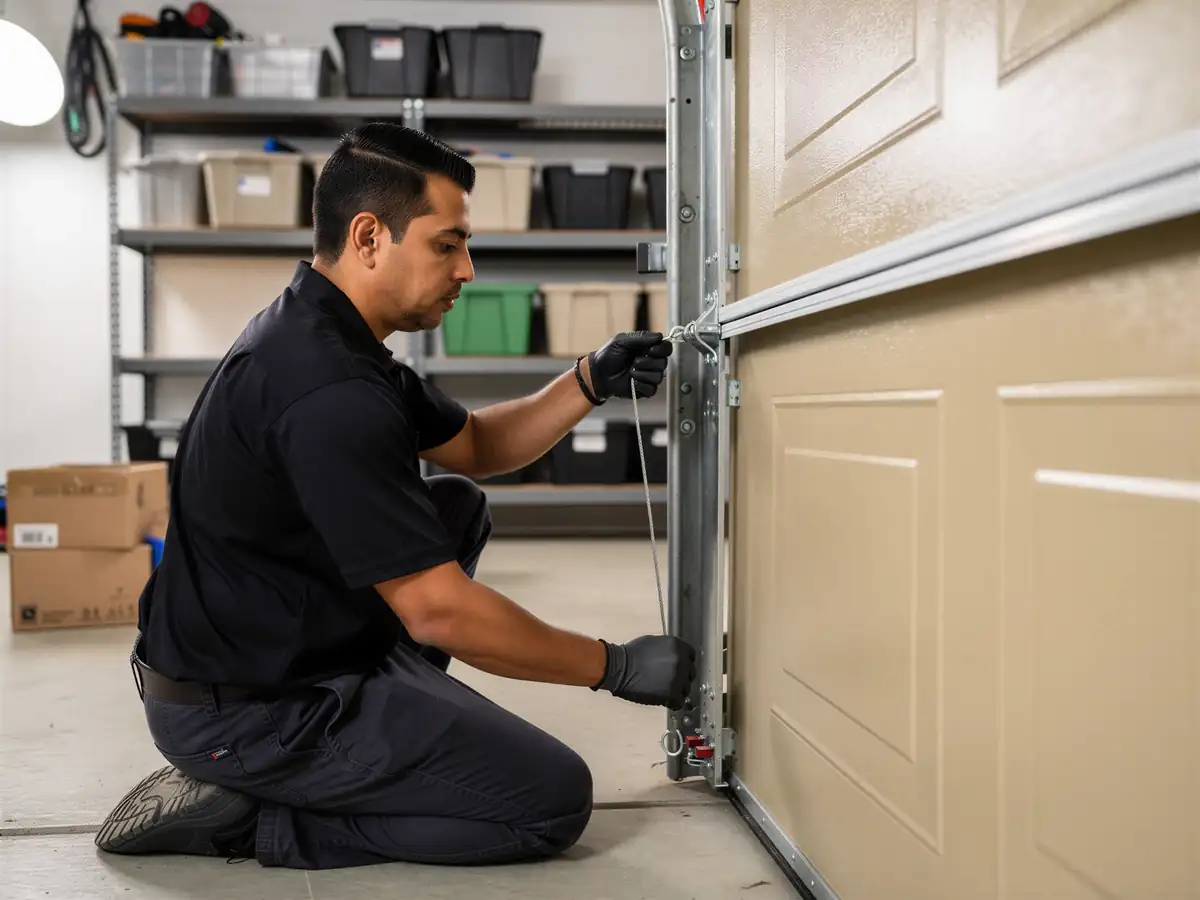
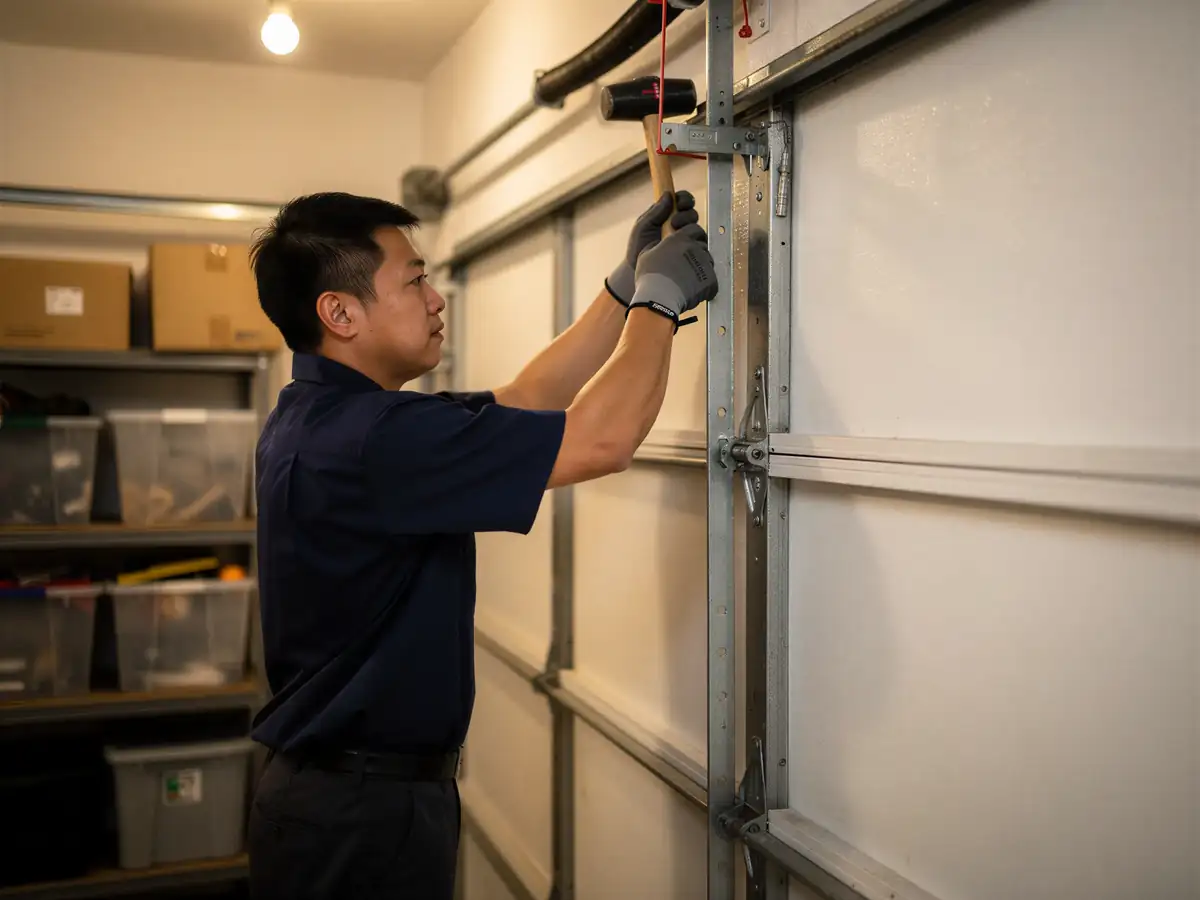
The most common surprise on a panel job is finding the track or hinges bent along with the panel, usually from the same impact - a trailer backing in wrong, a basketball hoop mount gone bad, that sort of thing. We check alignment before we quote the panel alone, because a panel swapped onto a bent track will bind within a month. The other surprise is rust working through a seam that looked fine from outside; Oklahoma's freeze-thaw swings push moisture into seams faster than a dry climate would, and once rust has eaten through a panel's inner liner, patching the visible face doesn't fix the structural issue underneath.