Why This Fails Locally
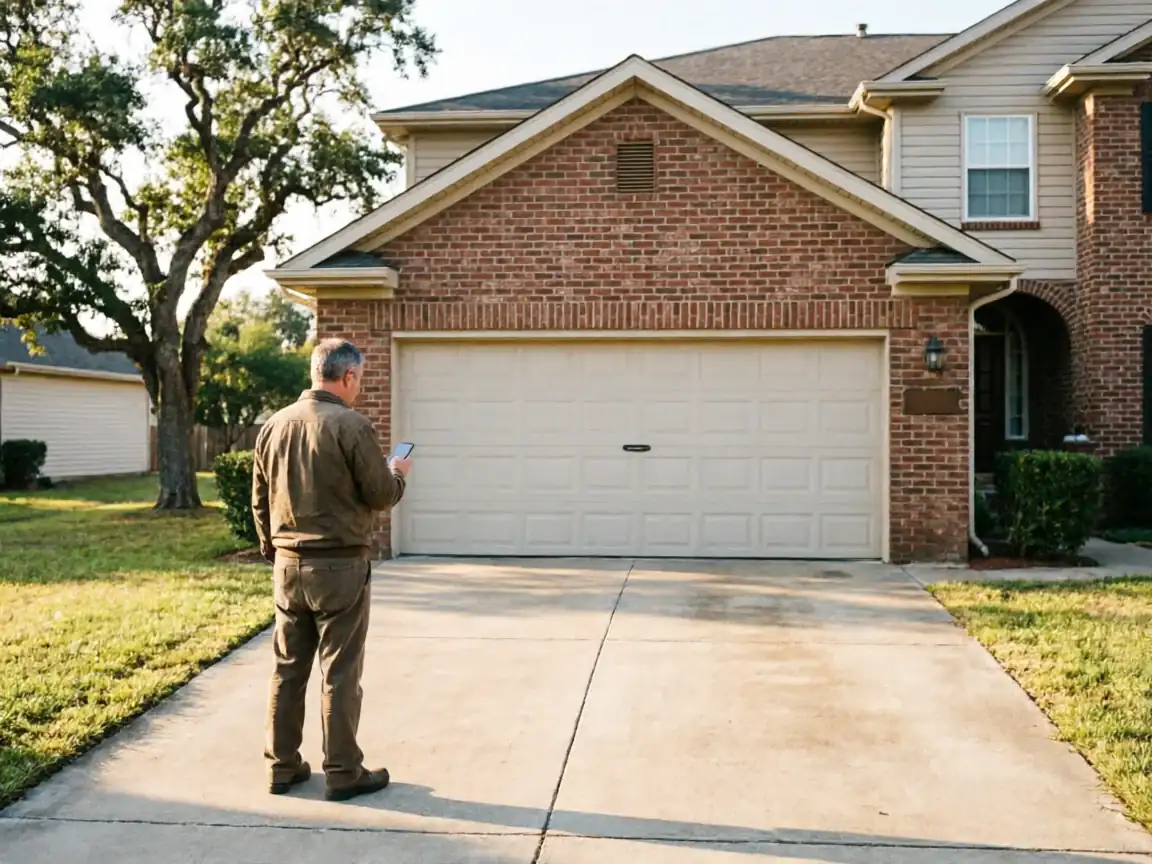
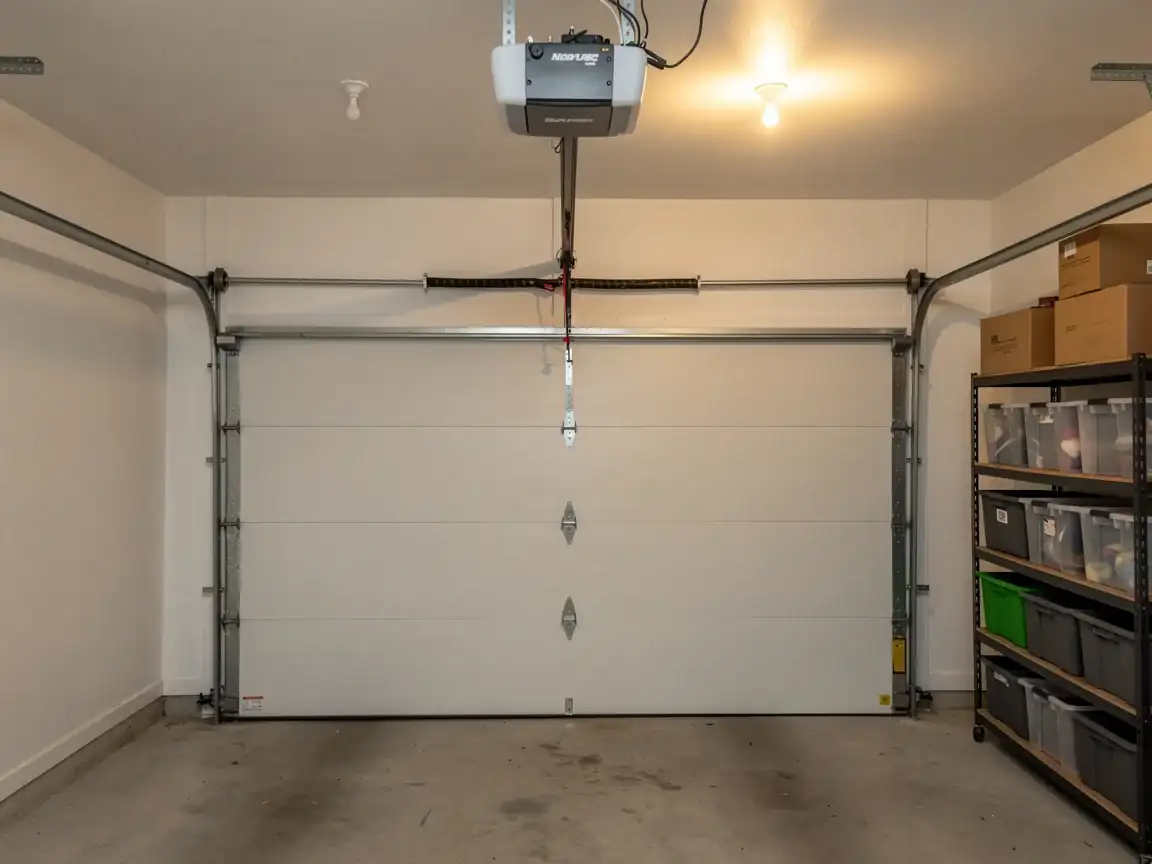
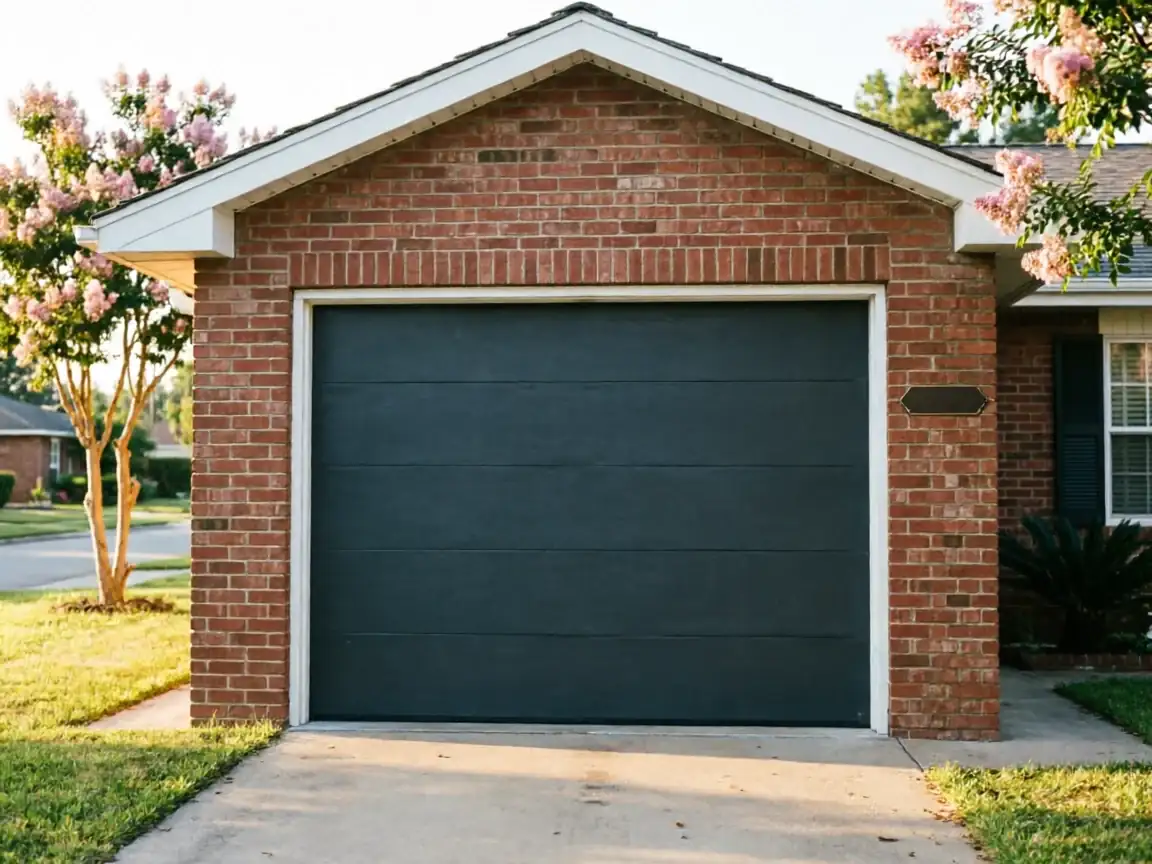
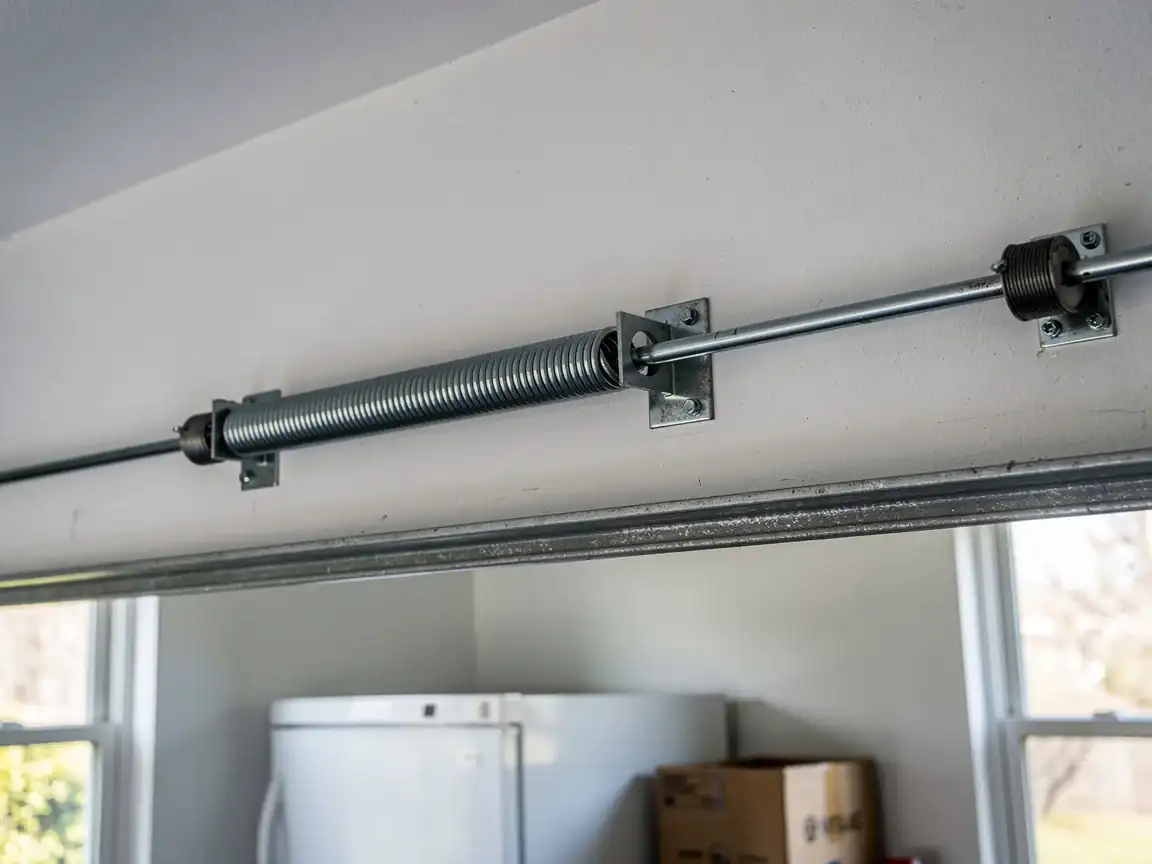
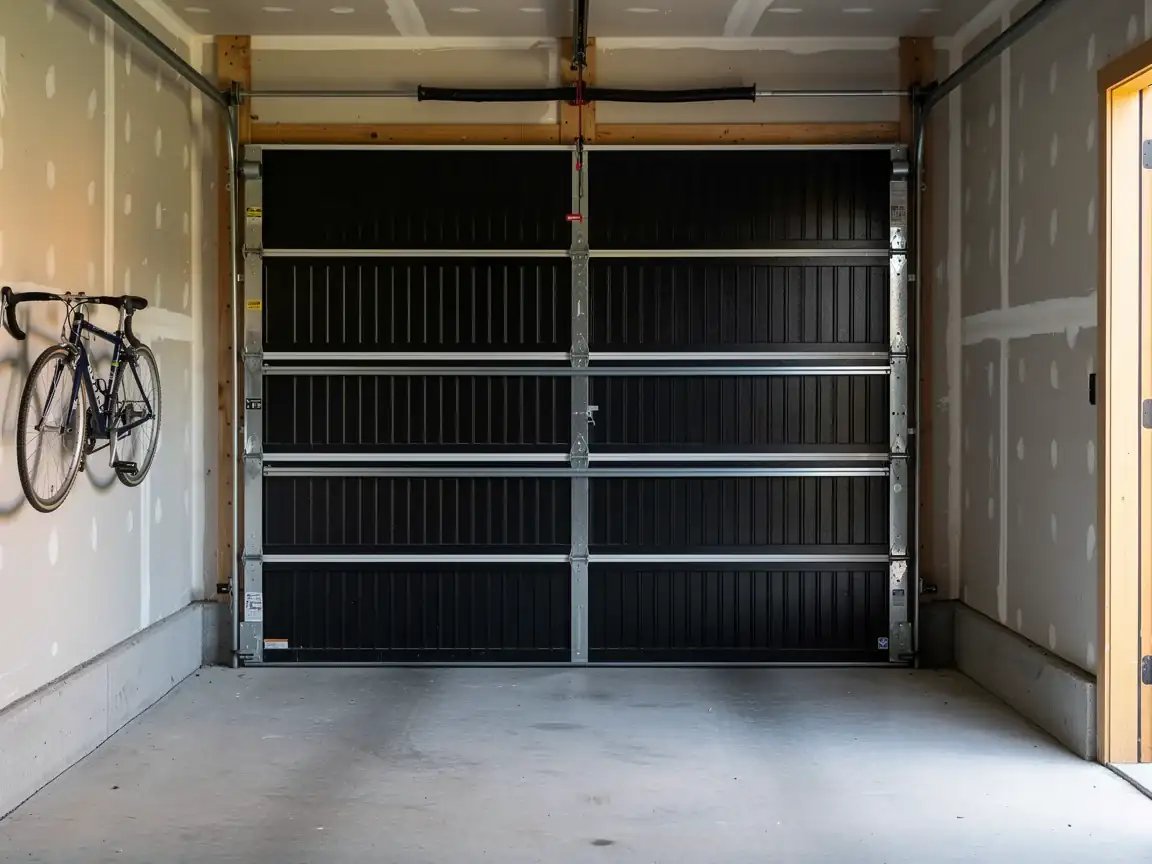
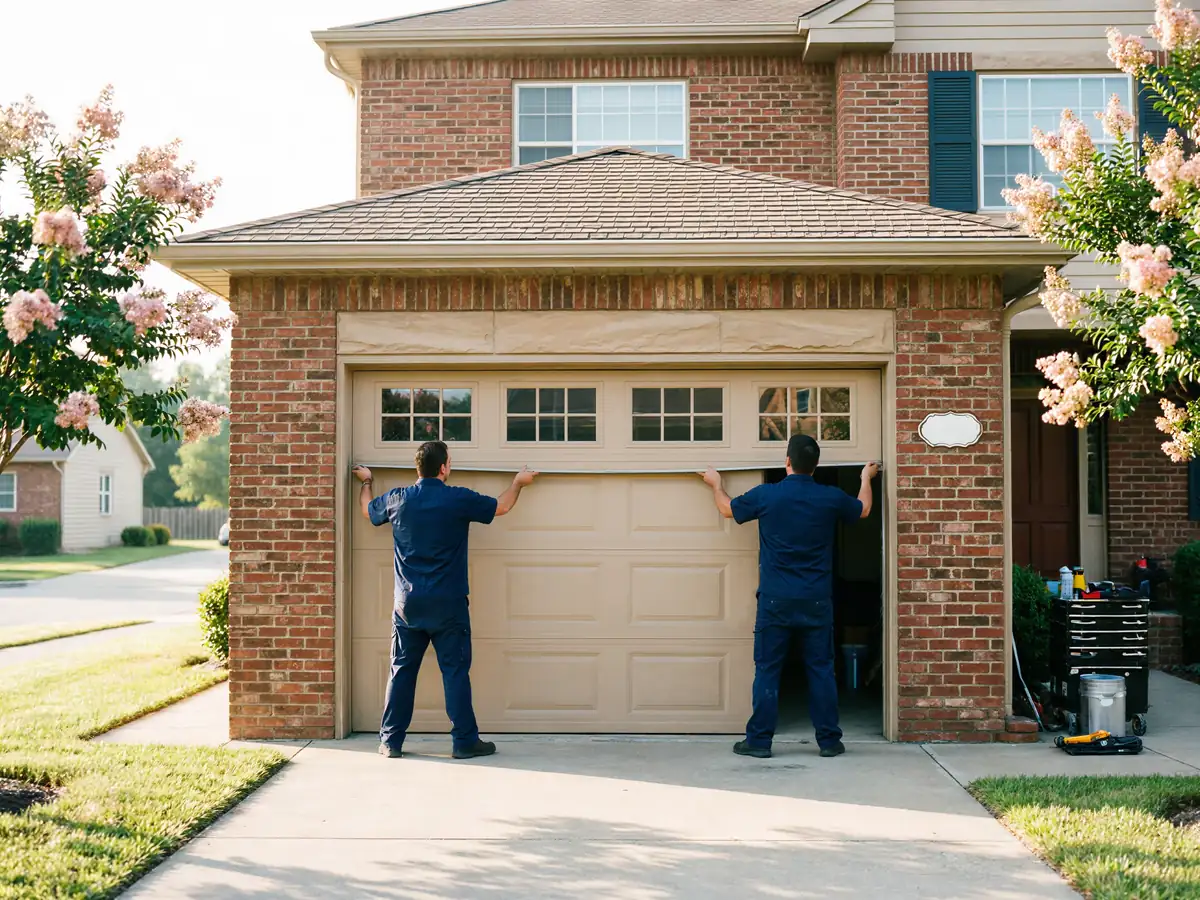
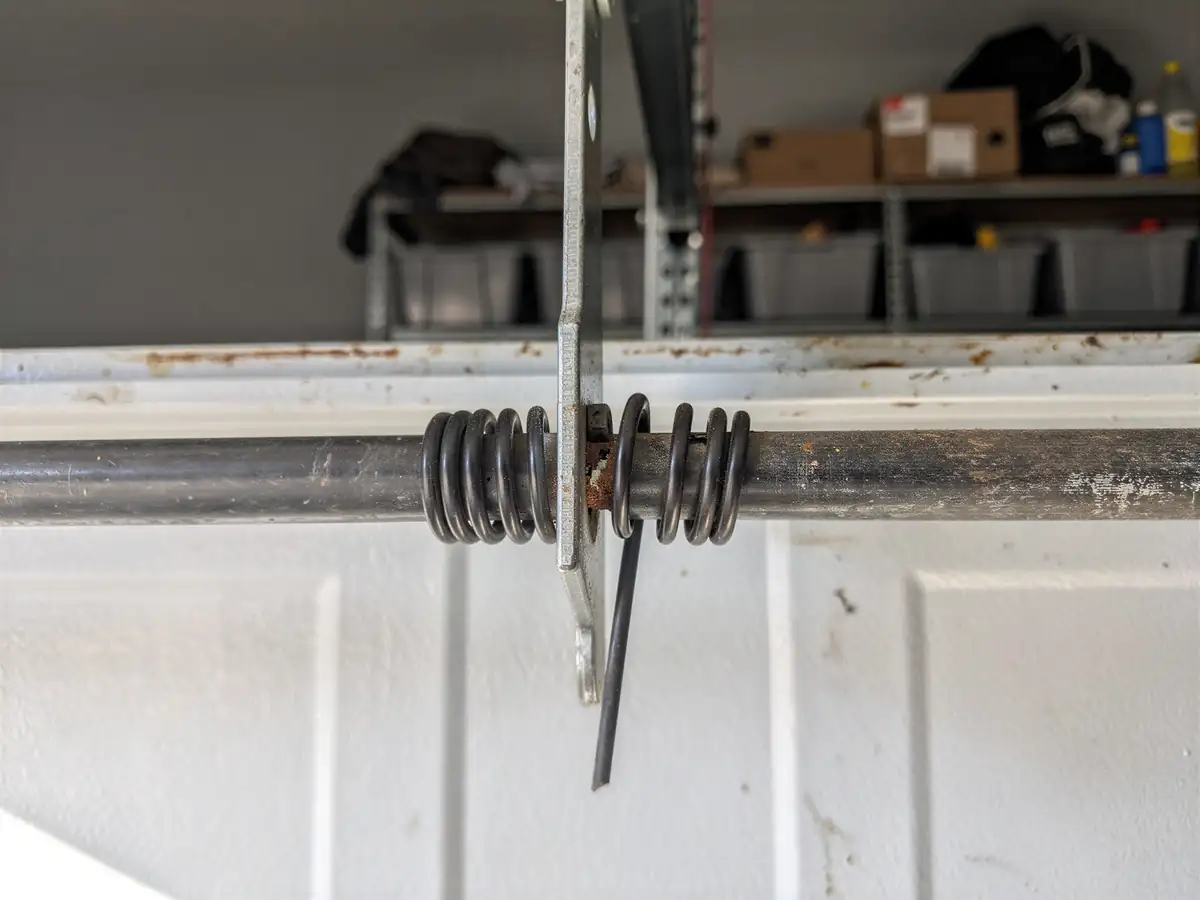
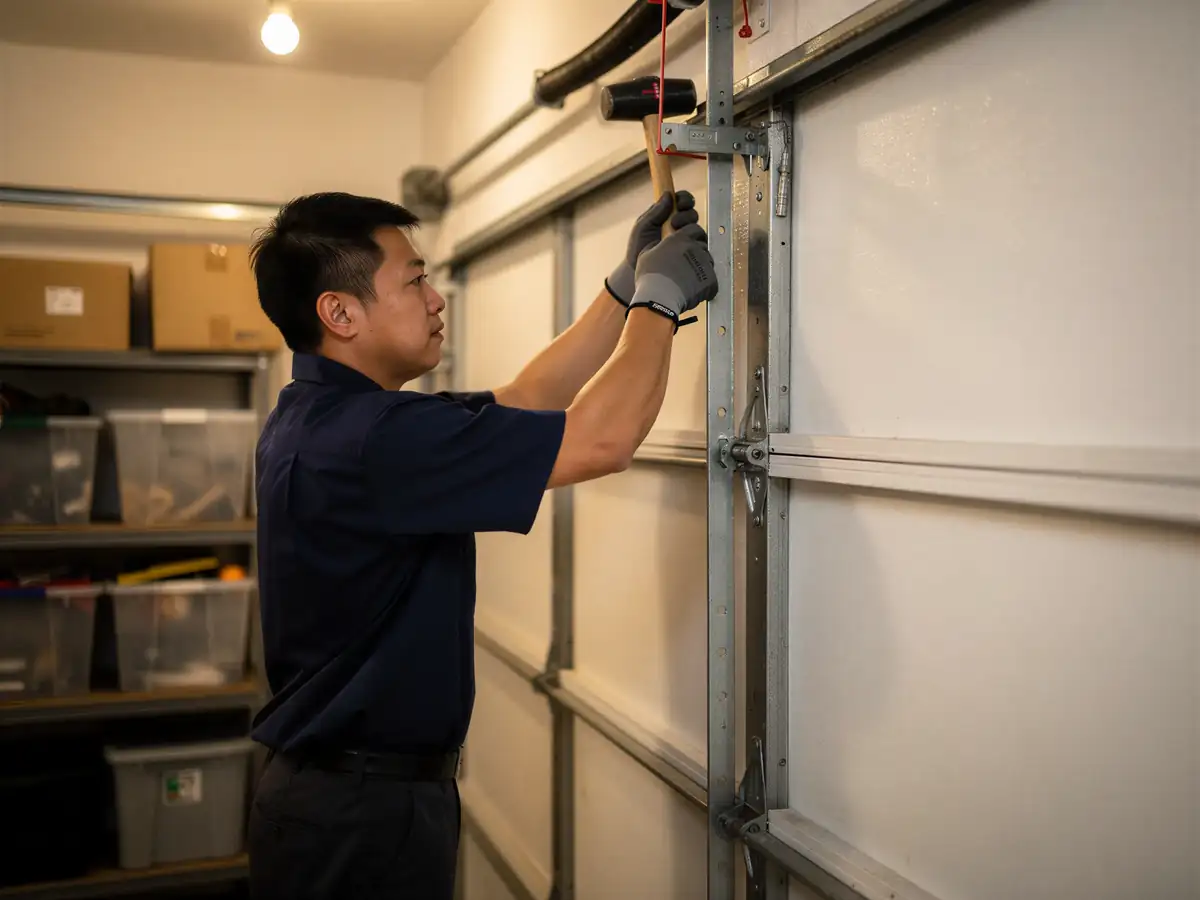
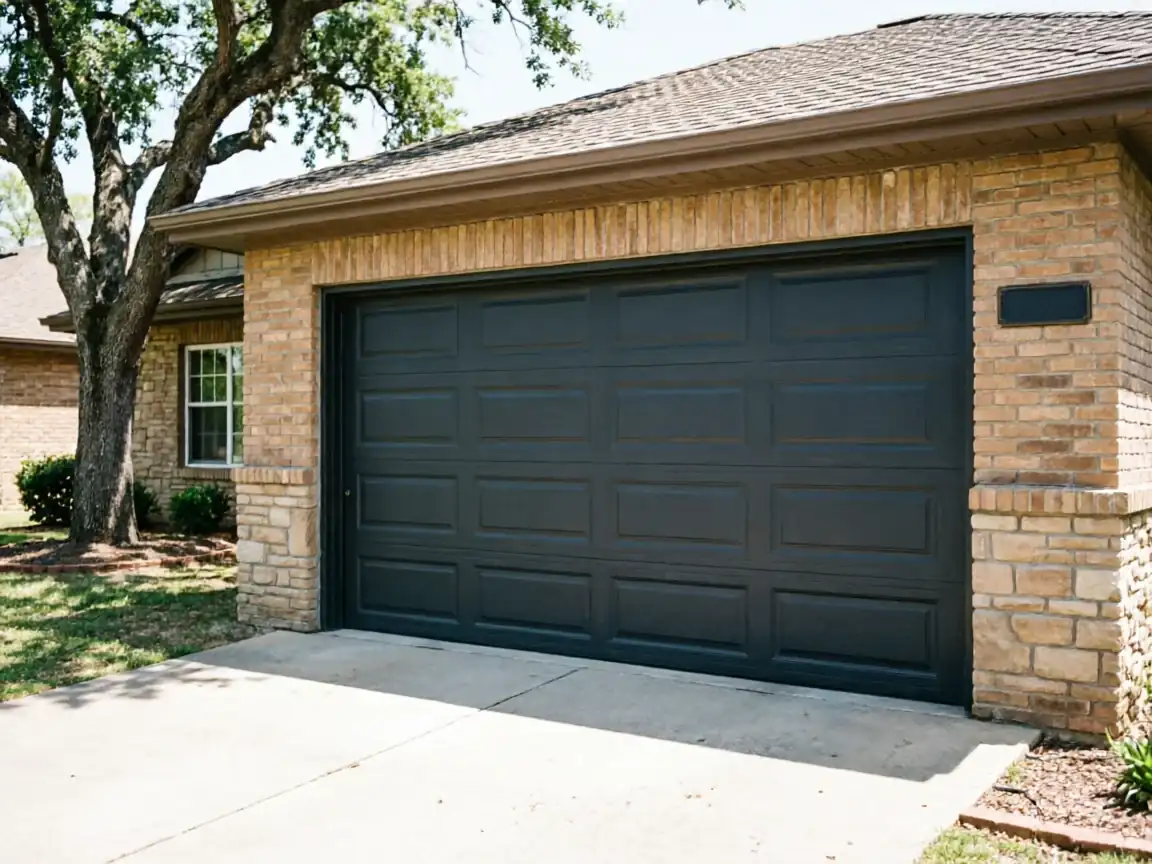
Noble's housing stock centers on 1989, which puts most garage doors here squarely in the late-80s to 90s build-out that covered this part of the county. That era means steel sectional doors on extension springs mounted over the tracks, paired with openers that are now on their second or third unit since the house was new. Extension spring setups age differently than the torsion systems that came standard a bit later - the cables wear at the pulley, the safety cable (if one was ever added) corrodes quietly, and a lot of these doors never got retrofitted stops. Add Oklahoma's cold-moderate climate band and you get the freeze-thaw cycling that stiffens nylon rollers and tightens already-worn cables until something lets go, usually on a morning you didn't expect it. This isn't a design flaw unique to Noble, but it is the specific combination of age and hardware that shows up on this side of the service area more than it does in newer subdivisions.
The Cost of This Job
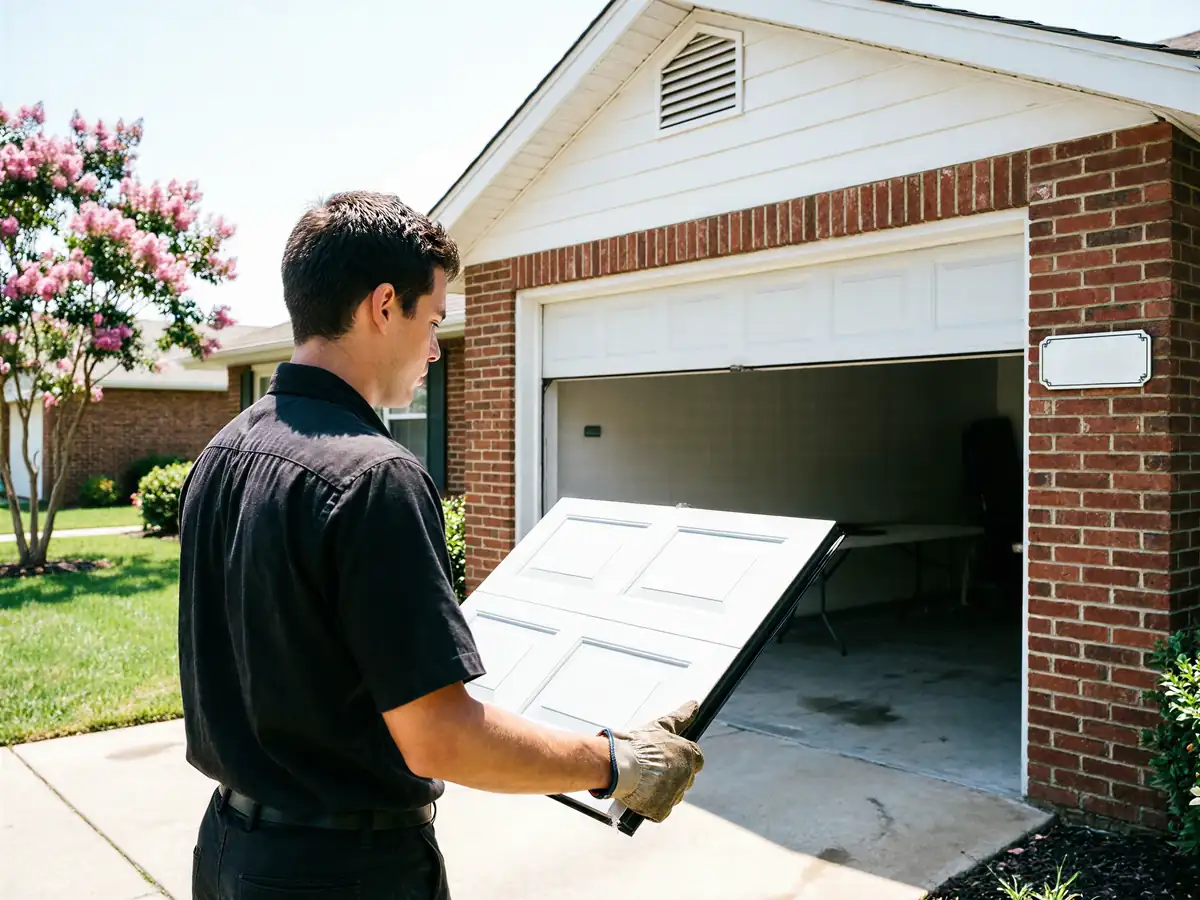
We don't publish flat prices here because extension-spring jobs on 1989-era doors vary more than people expect - a single frayed cable is a different bill than a seized pulley plus a roller replacement, and we won't quote either sight unseen. What we can tell you is the context: Noble has about 3,054 households, and across the wider service area the median household income runs $75,000, with Noble itself running higher at roughly $85,452. That's relevant because it affects what gets fixed versus replaced - more owners here opt to upgrade the whole door rather than patch an extension-spring system twice in three years, since parts for the oldest setups are getting harder to source new.
Parts We Carry
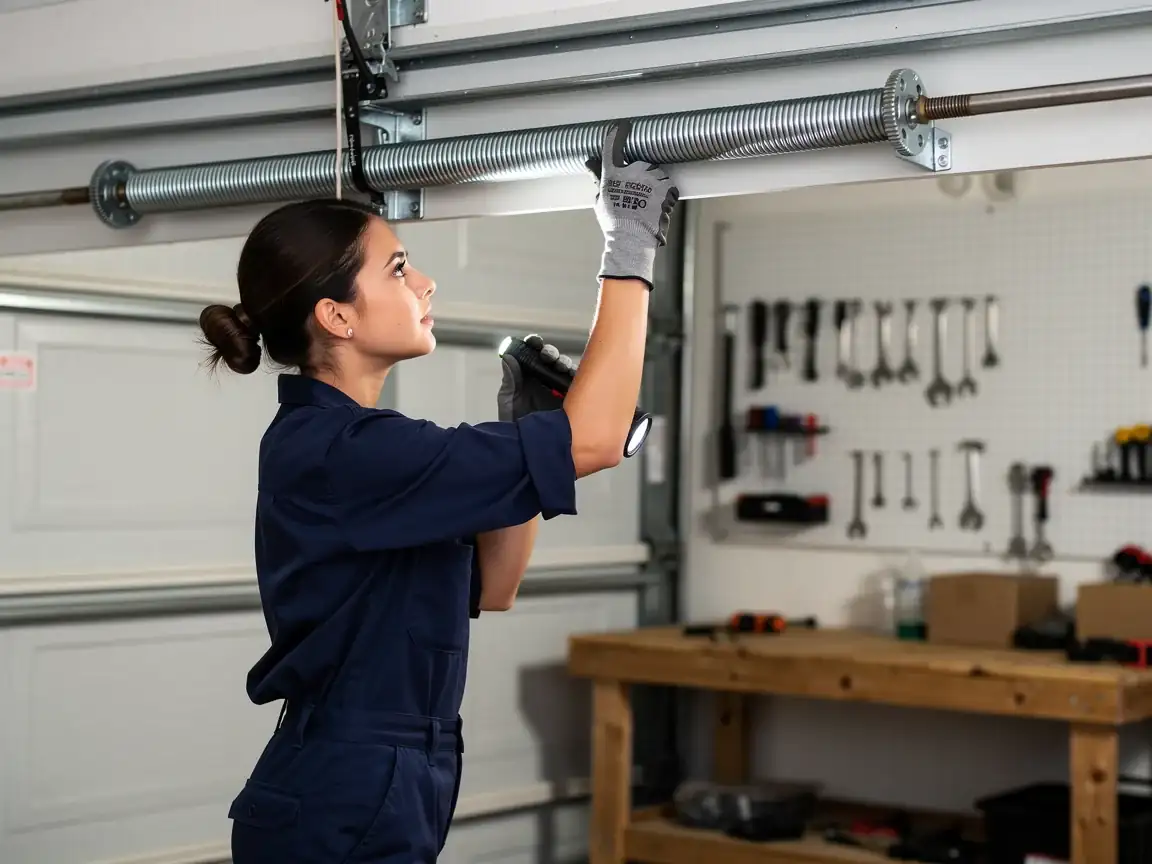
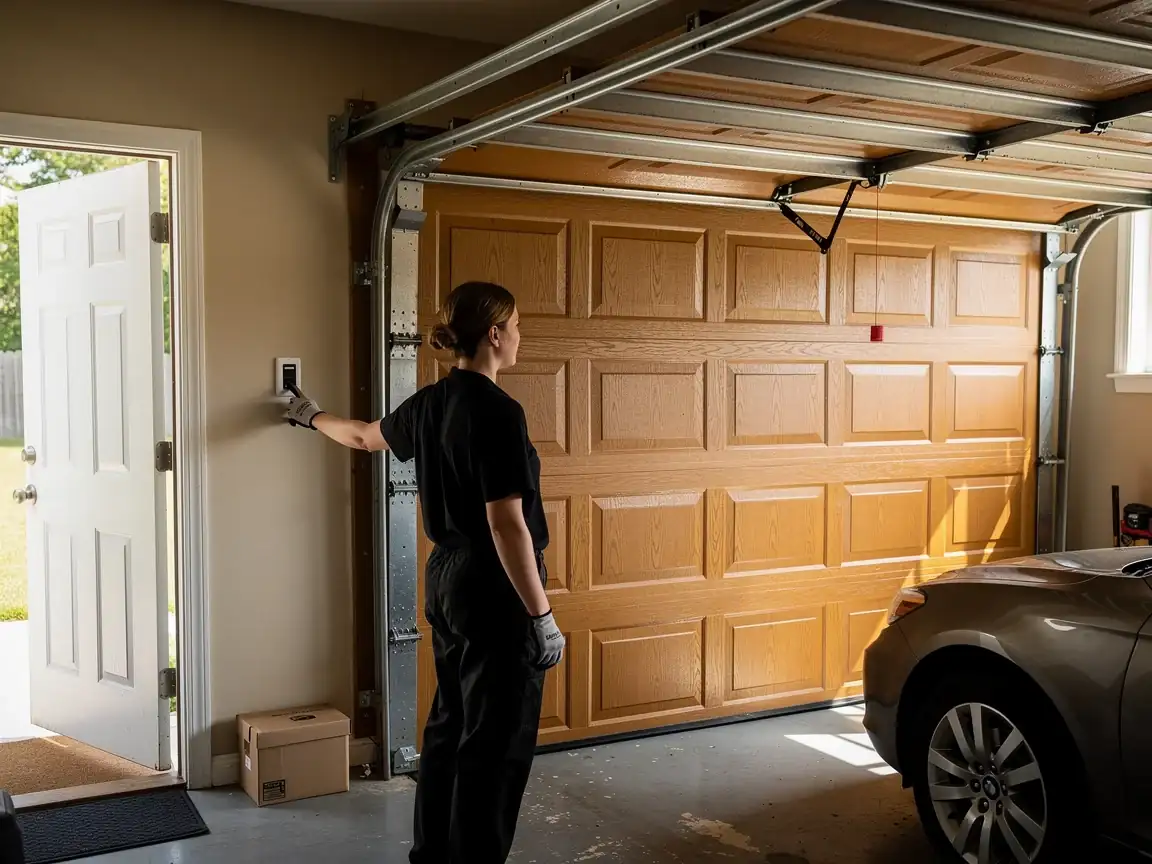
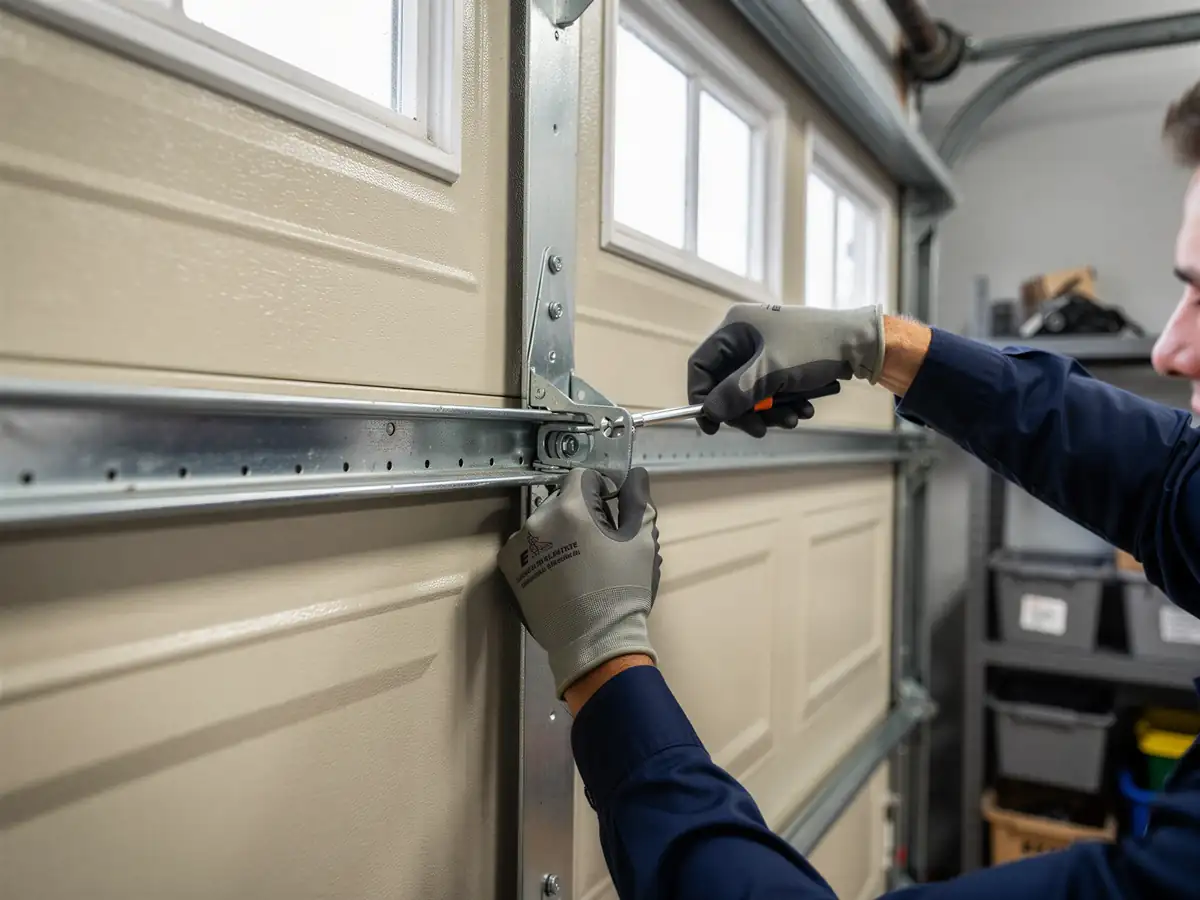
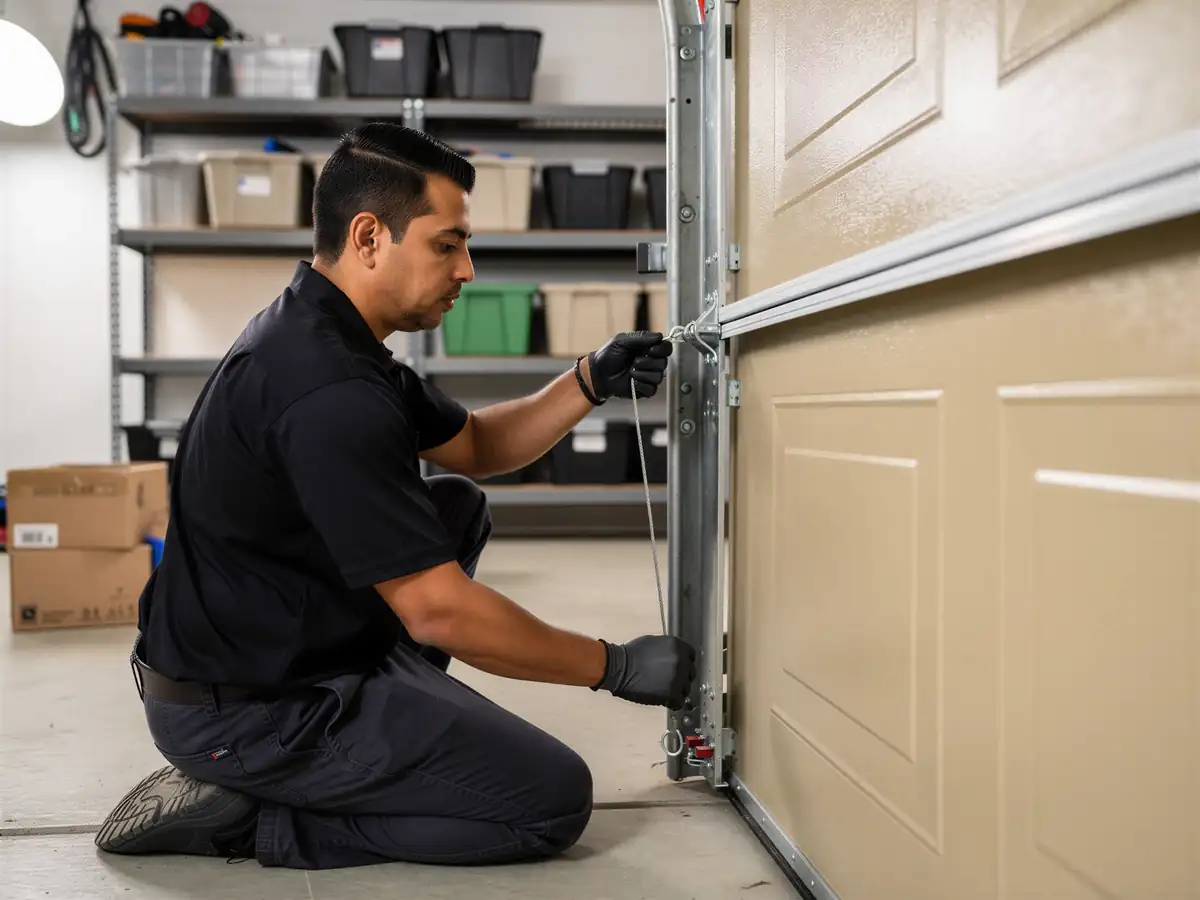
We keep steel rollers, extension springs in common weight ranges, and standard galvanized cable on the truck, because those are the parts that fail most often on Noble's 1989-median housing. What we don't always carry is a drop-in match for an opener that's thirty-plus years newer than the door it's driving - those get ordered once we've confirmed the exact model, and that can mean a short wait rather than a same-visit fix. If your door still has its original low-headroom torsion conversion from a later retrofit, tell us before we arrive; that hardware isn't universal and we'd rather bring the right bracket the first trip than the second.
What Can Go Wrong
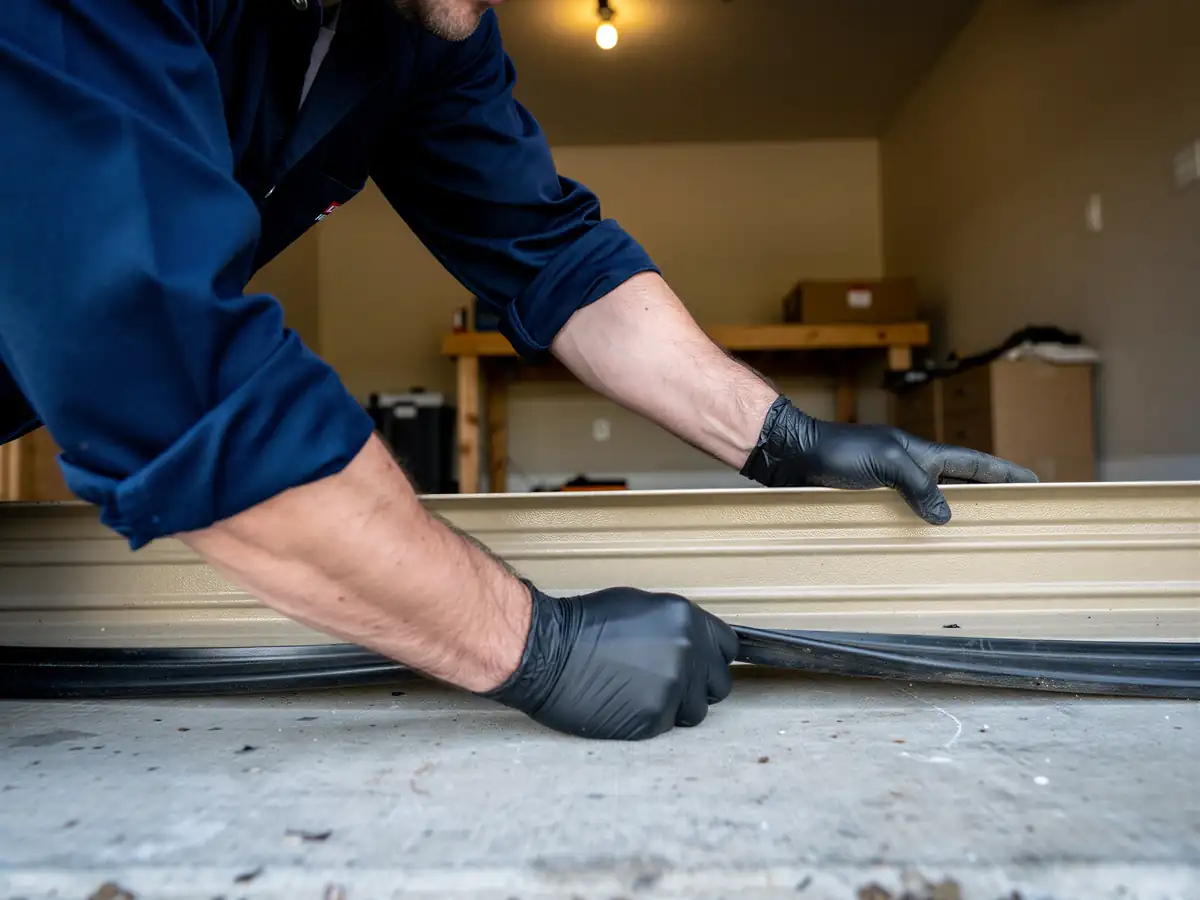
The most common failure we see on this housing stock is a frayed extension cable that's been quietly stretching for years before it finally snaps, usually when the door is at full open and the spring has nothing left to hold. Close behind that is a roller that's worn its track groove enough to bind, which strains the opener motor and can burn it out early. Corroded safety cables are the one we flag hardest, because a lot of 1980s installs never had one added, and an extension spring with no containment cable is a genuine hazard if it breaks. Honest limitation: if the frame itself has shifted or rusted through at the base, that's a carpentry and sometimes a structural fix before the door comes into play at all - that's not a repair we'll push a quick patch on just to close the ticket.