Why This Fails Locally
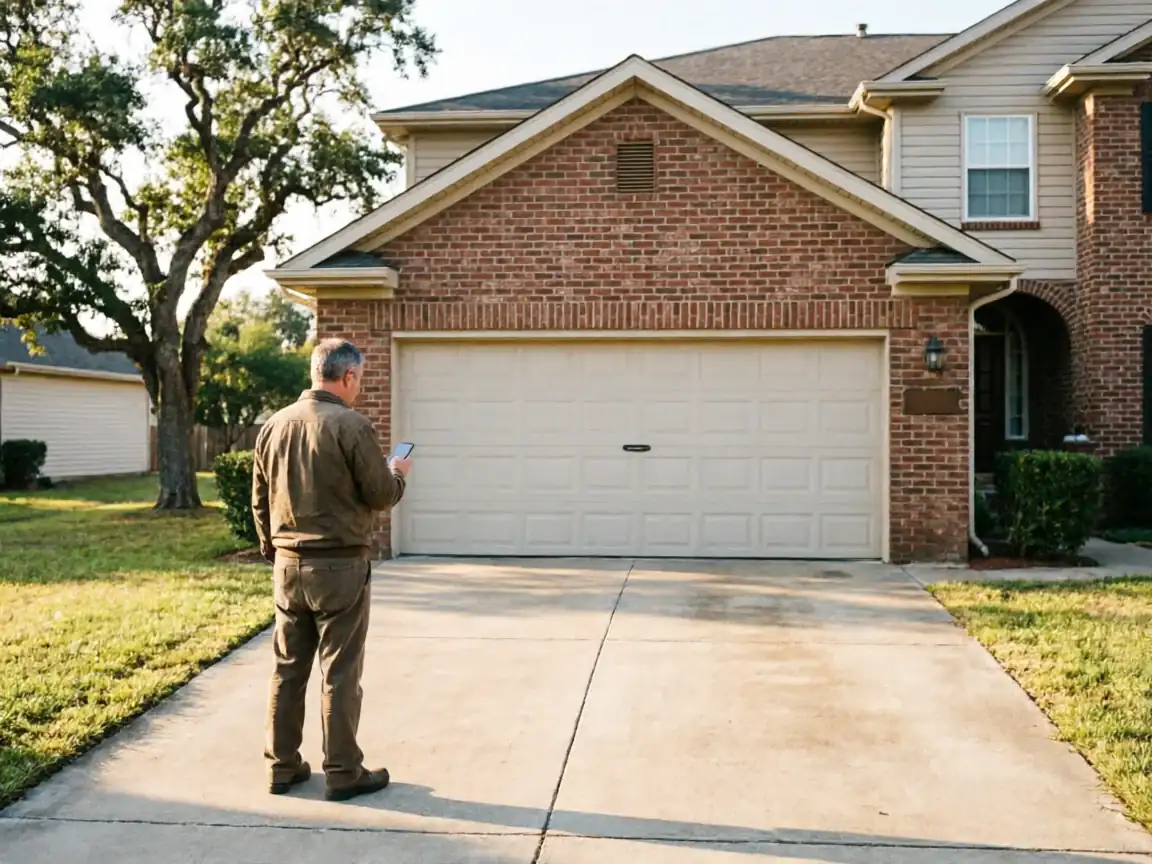
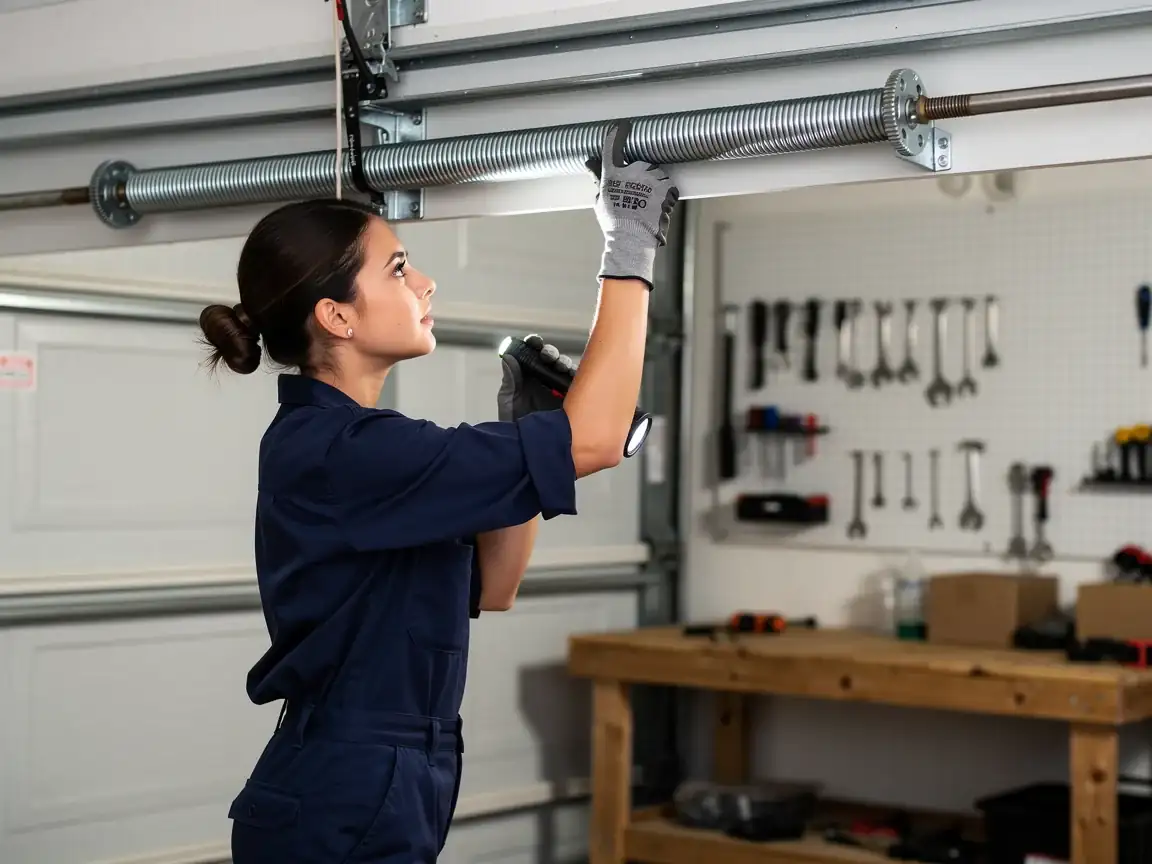
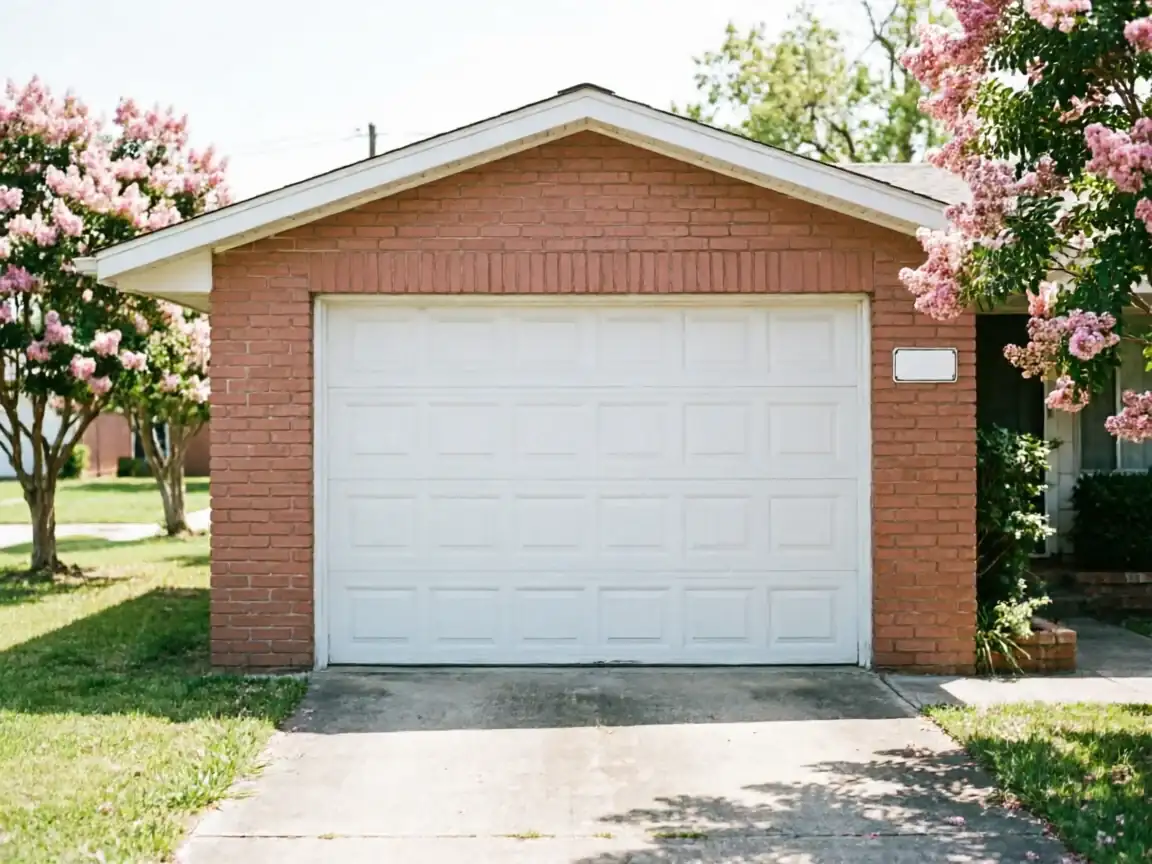
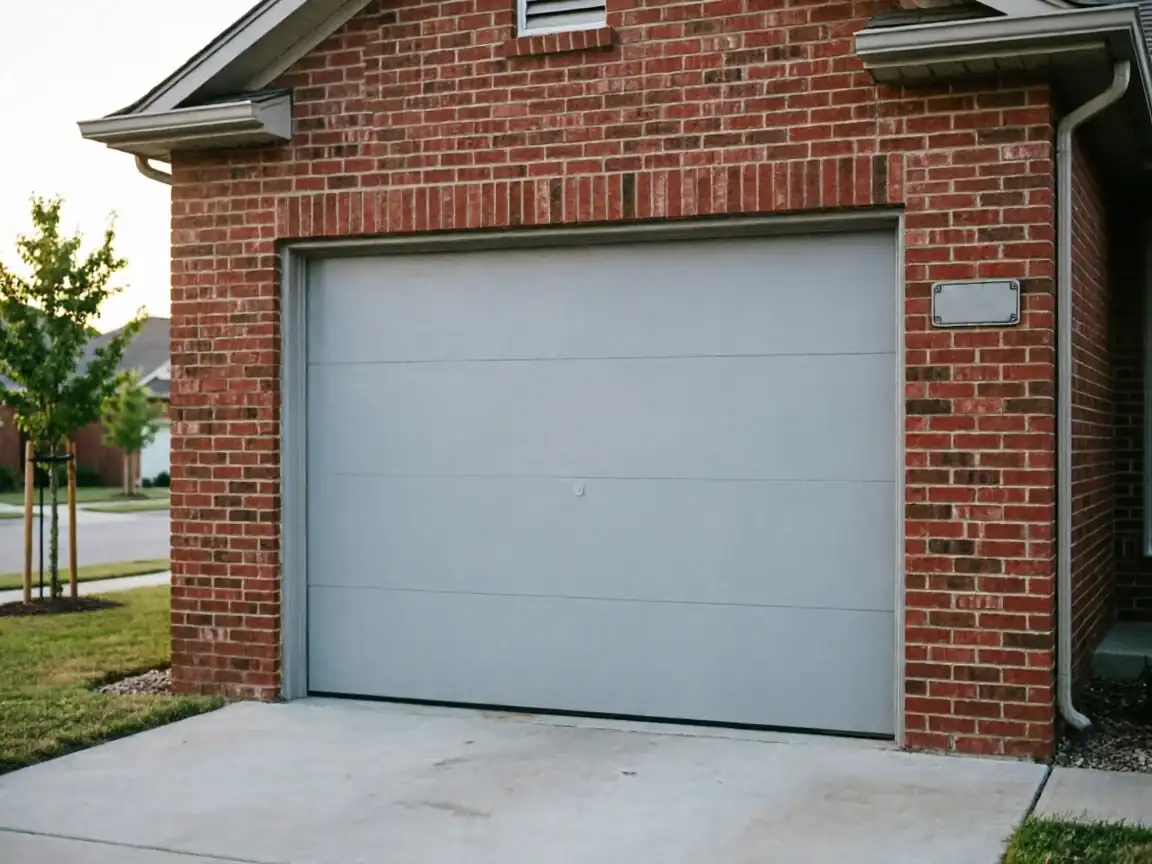
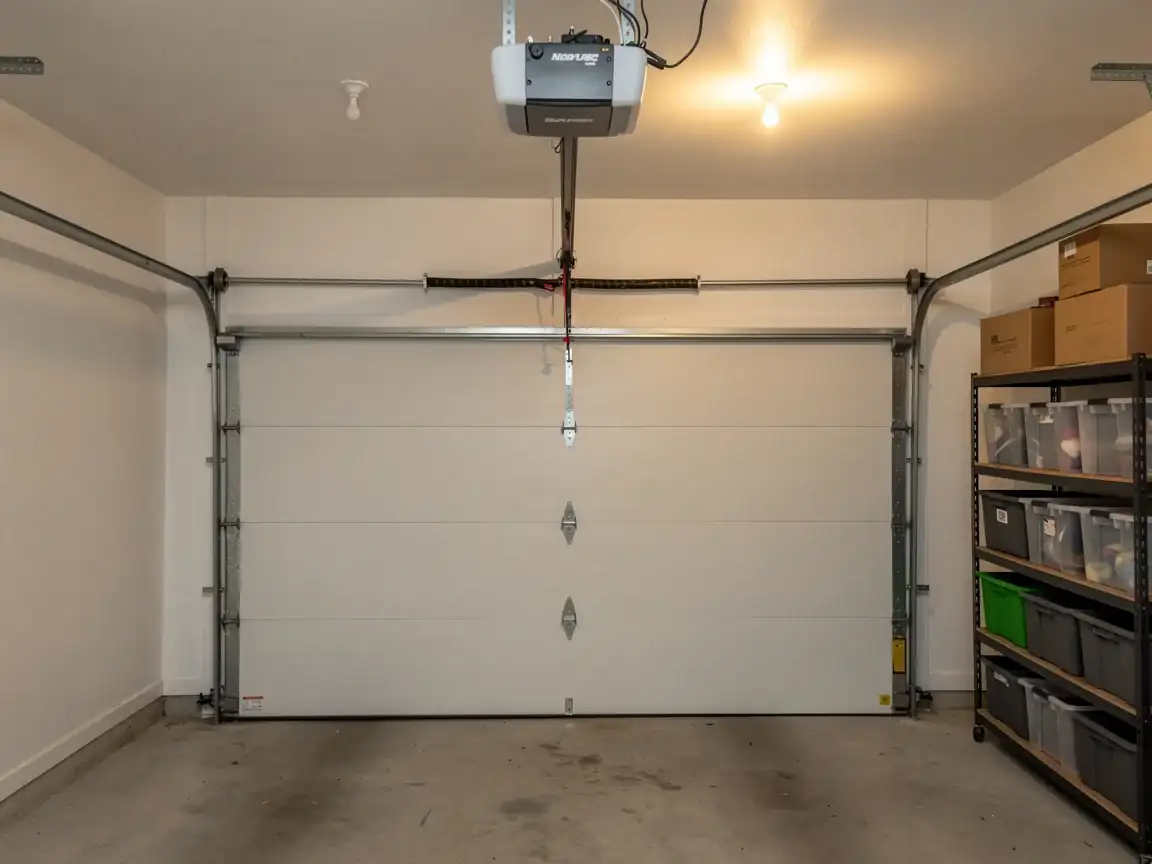
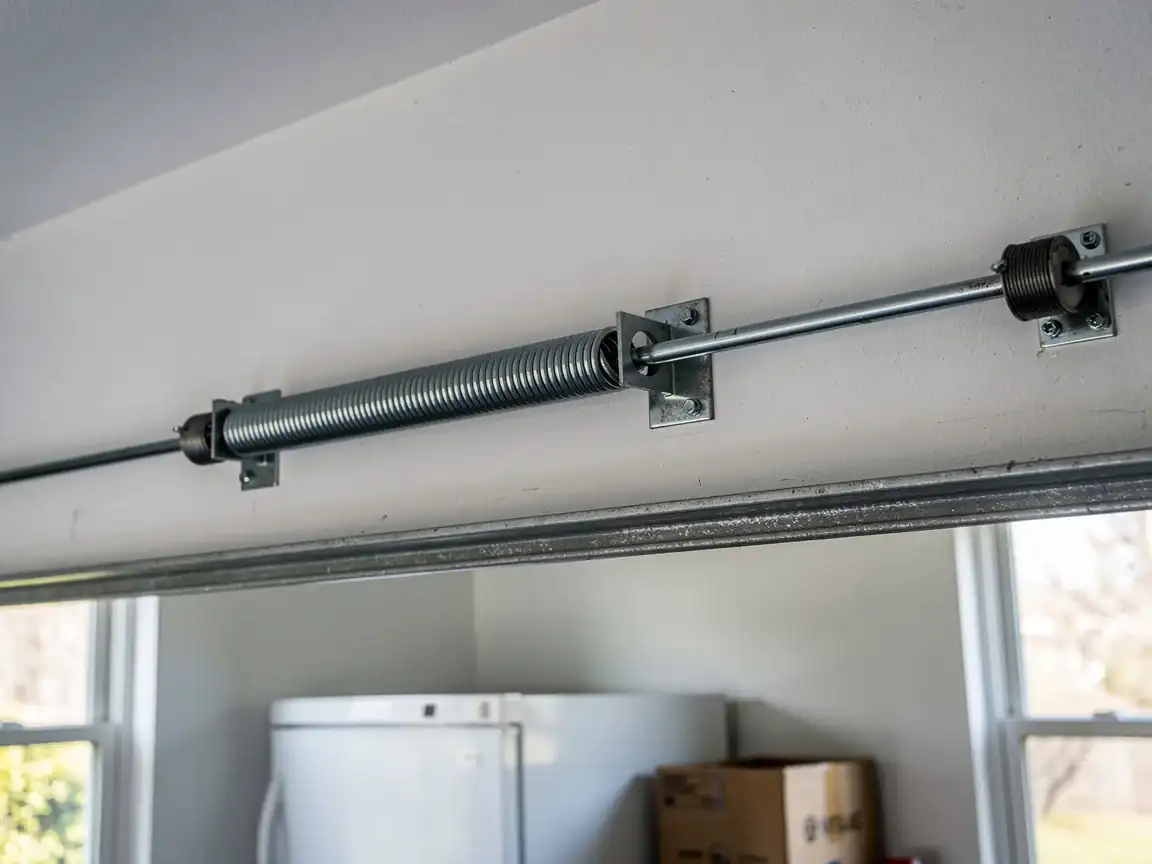
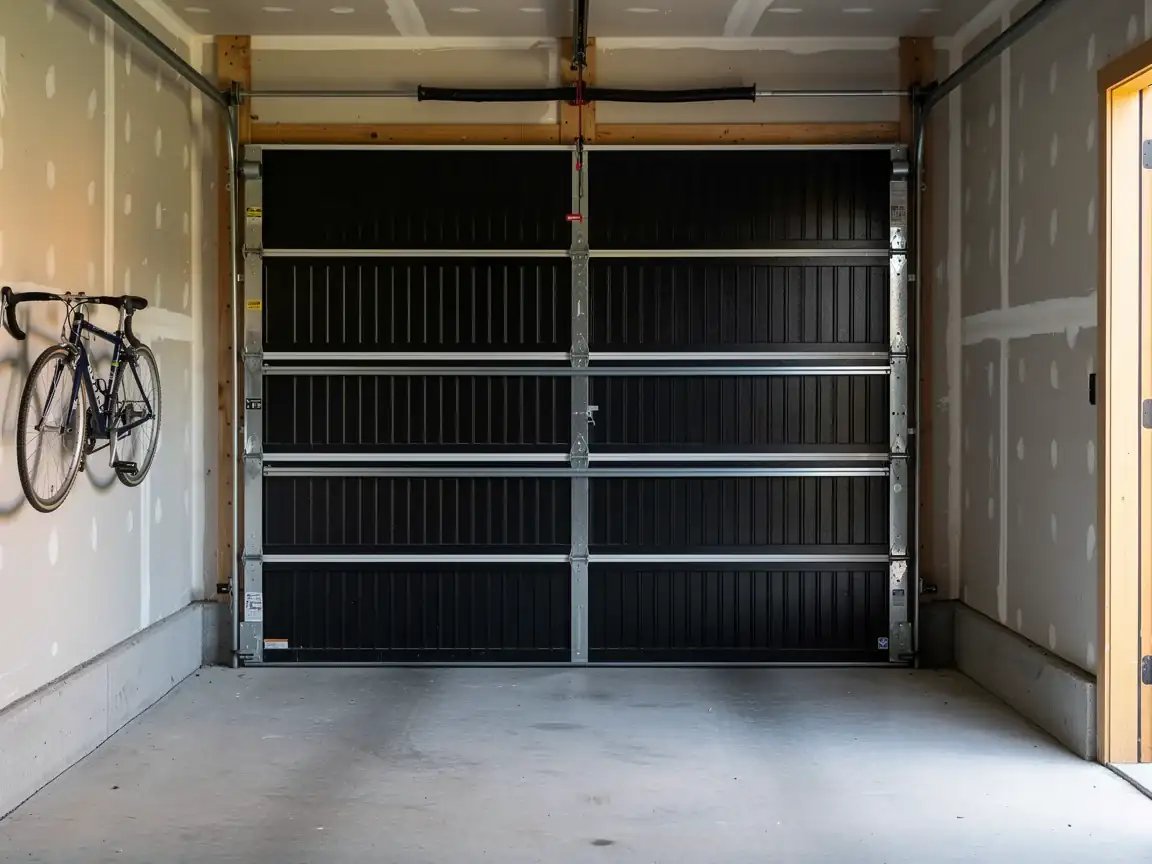
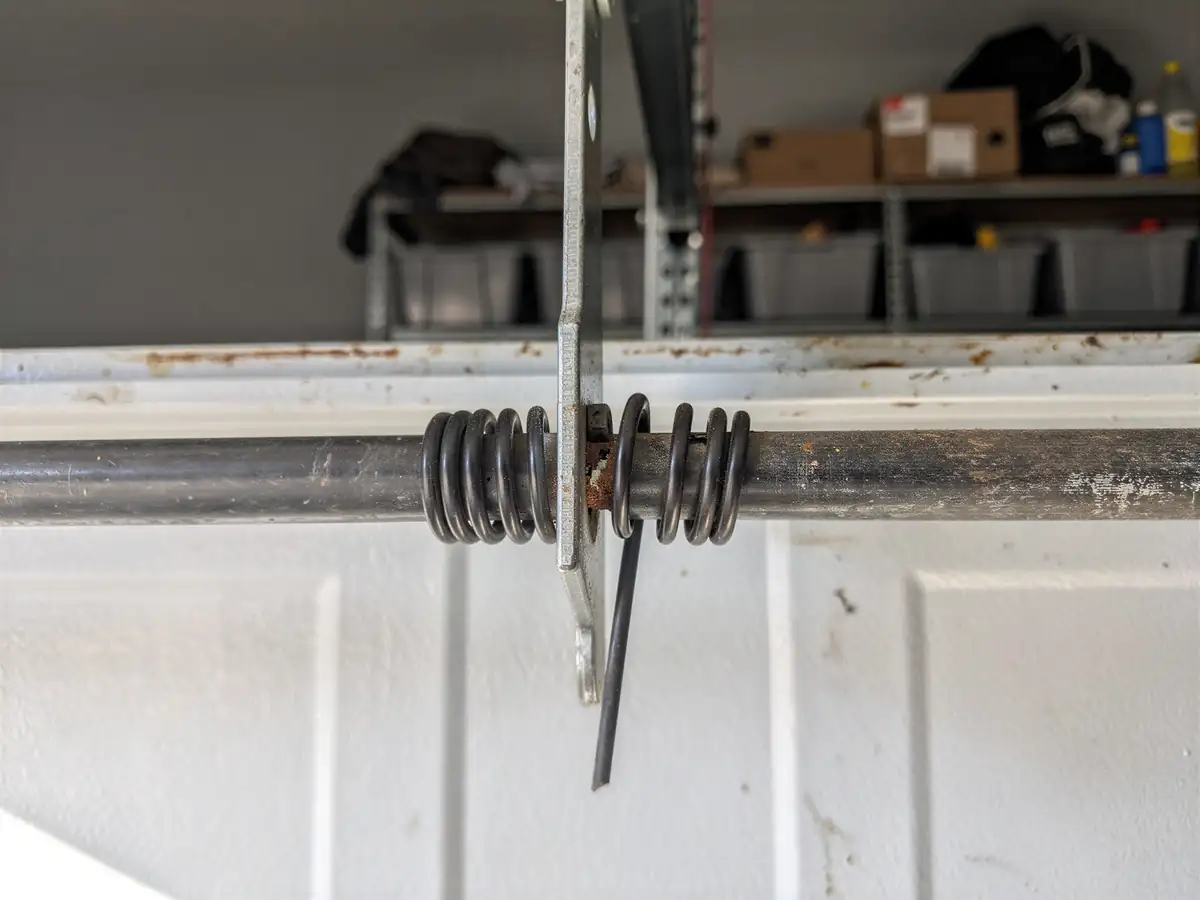
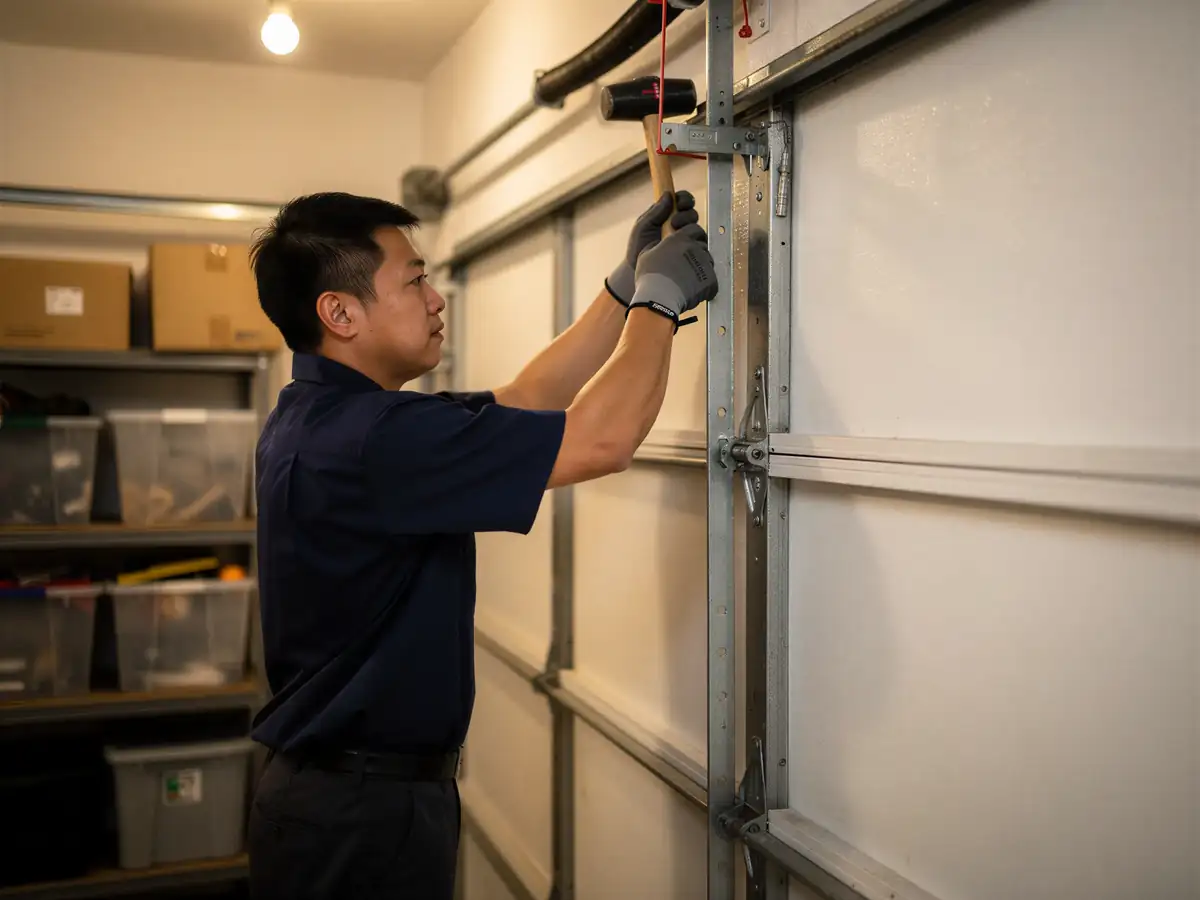
A door built in 1982 has had roughly four decades of temperature swings working on its hardware, and that's before you count how it was used. Torsion springs rated for 10,000 cycles don't know what year it is, but a spring installed when the house was built has likely hit that number and then some, regardless of how well the door was maintained. The failure pattern we see here leans toward spring fatigue and track misalignment rather than opener electronics, which is more what you'd expect from newer construction. Steel panels from this era also dent and bow differently than the thicker gauge used in later builds, so a hard knock that would just scuff a newer door can throw an older one out of square at the rollers. None of this is unique to any one house - it's a function of the build year, and Purcell's housing stock sits right at the point where that cycle count starts catching up.
Time on the Job
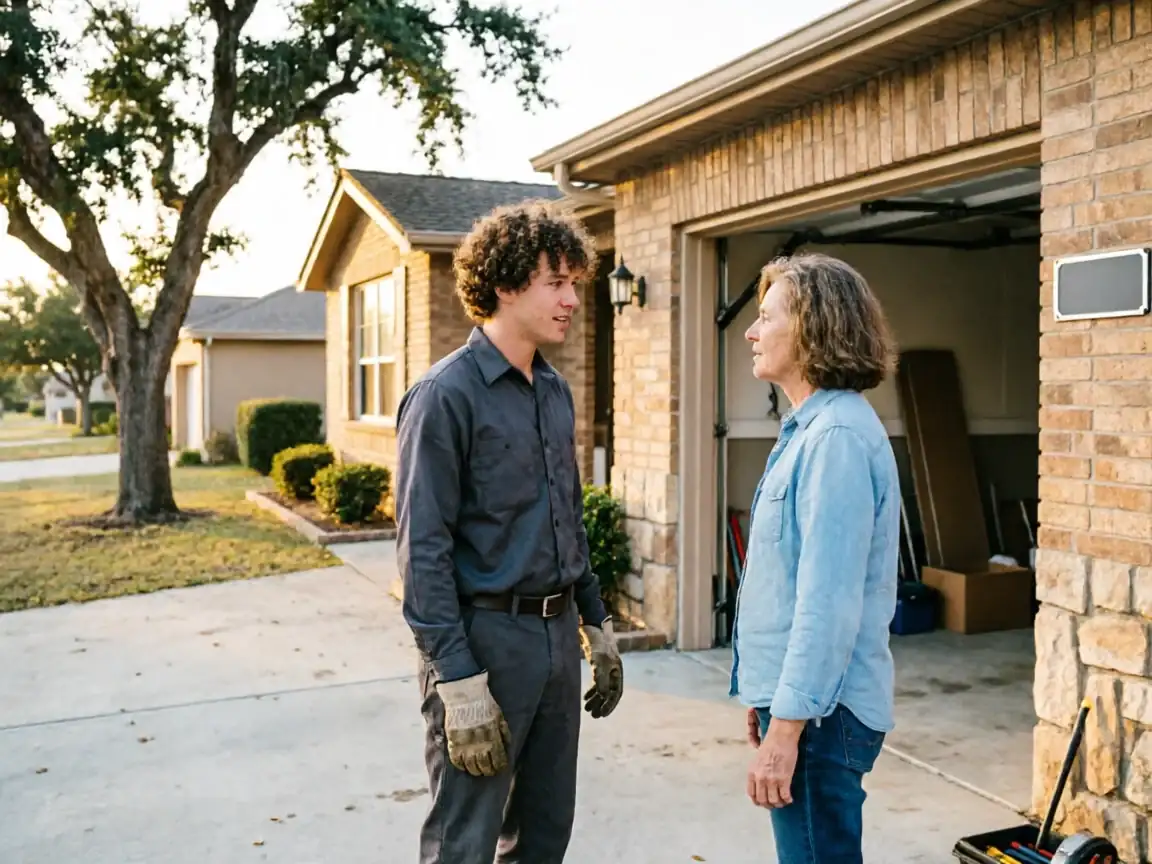
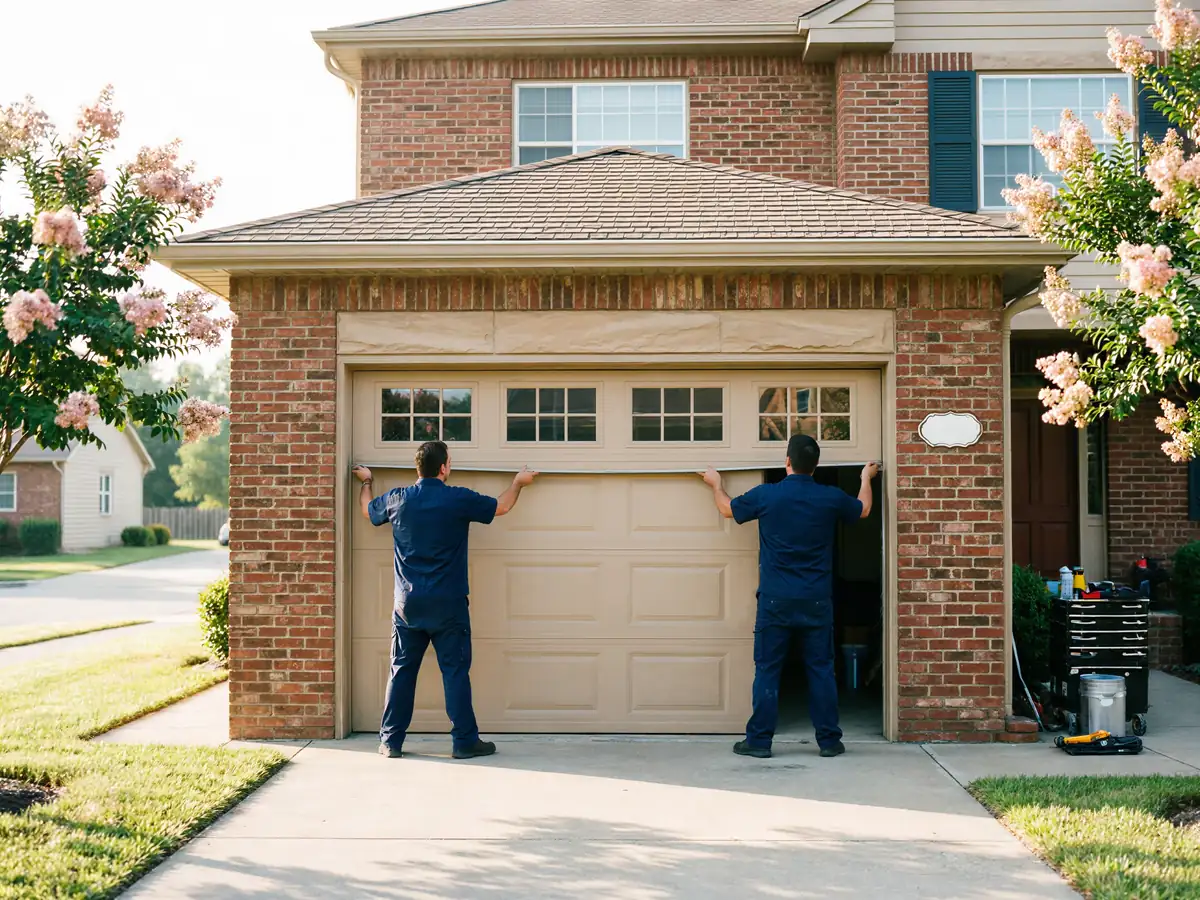
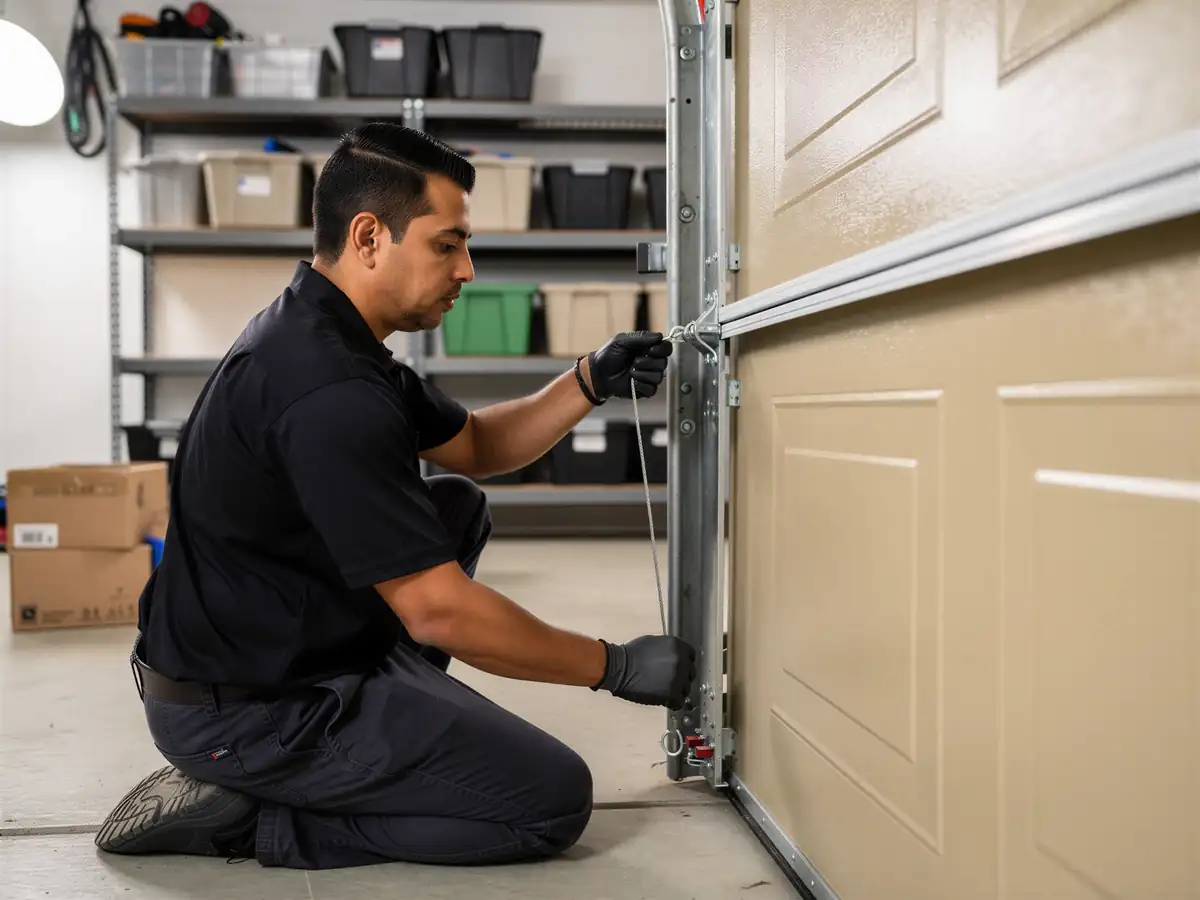
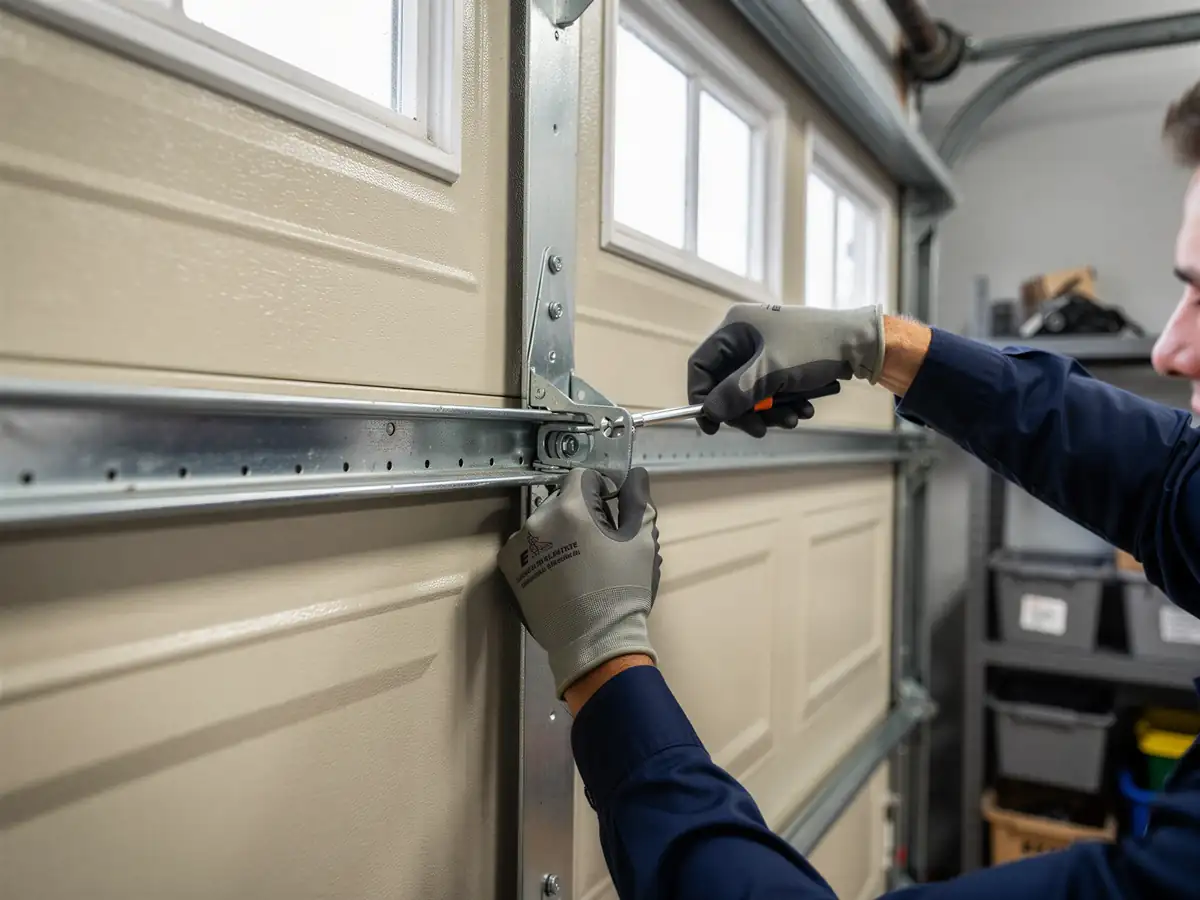
We run this job out of Norman, about 15 miles away, so Purcell calls get built into a scheduled route rather than treated as a walk-up stop. That means we ask for a window rather than promising we'll be there within the hour, and we're upfront that this isn't a same-day guarantee the way it might be for a job five minutes from the shop. Once we're on site, a standard spring replacement or roller swap runs the same as it would anywhere else - usually under two hours for a single door, longer if the track needs to be pulled and realigned. The travel adds to the planning, not the repair itself. If you call early in the day, we can usually work you into that day's or the next day's route without much delay.
How to Book
The fastest way to get on the schedule is through our Purcell garage door repair page, which routes requests straight into the Norman dispatch queue. If you're also weighing a bigger job or want to see the full range of what we handle out of the shop, the Norman garage door repair page covers that. For Purcell specifically, the more you can tell us up front - door age, whether it's torsion or extension spring, what it's doing when it fails - the better we can staff the truck for a single trip instead of needing a second visit for a part we didn't know to bring.
What Can Go Wrong
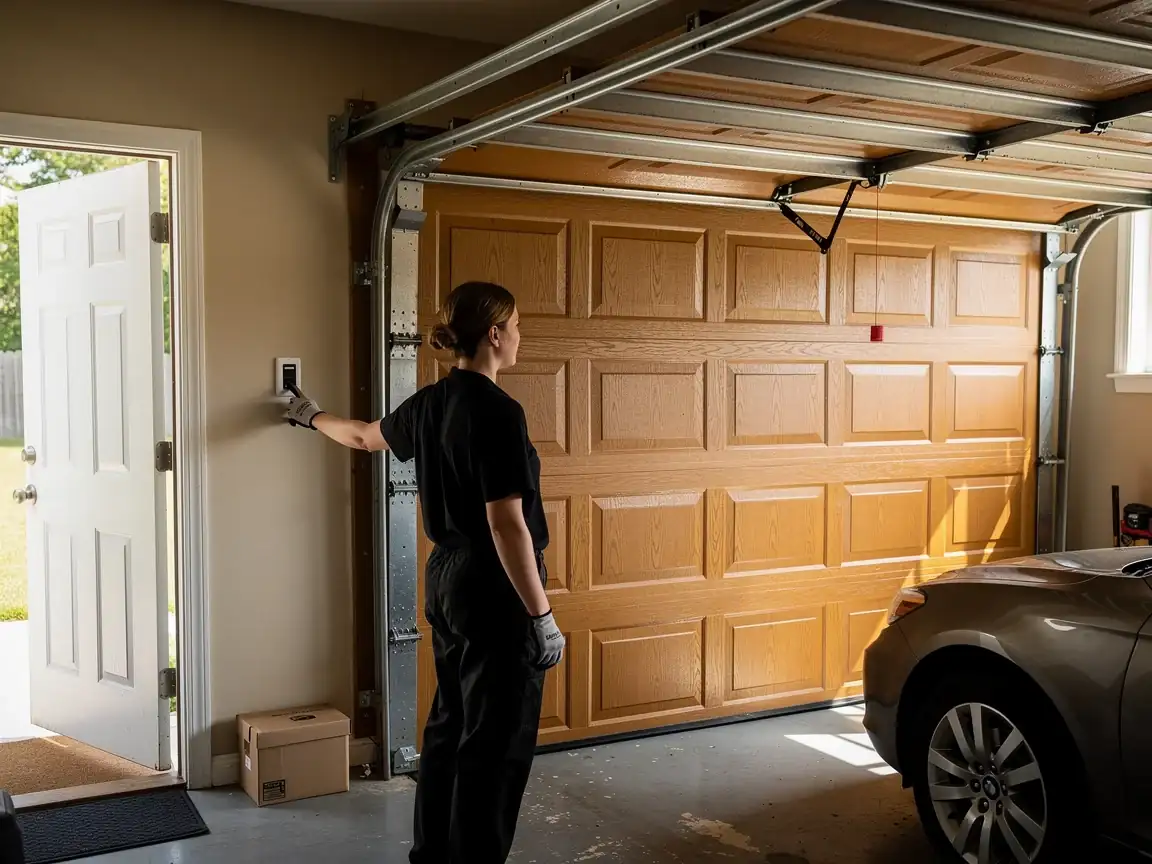
Cold snaps stiffen steel torsion springs, and that effect is more noticeable on hardware that's already fatigued from decades of cycles, which describes a good share of Purcell's 1980s-built doors. A spring that's been creaking all fall can seize or snap outright the first hard cold morning of the year. Tracks on older steel doors also narrow their tolerance for being out of alignment - a door that's been dragging slightly for months can jump the roller entirely once the cold makes the metal less forgiving. Openers from this era, if original, often lack modern auto-reverse sensors, so a door that doesn't stop on an obstruction isn't just inconvenient, it's a real safety gap. We flag that every time we see it, even on calls that came in for something else entirely.