Parts We Carry
Most of what we load for a Purcell call is sized for a door built somewhere around 1982
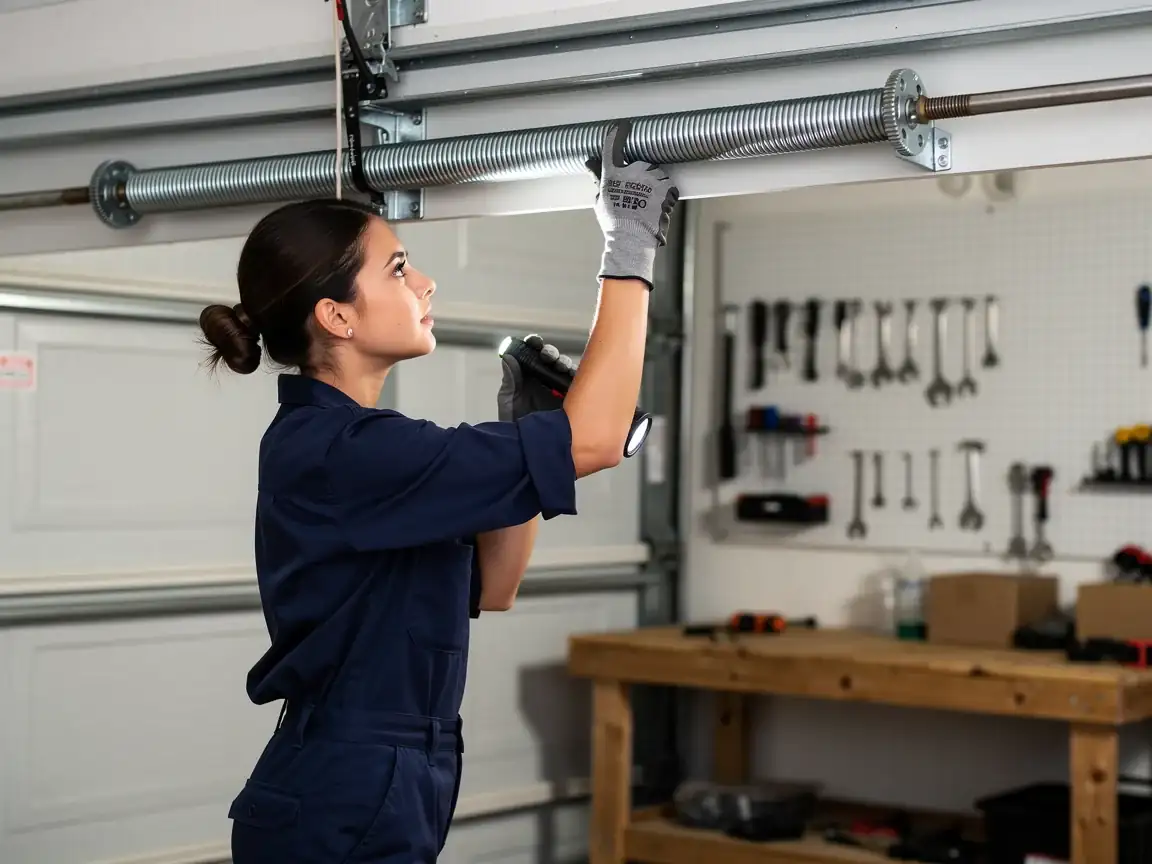
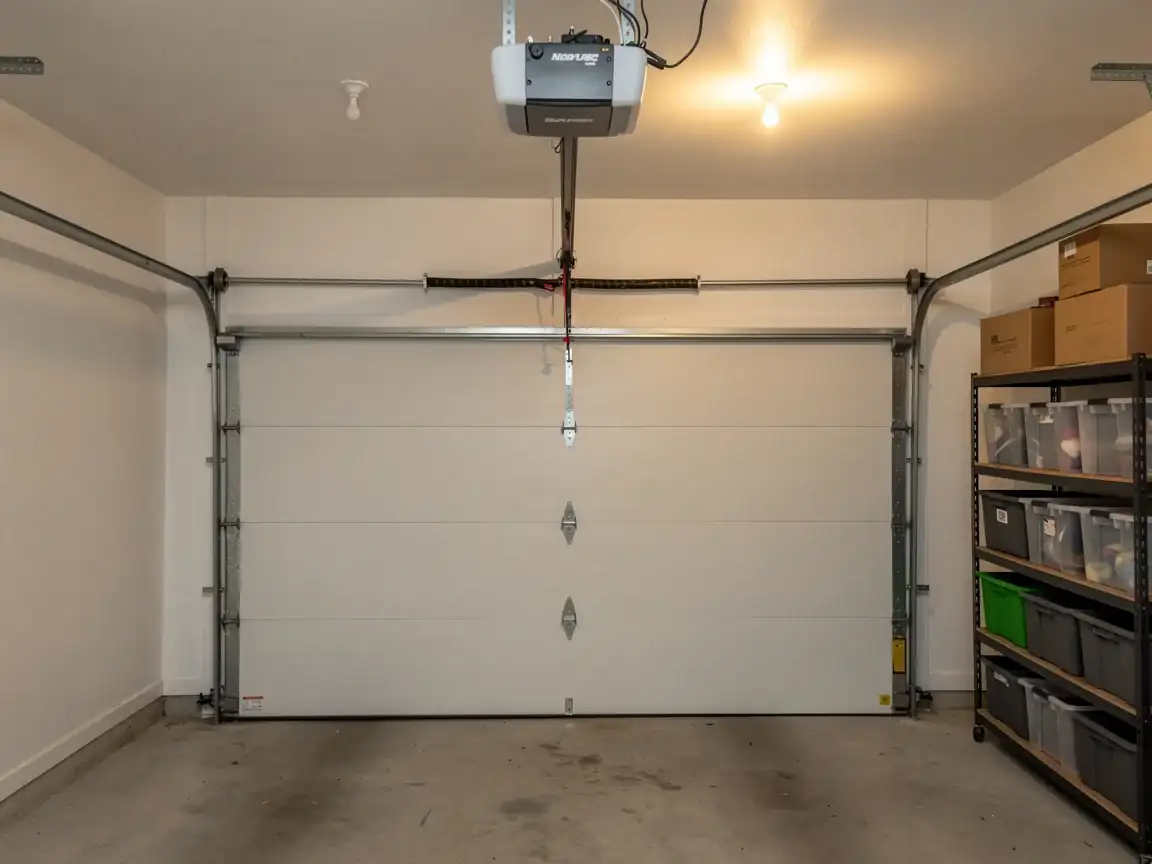
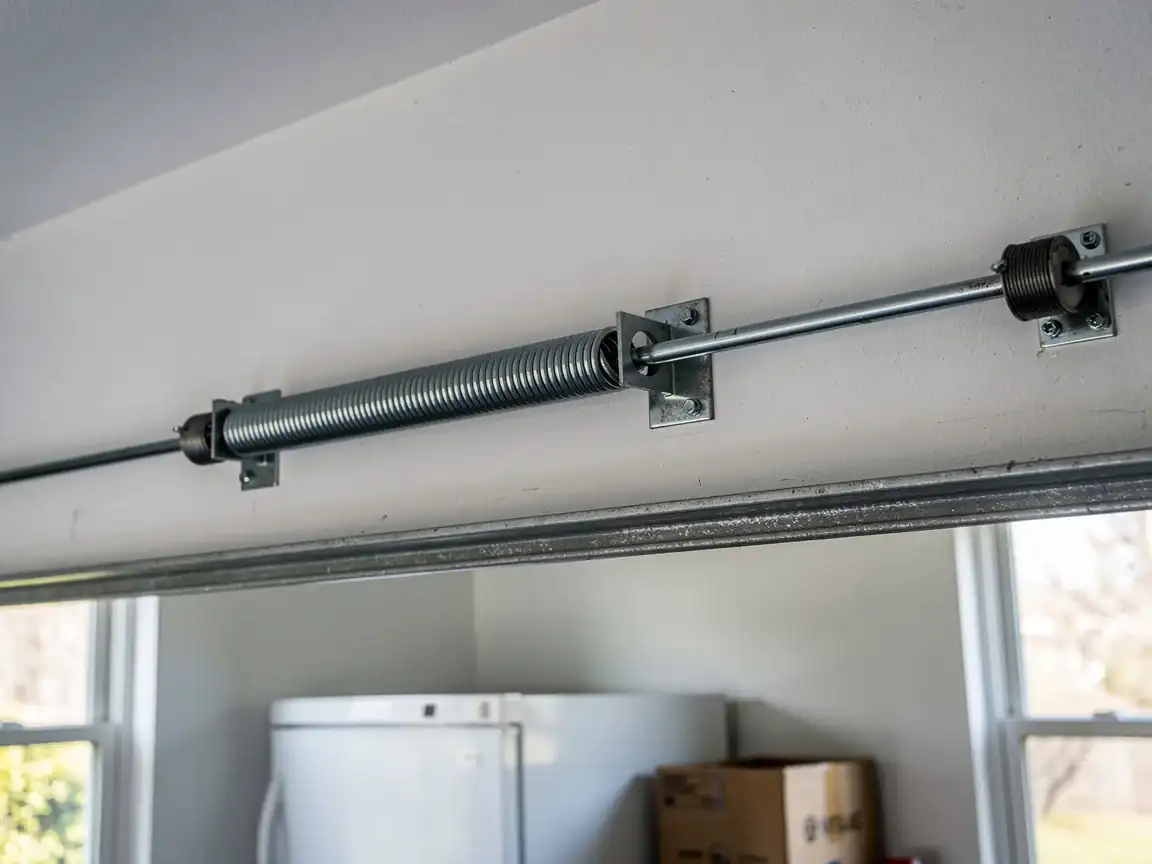
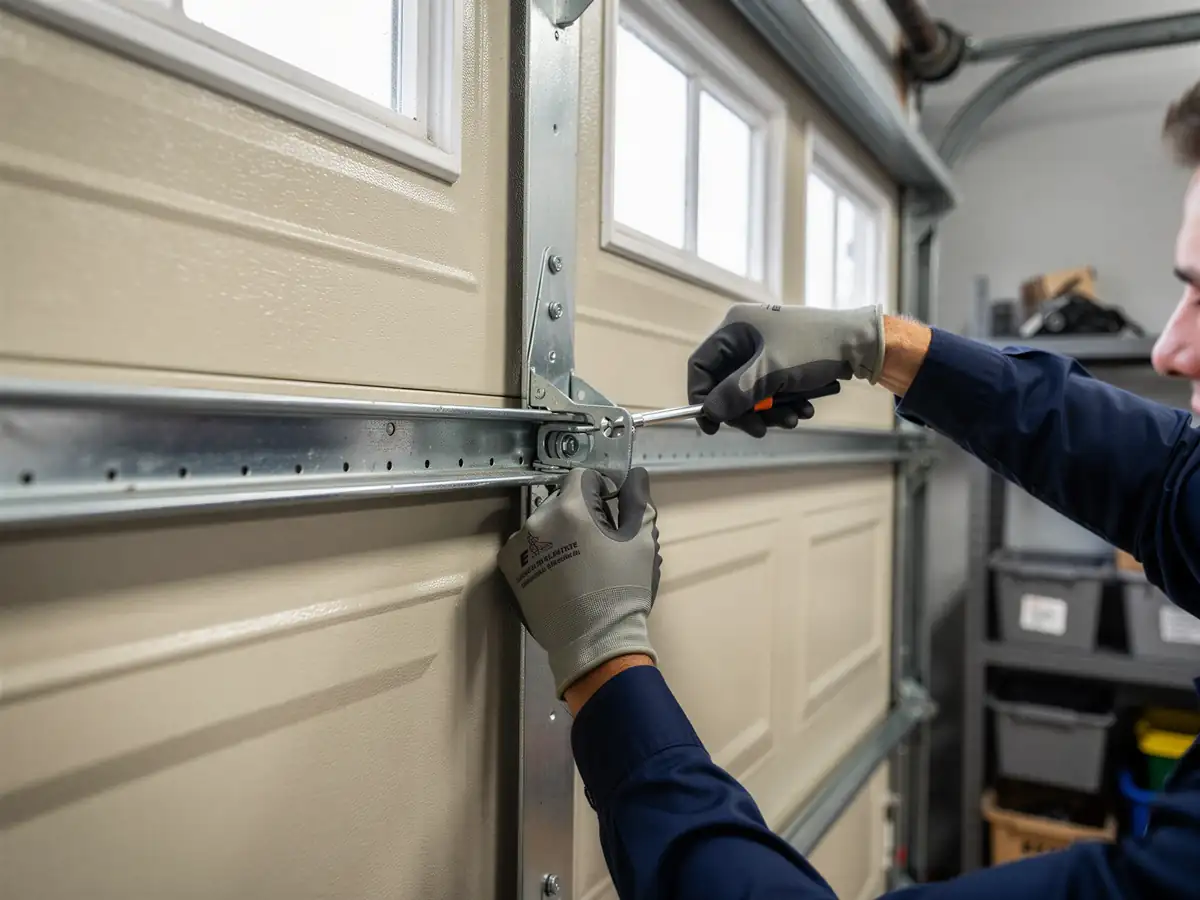
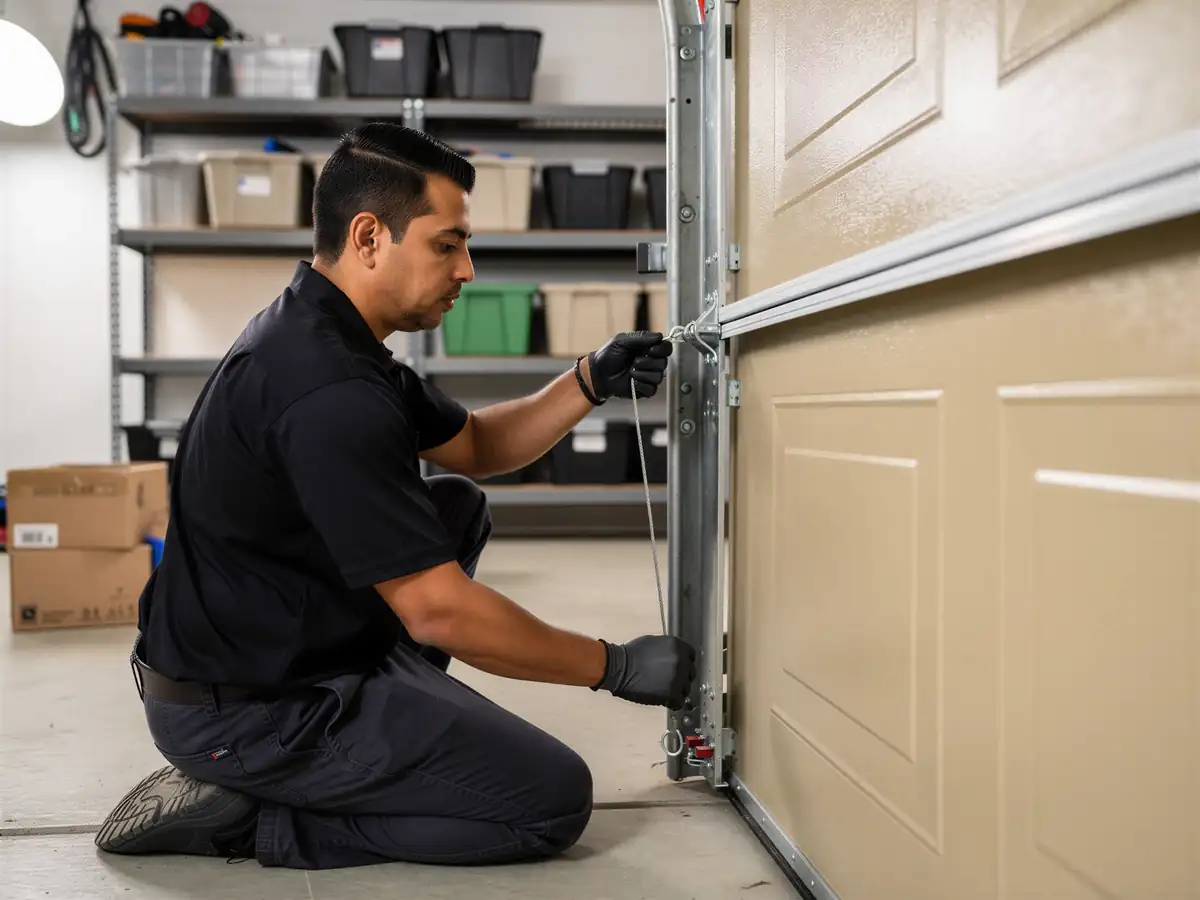
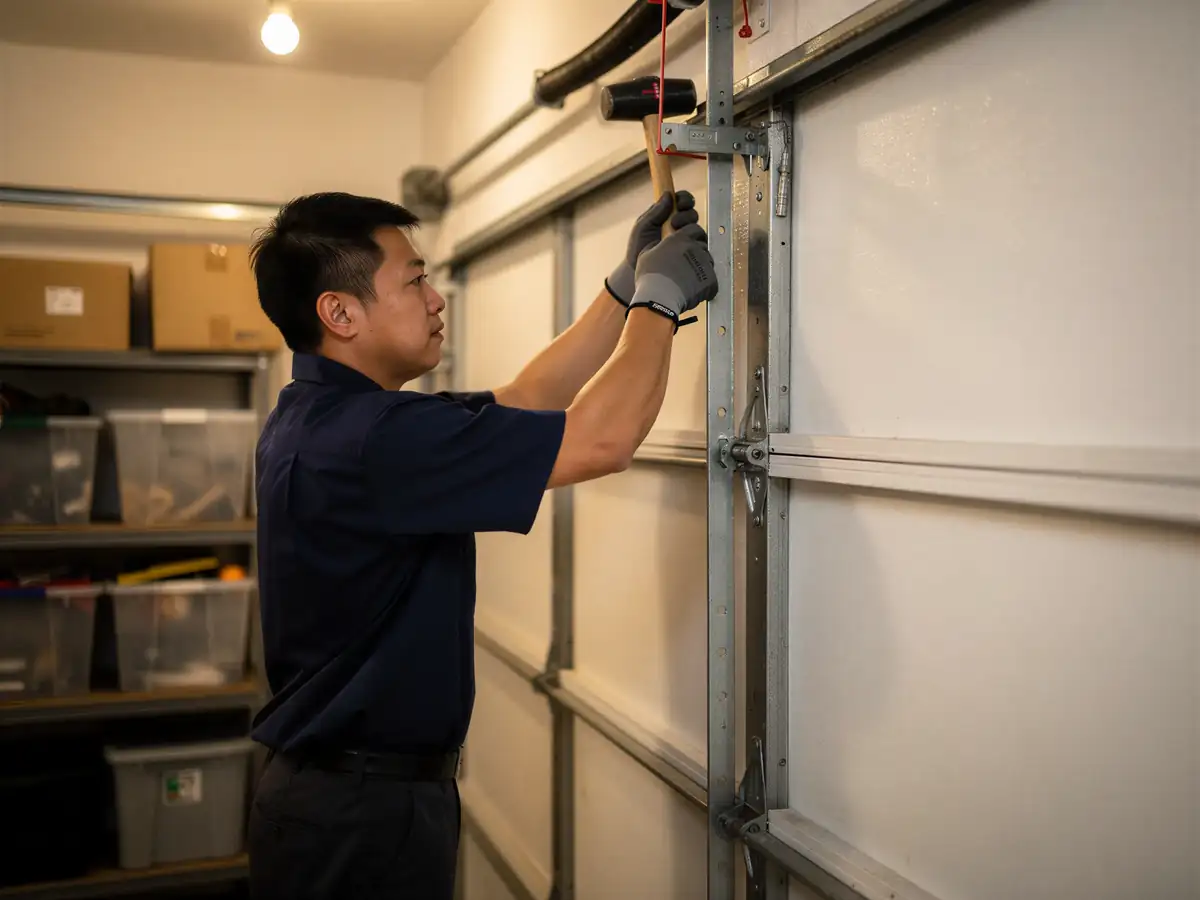
Which is where the housing stock here centers. That means standard-wind torsion springs in the sizes that matched steel sectional doors of that era, not the lighter springs that go on newer insulated panels. We carry rollers, end bearings, and lift cables sized for those same doors, plus the hinges that wear out first on a 40-year-old panel set. Openers are a mixed bag - some houses here still run a chain-drive unit from a later retrofit, others never got upgraded past the original hardware, so we bring parts for both rather than guessing which one we'll find.
We don't stock every obsolete bracket or discontinued track profile
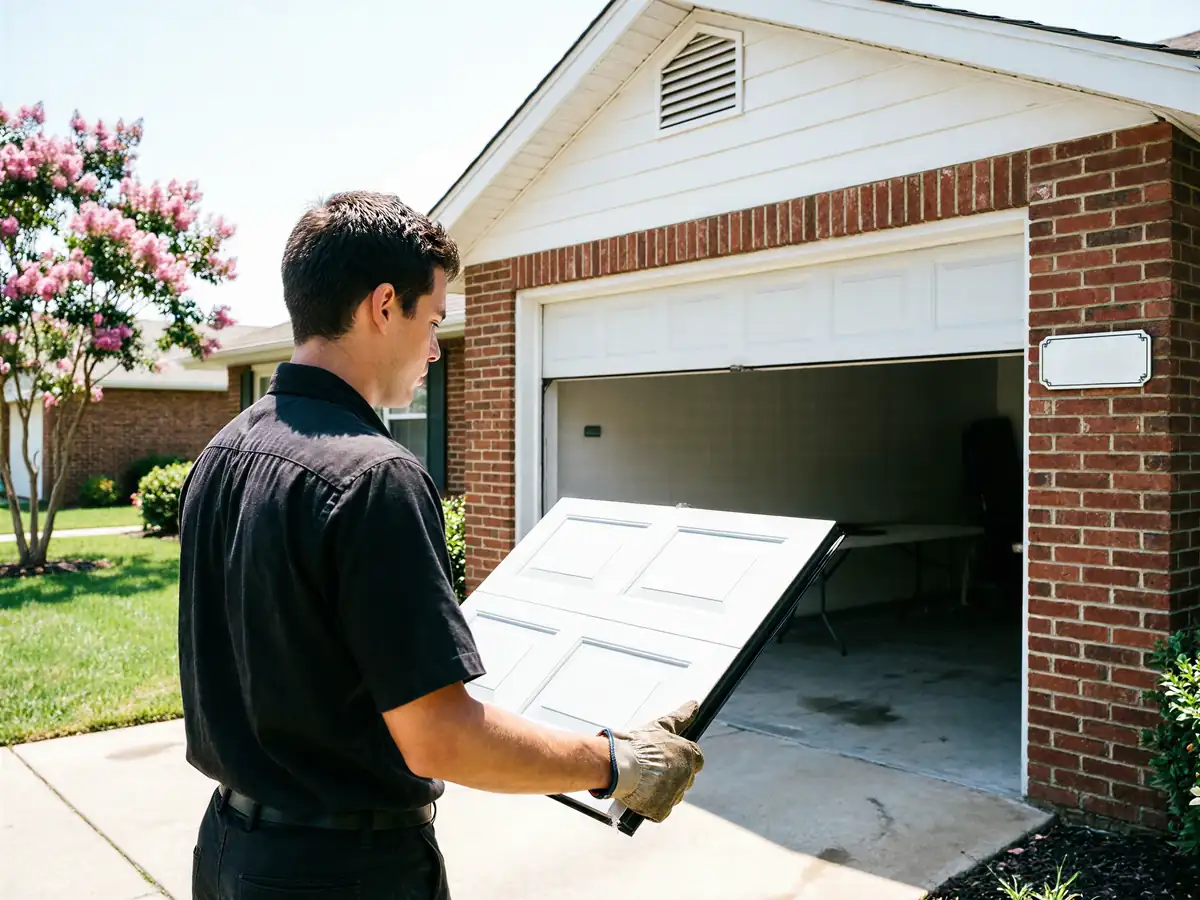
If a door has a part that hasn't been made in twenty years, we tell you that on the spot rather than promising a fix we can't deliver that day. Sometimes the honest answer is a new door section instead of a hunt for a part nobody sells anymore.
Why This Fails Locally
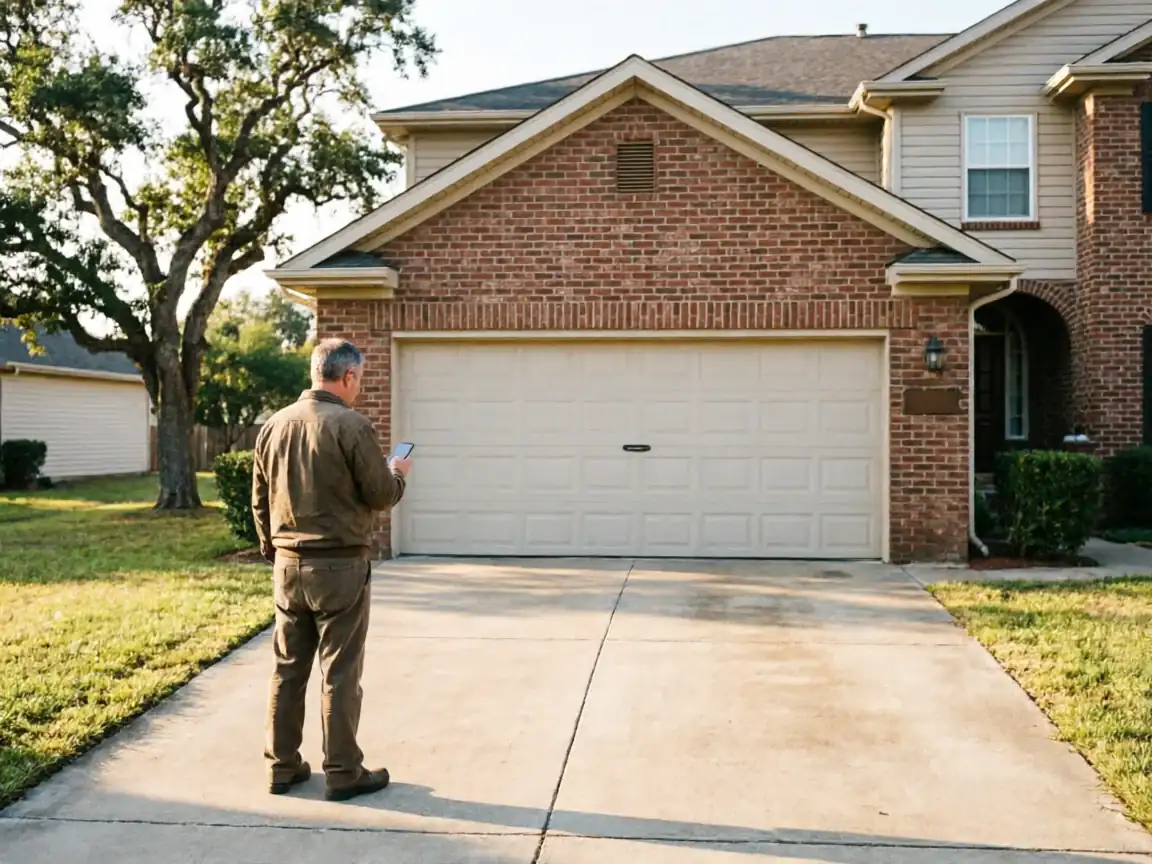
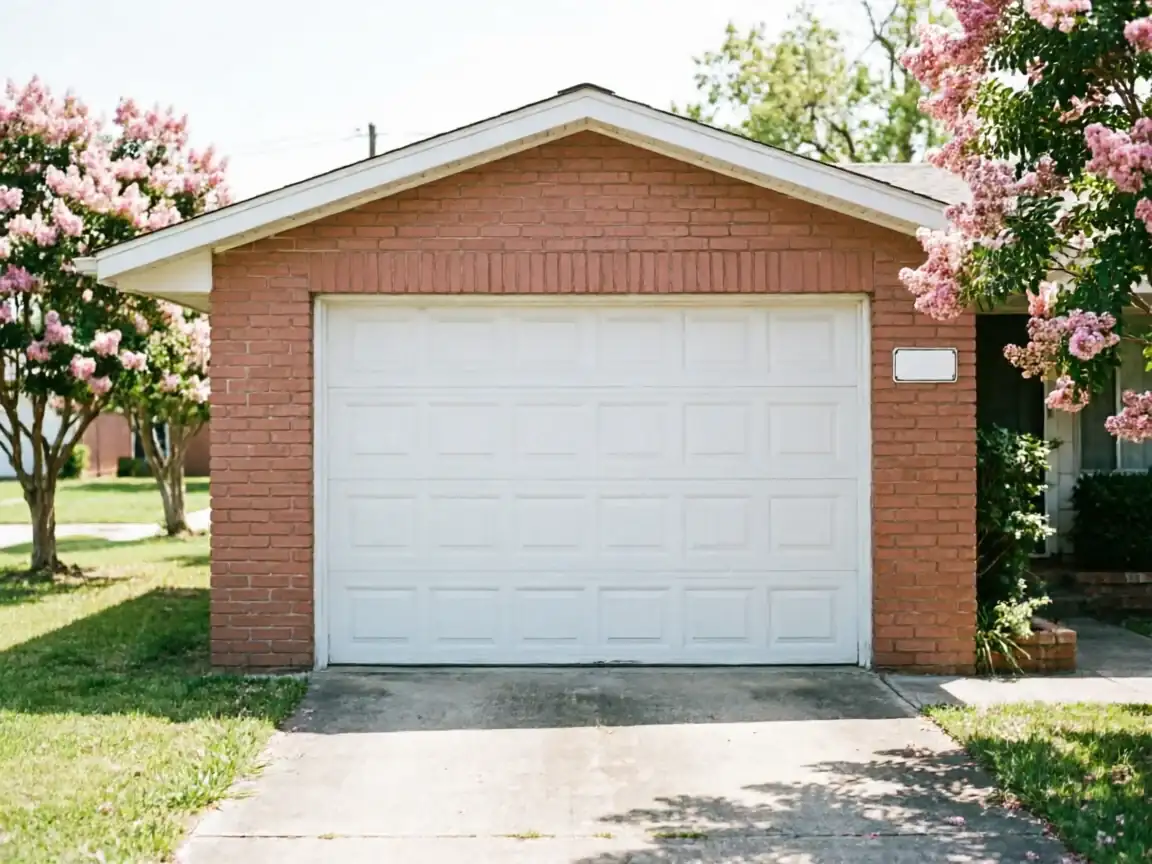
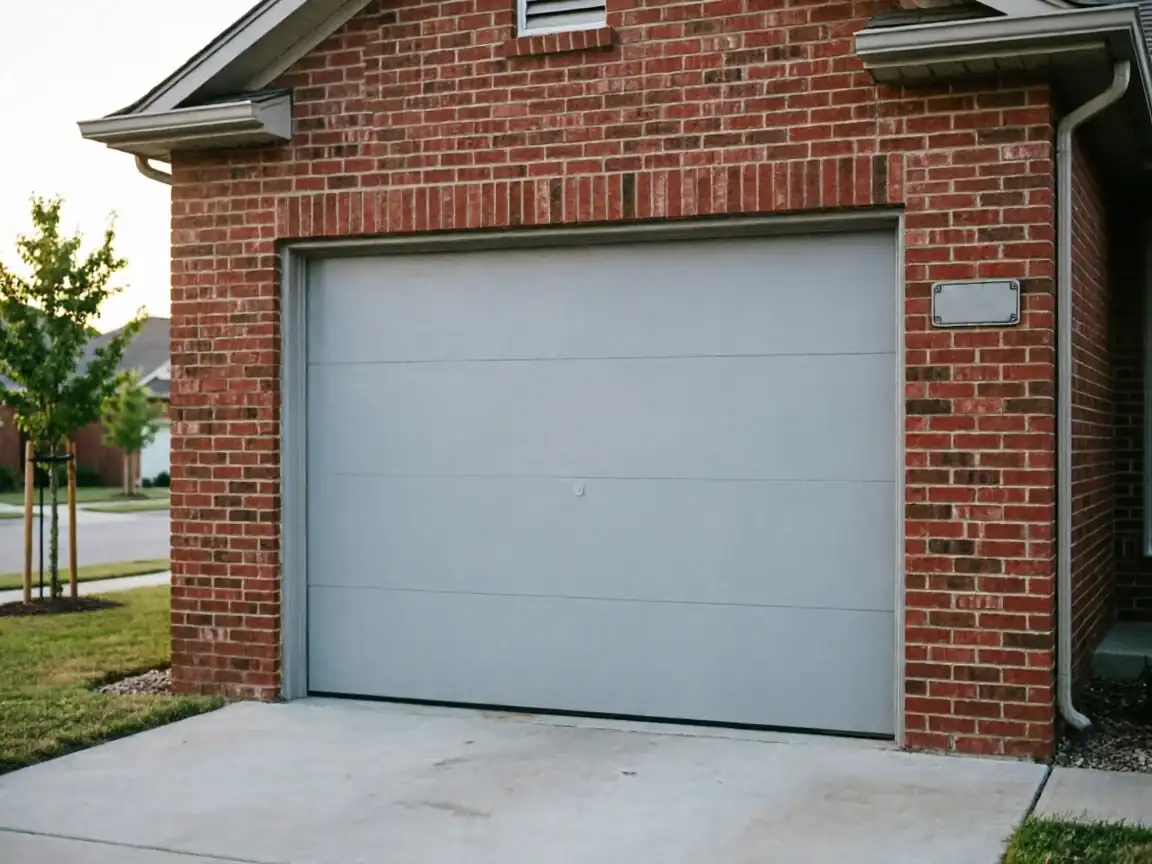
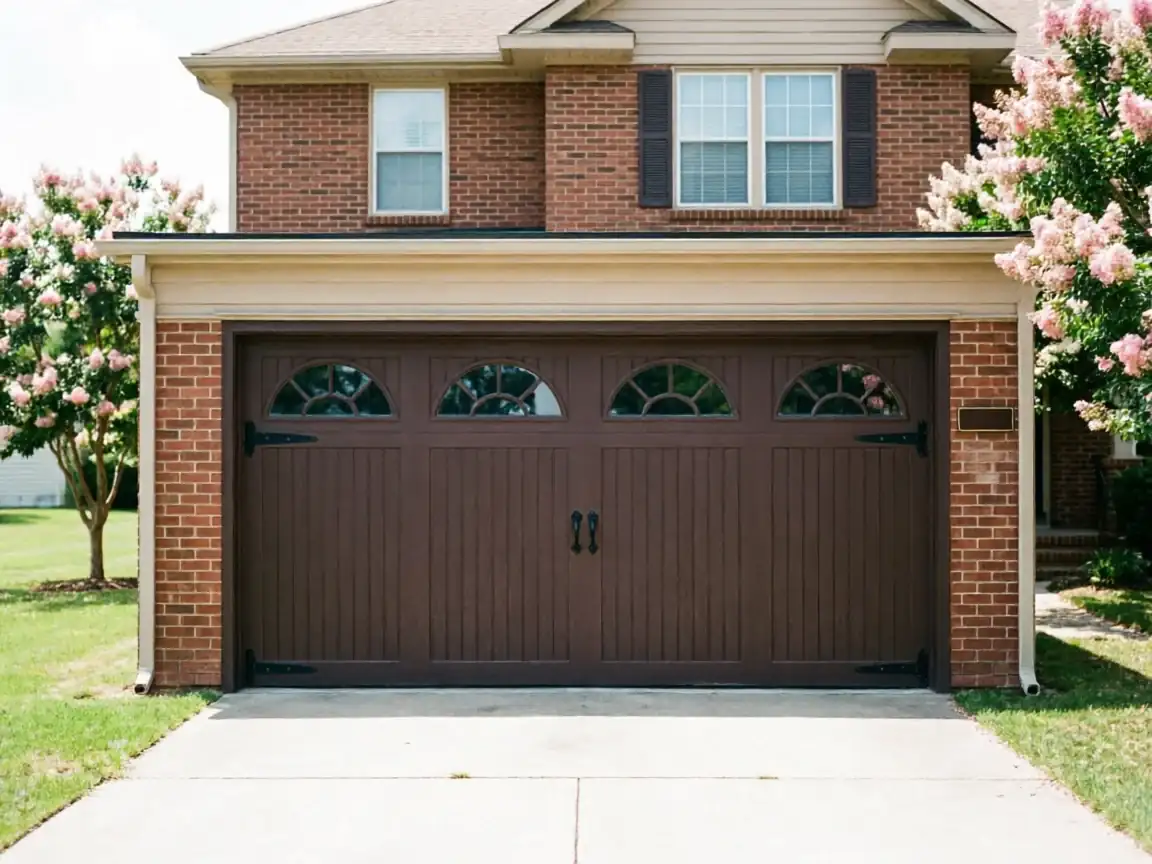
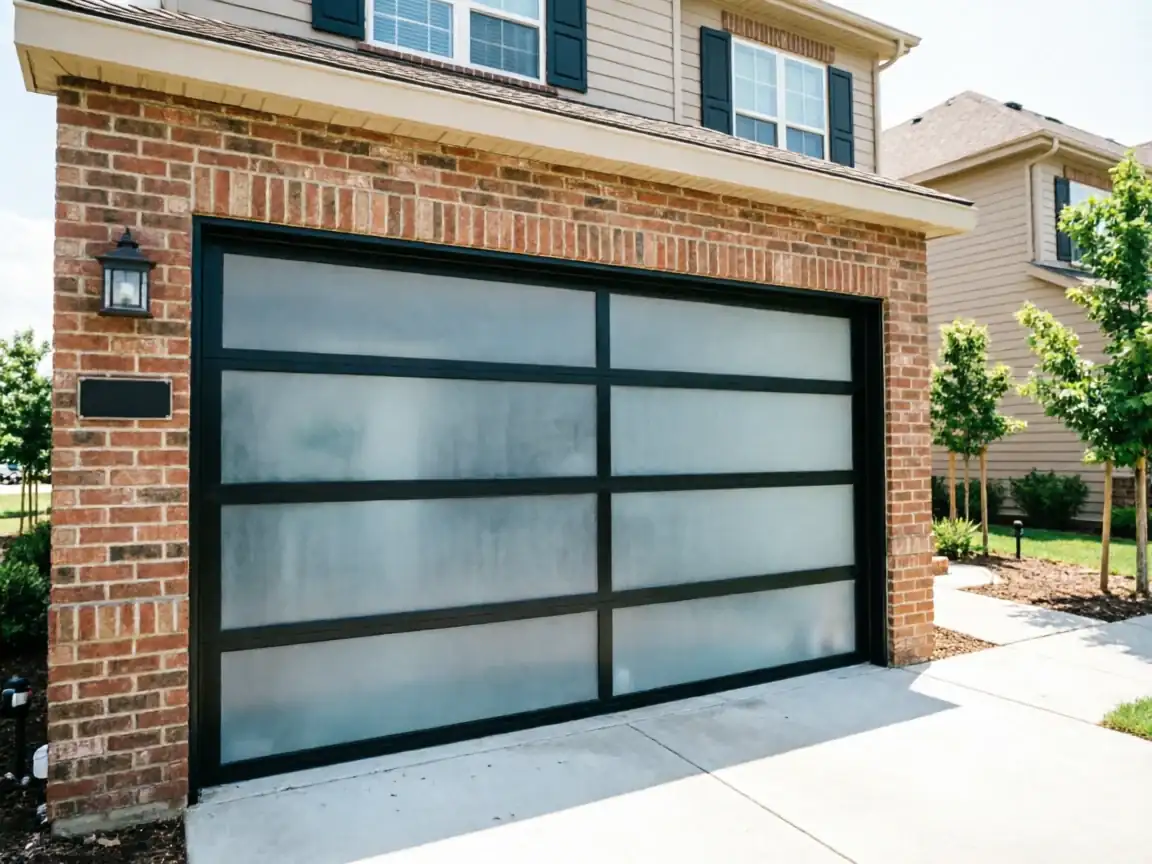
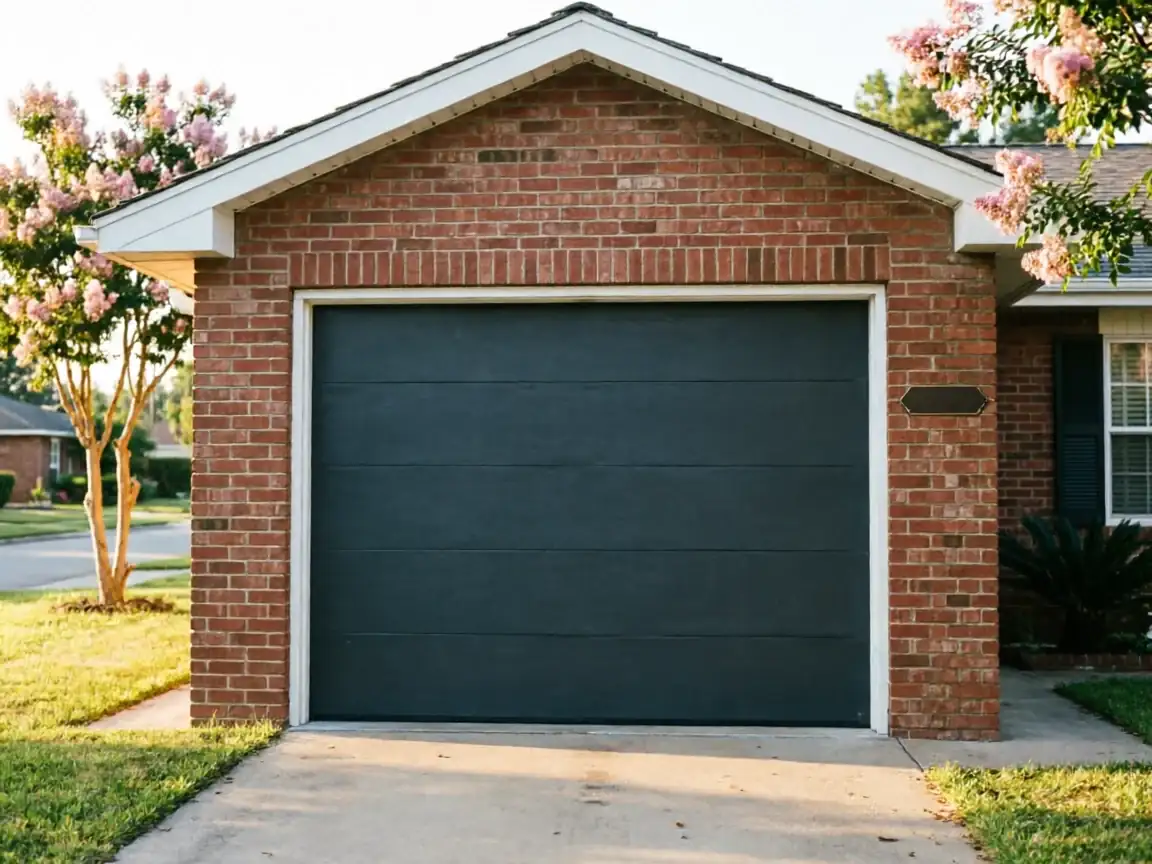
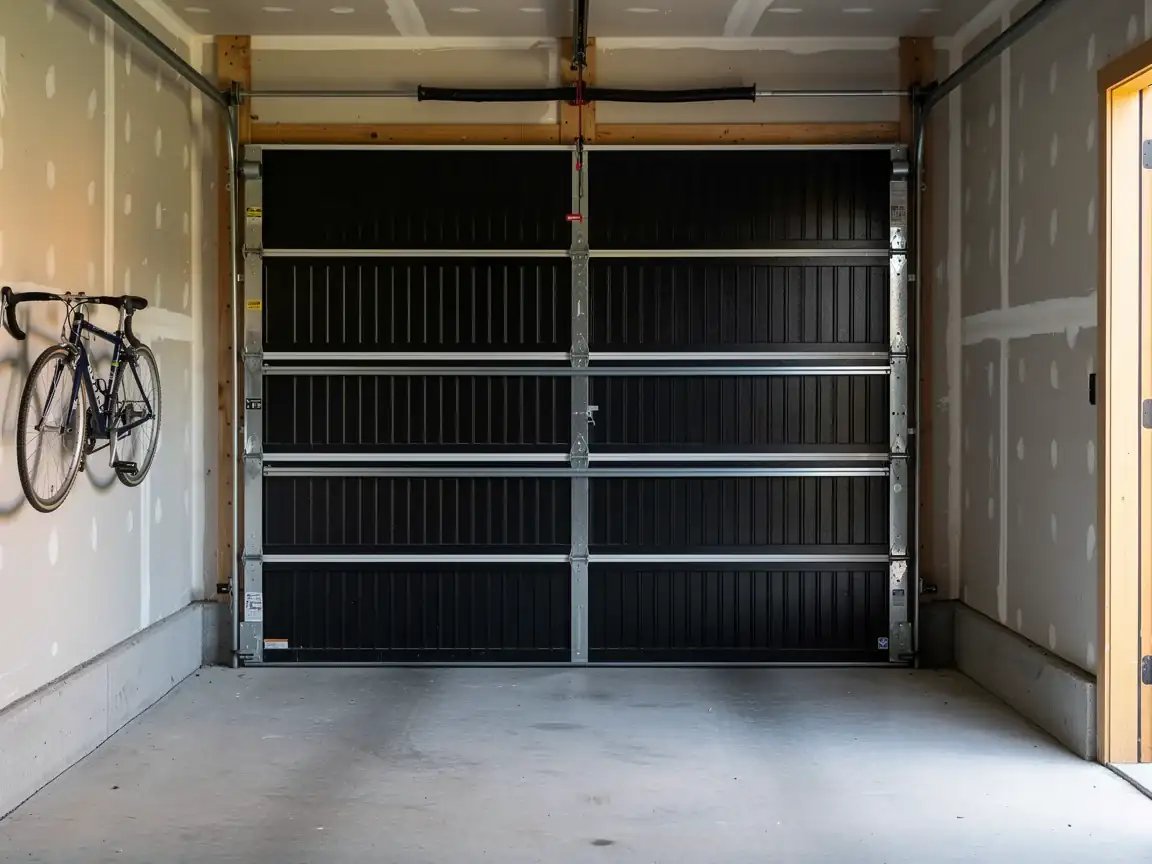
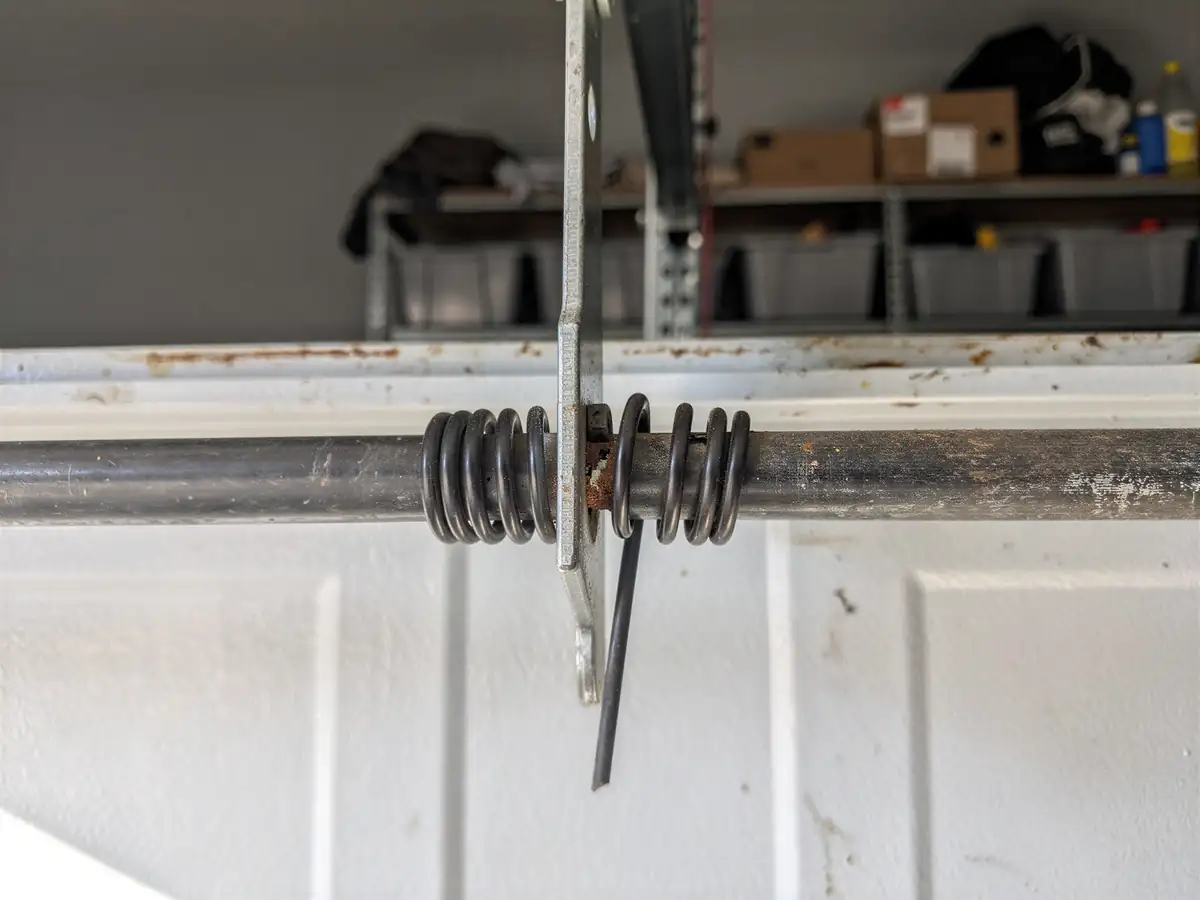
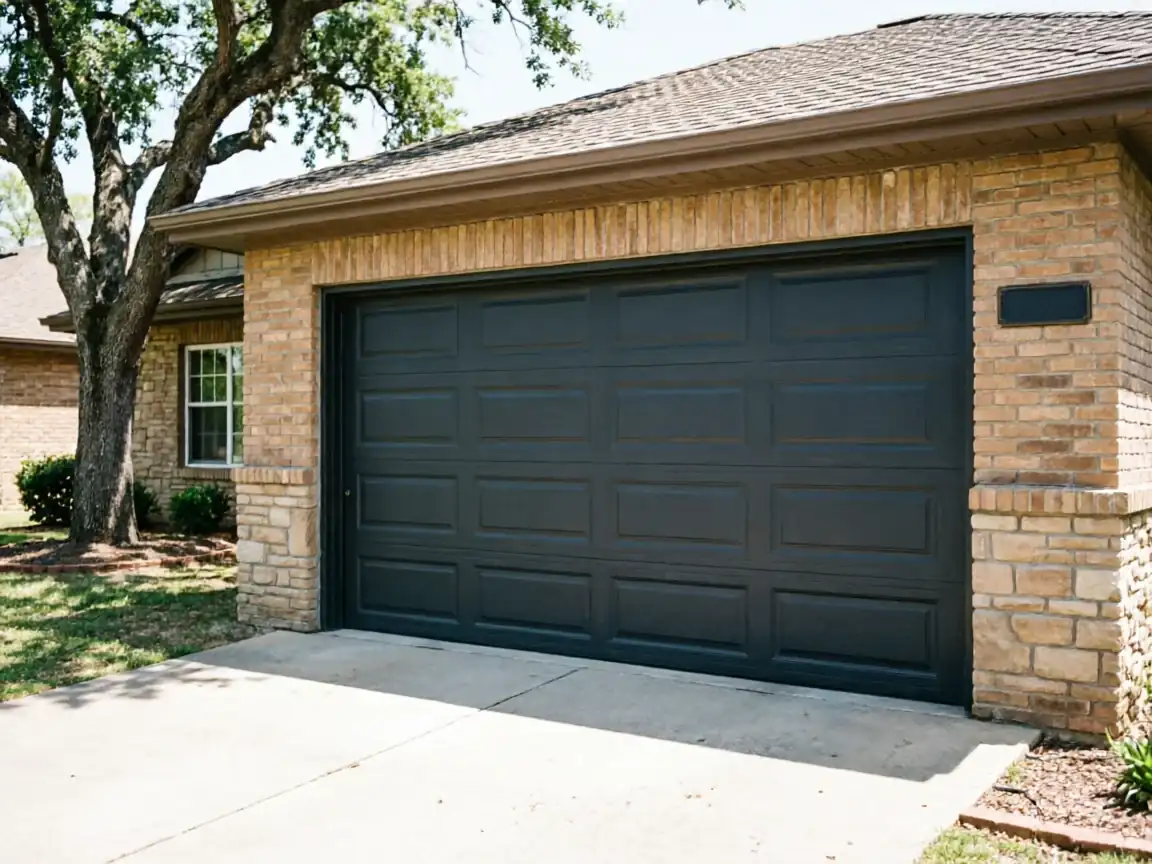
The fault we see most in Purcell traces straight back to the build year. With median housing here going up around 1982, a lot of these garage doors are original equipment - steel sectional doors on torsion hardware that was never upgraded when the opener was swapped out or the house changed hands. Forty-plus years of freeze-thaw cycling, typical of this region's cold, moderate climate band, works on galvanized spring coils and bearing races in a way that's slow and then sudden: the spring holds fine for years and then lets go on an ordinary Tuesday.
This is different from the fault pattern we run into in areas with newer stock, where the door itself is sound and the opener logic board or a photo-eye sensor is the weak point. Here it's the mechanical hardware - springs, cables, the galvanized coating finally giving out - that fails first, because the door itself has simply been in service longer than the newer builds closer to Norman.
Time on the Job
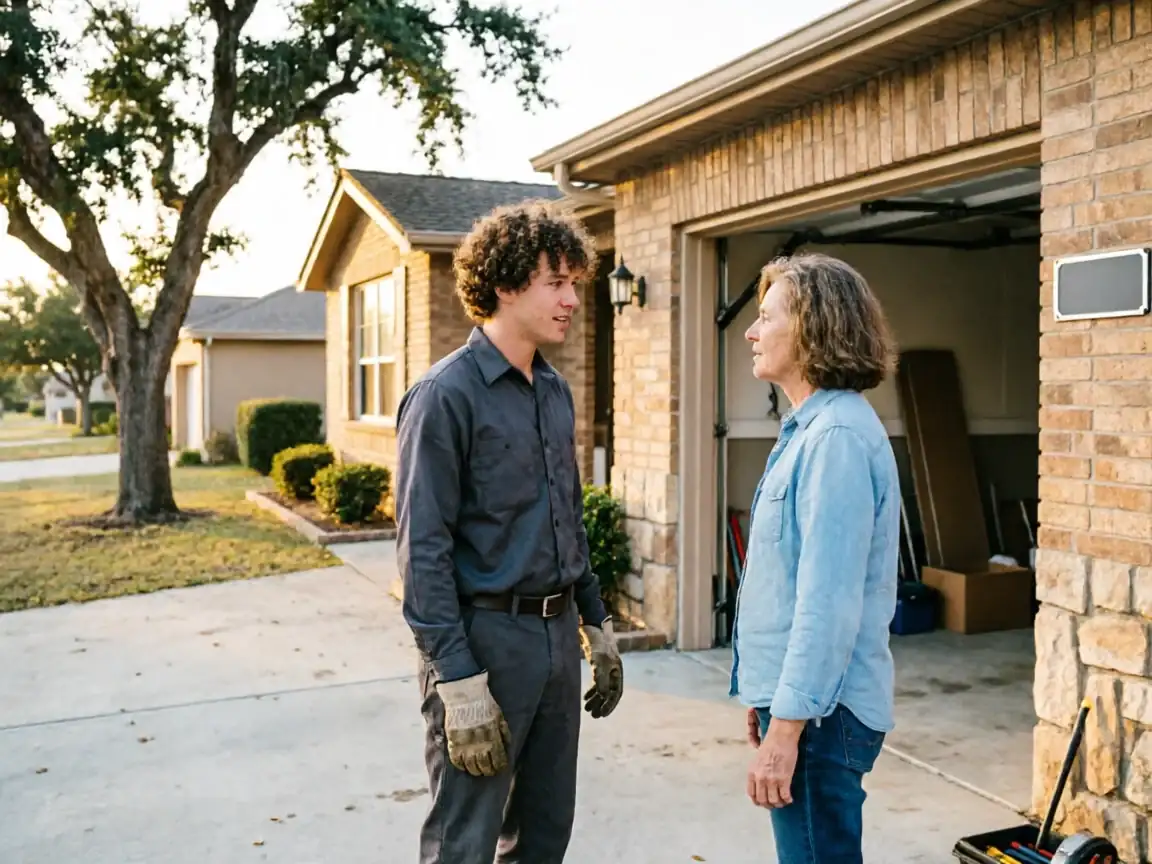
Purcell sits about 15 miles from Norman, which we factor into how we schedule rather than pretend away. We don't run a branch in Purcell, so a call here means drive time added to the job, and we're upfront that it isn't a same-day guarantee the way a job five minutes from the shop might be. Once we're on site, the work itself on a typical torsion spring replacement or cable swap runs the same length it would anywhere - it's the travel that's the local variable.
If you're scheduling around a specific window, tell us when you call so we can plan the drive into the day rather than squeezing it in between closer jobs. For anything urgent, like a door stuck open overnight, call as early as you can so the 15-mile trip doesn't push you to the back of the day.
The Cost of This Job
Purcell's median household income runs lower than other parts of the service area
Around $60,529 - and that shapes which jobs make sense as a repair versus a full replacement. On a door from the early 1980s, replacing a single broken spring or a cable is almost always the right call financially, since the door panels themselves, if they haven't been dented or rusted through, still have life left in them.
Where it gets harder is when the opener has failed on the same visit as a spring
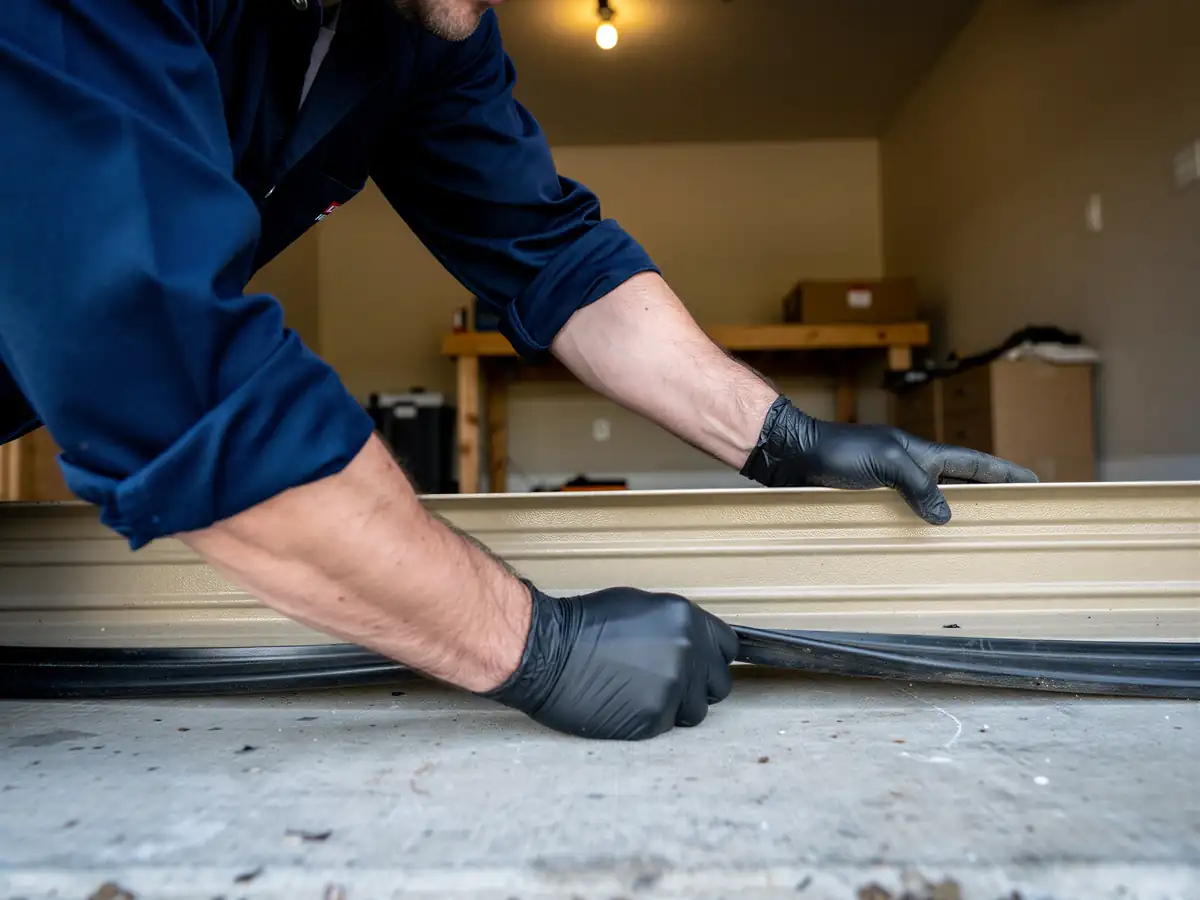
Or when the bottom panel has rotted from years of ground moisture - at that point the repair bill starts stacking close to what a new door costs, and we'll say so rather than nickel-and-dime a door that's due for replacement anyway. We don't push a full replacement when a $200 part fixes the actual problem.
How to Book
Call ahead rather than expecting a walk-up same-day fix, since every Purcell job starts with the drive from Norman. We'll ask for the age of the house if you know it, whether the door is a single or double, and what it's doing right now - stuck, off track, or making noise - so we load the truck with the right spring and hardware sizes before we leave. You can see more on what we handle in Purcell or look at the full list of services we run out of Norman if you're not sure which job you need yet.
Have the make of your opener handy if you know it - it saves a trip back to the truck mid-job.
What Can Go Wrong
On a door from the early 1980s, the most common failure is a torsion spring snapping clean, usually on a cold morning when the steel has contracted overnight. Second most common is a frayed lift cable that finally parts under load, which can let one side of the door drop unevenly on the track. Both are mechanical failures tied to age, not to how carefully the door's been used.
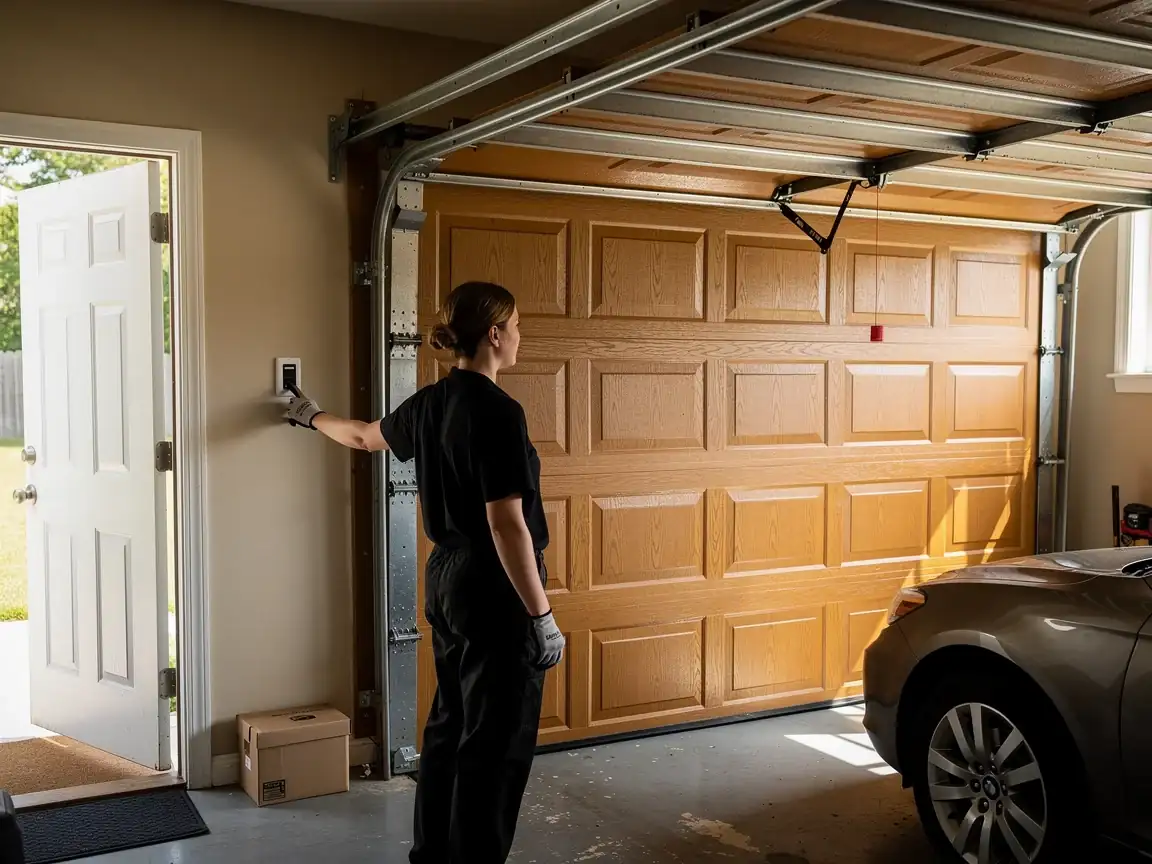
Openers fail differently - gear strip wear in an older chain-drive unit, or a logic board that's simply reached the end of its service life. We can replace the opener on the spot in most cases, but if the house still has the original mounting bracket from 1982, that bracket sometimes needs modification to fit a current unit, which adds time to the job. We'll flag that before we start, not after we've already pulled the old unit down.