Why This Fails Locally
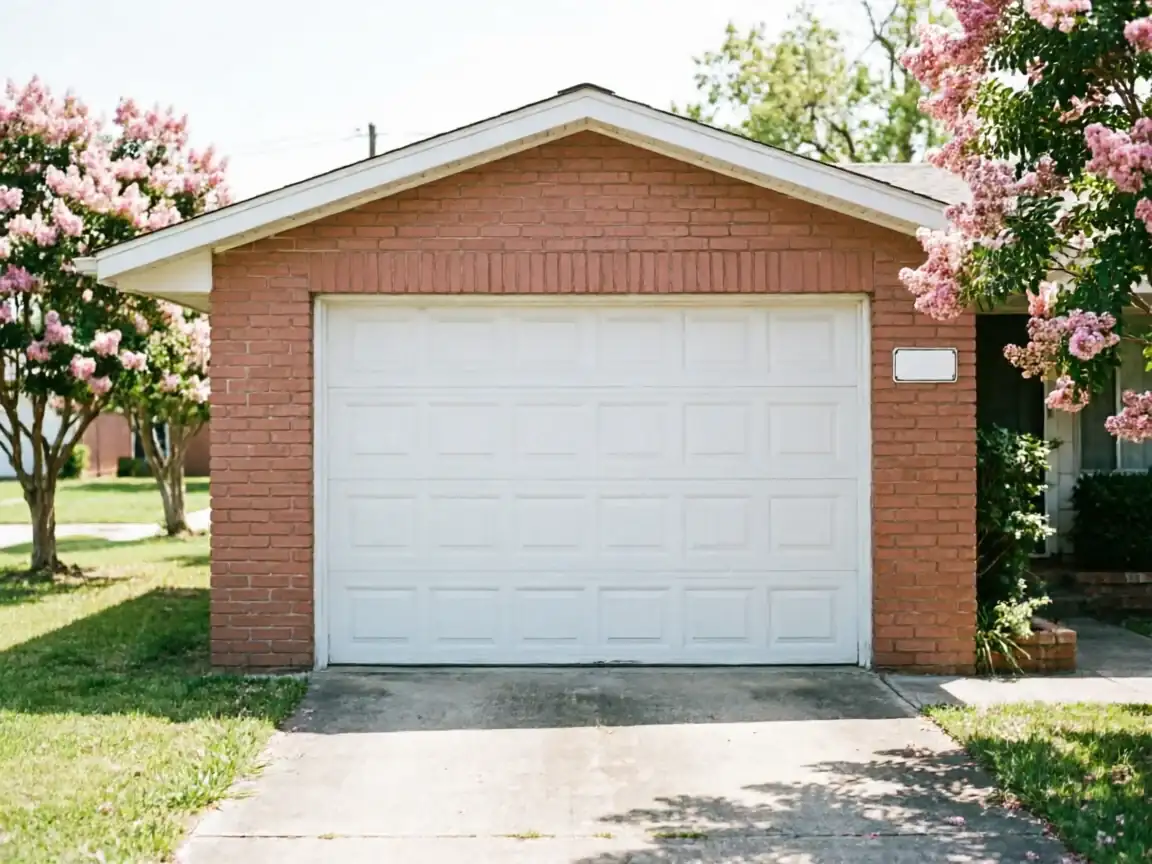
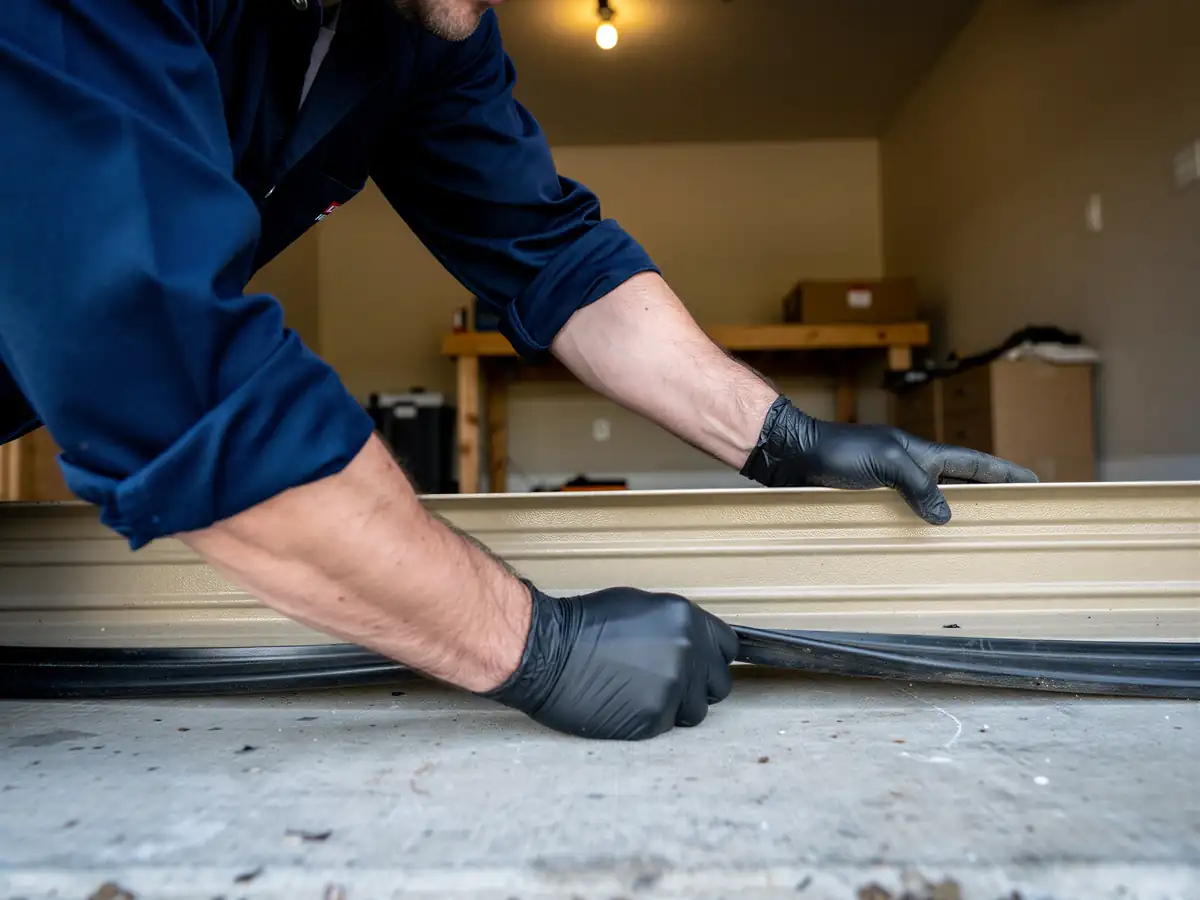
Oklahoma sits in a cold-moderate climate band, which means the service area sees real freeze-thaw cycling every winter - not the deep-freeze stress of the northern plains, but enough swing to work on rubber and steel every year. On a door that's already forty-plus years old, that cycling dries out the bottom seal, stiffens the extension spring coils, and lets surface rust start at the roller stems where galvanizing has worn thin. None of that is dramatic on its own. It just means a door that was fine in October binds in January, and the complaint we hear is always the same: it got heavy, or it got loud, right as the cold set in. That's the maintenance window - before the season turns, not after the spring snaps.
Time on the Job
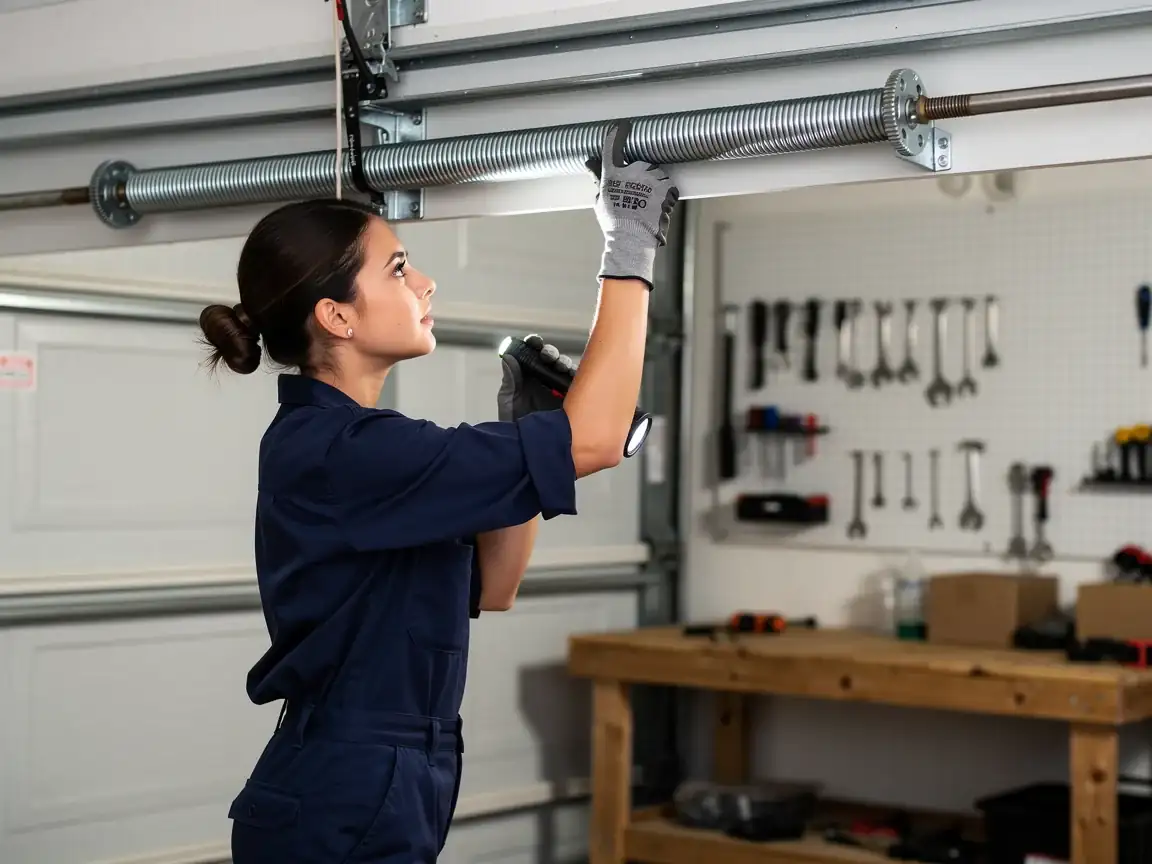
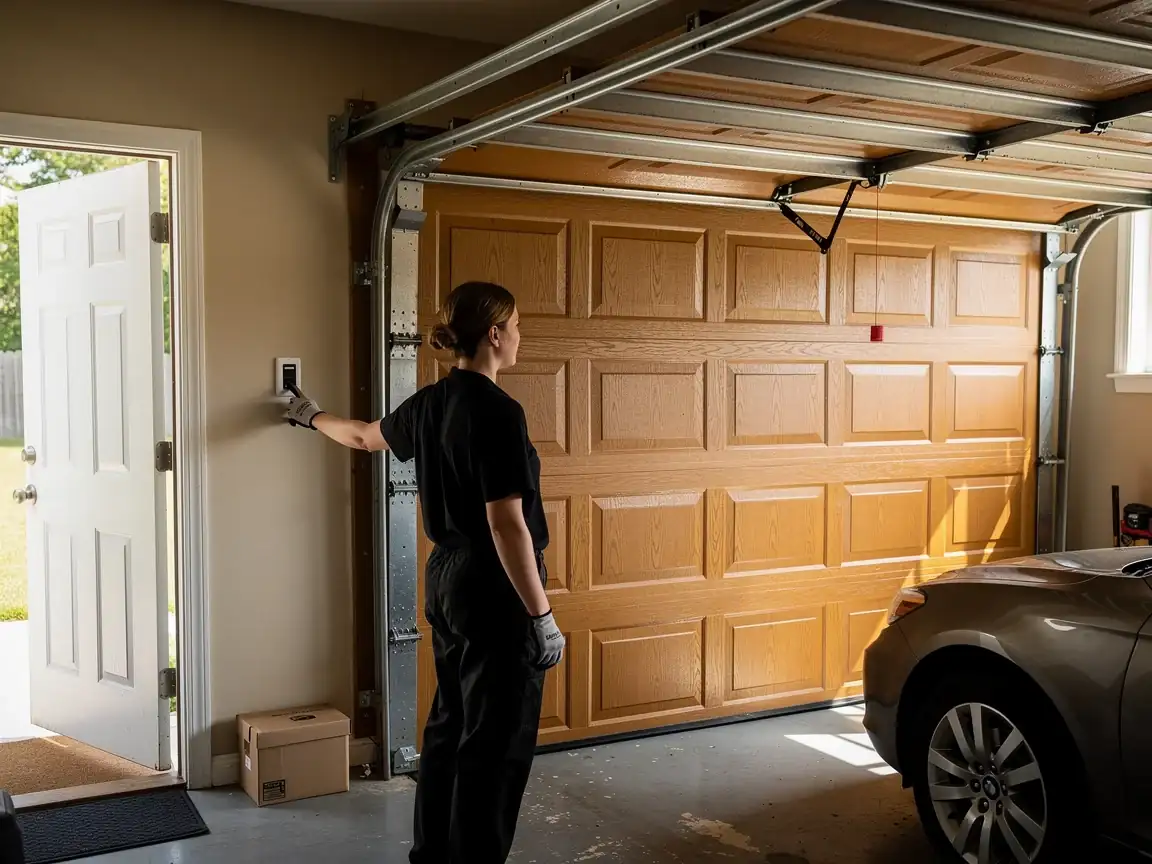
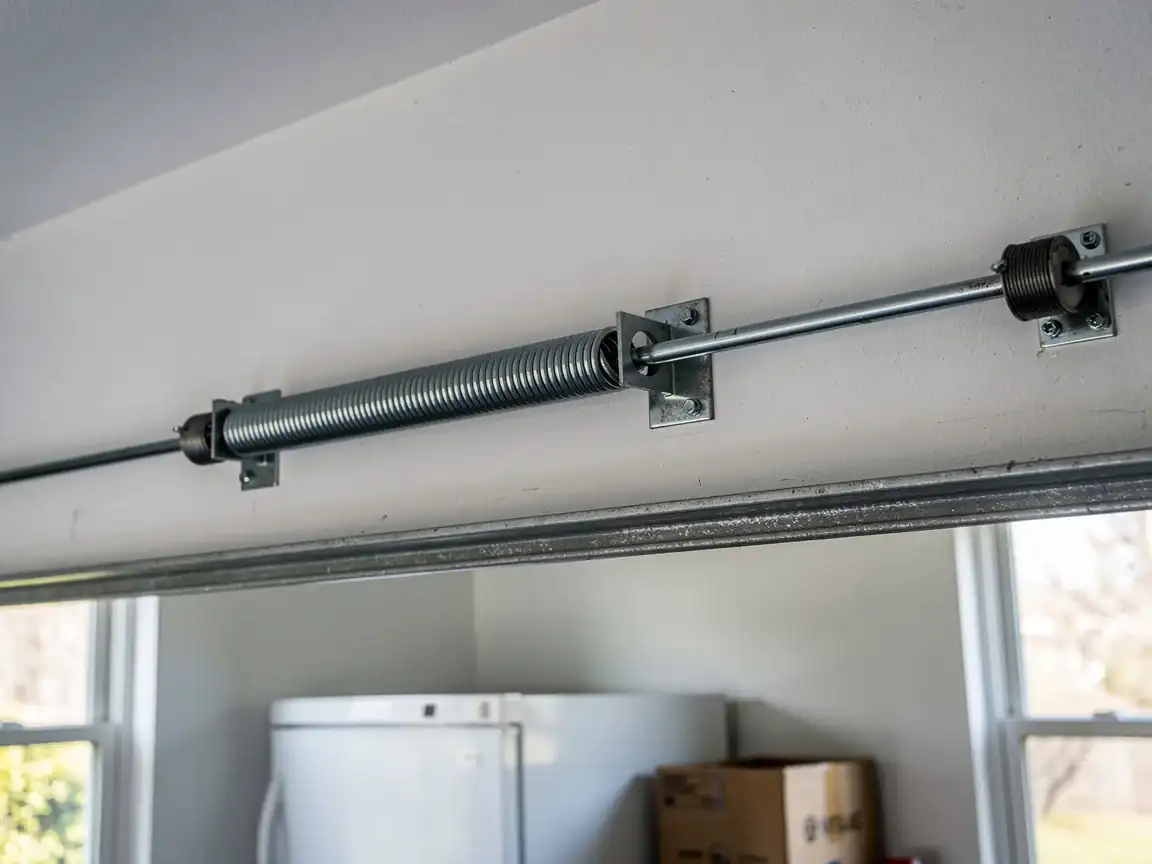
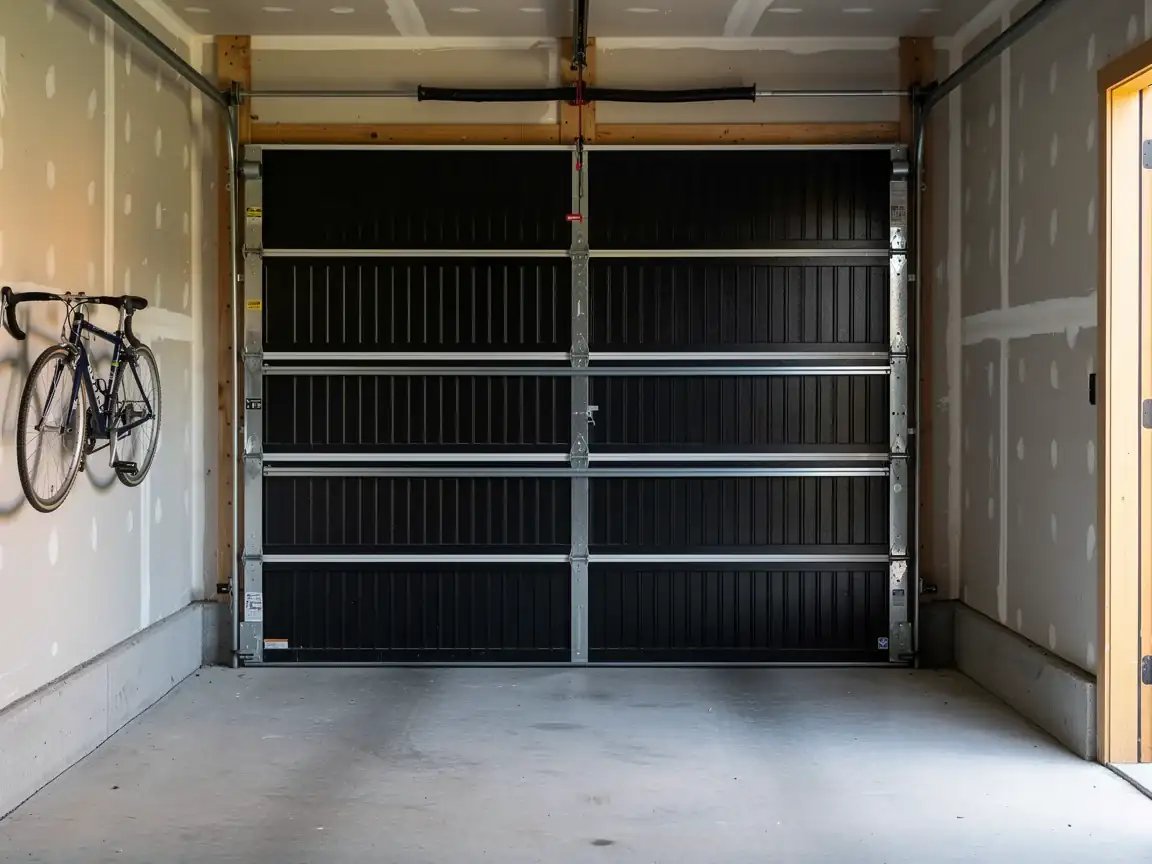
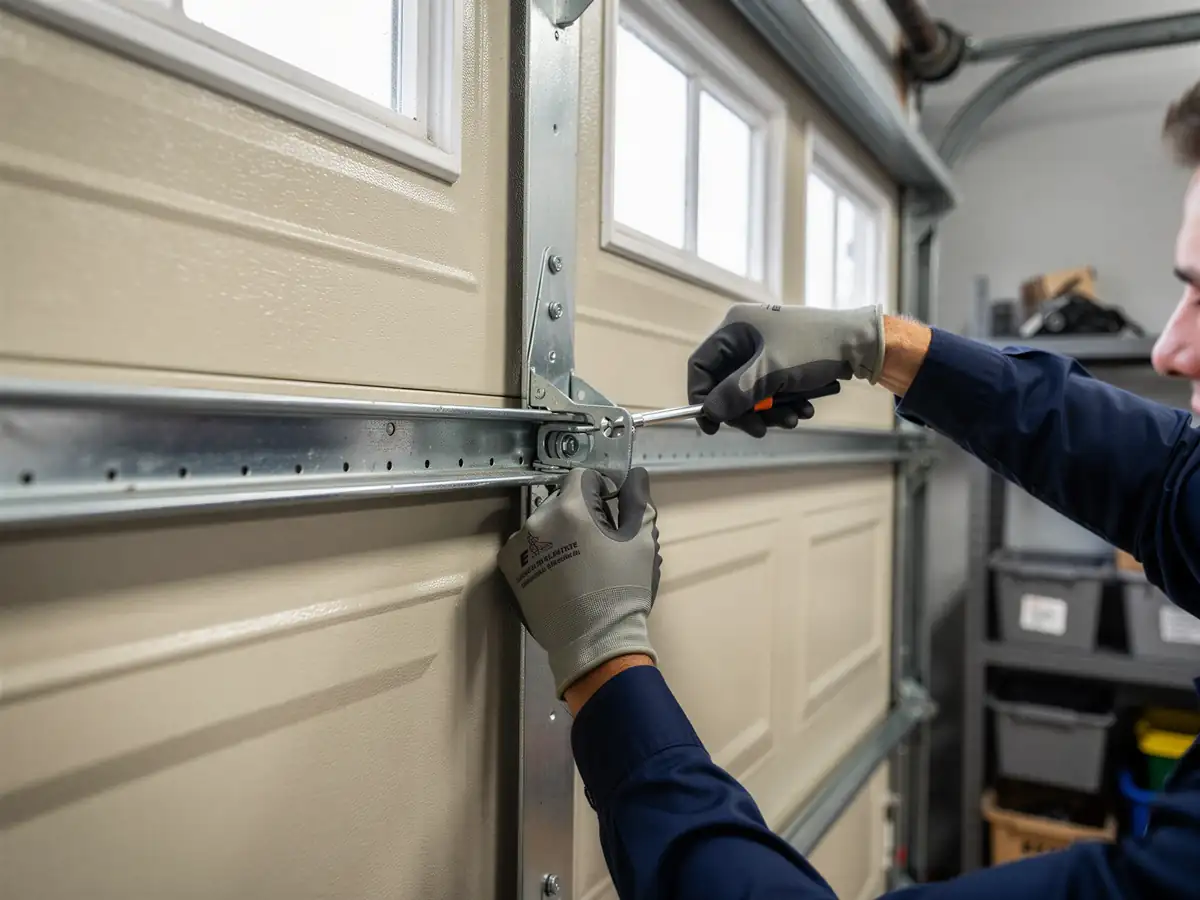
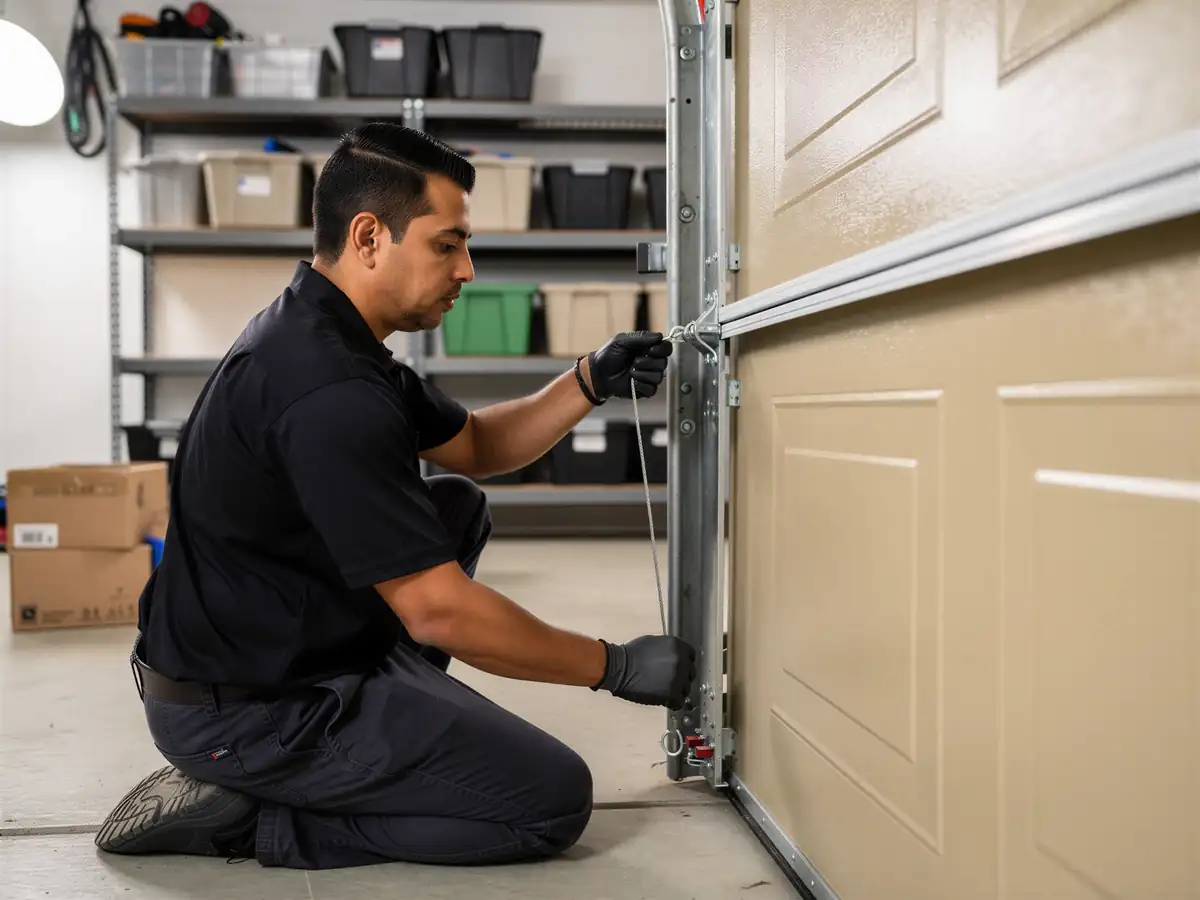
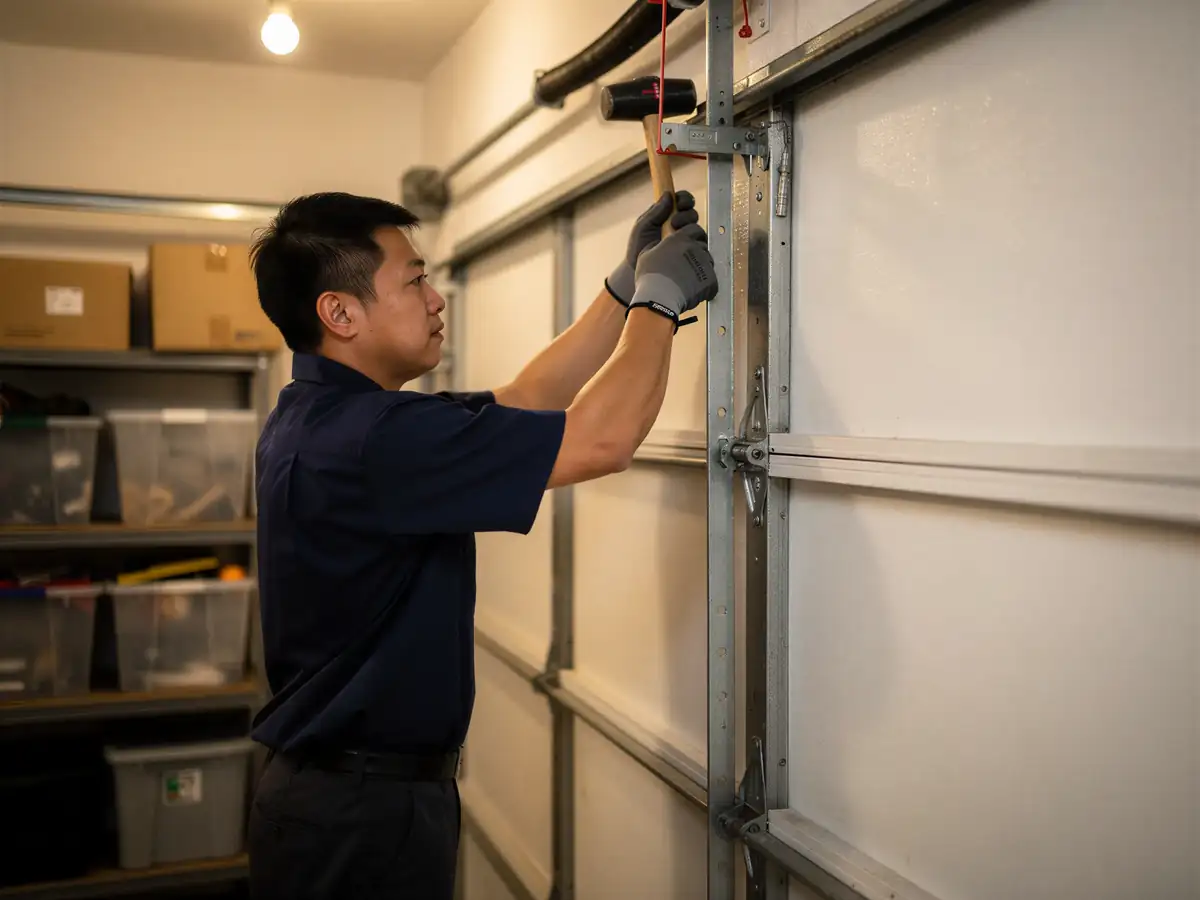
A standard tune-up on a single door - lubrication, hardware check, spring and cable inspection, track alignment, balance test - runs under an hour once we're on site. Extension-spring systems, which is what we expect to find on most Purcell doors from this build era, take a little longer to balance properly than torsion doors because each side has to be checked and adjusted independently. If we find a spring near the end of its cycle life, or a cable showing fray at the drum, that's a same-visit swap rather than a return trip in most cases. We don't promise a time window for getting to Purcell itself since the truck runs out of Norman, about 15 miles off - call ahead and we'll give you a day, not a guaranteed hour.
How to Book
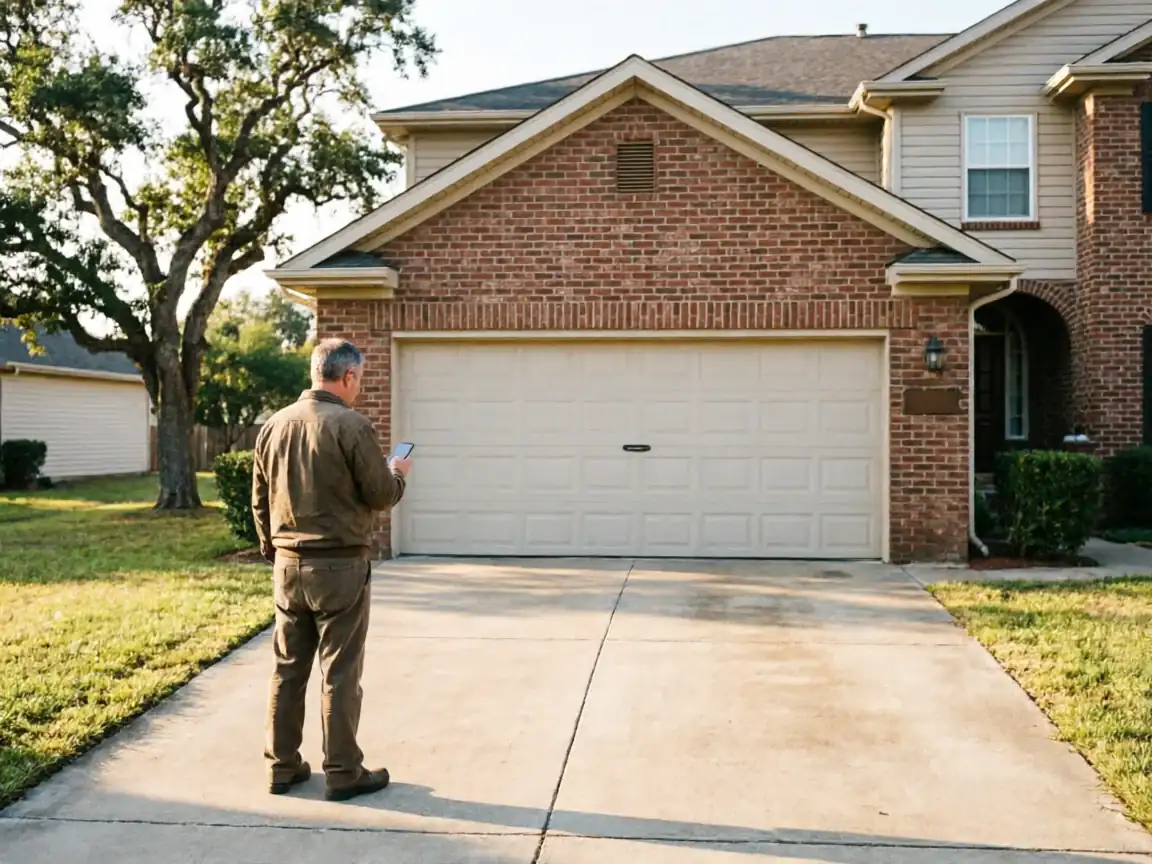
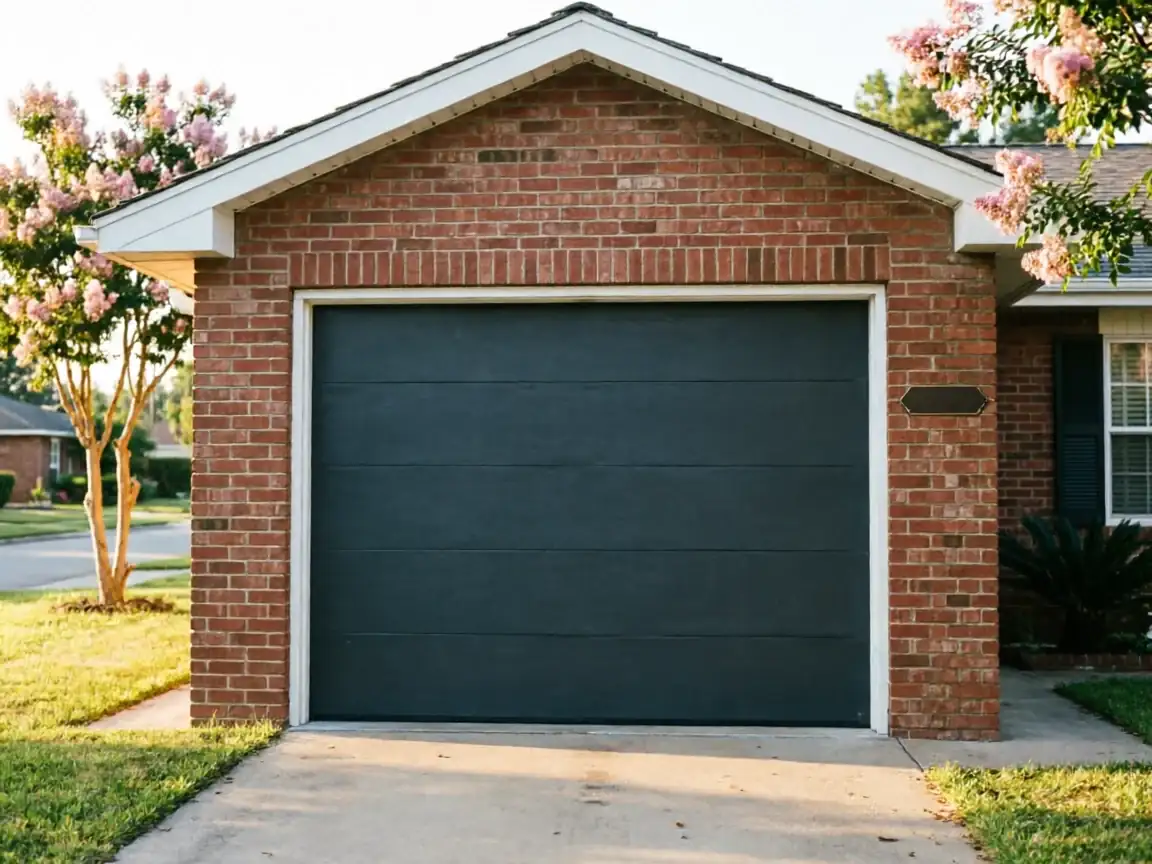
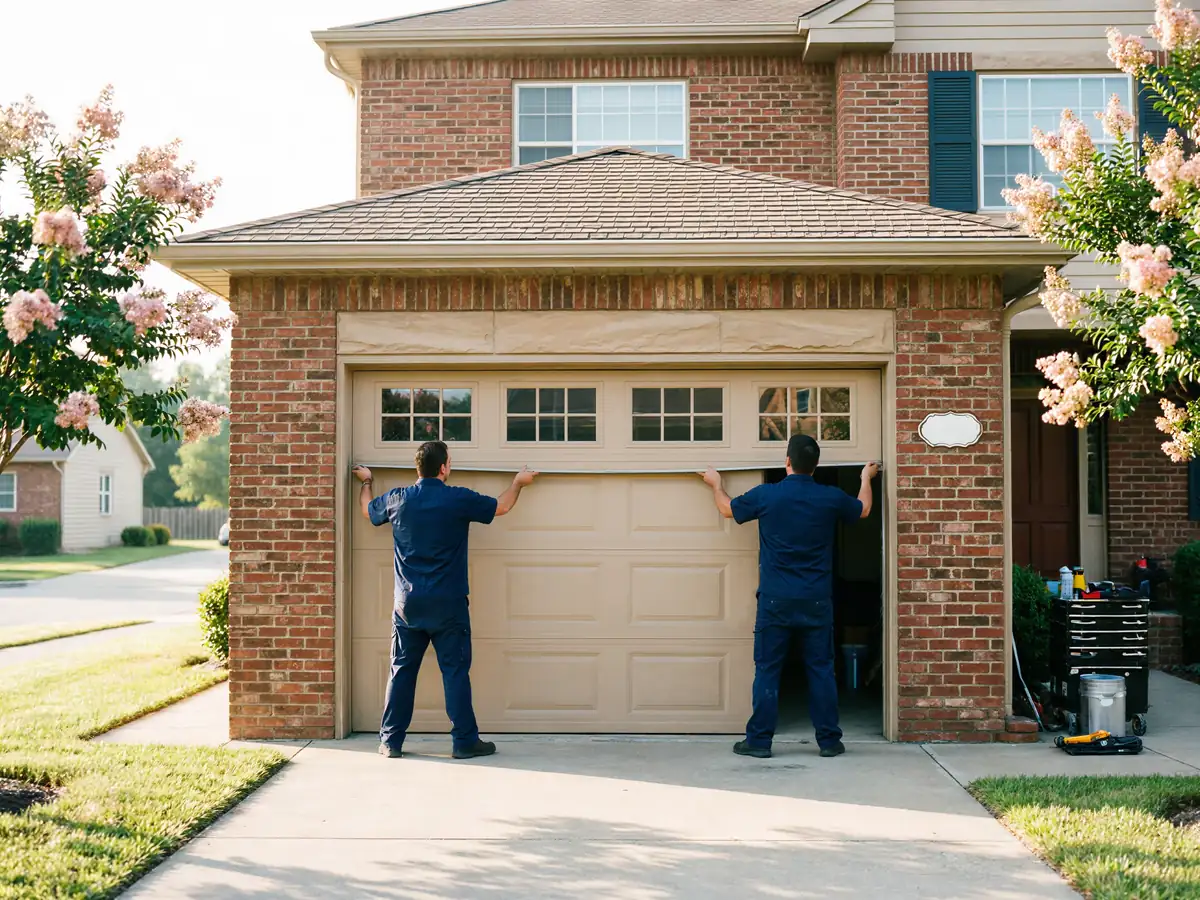
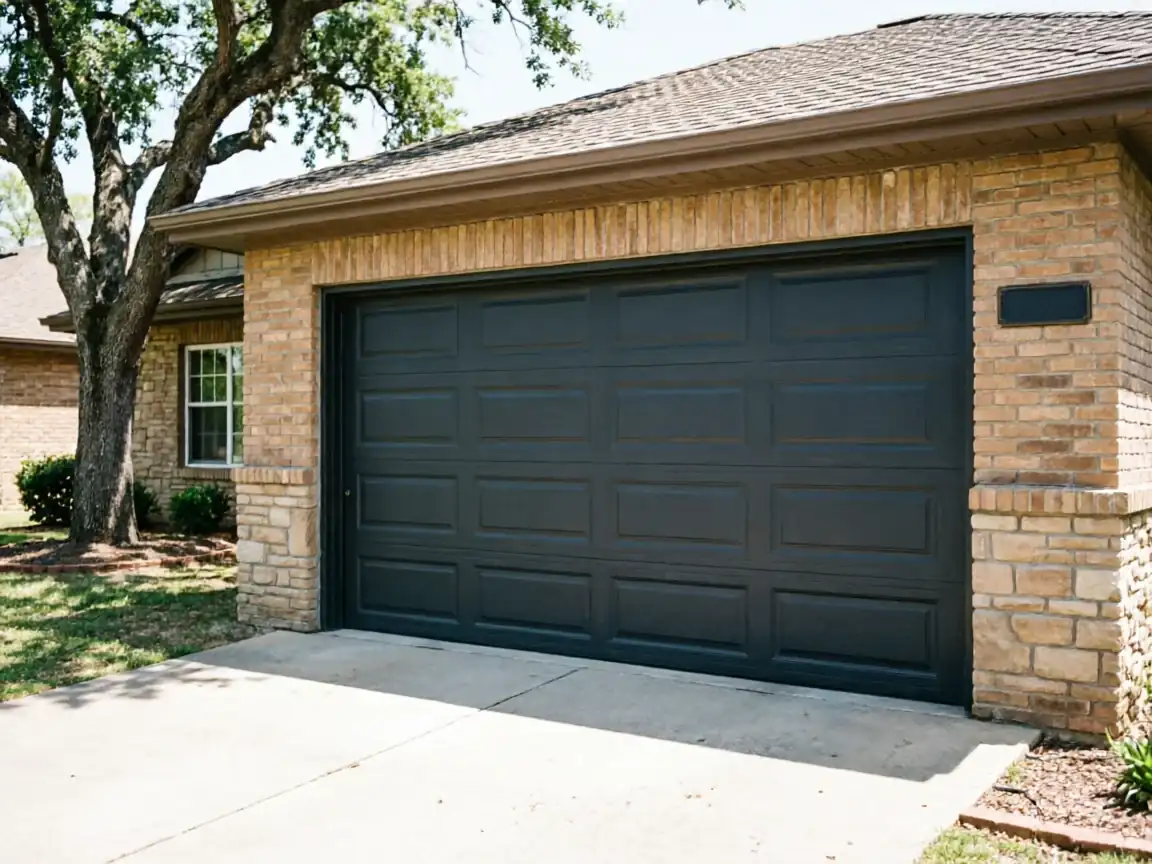
Call and tell us the door's age if you know it - for most Purcell houses that's going to land somewhere in the 1980s, and that single detail tells us whether to expect extension springs or torsion before we even load the truck. We run out of Norman, roughly 15 miles away, so we schedule by the day rather than promising a tight arrival window. If the issue sounds like more than routine upkeep - a door that's dropped on one side, a spring that's already let go - see our Purcell garage door repair page instead. For the general service menu covering the Norman side of things, that's a separate page: garage door maintenance in Norman.
What Can Go Wrong
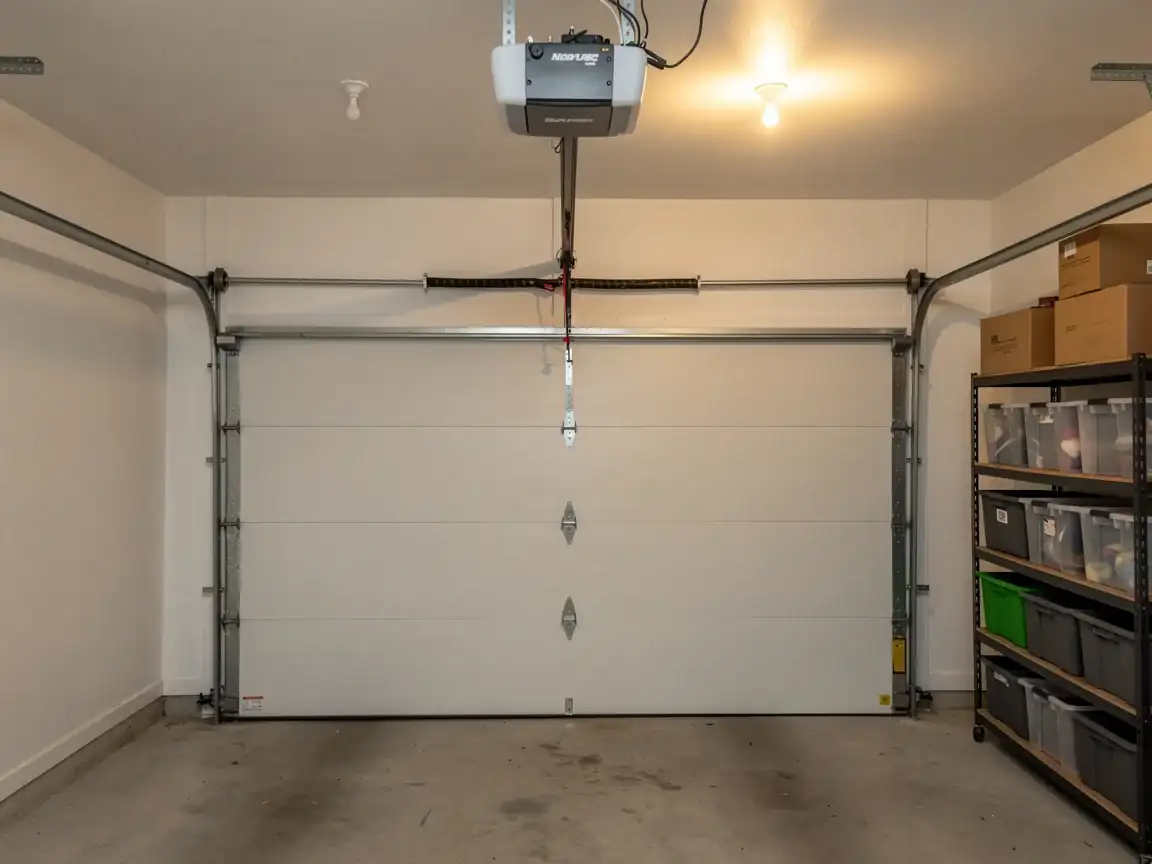
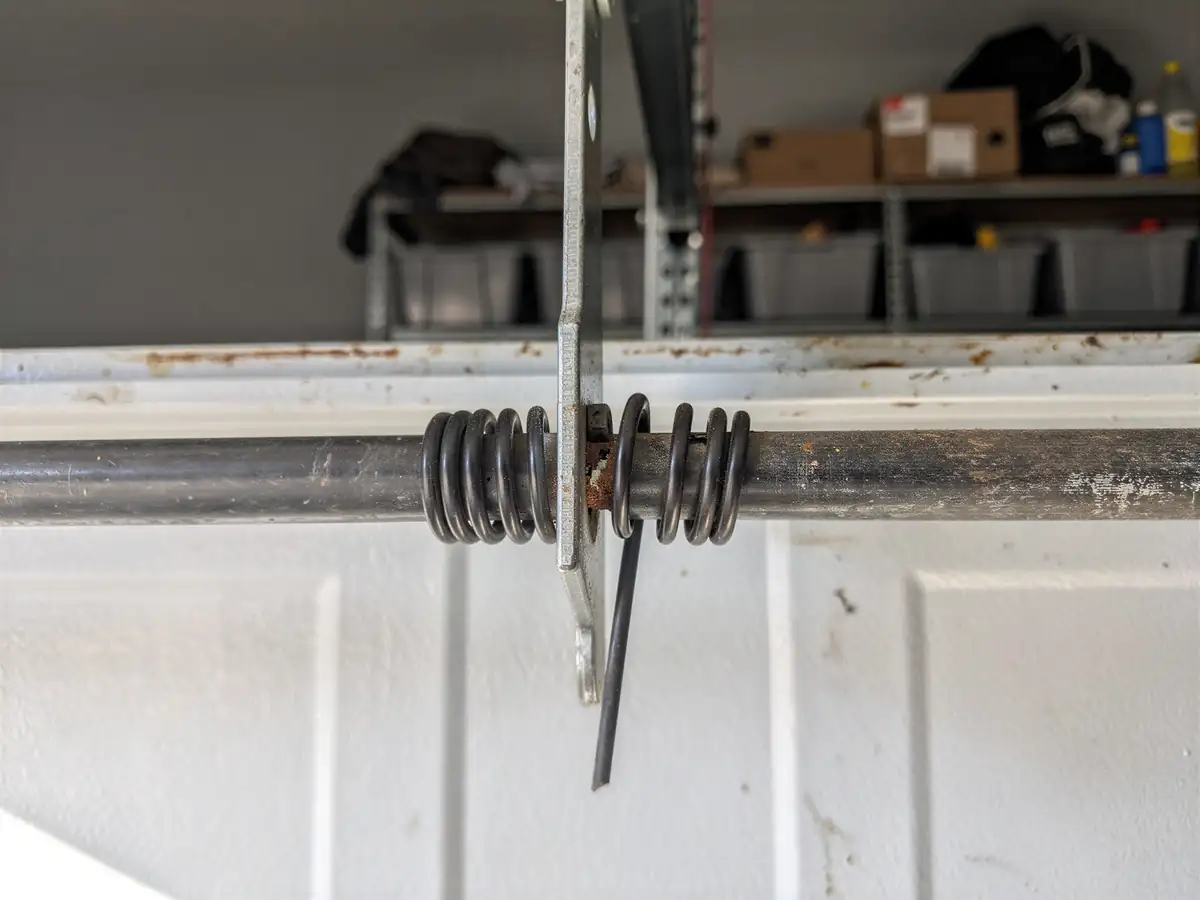
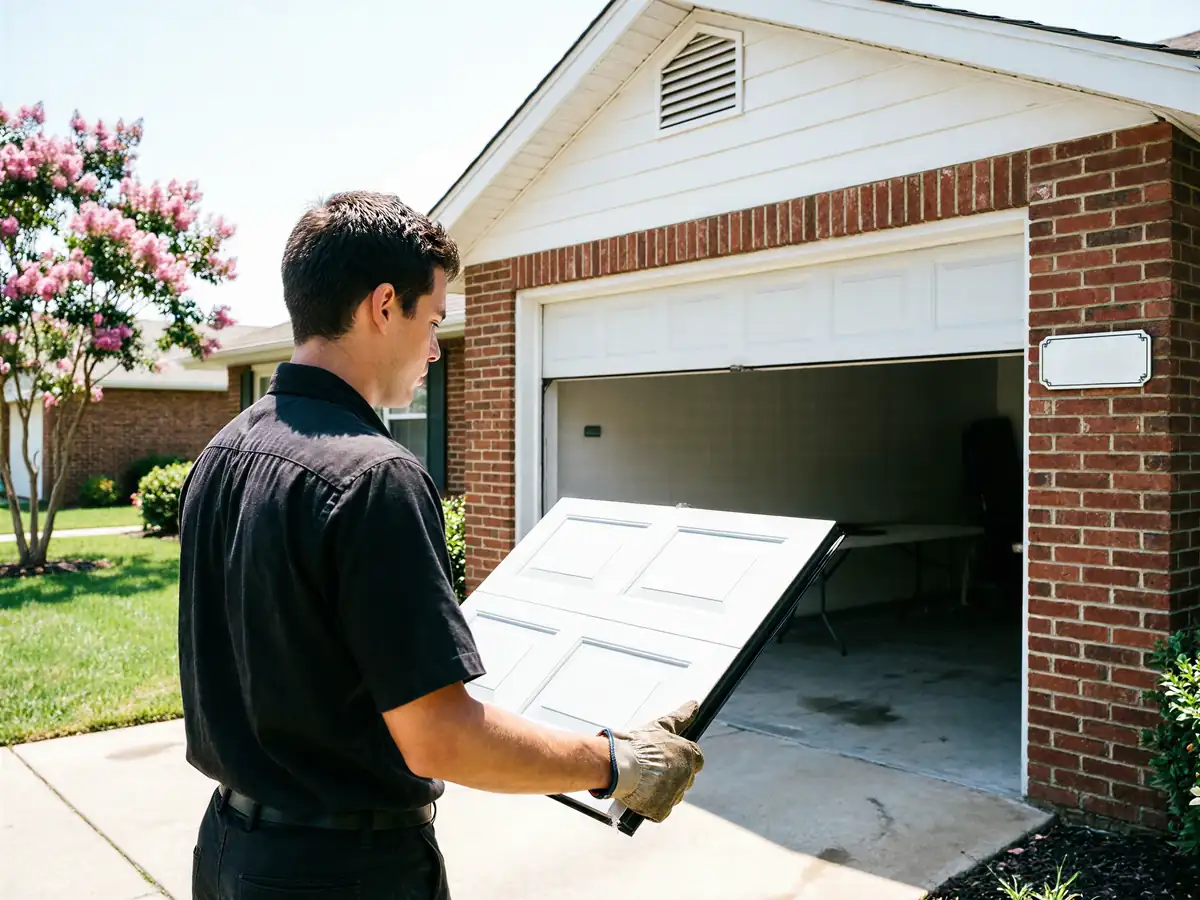
On a door from this era, the extension spring is the part most likely to fail without warning - unlike torsion springs, they don't give much notice, and a broken one can let the door slam if the safety cable isn't still intact (a lot of 1980s installs went in before safety cables were standard, so that's worth checking on its own). After that, it's the galvanized rollers wearing down to bare steel and binding in the track, and the bottom seal splitting after enough winters of the area's freeze-thaw swings. Openers from this period are the quiet risk - the gear and sprocket kit wears out, the drive chain stretches, and because parts for units that old generally aren't stocked anymore, a failed opener on an original 1980s install usually means a new opener, not a repaired one.