Why This Fails Locally
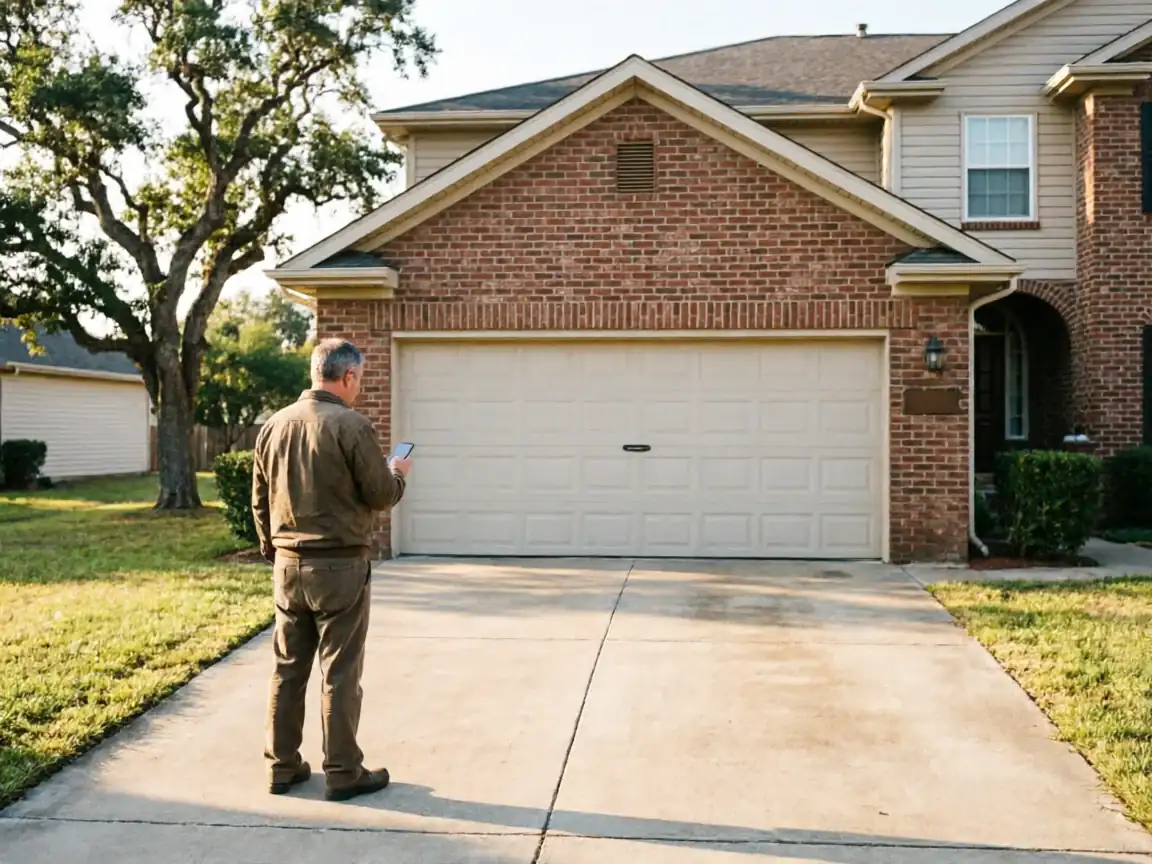
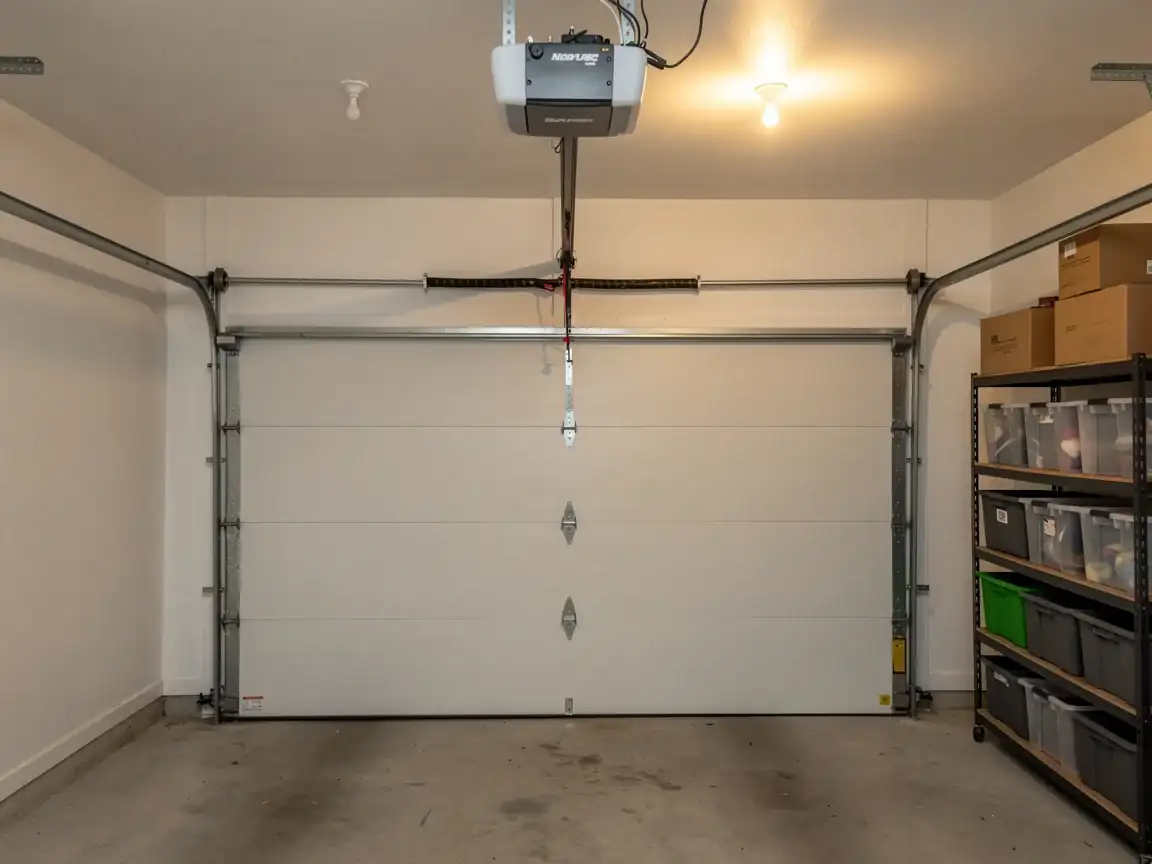
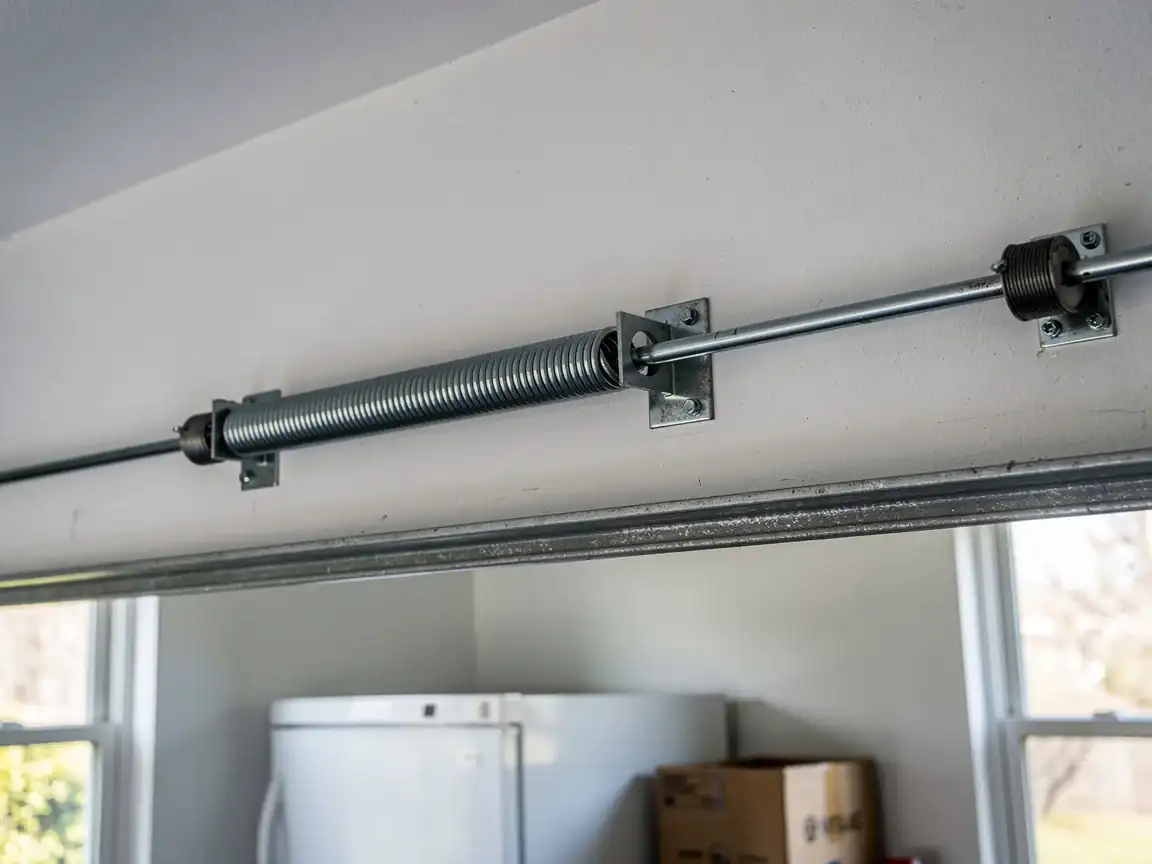
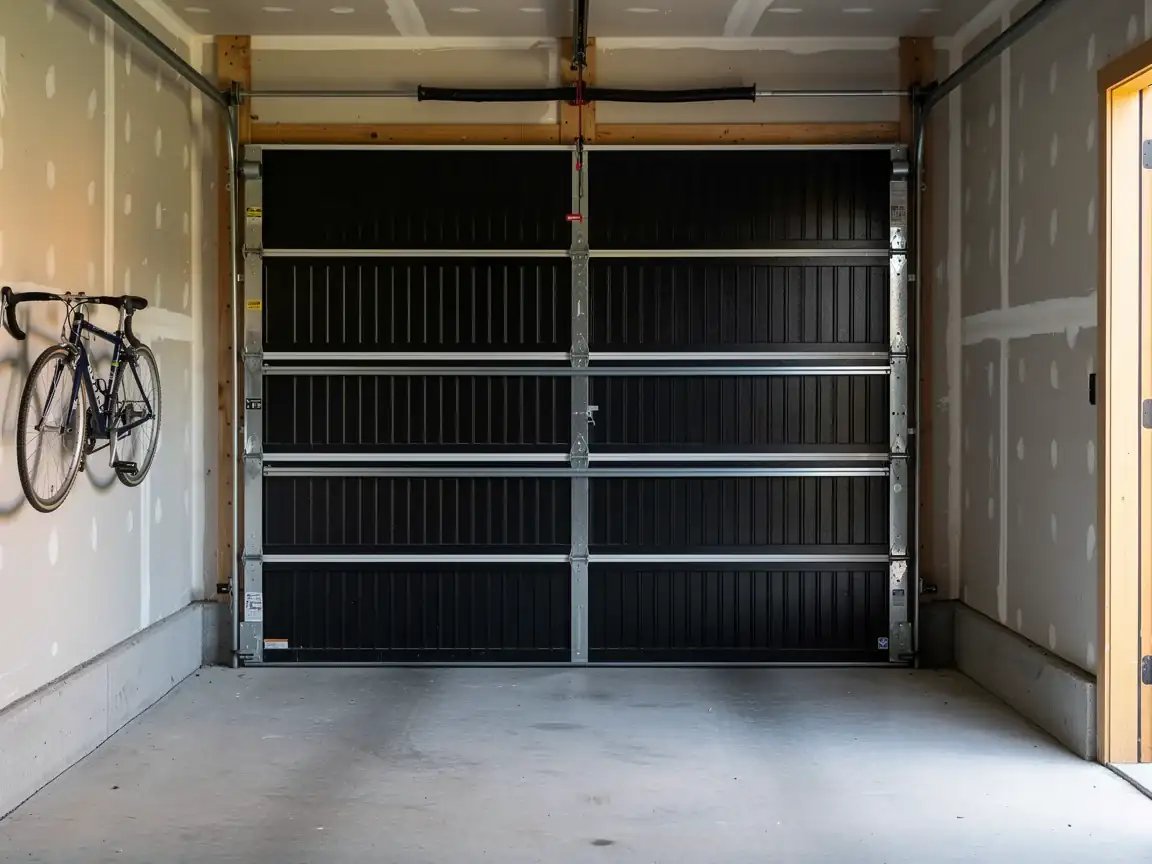
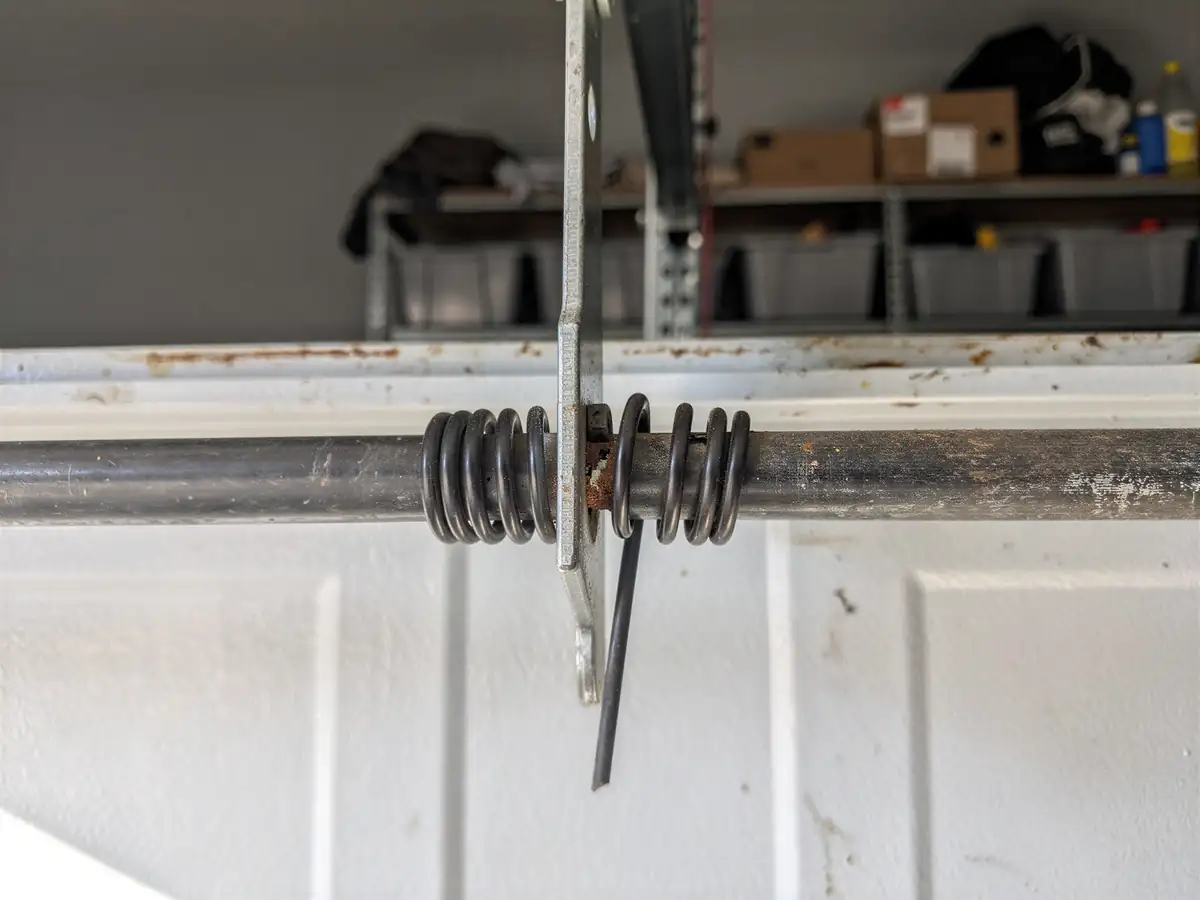
A door installed when a house went up in the early 1980s has had roughly four decades of cycles on the original torsion spring, and springs are rated in cycles, not years. Combine that with the cold moderate climate band this area sits in - temperature swings that stiffen steel and dry out lubricant on the coil - and what you get is a spring that's lost tension gradually rather than snapping clean. Owners usually notice it as a door that gets heavier to lift by hand, or an opener that strains and reverses partway up. That's not an opener problem. That's a spring giving out on hardware that's never been replaced because nobody thought to ask how old it was. On a house built in 1982, the spring is original far more often than not.
Time on the Job
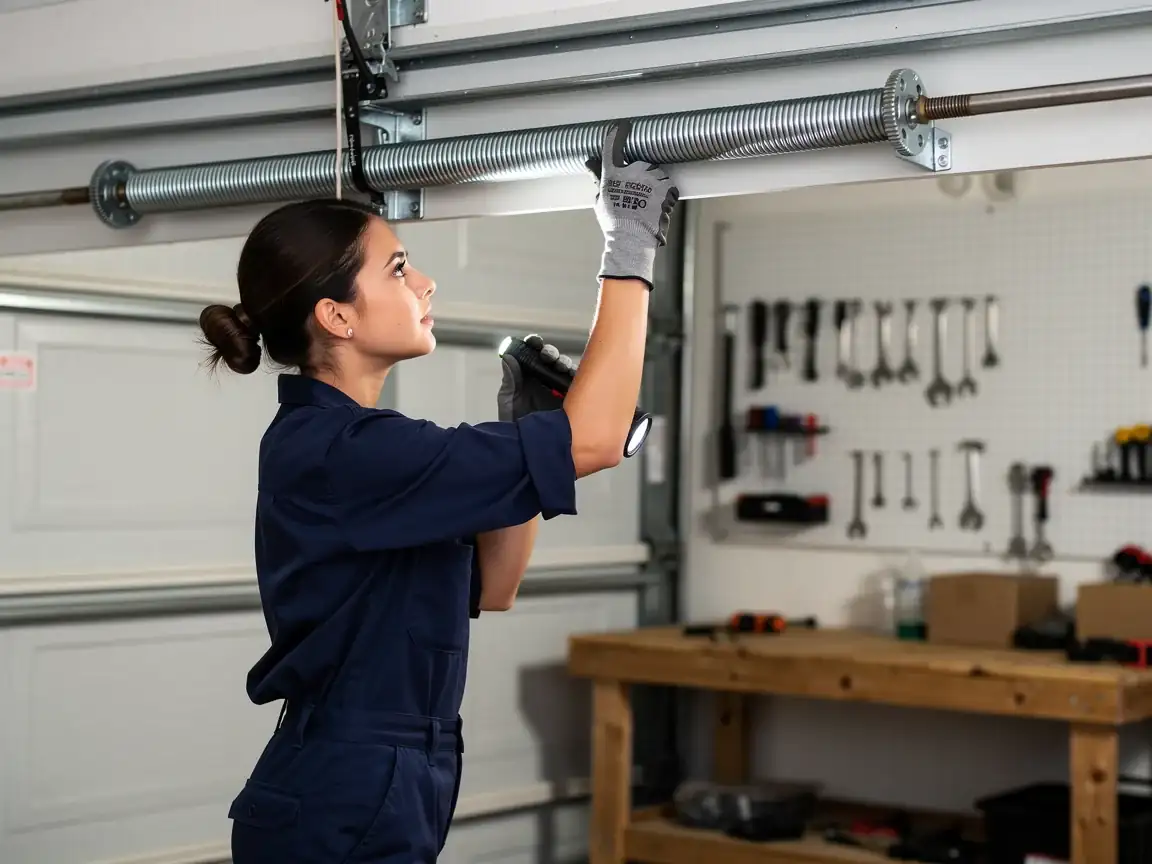
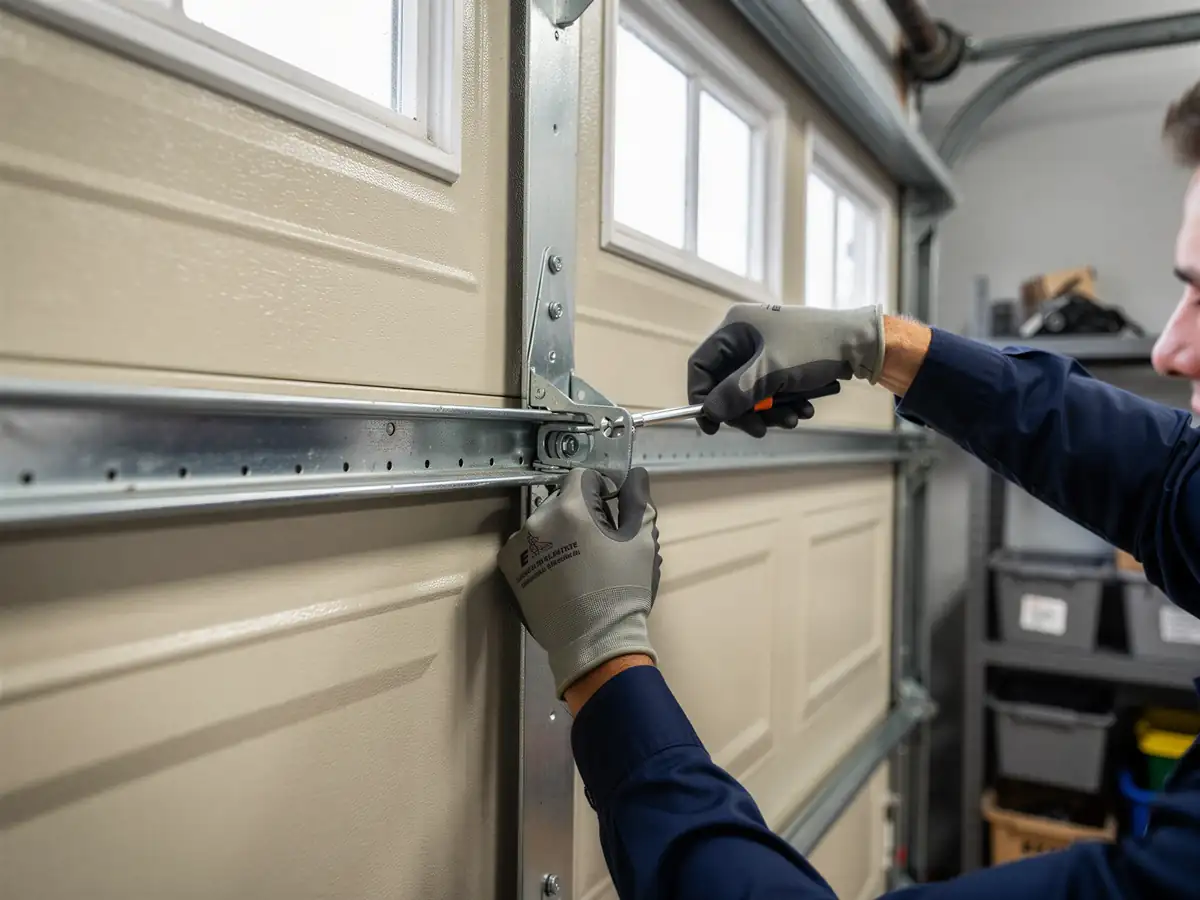
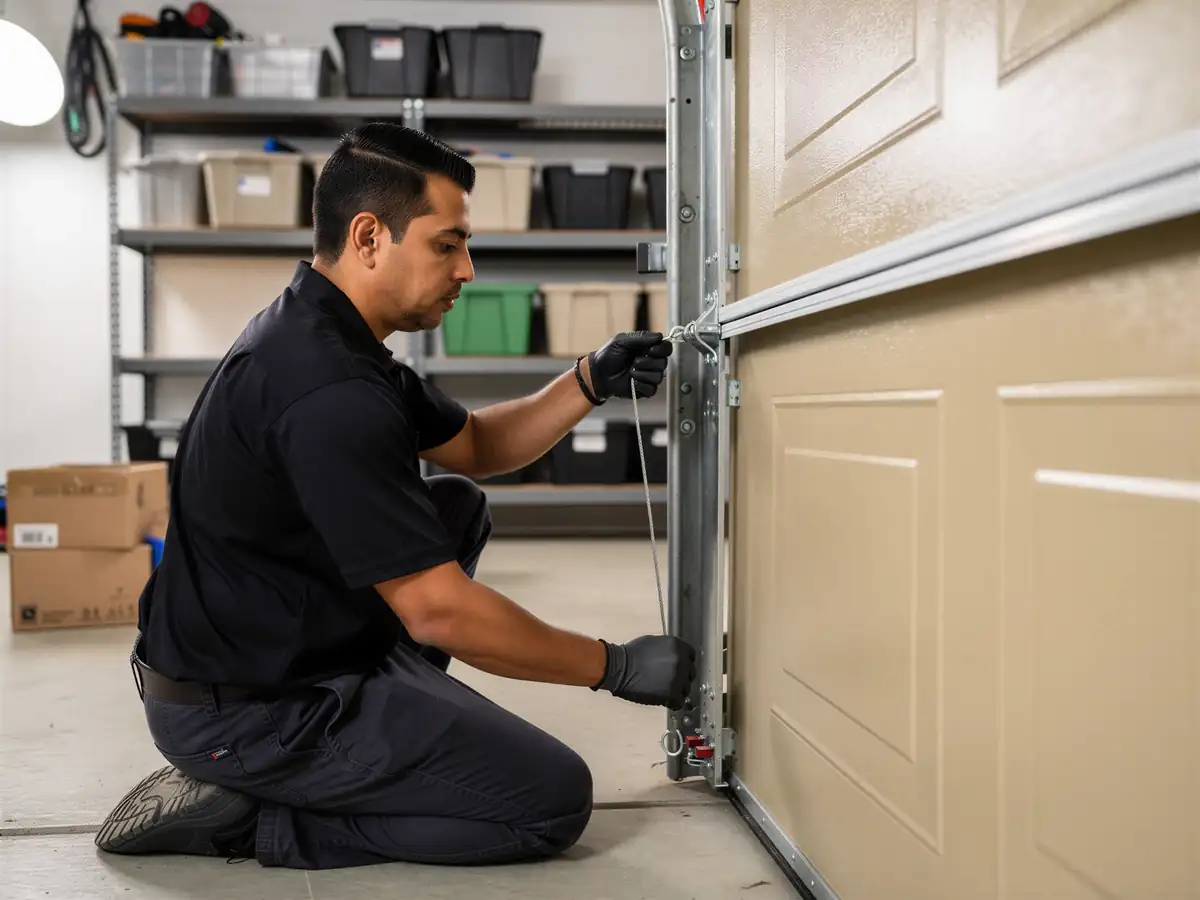
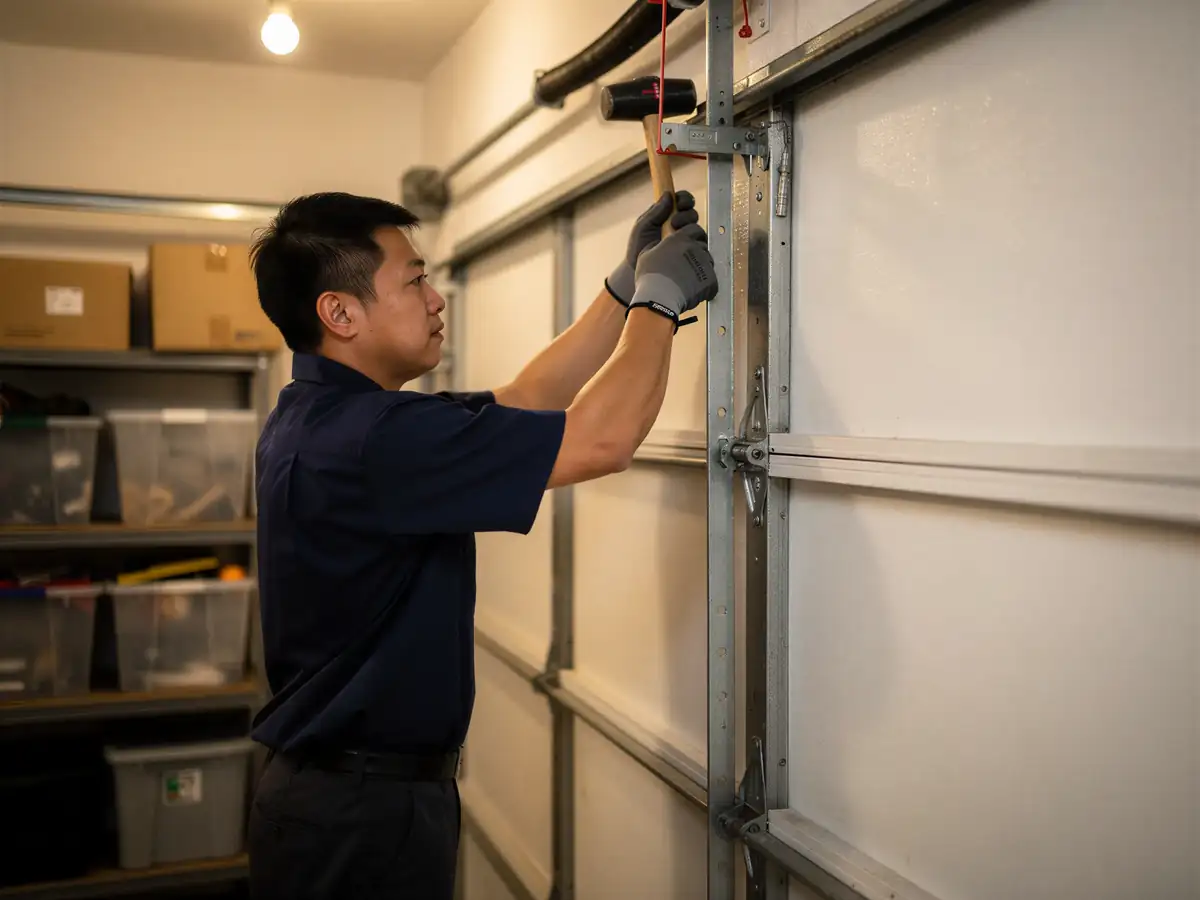
We run this job out of Norman, and Purcell is about 15 miles out, so factor that into when you call versus when a truck is in your driveway. Once we're there, a standard torsion spring swap on a single door - remove the old spring, set the new one to the correct wind count, check cable and drum - usually runs under two hours. Add a second broken spring, a bent center bracket, or a door that's been limping along unbalanced for months, and the job runs longer because we're also correcting whatever the imbalance did to the rollers and track. We don't pad the estimate, but we also won't rush a wind-up on a torsion spring - that part of the job has to be done at the right pace regardless of drive time.
How to Book
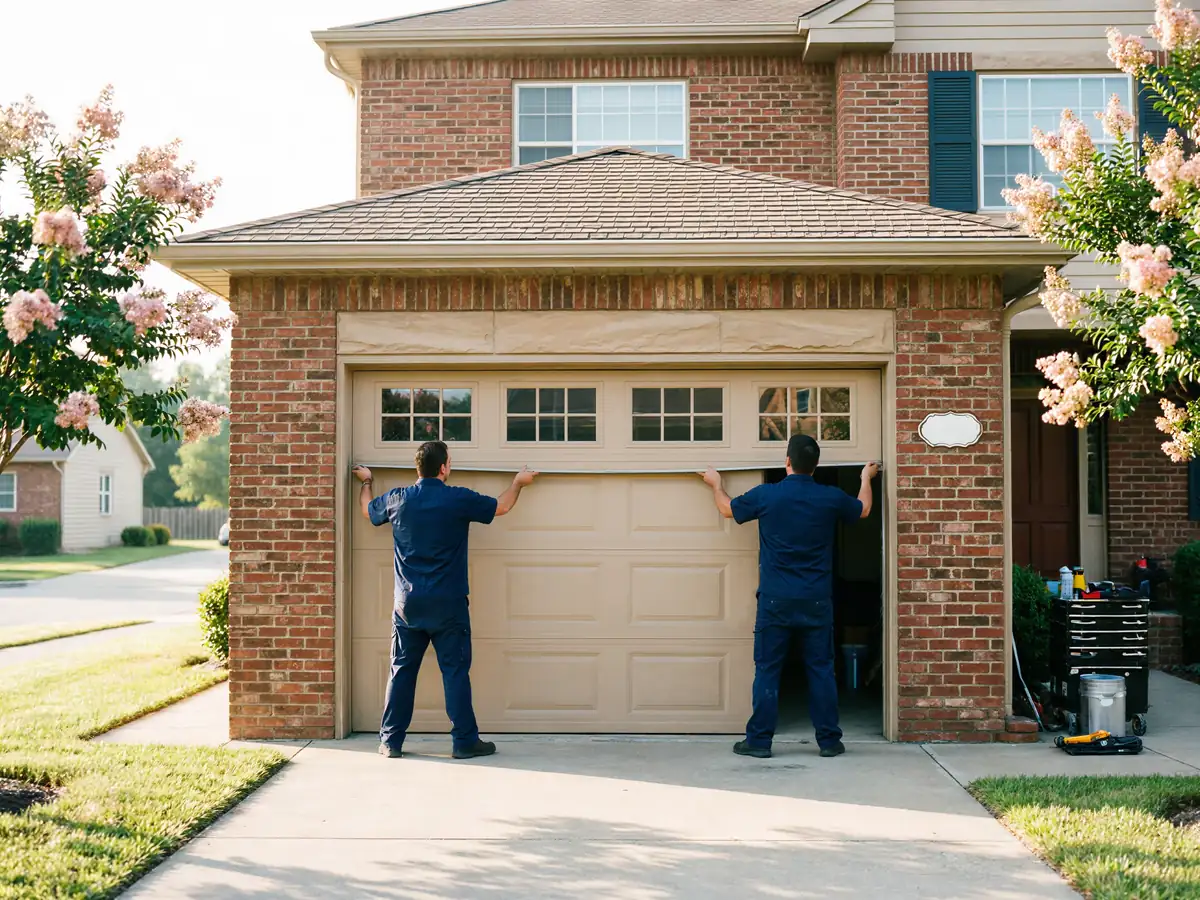
Call and tell us it's a spring - broken, sagging, or a door that's suddenly heavy - and we'll get a truck scheduled out from Norman. If you want the fuller picture of what we handle in Purcell beyond spring work, see our Purcell garage door repair page. If you're comparing how this job runs in Norman itself, the Norman spring repair page has that detail.
What Can Go Wrong
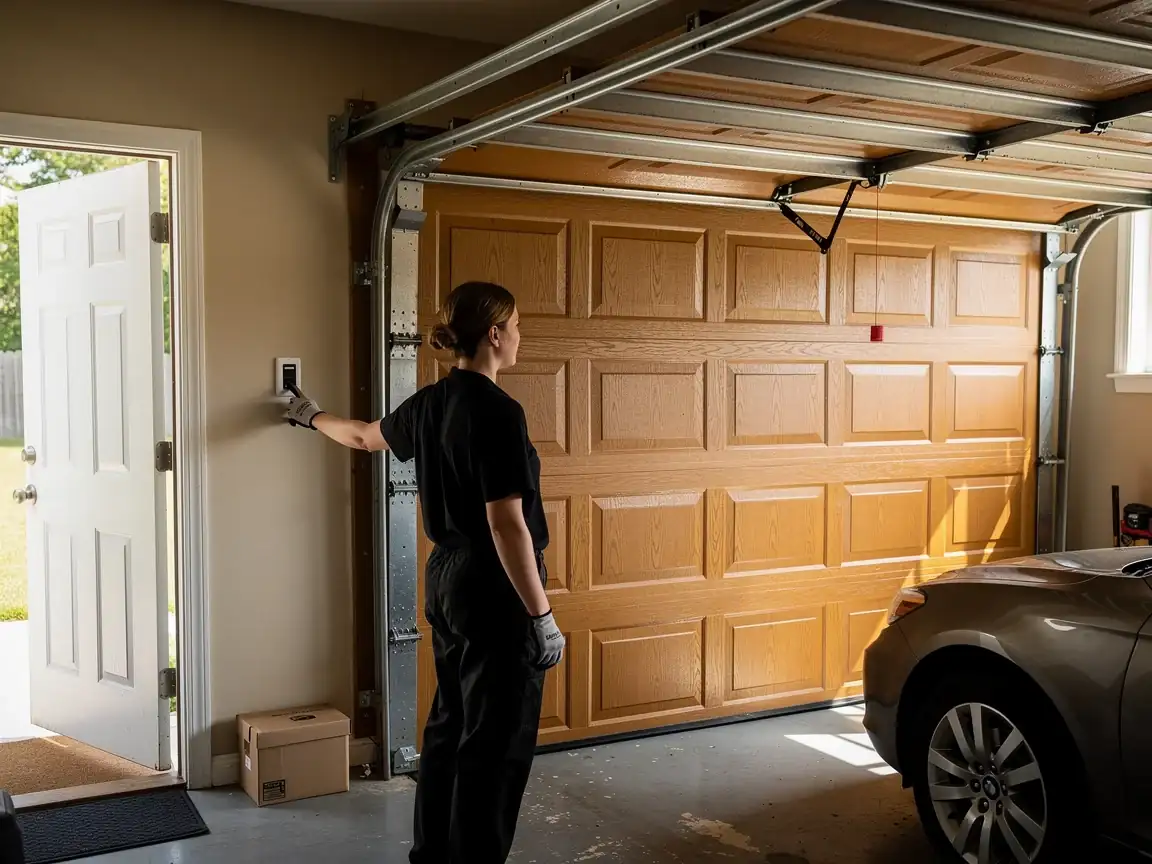
A fully broken torsion spring is usually the easy call - the door won't budge and you know something's wrong. Harder to catch is a spring that's weakening slowly: the door still opens, but the opener is working overtime, and that strain gets transferred to the gears inside the opener unit and to the cables on either side of the door. We've seen it lead to a snapped cable on top of the spring issue, which turns a one-part repair into two. The honest limitation here: if you wait until the opener itself has burned out from fighting a dead spring, that's a separate repair we can't bundle into the spring price, and on a door this age it may be the point where replacement starts to make more financial sense than two repairs back to back.